

Quick verdict: ⚠️ Wildfire smoke exposure is not safe during pregnancy at any level, as it contains harmful pollutants that can cross the placenta and affect fetal development. Minimize exposure entirely and use protective measures if you must be outside.
At 11:47 PM, your phone buzzes with another wildfire alert. The air outside smells acrid, your eyes sting, and you’re clutching your belly—now pregnant. You’ve already spent the day indoors with the windows shut, but the smoke keeps creeping in. Is wildfire smoke exposure safe during pregnancy? The answer isn’t just “no”—it’s layered with risks that change depending on how much you breathe it in, which trimester you’re in, and whether you have pre-existing conditions like asthma. And if you’ve already been exposed? You’re not alone in worrying.
Wildfire smoke is a complex mix of tiny particles, toxic gases, and chemicals that can linger for days or weeks. For pregnant women, the stakes are higher: these pollutants may cross the placenta, trigger preterm labor, or restrict fetal growth. The American College of Obstetricians and Gynecologists (ACOG) and World Health Organization (WHO) both warn against wildfire smoke exposure during pregnancy, emphasizing that there is no safe level of exposure. But what does that mean for you? How can you protect yourself when smoke is everywhere? And if you’ve already inhaled it, what should you do next?
This guide breaks down the science, trimester-by-trimester safety, protective measures, and safer alternatives—so you can breathe easier, even when the air outside doesn’t feel safe.
| Trimester/Breastfeeding | Safety Verdict | Notes |
|---|---|---|
| First Trimester | ❌ Best avoided | Organogenesis (critical organ development) occurs here. Smoke exposure increases risks of birth defects and preterm birth. |
| Second Trimester | ⚠️ Minimize exposure | Still high risk for fetal growth restriction and respiratory issues. Avoid prolonged or heavy exposure. |
| Third Trimester | ⚠️ Minimize exposure | Increased risk of preterm labor and low birth weight. Avoid outdoor activities during smoke events. |
| Breastfeeding | ⚠️ Minimize exposure | Smoke particles can transfer through breast milk. Avoid exposure to protect infant health. |
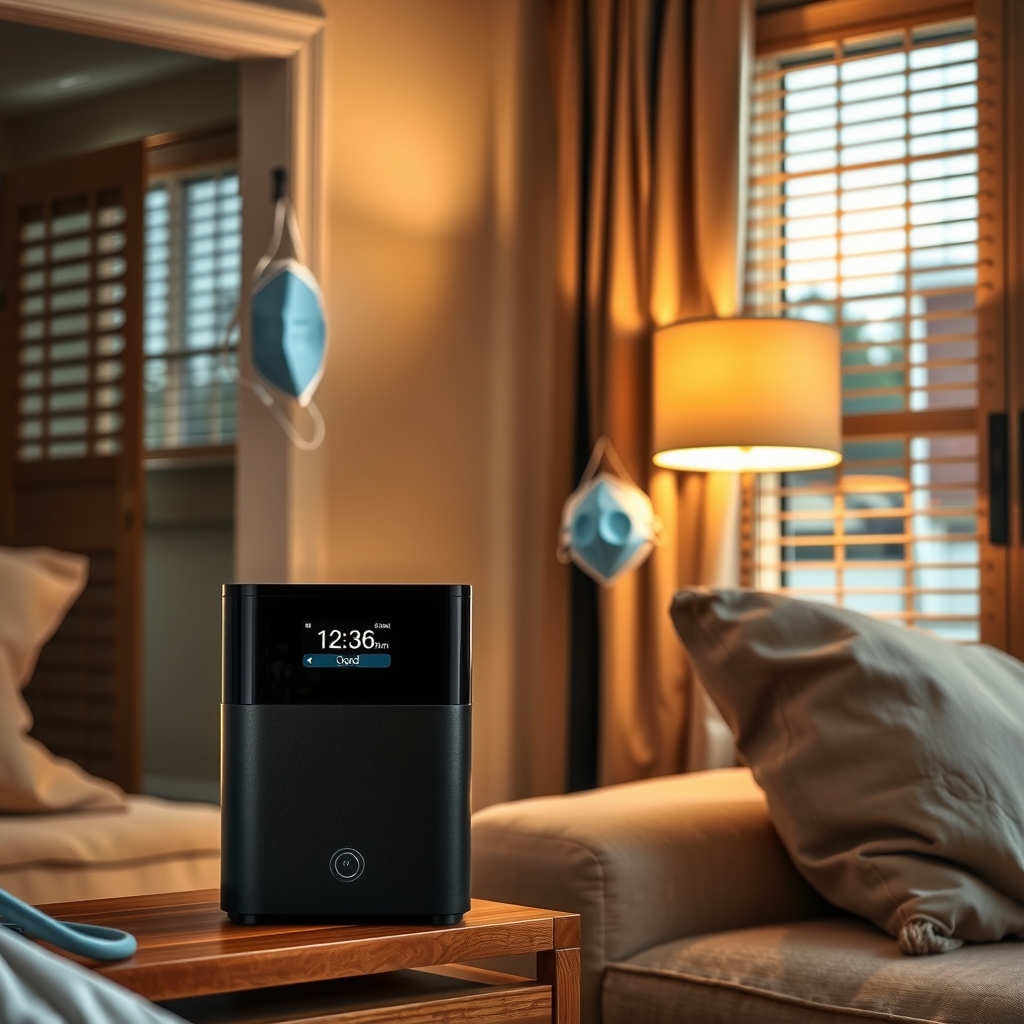
Wildfire smoke isn’t just a seasonal issue in high-risk areas like California or Australia. With climate change, wildfires are becoming more frequent and intense, spreading smoke across entire regions. Even if you’re not near a fire, smoke can travel hundreds of miles, turning your usual morning walk into a health risk. The CDC reports that wildfire smoke exposure is linked to preterm birth, low birth weight, and developmental delays in infants.
So why does it feel like the air is “just smoke”? Because it’s not just smoke—it’s a complex chemical soup that can trigger asthma attacks, worsen heart conditions, and even cause long-term lung damage. For pregnant women, the consequences are even more serious, as the developing fetus is particularly vulnerable to environmental toxins.
--- ## Is wildfire smoke exposure safe during pregnancy? The short answer is no, wildfire smoke exposure is not safe during pregnancy at any level. The ACOG and WHO both emphasize that there is no safe threshold for exposure to wildfire smoke, especially for pregnant women. Here’s why:The tiny particles in wildfire smoke (like PM2.5) can cross the placenta and enter the fetal bloodstream, potentially causing:
- Birth defects (especially in the first trimester, when organs are forming).
- Preterm birth (linked to increased stress hormones triggered by smoke exposure).
- Low birth weight (due to restricted blood flow to the placenta).
- Respiratory issues in the baby (including asthma or bronchitis after birth).
The CDC cites studies showing that pregnant women exposed to wildfire smoke are 20% more likely to have preterm births and 30% more likely to have low birth weight babies. Even short-term exposure (like a few hours) can trigger increased heart rate and blood pressure in pregnant women, which can stress the placenta.
Many people assume that “a little smoke won’t hurt”, but the reality is that even low levels of exposure can have cumulative effects. The WHO recommends that pregnant women avoid all outdoor activity during wildfire events, even if the air quality is labeled “moderate.” This is because no level of exposure is considered risk-free for fetal development.
If you’ve already been exposed—whether it was a single day or ongoing—don’t panic. Most immediate risks are manageable with protective measures, but it’s important to take steps to reduce further exposure and monitor your health.
--- ## Safety by trimester ### **Is it safe to breathe wildfire smoke during the first trimester?** No, wildfire smoke is best avoided entirely in the first trimester. This is the most critical period for fetal development, as organs, bones, and major systems are forming. Exposure to wildfire smoke in the first trimester is linked to:- Higher risk of birth defects (especially neural tube defects or heart abnormalities).
- Increased chance of miscarriage (due to oxidative stress from smoke particles).
- Placental complications (like reduced blood flow to the baby).
The ACOG advises pregnant women to minimize all environmental exposures during this time, including wildfire smoke. If you must be outside (e.g., for medical care), wear an N95 mask and limit time to under 10 minutes.
If you’ve already been exposed in the first trimester, schedule a prenatal checkup to ensure everything is progressing as expected. Monitor for symptoms like dizziness, headaches, or unusual fatigue—these could signal stress on the placenta.
--- ### **Is it safe to breathe wildfire smoke during the second trimester?** Wildfire smoke should still be minimized in the second trimester, though the risks are slightly lower than in the first. However, exposure remains dangerous because:- Smoke can cause fetal growth restriction (leading to low birth weight).
- It may trigger preterm labor (due to inflammation and stress hormones).
- Babies exposed in utero are more likely to develop asthma or allergies later in life.
The CDC recommends that pregnant women in the second trimester avoid outdoor exercise or long walks during smoke events. If you must go outside, keep activities under 15 minutes and wear a well-fitted N95 mask. Indoor air quality is just as important—run an HEPA air purifier and keep windows closed.
If you’ve been exposed to smoke in the second trimester, focus on hydration and rest. Some women report feeling unusually tired or short of breath after smoke exposure, which may be your body adapting to stress.
--- ### **Is it safe to breathe wildfire smoke during the third trimester?** Wildfire smoke is particularly risky in the third trimester because:- It increases the risk of preterm birth (especially if exposure is prolonged).
- Babies may experience respiratory distress after birth (due to smoke particles in the amniotic fluid).
- Maternal stress from smoke can affect fetal heart rate and movement.
The ACOG advises that pregnant women in the third trimester avoid all unnecessary outdoor activity during wildfire events. If you must be outside (e.g., for a medical appointment), limit time to under 10 minutes and wear a mask. Monitor your baby’s movements closely—reduced movement could signal stress.
If you’ve been exposed to smoke in the third trimester, attend all scheduled appointments to ensure the baby’s growth and heart rate are normal. Some women report increased Braxton Hicks contractions after smoke exposure, which may be your body preparing for labor.
--- ### **Is wildfire smoke safe while breastfeeding?** No, breastfeeding women should also minimize wildfire smoke exposure. Smoke particles can:- Transfer into breast milk, potentially exposing the baby to toxins.
- Cause respiratory irritation in infants (who are more sensitive to air pollution).
- Increase the risk of postpartum complications (like infections or fatigue).
The WHO recommends that breastfeeding women stay indoors with doors and windows closed during wildfire events. If you must go outside, wear an N95 mask and limit time. Express and store breast milk indoors if you’re in a high-smoke area, as outdoor pumping could contaminate the milk.
If you’ve been exposed to smoke while breastfeeding, monitor your baby for signs of respiratory distress (like coughing, wheezing, or fussiness). Most babies are fine, but consult your pediatrician if you notice any changes.
--- ## Safe exposure limits and protective measures ### **How much wildfire smoke exposure is considered safe for pregnant women?** There is no safe level of wildfire smoke exposure for pregnant women. However, the U.S. Environmental Protection Agency (EPA) provides air quality guidelines that can help you assess risk:- Good (Green): AQI < 50 — Safe for outdoor activity (but still best to avoid smoke).
- Moderate (Yellow): AQI 51-100 — Avoid prolonged outdoor activity (e.g., no gardening or long walks).
- Unhealthy for Sensitive Groups (Orange): AQI 101-150 — Stay indoors and use an air purifier.
- Unhealthy (Red): AQI 151-200 — Do not go outside unless it’s an emergency.
- Very Unhealthy (Purple): AQI 201-300 — Evacuate if possible or seek shelter indoors.
- Hazardous (Maroon): AQI > 300 — Immediate evacuation or shelter-in-place.
Even if the AQI is “moderate,” pregnant women should err on the side of caution and avoid outdoor activity. The ACOG recommends:
- Limit outdoor time to under 10 minutes if you must go outside.
- Wear an N95 mask (not a surgical mask) if you’re outside.
- Keep windows and doors closed indoors.
- Run a HEPA air purifier in your home.
- Avoid activities that increase breathing rate (like running or heavy cleaning).
If you’re in an area with poor air quality (AQI > 100), stay indoors as much as possible. Use a portable air purifier in your bedroom and avoid driving, as car exhaust worsens smoke exposure.
--- ### **Which brands of air purifiers are best for protecting pregnant women from wildfire smoke?** If you must be indoors during wildfire smoke, an HEPA air purifier with activated carbon is your best defense. These filters remove 99.97% of PM2.5 particles (the most dangerous component of wildfire smoke) and absorb toxic gases like VOCs and CO. Here are the top-rated options for pregnant women:| Air Purifier | Key Features | Safe for Pregnancy? | Notes |
|---|---|---|---|
| Honeywell HPA300 | HEPA + activated carbon, covers 415 sq ft, True HEPA filter | ✅ Yes | Removes 99.97% of particles and gases; quiet operation. |
| Philips Series 2000 | HEPA + VOC filter, covers 361 sq ft, smart sensors | ✅ Yes | Auto-adjusts fan speed based on air quality; great for bedrooms. |
| Levoit LV-H132 | HEPA + activated carbon, covers 367 sq ft, 3-stage filtration | ✅ Yes | Energy-efficient; good for allergies and smoke. |
| Coway Airmega 200 | HEPA + carbon, covers 440 sq ft, smart app control | ✅ Yes | Quiet and effective for large rooms. |
What to avoid:
- Cheap air purifiers without HEPA or carbon filters (they won’t remove smoke particles effectively).
- Ozone generators (they can worsen respiratory issues).
- Used or low-quality filters (replace filters every 6-12 months).
Place your air purifier in the room you spend the most time in (usually your bedroom) and keep doors closed to prevent smoke from spreading. If you’re in a multi-story home, run a purifier on each floor.
--- ## Side effects and risks of wildfire smoke exposure during pregnancy ### **Immediate risks (within hours/days of exposure)** If you’ve been exposed to wildfire smoke, watch for these red-flag symptoms that require medical attention:- Severe shortness of breath (difficulty catching your breath at rest).
- Chest pain or pressure (could indicate stress on your heart).
- Dizziness or fainting (sign of low oxygen or dehydration).
- Persistent cough with mucus (may indicate lung irritation).
- Reduced fetal movement (if you’re in your second or third trimester).
- Headache or nausea (could signal carbon monoxide poisoning).
If you experience any of these, call your healthcare provider immediately. Carbon monoxide (CO) from wildfire smoke is especially dangerous because it’s odorless and can displace oxygen in your blood, affecting both you and your baby.
--- ### **Long-term risks (weeks/months after exposure)** Even if you don’t feel sick right away, wildfire smoke exposure can have long-term effects on you and your baby:- Increased risk of gestational diabetes (due to inflammation from smoke).
- Higher chance of postpartum depression (stress from smoke can affect hormones).
- Babies may develop asthma or allergies later in life.
- Premature aging of the placenta (linked to lower birth weight).
To mitigate these risks, stay hydrated, eat nutrient-rich foods, and avoid further smoke exposure. If you’re worried about long-term effects, discuss prenatal testing with your provider.
--- ## Safer alternatives to being outside during a wildfire If you must stay indoors during wildfire smoke, here are the best ways to protect yourself and your baby:- Honeywell HPA300 HEPA air purifier — Removes 99.97% of smoke particles and toxic gases; ideal for bedrooms.
- Philips Series 2000 HEPA air purifier — Smart sensors auto-adjust to improve air quality; great for allergies.
- 3M 8210 N95 respirator mask — Fits tightly to block PM2.5 particles; use only if you must go outside.
- Levoit LV-H132 air purifier — Energy-efficient with activated carbon; removes VOCs and smoke odors.
- Honeywell HPA300 with activated carbon filter — Extra layer of protection against toxic gases.
- Air Purifier with Activated Carbon — Filters out chemical pollutants like benzene (found in wildfire smoke).
- Portable HEPA air purifier — Compact models for cars or small rooms (e.g., safe car air filters).
- Indoor plants (like spider plants or snake plants) — While not a replacement for air purifiers, they can help absorb some toxins and add oxygen.
If you’re in an area with severe smoke, consider:
- Temporary relocation to a cleaner air zone (check AirNow.gov for AQI maps).
- Wetting a towel and placing it over vents to trap some particles.
- Avoiding exercise (which increases breathing rate and smoke intake). --- ## Related items — safety at a glance Here’s how wildfire smoke compares to other types of smoke exposure during pregnancy:
- Wildfire smoke is not safe at any level during pregnancy—avoid exposure entirely when possible.
- First-trimester exposure is the riskiest for birth defects and miscarriage, but all trimesters carry risks.
- Use an N95 mask and HEPA air purifier if you must be outside or indoors with poor air quality.
- Monitor for symptoms like dizziness, coughing, or reduced fetal movement—call your provider if concerned.
- Stay hydrated and rest after exposure to help your body recover.
- Check AQI maps daily and plan indoor activities during high-smoke events.
- Consider temporary relocation if smoke levels are hazardous (AQI > 150).
- Preterm birth (linked to inflammation from smoke exposure).
- Low birth weight (due to restricted blood flow to the placenta).
- Birth defects (especially in the first trimester).
- Respiratory issues in the baby (like asthma or bronchitis after birth).
- Carbon monoxide poisoning (odorless and dangerous for both you and your baby).
- Stay indoors with doors and windows closed.
- Use a HEPA air purifier with activated carbon in your home.
- Wear an N95 mask if you must go outside (not a surgical mask).
- Check the Air Quality Index (AQI) daily and avoid outdoor activity when AQI is > 100.
- Avoid driving (car exhaust worsens smoke exposure).
- Stay hydrated and rest after exposure.
- Consider temporary relocation if smoke levels are hazardous.
- Wear an N95 mask (ensure it fits tightly to block particles).
- Limit time outdoors to under 10 minutes (longer exposure increases risk).
- Avoid physical exertion (like running or heavy cleaning).
- Monitor for symptoms like dizziness, coughing, or shortness of breath.
- Return indoors immediately and wash your clothes if exposed to smoke.
- Evacuate if ordered to do so—your health and your baby’s health come first.
- If trapped indoors, seal windows and doors with wet towels to block smoke.
- Use a portable air purifier or N95 mask if smoke enters your home.
- Stay hydrated and avoid exertion to reduce stress on your body.
- Monitor fetal movement closely—reduced movement may signal stress.
- Call your healthcare provider if you experience symptoms like dizziness or coughing.
- Severe shortness of breath (difficulty breathing at rest).
- Chest pain or pressure (could indicate heart stress).
- Dizziness or fainting (sign of low oxygen or dehydration).
- Persistent cough with mucus (may indicate lung irritation).
- Reduced fetal movement (track kicks for 24 hours; if fewer than 10 in 12 hours, call your provider).
- Headache or nausea (could signal carbon monoxide poisoning).
- Fever or chills (sign of infection).
- American College of Obstetricians and Gynecologists (ACOG) – Wildfire Smoke and Pregnancy Guidelines
- World Health Organization (WHO) – Air Quality and Pregnancy
- Centers for Disease Control and Prevention (CDC) – Wildfire Smoke and Pregnancy Risks
- U.S. Environmental Protection Agency (EPA) – Air Quality Index (AQI) Guidelines
- AirNow.gov – Real-Time Air Quality Maps
| Type of Smoke Exposure | Safety Verdict | Notes |
|---|---|---|
| Smoke exposure from cooking | ⚠️ Safe in moderation | Ventilate kitchen well; avoid frying or burning food. Read more. |
| Smoke exposure from vaping | ❌ Best avoided | Contains harmful chemicals like nicotine and formaldehyde; linked to preterm birth. Learn more. |
| Smoke exposure from secondhand tobacco | ❌ Best avoided | Increases risk of miscarriage, preterm birth, and low birth weight. See risks. |
| Smoke exposure from indoor fires | ⚠️ Minimize exposure | Use fireplaces with proper ventilation; avoid burning wood or candles. Check for hidden risks. |
| Smoke exposure from fireworks | ❌ Best avoided | Contains heavy metals and toxic chemicals; avoid all fireworks during pregnancy. |
| Smoke exposure from wood stoves | ⚠️ Safe with ventilation | Use stoves with EPA-certified wood; keep doors and windows open. Learn about safe heating. |
If you’re in an area with hazardous air quality (AQI > 200) and cannot evacuate, seek medical advice on sheltering in place. Your provider may recommend additional monitoring or testing.
This information is not a substitute for medical advice. Always consult your healthcare provider with any questions or concerns about your health or your baby’s health.
--- ## References
