Is asbestos in old homes safe during pregnancy? Experts say limit exposure—especially in the first trimester—to protect fetal development. Learn safe
By Shubhra Mishra — a mom of two who turned her own confusion during pregnancy into BumpBites, a global mission to make food choices clear, safe, and stress-free for every expecting mother. 💛
Check whether any food is safe during pregnancy with the BumpBites Food Safety Checker.
Quick verdict: ⚠️ Asbestos exposure during pregnancy is best avoided due to its link to serious respiratory diseases and potential risks to fetal development, though accidental minor exposure (e.g., from undisturbed asbestos) may not be immediately dangerous. If you suspect asbestos in your home, prioritize professional assessment and mitigation before taking action yourself.
It’s 2 a.m., your phone buzzes with a search: is asbestos in old home safe during pregnancy? Maybe you’re renovating, maybe you just noticed flaky wallpaper or crumbling insulation, or maybe you’re inheriting a home with a history you didn’t know about. Whatever the reason, the panic sets in: What if it’s asbestos? Is it safe for my baby? You’re not alone—many pregnant women face this question when dealing with older homes, where asbestos was once a common building material. The good news? Most homes with asbestos don’t pose an immediate threat if left undisturbed. The bad news? Disturbing it—whether through DIY projects, renovations, or even heavy cleaning—can release deadly fibers into the air. So, what’s the real risk, and what should you do next? Let’s break it down.
Asbestos is a group of naturally occurring minerals that were widely used in construction materials until the late 20th century due to their heat resistance and strength. Today, we know it’s a known carcinogen—meaning it can cause cancer—and exposure during pregnancy raises concerns about both maternal health and fetal development. The American College of Obstetricians and Gynecologists (ACOG) and the Environmental Protection Agency (EPA) emphasize that pregnant women should avoid unnecessary asbestos exposure, particularly during home renovations or repairs. But what does that mean in practice? Can you safely live in a home with asbestos? How do you test for it? And if you find it, what are your options without risking your baby’s health?
This article will guide you through everything you need to know—from understanding what asbestos is and how it affects pregnancy, to safe removal strategies, safer alternatives, and what to do if you’ve already been exposed. We’ll also address your specific concerns by trimester and provide clear action steps so you can make informed decisions for your home and your baby.
Trimester / Situation
Safety Verdict
Key Notes
1st Trimester
⚠️ Avoid unnecessary exposure
Critical period for fetal organ development; even low-level exposure may pose risks. Prioritize professional assessment and encapsulation over DIY removal.
2nd Trimester
⚠️ Avoid unnecessary exposure
Fetal systems continue developing, but risk of major birth defects from asbestos is lower than in the first trimester. Still, avoid disturbing asbestos.
3rd Trimester
⚠️ Avoid unnecessary exposure
Focus on minimizing inhalation risk; professional removal is safest. If asbestos is undisturbed, living in the home is generally considered low-risk.
Breastfeeding
⚠️ Avoid unnecessary exposure
Asbestos does not transfer through breast milk, but continued exposure during pregnancy or postpartum can still pose health risks to you. Follow same precautions as during pregnancy.
---
What is asbestos?
Asbestos is a fibrous mineral that was widely used in construction materials between the 1930s and the late 1970s due to its durability, heat resistance, and insulating properties. Common asbestos-containing materials in older homes include:
Insulation (e.g., pipe wrap, attic insulation)
Vinyl floor tiles and adhesives
Wall and ceiling textures
Roofing and shingles
Acoustical coatings and plasters
Electrical wiring insulation
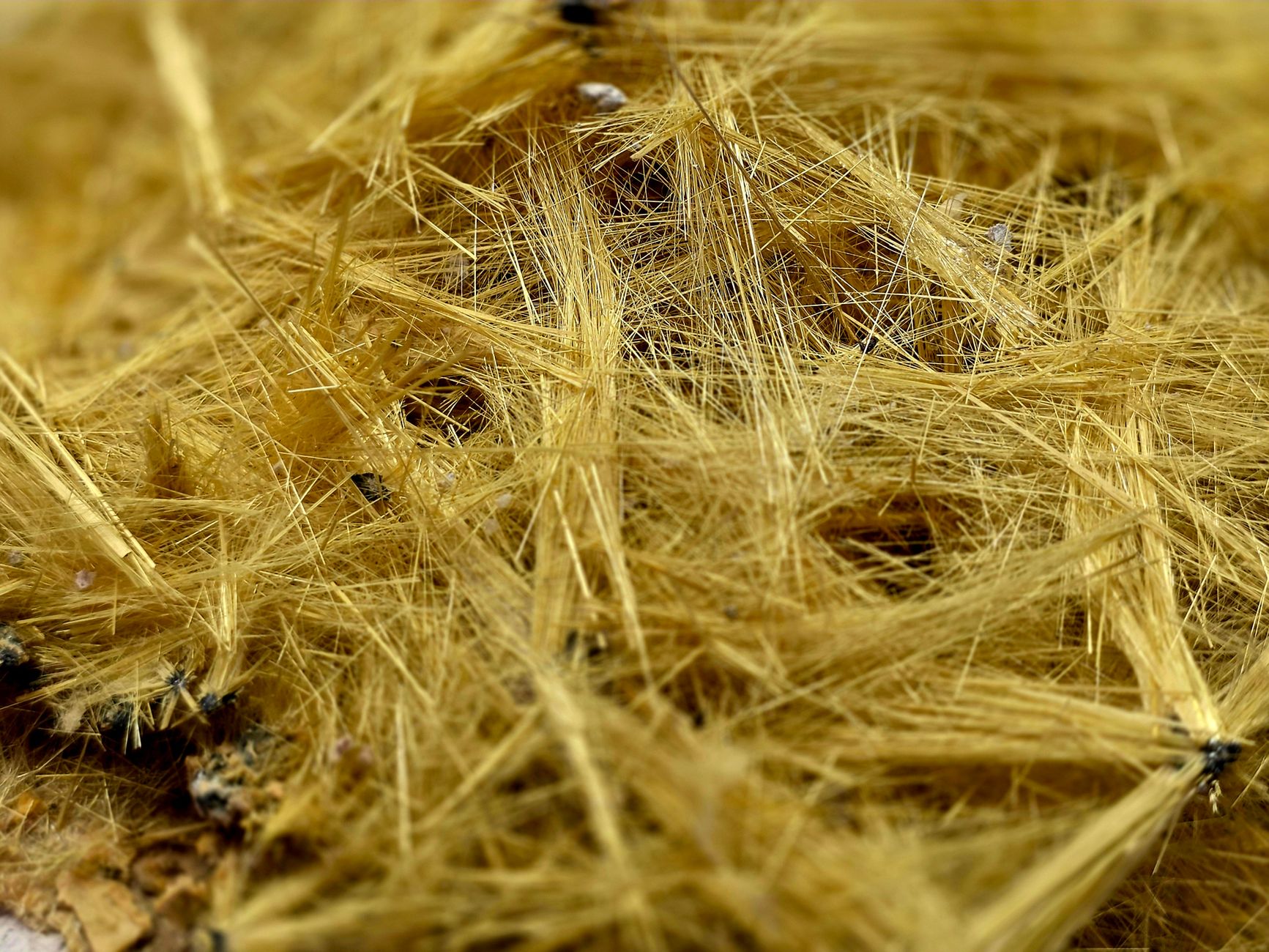
Asbestos fibers are microscopic and can become airborne when materials are disturbed—through sanding, drilling, scraping, or even heavy vacuuming. Once inhaled, these fibers can lodge in the lungs, leading to serious health conditions like asbestosis (a chronic lung disease), mesothelioma (a rare but aggressive cancer), and lung cancer. The risk increases with the duration and intensity of exposure.
So, why is asbestos a concern during pregnancy? The primary worry isn’t just about the mother’s health—it’s also about the potential impact on fetal development. While the evidence linking asbestos exposure directly to birth defects is limited, the broader concern is that maternal respiratory or systemic health issues (like asbestosis or cancer) could indirectly affect pregnancy outcomes. Additionally, asbestos fibers can cross the placenta in animal studies, though human evidence is scarce. For these reasons, health organizations like the ACOG and the EPA recommend minimizing exposure during pregnancy.
---
Is asbestos in an old home safe during pregnancy?
T
he short answer is no, it’s not safe to assume asbestos is harmless in your home during pregnancy—but the risk depends entirely on whether the asbestos is disturbed. If asbestos materials are intact and undamaged, the risk of exposure is low, and living in the home is generally considered safe. However, if you’re planning renovations, repairs, or even heavy cleaning, the risk increases dramatically because these activities can release fibers into the air.
The CDC and WHO classify asbestos as a Group 1 carcinogen, meaning there’s no safe level of exposure—only varying degrees of risk. For pregnant women, the concern isn’t just about cancer but also about potential effects on fetal development. While direct evidence of asbestos causing birth defects in humans is limited, studies in animals suggest that asbestos fibers can cross the placenta and may affect lung development. Additionally, maternal respiratory issues caused by asbestos exposure could indirectly impact pregnancy outcomes, such as preterm birth or low birth weight.
Most obstetricians and environmental health experts agree that the safest approach is to avoid disturbing asbestos materials during pregnancy. If you suspect asbestos in your home, the first step is to have it professionally tested. The EPA provides guidelines for testing and removal, and many states require licensed professionals to handle asbestos abatement. For example, if you’re dealing with renovations or repairs, hiring a certified asbestos removal contractor is the best way to protect both you and your baby.
A common misconception is that asbestos is only dangerous if it’s visibly crumbling or damaged. In reality, even seemingly harmless materials like insulation or floor tiles can release fibers if disturbed. For instance, sanding asbestos-containing drywall or using a regular vacuum to clean up debris can create a hazardous situation. That’s why the EPA recommends against DIY removal unless you’re certified—and even then, pregnant women are advised to avoid the process entirely.
---
Is asbestos in an old home safe during the first trimester of pregnancy?
The first trimester is the most critical period for fetal development, particularly for the formation of organs and systems. During this time, the risk of asbestos exposure is particularly concerning because even low levels of inhalation could potentially affect lung or other organ development. While there’s no definitive evidence that asbestos directly causes birth defects, the ACOG advises pregnant women to avoid unnecessary exposure to any substance that could compromise maternal health.
If you discover asbestos in your home during the first trimester, your best course of action is to:
Hire a certified asbestos inspector to test and assess the materials.
Avoid any activities that could disturb the asbestos (e.g., sanding, drilling, heavy cleaning).
Consider temporary relocation if renovations are unavoidable, or work with contractors to minimize dust and fiber release.
If the asbestos is undisturbed, living in the home is generally considered low-risk, but it’s still wise to take precautions like using high-efficiency particulate air (HEPA) vacuums and keeping the area well-ventilated.
---
What amount of asbestos exposure is considered safe for pregnant women?
There is no safe level of asbestos exposure, according to the EPA and the International Agency for Research on Cancer (IARC). However, the risk increases with the duration and intensity of exposure. For pregnant women, the goal is to minimize exposure to as low as reasonably achievable (ALARA principle).
The Occupational Safety and Health Administration (OSHA) sets workplace exposure limits for asbestos at 0.1 fibers per cubic centimeter (f/cc) over an 8-hour shift. For non-occupational settings (like homes), there’s no strict legal limit, but the EPA recommends:
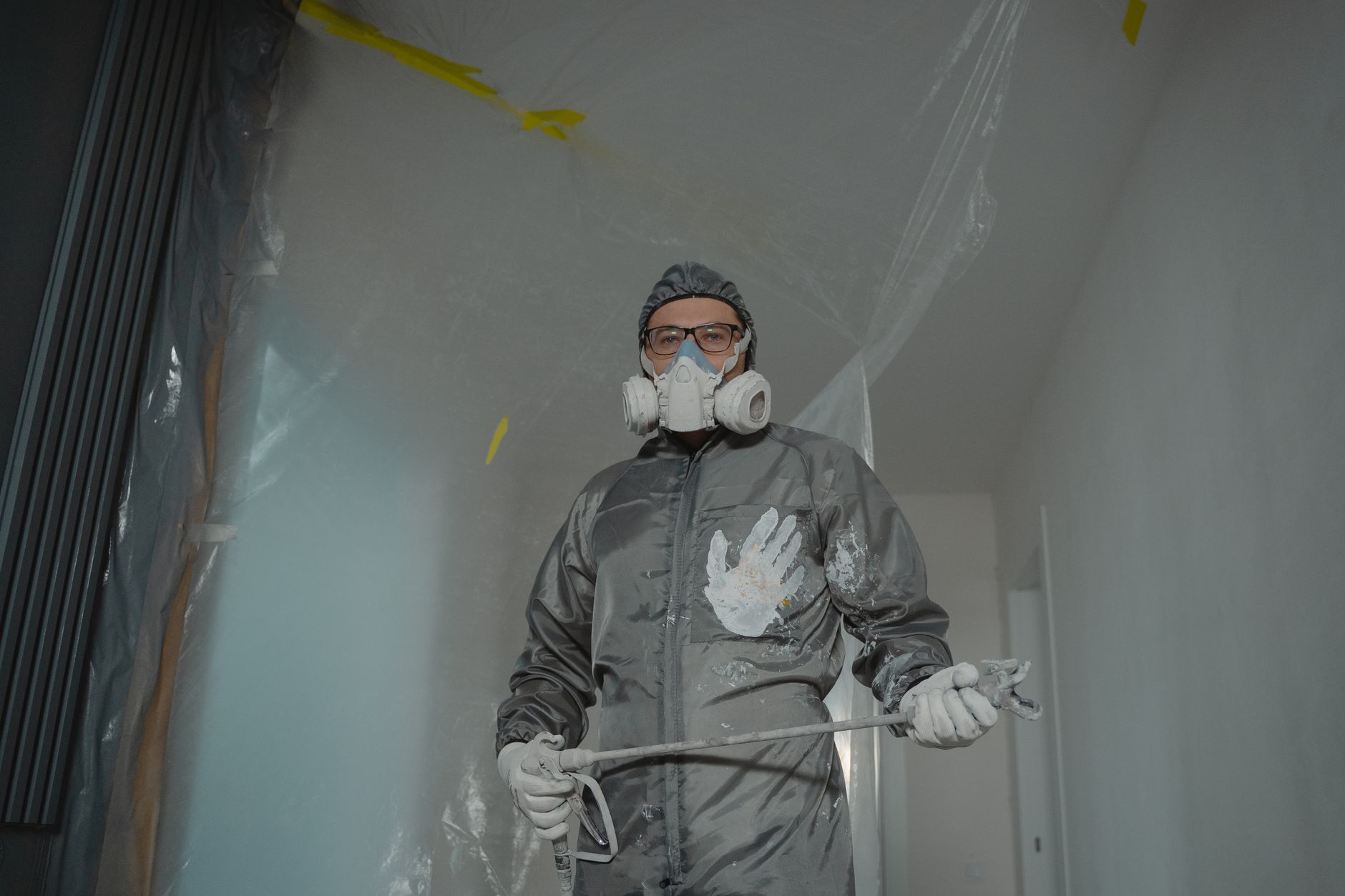
Using protective equipment (e.g., N95 respirators) if you must work in an area with potential asbestos exposure.
If you’ve been exposed to asbestos—even accidentally—it’s important to monitor your symptoms. Many pregnant women worry about the long-term effects on their baby, but asbestos fibers do not transfer through breast milk, and there’s no evidence that brief or low-level exposure during pregnancy directly harms the fetus. However, if you experience persistent coughing, shortness of breath, or chest pain, contact your healthcare provider immediately.
---
Are there safer alternatives to removing asbestos from an old home during pregnancy?
If you’re dealing with asbestos in your home during pregnancy, removal isn’t always necessary—especially if the materials are in good condition. Instead, consider these safer alternatives:
---
Safer alternatives to asbestos exposure during pregnancy
If you’re facing asbestos in your home, you don’t always need to remove it entirely. Here are safer alternatives to avoid disturbing asbestos materials:
Professional asbestos abatement — Hire licensed contractors who follow EPA-approved protocols to safely remove or encapsulate asbestos. This is the safest option if removal is unavoidable.
Encapsulation — Sealing asbestos materials with a special coating to prevent fibers from becoming airborne. This is often used for materials like insulation or floor tiles.
Use of HEPA vacuums — If you must clean areas with potential asbestos, use a HEPA-filter vacuum designed for asbestos cleanup to minimize fiber release.
Hiring certified asbestos removal contractors — Always work with professionals who are trained and certified in asbestos handling. Avoid DIY projects that could disturb fibers.
Installing HEPA air purifiers — These can help capture airborne fibers if asbestos materials are disturbed accidentally (e.g., during renovations). Place them in areas where you spend the most time.
Using non-asbestos insulation materials — If you’re renovating, opt for modern insulation materials like cellulose (made from recycled paper) or foam, which are asbestos-free and safer alternatives.
Avoiding high-risk activities — Skip sanding, drilling, or scraping asbestos-containing materials. Even small disturbances can release fibers into the air.
Regular air quality testing — If you suspect asbestos is disturbed, have your home tested for airborne fibers by a certified lab.
---
Related items — safety at a glance
Item
Safety Verdict
Key Notes
Lead paint in old homes
⚠️ Avoid unnecessary exposure
Lead paint is unsafe if disturbed, especially during pregnancy. Testing and professional removal are recommended if peeling or damaged paint is found.
Mold in old homes
⚠️ Avoid unnecessary exposure
Mold can cause respiratory issues and allergies. Fix moisture problems and use HEPA vacuums to reduce exposure risks.
Radon in old homes
⚠️ Minimize exposure
Radon is a colorless, odorless gas that can cause lung cancer. Testing and mitigation (like ventilation) are recommended for safe levels.
Silica dust in old homes
⚠️ Avoid unnecessary exposure
Silica exposure can cause lung disease. Wear respirators and use wet methods when sanding or cutting materials that may contain silica.
Old home renovation hazards
⚠️ Avoid DIY without testing
Renovations can disturb hidden hazards like asbestos, lead, or mold. Always test for contaminants before starting work.
Old home electrical wiring hazards
⚠️ Avoid DIY repairs
Old wiring can pose fire risks. Hire a licensed electrician to inspect and update wiring safely.
Old home plumbing hazards
⚠️ Avoid DIY repairs
Old pipes may contain lead or cause water contamination. Test water quality and hire professionals for repairs.
Old home asbestos regulations
⚠️ Follow EPA/state guidelines
Regulations vary by state. Always follow EPA-approved protocols for testing, removal, or encapsulation.
---
Myth vs. fact
There are several myths surrounding asbestos exposure during pregnancy. Here’s what you need to know:
Myth:Asbestos is only dangerous if it’s visibly crumbling or damaged.Fact: Even intact asbestos materials can release fibers if disturbed. Activities like sanding, drilling, or heavy vacuuming can create hazardous dust. Always assume asbestos is a risk if your home was built before the 1980s.
Myth:Asbestos exposure during pregnancy will definitely cause birth defects.Fact: There’s no direct evidence that asbestos causes birth defects in humans. However, maternal respiratory issues caused by asbestos exposure could indirectly affect pregnancy outcomes. The focus is on minimizing exposure to protect both you and your baby.
Myth:I can safely remove asbestos myself if I wear a mask.Fact: DIY removal is risky, even with protective gear. Asbestos fibers are microscopic and can bypass masks. Only certified professionals should handle removal or encapsulation.
---
Key takeaways
Asbestos is not safe to disturb during pregnancy, but undisturbed materials in good condition are generally low-risk if left alone.
If you suspect asbestos in your home, hire a certified inspector to test and assess the materials before taking any action.
Avoid DIY projects that could disturb asbestos, such as sanding, drilling, or heavy cleaning. These activities can release fibers into the air.
Safer alternatives include encapsulation, professional removal, or using HEPA vacuums and air purifiers to minimize exposure risks.
If you’ve been exposed to asbestos—even accidentally—monitor your symptoms and contact your healthcare provider if you experience persistent respiratory issues.
Follow EPA and state guidelines for asbestos removal, and always work with licensed professionals to ensure safe handling.
---
Frequently asked questions
What are the symptoms of asbestos exposure during pregnancy?
Symptoms of asbestos exposure can take years to develop, but acute exposure (e.g., from disturbing asbestos materials) may cause immediate respiratory irritation, including:
Persistent coughing
Shortness of breath or wheezing
Chest tightness or pain
Difficulty breathing, especially during physical activity
If you experience these symptoms after potential asbestos exposure, contact your healthcare provider immediately. While asbestos fibers do not directly harm the fetus, maternal respiratory issues could indirectly affect pregnancy outcomes. For example, chronic coughing or reduced oxygen levels might increase stress on your body. If you’re concerned, ask your provider about monitoring your lung function or considering a referral to a pulmonologist.
---
Can asbestos exposure cause birth defects?
There’s no definitive evidence that asbestos exposure directly causes birth defects in humans. However, animal studies suggest that asbestos fibers can cross the placenta and may affect lung or other organ development. The primary concern isn’t birth defects but rather the potential for maternal health issues (like asbestosis or cancer) to indirectly impact pregnancy outcomes, such as preterm birth or low birth weight.
The ACOG recommends minimizing asbestos exposure during pregnancy to avoid any potential risks, even if the evidence is not conclusive. If you’ve been exposed, focus on protecting your own respiratory health and follow up with your healthcare provider to monitor any symptoms. For peace of mind, consider discussing your concerns with an obstetrician who can provide personalized guidance based on your exposure history.
---
Is it safe to live in a house with asbestos during pregnancy?
Yes, it is generally safe to live in a home with asbestos if the materials are undisturbed. The EPA and other health organizations emphasize that the risk comes from disturbing asbestos-containing materials, which can release fibers into the air. If the asbestos is intact and not damaged, living in the home is considered low-risk. However, if you’re planning renovations, repairs, or heavy cleaning, you’ll need to take extra precautions to avoid disturbing the asbestos.
To minimize risks, follow these steps:
Keep asbestos materials undamaged and avoid activities that could disturb them.
Use HEPA vacuums and air purifiers to reduce airborne fibers if you suspect accidental disturbance.
Hire certified professionals for any renovations or repairs to ensure safe handling.
Monitor your symptoms and contact your healthcare provider if you experience respiratory issues.
If you’re unsure whether your home contains asbestos, the EPA recommends hiring a certified inspector to test the materials. Many older homes built before the 1980s may contain asbestos, but it’s only a concern if it’s disturbed.
---
How can I test for asbestos in my old home?
Testing for asbestos is the first step to understanding the risks in your home. Here’s how to do it safely:
Hire a certified asbestos inspector — Never test for asbestos yourself, as disturbing materials can release fibers. Certified inspectors use professional sampling methods to collect and test materials.
Request a bulk sample test — This involves taking a small piece of the material (e.g., insulation, flooring) and sending it to a lab for analysis. This is the most accurate way to confirm asbestos presence.
Avoid air sampling unless necessary — Air sampling can detect airborne fibers but is more invasive and less reliable for identifying the source of the asbestos.
Check for common asbestos-containing materials — Look for older insulation, vinyl floor tiles, textured wall coatings, or pipe wrap. If your home was built before 1980, asbestos may be present.
Once you have the test results, work with a certified asbestos abatement contractor if removal or encapsulation is needed. Many states require licensed professionals to handle asbestos, so always follow local regulations. For more information on testing and removal, visit the EPA’s asbestos page.
---
What should I do if I find asbestos in my home while pregnant?
If you discover asbestos in your home during pregnancy, stay calm—undisturbed asbestos is not immediately dangerous. Here’s what to do next:
Do not disturb the asbestos — Avoid sanding, drilling, scraping, or heavy cleaning in the affected areas.
Hire a certified asbestos inspector — They’ll assess the materials and recommend next steps, such as encapsulation or removal.
Consider professional removal or encapsulation — If the asbestos is damaged or likely to be disturbed (e.g., during renovations), work with licensed contractors to safely remove or seal it.
Use protective measures if you must work in the area — If you’re cleaning or maintaining the home, wear an N95 respirator and use a HEPA vacuum to minimize fiber release.
Monitor your symptoms — If you experience coughing, shortness of breath, or chest pain, contact your healthcare provider.
If the asbestos is undisturbed and in good condition, you can continue living in the home safely. However, if you’re planning renovations or repairs, it’s best to address the asbestos first to avoid accidental exposure. For guidance tailored to your situation, consult your obstetrician or an environmental health specialist.
---
Are there any safe ways to remove asbestos during pregnancy?
While there are no completely safe ways to remove asbestos during pregnancy, the safest options involve hiring certified professionals who follow EPA-approved protocols. DIY removal is strongly discouraged due to the risk of releasing fibers into the air. Here’s how to proceed safely:
Hire a licensed asbestos abatement contractor — They’ll use proper containment, wet methods, and protective gear to minimize fiber release.
Encapsulation instead of removal — Sealing asbestos materials with a special coating can be a safer alternative to full removal, especially if the materials are in good condition.
Avoid dry methods like sanding or scraping — These release fibers into the air and should never be done without professional containment.
Use HEPA vacuums and air purifiers — If asbestos is disturbed accidentally, these can help capture airborne fibers.
If you’re concerned about exposure during removal, discuss your options with your healthcare provider. They may recommend temporary relocation or additional precautions, such as wearing a high-quality respirator. Always prioritize professional handling to protect both you and your baby.
---
Does asbestos exposure affect the baby's lungs?
There’s no direct evidence that asbestos exposure during pregnancy affects a baby’s lungs. However, animal studies suggest that asbestos fibers can cross the placenta and may theoretically impact lung development. The primary concern is not direct fetal harm but rather the potential for maternal respiratory issues (like asbestosis or cancer) to indirectly affect pregnancy outcomes.
The ACOG and other health organizations focus on minimizing asbestos exposure during pregnancy to avoid any potential risks. If you’ve been exposed, the best way to protect your baby is to protect your own respiratory health. This includes:
Monitoring for symptoms like coughing or shortness of breath.
Avoiding further exposure by following safety guidelines.
Discussing your concerns with your healthcare provider.
While the risks to your baby’s lungs are not well-documented, it’s always better to err on the side of caution. If you’re worried, ask your provider about lung function tests or other monitoring options.
---
What are the legal requirements for asbestos removal in pregnant households?
Legal requirements for asbestos removal vary by state and country, but the EPA and OSHA set federal guidelines in the U.S. that most states follow. Here’s what you need to know:
Certified professionals are required — Only licensed asbestos contractors can legally remove or encapsulate asbestos materials. DIY removal is illegal in many states.
EPA-approved protocols must be followed — This includes using containment barriers, wet methods, and proper disposal of asbestos waste.
Testing is often mandatory before removal — Many states require asbestos testing before any renovation or repair work begins.
Pregnant women may need additional protections — While there’s no specific law protecting pregnant women from asbestos exposure, your healthcare provider may recommend temporary relocation or additional precautions during removal.
To find out the specific requirements in your area, contact your state’s environmental protection agency or the EPA directly. For example, in California, asbestos regulations are particularly strict, requiring certified inspectors and contractors for any work involving asbestos. Always follow local laws to ensure safe and legal removal.
---
When to call your doctor
While asbestos exposure during pregnancy is generally low-risk if undisturbed, there are situations where you should contact your healthcare provider immediately:
If you experience persistent coughing, shortness of breath, or chest pain after potential asbestos exposure, even if it’s minor.
If you suspect you’ve been heavily exposed (e.g., during a renovation where asbestos was disturbed), discuss monitoring options with your provider.
If you’re planning renovations or repairs and are unsure how to safely proceed, ask your provider for guidance on protecting yourself and your baby.
If you develop symptoms of respiratory infections (like fever, chills, or fatigue) after potential exposure, as these could indicate an underlying issue.
Remember, asbestos fibers do not transfer through breast milk, and there’s no evidence that brief or low-level exposure directly harms the fetus. However, maternal health is closely linked to fetal health, so it’s always best to address any concerns with your provider. If you’re worried about long-term risks, they may recommend additional testing or monitoring.
This information is not a substitute for medical advice. Always consult your healthcare provider with any questions or concerns about your health or your baby’s health.
---
Certified inspectors use professional sampling methods to test for asbestos safely.Modern insulation materials like cellulose or foam are safer alternatives to asbestos.Using HEPA vacuums and air purifiers can help reduce airborne asbestos fibers if they’re accidentally disturbed.
Not sure about the label on Is Asbestos In Old Home Safe During Pregnancy products?
Snap the ingredients list and SafeFilter checks every ingredient for your stage — only 3 free scans this month, then you're locked until reset. Unlimited from $7/mo or $50/yr.
When Shubhra Mishra was expecting her first child in 2016, she was overwhelmed by conflicting food advice — one site said yes, another said never. By the time her second baby arrived in 2019, she realized millions of mothers face the same confusion.
That sparked a five-year journey through clinical nutrition papers, cultural diets, and expert conversations — all leading to BumpBites: a calm, compassionate space where science meets everyday motherhood.
Her long-term vision is to build a global community ensuring safe, supported, and free deliveriesfor every mother — because no woman should face pregnancy alone or uninformed. 🌿
🌍 Stand with mothers, shape safer guidance
Join a small circle of experts who review BumpBites articles so expecting parents everywhere can decide with confidence.