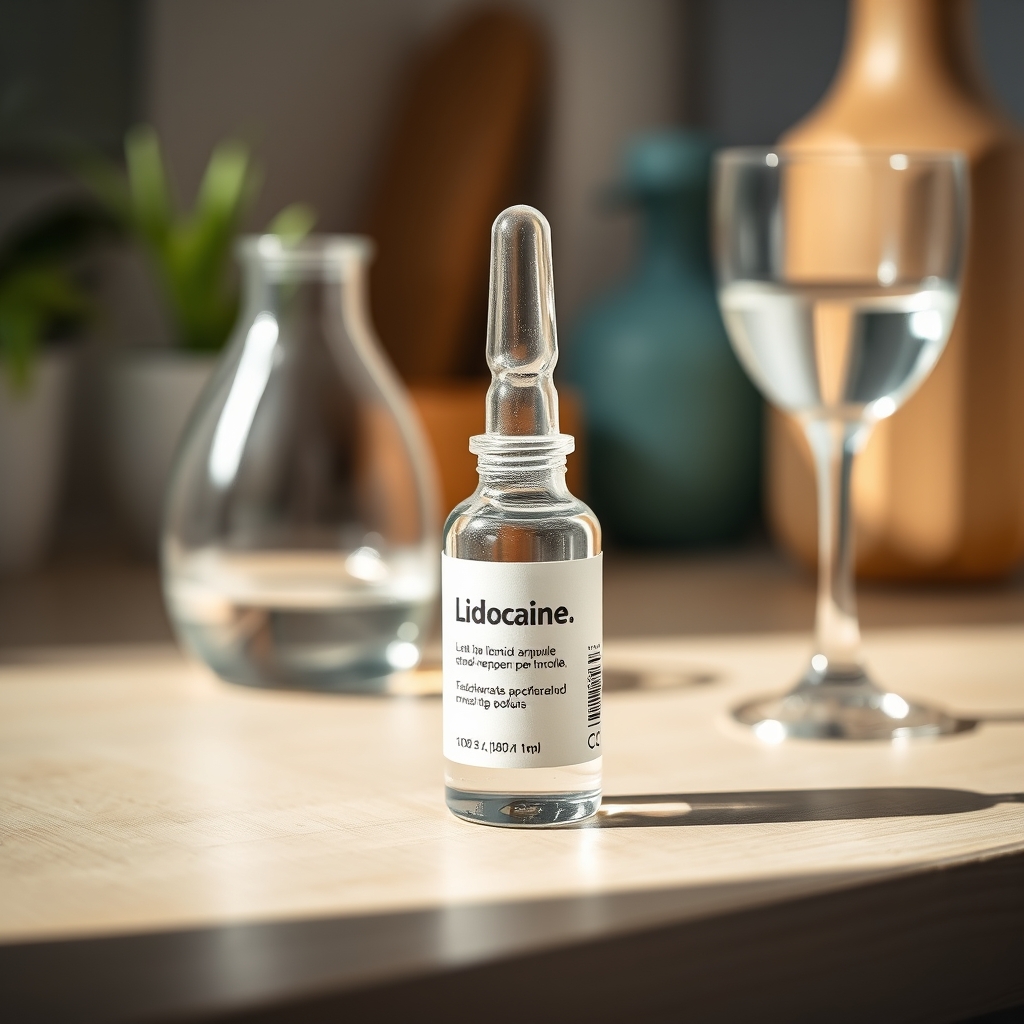
Safe in moderation: Local anesthesia is generally safe during pregnancy, especially after the first trimester. Learn the safe dosage and alternatives for dental or medical procedures.
By Shubhra Mishra — a mom of two who turned her own confusion during pregnancy into BumpBites, a global mission to make food choices clear, safe, and stress-free for every expecting mother. 💛
Check whether any food is safe during pregnancy with the BumpBites Food Safety Checker.
Quick verdict: ✅ Generally safe when used at recommended doses, but avoid high‑dose or prolonged use and discuss with your provider. The safest approach is to limit exposure to the lowest effective amount, especially in the first trimester.
It’s 2 a.m., you’re scrolling through medical forums, and a question pops up: “is local anesthesia safe during pregnancy?” You might be wondering if that dental numbing shot you just received could affect your baby, or if you should skip a minor skin procedure because you’re expecting. First, take a deep breath—you’re not alone, and the answer is clearer than you think.
Overall, most professional bodies—including the American College of Obstetricians and Gynecologists (ACOG) and the UK’s National Health Service (NHS)—agree that local anesthetics such as lidocaine, bupivacaine, and procaine are considered safe when administered at standard doses. The key is to keep the dosage within recommended limits, avoid unnecessary repeats, and be mindful of the timing, especially during the first trimester when organ formation is most sensitive.
In this article we’ll answer the most common concerns about local anesthesia in pregnancy: the safety verdict, trimester‑specific guidance, recommended dosages, brand considerations, potential risks, and safer alternatives. We’ll also compare related anesthetic agents so you can see the full picture at a glance.
Trimester / Status
Verdict
Notes
First trimester (0‑13 weeks)
⚠️ Safe with limits
Use only when necessary; keep dose ≤ 3 mg/kg lidocaine. Avoid repeated injections.
Second trimester (14‑27 weeks)
✅ Generally safe
Standard doses are well tolerated; monitor for maternal hypotension.
Third trimester (28‑40 weeks)
✅ Generally safe
Same dosing guidelines; be aware of potential fetal heart‑rate changes.
Breastfeeding
✅ Generally safe
Minimal drug transfer into breast milk; continue usual feeding.
Local anesthesia refers to a group of drugs that temporarily block nerve signals in a specific area of the body, providing pain relief without affecting consciousness. The most common agents—lidocaine, bupivacaine, procaine, mepivacaine, ropivacaine, and articaine—work by inhibiting sodium channels on nerve membranes, which stops the propagation of pain signals. They are used for dental work, minor skin surgeries, obstetric procedures (such as episiotomies), and even for labor analgesia when administered as a regional block.
When you ask is local anesthesia safe during pregnancy, the short answer is yes, provided it’s used judiciously. ACOG’s Practice Bulletin on anesthesia for obstetric patients (2020) states that “local anesthetics are not teratogenic and have not been linked to adverse fetal outcomes when used at recommended doses.” The NHS similarly notes that lidocaine and similar agents are “compatible with pregnancy” and can be administered safely for dental and minor surgical procedures. The U.S. Food and Drug Administration (FDA) classifies most local anesthetics as Category B, meaning animal studies have not shown risk to the fetus and there are no adequate human studies that suggest harm.
Potential concerns typically revolve around systemic absorption leading to maternal hypotension, which could temporarily reduce uteroplacental blood flow. However, with proper technique—using the lowest effective dose, aspirating before injection, and monitoring maternal blood pressure—these risks are minimal. Studies involving thousands of pregnant women receiving lidocaine for dental procedures have not demonstrated increased rates of miscarriage, congenital anomalies, or low birth weight.
Common misconceptions include the belief that any anesthetic is dangerous for the fetus or that “numbing” means the drug will cross the placenta in harmful amounts. In reality, the placenta acts as a partial barrier, and the short half‑life of most local anesthetics (1‑2 hours for lidocaine) means that only trace amounts reach the fetus, quickly metabolized and eliminated.
Is local anesthesia safe in the first trimester of pregnancy?
The first trimester is the period of organogenesis, when the fetus’s major organs are forming. Because of this heightened sensitivity, ACOG recommends limiting any medication to the lowest effective dose during this window. For local anesthetics, the consensus is that a single, appropriately dosed injection—such as 1‑2 mL of 1 % lidocaine (≈10‑20 mg)—is unlikely to cause harm. The key is to avoid large-volume blocks or repeated dosing without a clear medical indication.
Dental procedures that require a small amount of lidocaine (often less than 50 mg total) have been studied extensively, and no increase in major birth defects has been observed. If you need a larger block—for example, for a minor skin excision—your provider may opt for a shorter‑acting agent like procaine or limit the concentration to keep the total dose under 3 mg/kg.
In practice, many obstetricians will postpone elective procedures that require extensive local anesthesia until after the first trimester, but urgent or necessary interventions (such as treating an infection) are still performed safely with careful dosing.
When a dental filling is needed, a tiny amount of lidocaine provides numbing without affecting the whole body.
What is the recommended safe dosage of lidocaine for pregnant women?
For most adult patients, the maximum safe lidocaine dose without epinephrine is 4.5 mg/kg, and with epinephrine it rises to 7 mg/kg. In pregnancy, clinicians often adopt the more conservative 3 mg/kg ceiling to account for altered pharmacokinetics and to keep fetal exposure minimal. For a 70‑kg pregnant person, this translates to roughly 210 mg total—well above the typical 10‑50 mg used for a dental injection.
Specific guidelines from the FDA and ACOG suggest the following practical limits:
Lidocaine 1 % without epinephrine: ≤ 200 mg total (≈ 20 mL) per procedure.
Lidocaine 2 % with epinephrine: ≤ 300 mg total (≈ 15 mL) per procedure.
When using topical lidocaine 2 % gel, apply no more than a thin layer covering the intended area, typically not exceeding 5 g total per day.
These limits are well within the range of doses used for routine dental work, minor skin surgeries, and obstetric regional blocks. Always discuss the exact amount with your provider, especially if you have a history of liver disease or are taking other medications that could affect lidocaine metabolism.
Can pregnant women receive dental local anesthesia without risk?
Dental health is crucial during pregnancy, and untreated cavities or infections can pose greater risks than a short‑acting local anesthetic. The ACOG advises that “necessary dental treatment, including the use of local anesthetics, should not be postponed because of pregnancy.” The NHS echoes this, stating that routine dental fillings, root canals, and extractions can safely be performed with lidocaine or articaine.
When a dentist uses a standard 1 % lidocaine infiltration (usually 1‑2 mL), the fetal exposure is negligible. The most common side effect is brief numbness of the lip or tongue, which resolves within an hour. Pregnant patients should inform their dentist of any known allergies (e.g., to amide‑type anesthetics) and ensure that the provider monitors blood pressure during the procedure.
If you’re in the first trimester and concerned about any medication, you can request a “no‑epinephrine” formulation, which some dentists keep on hand. This reduces the systemic vasoconstrictive effect, though the overall risk difference is minimal.
Are there safer alternatives to local anesthesia during pregnancy?
Acetaminophen (Tylenol): Safe oral analgesic for mild to moderate pain; does not cross the placenta in harmful amounts.
Topical lidocaine 2 % gel (e.g., LMX): Provides surface numbing with minimal systemic absorption.
Nitrous oxide (laughing gas) sedation: Inhaled analgesic with rapid onset/offset; widely used in dental offices and considered safe for pregnant patients.
Transcutaneous Electrical Nerve Stimulation (TENS) unit therapy: Non‑pharmacologic pain relief that can be used for back pain during pregnancy.
Ice pack therapy: Simple, drug‑free method to reduce swelling and dull pain after minor injuries.
Prenatal massage: Professional massage can alleviate musculoskeletal discomfort without medication.
What are the risks of using bupivacaine while pregnant?
Bupivacaine is a longer‑acting amide anesthetic often used for regional blocks such as epidurals. While it is also classified as FDA Category B, its potency and duration mean that systemic absorption can be higher if large volumes are injected. The primary maternal risk is cardiotoxicity—if the dose exceeds recommended limits, it can cause arrhythmias.
For fetal considerations, the main concern is prolonged exposure leading to transient fetal heart‑rate changes. Continuous fetal monitoring during labor epidurals with bupivacaine helps detect any such alterations early. Studies have not linked bupivacaine to congenital anomalies, but obstetric guidelines advise using the lowest effective concentration (often 0.125 %–0.25 %) and limiting total dose to ≤ 150 mg.
In summary, bupivacaine is safe when administered by an experienced anesthesiologist with proper monitoring, but it is not the first‑line choice for minor dental or skin procedures due to its longer duration and higher potency.
Which brands of local anesthetic are considered safe for expectant mothers?
Most brand‑name formulations contain the same active ingredient as their generic counterparts; safety hinges on the drug, not the label. However, some brands are specifically marketed as “pregnancy‑friendly” because they avoid preservatives that could cause allergic reactions. Examples include:
Xylocaine (Pfizer): 1 % and 2 % lidocaine solutions, widely used and studied.
Marcaine (Pfizer): Bupivacaine 0.25 % and 0.5 % formulations, safe when dosed correctly.
Septocaine (Septodont):** Articaine 4 % with epinephrine; some European guidelines consider it safe, though U.S. dentists often prefer lidocaine due to longer track record.
When choosing a product, ask your provider whether the formulation contains epinephrine. For pregnant patients, many clinicians prefer “plain” lidocaine without vasoconstrictors, especially in the first trimester, to reduce any theoretical risk of reduced uterine blood flow.
How does local anesthesia affect pregnancy outcomes?
Large population studies—including a 2018 cohort of over 12,000 pregnant women undergoing dental procedures—found no statistically significant increase in preterm birth, low birth weight, or congenital anomalies associated with standard‑dose lidocaine. The ACOG Committee Opinion (2021) reinforces that “local anesthetic agents, when used responsibly, do not adversely affect pregnancy outcomes.”
Potential indirect effects—such as maternal anxiety about pain—can actually worsen outcomes if left unaddressed. Effective pain control, whether via local anesthetic or a safer alternative, may improve maternal comfort, reduce stress hormones, and support better fetal growth.
Nevertheless, each pregnancy is unique. Women with pre‑existing cardiac conditions, severe hypertension, or known hypersensitivity should discuss individualized plans with their obstetrician and anesthesiologist.
Is spinal (local) anesthesia safe for a C‑section?
Spinal anesthesia, which delivers a local anesthetic (commonly bupivacaine) directly into the cerebrospinal fluid, is the preferred technique for most Cesarean deliveries in the United States and the United Kingdom. ACOG’s 2020 guidelines state that spinal anesthesia “provides excellent analgesia, allows the mother to remain awake, and is safe for both mother and fetus when administered by experienced providers.”
Typical dosing—0.5 % bupivacaine 10‑15 mg—results in rapid onset of numbness below the umbilicus with minimal systemic absorption. The fetal exposure is negligible, and no increase in birth defects or neonatal complications has been reported. However, as with any regional block, rare complications such as hypotension or high spinal block can occur, so continuous maternal monitoring is essential.
Spinal anesthesia is the standard of care for most Cesarean deliveries, offering effective pain control while keeping the mother awake.
Safe dosage / amount / brands
Below is a quick reference for the most commonly used local anesthetics in pregnancy. All doses are based on adult recommendations and should never exceed the limits listed. Your provider may adjust these values based on weight, comorbidities, and the specific procedure.
For topical preparations, such as lidocaine 2 % gel, the systemic absorption is less than 5 % of that from an injectable dose, making them an excellent low‑risk option for surface numbness.
Side effects and risks
Local anesthetics are generally well tolerated, but it’s important to recognize both mild and serious reactions:
Common, non‑dangerous: Transient tingling, mild swelling at the injection site, brief taste disturbance.
Systemic toxicity (rare): Symptoms include ringing in the ears, metallic taste, dizziness, seizures, or cardiac arrhythmias. These usually occur only with accidental intravascular injection or overdose.
Maternal hypotension: Vasoconstrictors like epinephrine can lower blood pressure, potentially reducing uteroplacental flow. Monitoring blood pressure during the procedure mitigates this risk.
Allergic reaction: Though uncommon, signs include hives, swelling, or difficulty breathing. Immediate medical attention is required.
Fetal risks are indirect—primarily linked to maternal hypotension or severe toxicity. If any of the serious symptoms above develop, seek emergency care and inform the medical team of your pregnancy.
Safer alternatives
Acetaminophen (Tylenol) – safe oral analgesic for mild‑to‑moderate pain.
Topical lidocaine 2 % gel (e.g., LMX) – provides surface numbness with minimal systemic absorption.
Nitrous oxide (laughing gas) sedation – inhaled agent with rapid clearance, commonly used in dental settings.
Transcutaneous Electrical Nerve Stimulation (TENS) – non‑pharmacologic pain relief for back or abdominal discomfort.
Ice pack therapy – reduces swelling and dulls pain after minor injuries.
Prenatal massage – professional massage can ease musculoskeletal tension without medication.
Related items — safety at a glance
Item
Verdict
One‑line note
Lidocaine
✅ Generally safe
Standard dose ≤ 3 mg/kg; most studies show no fetal risk.
Bupivacaine
⚠️ Safe with limits
Long‑acting; use low concentration and monitor maternal vitals.
Procaine
✅ Generally safe
Short‑acting ester; safe at conventional doses.
Mepivacaine
✅ Generally safe
Similar safety profile to lidocaine.
Ropivacaine
⚠️ Safe with limits
Potent; keep dose ≤ 3 mg/kg.
Articaine
✅ Generally safe
Common in dentistry; avoid high‑dose blocks in first trimester.
Myth vs. fact
Myth: All local anesthetics are teratogenic and must be avoided.
Fact: The majority, including lidocaine and bupivacaine, are classified as FDA Category B and have not been shown to cause birth defects when used at recommended doses.
Myth: Numbing a tooth means the drug will reach the baby’s brain.
Fact: Local anesthetic stays largely at the injection site; only tiny amounts cross the placenta, and they are rapidly metabolized.
Myth: If you feel any numbness, the baby is being affected.
Fact: Maternal sensation does not correlate with fetal exposure; the fetus is protected by the placental barrier.
Key takeaways
Local anesthetics are generally safe in pregnancy when used at standard doses.
The first trimester calls for extra caution—keep doses low and avoid repeated blocks.
Lidocaine ≤ 3 mg/kg is the most studied and widely accepted agent.
Common side effects are mild; serious toxicity is rare but requires immediate care.
Safer alternatives exist for mild pain, including acetaminophen and topical lidocaine.
Always discuss any planned procedure with your obstetrician and the provider administering the anesthetic.
Frequently asked questions
Can I get a dental filling with local anesthesia while pregnant?
Yes. Dental fillings can be safely performed using standard lidocaine doses; ACOG and NHS both state that necessary dental care should not be delayed because of pregnancy.
Is it safe to have a C‑section with spinal anesthesia?
Spinal anesthesia is the preferred method for most Cesarean deliveries and is considered safe for both mother and baby when administered by an experienced anesthesiologist.
What are the side effects of local anesthesia for pregnant women?
Typical side effects include temporary tingling, mild swelling, or a metallic taste; serious reactions like seizures or severe hypotension are rare and warrant immediate medical attention.
How long does local anesthesia stay in the body during pregnancy?
Most local anesthetics have a half‑life of 1‑2 hours; they are largely cleared from the maternal bloodstream within a day, with only trace amounts reaching the fetus.
Which local anesthetic is safest for a pregnant patient?
Lidocaine is the most extensively studied and is considered the safest option when used at ≤ 3 mg/kg, especially in the first trimester.
Can local anesthesia cause birth defects?
Current evidence from ACOG and FDA indicates that standard‑dose local anesthetics have not been linked to birth defects; they are classified as Category B.
Do I need to avoid certain dental procedures during pregnancy?
Routine dental care, including cleanings, fillings, and extractions, is safe; elective cosmetic procedures may be postponed until after the first trimester for convenience.
When to call your doctor
If you experience any of the following after a local anesthetic, contact your obstetric provider or seek emergency care:
Severe dizziness, fainting, or rapid heartbeat.
Chest pain, shortness of breath, or sudden swelling of the face/lips.
Persistent numbness or tingling that spreads beyond the injection site.
Signs of an allergic reaction such as hives, itching, or difficulty breathing.
Fetal movement changes after a procedure (e.g., noticeable decrease in kicks).
These symptoms may indicate rare but serious complications that require prompt evaluation. Remember, the information in this article is educational and not a substitute for personalized medical advice.
References
American College of Obstetricians and Gynecologists. Practice Bulletin: Anesthesia for Obstetric Patients. 2020.
National Health Service (NHS). Local anaesthesia in pregnancy – guidance for dentists and surgeons. Updated 2022.
U.S. Food and Drug Administration. FDA Pregnancy Category B for local anesthetics. Accessed 2024.
Centers for Disease Control and Prevention. Pain management during pregnancy: recommendations. 2021.
Mayo Clinic. Lidocaine: Uses, side effects, and safety. 2023.
World Health Organization. Safe use of medicines in pregnancy. Technical Report Series, 2021.
American Academy of Pediatrics. Medication safety in pregnancy and lactation. 2022.
Not sure about the label on Is Local Anesthesia Safe During Pregnancy products?
Snap the ingredients list and SafeFilter checks every ingredient for your stage — only 3 free scans this month, then you're locked until reset. Unlimited from $7/mo or $50/yr.
When Shubhra Mishra was expecting her first child in 2016, she was overwhelmed by conflicting food advice — one site said yes, another said never. By the time her second baby arrived in 2019, she realized millions of mothers face the same confusion.
That sparked a five-year journey through clinical nutrition papers, cultural diets, and expert conversations — all leading to BumpBites: a calm, compassionate space where science meets everyday motherhood.
Her long-term vision is to build a global community ensuring safe, supported, and free deliveriesfor every mother — because no woman should face pregnancy alone or uninformed. 🌿
🌍 Stand with mothers, shape safer guidance
Join a small circle of experts who review BumpBites articles so expecting parents everywhere can decide with confidence.