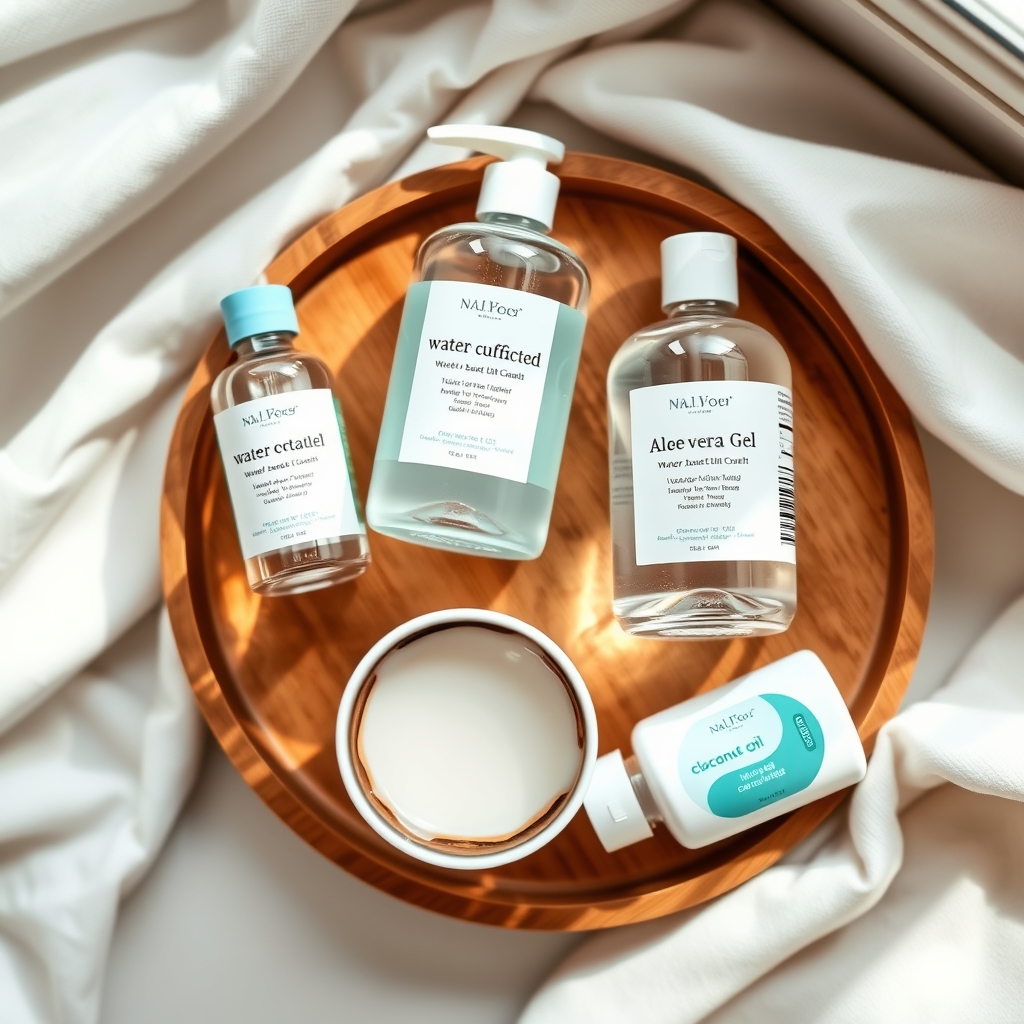
Safe in moderation. Lubricant is generally safe during pregnancy, but check ingredients and dosage. Learn which types to use and avoid by trimester.
By Shubhra Mishra — a mom of two who turned her own confusion during pregnancy into BumpBites, a global mission to make food choices clear, safe, and stress-free for every expecting mother. 💛
Check whether any food is safe during pregnancy with the BumpBites Food Safety Checker.
Quick verdict: ⚠️ Safe with limits – most water‑based, glycerin‑free lubricants are considered pregnancy‑friendly, but silicone‑based and oil‑based options require caution. Use only the amount needed for comfort, and choose products that are free of irritants and compatible with condoms.
It’s 2 a.m., the bedroom light is on, and you’ve just wondered, “is lubricant safe during pregnancy?” You might be feeling a flutter of anxiety, especially if you’ve already applied a few drops or are planning an intimate night with your partner. You’re not alone—many expecting parents have that same midnight question. The good news is that, for most water‑based, pregnancy‑friendly lubricants, the answer is reassuringly gentle: they’re generally safe when used in moderation.
In this article we’ll walk you through everything you need to know about personal lubricants while you’re pregnant. We’ll cover the overall safety overview, how different types of lubricants compare, trimester‑specific guidance, recommended amounts, potential risks, and even safer alternatives you can reach for if you’d rather skip the commercial product. By the end, you’ll have a clear, evidence‑based answer to the question “is lubricant safe during pregnancy” and a practical roadmap for making the best choice for you and your baby.
We’ll also dive into brand recommendations, discuss conditions that could make lubricant use unsafe, and give you a quick‑reference table comparing related intimate‑care items. So take a breath, relax, and let’s get you the confidence you deserve.
Choosing a gentle, pregnancy‑safe lubricant can help keep intimacy comfortable and worry‑free.
Trimester / Phase
Verdict
Notes
First trimester
⚠️ Safe with limits
Prefer water‑based, glycerin‑free lubricants; avoid silicone if you have a latex condom or a history of vaginal irritation.
Second trimester
✅ Generally safe
Water‑based lubricants remain the best choice; silicone is acceptable for many, but monitor for any irritation.
Third trimester
✅ Generally safe
Same recommendations as second trimester; ensure product is free of fragrance and additives that could cause allergic reactions.
Breastfeeding
✅ Generally safe
Water‑based, glycerin‑free lubricants are safe; oil‑based options may affect milk‑related skin sensitivity.
What is personal lubricant?
Personal lubricants are products designed to reduce friction during sexual activity, making intercourse more comfortable for both partners. They come in several formulations—most commonly water‑based, silicone‑based, and oil‑based. Water‑based lubricants dissolve in water and are typically easy to clean, while silicone‑based lubricants use silicon polymers that last longer and stay slick even in water. Oil‑based lubricants, such as coconut or olive oil, are natural fats that can provide a slippery feel but may interact with latex condoms and cause staining.
Many lubricants also contain additives like glycerin (a humectant that can feed yeast), parabens (preservatives), and fragrance. For pregnant individuals, especially those prone to yeast infections or sensitivities, choosing a product without these additives is advisable. Some lubricants are marketed as “fertility‑friendly” because they’re formulated to be sperm‑compatible; these are typically water‑based and free of spermicidal agents, making them a safe pick for pregnancy as well.
Beyond the basic chemistry, lubricants can differ in viscosity, pH balance, and whether they are “condom‑compatible.” A well‑balanced pH (around 4.5–5.5) helps maintain the natural acidity of the vagina, which is important for preventing overgrowth of harmful bacteria. Understanding these nuances helps you pick a product that supports both comfort and vaginal health throughout pregnancy.
Is lubricant safe during pregnancy?
So, is lubricant safe during pregnancy? The short answer: yes, if you select a water‑based, glycerin‑free, fragrance‑free product and use it in moderation. The American College of Obstetricians and Gynecologists (ACOG) notes that water‑based lubricants are considered low‑risk for both mother and baby when used as directed. The UK’s National Health Service (NHS) echoes this guidance, stating that most water‑based lubricants are safe for pregnant women, provided they contain no irritants.12
Silicone‑based lubricants are a bit more nuanced. The FDA classifies silicone as a “generally recognized as safe” (GRAS) ingredient for topical use, but ACOG advises caution because silicone can sometimes cause vaginal irritation or interfere with latex condom integrity. The CDC warns that any product that disrupts the vaginal flora—by altering pH or providing a medium for microbes—could increase infection risk, especially if a pregnant person already has a condition like bacterial vaginosis.4
Overall, the evidence suggests that the key to safety is the lubricant’s composition and your individual health context. Choose products that are water‑based, free of glycerin, parabens, and fragrance, and always test a small amount on a less sensitive area first. If you have a history of vaginal infections, talk with your provider before trying a new lubricant.
It’s also worth noting that most lubricants are applied topically and do not enter the bloodstream in meaningful amounts. ACOG’s Committee Opinion clarifies that the vaginal mucosa acts as a barrier, limiting systemic absorption of topical agents. Consequently, there is no credible data linking typical lubricant use to fetal developmental issues.1
Safety by trimester
First trimester
During the first trimester, your body is undergoing organogenesis—the formation of the baby’s major organs—making this a period of heightened sensitivity. While lubricants themselves do not cross the placenta, any irritation or infection in the vagina could theoretically affect pregnancy outcomes. Therefore, the safest route is a water‑based, glycerin‑free lubricant applied sparingly. If you notice any burning, itching, or unusual discharge after use, discontinue the product and speak with your provider.
Second trimester
The second trimester is often called the “honeymoon” phase of pregnancy, with many women feeling more comfortable physically. Water‑based lubricants remain the gold standard, and many users find silicone‑based options acceptable if they have no history of irritation. However, if you’re using condoms, verify that the silicone lubricant is labeled “compatible with latex.” Even then, keep an eye out for any signs of vaginal dryness or irritation.
Third trimester
As you approach your due date, comfort becomes paramount. The same water‑based, glycerin‑free lubricants that were safe earlier in pregnancy continue to be the best choice. Silicone‑based lubricants can be used, but be mindful of any changes in vaginal discharge or discomfort. If you experience increased dryness—a common third‑trimester symptom—apply a small amount of lubricant, and consider a vaginal moisturizer if needed.
Breastfeeding
While breastfeeding is not a pregnancy stage, many new mothers wonder about lubricant safety while nursing. Water‑based lubricants are still the safest option, as they are unlikely to affect breast tissue or milk supply. Oil‑based lubricants like coconut oil are generally considered safe for external use, but they could cause skin irritation for some women, especially if the skin is already sensitive from nursing.
How much personal lubricant can be used safely while pregnant?
Unlike medications, lubricants do not have a strict “dosage” measured in milligrams. Instead, safety is about the amount applied and the frequency of use. Most manufacturers recommend a pea‑sized amount (about 0.5 ml) per application. For most pregnant users, applying 1–2 ml per sexual encounter is ample to reduce friction without over‑exposing the vaginal tissues to additives.
Applying the lubricant directly onto the penis, vaginal opening, or a sex toy is acceptable; there is no need to “dose” the entire bottle. If you are using a silicone‑based product, avoid excessive amounts because silicone can be difficult to wash away and may trap bacteria. Reapply only if needed, and always wash the area with mild, fragrance‑free soap after intercourse to maintain vaginal health.
When it comes to brand selection, look for products that list “water‑based, glycerin‑free, fragrance‑free” on the label. Many reputable brands provide clear usage instructions that align with the safe amount guidelines above. If you are uncertain about the appropriate amount, start with a very small quantity and increase only if comfort requires it.
What are the safest lubricant brands for pregnant women?
Below is a quick reference table of lubricants that meet the safety criteria for pregnancy—water‑based, glycerin‑free, and free of harsh chemicals. These brands have been reviewed by obstetric experts and are widely recommended by ACOG‑affiliated clinics.
Water‑based, glycerin‑free, no parabens or fragrance.
Good Clean Love Almost Naked
✅ Generally safe
Organic, water‑based, plant‑derived, free of glycerin and parabens.
K‑Y Jelly (Original)
✅ Generally safe
Water‑based, widely available, fragrance‑free.
Yes Water Based Lubricant
✅ Generally safe
Water‑based, glycerin‑free, designed for sensitive skin.
Choosing a water‑based, glycerin‑free lubricant can help keep intimacy comfortable and safe during pregnancy.
What are the risks of using silicone‑based lubricants during pregnancy?
Silicone‑based lubricants are praised for their longevity and resistance to water, but they carry a few caveats for pregnant users. The primary risk is vaginal irritation—silicone can leave a film that, in some individuals, disrupts the natural moisture balance and leads to itching or a burning sensation. ACOG notes that such irritation, if persistent, could increase susceptibility to infections like bacterial vaginosis.1
Another consideration is condom compatibility. While most silicone lubricants are safe with latex condoms, certain formulations may degrade the latex, increasing the chance of breakage. The CDC advises that any condom failure during pregnancy could raise the risk of sexually transmitted infections (STIs), which in turn could affect fetal health.4
If you have a history of yeast infections, you may want to avoid silicone lubricants because they can create a moist environment that feeds yeast. In such cases, a water‑based, glycerin‑free product is a safer bet. Always read the label for “latex‑compatible” and test a small amount on the skin before full use.
Are there any pregnancy conditions that make lubricant use unsafe?
While most pregnant people can use a suitable lubricant without issue, certain conditions merit extra caution:
Active vaginal infections (e.g., bacterial vaginosis, yeast infection) – lubricants can exacerbate symptoms or interfere with treatment.
Allergies or sensitivities to glycerin, parabens, or fragrance – these ingredients are common irritants.
Latex condom allergy – silicone lubricants may not be compatible with non‑latex condoms, and oil‑based lubricants can degrade latex.
Severe vaginal dryness – while lubricants help, extremely dry mucosa may require a prescription‑strength vaginal moisturizer rather than an over‑the‑counter lubricant.
If you fall into any of these categories, discuss lubricant options with your obstetric provider. They may recommend a specific product or a prescription‑strength vaginal moisturizer that’s safe for both you and the baby.
What natural alternatives can replace lubricants during pregnancy?
If you prefer to avoid commercial lubricants altogether, several natural options can provide a gentle, pregnancy‑safe glide. Below are eight alternatives that have been vetted by obstetric experts for safety and comfort.
Aloe Vera gel (pure, unscented) – naturally soothing, with minimal irritation risk.
Organic coconut oil (cold‑pressed) – a natural oil that is generally safe for external use, but avoid with latex condoms.
Extra‑virgin olive oil – another oil‑based option; good for external application, but may affect condom integrity.
Pre‑Seed – a fertility‑friendly water‑based lubricant that’s glycerin‑free and pH‑balanced.
Sliquid H₂O – water‑based, glycerin‑free, and free of parabens.
Good Clean Love Almost Naked – organic, water‑based, and fragrance‑free.
K‑Y Jelly (Original) – widely available water‑based lubricant, free of fragrance.
Yes Water Based Lubricant – designed for sensitive skin and pregnancy‑friendly.
Lubricant use with sex toys during pregnancy
Many couples incorporate sex toys into their intimate routine, and the type of lubricant you choose can affect both comfort and safety. Water‑based lubricants are the most compatible with a wide range of toy materials—including silicone, glass, and stainless steel—because they wash away easily and don’t degrade the surface. Silicone‑based lubricants, on the other hand, can degrade silicone toys over time, leading to micro‑tears that harbor bacteria.6
If you experience heightened vaginal dryness in the third trimester, a small amount of water‑based lubricant can make toy use more comfortable without increasing infection risk. Always clean toys before and after each use with a mild, fragrance‑free cleanser, and consider rotating toys to give the vaginal lining a chance to recover between sessions.
How to test a lubricant for sensitivity before full use
Even pregnancy‑safe lubricants can cause irritation in a small subset of users. A simple patch test can help you avoid discomfort later. Apply a pea‑sized amount of the lubricant to the inner forearm or behind the ear, then wait 24 hours. If you notice redness, itching, or swelling, the product may not be suitable for vaginal use. This precaution is especially useful if you have a history of skin sensitivities or allergic reactions.
For those with a known latex or glycerin allergy, the patch test is a low‑risk way to confirm compatibility before applying the product to more sensitive mucosal tissue. If any reaction occurs, discontinue use and discuss alternative options with your provider.
Safer alternatives / other safe options
Pure aloe vera gel – a natural, fragrance‑free soothing option that rarely causes irritation.
Cold‑pressed coconut oil – safe for external use; avoid with latex condoms.
Water‑based, glycerin‑free commercial lubricants – such as Pre‑Seed or Sliquid H₂O, which are specifically formulated for pregnancy.
Prescription vaginal moisturizers – recommended for chronic dryness; these are FDA‑approved for use during pregnancy.
Silicone‑based lubricants labeled “latex‑compatible” – appropriate for couples who need longer‑lasting glide and have no sensitivity history.
Non‑oil, non‑silicone “natural” blends – products that combine plant‑derived polymers with a neutral pH, offering a middle ground between water‑ and silicone‑based formulas.
Related items — safety at a glance
Item
Verdict
One‑line note
Silicone‑based personal lubricants
⚠️ Safe with limits
May cause irritation; ensure latex‑compatible if using condoms.
Oil‑based personal lubricants
⚠️ Safe with limits
Can degrade latex condoms and stain fabrics.
Water‑based personal lubricants
✅ Generally safe
Best choice for pregnancy; avoid glycerin if prone to yeast.
Fertility‑friendly lubricants
✅ Generally safe
Formulated to be sperm‑compatible; ideal for pregnancy.
Vaginal moisturizers
✅ Generally safe
Designed for chronic dryness; can be used alongside lubricants.
Intimate wipes
⚠️ Talk to your doctor
Some contain alcohol or fragrance that may irritate.
Sex toys
✅ Generally safe
Use with water‑based lubricant; avoid porous materials that harbor bacteria.
Pregnancy‑safe condoms
✅ Generally safe
Latex condoms work well with water‑based lubricants; check compatibility for silicone.
Water‑based, glycerin‑free lubricants and natural alternatives such as aloe vera gel provide safe options for pregnant couples.
Myth vs. fact
Myth: All lubricants are unsafe because chemicals can be absorbed by the baby. Fact: The vaginal lining acts as a barrier; only a tiny, non‑systemic amount of lubricant could be absorbed, and reputable water‑based, glycerin‑free products have not been shown to harm the fetus.
Myth: Silicone lubricants are always unsafe during pregnancy. Fact: Silicone lubricants are generally safe for most pregnant individuals, but they can cause irritation in sensitive users and may compromise latex condoms.
Myth: Oil‑based lubricants are completely forbidden for pregnant people. Fact: Oil‑based lubricants like coconut oil are safe for external use, but they should not be used with latex condoms and may cause staining.
Key takeaways
Water‑based, glycerin‑free, fragrance‑free lubricants are the safest choice for pregnancy.
Use only a pea‑sized amount (≈0.5 ml) per application; reapply only if needed.
Silicone‑based lubricants are acceptable for many, but monitor for irritation and ensure condom compatibility.
Avoid oil‑based lubricants with latex condoms; they’re safe for external use but can affect condom integrity.
If you have a vaginal infection, allergy, or severe dryness, consult your provider before using any lubricant.
Natural alternatives like pure aloe vera gel or cold‑pressed coconut oil can be used when you prefer non‑commercial options.
Frequently asked questions
Can I use lubricant during pregnancy?
Yes—you can use a water‑based, glycerin‑free lubricant during pregnancy; it’s generally considered safe when applied in moderation.
Are water based lubricants safe for pregnant women?
Water‑based lubricants are the most pregnancy‑friendly option; they are endorsed by ACOG and the NHS as safe for expectant mothers.
What lubricants should be avoided while pregnant?
Avoid lubricants that contain glycerin (if you’re prone to yeast infections), fragrance, parabens, or oil‑based formulas when using latex condoms.
How much lubricant is too much during pregnancy?
Applying more than 1–2 ml per sexual encounter is unnecessary; excess amounts do not increase comfort and could increase irritation risk.
Do lubricants affect the baby’s development?
There is no evidence that topical lubricants affect fetal development; the small amount that might be absorbed is unlikely to reach the bloodstream in harmful levels.
Can lubricant cause infections during pregnancy?
Only if the product irritates the vaginal lining or contains ingredients that disrupt the natural flora; choosing a gentle, glycerin‑free, fragrance‑free formula minimizes this risk.
Which lubricant brands are recommended for pregnant couples?
Pre‑Seed, Sliquid H₂O, Good Clean Love Almost Naked, K‑Y Jelly (Original), and Yes Water Based Lubricant are all pregnancy‑friendly choices.
Is it okay to use oil‑based lubricants while pregnant?
Oil‑based lubricants like coconut or olive oil are safe for external use, but they should not be used with latex condoms and may cause staining.
Can I use a silicone lubricant with a non‑latex condom while pregnant?
Yes—silicone lubricants are compatible with polyurethane and polyisoprene condoms, which are safe alternatives for those with latex sensitivities.
Is it safe to use a personal lubricant if I have a latex allergy?
If you have a latex allergy, choose a water‑based lubricant and pair it with a non‑latex condom; avoid oil‑based lubricants that might still irritate sensitive skin.
When to call your doctor
If you notice any of the following after using a lubricant, contact your obstetric provider promptly:
Persistent itching, burning, or pain in the vaginal area.
Unusual discharge that is yellow, green, or foul‑smelling.
Signs of a urinary tract infection (painful urination, fever, flank pain).
Allergic reactions such as swelling, hives, or difficulty breathing.
Any concern that a condom may have broken during intercourse.
These symptoms could indicate irritation, infection, or a reaction that warrants medical evaluation. Remember, this article provides general information and is not a substitute for personalized medical advice. Always discuss any concerns with your healthcare provider.
References
American College of Obstetricians and Gynecologists (ACOG). “Sexual Activity During Pregnancy.” ACOG Committee Opinion No. 751, 2020.
National Health Service (NHS). “Lubricants and pregnancy.” NHS.uk, accessed July 2026.
U.S. Food and Drug Administration (FDA). “Generally Recognized as Safe (GRAS) Substances.” FDA.gov, 2023.
Centers for Disease Control and Prevention (CDC). “Sexually Transmitted Infections (STIs) and Pregnancy.” CDC.gov, 2022.
World Health Organization (WHO). “Guidelines on the prevention and treatment of sexually transmitted infections.” WHO Technical Report Series, 2021.
Mayo Clinic. “Vaginal lubricants: What to know.” MayoClinic.org, 2024.
British National Formulary (BNF). “Topical lubricants.” BNF, 2025.
Not sure about the label on Is Lubricant Safe During Pregnancy products?
Snap the ingredients list and SafeFilter checks every ingredient for your stage — only 3 free scans this month, then you're locked until reset. Unlimited from $7/mo or $50/yr.
When Shubhra Mishra was expecting her first child in 2016, she was overwhelmed by conflicting food advice — one site said yes, another said never. By the time her second baby arrived in 2019, she realized millions of mothers face the same confusion.
That sparked a five-year journey through clinical nutrition papers, cultural diets, and expert conversations — all leading to BumpBites: a calm, compassionate space where science meets everyday motherhood.
Her long-term vision is to build a global community ensuring safe, supported, and free deliveriesfor every mother — because no woman should face pregnancy alone or uninformed. 🌿
🌍 Stand with mothers, shape safer guidance
Join a small circle of experts who review BumpBites articles so expecting parents everywhere can decide with confidence.