Avoid Listeria during pregnancy. Is listeria warning current safe during pregnancy? No, it's crucial to avoid foods at risk. Learn symptoms and prevention
By Shubhra Mishra — a mom of two who turned her own confusion during pregnancy into BumpBites, a global mission to make food choices clear, safe, and stress-free for every expecting mother. 💛
Check whether any food is safe during pregnancy with the BumpBites Food Safety Checker.
Quick verdict: ❌ Best avoided. Foods under a listeria warning are not safe during pregnancy and should be completely avoided due to the serious risks they pose to both you and your developing baby. If you've consumed a food under recall, contact your healthcare provider immediately.
The late-night news flash or a sudden notification on your phone about a food recall can send shivers down any expectant parent's spine. You're already navigating a minefield of "can I eat this?" questions, and then a "listeria warning" pops up, making you wonder:
is listeria warning current safe during pregnancy?
It's a completely valid and common concern. At BumpBites, we understand the anxiety that comes with trying to protect your little one, and food safety is a big part of that. The short answer is clear: any food under a current listeria warning should be strictly avoided during pregnancy.
Listeria monocytogenes is a bacteria that can cause a serious infection called listeriosis. While it can affect anyone, pregnant individuals are particularly vulnerable, being about 10 times more likely to get listeriosis than the general population, according to the CDC. The risks extend beyond just feeling unwell; listeriosis can have severe consequences for your pregnancy, including miscarriage, stillbirth, preterm labor, or life-threatening infection for your newborn. This article will break down what listeria is, which foods pose a risk, why it's so dangerous during pregnancy, and crucially, how you can protect yourself and your baby by making safe food choices.
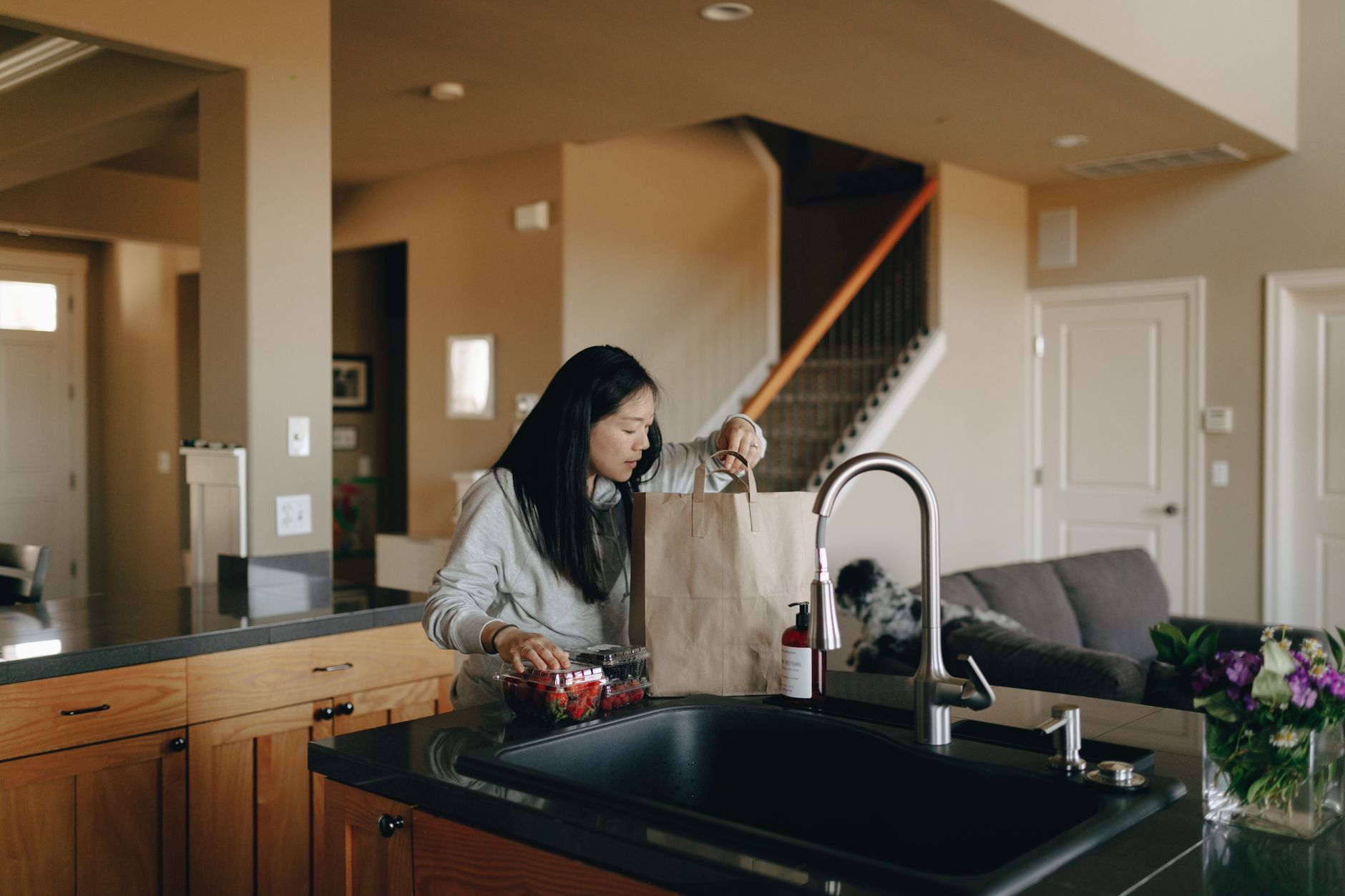
Staying informed about food recalls is a crucial step in protecting yourself and your baby from listeria during pregnancy.
Safety Snapshot: Listeria Warning and Pregnancy
Trimester/Stage
Verdict
Notes
First Trimester
❌ Avoid
Highest risk for severe fetal complications, including miscarriage. Avoid all foods under listeria warning.
Second Trimester
❌ Avoid
Continued high risk for preterm birth, stillbirth, and severe neonatal infection. Maintain strict avoidance.
Third Trimester
❌ Avoid
Significant risk of preterm birth, severe infection in the newborn, and stillbirth. Avoid all implicated foods.
Breastfeeding
⚠️ Safe with limits
While listeria is not typically transmitted through breast milk, the mother's own health is paramount. Continue to avoid foods under listeria warning to prevent maternal illness.
What foods are typically included in listeria warnings?
Listeria warnings and recalls are issued when a food product is found to be contaminated with *Listeria monocytogenes*, a type of bacteria that can cause serious illness. This bacterium is unique because it can grow even in refrigerated temperatures, unlike many other foodborne pathogens. It's naturally found in soil, water, and animal feces, which means it can contaminate a wide variety of foods, especially those that are ready-to-eat and not cooked before consumption.
Foods most commonly associated with listeria outbreaks and warnings include:
Deli meats and hot dogs: Unheated or improperly heated deli meats, including cold cuts, cured meats, and hot dogs, are frequent culprits. Even pre-packaged deli meats can be contaminated.
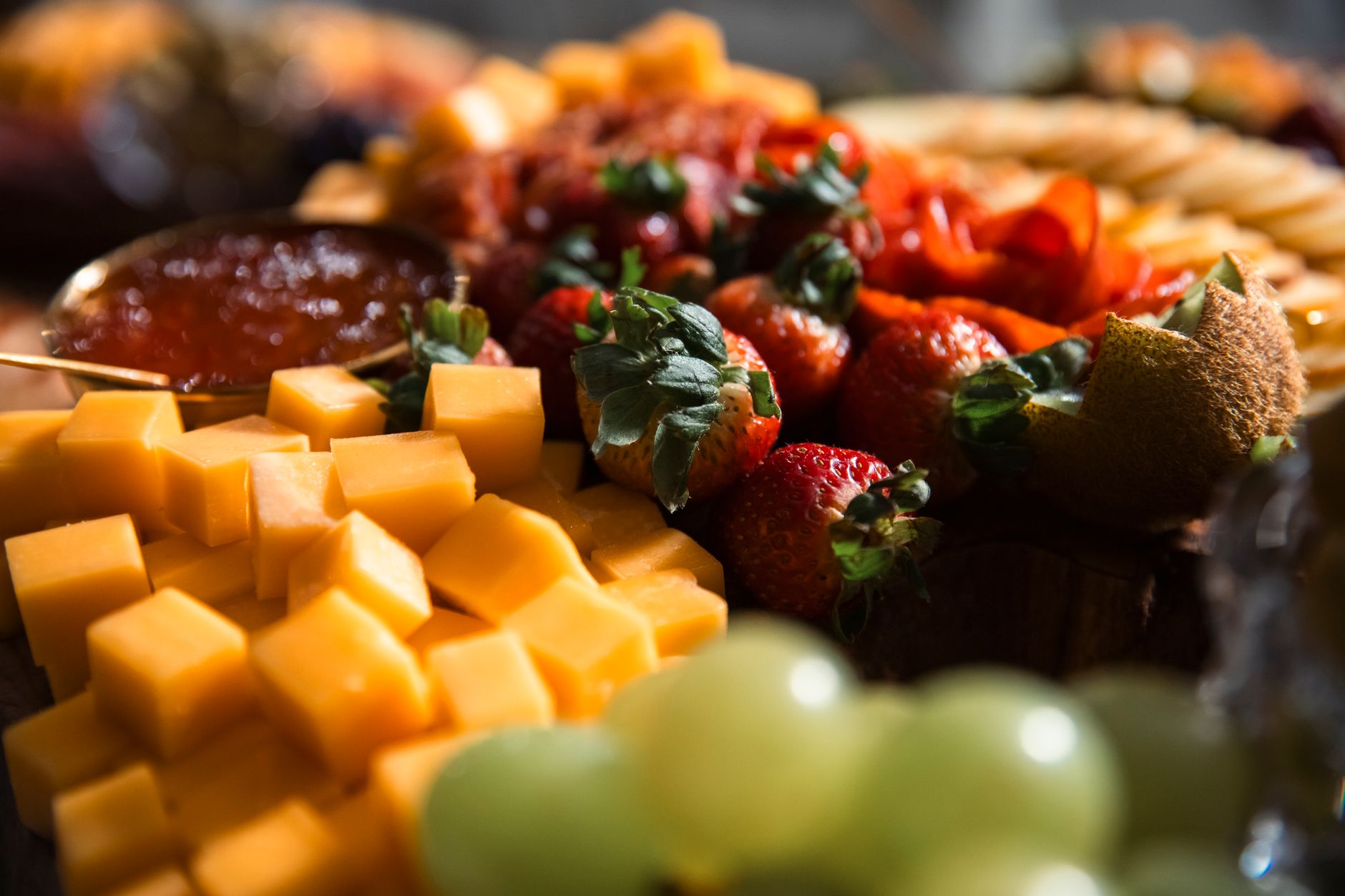
Soft cheeses: Unpasteurized soft cheeses like Feta, Brie, Camembert, blue-veined cheeses, and queso fresco are particularly risky. Even some pasteurized soft cheeses have been implicated if contaminated during processing.
Raw (unpasteurized) milk and dairy products: Products made from unpasteurized milk can harbor listeria.
Smoked seafood: Refrigerated smoked seafood, such as lox, often comes with a warning unless it's canned or shelf-stable, or cooked thoroughly before eating.
Raw sprouts: Alfalfa, clover, radish, and mung bean sprouts, often consumed raw, have been linked to listeria contamination.
Melons: Cantaloupe, in particular, has been the source of large listeria outbreaks due to the bacteria being present on the rind and transferring to the flesh when cut.
Pre-packaged salads and produce: While less common, pre-washed, ready-to-eat salads and other fresh produce can sometimes be recalled if contamination is suspected.
Pâtés and meat spreads: Refrigerated pâtés or meat spreads can be high-risk. Canned or shelf-stable versions are generally safer.
These foods are considered high-risk because they are often consumed without further cooking, which would otherwise kill the bacteria. The FDA, CDC, and USDA regularly monitor for outbreaks and issue warnings or recalls to protect public health. The key takeaway for pregnant individuals is that if a food is under a listeria warning, it means it has been identified as a potential source of this dangerous bacteria, and it should be avoided without exception.
Is listeria warning current safe during pregnancy?
No,
absolutely not. If a food product is currently under a listeria warning, it is **not safe** to consume during pregnancy. This is a critical piece of guidance from major health authorities worldwide, including the American College of Obstetricians and Gynecologists (ACOG), the Centers for Disease Control and Prevention (CDC), the U.S. Food and Drug Administration (FDA), and the UK's National Health Service (NHS). The presence of a listeria warning signifies a confirmed or suspected contamination with *Listeria monocytogenes*, a bacterium that poses severe and unique risks to pregnant individuals and their developing babies.
Unlike many other foodborne illnesses, listeriosis in pregnant people often presents with mild, flu-like symptoms, or sometimes no symptoms at all, making it difficult to detect without specific testing. However, even a mild maternal infection can lead to devastating consequences for the fetus. The bacteria can cross the placenta and infect the baby, leading to a range of severe outcomes. The CDC states that pregnant people are about 10 times more likely than other healthy adults to get listeriosis, and Hispanic pregnant people are at an even higher risk, about 24 times more likely.
The primary concern is the potential for *Listeria* to cause serious pregnancy complications such as miscarriage, stillbirth, premature delivery, or life-threatening infections in the newborn. The FDA explicitly advises pregnant women to avoid foods identified in listeria recalls. This isn't just a precautionary measure; it's a direct response to the documented harm *Listeria* can inflict. Therefore, if you see a listeria warning for a food, whether it's a specific brand of cheese, deli meat, or produce, it is imperative to avoid it entirely. Always check reliable sources like the FDA, CDC, or USDA recall databases for the most up-to-date information on food safety alerts.
Does listeria risk vary by trimester of pregnancy?
While listeria infection poses a serious threat throughout the entire pregnancy, the specific risks and potential outcomes can vary slightly depending on the trimester. However, it's crucial to understand that at no point during pregnancy is exposure to listeria safe; avoidance is paramount from conception to delivery.
First Trimester
The first trimester, a period of rapid organogenesis and fetal development, is a particularly vulnerable time. Listeria infection during this early stage significantly increases the risk of **miscarriage**. The severe systemic infection can disrupt the delicate processes of implantation and early fetal growth, leading to pregnancy loss. Symptoms in the mother might be mild or absent, making it a silent but dangerous threat. If you experience unusual fatigue, body aches, or fever during this period, especially after consuming a potentially risky food, it's vital to seek medical attention.
Second Trimester
As pregnancy progresses into the second trimester, the risk of miscarriage may slightly decrease compared to the first, but the danger of other severe complications remains high. Listeria infection can still lead to **stillbirth** or **preterm labor**. The bacteria can cause inflammation and infection in the placenta, known as placentitis, which can deprive the fetus of essential nutrients and oxygen, or trigger early contractions. Neonatal infection, where the baby is born with listeriosis, can also occur, leading to serious health issues at birth.
Third Trimester
The third trimester carries a high risk for **preterm birth** and severe **neonatal listeriosis**. If the infection occurs late in pregnancy, the baby may be born prematurely with a systemic infection, which can manifest as meningitis (infection of the brain and spinal cord), sepsis (blood poisoning), or respiratory distress. These conditions can be life-threatening for a newborn and require intensive medical care. Stillbirth also remains a significant concern if the infection is severe.
Breastfeeding
While a mother's listeria infection can be serious for her, listeria is **not typically transmitted through breast milk**. The primary concern during breastfeeding is the mother's own health. If a breastfeeding mother contracts listeriosis, she will need treatment, and her illness could make it difficult to care for her baby. Therefore, it's still important for breastfeeding individuals to avoid foods under listeria warnings to prevent personal illness. If a breastfeeding mother develops listeriosis, she should discuss her treatment plan with her doctor, but generally, breastfeeding can continue unless advised otherwise.
How much listeria exposure is dangerous during pregnancy?
When it comes to listeria and pregnancy, there is no known "safe" amount of exposure. Unlike some other substances where a small amount might be tolerated, any exposure to *Listeria monocytogenes* during pregnancy carries a risk. The severity of the outcome can depend on various factors, including the amount of bacteria ingested, the virulence of the specific strain, and the pregnant person's individual immune response, but even a low dose can be dangerous.
The CDC and other health organizations do not specify a minimum infectious dose for pregnant individuals because the consequences can be so severe even with seemingly small exposures. The goal is complete avoidance of contaminated foods. This is why food recalls due to listeria contamination are taken so seriously and why pregnant individuals are advised to discard or return any product implicated in a listeria warning, regardless of how much they may have consumed or how well they feel.
The unique ability of *Listeria* to cross the placental barrier means that even if the mother experiences only mild, flu-like symptoms (or no symptoms at all), the bacteria can still reach the fetus and cause severe infection. This makes the "how much" question particularly challenging because the mother's experience doesn't necessarily reflect the baby's risk. Therefore, the safest approach, universally recommended by obstetric experts, is to avoid all foods under a listeria warning and to practice stringent food safety measures with all foods that are commonly associated with listeria risk.
What are the specific health risks of listeria for pregnant women and babies?
The health risks associated with listeria infection during pregnancy are profound and can be devastating for both the pregnant individual and the developing baby. Understanding these risks underscores why avoiding foods under a listeria warning is non-negotiable.
Risks for the Pregnant Individual (Mother)
For the pregnant person, listeriosis often presents as a relatively mild, flu-like illness. Symptoms can include:
Fever
Muscle aches
Fatigue
Headache
Nausea
Vomiting
Diarrhea
In some cases, the infection can be more severe, leading to invasive listeriosis, which might involve:
Meningitis (inflammation of the membranes surrounding the brain and spinal cord)
Sepsis (a life-threatening response to infection)
Encephalitis (inflammation of the brain)
These severe forms are less common but can be very dangerous for the mother. The insidious nature of listeriosis in pregnant individuals is that the maternal symptoms can be so mild that the infection goes unnoticed, even while it progresses to seriously affect the fetus. If you're experiencing symptoms like a persistent fever, muscle aches, or unusual fatigue, especially if you suspect you've consumed a high-risk food, it's crucial to seek medical advice immediately. These symptoms can sometimes mimic other pregnancy discomforts, making vigilance important. For example, while ear infection symptoms during pregnancy are typically localized, systemic symptoms like fever and body aches should always prompt a call to your provider.
Risks for the Baby (Fetus and Newborn)
The most severe consequences of listeria infection are typically seen in the baby. *Listeria monocytogenes* can cross the placenta, directly infecting the fetus. This can lead to a range of severe outcomes, including:
Miscarriage: Especially in the first trimester, listeria infection can lead to the loss of the pregnancy.
Stillbirth: The infection can cause fetal death late in pregnancy, resulting in a stillbirth.
Premature Birth: Listeriosis is a known cause of preterm labor and delivery, which carries its own set of risks for the newborn, including underdeveloped lungs, feeding difficulties, and other long-term health issues.
Neonatal Listeriosis: Babies born to mothers with listeriosis can develop a serious infection at birth. This can manifest as:
Sepsis: A life-threatening blood infection.
Meningitis: Infection of the brain and spinal cord, which can lead to neurological damage, developmental delays, or even death.
Pneumonia: Lung infection.
Babies infected with listeria at birth often require intensive care and aggressive antibiotic treatment. Even with treatment, the prognosis can be poor, and some survivors may face long-term health problems. The FDA and ACOG emphasize that these risks are why strict avoidance of listeria-contaminated foods is so vital throughout pregnancy.
Can listeria infection lead to miscarriage or premature birth?
Yes, absolutely. Listeria infection is a well-established cause of both miscarriage and premature birth, making it one of the most feared foodborne illnesses during pregnancy. The ability of the *Listeria monocytogenes* bacteria to cross the placental barrier is what makes it so uniquely dangerous to a developing fetus.
Listeria and Miscarriage
Listeria infection, particularly if it occurs early in pregnancy (first trimester), significantly increases the risk of miscarriage. The bacteria can cause a severe systemic infection in the pregnant person that can directly impact the viability of the early pregnancy. The inflammation and infection can disrupt the critical processes of fetal development and implantation, leading to the loss of the pregnancy. Even if the mother's symptoms are mild or go unnoticed, the infection can still progress to cause fetal demise. This is why vigilance in avoiding high-risk foods and paying attention to any unusual symptoms, which might be mistaken for chemical pregnancy symptoms or other early pregnancy discomforts, is so important.
Listeria and Premature Birth
Listeriosis is also a significant cause of premature birth. When the infection occurs later in pregnancy (second or third trimester), the bacteria can infect the placenta (placentitis) and the amniotic fluid, leading to inflammation and irritation of the uterus. This can trigger early contractions and lead to preterm labor, resulting in the baby being born before full term. Premature babies face numerous health challenges, including underdeveloped organs, breathing difficulties, feeding problems, and a higher risk of long-term disabilities. The CDC highlights that listeriosis can cause preterm labor in as many as 20% of infected pregnancies.
In addition to miscarriage and premature birth, listeria infection can also lead to stillbirth, where the baby dies in the womb after 20 weeks of pregnancy. The severity of these outcomes underscores why health authorities like the ACOG and NHS issue such strong warnings about listeria and why pregnant individuals must take every precaution to avoid exposure.
What are the best practices to prevent listeria infection during pregnancy?
Preventing listeria infection during pregnancy revolves around diligent food safety practices. Since there's no safe amount of listeria, prevention is your best defense. The FDA, CDC, and USDA provide clear guidelines, and incorporating these into your daily routine can significantly reduce your risk.
1. **Avoid High-Risk Foods:**
* **Deli Meats and Hot Dogs:** Avoid unless heated to steaming hot (165°F or 74°C). This includes cold cuts, cured meats, and pre-packaged deli meats.
* **Soft Cheeses:** Steer clear of unpasteurized soft cheeses (e.g., Feta, Brie, Camembert, blue-veined cheeses, queso fresco, goat cheese). Even pasteurized soft cheeses can sometimes be contaminated, so many experts recommend avoiding all soft cheeses unless explicitly stated as made with pasteurized milk and preferably cooked. Hard cheeses and processed cheeses are generally safe.
* **Raw (Unpasteurized) Milk and Dairy:** Do not consume raw milk, raw milk cheeses, or any unpasteurized dairy products. Always check labels for "pasteurized."
* **Refrigerated Smoked Seafood:** Avoid unless it's canned or shelf-stable, or cooked as part of a meal.
* **Raw Sprouts:** Do not eat raw sprouts of any kind (alfalfa, clover, radish, mung bean, etc.).
* **Pâtés and Meat Spreads:** Avoid refrigerated pâtés or meat spreads. Canned or shelf-stable versions are usually safe.
* **Pre-cut Melon:** While whole melons are okay, pre-cut melon from grocery stores or salad bars should be avoided due to potential contamination during handling.
* **Unwashed Produce:** Always thoroughly wash all fruits and vegetables under running water before eating, cutting, or cooking. Even if you plan to peel it, wash it first to prevent bacteria from transferring from the surface to the edible part.
2. **Practice Safe Food Handling:**
* **Wash Hands:** Wash your hands thoroughly with soap and water before and after handling food, especially raw meat, poultry, or seafood.
* **Clean Surfaces:** Clean and sanitize countertops, cutting boards, utensils, and sinks after preparing food.
* **Separate Foods:** Keep raw meat, poultry, and seafood separate from ready-to-eat foods to prevent cross-contamination.
* **Refrigerate Promptly:** Refrigerate perishable foods within two hours (or one hour if the ambient temperature is above 90°F/32°C).
* **Maintain Refrigerator Temperature:** Keep your refrigerator at or below 40°F (4°C) and your freezer at 0°F (-18°C) or below. Use a refrigerator thermometer to check.
* **Avoid Raw Batter/Dough:** Don't consume raw cookie dough, cake batter, or any raw flour-containing mixtures.
3. **Cook Foods to Safe Temperatures:**
* Use a food thermometer to ensure meats, poultry, and casseroles reach safe internal temperatures.
* Reheat leftovers to 165°F (74°C).
4. **Be Aware of Recalls:**
* Stay informed about food recalls by checking websites like the FDA, CDC, and USDA. If a food you have is under recall, discard it immediately. This is particularly important for current listeria warnings.
By consistently following these best practices, you can significantly reduce your risk of listeria exposure and protect your pregnancy. This diligence is a small but mighty way to ensure your baby's healthy start.
How to check for specific listeria food recalls by brand?
Staying informed about current food recalls is a critical step in preventing listeria infection during pregnancy. Food safety agencies regularly issue alerts, and knowing where to look and what to do can help you quickly identify and avoid contaminated products.
Here's how you can check for specific listeria food recalls by brand:
1. **Official Government Websites:**
* **U.S. Food and Drug Administration (FDA):** The FDA regulates most foods (except meat, poultry, and processed egg products). Their website has a dedicated section for Recalls, Market Withdrawals, & Safety Alerts. You can search by product, company, or date.
* **U.S. Department of Agriculture (USDA) Food Safety and Inspection Service (FSIS):** The FSIS oversees meat, poultry, and processed egg products. Their Recalls & Public Health Alerts page is where you'll find information on these items.
* **Centers for Disease Control and Prevention (CDC):** While not directly issuing recalls, the CDC tracks foodborne illness outbreaks, including listeria, and often links to the relevant FDA or USDA recall pages. Check their Listeria Outbreaks page for current investigations.
* **For UK Readers:** The Food Standards Agency (FSA) provides up-to-date information on food recalls and alerts in the UK.
2. **Sign Up for Email Alerts:**
Many of these agencies offer email subscription services where you can receive notifications directly to your inbox whenever a new recall is issued. This is an excellent way to stay proactive.
3. **Follow Reputable News Sources:**
Major news outlets and health publications often report on significant food recalls. While these can be good for initial awareness, always cross-reference with official government sites for complete and accurate details.
4. **Check Social Media:**
Official FDA, USDA, and CDC accounts on platforms like X (formerly Twitter) or Facebook often post immediate alerts about recalls.
5. **Grocery Store Websites and Apps:**
Many large grocery chains will post recall notices on their websites or within their customer apps. Some may even notify customers directly if they purchased an item that has been recalled and scanned with a loyalty card.
**What to do if you find a recalled product:**
* **Do not eat it.**
* **Check the product details:** Compare the brand name, product description, UPC code, and "best by" or "sell by" dates on the recall notice with the product in your home.
* **Discard or return:** If your product matches the recall, either throw it away in a sealed bag in the trash or return it to the place of purchase for a refund.
* **Clean:** Thoroughly clean and sanitize any surfaces that the recalled food may have touched (refrigerator shelves, countertops, cutting boards, utensils).
By regularly checking these sources, especially if you consume foods commonly associated with listeria, you can ensure that you're not inadvertently putting your pregnancy at risk by consuming a product under a current listeria warning.
Safer alternatives to avoid listeria during pregnancy
Navigating food choices during pregnancy can feel restrictive, especially with listeria warnings. But don't worry, there are plenty of delicious and safe alternatives that allow you to enjoy a varied diet without the risk. Here are some excellent options:
Fully cooked deli meats: If you love deli meat, ensure it's heated to steaming hot (165°F or 74°C) before eating. This kills any potential listeria bacteria.
Pasteurized milk and dairy products: Always opt for milk, yogurt, and other dairy items clearly labeled "pasteurized."
Hard cheeses (e.g., cheddar, Swiss, Parmesan): These cheeses have a lower moisture content, making them less hospitable for listeria growth.
Thoroughly cooked seafood: Enjoy fish and shellfish that are cooked to the appropriate internal temperature, such as baked salmon or shrimp scampi.
Freshly prepared home-cooked meals: Cooking at home gives you complete control over ingredients and preparation, ensuring freshness and proper temperatures.
Well-washed fruits and vegetables: Wash all produce thoroughly under running water, even if you plan to peel it.
Canned or frozen produce (cooked): These are safe and convenient options, especially when cooked as part of a meal.
Shelf-stable snacks (e.g., crackers, nuts, dried fruit): Excellent grab-and-go options that don't require refrigeration and pose no listeria risk.
Plant-based protein sources (e.g., lentils, beans, thoroughly cooked tofu): Healthy and safe alternatives to deli meats and other risky proteins.
Properly heated leftovers: Ensure all leftovers are reheated to 165°F (74°C) to kill any bacteria that may have grown during storage.
Embrace a variety of delicious and safe foods during pregnancy to nourish yourself and your baby without listeria concerns.
Related items — safety at a glance
Understanding listeria safety often leads to questions about other foodborne illnesses and high-risk foods during pregnancy. Here's a quick guide to related items:
Item
Verdict
Notes
Toxoplasmosis
❌ Best avoided
Caused by a parasite, often found in undercooked meat, unwashed produce, and cat feces. Can cause severe birth defects.
Salmonella
❌ Best avoided
Bacterial infection from raw or undercooked eggs, poultry, and contaminated produce. Can cause severe maternal illness and preterm labor.
E. coli
❌ Best avoided
Bacterial infection from undercooked ground beef, unpasteurized milk/juice, contaminated produce. Can cause severe maternal illness.
Raw sushi
❌ Best avoided
Risk of parasites, bacteria (including listeria), and mercury. Cooked sushi (e.g., California rolls with cooked crab) is generally safe.
Unpasteurized juices
❌ Best avoided
Risk of E. coli, Salmonella, and Listeria. Always choose juices labeled "pasteurized."
Raw sprouts
❌ Best avoided
High risk of E. coli, Salmonella, and Listeria due to warm, moist growing conditions.
Soft cheeses
❌ Best avoided
Unless confirmed pasteurized and cooked. High risk for Listeria if unpasteurized or cross-contaminated. Hard cheeses are safer.
Deli meats
⚠️ Safe with limits
Only safe if heated to steaming hot (165°F) before consumption to kill potential Listeria.
Smoked seafood (unless cooked)
❌ Best avoided
Refrigerated smoked seafood poses a listeria risk. Canned or shelf-stable is safer, or thoroughly cooked.
Unwashed produce
❌ Best avoided
Risk of Toxoplasmosis, E. coli, Salmonella, and Listeria. Always wash thoroughly under running water.
Myth vs. fact
Let's clear up some common misconceptions about listeria and pregnancy.
Myth: If I don't feel sick after eating a recalled food, I'm fine.
Fact: This is a dangerous myth. Listeria infection in pregnant individuals often causes mild, flu-like symptoms or no symptoms at all, even while the bacteria is actively infecting the placenta and fetus. The absence of noticeable symptoms does not mean you or your baby are safe. If you've consumed a food under a listeria warning, it's crucial to contact your healthcare provider, regardless of how you feel.
Myth: Freezing or refrigerating food will kill listeria.
Fact: Unfortunately, this is false. *Listeria monocytogenes* is unique among common foodborne bacteria because it can survive and even grow at refrigerated temperatures (below 40°F/4°C). Freezing can inhibit its growth but typically does not kill the bacteria. The only reliable way to kill listeria is through thorough cooking to an internal temperature of 165°F (74°C).
Myth: Only raw foods carry a listeria risk.
Fact: While raw foods are certainly high-risk, listeria can contaminate a wide range of foods, including ready-to-eat items that aren't cooked before consumption. Deli meats, soft cheeses made with pasteurized milk but cross-contaminated during processing, and even pre-cut melons have been sources of listeria outbreaks. It's about how the food is processed, handled, and stored, not just whether it's raw.
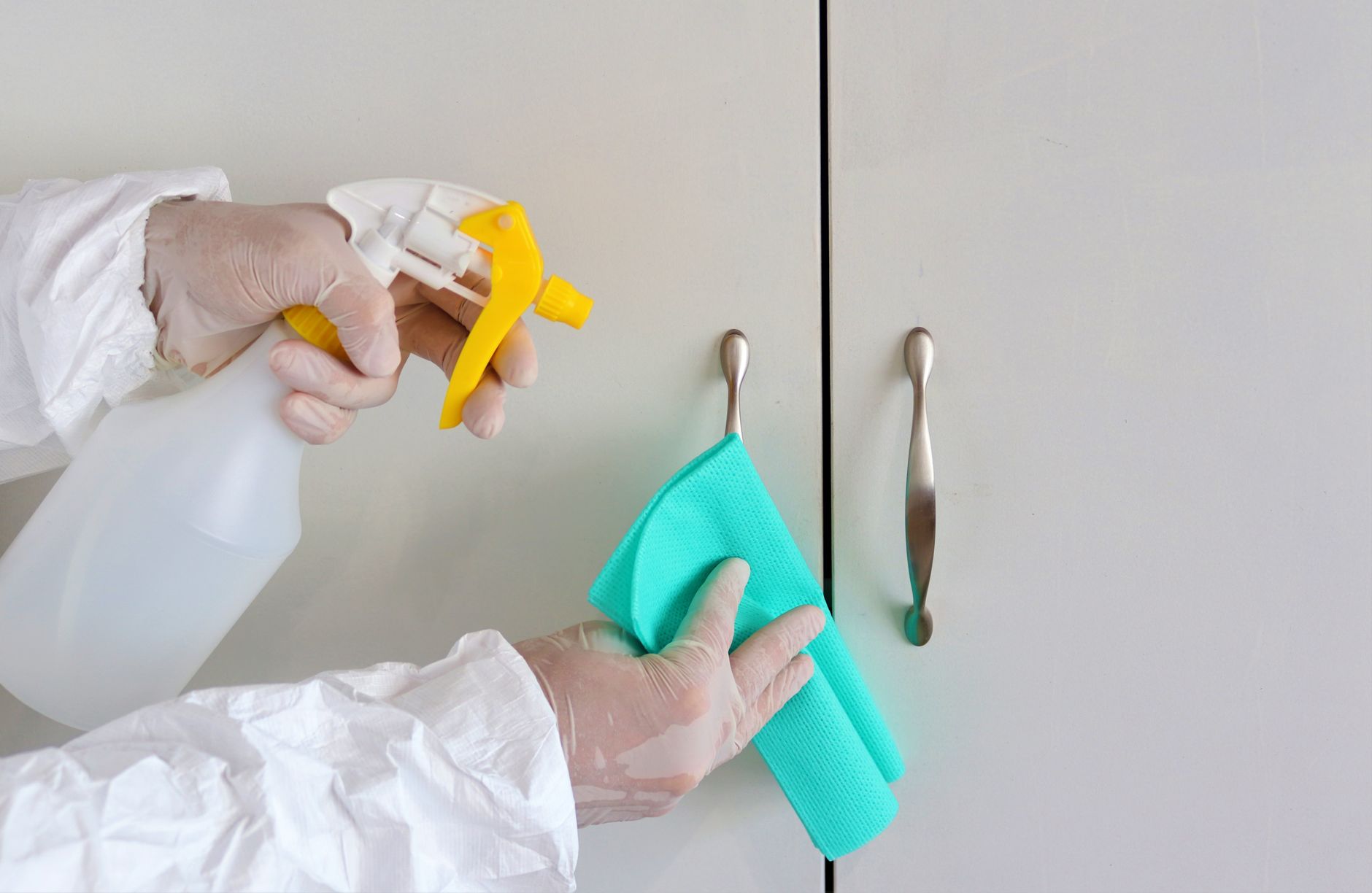
Proper kitchen hygiene, including cleaning surfaces, is vital to prevent listeria cross-contamination.
Key takeaways
Any food under a listeria warning is **not safe** for consumption during pregnancy and should be avoided entirely.
Pregnant individuals are significantly more susceptible to listeriosis and face severe risks, including miscarriage, stillbirth, and preterm birth.
Listeria can cause serious infections in newborns, such as meningitis and sepsis, even if the mother has mild or no symptoms.
Practice strict food safety: avoid high-risk foods, wash hands and produce thoroughly, cook foods to safe temperatures, and refrigerate promptly.
Stay informed about food recalls by regularly checking official government websites like the FDA, USDA, and CDC.
If you suspect you've consumed a recalled food or experience flu-like symptoms, contact your healthcare provider immediately.
Frequently asked questions
What are the symptoms of listeria in pregnancy?
Symptoms of listeria in pregnancy are often mild and flu-like, including fever, muscle aches, fatigue, headache, nausea, vomiting, or diarrhea. Crucially, some pregnant individuals may experience no symptoms at all, making it difficult to detect without specific testing.
Which foods should pregnant women avoid due to listeria?
Pregnant women should avoid unheated deli meats and hot dogs, unpasteurized soft cheeses, raw milk and dairy, refrigerated smoked seafood (unless cooked), raw sprouts, pre-cut melons, and refrigerated pâtés. Always check labels for pasteurization and heed any current listeria warnings.
How common is listeria infection during pregnancy?
Listeria infection is relatively rare but disproportionately affects pregnant individuals, who are about 10 times more likely to get it than the general population. The CDC estimates around 1,600 cases of listeriosis annually in the U.S., with a significant portion occurring in pregnant people.
Can listeria harm my unborn baby?
Yes, listeria can severely harm your unborn baby. It can cross the placenta, leading to miscarriage, stillbirth, premature birth, or life-threatening infections in the newborn such as meningitis or sepsis, even if the mother's symptoms are mild.
What should I do if I think I've been exposed to listeria while pregnant?
If you think you've been exposed to listeria (e.g., by consuming a recalled food) or develop flu-like symptoms, contact your healthcare provider immediately. They can advise on testing, monitoring, and potential antibiotic treatment to reduce risks to your baby.
Is it safe to eat cooked deli meat during pregnancy?
Yes, it is generally safe to eat deli meat during pregnancy *if* it is heated to steaming hot (165°F or 74°C) just before consumption. This temperature is sufficient to kill any potential listeria bacteria that may be present.
How can I prevent listeria infection during pregnancy?
To prevent listeria infection, avoid high-risk foods, cook all meats thoroughly, reheat leftovers to 165°F, wash hands and produce meticulously, keep your refrigerator at 40°F or below, and stay informed about food recalls from official sources.
What is the treatment for listeria in pregnant women?
Treatment for listeria in pregnant women typically involves antibiotics, most commonly penicillin or ampicillin, given intravenously. Early diagnosis and prompt treatment are crucial to prevent the infection from spreading to the fetus and to improve outcomes for both mother and baby.
When to call your doctor
It's always better to err on the side of caution when you're pregnant. Call your doctor or midwife immediately if you:
Have consumed a food product that is currently under a listeria warning or recall, even if you feel fine.
Develop flu-like symptoms such as fever (especially 100.4°F/38°C or higher), muscle aches, headache, or chills, particularly if you've recently eaten a high-risk food.
Experience any sudden, unexplained symptoms like abdominal pain, unusual green discharge during pregnancy, or signs of preterm labor after consuming a potentially contaminated food.
Are concerned about any potential exposure or symptoms related to listeria.
Remember, this information is for educational purposes only and is not a substitute for professional medical advice, diagnosis, or treatment. Always seek the advice of your physician or other qualified health provider with any questions you may have regarding a medical condition.
References
American College of Obstetricians and Gynecologists (ACOG). (Accessed 2023). www.acog.org
Not sure about the label on Is Listeria Warning Current Safe During Pregnancy products?
Snap the ingredients list and SafeFilter checks every ingredient for your stage — only 3 free scans this month, then you're locked until reset. Unlimited from $7/mo or $50/yr.
When Shubhra Mishra was expecting her first child in 2016, she was overwhelmed by conflicting food advice — one site said yes, another said never. By the time her second baby arrived in 2019, she realized millions of mothers face the same confusion.
That sparked a five-year journey through clinical nutrition papers, cultural diets, and expert conversations — all leading to BumpBites: a calm, compassionate space where science meets everyday motherhood.
Her long-term vision is to build a global community ensuring safe, supported, and free deliveriesfor every mother — because no woman should face pregnancy alone or uninformed. 🌿
🌍 Stand with mothers, shape safer guidance
Join a small circle of experts who review BumpBites articles so expecting parents everywhere can decide with confidence.