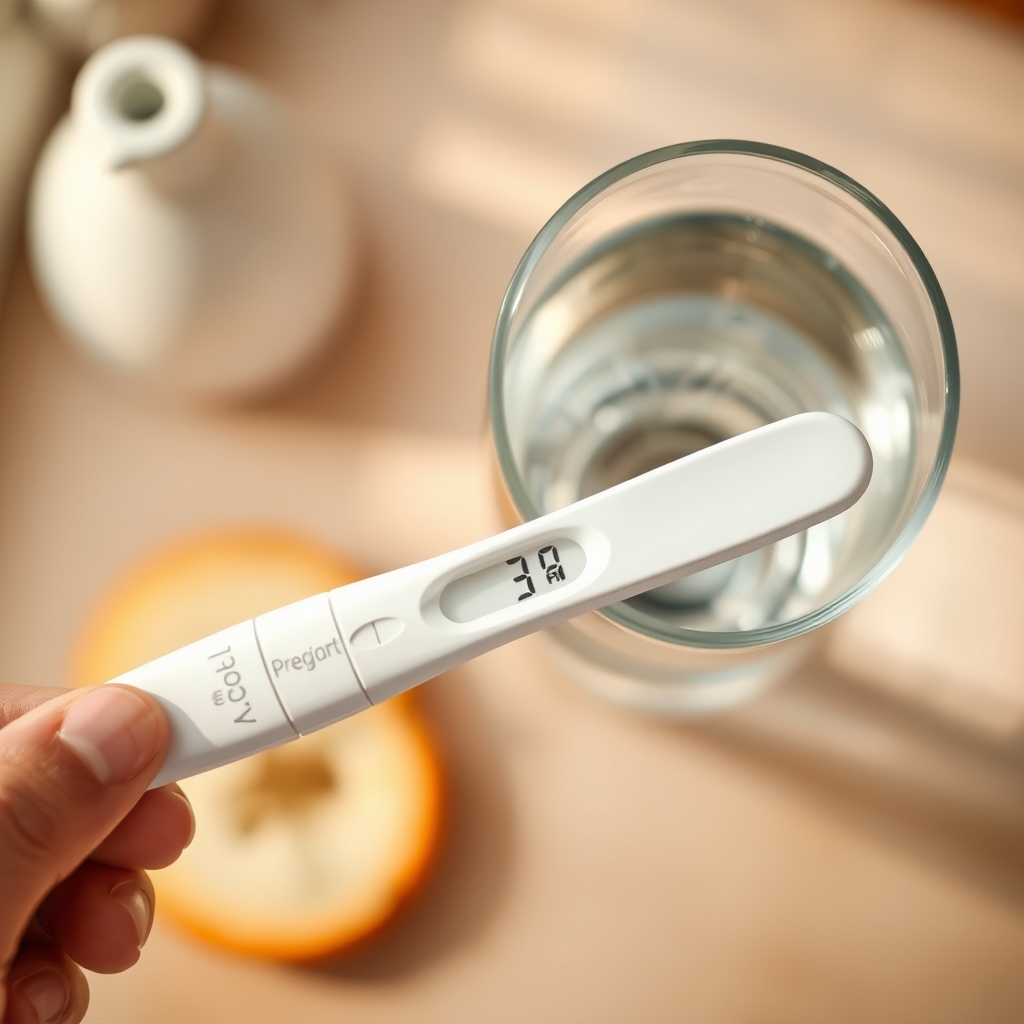
Discover chemical pregnancy symptoms early warning signs, know the causes and what to expect during this condition, includes chemical pregnancy symptoms
By Shubhra Mishra — a mom of two who turned her own confusion during pregnancy into BumpBites, a global mission to make food choices clear, safe, and stress-free for every expecting mother. 💛
Check whether any food is safe during pregnancy with the BumpBites Food Safety Checker.
Quick take: A chemical pregnancy is an early loss that often shows up as brief bleeding or spotting, sometimes with mild pregnancy‑related symptoms, and usually resolves within a week. It’s common, not a sign of infertility, but if bleeding is heavy, pain is severe, or you have concerns, reach out to your provider.
It’s 2 a.m., you’ve just taken a home pregnancy test for the second day in a row. The line is faint, your heart races, and moments later a few drops of pink‑tinged spotting appear. You wonder: “Is this normal, or am I on the brink of a miscarriage?” You’re not alone. Many expectant parents experience this confusing mix of hope and worry.
In this guide we’ll explain exactly what a chemical pregnancy is, how its early signs differ from implantation bleeding or a true miscarriage, and what you can expect in the days and weeks that follow. We’ll also cover the emotional roller‑coaster that often accompanies an early loss, and give you practical steps for seeking care, confirming the diagnosis, and finding support.
By the end you’ll have a clear picture of the typical timeline, the hormonal twists that drive symptoms, and the resources you can turn to when you need reassurance or professional advice.
What are the early signs of a chemical pregnancy?
The first clue that a chemical pregnancy may be happening is a sudden change in bleeding patterns after a positive pregnancy test. Most women report one or more of the following within the first two weeks after conception:
Spotting or light bleeding: Pink or brown discharge that starts a few days after a positive test and usually stops within 3–7 days.
Mild cramping: Low‑grade uterine cramping that feels similar to menstrual cramps, often localized to the lower abdomen.
Breast tenderness: A subtle fullness or soreness that can appear as early as day 5–7 post‑conception.
Nausea or “morning sickness”: Some women notice a faint queasy feeling, though it’s less common than in established pregnancies.
Fatigue: A low‑grade tiredness that may be driven by early hormone shifts.
These symptoms arise because the embryo briefly implants, prompting a surge in human chorionic gonadotropin (hCG) and other pregnancy hormones, then the pregnancy fails to progress, causing the hormone levels to fall rapidly.
What hormone changes happen in a chemical pregnancy?
During a normal early pregnancy, hCG rises roughly 10‑fold every 48 hours. In a chemical pregnancy, that rise is brief; hCG may peak at a low level before dropping, leading to a short‑lived surge of progesterone and estrogen. The rapid decline can trigger the spotting and cramping as the uterine lining sheds.
Can a chemical pregnancy cause nausea?
Nausea is less frequent in chemical pregnancies because the hormonal window is narrow. If nausea does appear, it’s usually mild and resolves as hCG falls.
Does a chemical pregnancy cause cramping?
Yes. Cramping often mirrors menstrual cramps but may be less intense. It’s the uterus responding to the abrupt hormonal drop and the shedding of the early placental tissue.
Early pregnancy testing can capture the first hormonal signals before a chemical pregnancy resolves.
These early signs are often fleeting, and many people dismiss them as a “false alarm.” However, recognizing the pattern can spare you from unnecessary anxiety and help you decide when to seek medical confirmation.
How long do chemical pregnancy symptoms typically last?
Most chemical pregnancies resolve within a week of symptom onset. Spotting usually stops within 2–5 days, and any accompanying cramping or breast tenderness fades as hCG declines. By the end of the first week, most women’s menstrual cycle resumes, often with a period that may be lighter or slightly earlier than usual.
In rare cases, bleeding can linger up to two weeks, especially if the uterine lining was thickened by the brief hormonal surge. If bleeding persists beyond 14 days, becomes heavy (soaking a pad per hour), or is accompanied by fever, it warrants medical evaluation.
Early pregnancy loss symptoms timeline
Below is a typical timeline for a chemical pregnancy:
Day post‑conception
Typical symptom
Expected duration
Day 5–7
Positive home pregnancy test (faint line)
1–2 days
Day 7–9
Spotting or light bleeding
2–5 days
Day 8–10
Cramping, mild breast tenderness
3–7 days
Day 10–14
Hormone levels fall, symptoms resolve
1–3 days
Day 14+
Return to normal menstrual cycle
Varies
Even after the physical symptoms fade, you may still feel a lingering emotional weight. Giving yourself a few days of gentle self‑care—rest, hydration, and a warm blanket—can ease the transition back to your usual routine.
Can I mistake a chemical pregnancy for a normal pregnancy?
Because early pregnancy symptoms overlap, it’s easy to wonder whether you’re experiencing a full‑term pregnancy rather than a chemical loss. The key differences lie in the intensity and persistence of symptoms, as well as the pattern of bleeding.
Bleeding pattern: In a viable pregnancy, bleeding is usually absent after the initial implantation bleed, which is light and short‑lived. Persistent or increasing bleeding suggests a loss.
hCG trajectory: In a healthy pregnancy, hCG doubles every 48 hours for the first few weeks. In a chemical pregnancy, hCG rises modestly then drops.
Symptom progression: Nausea, breast changes, and fatigue typically intensify in a growing pregnancy. In a chemical pregnancy they either remain mild or fade quickly.
If you’re unsure, a repeat home pregnancy test in 48–72 hours can provide clues. A declining line or a negative result points toward a chemical pregnancy, whereas a rising line suggests a continuing pregnancy.
Remember that a faint line does not guarantee a viable pregnancy, and a negative test does not automatically mean loss—hCG may simply be too low to detect yet. Consulting a provider for a quantitative hCG test offers the most reliable answer.
Why does bleeding occur in a chemical pregnancy?
Bleeding is the body's way of shedding the uterine lining that was briefly supported by the early hormonal surge. When the embryo stops developing, the corpus luteum (the structure that produces progesterone) also regresses, causing progesterone levels to fall. Without progesterone, the lining thins and is expelled as spotting or light bleeding.
Bleeding can be pink (fresh blood mixed with cervical mucus) or brown (older blood). The amount is usually small—often just enough to stain a pad once or twice. Heavy bleeding is uncommon and may indicate a more advanced loss or a separate issue such as a subchorionic hemorrhage.
Chemical pregnancy vs miscarriage symptoms
Both chemical pregnancies and later miscarriages share bleeding and cramping, but there are subtle distinctions:
Feature
Chemical pregnancy
Miscarriage (after 6 weeks)
Bleeding amount
Light spotting, pink/brown
Heavier flow, may include clots
Cramping intensity
Mild, menstrual‑like
Stronger, rhythmic
hCG trend
Rapid decline
Gradual decline or plateau
Timing
Before 5 weeks gestation
Usually after 6 weeks
Understanding these nuances helps you communicate more clearly with your provider and avoid unnecessary alarm.
What emotional symptoms accompany a chemical pregnancy?
The emotional impact can be profound, even though the pregnancy was brief. Common feelings include:
Grief: A sense of loss that feels just as real as a later miscarriage.
Anxiety: Worries about future fertility, especially if you’re trying to conceive.
Guilt or self‑blame: Thoughts like “I did something wrong” are common but unfounded.
Confusion: Mixed messages from the body—positive test followed by bleeding—can leave you feeling unsettled.
These emotions are normal. Hormonal fluctuations themselves can amplify mood swings, and the abrupt end of a hopeful pregnancy can trigger a grieving process similar to any other loss.
How to cope with chemical pregnancy loss
Allow yourself space to grieve. Talking to a partner, friend, or counselor can help process the feelings. Many find comfort in online communities where others share similar stories. Keeping a journal or writing a letter to the brief pregnancy can also be therapeutic.
If you’re trying to conceive again soon, give yourself permission to pause. Some providers recommend waiting until your next natural period, while others suggest waiting for two normal menstrual cycles before retesting. Listen to your body and your emotional readiness.
Professional counseling is not required, but a therapist familiar with reproductive loss can provide tools for managing anxiety, especially if you notice intrusive thoughts or persistent sadness beyond a few weeks.
How do I differentiate chemical pregnancy symptoms from implantation bleeding?
Implantation bleeding occurs when the embryo first embeds itself into the uterine lining, typically 6–12 days after ovulation. It’s usually light, lasts 1–2 days, and is not accompanied by other pregnancy symptoms. In contrast, chemical pregnancy bleeding often appears after a positive test and may include cramping, breast changes, or mild nausea.
Timing: Implantation bleed occurs before a detectable hCG level; chemical pregnancy bleeding follows a positive test.
Duration: Implantation bleed is brief (1–2 days); chemical pregnancy bleeding can linger up to a week.
Associated symptoms: Implantation bleed rarely includes cramping or hormonal symptoms; chemical pregnancy may.
If you notice bleeding that persists beyond two days, becomes darker, or is paired with cramping, it’s more likely a chemical pregnancy rather than simple implantation spotting.
For many, the distinction matters only insofar as it guides when to seek medical reassurance. A quick home test and a brief period of observation can usually clarify the situation.
When should I see a doctor for chemical pregnancy symptoms?
Most chemical pregnancies resolve on their own, but you should contact a healthcare provider if you experience any of the following:
Heavy bleeding (soaking a pad per hour) or passing large clots.
Severe abdominal or pelvic pain that doesn’t improve with over‑the‑counter pain relievers.
Fever of 100.4 °F (38 °C) or higher.
Persistent spotting lasting more than 14 days.
Emotional distress that feels overwhelming or unmanageable.
Early evaluation can rule out other causes such as ectopic pregnancy or a subchorionic hemorrhage, and it provides an opportunity to discuss future family‑planning options.
When you call, be ready to describe the timing, color, and volume of bleeding, as well as any pain or other symptoms. This information helps the provider decide whether a quick office visit or a more urgent evaluation is needed.
What tests confirm a chemical pregnancy?
The diagnosis is primarily based on the pattern of hCG levels and ultrasound findings:
Serial quantitative hCG blood tests: A rapid rise followed by a sharp decline (often >50 % drop within 48 hours) confirms that the pregnancy did not progress.
Transvaginal ultrasound: In a chemical pregnancy, no gestational sac is visible by 5–6 weeks gestation, whereas a viable early pregnancy would show a sac.
Repeat home pregnancy test: A negative result 7–10 days after a positive test suggests loss.
Most clinicians will order at least two hCG measurements spaced 48 hours apart. If the level falls, the diagnosis of a chemical pregnancy is usually clear.
In the United States, the FDA recommends that home pregnancy tests meet a sensitivity of at least 25 mIU/mL, which is sufficient to detect early hCG. In the UK, the NHS advises a repeat test after a few days if the first result is faint, to avoid premature conclusions.
Creating a soothing space can help you process emotions after a chemical pregnancy.
From our medical team: A chemical pregnancy is a very early loss that often goes unnoticed. If you see spotting after a positive test, repeat the test in a few days; a falling hCG level confirms the loss. Most women recover physically within a week, but emotional healing can take longer. Reach out for support, and don’t hesitate to discuss any concerns with your provider.
Lifestyle and self‑care tips after a chemical pregnancy
Even though the body quickly returns to its pre‑pregnancy state, the experience can leave you feeling physically and emotionally depleted. Gentle self‑care can smooth the recovery:
Nutrition: Focus on iron‑rich foods (spinach, lentils, lean red meat) to replenish any blood loss, and include vitamin C‑rich fruits to aid iron absorption.
Hydration: Aim for at least 8 cups of water daily; staying hydrated helps maintain healthy cervical mucus and supports overall energy.
Rest: Your body has just undergone a hormonal shift. Allow yourself short naps and avoid rigorous exercise for a few days if you feel fatigued.
Stress management: Light yoga, breathing exercises, or a short walk in fresh air can lower cortisol levels and improve mood.
According to the American College of Obstetricians and Gynecologists (ACOG), these low‑impact measures are safe and can aid the body’s natural recovery after early pregnancy loss.
When is it safe to try to conceive again?
There’s no universal “waiting period” required after a chemical pregnancy. Many clinicians advise waiting until you’ve had at least one normal menstrual cycle, which typically ensures that the uterine lining has reset and hormone levels have stabilized. This aligns with UK NICE guidance that suggests a “minimum of one full cycle” before trying again.
However, emotional readiness varies widely. Some couples feel eager to try again immediately, while others need weeks or months to process the loss. If you decide to try sooner, consider the following:
Track ovulation: Use a basal body temperature chart or ovulation predictor kits to identify fertile windows accurately.
Discuss with your provider: If you have a history of recurrent early loss, your doctor may recommend a brief monitoring period or a pre‑conception blood work panel.
Stay mindful of symptoms: If you notice spotting, cramping, or other early‑pregnancy signs, repeat a home test and consider an early hCG check.
Research from the CDC indicates that most women who experience a chemical pregnancy conceive again within 12 months without increased risk of complications.
Understanding the role of progesterone support and fertility treatments
In some cases, especially after multiple early losses, physicians may prescribe progesterone supplementation to help maintain the uterine lining. Progesterone “shots” or vaginal suppositories aim to keep the endometrium thick enough for implantation. The evidence, as summarized by ACOG in 2022, suggests modest benefit for women with documented luteal‑phase deficiencies, but it’s not routinely recommended after a single chemical pregnancy.
If you’re already undergoing fertility treatments such as IVF or intrauterine insemination (IUI), your specialist will tailor hormone protocols accordingly. For most natural conception attempts, lifestyle optimization and stress reduction are the first lines of support.
Myth vs. fact
Myth: A chemical pregnancy means you’re infertile.
Fact: Most women who experience a chemical pregnancy go on to have successful pregnancies later; it’s a common early loss that doesn’t reflect future fertility.
Myth: Bleeding always means a miscarriage.
Fact: Light spotting can be implantation bleeding, a chemical pregnancy, or even a harmless cervical irritation. The context, duration, and accompanying symptoms help differentiate them.
Myth: You can’t get pregnant again right after a chemical pregnancy.
Fact: Many clinicians recommend waiting until your next natural period, but you can begin trying again sooner if you feel physically and emotionally ready.
Key takeaways
Chemical pregnancy is an early loss identified by brief spotting after a positive test.
Typical symptoms—light bleeding, mild cramping, occasional breast tenderness—usually resolve within a week.
Rapid decline in hCG levels confirms the diagnosis; a transvaginal ultrasound will show no gestational sac.
Emotional reactions are normal; seek support from partners, counselors, or supportive communities.
Contact a provider if bleeding is heavy, pain is severe, or symptoms persist beyond two weeks.
Future pregnancies are still possible; many women have healthy babies after a chemical pregnancy.
Gentle self‑care—balanced nutrition, hydration, rest, and stress management—helps physical and emotional recovery.
Most experts suggest waiting for at least one normal menstrual cycle before trying again, but personal readiness varies.
Frequently asked questions
What are the signs of a chemical pregnancy?
Quick answer: Light spotting or pink‑brown discharge after a positive pregnancy test, often with mild cramping, breast tenderness, or brief nausea. These signs typically appear within the first two weeks after conception and resolve within a few days.
How can I tell if I’m having a chemical pregnancy?
Quick answer: A fading or disappearing hCG line on a home test, combined with a rapid drop in blood hCG levels (checked by your provider), suggests a chemical pregnancy. Persistent spotting beyond a few days also points in that direction.
Is bleeding a normal symptom of a chemical pregnancy?
Quick answer: Yes. Light spotting is the most common sign and usually lasts 2–5 days. Heavy bleeding or clots are not typical and should be evaluated.
Can a chemical pregnancy cause pregnancy symptoms like nausea?
Quick answer: It can, but nausea is less common and usually mild because the hormonal surge is brief. If nausea appears, it often fades as hCG declines.
When should I get a pregnancy test after a chemical pregnancy?
Quick answer: Wait at least 7–10 days after the bleeding stops before retesting. This allows hCG to clear and gives a reliable result.
How long does it take to recover after a chemical pregnancy?
Quick answer: Physical recovery typically occurs within a week, but emotional healing can take weeks to months. Give yourself permission to grieve and seek support as needed.
Is it safe to start fertility treatments after a chemical pregnancy?
Quick answer: Yes, but discuss timing with your provider. Many clinicians suggest completing at least one full menstrual cycle before initiating treatments like IVF or IUI to ensure hormonal stability.
Can progesterone supplements prevent another early loss?
Quick answer: Progesterone support may help women with documented luteal‑phase deficiencies, but it’s not routinely recommended after a single chemical pregnancy. Talk with your doctor about whether testing for hormonal imbalances is appropriate.
When to call your doctor
If you experience heavy bleeding, severe cramping, fever, bleeding that lasts more than two weeks, or feel emotionally overwhelmed, contact your healthcare provider promptly. This article provides general information and is not a substitute for personalized medical advice.
References
American College of Obstetricians and Gynecologists (ACOG). Early Pregnancy Loss: Clinical Management, 2022.
National Health Service (NHS). Miscarriage and early pregnancy loss, guidance, 2023.
World Health Organization (WHO). Maternal health: early pregnancy monitoring, 2021.
Mayo Clinic. Human chorionic gonadotropin (hCG) test, 2022.
Royal College of Obstetricians and Gynaecologists (RCOG). Early pregnancy bleeding, 2022.
Centers for Disease Control and Prevention (CDC). Pregnancy loss statistics, 2022.
American Pregnancy Association. Chemical pregnancy: what to expect, 2023.
National Institute for Health and Care Excellence (NICE). Early pregnancy assessment, 2023.
Food and Drug Administration (FDA). Pregnancy test device performance standards, 2022.
American Society for Reproductive Medicine (ASRM). Progesterone supplementation in early pregnancy, 2022.
Not sure about the label on Chemical Pregnancy Symptoms Early Warning Signs products?
Snap the ingredients list and SafeFilter checks every ingredient for your stage — only 3 free scans this month, then you're locked until reset. Unlimited from $7/mo or $50/yr.
When Shubhra Mishra was expecting her first child in 2016, she was overwhelmed by conflicting food advice — one site said yes, another said never. By the time her second baby arrived in 2019, she realized millions of mothers face the same confusion.
That sparked a five-year journey through clinical nutrition papers, cultural diets, and expert conversations — all leading to BumpBites: a calm, compassionate space where science meets everyday motherhood.
Her long-term vision is to build a global community ensuring safe, supported, and free deliveriesfor every mother — because no woman should face pregnancy alone or uninformed. 🌿
🌍 Stand with mothers, shape safer guidance
Join a small circle of experts who review BumpBites articles so expecting parents everywhere can decide with confidence.