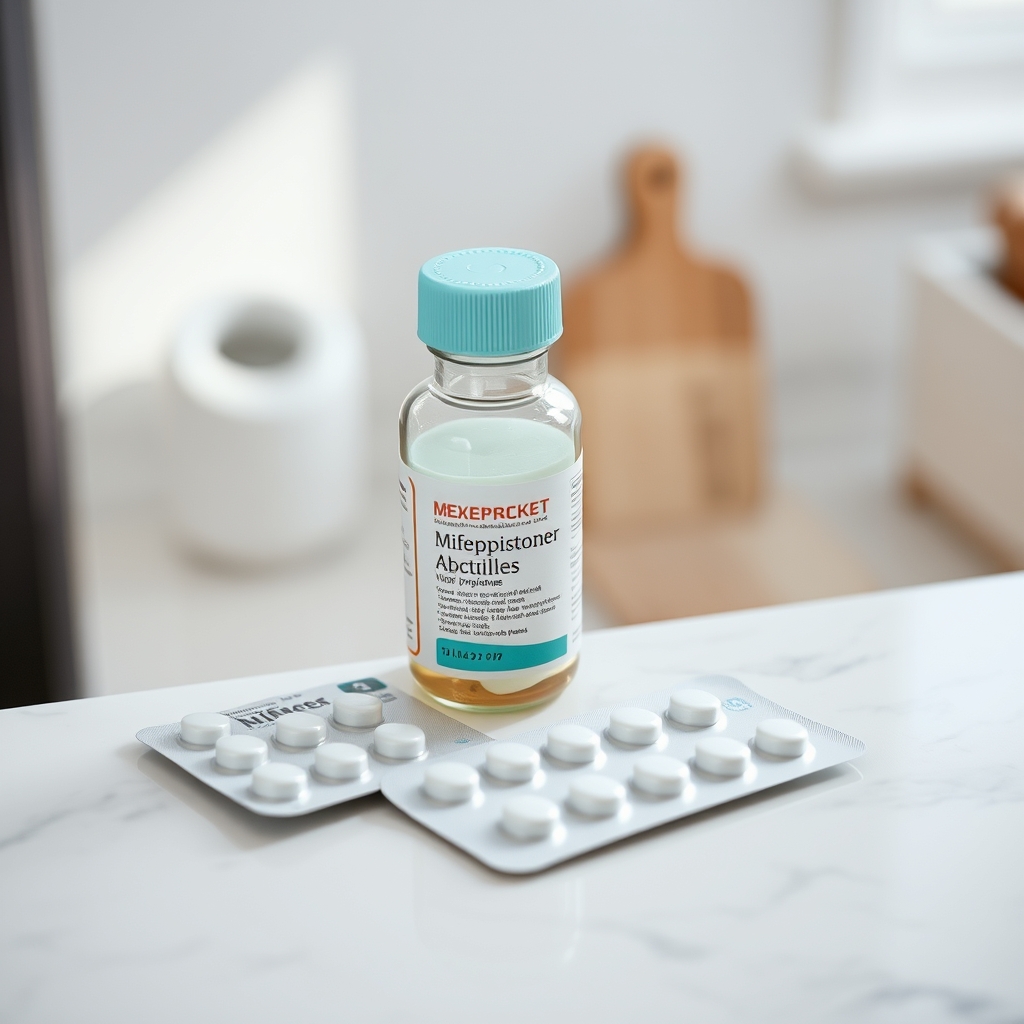
The cost of pregnancy termination can range from $500 to $5,000+, depending on gestational age, method, and location. Learn what to expect regarding expenses, financial aid, and insurance coverage for abortion services.
By Shubhra Mishra — a mom of two who turned her own confusion during pregnancy into BumpBites, a global mission to make food choices clear, safe, and stress-free for every expecting mother. 💛
Check whether any food is safe during pregnancy with the BumpBites Food Safety Checker.
Quick take: The cost of a pregnancy termination varies widely—typically $0‑$150 per week for medication abortions and $300‑$1,500 for surgical procedures—depending on gestational age, the type of care, your location, and whether insurance or financial assistance applies. Most clinics publish transparent prices, and many nonprofit funds can help cover the gap.
It’s 2 a.m., you’re scrolling the night‑light glow on your phone, and a sudden wave of nausea reminds you that the pregnancy you weren’t expecting is already a few weeks in. The next thought that pops up is, “How much will ending it cost?” You’re not alone—every month, thousands of people search for the same answer, hoping for a clear, reassuring number.
Below, we break down everything that shapes the price of a pregnancy termination, from the type of procedure to the state you live in, and we give you practical ways to find affordable care without compromising safety. By the end you’ll know what to expect, where to look for help, and which questions to ask your provider.
What factors influence the cost of pregnancy termination?
Understanding why abortion prices differ is the first step toward budgeting for care. The most influential factors are:
Gestational age. Early‑term abortions (up to 10 weeks) are cheaper because they require fewer resources. As the pregnancy advances, the procedure becomes more complex, increasing staff time, medication dosage, and facility use.
Type of procedure. Medication abortions (using mifepristone + misoprostol) generally cost less than in‑clinic surgical methods, although the price gap narrows in later weeks.
Geographic location. Clinics in high‑cost urban centers (e.g., New York, Washington DC) often charge more than those in rural areas, reflecting rent, staffing, and local market rates.
Clinic type. Nonprofit organizations such as Planned Parenthood may offer sliding‑scale fees, while private for‑profit clinics set fixed prices.
Insurance status. Private insurers, Medicaid, and state‑specific mandates determine whether any portion of the bill is covered.
Additional services. Follow‑up appointments, counseling, lab tests, and medication for pain control can add $50‑$300 to the total.
These variables interact. For example, a medication abortion at 8 weeks in a state where Medicaid covers abortions may cost under $200, while a surgical abortion at 12 weeks in a private clinic without insurance can exceed $1,000.
Other considerations include travel costs if you need to drive several hours to the nearest provider, and the need for childcare or time off work. All of these can add up, so it’s wise to ask the clinic up front about any hidden fees.
Because each factor can shift the final bill by several hundred dollars, many patients create a simple spreadsheet to track expected costs versus actual charges. This helps avoid surprise invoices and gives you leverage when negotiating payment plans.
Medication abortion involves two pills taken at home under medical guidance.
How much does a medication abortion cost compared to a surgical abortion?
Medication abortions—often called the “abortion pill”—use a two‑step regimen: mifepristone taken first, followed by misoprostol 24‑48 hours later. Surgical abortions involve either aspiration (vacuum‑extraction) or dilation & curettage (D&C) performed in a clinic.
According to the Guttmacher Institute’s 2023 cost survey, the national average price for a medication abortion at ≤ 10 weeks is between $0‑$800. Many clinics offer a sliding‑scale based on income, and some states require public funding for low‑income patients, which can bring the out‑of‑pocket cost to under $100.
In contrast, surgical abortions at the same gestational window typically range from $300‑$1,500. The higher price reflects operating‑room fees, anesthesia, and more intensive staffing. As gestational age increases, the cost difference narrows: a surgical abortion at 12‑14 weeks averages $850‑$2,000, while a medication abortion at 12 weeks may cost $600‑$1,200 because of the need for higher drug dosages and extra monitoring.
Below is a side‑by‑side comparison of typical price ranges by gestational age:
Gestational age
Medication abortion (pill)
Surgical abortion (clinic)
Up to 10 weeks
$0‑$800 (average $450)
$300‑$1,500 (average $850)
10‑12 weeks
$600‑$1,200 (average $800)
$850‑$2,000 (average $1,300)
12‑14 weeks
$800‑$1,500 (average $1,050)
$1,200‑$2,500 (average $1,700)
15‑20 weeks (surgical only)
N/A
$1,500‑$4,000 (average $2,600)
These figures are averages; actual costs can be lower if you qualify for subsidies or higher in regions with limited clinics. Importantly, medication abortions are typically covered by more insurance plans because they are considered outpatient care, whereas surgical abortions may be subject to stricter exclusions.
When you compare the two options, also consider the indirect costs: medication abortions often require fewer clinic visits, which can save on transportation and time off work. Surgical procedures may involve a short recovery period and, in some cases, a brief overnight stay, adding to the overall expense.
Does health insurance cover pregnancy termination costs?
Insurance coverage for abortion varies dramatically by country, state, and plan type.
United States. The federal Hyde Amendment prohibits most federal funds—including Medicaid—from covering abortions except in cases of rape, incest, or life endangerment. However, 17 states and the District of Columbia have laws that require private insurers to cover abortions beyond those exceptions. In those states, you may see a portion of the bill reimbursed, especially if you have a high‑deductible plan that includes outpatient procedures.
Medicaid. Because Medicaid is jointly funded by federal and state governments, coverage depends on state policy. As of 2024, 17 states (including California, New York, and Washington) allow Medicaid to pay for abortions without restriction, while others limit coverage to the federal exceptions. If you reside in a state that expands Medicaid coverage, you can apply for the “Abortion Fund” program that helps cover out‑of‑pocket costs.
United Kingdom (NHS). The NHS provides abortion services free of charge up to 24 weeks, funded by tax revenue. You only need a referral from a GP or a family planning clinic. Private care is optional and charged separately.
In Canada, most provincial health plans cover abortions performed in hospitals, and medication abortions are covered under the public drug plan in many provinces. Private insurance may still apply co‑pays.
Bottom line: check your policy’s Summary of Benefits, ask your insurer directly about “termination of pregnancy” coverage, and verify any state‑specific mandates. If coverage is uncertain, many clinics will help you navigate the paperwork.
Remember that some insurers classify medication abortions as “pharmacy benefits” and will apply a separate deductible. Reviewing your pharmacy benefits booklet can reveal hidden cost‑savings you might otherwise miss.
Are there financial assistance programs for abortion services?
Yes. A network of nonprofit “abortion funds” exists to bridge the gap for people who cannot afford the full cost. These organizations typically assess eligibility based on income, insurance status, and distance to the nearest clinic.
National Abortion Federation (NAF) Financial Assistance. NAF’s fund provides up to $1,000 per person for medication abortions and $1,500 for surgical procedures. They also cover travel, lodging, and childcare in many cases.
Planned Parenthood Fund. Many Planned Parenthood health centers run local funds that can reduce or eliminate fees for low‑income patients. The amount varies by location but often covers the full cost of early‑term abortions.
Abortion Care Network (ACN) and State‑Based Funds. ACN partners with state‑level funds such as the New York Women’s Reproductive Health Fund, the Illinois Abortion Fund, and the Maryland Women’s Fund. These groups may also help with legal fees if you encounter a “waiting period” or other restrictions.
Faith‑Based and Community Charities. Some faith‑aligned organizations provide discreet assistance, though they may have specific criteria (e.g., “no‑strings‑attached” grants).
To locate a fund near you, search “abortion financial assistance near me” or use the NAF’s “Find a Fund” tool. Most funds require a short application and can approve assistance within a few days—critical if you’re on a tight timeline.
When you fill out an application, keep copies of your most recent pay stub, tax return, or proof of Medicaid eligibility. Funds often need this documentation to confirm that you meet income thresholds.
What are the average costs of abortion by state or location?
Cost variation by state is driven by local regulations, clinic density, and the presence of public funding. Below is a snapshot of average out‑of‑pocket costs for a medication abortion at ≤ 10 weeks, based on 2023 data from the Guttmacher Institute and state health department reports:
State / Region
Average cost (medication abortion)
Average cost (surgical aspiration)
California
$200‑$400
$350‑$600
New York
$250‑$500
$400‑$800
Texas (where legal restrictions apply)
$600‑$900
$900‑$1,500
Illinois
$150‑$350
$300‑$650
Florida
$400‑$700
$700‑$1,200
Washington, DC
$200‑$450
$350‑$700
Rural Midwest (average)
$500‑$800
$800‑$1,400
In states with robust Medicaid coverage (e.g., California, New York), many patients pay $0‑$100 after subsidies. Conversely, in states with restrictive laws (e.g., Texas, Oklahoma), the lack of public funding pushes average costs higher, and patients often travel out of state, adding travel and lodging expenses.
If you live near a major city, you’ll likely find more clinics competing on price, which can bring costs down. In contrast, remote areas may have only one provider, allowing them to set higher fees. Some patients negotiate a discounted “bundle” that includes the procedure, ultrasound, and follow‑up in a single price.
States with public funding make abortions more affordable for many patients.
What additional or hidden fees should I expect for abortion care?
Beyond the headline price for the procedure itself, clinics often bill for ancillary services. These can include:
Pre‑procedure labs. Blood type, Rh factor, and pregnancy dating tests can add $50‑$150.
Ultrasound. While many clinics include a basic scan in the procedure fee, some charge $75‑$200 for a detailed view, especially after 12 weeks.
Counseling. Mandatory counseling (required in some states) may be billed separately, though many providers offer it at no extra charge.
Medication for pain or nausea. Anti‑nausea pills, ibuprofen, or prescription painkillers can add $20‑$80.
Follow‑up visit. A post‑procedure check, often done via telehealth, may be $30‑$100 if not included in the initial fee.
Travel and lodging. If you must travel over 50 miles, expect $50‑$300 for gas, plus potential hotel costs.
Childcare. Some funds will reimburse a modest childcare stipend, but otherwise you’ll need to factor in any costs for a sitter.
Ask the clinic for an itemized estimate before you schedule the appointment. Most reputable providers are transparent about these charges, and many will waive or reduce fees for patients who demonstrate financial hardship.
In a few states, “facility fees” mandated by law can add a flat $200‑$500 surcharge regardless of the procedure type. This is a good reason to compare multiple clinics in neighboring counties, as some facilities absorb the fee into their overall price while others pass it on to the patient.
How to find affordable pregnancy termination options if I can't pay?
When money feels tight, a systematic approach can help you locate low‑cost or free options:
Start with local clinics. Use the Planned Parenthood locator or the NAF “Find a Provider” tool. Many clinics list sliding‑scale fees on their website.
Contact abortion funds. Reach out via phone or email; most have a quick‑response email address. Have your income information, insurance details, and gestational age ready.
Check state health department resources. Some states publish a list of publicly funded facilities; for example, California’s “Family Planning, Access, and Services” page includes a cost‑free abortion locator.
Explore telehealth medication abortions. In 2024, several reputable telehealth companies (e.g., AidAccess, Maven) offer the abortion pill at $350‑$500, including shipping and a virtual consult. This can be cheaper than an in‑clinic visit if you’re eligible.
Consider university health centers. In some college towns, student health services provide low‑cost medication abortions as part of student health benefits.
Utilize community resources. Local women’s shelters, LGBTQ+ centers, and reproductive justice groups often maintain a list of free or discounted services.
When you contact a provider, ask directly: “What is the total cost, including any labs, ultrasounds, and follow‑up care?” and “Do you have a payment plan or sliding‑scale option?” Clear communication prevents surprise bills later on.
Many patients also find that paying in installments—often a no‑interest arrangement offered by the clinic—helps them manage cash flow without accruing debt. Ask if a “care‑credit” or similar financing option is available.
From our medical team: If you’re unsure about the cost, remember that you have the right to request a written estimate before any services are rendered. Most clinics will gladly break down each charge, and many will work with you to create a payment plan or connect you with a fund. Don’t let cost deter you from seeking safe, clinical care—delaying an abortion can increase both medical risk and overall expense.
What legal requirements can affect the total cost?
State laws can add mandatory expenses that aren’t part of the medical procedure itself. Many states impose a “waiting period” of 24–72 hours between the initial counseling visit and the abortion. During this interval, you may need to attend an additional appointment, which can cost $100‑$300 if the clinic charges a separate visit fee.
Some jurisdictions require state‑mandated counseling that includes specific scripted information. While counseling is often provided at no charge, a few states allow clinics to bill for the service as a “counseling fee.” Additionally, certain states charge a “facility fee” that is added to every abortion bill, regardless of the provider’s actual costs. These fees can range from $200 to $500 and are not covered by most insurance plans.
Understanding these legal costs ahead of time can help you budget more accurately. Ask the clinic whether any state‑mandated fees apply, and whether they can waive or reduce them for patients with financial hardship. Some organizations, like the Center for Reproductive Rights, keep updated databases of state‑specific cost add‑ons.
How does telemedicine change the price landscape?
Telehealth has reshaped abortion access, especially for medication abortions. By eliminating the need for a physical clinic visit, telemedicine can cut transportation, childcare, and facility fees. Companies such as AidAccess and Maven provide a full telehealth package—virtual consultation, prescription, and mail‑order delivery of mifepristone + misoprostol—for $350‑$500 in 2024, which often includes a follow‑up video call.
The FDA’s 2023 update to the mifepristone REMS (Risk Evaluation and Mitigation Strategy) now permits the drug to be dispensed via mail in all 50 states, expanding remote options. While insurance coverage for telemedicine abortions varies, some private plans treat the service as a pharmacy benefit, applying the same deductible as any prescription medication.
Telemedicine also reduces hidden costs: there’s no separate lab fee because the initial blood work can be done at a local lab, and many providers bundle the cost of a baseline ultrasound into the telehealth package. However, if you are beyond 10 weeks, a in‑person visit may still be required for an ultrasound, which can re‑introduce travel expenses.
Cost considerations for later‑term abortions (15 weeks +)
When pregnancy progresses beyond the first trimester, the range of available procedures narrows, and costs rise sharply. Surgical abortions after 15 weeks often require dilation and evacuation (D&E), a more involved operation performed in a hospital‑affiliated surgical suite. According to ACOG’s Practice Bulletin No. 228, the average cost for a D&E at 15‑20 weeks is $2,000‑$4,500, reflecting longer operating‑room time, higher anesthesia requirements, and sometimes a brief hospital stay for observation.
Additional expenses at this stage can include pre‑procedure cervical preparation (e.g., osmotic dilators) costing $200‑$500, and a more detailed ultrasound that can exceed $250. Some patients also need a higher‑dose medication regimen for pain management, adding $100‑$200.
Because later‑term abortions are less common, many providers charge a “complexity surcharge.” If you’re facing a later‑term procedure, it’s especially important to obtain a detailed, written estimate and explore whether any state‑funded programs or abortion funds specifically cover later‑term care. A few nonprofit organizations, such as the Women’s Reproductive Rights Fund, have dedicated budgets for these higher‑cost cases.
Myth vs. fact
Myth: “Abortion is always expensive, so I can’t afford it.”
Fact: The price varies widely, and many clinics offer sliding‑scale fees; nonprofit funds can cover up to 100 % of the cost for low‑income patients.
Myth: “Insurance never covers abortions.”
Fact: While the federal Hyde Amendment limits Medicaid coverage, several states require private insurers to include abortion benefits, and some plans cover medication abortions as outpatient services.
Myth: “All abortions cost the same regardless of location.”
Fact: State regulations, clinic competition, and public funding create substantial price differences—sometimes a $200 disparity between neighboring states.
Key takeaways
Early‑term medication abortions are usually the least expensive option, often under $500 with sliding‑scale discounts.
Costs rise with gestational age; surgical procedures after 12 weeks can exceed $2,000.
Insurance coverage depends on your plan, state Medicaid rules, and any state‑mandated benefits.
Numerous nonprofit funds and telehealth services can substantially lower out‑of‑pocket expenses.
Always request an itemized estimate and ask about hidden fees like labs, ultrasounds, and follow‑up visits.
If you can’t pay, start with local clinic locators, then reach out to abortion funds and state health‑department resources for assistance.
Legal requirements such as waiting‑period fees or facility surcharges can add $200‑$500; ask your provider what applies in your state.
Frequently asked questions
How much does an abortion cost without insurance?
Without insurance, a medication abortion at ≤ 10 weeks typically costs $200‑$800, while a surgical aspiration ranges from $300‑$1,500. Prices increase with gestational age and can exceed $2,000 for later‑stage procedures.
Does insurance cover abortion?
Coverage varies: private insurers in 17 states must cover abortions beyond federal exceptions, while Medicaid is limited by the Hyde Amendment except in states that fund abortions without restriction.
What is the average cost of an abortion pill?
Across the United States, the average out‑of‑pocket price for the abortion pill (mifepristone + misoprostol) is $350‑$500, though many clinics offer sliding‑scale rates that can bring the cost below $200 for low‑income patients.
How much does a surgical abortion cost at 12 weeks?
At 12 weeks, surgical aspiration typically ranges from $850‑$2,000, depending on the clinic’s location, whether anesthesia is used, and any additional lab or counseling fees.
Can I get financial help for an abortion?
Yes—national funds like the NAF, Planned Parenthood’s local assistance programs, and state‑specific abortion funds can cover up to 100 % of the cost, including travel and childcare, for eligible patients.
Is abortion free at Planned Parenthood?
Planned Parenthood does not charge a flat “free” rate, but many locations offer sliding‑scale fees based on income, and for patients who qualify for Medicaid or other public programs, the out‑of‑pocket cost can be $0‑$100.
What additional costs might I face if I need a later‑term abortion?
Later‑term procedures (15 weeks +) often require dilation and evacuation, cervical preparation, and a more detailed ultrasound. These services can add $500‑$1,500 to the base price, pushing total expenses to $2,500‑$4,500. Some nonprofit funds specifically allocate resources for high‑cost cases.
Can telehealth reduce the overall price of a medication abortion?
Yes—telemedicine eliminates clinic‑visit fees and often bundles the medication, shipping, and virtual follow‑up into a single price of $350‑$500. The FDA’s 2023 REMS update now allows mail‑order dispensing of mifepristone nationwide, expanding affordable remote options.
When to call your doctor
If you experience heavy bleeding (soaking a pad every hour for two hours), fever over 100.4 °F (38 °C), severe abdominal pain, or any signs of infection after an abortion, seek medical attention immediately. This article provides general information only and is not a substitute for personalized medical advice.
References
Guttmacher Institute. “Abortion Provider Survey, 2023.” Data on average costs by procedure and state.
American College of Obstetricians and Gynecologists (ACOG). “Practice Bulletin No. 228: Abortion.” Clinical guidelines on medication and surgical abortion.
U.S. Department of Health & Human Services. “Hyde Amendment Policy Overview.” Federal restrictions on Medicaid funding for abortion.
Planned Parenthood. “Cost and Payment Options.” Official clinic pricing and sliding‑scale policies.
National Abortion Federation (NAF). “Financial Assistance Guidelines.” Information on fund eligibility and amounts.
World Health Organization (WHO). “Safe Abortion: Technical and Policy Guidance for Health Systems.” International standards for abortion care.
Centers for Disease Control and Prevention (CDC). “Abortion Surveillance — United States, 2022.” Statistics on procedure types and gestational age distribution.
National Health Service (NHS) England. “Abortion Services.” Public funding and cost‑free provision up to 24 weeks.
California Department of Public Health. “Family Planning, Access, and Services (FPAS) Program.” State‑funded abortion services details.
Not sure about the label on Cost Of Pregnancy Termination What To Expect products?
Snap the ingredients list and SafeFilter checks every ingredient for your stage — only 3 free scans this month, then you're locked until reset. Unlimited from $7/mo or $50/yr.
When Shubhra Mishra was expecting her first child in 2016, she was overwhelmed by conflicting food advice — one site said yes, another said never. By the time her second baby arrived in 2019, she realized millions of mothers face the same confusion.
That sparked a five-year journey through clinical nutrition papers, cultural diets, and expert conversations — all leading to BumpBites: a calm, compassionate space where science meets everyday motherhood.
Her long-term vision is to build a global community ensuring safe, supported, and free deliveriesfor every mother — because no woman should face pregnancy alone or uninformed. 🌿
🌍 Stand with mothers, shape safer guidance
Join a small circle of experts who review BumpBites articles so expecting parents everywhere can decide with confidence.