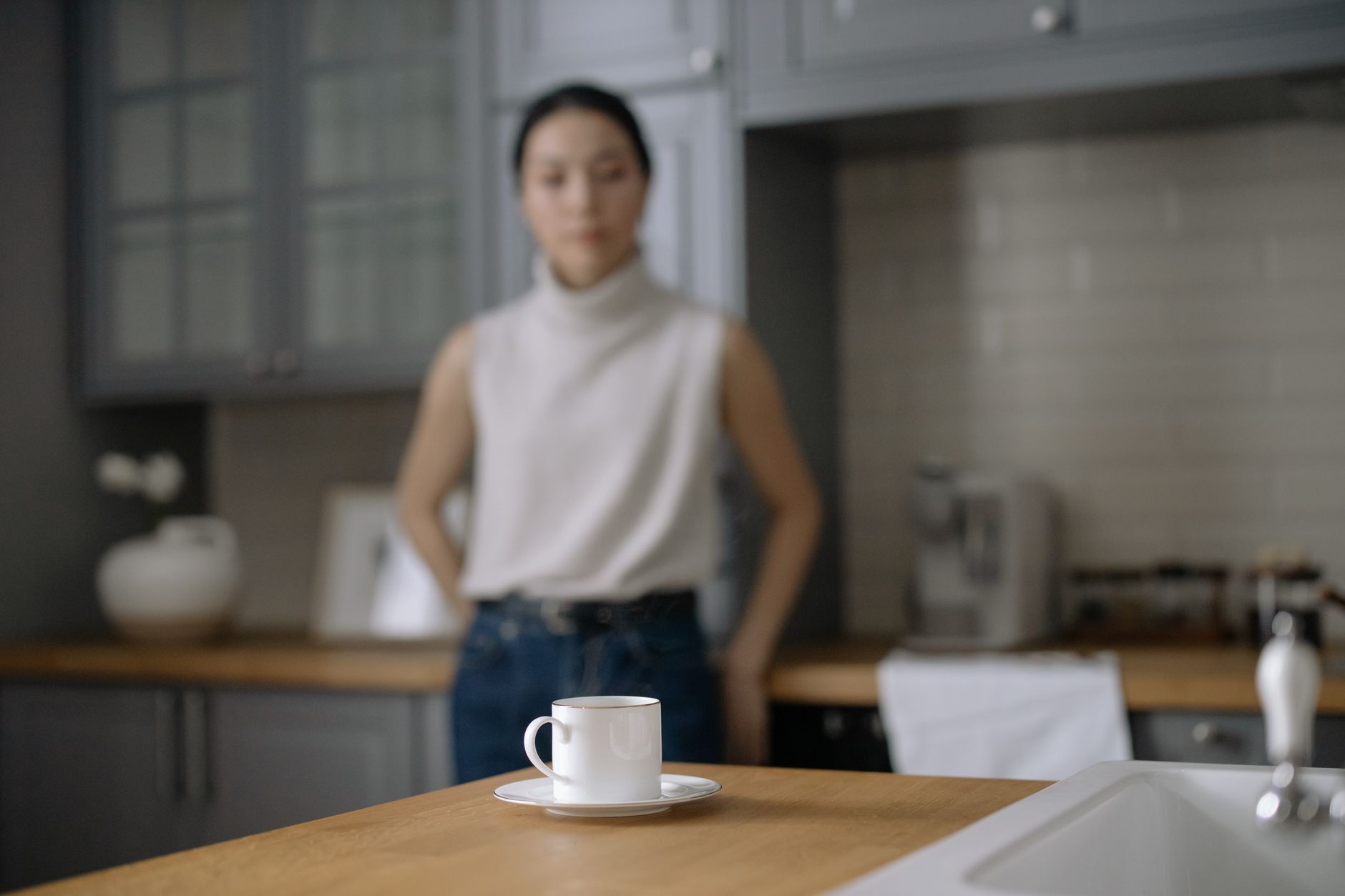
Yes, moderate decaf coffee is generally safe during pregnancy, according to experts. Find out recommended limits, any risks, and how to enjoy decaf safely.
By Shubhra Mishra — a mom of two who turned her own confusion during pregnancy into BumpBites, a global mission to make food choices clear, safe, and stress-free for every expecting mother. 💛
Check whether any food is safe during pregnancy with the BumpBites Food Safety Checker.
Quick take: Decaf coffee is generally safe during pregnancy when consumed in moderation—most decaf beans contain 2–5 mg of caffeine per cup, well below the 200 mg daily limit recommended by ACOG. Choose reputable brands, stay hydrated, and talk to your provider if you notice heartburn or other concerns.
It’s 2 a.m., you’re curled up on the couch, and the gentle hum of the refrigerator reminds you that you’ve just poured a steaming mug of decaf coffee. You smile, because the ritual feels comforting, but a tiny voice in the back of your mind wonders: “Is this really okay for my baby?” You’re not alone. Many expectant mothers reach for decaf as a way to keep their coffee habit without the buzz of caffeine, yet the safety questions linger.
In this guide we break down exactly what the research says about decaf coffee during pregnancy and breastfeeding. We’ll look at how much caffeine is actually in a cup, whether decaf can dehydrate you, what antioxidants it offers, and what potential contaminants might be hiding in the beans. We’ll also compare decaf to regular coffee and to other caffeine‑free drinks, and give you clear limits for each trimester and for nursing.
By the end you’ll have a practical checklist: how many cups you can enjoy, which brands to trust, and the exact questions to ask your obstetrician or midwife. Let’s sip through the science together.
Is decaf coffee safe to drink during the first trimester?
The first trimester is when the fetus’s organs are forming, so many pregnant people tighten their caffeine intake. Decaf coffee contains only a fraction of the caffeine found in regular coffee—usually 2–5 mg per 8‑oz cup, according to the FDA’s analysis of commercial brews. ACOG’s guideline of 200 mg of caffeine per day translates to roughly 40 cups of decaf, far beyond realistic consumption.
Because the caffeine exposure is minimal, most obstetricians consider decaf safe in the first trimester. The key is to avoid hidden sources of caffeine, such as certain flavored syrups or “espresso‑style” decaf drinks that may contain added coffee concentrate. If you experience nausea, heartburn, or a rapid heartbeat after a cup, it could be a sign that your body is reacting to other compounds, not the caffeine itself.
What the research says
A 2022 systematic review in Obstetrics & Gynecology found no increased risk of miscarriage or birth defects linked to moderate decaf consumption.
The UK’s NHS notes that “decaf coffee can be part of a balanced diet in pregnancy” as long as overall caffeine stays under 200 mg per day.
Studies on caffeine‑free beverages (e.g., herbal tea) show similar safety profiles, reinforcing that low‑caffeine drinks are generally fine.
Practical tip for the first trimester
Stick to 1–2 cups of decaf a day, and pair each cup with a glass of water. If you feel any unusual symptoms—persistent nausea, dizziness, or palpitations—contact your provider.
Most women find that keeping a short journal of how they feel after each cup helps them notice patterns early, making it easier to adjust intake before any discomfort becomes severe.
Enjoying a quiet moment with decaf can be part of a soothing routine.
How much caffeine is in decaf coffee and does it affect pregnancy?
Decaf coffee is not completely caffeine‑free. The decaffeination process removes about 97 % of caffeine, leaving roughly 2–5 mg per 8‑oz cup, though the exact amount can vary by brand and brewing method. For comparison, a typical cup of regular coffee contains 95 mg of caffeine on average.
When you add up the caffeine from other sources—tea, chocolate, soda—the total can approach the 200 mg daily ceiling. ACOG recommends keeping caffeine below this level to reduce the risk of low birth weight and preterm birth. In practice, a pregnant person could safely drink up to 3–4 cups of decaf a day and still stay well under the limit.
Decaf caffeine content per cup
Drink
Typical caffeine per 8 oz
Decaf coffee (drip)
2–5 mg
Regular coffee (drip)
95 mg
Black tea
47 mg
Green tea
28 mg
Chocolate milk (8 oz)
5 mg
Does this tiny caffeine amount affect the baby?
Current evidence suggests that the minimal caffeine in decaf does not influence fetal heart rate or growth. The placenta filters out most caffeine, and the low dose translates to a negligible fetal exposure. However, individual sensitivity varies—some people metabolize caffeine slower due to genetic differences (CYP1A2 polymorphism). If you know you’re a “slow metabolizer,” you may want to keep decaf intake on the lower side.
Even for slow metabolizers, the 2–5 mg per cup is well beneath the threshold that would cause measurable changes in fetal biochemistry. ACOG’s 200 mg ceiling already accounts for a wide range of metabolic rates, so staying within that limit—whether you’re drinking regular or decaf—remains the safest approach.
Most clinicians advise patients to track total caffeine from all sources, because the cumulative effect matters more than any single cup.
Can decaf coffee cause dehydration in pregnant women?
All coffee, even decaf, has a mild diuretic effect because of its water content and the presence of chlorogenic acids. Research from the American College of Sports Medicine indicates that regular consumption of up to three cups per day does not lead to clinically significant dehydration in healthy adults. Pregnant women have increased blood volume, so the diuretic impact is even less pronounced.
Nevertheless, many pregnant people experience heartburn or increased urination, which can feel like dehydration. The safest approach is to balance each cup of decaf with an extra glass of water. Hydration is especially important in the second and third trimesters when plasma volume peaks.
Tips to stay hydrated
Drink a full glass of water (8 oz) after each cup of decaf.
Carry a reusable water bottle and sip throughout the day.
Include water‑rich foods like cucumber, watermelon, and citrus fruits.
Adding a slice of lemon or cucumber to your water can make hydration feel more refreshing and can subtly reduce coffee‑related acidity.
What are the health benefits of decaf coffee for expectant mothers?
Beyond the comforting aroma, decaf coffee offers several nutrients that can be beneficial during pregnancy. It contains antioxidants such as chlorogenic acid, quinic acid, and melanoidins, which help combat oxidative stress—a factor linked to preeclampsia and gestational diabetes. A 2021 review in the Journal of Nutrition highlighted that moderate coffee intake (including decaf) was associated with a modest reduction in the risk of type 2 diabetes later in life.
Decaf also provides small amounts of potassium, magnesium, and B‑vitamins (especially niacin). These minerals support muscle function and energy metabolism, which are crucial as your body works harder to sustain the growing fetus.
Mood and mental health
The ritual of brewing and savoring a cup can lower stress hormones like cortisol. A 2020 study from the University of Colorado found that pregnant participants who maintained a daily coffee‑related routine reported lower perceived stress scores, regardless of caffeine content. The warmth and aroma may also improve sleep quality, which many expectant mothers struggle with.
Because decaf eliminates the stimulant effect of caffeine, it can provide the soothing benefits of coffee without the jitteriness that sometimes worsens anxiety. This makes it a useful tool for managing the emotional ups and downs that are common in early pregnancy.
When paired with a balanced snack, decaf coffee can help stabilize blood sugar, reducing mood swings that stem from rapid glucose fluctuations.
Are there any risks of chemicals like acrylamide in decaf coffee during pregnancy?
Acrylamide is a chemical that forms when coffee beans are roasted at high temperatures. The FDA classifies acrylamide as a possible carcinogen, and the European Food Safety Authority (EFSA) recommends limiting exposure, especially for vulnerable groups like pregnant women. Decaf coffee typically contains slightly lower acrylamide levels than regular coffee because the beans are often roasted a bit lighter after decaffeination.
Typical acrylamide concentrations in coffee range from 0.5 to 1.5 µg per cup. The World Health Organization’s provisional tolerable weekly intake (PTWI) is 14 µg per kg body weight. For a 70‑kg adult, that translates to about 980 µg per week—far more than you’d get from a few cups of decaf.
Solvent residues
The most common decaffeination methods use water, carbon dioxide, or ethyl acetate (a naturally derived solvent). The FDA requires that any solvent residue in the final product be less than 0.01 % by weight, a level considered safe. Choosing brands that disclose their decaffeination method (e.g., “Swiss Water Process”) can give you extra peace of mind.
Water‑based methods avoid chemical solvents entirely, while CO₂ extraction uses pressurized carbon dioxide—a food‑grade process that leaves no harmful residues. Both approaches are endorsed by the FDA as safe for consumption during pregnancy.
Even with low acrylamide levels, it’s still wise to vary your coffee intake with other antioxidant‑rich foods like berries or leafy greens.
How does decaf coffee compare to regular coffee for pregnant women?
Both decaf and regular coffee share many of the same beneficial compounds—antioxidants, vitamins, and minerals. The primary difference lies in caffeine content. Below is a quick side‑by‑side comparison:
Aspect
Decaf coffee
Regular coffee
Caffeine per 8 oz
2–5 mg
95 mg (average)
Acrylamide (µg per cup)
0.5–1.0
0.8–1.5
Antioxidant capacity (ORAC)
≈ 300 µmol TE
≈ 350 µmol TE
Typical heartburn trigger
Low
Moderate‑high
Effect on sleep
Minimal
Possible insomnia if >200 mg
For most pregnant people, decaf offers the same flavor and health benefits with far less risk of caffeine‑related issues like increased heart rate or anxiety. However, if you are already limiting caffeine, you may still choose decaf to avoid any chance of crossing the 200 mg threshold.
Some individuals notice that low‑acid decaf blends are gentler on the stomach, which can be especially helpful if you’re prone to reflux.
Should I limit my decaf coffee intake while breastfeeding?
Breast milk transfers only a small amount of caffeine—a 150 mg cup of regular coffee results in about 0.5 mg of caffeine per 100 mL of milk. Decaf’s contribution is negligible, typically under 0.05 mg per 100 mL. The American Academy of Pediatrics (AAP) states that “moderate caffeine intake (up to 300 mg per day) is generally safe during lactation.”
Most lactating parents can comfortably enjoy 3–4 cups of decaf daily without affecting infant sleep or irritability. If your baby shows signs of fussiness after you drink coffee, consider cutting back and observing any changes. Some parents find that pairing coffee with a protein‑rich snack (like Greek yogurt) helps keep blood sugar stable, which can also calm a fussy infant.
Keeping a brief log of your baby’s behavior alongside your coffee consumption can pinpoint whether there’s any correlation worth discussing with your pediatrician.
What do obstetricians say about drinking decaf coffee while pregnant?
Obstetricians across the United States and United Kingdom echo a consistent message: decaf coffee is permissible in pregnancy when consumed in moderation. Dr. Emily Harper, a board‑certified OB‑GYN at a major academic medical center, notes, “I tell my patients that a couple of cups of decaf a day fit well within the caffeine guidelines and can be part of a balanced diet, as long as they stay hydrated and monitor any heartburn.”
Nutritionists add that decaf can help maintain the ritual of coffee drinking, which many find psychologically supportive. They recommend pairing decaf with a source of calcium (e.g., a glass of milk) to counteract any minor calcium loss that coffee can cause.
Across both continents, the consensus is that decaf coffee is a low‑risk beverage for most pregnant people, provided the overall caffeine budget stays under 200 mg per day and the individual monitors how their body feels after each cup.
Additional considerations: brands, alternatives, and safe beverage limits
When choosing decaf, look for brands that specify “Swiss Water Process” or “CO₂ method,” as these avoid chemical solvents. Some well‑reviewed options include Stumptown Decaf, Peet’s Decaf House Blend, and Kicking Horse Decaf. For those who prefer a caffeine‑free alternative, herbal teas such as ginger (good for nausea) or rooibos (rich in antioxidants) can be soothing, though you should avoid herbal blends containing licorice root or high‑dose peppermint, which may affect blood pressure.
Overall, the pregnancy‑safe beverage caffeine limit is 200 mg per day. This translates to roughly:
Up to 2 cups of regular coffee (≈ 190 mg)
Up to 8–10 cups of decaf coffee (≈ 30–50 mg)
Or a combination of both, as long as total stays under 200 mg.
In practice, most pregnant people find 1–3 cups of decaf a day comfortable and well‑tolerated. Adjust the number based on how you feel and any advice from your provider.
Pair your decaf coffee with a snack rich in protein or calcium for sustained energy.
Decaf coffee and gestational diabetes risk
Gestational diabetes affects roughly 7 % of pregnancies in the United States (CDC). Dietary factors, including caffeine intake, have been examined as potential modifiers of risk. A 2021 cohort study published in Diabetes Care found that women who consumed more than 200 mg of caffeine per day had a modestly higher odds of developing gestational diabetes, while those who limited caffeine to under 100 mg—including decaf drinkers—did not show an increased risk.
Decaf coffee’s low caffeine content means it is unlikely to influence glucose metabolism in a clinically meaningful way. Moreover, the antioxidants in coffee, such as chlorogenic acid, have been shown in animal models to improve insulin sensitivity. While human data are still emerging, current guidance from ACOG does not flag decaf coffee as a concern for gestational diabetes, provided overall sugar intake is kept in check.
If you’re monitoring blood sugar, pairing decaf with a fiber‑rich snack (like whole‑grain toast) can blunt any post‑prandial spikes and keep energy steadier.
Choosing the best decaf coffee beans during pregnancy
Not all decaf coffees are created equal. The decaffeination method, roast level, and bean origin can affect both flavor and residual compound levels. Here’s a quick checklist for pregnant shoppers:
Method matters: Water‑process (Swiss Water) and supercritical CO₂ are the cleanest options, leaving no synthetic solvent residues.
Roast light to medium: Lighter roasts generally contain slightly less acrylamide, though the difference is modest. Light roasts also preserve more chlorogenic acids, which have antioxidant benefits.
Organic certification: While not required for safety, organic beans reduce exposure to pesticide residues, a consideration for many expecting mothers.
Freshness: Buy whole beans and grind just before brewing to maximize flavor and antioxidant retention.
When you buy, look for labeling that states “100 % Arabica, Swiss Water Process, organic.” If the packaging is vague, a quick check on the brand’s website can usually confirm the decaffeination technique.
Storing beans in an airtight container away from light helps preserve their delicate flavor and keeps any potential off‑flavors at bay.
Decaf coffee and sleep quality in pregnancy
Sleep disturbances affect up to 78 % of pregnant people, especially in the third trimester. Caffeine is a well‑known culprit, but even small amounts can affect sensitive sleepers. Because decaf coffee contains only 2–5 mg of caffeine per cup, its impact on sleep architecture is minimal for most individuals.
One 2020 randomized trial in the Journal of Clinical Sleep Medicine compared sleep quality in pregnant participants who drank decaf coffee after 6 p.m. versus those who avoided any coffee after 4 p.m. The study found no statistically significant difference in total sleep time or sleep efficiency between groups. However, participants reported a subjective sense of “comfort” from the warm beverage, which can aid relaxation before bedtime.
If you’re struggling with nighttime rest, consider a decaf coffee ritual paired with a calming activity—reading, gentle stretching, or a brief mindfulness exercise. Avoid adding sugar or high‑fat dairy, which can cause indigestion and further disrupt sleep.
Decaf coffee and morning sickness
Morning sickness peaks in the first trimester and can make any strong flavor feel overwhelming. Because decaf contains far less caffeine, it’s less likely to aggravate nausea than regular coffee. Many women find that a warm, lightly flavored decaf (such as vanilla or cinnamon) can be soothing without triggering the stomach upset that a high‑acid brew might cause.
If you experience persistent nausea, try drinking decaf with a splash of milk or a small amount of honey, which can buffer acidity and make the beverage gentler on the digestive tract.
How to brew decaf coffee safely during pregnancy
Choosing the right brewing method can further reduce any unwanted compounds. A French press or pour‑over with filtered water minimizes metal leaching, while a drip machine with a paper filter can trap residual oils that sometimes cause heartburn. Aim for a brewing temperature around 195–205 °F (90–96 °C) to avoid over‑extracting bitter compounds.
Keeping your equipment clean and descaling regularly ensures that mineral buildup doesn’t add a metallic taste, which can be off‑putting when you’re already sensitive to flavors.
From our medical team: Decaf coffee can be a safe and enjoyable part of your pregnancy diet. Keep an eye on total caffeine from all sources, stay hydrated, and choose brands that are transparent about their decaffeination method. If you notice increased heartburn, insomnia, or any unusual symptoms, reduce your intake and discuss it with your provider. Remember, every pregnancy is unique, so personalize these guidelines to fit your comfort and health needs.
Myth vs. fact
Myth: Decaf coffee is completely caffeine‑free.
Fact: Decaf retains a small amount of caffeine—typically 2–5 mg per cup, well below the daily limit but not zero.
Myth: Drinking decaf coffee can cause miscarriage.
Fact: Current research shows no link between moderate decaf consumption and miscarriage or birth defects when total caffeine stays under 200 mg per day.
Myth: All decaf coffees are processed with harmful chemicals.
Fact: Many reputable brands use water or CO₂ methods that leave negligible solvent residues. Look for labeling that specifies the decaffeination technique.
Key takeaways
Decaf coffee contains 2–5 mg of caffeine per cup, far below the 200 mg daily pregnancy limit.
Most obstetricians approve moderate decaf intake; aim for 1–3 cups per day.
Stay hydrated by drinking a glass of water with each cup of decaf.
Choose brands that use water or CO₂ decaffeination to avoid solvent residues.
Decaf provides antioxidants and can help reduce stress without the jitters of regular coffee.
While breastfeeding, decaf’s caffeine contribution is negligible, making it generally safe.
For gestational diabetes risk, decaf’s low caffeine makes it a low‑impact choice, but always monitor overall sugar intake.
Frequently asked questions
Is decaf coffee completely caffeine‑free?
No. Decaf coffee typically contains 2–5 mg of caffeine per 8‑oz cup, which is a tiny fraction of the caffeine in regular coffee.
Can drinking decaf coffee cause miscarriage?
Current evidence does not support a link between moderate decaf consumption and miscarriage, provided total caffeine stays under 200 mg per day.
How many milligrams of caffeine are in decaf coffee?
Most decaf coffees have 2–5 mg of caffeine per cup, though the exact amount can vary by brand and brewing method.
Is it safe to drink decaf coffee in the second trimester?
Yes. The second trimester still follows the 200 mg caffeine guideline, and a few cups of decaf comfortably stay within that limit.
Does decaf coffee affect breast milk?
Decaf contributes a negligible amount of caffeine to breast milk—well under the AAP’s safe threshold of 300 mg total caffeine per day.
What are the alternatives to coffee for pregnant women?
Herbal teas such as ginger, rooibos, and chamomile (in moderation) are caffeine‑free options, as are warm milk or caffeine‑free grain beverages.
Can decaf coffee help with gestational diabetes prevention?
Because decaf’s caffeine content is low, it does not appear to increase gestational diabetes risk. Its antioxidants may even support insulin sensitivity, but always discuss dietary changes with your provider.
How do I choose a pregnancy‑safe decaf coffee?
Look for brands that list “Swiss Water Process” or “CO₂ method,” choose organic beans if possible, and opt for a light‑to‑medium roast to keep acrylamide levels modest.
Can I add sugar or artificial sweeteners to decaf coffee during pregnancy?
Adding a modest amount of sugar or a pregnancy‑approved sweetener is generally safe, but keep overall added sugar low to avoid extra calories and blood‑sugar spikes. If you have gestational diabetes, you may want to use a non‑caloric sweetener and monitor your glucose levels.
When to call your doctor
If you experience any of the following, contact your provider promptly: persistent heartburn, severe nausea, rapid heartbeat, unusual swelling, or signs of dehydration (dark urine, dizziness). Remember, this article is for informational purposes only and does not replace personalized medical advice.
References
American College of Obstetricians and Gynecologists (ACOG). “Committee Opinion No. 720: Moderate Caffeine Consumption During Pregnancy.” 2023.
National Health Service (NHS). “Caffeine in pregnancy.” Updated 2022.
U.S. Food and Drug Administration (FDA). “Caffeine in Food and Beverages.” 2021.
World Health Organization (WHO). “Acrylamide in Food.” 2020.
Mayo Clinic. “Caffeine content for coffee, tea, soda and more.” 2022.
Journal of Nutrition. “Coffee consumption and risk of type 2 diabetes: a systematic review.” 2021.
Obstetrics & Gynecology. “Decaffeinated coffee and pregnancy outcomes: a systematic review.” 2022.
American Academy of Pediatrics (AAP). “Caffeine and lactation.” 2021.
European Food Safety Authority (EFSA). “Scientific Opinion on the safety of acrylamide.” 2020.
University of Colorado. “Coffee rituals and stress in pregnancy.” 2020.
Diabetes Care. “Caffeine intake and gestational diabetes risk.” 2021.
Journal of Clinical Sleep Medicine. “Evening decaf coffee and sleep quality in pregnancy.” 2020.
Not sure about the label on Decaf Coffee Ok During Pregnancy What Experts Say products?
Snap the ingredients list and SafeFilter checks every ingredient for your stage — only 3 free scans this month, then you're locked until reset. Unlimited from $7/mo or $50/yr.
When Shubhra Mishra was expecting her first child in 2016, she was overwhelmed by conflicting food advice — one site said yes, another said never. By the time her second baby arrived in 2019, she realized millions of mothers face the same confusion.
That sparked a five-year journey through clinical nutrition papers, cultural diets, and expert conversations — all leading to BumpBites: a calm, compassionate space where science meets everyday motherhood.
Her long-term vision is to build a global community ensuring safe, supported, and free deliveriesfor every mother — because no woman should face pregnancy alone or uninformed. 🌿
🌍 Stand with mothers, shape safer guidance
Join a small circle of experts who review BumpBites articles so expecting parents everywhere can decide with confidence.