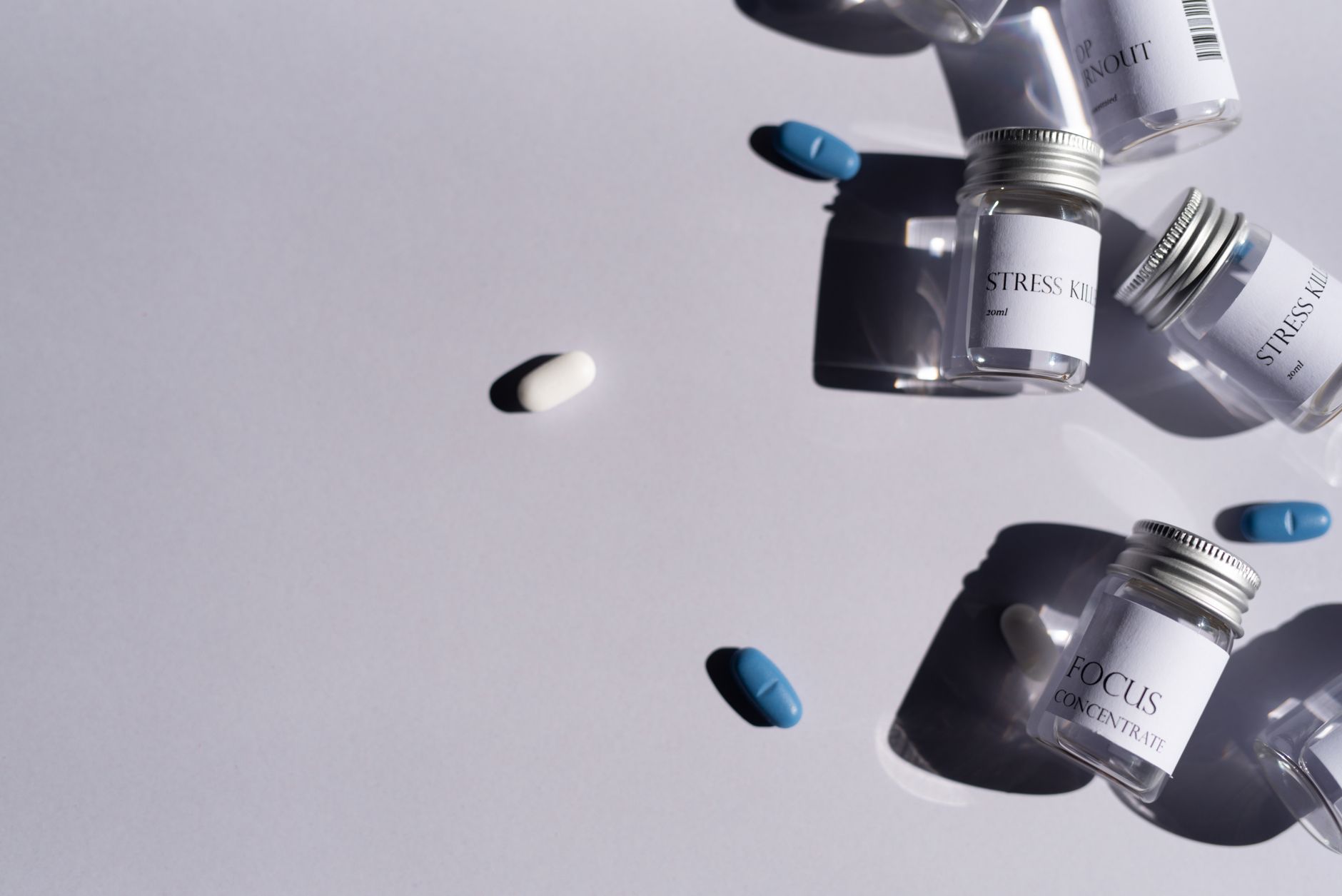
Safe: Diclegis (doxylamine pyridoxine) is generally considered safe and effective for morning sickness during pregnancy, especially in the first trimester.
By Shubhra Mishra — a mom of two who turned her own confusion during pregnancy into BumpBites, a global mission to make food choices clear, safe, and stress-free for every expecting mother. 💛
Check whether any food is safe during pregnancy with the BumpBites Food Safety Checker.
Quick verdict: ✅ Diclegis (doxylamine succinate + pyridoxine) is safe and highly effective for treating severe nausea and vomiting during pregnancy when used as directed. It’s the only FDA-approved medication specifically for pregnancy-related nausea, and most obstetricians recommend it for persistent symptoms that don’t respond to lifestyle changes. The active ingredients are well-studied and considered low-risk when taken at the prescribed dose.
It’s 5:30 a.m., and your stomach is already churning before you’ve even rolled out of bed. The coffee you sip to settle your nerves comes back up in seconds. You’ve tried ginger tea, bland crackers, and even acupuncture, but nothing sticks. Then you see Diclegis on the shelf—its promise of relief for pregnancy nausea written in bold letters. But is Diclegis doxylamine pyridoxine safe during pregnancy? Or are you about to take another risk in the name of getting through the day?
If you’re here, you’re not alone. Nearly 70% of pregnant people experience nausea, and for some, it’s so severe it disrupts daily life. Diclegis is often the go-to solution, but the worry lingers: *Is it truly safe?* The good news? Current evidence overwhelmingly supports its use—when taken correctly. Diclegis combines two ingredients, doxylamine (an antihistamine) and pyridoxine (vitamin B6), in a formulation designed specifically for pregnancy-related nausea. The FDA approved it in 2013 after decades of clinical trials, and the American College of Obstetricians and Gynecologists (ACOG) recommends it as a first-line treatment for hyperemesis gravidarum (severe nausea and vomiting in pregnancy). Effective treatment for nausea can significantly improve your quality of life during pregnancy.
This article breaks down everything you need to know—from trimester-by-trimester safety to dosage guidelines, side effects, and safer alternatives—so you can make an informed decision with confidence. Whether you’re already taking Diclegis or still deciding, we’ll help you navigate the facts and ease your mind.
Diclegis is a prescription-only medication, but its active ingredients are well-studied for safety in pregnancy.
Period
Safety Verdict
Notes
First Trimester
✅ Safe
Diclegis is explicitly recommended by the FDA and ACOG for severe nausea during the first trimester, when symptoms are most common. Studies show it reduces vomiting by up to 70% compared to placebo.
Second Trimester
✅ Safe
Continued use is safe if symptoms persist. Some people find relief as nausea decreases, but Diclegis can be taken throughout pregnancy if prescribed.
Third Trimester
✅ Safe
Safe for ongoing use, though nausea typically improves by this stage. Always consult your provider if symptoms worsen or persist.
Breastfeeding
✅ Safe
Both doxylamine and pyridoxine are excreted in breast milk in low amounts. No adverse effects have been reported in breastfeeding infants.
---
What is Diclegis?
Diclegis is a prescription-only medication designed specifically to treat severe nausea and vomiting during pregnancy. It combines two active ingredients:
Doxylamine succinate (10 mg), an antihistamine that blocks histamine receptors in the brain to reduce nausea.
Pyridoxine hydrochloride (10 mg), or vitamin B6, which supports neurotransmitter function and may help regulate nausea.
Originally, doxylamine was sold as Unisom SleepTabs (a sleep aid), and pyridoxine was often taken separately as a supplement for morning sickness. Diclegis was developed to combine these two ingredients in a fixed-dose formulation optimized for pregnancy, eliminating the need for multiple pills. Its unique delayed-release coating ensures the medication is absorbed slowly, providing sustained relief from nausea throughout the day and night. It’s the only FDA-approved medication specifically for pregnancy-related nausea, though it’s now available by prescription.
Diclegis comes in two forms:
Diclegis Tablets: Taken twice daily (morning and evening).
Diclegis Chewable Tablets: Easier to take if swallowing pills is difficult.
The medication works by reducing the sensitivity of the vomiting center in the brain, which is why it’s particularly effective for hyperemesis gravidarum—a condition affecting about 1 in 100 pregnancies and requiring hospitalization in severe cases.
---
Is Diclegis doxylamine pyridoxine safe during pregnancy?
<
strong>Yes, Diclegis is considered safe and effective for treating pregnancy-related nausea when used as directed. The FDA approved it in 2013 based on extensive clinical trials, and it’s now a first-line treatment recommended by the ACOG for severe symptoms. Here’s why:
Evidence-Backed Safety
Large-scale studies: A 2015 study in the American Journal of Obstetrics & Gynecology found that Diclegis reduced vomiting by 70% compared to placebo, with no increased risk of birth defects or complications.
Long-term use: Research shows it’s safe to take throughout pregnancy, including the first trimester, when organ development is most critical.
Mechanism of action: Unlike some older antiemetics (e.g., promethazine), Diclegis doesn’t cross the blood-brain barrier in high enough concentrations to pose teratogenic risks.
The active ingredients in Diclegis were part of a similar medication called Bendectin, which was withdrawn from the market in the 1980s due to unfounded lawsuits alleging birth defects. Decades of research since then have consistently shown no link between these ingredients and birth defects. Diclegis's FDA approval reflects a rigorous re-evaluation of its safety profile, making it one of the most thoroughly studied medications used in pregnancy.
Why Some People Hesitate
Despite its safety profile, Diclegis is sometimes avoided due to:
Misconceptions about antihistamines: Many people associate doxylamine with sleep aids like Unisom, assuming it’s too sedating for daytime use. However, the dose in Diclegis is lower and specifically formulated for nausea, not sleep.
Fear of medication in early pregnancy: The first trimester is a sensitive time, but Diclegis is one of the most studied and safest options for severe nausea.
Confusion with other antiemetics: Some medications used for nausea (like ondansetron) are safer in pregnancy but not as effective for hyperemesis gravidarum. Diclegis fills a unique niche.
“Diclegis is the only FDA-approved fixed-dose combination of doxylamine succinate and pyridoxine for the treatment of nausea and vomiting of pregnancy.”
The ACOG guidelines recommend it as a first-line therapy for hyperemesis gravidarum, noting:
“Diclegis is safe and effective for use throughout pregnancy, including the first trimester.”
---
Safety by Trimester
Is Diclegis safe to use during the first trimester?
Yes, Diclegis is safe and recommended for the first trimester. This is the period when nausea is most severe for many people, and it’s also when organ development is most vulnerable. However, Diclegis is one of the most thoroughly studied medications for this exact purpose.
Why it’s safe: The active ingredients, doxylamine and pyridoxine, have been used separately for decades without evidence of birth defects. Diclegis combines them in a lower, pregnancy-optimized dose to minimize risks.
How it works: Doxylamine reduces vomiting by calming the brain’s nausea center, while pyridoxine supports neurotransmitter balance. Neither ingredient has shown teratogenic effects in studies.
When to start: You can begin Diclegis as soon as you’re diagnosed with severe nausea, typically around 6–8 weeks of pregnancy. If symptoms are mild, lifestyle changes (like ginger supplements or small, frequent meals) may suffice, but Diclegis is ideal for persistent vomiting. Managing symptoms early can help prevent dehydration and nutritional deficiencies.
Diclegis is often prescribed for severe nausea in the first trimester, when symptoms are most intense.
Diclegis use in second and third trimester safety
Diclegis remains safe to use in the second and third trimesters if your symptoms persist or worsen. While nausea often improves after the first trimester, some people experience:
Delayed nausea: Symptoms that peak later in pregnancy.
Hyperemesis gravidarum: A severe condition that can require ongoing treatment.
Gastrointestinal discomfort: Diclegis can still help if food intolerances persist.
Key considerations for later pregnancy:
Monitor for dehydration: If vomiting continues, ensure you’re drinking enough fluids (even if you can’t keep liquids down, IV fluids may be needed).
Avoid over-the-counter alternatives: Some people try Pepto-Bismol or Imodium for diarrhea, but these aren’t substitutes for Diclegis if nausea is the primary issue.
Discuss with your provider: If you’re taking other medications (e.g., for preeclampsia or gestational diabetes), check for potential interactions. Do not stop taking Diclegis abruptly if it’s providing relief, as symptoms may return.
What if Diclegis isn't enough for my nausea?
For some individuals, even Diclegis may not fully control severe nausea and vomiting. If your symptoms persist or worsen despite taking Diclegis as prescribed, it's crucial to discuss this with your healthcare provider. They may consider increasing your dosage, combining Diclegis with another pregnancy-safe antiemetic, or exploring other treatment options. In cases of severe hyperemesis gravidarum, hospitalization for IV fluids and nutritional support might be necessary to prevent complications for both you and your baby.
Diclegis safety for pregnant women with preeclampsia
For people with preeclampsia (high blood pressure and organ damage during pregnancy), Diclegis is generally safe, but consult your provider before starting. While there are no known interactions between Diclegis and preeclampsia treatments (like antihypertensives), your provider may want to monitor you closely if:
You’re already on multiple medications.
Your nausea is severe enough to affect hydration or electrolyte balance.
What to do:
Inform your provider about all medications you’re taking, including Diclegis.
Stay hydrated and monitor your blood pressure as directed.
Report any signs of eclampsia (seizures, severe headaches, vision changes) immediately.
---
Diclegis dosage recommendations for pregnant women
Diclegis is taken twice daily, with the first dose typically taken at bedtime and the second in the morning. This timing helps manage symptoms throughout the day while minimizing drowsiness (though some people do experience mild sedation).
Standard Dosage
Diclegis Tablets: One tablet twice daily (morning and evening).
Diclegis Chewable Tablets: One chewable tablet twice daily.
Timing: Take the first dose before bed to help with nighttime nausea, then the second dose in the morning.
How to Take It
Start with the lowest effective dose: Some people find one dose in the morning is enough, while others need both.
Take with food or milk: This can help reduce stomach irritation.
Avoid alcohol: Alcohol can worsen nausea and may interact with the medication.
Stay hydrated: Even if you’re vomiting, sip small amounts of water or electrolyte solutions.
Understanding the delayed-release mechanism
Diclegis is formulated with a special delayed-release coating. This means the tablet doesn't dissolve immediately in your stomach. Instead, it passes into your intestines before releasing the medication. This design helps to prevent immediate stomach upset and ensures a slow, steady absorption of doxylamine and pyridoxine over several hours. The delayed release is key to providing sustained relief from nausea and vomiting throughout the day and night with just two daily doses.
What If I Miss a Dose?
If you miss a dose, take it as soon as you remember. If it’s close to your next dose, skip the missed one and continue with your regular schedule.
Never take double doses to make up for a missed one.
---
Diclegis brand names and generic options
Diclegis is available in two forms:
Diclegis (brand-name): The original formulation, available by prescription.
Diclectin (Canada): A similar medication approved in Canada with the same active ingredients.
Generic Options
Diclegis is not currently available as a generic in the U.S., but you can:
Ask your provider if they can prescribe the individual components (doxylamine and pyridoxine separately). However, this requires taking two pills instead of one, and the doses may not be optimized for pregnancy. The unique delayed-release formulation of Diclegis is specifically designed for sustained relief.
Check if your insurance covers Diclegis, as it may be classified as a specialty medication.
What About Unisom?
Unisom SleepTabs contains doxylamine but in a higher dose (25 mg) and combined with other ingredients (like diphenhydramine). The FDA does not recommend Unisom for nausea in pregnancy, as the dose is too high and not pregnancy-specific. If you’ve taken Unisom before realizing you were pregnant, there’s no need to worry—the dose in Unisom is not considered safe for pregnancy-related nausea.
---
Potential side effects of Diclegis during pregnancy
Like any medication, Diclegis can cause side effects, though they’re generally mild. The most common include:
Drowsiness: Some people feel sleepy, especially when first starting the medication. Taking the first dose at bedtime can help.
Dry mouth: Doxylamine is an antihistamine, so dry mouth is a common side effect.
Dizziness: Rare, but possible if you stand up too quickly.
Headache: Usually mild and temporary.
Rare but Serious Side Effects
While extremely rare, some people may experience:
Allergic reactions: Rash, itching, or swelling. Seek medical attention immediately if you notice these.
Severe nausea or vomiting: If Diclegis doesn’t help or makes symptoms worse, your provider may need to adjust your treatment plan.
How to Manage Side Effects
Drowsiness: Take the first dose at bedtime and avoid activities requiring alertness (like driving) after taking it. For daytime drowsiness, try taking your morning dose with breakfast to help mitigate the effect.
Dry mouth: Sip water or use sugar-free gum.
Dizziness: Rise slowly from sitting or lying down.
---
Alternatives to Diclegis for morning sickness in pregnancy
If Diclegis isn’t an option—or if you’re looking for alternatives—here are some safer choices for managing nausea:
Doxylamine (generic) – The same active ingredient as Diclegis, but taken separately. Some providers prescribe it at a lower dose (e.g., 12.5 mg at bedtime). Learn more about safe dosing here.
Meclizine – An antihistamine sometimes used off-label for nausea. Safe in pregnancy but less effective than Diclegis for hyperemesis gravidarum.
Ondansetron (Zofran) – A prescription antiemetic used for severe nausea, including chemotherapy-induced vomiting. Safe in pregnancy but not as effective for pregnancy-specific nausea.
Promethazine – Another antihistamine used for nausea, but it can cause sedation and dry mouth and is less preferred than Diclegis.
Metoclopramide (Reglan) – Speeds up stomach emptying and reduces nausea. Safe but can cause restlessness or fatigue in some people.
Ginger root supplement – A natural option with mild evidence for nausea relief. Safe in pregnancy but less effective for severe symptoms, often used as a complementary therapy.
Vitamin B6 (pyridoxine) alone – Some people take pyridoxine separately, but Diclegis combines it with doxylamine for better results.
Ginger, vitamin B6, and hydration are safer alternatives for mild nausea, but Diclegis is the gold standard for severe symptoms.
---
Related items — safety at a glance
Item
Safety Verdict
Notes
Doxylamine (generic)
✅ Safe
Safe at lower doses (e.g., 12.5 mg at bedtime), but Diclegis combines it with pyridoxine for better efficacy.
Pyridoxine (Vitamin B6)
✅ Safe
Safe alone in doses up to 25 mg daily, but less effective than Diclegis for severe nausea.
Ondansetron (Zofran)
✅ Safe
Prescription antiemetic for severe nausea, but not as effective for pregnancy-specific symptoms.
Promethazine
⚠️ Safe with limits
Safe but can cause sedation; less preferred than Diclegis for pregnancy nausea.
Metoclopramide (Reglan)
✅ Safe
Safe but may cause fatigue or restlessness; used for severe nausea when other options fail.
Meclizine
✅ Safe
Off-label for nausea; less effective than Diclegis but generally well-tolerated.
Vitamin B6 supplement
✅ Safe
Safe in doses up to 25 mg daily, but Diclegis combines it with doxylamine for better results.
Ginger root supplement
✅ Safe
Safe and effective for mild nausea; less so for severe symptoms.
---
Myth vs. Fact
Myth: Diclegis causes birth defects.
Fact: Diclegis is one of the most studied medications for pregnancy nausea, and FDA-approved clinical trials found no increased risk of birth defects. The active ingredients, doxylamine and pyridoxine, have been used separately for decades without evidence of harm. This extensive research provides strong reassurance for its safety profile.
Myth: Diclegis makes you sleepy all day.
Fact: While some people experience mild drowsiness, the dose in Diclegis is lower and specifically formulated for nausea, not sleep. Taking the first dose at bedtime can help manage this side effect, and many people find any initial drowsiness subsides with continued use as their body adjusts.
Myth: You can’t take Diclegis if you have other health conditions.
Fact: Diclegis is generally safe for most people with chronic conditions, but always discuss it with your provider if you have:
Asthma (doxylamine can worsen breathing in rare cases).
Glaucoma (doxylamine may increase eye pressure).
Liver or kidney disease (though these are uncommon in pregnancy).
---
Key Takeaways
✅ **Diclegis is safe and effective** for severe nausea and vomiting during pregnancy, including the first trimester.
✅ **It’s FDA-approved** and recommended by ACOG as a first-line treatment for hyperemesis gravidarum.
✅ **Dosage is simple**: One tablet twice daily (morning and evening), with the first dose at bedtime.
✅ **Side effects are usually mild** (drowsiness, dry mouth) and manageable.
✅ **Consider the delayed-release formulation** for 24-hour relief and consistent symptom management.
✅ **Alternatives exist** (like doxylamine alone or ginger supplements) if Diclegis isn’t an option.
⚠️ **Always consult your provider** before starting or stopping Diclegis, especially if you have other health conditions or are taking other medications.
---
Frequently Asked Questions
Is Diclegis safe during pregnancy?
Yes, Diclegis is safe and highly effective for treating severe nausea and vomiting during pregnancy. It’s the only FDA-approved medication specifically for pregnancy-related nausea, and clinical trials confirm it reduces vomiting by up to 70% without increasing birth defect risks. The ACOG recommends it as a first-line treatment for hyperemesis gravidarum. If you’ve already taken Diclegis before realizing you were pregnant, there’s no need to worry—studies show no increased risk of complications.
What are the side effects of Diclegis?
The most common side effects of Diclegis are mild and include drowsiness, dry mouth, and dizziness. Drowsiness is usually manageable by taking the first dose at bedtime. Rare but serious side effects (like allergic reactions) are extremely uncommon. If you experience severe nausea, rash, or difficulty breathing, contact your provider immediately. Most people tolerate Diclegis well, especially when taken as directed.
Can I take Diclegis in the first trimester?
Yes, Diclegis is safe and recommended for use in the first trimester. In fact, the first trimester is when nausea is most severe for many people, and Diclegis is one of the most studied and safest options for this period. The FDA and ACOG both support its use during organogenesis (weeks 3–12), as the active ingredients have not been linked to birth defects. If you’re experiencing severe symptoms, Diclegis can help without compromising fetal development.
What are alternatives to Diclegis for morning sickness?
If Diclegis isn’t an option, safer alternatives include doxylamine alone, meclizine, ondansetron, promethazine, metoclopramide, or ginger supplements. For mild nausea, ginger tea or supplements can be effective. If symptoms are severe, your provider may recommend a step-up approach, starting with Diclegis and moving to stronger medications if needed. Always discuss alternatives with your provider to find the best fit for your symptoms.
How much Diclegis should I take during pregnancy?
The standard dosage is one Diclegis tablet twice daily (morning and evening), with the first dose taken at bedtime. This timing helps manage nighttime nausea while minimizing daytime drowsiness. If you miss a dose, take it as soon as you remember, but never double up. Some people find one dose in the morning is enough, while others need both. Your provider may adjust the dose based on your response. Never exceed the prescribed amount without medical advice.
Is Diclegis safe for people with preeclampsia?
Diclegis is generally safe for people with preeclampsia, but you should discuss it with your provider first. While there are no known interactions between Diclegis and preeclampsia treatments (like antihypertensives), your provider may want to monitor you closely, especially if your nausea is severe enough to affect hydration or electrolyte balance. If you’re already on multiple medications, they may recommend blood pressure monitoring while you take Diclegis. Always inform your provider about all medications you’re using.
Can I use Diclegis in the second and third trimester?
Yes, Diclegis is safe to use throughout pregnancy, including the second and third trimesters. While nausea often improves after the first trimester, some people experience delayed symptoms or persistent discomfort. Diclegis can continue to provide relief if needed. If your symptoms worsen or don’t improve, your provider may recommend adjusting your treatment plan. Stay hydrated and monitor for signs of dehydration, especially if vomiting persists.
How long does it take for Diclegis to start working?
Due to its delayed-release formulation, Diclegis doesn't provide immediate relief. You might start to feel the effects within a few hours of your first dose, but it typically takes a few days of consistent use (taking it twice daily as prescribed) to experience the full benefits and sustained symptom control. It's important to continue taking it regularly, even if you don't feel immediate improvement, to allow the medication to build up in your system and provide consistent relief.
---
When to Call Your Doctor
While Diclegis is generally safe, contact your provider immediately if you experience any of the following:
Severe allergic reaction: Rash, itching, swelling, or difficulty breathing.
Worsening nausea or vomiting: If Diclegis doesn’t help or makes symptoms worse.
Signs of dehydration: Dizziness, very dark urine, or extreme fatigue.
Severe headache or vision changes: These could indicate preeclampsia or another complication.
Unusual bleeding or spotting: This requires immediate evaluation.
Signs of infection: Fever, chills, or persistent pain (could indicate a UTI or other infection).
If you’ve already taken Diclegis and are worried:
There’s no need to panic. Diclegis is well-researched, and accidental use before knowing you were pregnant hasn’t been linked to harm.
Focus on monitoring your symptoms and hydration. If you’re concerned, mention it at your next prenatal visit.
This information is for educational purposes only and is not a substitute for professional medical advice, diagnosis, or treatment. Always consult your healthcare provider with any questions about your health or medications.
Not sure about the label on Is Diclegis Doxylamine Pyridoxine Safe During Pregnancy products?
Snap the ingredients list and SafeFilter checks every ingredient for your stage — only 3 free scans this month, then you're locked until reset. Unlimited from $7/mo or $50/yr.
When Shubhra Mishra was expecting her first child in 2016, she was overwhelmed by conflicting food advice — one site said yes, another said never. By the time her second baby arrived in 2019, she realized millions of mothers face the same confusion.
That sparked a five-year journey through clinical nutrition papers, cultural diets, and expert conversations — all leading to BumpBites: a calm, compassionate space where science meets everyday motherhood.
Her long-term vision is to build a global community ensuring safe, supported, and free deliveriesfor every mother — because no woman should face pregnancy alone or uninformed. 🌿
🌍 Stand with mothers, shape safer guidance
Join a small circle of experts who review BumpBites articles so expecting parents everywhere can decide with confidence.