Is copper cookware safe during pregnancy? Experts say it’s safe in moderation—learn about first-trimester risks and safer alternatives for cooking.
By Shubhra Mishra — a mom of two who turned her own confusion during pregnancy into BumpBites, a global mission to make food choices clear, safe, and stress-free for every expecting mother. 💛
Check whether any food is safe during pregnancy with the BumpBites Food Safety Checker.
Quick verdict: ⚠️ Copper cookware is generally safe for most pregnant women when used properly, but it can leach copper into food if not maintained correctly. Most experts recommend limiting use to occasional cooking and opting for safer alternatives like stainless steel or ceramic for daily meals.
You’re flipping through your well-loved copper pans, wondering if they’re still safe to use now that you’re pregnant. Maybe you’ve heard copper is “good for you,” or maybe you’re just worried about those shiny blue-green streaks on your eggs. Either way, the question is copper cookware safe safe during pregnancy? is a valid one—especially when you’re trying to balance tradition with safety. And if you’ve already cooked with it before realizing you’re expecting? Take a deep breath. We’ll walk you through the facts, the risks, and the safer swaps so you can make an informed choice.
Copper cookware has been prized for centuries for its heat distribution and aesthetic appeal, but pregnancy brings new questions about what’s truly safe to use in your kitchen. While copper itself is an essential mineral for fetal development, the cookware can leach copper into food if not properly lined or maintained. The good news? With the right precautions, you can still enjoy your copper pots—just not as your primary cookware. Below, we’ll break down the science, trimester-by-trimester safety, and the best alternatives to keep your meals delicious and your pregnancy worry-free.
Trimester / Stage
Safety Verdict
Notes
First Trimester
⚠️ Safe with precautions
Limit use to occasional cooking (e.g., one meal a week). Avoid acidic foods (tomatoes, citrus) that increase leaching. Opt for lined copper or use it only for short durations.
Second Trimester
⚠️ Safe with precautions
Same as first trimester, but some women may feel more comfortable reducing use further. Monitor for signs of excess copper (nausea, fatigue) and switch if concerned.
Third Trimester
⚠️ Safe with precautions
Continue to limit use. Avoid prolonged cooking or high-heat searing. If you have a copper deficiency, consult your provider before relying on cookware as a source.
Breastfeeding
⚠️ Safe with precautions
Same guidelines apply. Copper in breast milk is generally safe, but excessive leaching isn’t necessary. Use lined cookware to minimize exposure.
---
What is copper cookware?
Copper cookware refers to pots, pans, and baking dishes made primarily from copper metal, often combined with other materials like stainless steel or tin for durability. Known for its excellent heat conductivity—distributing heat evenly across the pan—copper has been a favorite among chefs for decades. The metal’s natural antimicrobial properties also make it a popular choice for food safety. However, unlined copper can react with acidic foods (like tomatoes or vinegar), leaching copper into your meals. To prevent this, many high-quality copper cookware sets come with a protective lining, usually made of stainless steel or tin.
Beyond cooking, copper is an essential mineral that plays a critical role in fetal development, particularly in the first trimester. It’s involved in red blood cell production, brain development, and the formation of connective tissue. For this reason, some pregnant women wonder if cooking with copper can help meet their increased nutritional needs. However, the copper absorbed from cookware is typically minimal compared to dietary sources like nuts, seeds, or fortified foods. That said, the risk isn’t just about deficiency—it’s about excessive exposure, which can lead to copper toxicity.
Copper cookware isn’t the only source of dietary copper, but it’s one of the most visible. If you’re curious about how much copper you’re actually getting from your meals, we’ll dive into that later. For now, it’s important to understand that while copper is beneficial in moderation, too much can be harmful, especially during pregnancy when your body’s needs—and tolerances—are shifting.
---
Is copper cookware safe during pregnancy?
T
he short answer is that copper cookware is generally considered safe during pregnancy when used with caution, but it’s not without risks. The key concern isn’t the copper itself—it’s the potential for excessive leaching into your food, which could lead to copper toxicity. The American College of Obstetricians and Gynecologists (ACOG) doesn’t have a specific guideline on copper cookware, but they do emphasize minimizing exposure to heavy metals and toxins during pregnancy. The FDA and NHS focus more on dietary copper intake rather than cookware, but they do note that excessive copper can interfere with iron absorption and may cause digestive issues.
Copper toxicity is rare, but it’s not impossible, especially if you’re cooking with unlined copper frequently or using it for acidic foods. The CDC recommends that pregnant women aim for a daily copper intake of 1,000–1,300 micrograms, which is easily met through diet alone. Cooking with copper adds a small but variable amount to your intake, depending on how well-lined your pans are and what you’re cooking. For example, a study published in the Journal of Agricultural and Food Chemistry found that unlined copper pans can leach up to 1,000 micrograms of copper per meal when cooking acidic foods, which is why many experts advise against frequent use.
Another factor to consider is that copper cookware can react with certain foods and cleaning agents, releasing more copper than intended. For instance, soaking copper pans in vinegar or using abrasive cleaners can increase leaching. If you’re someone who loves a good homemade cleaning hack, it’s worth noting that even natural cleaners like lemon juice can contribute to copper release. The bottom line? Copper cookware isn’t inherently unsafe, but it requires mindful use to avoid unnecessary exposure.
Many moms-to-be also wonder if copper cookware can help with copper deficiencies, which are more common in pregnancy due to increased demands. While cooking with copper might contribute a tiny amount, it’s not a reliable way to address a deficiency. If you’re concerned about your copper levels, your provider can check your bloodwork and recommend supplements or dietary changes if needed. For now, focus on using copper cookware judiciously and balancing it with safer options.
---
Is copper cookware safe during the first trimester?
The first trimester is a critical window for fetal development, and it’s also when many women realize they’re pregnant—often after they’ve already cooked with copper. If you’re in your first trimester and have been using copper cookware, don’t panic. A single meal or two won’t cause harm, but it’s wise to limit use moving forward. The first trimester is when the placenta is forming, and your body is adjusting to higher nutritional demands. While copper is essential, too much can interfere with iron absorption, which is crucial for preventing anemia during pregnancy.
During this stage, it’s best to avoid cooking acidic foods in unlined copper pans. Think tomatoes, citrus fruits, vinegar, or wine-based sauces. If you must use copper, opt for a lined pan or stick to neutral or slightly alkaline foods like butter, oil, or mild sauces. Even then, limit copper cookware to one meal per week to minimize exposure. If you’re unsure whether your pans are lined, check the manufacturer’s description or look for a thin layer of another metal (like stainless steel) on the inside.
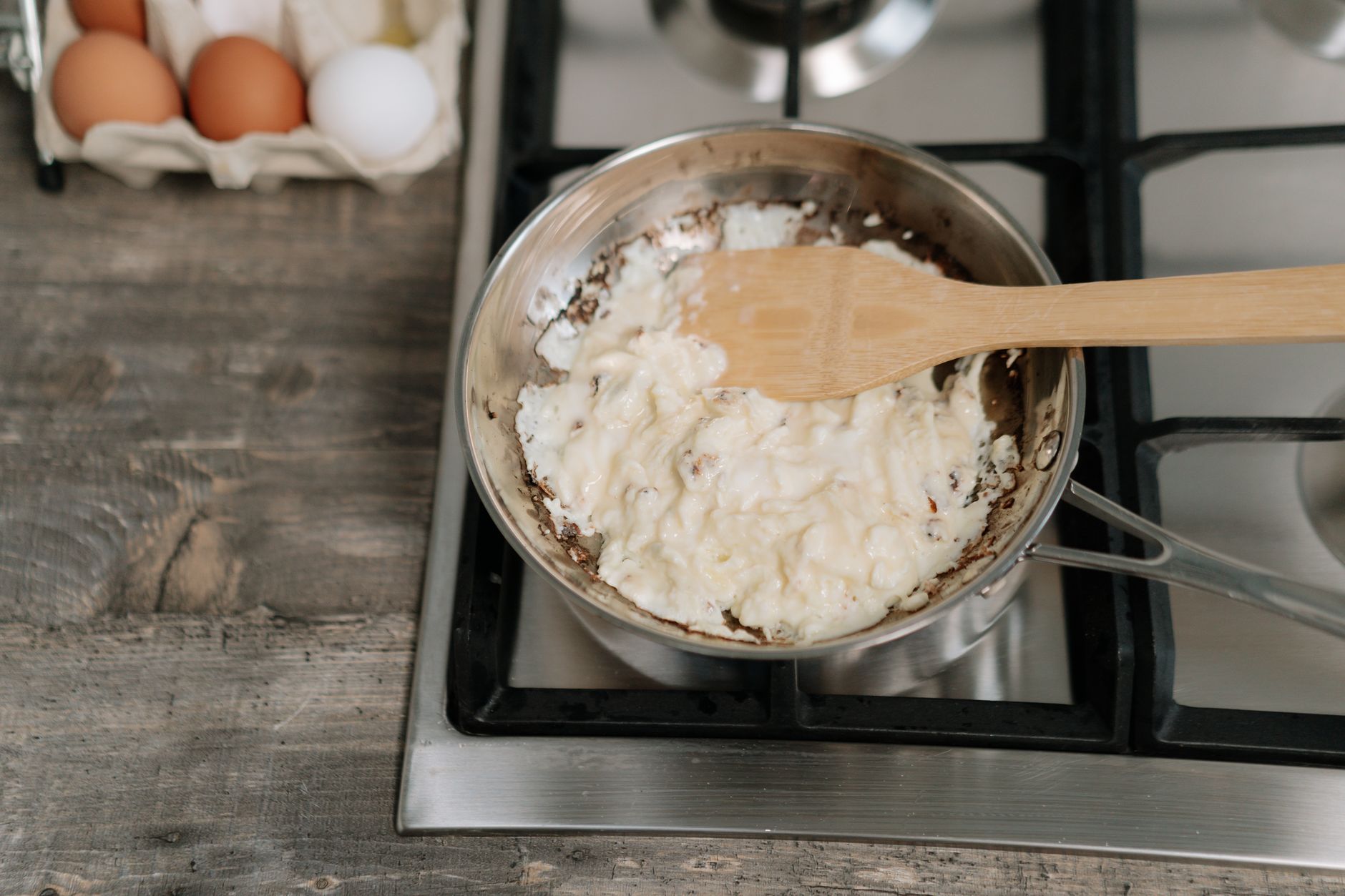
One reader described her anxiety after realizing she’d been cooking eggs in her copper skillet every morning. “I was terrified I’d poisoned my baby,” she admitted. While her concern was understandable, the good news is that occasional use is unlikely to cause toxicity. However, if you’re someone who relies on copper for daily meals, it’s time to switch to safer alternatives like stainless steel or HexClad, which don’t pose the same leaching risks.
---
Is copper cookware safe during the second trimester?
By the second trimester, you’ve likely settled into a routine—and that’s when copper cookware might start to feel like a habit you don’t want to give up. The good news is that the risks remain the same as in the first trimester, but some women find they’re more comfortable reducing use further. If you’ve been using copper occasionally and haven’t noticed any side effects (like nausea or fatigue), you can continue with the same precautions: lined pans only, neutral foods, and limited frequency.
This is also the time when many women start craving specific foods, and copper cookware might seem like a way to indulge in those cravings safely. However, if you’re craving something acidic (like pizza or marinara sauce), it’s best to skip the copper pan and use a safer alternative. The second trimester is also when some women experience increased sensitivity to metals, so if you notice any unusual tastes or textures in your food when using copper, it’s a sign to switch to something else.
Another consideration is that copper cookware can alter the taste of your food over time, which might not be a dealbreaker for everyone. If you’re someone who notices a metallic aftertaste, it’s a clear sign that copper is leaching into your meals. In that case, it’s best to opt for a different material entirely. For those who love the aesthetic of copper but want to stay safe, lined copper with a stainless steel or tin interior is the best compromise.
---
Is copper cookware safe during the third trimester?
The third trimester is often the most physically demanding stage of pregnancy, and it’s also when many women start to think more carefully about their environment—including their kitchen. If you’ve been using copper cookware throughout your pregnancy, the third trimester is the time to reassess and reduce its use. Your body is working harder than ever, and while copper toxicity is rare, it’s better to err on the side of caution.
During this stage, it’s especially important to avoid prolonged cooking in copper pans, as heat can increase leaching. If you’re simmering a stew or searing a steak, opt for a different material. The third trimester is also when some women experience increased copper needs due to higher metabolic demands, but cookware isn’t the best way to meet those needs. Instead, focus on a balanced diet rich in copper sources like nuts, seeds, whole grains, and leafy greens.
If you have a copper deficiency or are at risk for one (e.g., due to a medical condition or poor diet), talk to your provider before relying on cookware as a source. They may recommend supplements or a specific diet plan. For now, treat copper cookware as a special occasion tool—something you use occasionally for its aesthetic or heat distribution, but not as your primary cooking material.
---
How much copper exposure from cookware is considered safe?
The NHS and FDA don’t provide specific guidelines on copper cookware exposure, but they do outline safe dietary intake levels. The tolerable upper intake level (UL) for copper during pregnancy is 10,000 micrograms per day, though most experts agree that excessive intake above 3,000 micrograms could pose risks. For context, a single meal cooked in unlined copper can release up to 1,000 micrograms of copper, depending on the food and cooking conditions.
To put that into perspective, a typical diet already provides 500–1,500 micrograms of copper per day from foods like cashews, lentils, or dark chocolate. Cooking with copper adds a variable amount, but it’s unlikely to push you over the UL unless you’re using unlined pans frequently. That said, the American Dietetic Association recommends minimizing unnecessary exposure to heavy metals, including copper, during pregnancy.
If you’re worried about your copper intake, there are a few ways to check your exposure:
Use lined copper pans only—these release far less copper than unlined ones.
Avoid acidic foods in copper cookware (tomatoes, citrus, vinegar, wine).
Limit use to one meal per week to keep leaching minimal.
Monitor your diet—if you’re already eating copper-rich foods, you may not need additional exposure from cookware.
For those who love the look and feel of copper but want to stay safe, lined copper with a stainless steel or tin interior is the best option. These pans offer the aesthetic appeal without the leaching risks. If you’re unsure whether your pans are lined, check the manufacturer’s description or look for a thin layer of another metal on the inside.
---
What are safer cookware alternatives for pregnant women?
If you’re looking to swap out your copper cookware for something safer during pregnancy, there are plenty of excellent alternatives that won’t compromise your cooking experience. Here are some of the best options:
Stainless steel cookware — Durable, non-reactive, and safe for all foods. Learn more about its safety and why it’s a top pick for pregnant women.
Cast iron skillets — While cast iron can leach iron, it’s generally safe in moderation. Check out our guide to using it safely during pregnancy.
Non-stick ceramic cookware — Safe, easy to clean, and doesn’t leach toxins like some older non-stick pans.
Anodized aluminum pans — A safer alternative to regular aluminum, as the anodizing process reduces leaching.
Silicone baking mats — Great for baking and roasting without the risk of leaching.
Glass baking dishes — Safe, non-reactive, and perfect for casseroles and soups.
Ceramic bakeware — Safe, oven-safe, and often comes in beautiful designs.
Titanium cookware — Lightweight, durable, and non-reactive, making it a great pregnancy-safe option.
Each of these alternatives has its own benefits, so it’s worth experimenting to find what works best for your cooking style. For example, if you love the searing capabilities of copper, stainless steel or cast iron can mimic that experience without the leaching risks. If you’re a baker, ceramic or glass is a fantastic choice for even, gentle cooking.
---
Which copper cookware brands are considered safe for pregnancy?
Not all copper cookware is created equal, and some brands are more mindful of safety than others. If you’re set on keeping your copper pans, look for these features:
Lined with stainless steel or tin — These linings significantly reduce copper leaching.
Food-grade materials — Ensure the lining is free of harmful chemicals like lead or cadmium.
Certifications like NSF or FDA-compliant — These indicate that the cookware meets safety standards.
Some well-regarded brands that offer lined copper cookware include:
Mauviel — Known for their high-quality lined copper pans.
All-Clad — Offers copper-clad options with stainless steel linings.
Demeyere — Another premium brand with lined copper cookware.
If you’re unsure about your current pans, check the manufacturer’s description or contact their customer service. They can confirm whether your cookware is lined and safe for use during pregnancy. If your pans are unlined, it’s best to switch to a safer alternative until after your baby is born.
---
What are the risks of copper cookware during pregnancy?
The primary risk of using copper cookware during pregnancy is copper toxicity, which can occur if you’re exposed to excessive amounts. While rare, it’s important to be aware of the signs and symptoms so you can take action if needed. Excessive copper can cause:
Digestive issues — Nausea, vomiting, or diarrhea.
Fatigue or weakness — Due to copper interfering with iron absorption.
Headaches or dizziness — Rare but possible with high exposure.
Liver or kidney strain — In severe cases, excess copper can affect these organs.
Another risk is altered taste or texture in food, which can make meals less enjoyable. If you notice a metallic aftertaste or unusual textures when cooking with copper, it’s a sign that copper is leaching into your food. In that case, it’s best to switch to a different material.
For most women, the risks are minimal if copper cookware is used occasionally and with caution. However, if you have a pre-existing copper disorder (like Wilson’s disease) or are at risk for copper toxicity, it’s best to avoid copper cookware entirely and consult your provider for safer alternatives.
---
Can pregnant women use copper cookware if they have a copper deficiency?
If you have a copper deficiency during pregnancy, cooking with copper cookware is not a reliable or recommended way to address it. While copper is an essential mineral, the amount leached from cookware is typically too small to make a meaningful difference in your blood levels. Instead, your provider may recommend:
Dietary changes — Increasing foods rich in copper like nuts, seeds, whole grains, and leafy greens.
Supplements — If dietary changes aren’t enough, your provider may prescribe a copper supplement.
Bloodwork monitoring — Regular checks to ensure your copper levels are within the safe range.
If you’re concerned about your copper levels, talk to your provider before relying on cookware as a source. They can help you determine the best way to meet your nutritional needs safely.
---
Related items — safety at a glance
Cookware Item
Safety Verdict
Notes
Aluminum cookware
⚠️ Safe with precautions
Unlined aluminum can leach into food, especially with acidic ingredients. Anodized aluminum is safer.
Non-stick cookware
❌ Avoid if scratched or old
New, high-quality non-stick is generally safe, but avoid scratched or damaged pans that may release toxins.
Cast iron skillet
⚠️ Safe in moderation
Can leach iron, but generally safe unless you have hemochromatosis. Season well to prevent rust.
Stainless steel pots
✅ Generally safe
Non-reactive, durable, and safe for all foods. A top pick for pregnancy-safe cookware.
Ceramic bakeware
✅ Generally safe
Safe, non-toxic, and great for baking. Avoid glazes with lead or cadmium.
Titanium cookware
✅ Generally safe
Lightweight, non-reactive, and safe for all foods. A great alternative to copper.
Silicone baking mats
✅ Generally safe
Safe, flexible, and easy to clean. Ideal for baking and roasting.
Glass baking dishes
✅ Generally safe
Non-reactive, oven-safe, and great for casseroles and soups.
---
Myth vs. fact
Myth: Copper cookware is a great way to get more copper during pregnancy. Fact: While copper is essential, cooking with copper doesn’t provide enough to make a meaningful difference in your blood levels. Diet and supplements are far more effective ways to address deficiencies.
Myth: All copper cookware is unsafe during pregnancy. Fact: Lined copper cookware is generally safe when used occasionally and with neutral or alkaline foods. Unlined copper is riskier due to leaching.
Myth: Copper cookware can cause birth defects. Fact: There’s no evidence that copper cookware causes birth defects, but excessive copper intake can interfere with iron absorption and other nutrients critical for fetal development.
---
Key takeaways
Copper cookware is generally safe when used occasionally and with caution, but it’s not necessary to avoid it entirely.
Lined copper pans are safer than unlined ones, as they reduce leaching significantly.
Avoid acidic foods in copper cookware to prevent increased copper release.
Limit use to one meal per week to minimize exposure.
Safer alternatives like stainless steel, cast iron, or ceramic are excellent choices for daily cooking.
If you have a copper deficiency, supplements or diet are better ways to address it than relying on cookware.
Watch for signs of copper toxicity, like nausea, fatigue, or metallic aftertaste in food.
---
Frequently asked questions
Is copper cookware safe for pregnancy?
Yes, copper cookware can be safe during pregnancy if used with caution. The key is to limit use to lined pans and neutral or alkaline foods, and avoid acidic ingredients like tomatoes or vinegar. Most experts recommend occasional use rather than daily cooking to minimize copper leaching. If you’re unsure about your pans, check if they’re lined with stainless steel or tin—this significantly reduces risks.
Does copper cookware release copper into food?
Yes, copper cookware can release copper into food, especially if it’s unlined or used with acidic ingredients. The amount varies depending on the pan’s quality, the food being cooked, and cooking duration. Lined copper pans release far less copper than unlined ones. If you notice a metallic taste in your food, it’s a sign that copper is leaching.
How much copper is in copper cookware?
The amount of copper leached from cookware depends on the pan’s lining and the food being cooked. Unlined copper can release up to 1,000 micrograms of copper per meal when cooking acidic foods, while lined pans release minimal amounts. For context, the NHS recommends a daily copper intake of 1,000–1,300 micrograms during pregnancy, so occasional use is unlikely to push you over the limit.
Can copper cookware cause copper poisoning?
Copper poisoning from cookware is rare but possible if you’re exposed to excessive amounts regularly. Symptoms may include nausea, fatigue, or digestive issues. Most women don’t reach toxic levels from cooking alone, but if you’re using unlined copper frequently or have a pre-existing copper disorder, it’s best to avoid it. If you experience unusual symptoms after cooking with copper, switch to a safer material and consult your provider.
Is it safe to use copper cookware if you have a copper deficiency?
No, copper cookware is not a reliable way to address a copper deficiency. The amount leached from cookware is too small to make a meaningful difference in your blood levels. If you’re deficient, your provider may recommend dietary changes (like nuts, seeds, or whole grains) or supplements. Always consult your provider before making changes to your diet or supplement routine.
What are the risks of using copper cookware during pregnancy?
The main risks of using copper cookware during pregnancy are copper toxicity and altered taste in food. Excessive copper can interfere with iron absorption, leading to fatigue or anemia. It can also cause digestive issues or a metallic aftertaste in meals. If you have a pre-existing copper disorder, avoid copper cookware entirely. Otherwise, use lined pans and limit use to occasional meals.
Are there safer alternatives to copper cookware for pregnant women?
Yes, there are plenty of safer alternatives to copper cookware for pregnant women. Stainless steel, cast iron, ceramic, and titanium are all excellent options that don’t pose the same leaching risks. For example, stainless steel is non-reactive and durable, while cast iron can be safe in moderation if well-seasoned. Ceramic and glass are also great for baking.
Does copper cookware affect fetal development?
There’s no evidence that copper cookware directly affects fetal development. However, excessive copper intake can interfere with iron absorption, which is critical for fetal growth and development. Most women don’t reach toxic levels from cooking alone, but it’s best to use copper cookware judiciously and opt for safer alternatives when possible. If you’re concerned, focus on a balanced diet rich in essential nutrients.
---
When to call your doctor
While copper cookware is generally safe when used with caution, there are a few scenarios where you should contact your provider:
If you experience persistent nausea, vomiting, or diarrhea after cooking with copper, especially if you’ve been using unlined pans frequently.
If you notice unusual fatigue or weakness that doesn’t improve with rest, as this could indicate copper toxicity or iron deficiency.
If you have a pre-existing copper disorder (like Wilson’s disease) or are at risk for copper toxicity.
If you’re concerned about your copper or iron levels and want to discuss dietary or supplement options.
If you accidentally cooked with unlined copper for an extended period (e.g., daily meals) and want reassurance about potential risks.
Remember, this information is not a substitute for personalized medical advice. If you’re ever unsure, your provider is the best resource for guidance tailored to your unique situation.
---
Lined copper pans are safer for pregnancy than unlined ones, but acidic foods like tomatoes should still be avoided.Stainless steel is a safer alternative to copper cookware during pregnancy, offering durability and non-reactivity.Glass and ceramic baking dishes are safe, non-toxic alternatives to copper for pregnancy-friendly cooking.
Not sure about the label on Is Copper Cookware Safe Safe During Pregnancy products?
Snap the ingredients list and SafeFilter checks every ingredient for your stage — only 3 free scans this month, then you're locked until reset. Unlimited from $7/mo or $50/yr.
When Shubhra Mishra was expecting her first child in 2016, she was overwhelmed by conflicting food advice — one site said yes, another said never. By the time her second baby arrived in 2019, she realized millions of mothers face the same confusion.
That sparked a five-year journey through clinical nutrition papers, cultural diets, and expert conversations — all leading to BumpBites: a calm, compassionate space where science meets everyday motherhood.
Her long-term vision is to build a global community ensuring safe, supported, and free deliveriesfor every mother — because no woman should face pregnancy alone or uninformed. 🌿
🌍 Stand with mothers, shape safer guidance
Join a small circle of experts who review BumpBites articles so expecting parents everywhere can decide with confidence.