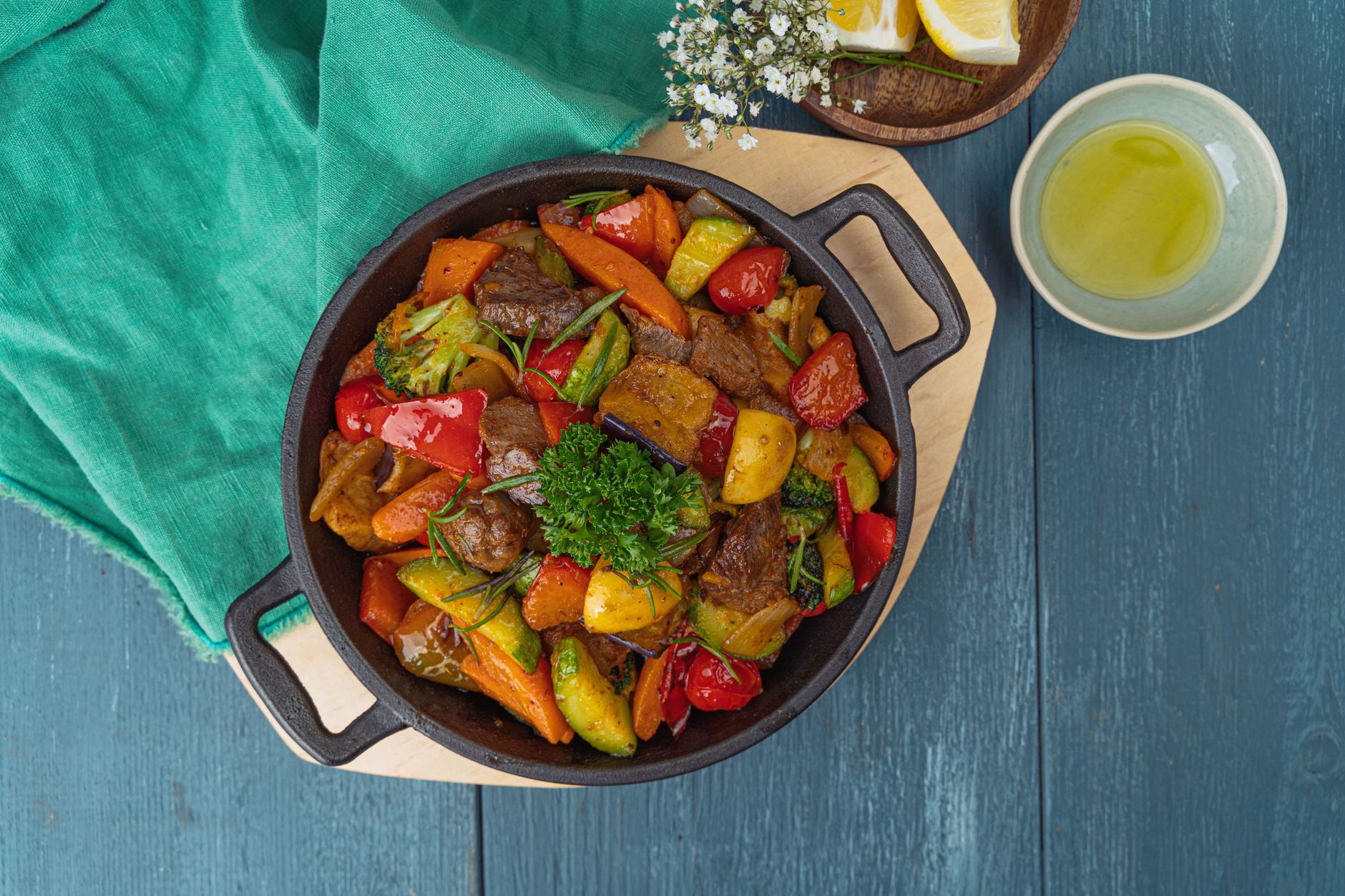
Safe: Is cast iron cookware leaching iron safe during pregnancy? Yes, the small amount of iron absorbed is generally beneficial for maternal and fetal health,
By Shubhra Mishra — a mom of two who turned her own confusion during pregnancy into BumpBites, a global mission to make food choices clear, safe, and stress-free for every expecting mother. 💛
Check whether any food is safe during pregnancy with the BumpBites Food Safety Checker.
Quick verdict: ✅ Generally safe with mindful use. Cooking with cast iron cookware can leach small amounts of dietary iron into your food, which is often beneficial during pregnancy to help meet increased iron needs, but it's important to be aware of your overall iron intake.
That familiar clanking sound of a cast iron pan hitting the stove can bring a sense of comfort and tradition to many kitchens. But when you’re pregnant, every little detail about your daily routine, even your cookware, can spark a late-night Google search. If you’ve found yourself wondering, “is cast iron cookware leaching iron safe during pregnancy?” take a deep breath. You're not alone in these worries, and we're here to help you understand the facts about your trusty cast iron pan.
For most expecting parents, using cast iron cookware during pregnancy is not only safe but can actually be beneficial. Pregnancy significantly increases your body's demand for iron to support your growing baby and placenta, as well as your own expanding blood volume. Iron deficiency anemia is common in pregnancy, and the small amounts of iron that leach from cast iron into your food can be a helpful dietary boost. However, like anything, balance is key, and understanding your individual iron needs is important. We'll explore the benefits, potential risks, and how to use cast iron safely to support a healthy pregnancy.
Trimester/Stage
Verdict
Notes
First Trimester
✅ Generally Safe
Iron needs begin to increase. Leached iron can be beneficial. Be mindful of severe morning sickness which can affect overall diet.
Second Trimester
✅ Generally Safe
Iron requirements significantly increase to support fetal growth and maternal blood volume. Dietary iron from cast iron can be very helpful.
Third Trimester
✅ Generally Safe
Highest iron needs for fetal iron stores and preparing for birth. Continue using cast iron as desired, monitoring overall iron intake.
Breastfeeding
✅ Generally Safe
Iron needs remain higher than pre-pregnancy, though slightly less than during the third trimester. Cast iron continues to be a safe and potentially beneficial cooking method.
What is Cast Iron Cookware?
Cast iron cookware refers to cooking vessels, like pans, skillets, Dutch ovens, and griddles, made by pouring molten iron into sand molds. Once cooled, the iron solidifies, creating a durable and heavy piece of cookware. There are two main types: bare cast iron and enamel-coated cast iron. Bare cast iron is porous and requires "seasoning"—a layer of polymerized oil baked onto the surface—to create a natural non-stick coating and prevent rust. This seasoning is what most people associate with traditional cast iron, giving it its characteristic black sheen.
The unique property of cast iron that often sparks questions during pregnancy is its ability to leach small amounts of iron into food, especially when cooking acidic ingredients or for longer durations. This process occurs because the iron atoms on the surface of the pan can transfer to the food during cooking. For centuries, cast iron has been prized for its excellent heat retention and even heating capabilities, making it ideal for searing, frying, baking, and slow-cooking. Its robust nature means it can last for generations with proper care, and it's free from synthetic non-stick coatings, which is a major draw for many health-conscious individuals.
Is Cast Iron Cookware Leaching Iron Safe During Pregnancy?
Yes, for most pregnant individuals, using cast iron cookware and benefiting from the iron it leaches into food is generally considered safe and can even be advantageous. During pregnancy, your body's need for iron increases dramatically. The American College of Obstetricians and Gynecologists (ACOG) recommends a daily iron intake of 27 mg for pregnant women to prevent iron deficiency anemia, a condition that can lead to fatigue, weakness, and potentially adverse pregnancy outcomes like preterm birth or low birth weight. Many pregnant people struggle to meet this requirement through diet alone.
The iron leached from cast iron cookware is dietary iron, similar to the iron found in food sources. Studies have shown that cooking in cast iron can increase the iron content of food, particularly acidic foods like tomato sauce or chili, and foods cooked for longer periods. For example, a study published in the *Journal of the American Dietetic Association* found that the iron content of foods cooked in cast iron pans increased significantly compared to those cooked in non-iron pans. This additional iron can help supplement your dietary intake, contributing positively to your iron status.
However, it's important to differentiate between beneficial iron supplementation and excessive iron intake. While iron deficiency is common, iron overload (hemochromatosis) is rare, especially from dietary sources or cookware. Most healthy individuals have regulatory mechanisms that prevent the absorption of too much iron. The National Institutes of Health (NIH) states that the Tolerable Upper Intake Level (UL) for iron from supplements and fortified foods for adults is 45 mg per day. The amount of iron leached from cast iron cookware is typically much lower than this UL and usually well within safe limits, making it a generally safe option for cooking during pregnancy.
Cooking with cast iron can be a simple way to add small amounts of dietary iron to your meals, which can be beneficial during pregnancy.
Is Cooking with Cast Iron Safe During Early Pregnancy?
Yes, cooking with cast iron is safe during early pregnancy. The first trimester is a critical period for fetal development, including organogenesis (the formation of organs). While this trimester is often associated with heightened caution regarding medications and certain foods, using cast iron cookware does not pose a known risk to the developing baby. In fact, your body's iron needs begin to increase from the very beginning of pregnancy, making any natural dietary boost potentially helpful.
Many pregnant individuals experience morning sickness or changes in appetite during the first trimester, which can sometimes make it challenging to maintain a balanced diet. If you're struggling to eat iron-rich foods, the small amount of iron leached from your cast iron pan could contribute to meeting your foundational iron requirements. The iron you absorb from cooking is typically well-regulated by your body, minimizing any risk of overload. Always discuss your diet and any concerns with your healthcare provider, especially if you have a pre-existing condition or are taking iron supplements.
Safety in the Second Trimester
As you move into the second trimester, your blood volume expands significantly, and your baby is growing rapidly, leading to a substantial increase in your iron requirements. This is often when iron deficiency anemia becomes more prevalent if dietary intake isn't sufficient. Using cast iron cookware during the second trimester can be a convenient way to naturally increase your iron intake through your meals. This period is generally considered very safe for continued use of cast iron. The focus remains on maintaining a nutritious diet rich in various vitamins and minerals, and iron from cookware can be a complementary source.
Safety in the Third Trimester
The third trimester represents the peak of your iron needs during pregnancy. Your baby is building up its own iron stores for the first few months of life, and your body is preparing for labor and delivery, which involves further blood volume increases. Continuing to use cast iron cookware is perfectly safe and can be quite beneficial during this final stage of pregnancy. The additional iron can help prevent late-pregnancy anemia and support your energy levels. As always, listen to your body, maintain open communication with your doctor about your iron levels, and ensure your diet is balanced.
Safety While Breastfeeding
After birth, your body's iron needs remain elevated, though slightly less than during the third trimester, especially if you're breastfeeding. Iron is important for your energy levels and overall postpartum recovery. The World Health Organization (WHO) recommends continued iron supplementation for mothers in the postpartum period, particularly in regions with high rates of anemia. Using cast iron cookware can continue to contribute to your dietary iron intake while breastfeeding, making it a safe and practical choice for your family's meals. The small amounts of iron transferred to food are not a concern for the baby through breast milk; rather, they support the mother's nutritional needs.
Does Cast Iron Cookware Leach Too Much Iron for Pregnant Women?
For the vast majority of pregnant women, cast iron cookware does not leach too much iron. The amount of iron transferred from a cast iron pan to food is relatively small and varies depending on several factors:
Food Acidity: More acidic foods (e.g., tomatoes, lemon juice, vinegar) tend to leach more iron.
Cooking Time: Longer cooking times result in more iron leaching.
Moisture Content: Foods with higher moisture content absorb more iron.
Condition of the Pan: A well-seasoned pan may leach slightly less iron than a newly seasoned or poorly maintained one, as the seasoning creates a barrier.
Typical estimates suggest that cooking in cast iron can increase the iron content of food by 2 to 10 milligrams per serving. To put this in perspective, the recommended daily iron intake during pregnancy is 27 mg, and the Tolerable Upper Intake Level (UL) is 45 mg. Even at the higher end of leaching, it's unlikely to push a healthy individual into iron overload, especially when considering that not all leached iron is absorbed by the body. The body has sophisticated mechanisms to regulate iron absorption, increasing it when stores are low and decreasing it when stores are sufficient.
The primary concern for iron overload typically arises from genetic conditions like hemochromatosis, where the body absorbs too much iron, or from excessive iron supplementation without medical supervision. If you have a family history of hemochromatosis or have been diagnosed with it, or if your doctor has advised you to limit iron intake for any reason, then you should discuss the use of cast iron cookware with your healthcare provider. For most pregnant individuals, the benefits of potentially increased iron intake from cast iron outweigh any minimal risk of excess.
What are the Risks of Using Cast Iron Pans While Pregnant?
The risks associated with using cast iron pans while pregnant are generally minimal for most individuals. The primary theoretical concern is the potential for iron overload (hemochromatosis) due to the leached iron. However, as discussed, the amount of iron leached is usually small and well within safe limits for healthy pregnant individuals. The body's natural regulatory mechanisms typically prevent excessive iron absorption from dietary sources, including cookware.
The main risk factors for iron overload are:
Genetic Hemochromatosis: A hereditary condition where the body absorbs too much iron from food. If you have this condition, your doctor will likely advise specific dietary restrictions and monitoring.
Excessive Supplementation: Taking high-dose iron supplements without medical guidance or monitoring. This is a far more common cause of iron overload than dietary sources or cookware.
Symptoms of iron overload can include fatigue, joint pain, abdominal pain, and heart problems in severe, long-term cases. These symptoms are rare from cookware use alone. The NHS (National Health Service) in the UK emphasizes that dietary iron intake, even from fortified foods or cast iron, is generally safe because the body regulates its absorption. Your doctor will monitor your iron levels throughout pregnancy, and if they are unusually high, they will provide specific guidance.
Beyond iron, there are no other significant chemical risks associated with cast iron. Unlike some non-stick coatings, bare cast iron does not release harmful fumes when overheated. It is a natural material that has been used safely for centuries. The main "risk" might be its weight, which can make it cumbersome, especially as your pregnancy progresses, so always lift with care.
What are the Benefits of Cast Iron Cookware for Pregnant Women?
Beyond the general safety, using cast iron cookware can offer several distinct benefits for pregnant women:
Natural Iron Boost: The most significant benefit is the natural increase in dietary iron. As we've discussed, pregnancy dramatically raises your iron requirements. Cooking in cast iron can help you meet these needs, reducing the risk of iron deficiency anemia, which is common during pregnancy and can lead to fatigue, shortness of breath, and other complications. This is a gentle, food-based way to supplement your iron intake, complementing iron-rich foods for pregnancy such as lean meats, leafy greens, and fortified cereals. For more information on dietary sources, check out our article on food that contains iron for pregnancy.
Reduced Reliance on Synthetic Coatings: Many pregnant individuals prefer to avoid non-stick pans that use PTFE (polytetrafluoroethylene) or PFOA (perfluorooctanoic acid) due to concerns about chemical exposure, especially when pans are overheated. Cast iron, particularly bare cast iron, offers a naturally non-stick surface once properly seasoned, without these synthetic chemicals.
Excellent Heat Retention and Even Cooking: Cast iron distributes and retains heat exceptionally well, leading to more evenly cooked food. This can be particularly beneficial for ensuring meats and other foods are cooked thoroughly, which is crucial for food safety during pregnancy to avoid foodborne illnesses.
Durability and Longevity: Cast iron pans are incredibly durable and, with proper care, can last a lifetime, or even generations. This makes them a sustainable and cost-effective choice for your kitchen.
Versatility: Cast iron is incredibly versatile. It can go from stovetop to oven, making it suitable for a wide range of recipes, from searing and frying to baking and braising. This versatility can be helpful when you're looking for simple, nutritious meal solutions during pregnancy.
These benefits highlight why many expectant parents choose to keep cast iron as a staple in their kitchens, making it a valuable tool for supporting maternal and fetal health during pregnancy.
Is Enameled Cast Iron Cookware Safer for Pregnancy Than Bare Cast Iron?
Both bare cast iron and enamel-coated cast iron are generally considered safe for use during pregnancy, but they have key differences in how they interact with food and, specifically, iron leaching.
Bare Cast Iron: This is the traditional form that requires seasoning. It's the type that leaches small amounts of iron into your food. As discussed, this is often a beneficial effect during pregnancy due to increased iron needs. The main "risk" of bare cast iron is poor maintenance leading to rust or food sticking, but not chemical leaching.
Enameled Cast Iron: This type of cast iron has a vitreous enamel glaze applied to its surface, typically inside and out. This enamel coating creates a non-reactive, non-porous surface.
The primary difference in terms of pregnancy safety is that **enameled cast iron does not leach iron into your food.** The enamel coating acts as a barrier, preventing direct contact between the food and the iron pan. This means if your goal is to get a little extra iron from your cookware, enameled cast iron won't provide that benefit. However, it also means there's absolutely no risk of iron overload from the pan itself, even if you have a condition like hemochromatosis.
Enameled cast iron is also easier to clean, doesn't require seasoning, and is resistant to acidic foods without reacting. Some people prefer it for its vibrant colors and ease of use. Concerns about lead or cadmium in enamel coatings are largely unfounded for reputable brands, as strict regulations are in place to ensure food-safe materials. Therefore, enamel-coated cast iron is a perfectly safe and excellent choice for cooking during pregnancy, offering a non-reactive surface without synthetic non-stick chemicals. It simply won't contribute to your iron intake.
Enameled cast iron offers a non-reactive surface and is a beautiful, safe option for pregnancy, though it won't leach iron into your food.
How to Minimize Iron Leaching from Cast Iron Cookware When Pregnant?
While the iron leaching from cast iron cookware is generally beneficial during pregnancy, there might be specific situations where you wish to minimize it, for example, if you have a rare condition like hemochromatosis or if your iron levels are already on the higher side. Here are some practical tips to reduce the amount of iron transferred to your food:
Maintain a Well-Seasoned Pan: A strong, consistent layer of seasoning acts as a barrier between the food and the raw iron. The better your pan is seasoned, the less iron will typically leach into your food. Regularly clean and re-season your bare cast iron pan.
Limit Cooking Acidic Foods: Acidic ingredients like tomatoes, citrus juices, vinegar, and wine are known to strip seasoning and promote more iron leaching. If you're cooking these types of foods, consider using an enameled cast iron pan or another type of cookware.
Reduce Cooking Time: The longer food is in contact with the bare cast iron, the more opportunity there is for iron to leach. If possible, cook foods for shorter durations.
Avoid Storing Food in Cast Iron: Never store food, especially acidic leftovers, in a bare cast iron pan. Transfer food to glass or ceramic containers immediately after cooking to prevent prolonged contact and excessive leaching, which can also damage your pan's seasoning.
Use Enameled Cast Iron for Specific Dishes: If you frequently cook highly acidic dishes or simply prefer to avoid any iron leaching from your cookware, opt for an enamel-coated cast iron pan for those specific recipes.
Use Less Liquid: Foods cooked with more liquid, like soups or stews, tend to absorb more leached iron. Reducing the amount of liquid or cooking these dishes in alternative cookware can help.
By following these guidelines, you can control the amount of iron transferred from your cast iron cookware to your food, tailoring its use to your individual needs during pregnancy.
Side Effects and Risks of Excessive Iron Intake
While iron deficiency is a common concern during pregnancy, it’s also important to understand the potential side effects and risks of *excessive* iron intake, although this is rare from dietary sources or cast iron cookware alone. Most cases of iron overload (hemochromatosis) are genetic or result from taking very high doses of iron supplements without medical supervision.
Symptoms of Iron Overload
Early Symptoms: These can be vague and non-specific, often mistaken for other conditions. They include chronic fatigue, joint pain (especially in the hands), abdominal pain, unexplained weight loss, and loss of libido.
Advanced Symptoms: If left untreated for many years, iron overload can lead to more serious complications affecting major organs. These include liver damage (cirrhosis, liver cancer), heart problems (arrhythmias, heart failure), diabetes, arthritis, and skin discoloration (bronze skin).
Risks for Mother and Baby
For the Mother: Chronic iron overload can damage organs over time, as iron accumulates in tissues. This is primarily a concern for individuals with genetic hemochromatosis or those who take excessive iron supplements.
For the Baby: There is limited evidence to suggest that maternal iron overload from dietary sources or normal cast iron use poses a direct risk to the baby during pregnancy. The placenta typically acts as a protective barrier, regulating the transfer of nutrients to the fetus. However, very severe, uncontrolled maternal hemochromatosis could theoretically have implications, which is why medical management is crucial for those with the condition.
It's crucial to distinguish between the beneficial, small amounts of iron leached from cast iron cookware and the dangers of true iron overload. Your obstetrician will monitor your iron levels (ferritin, hemoglobin) throughout your pregnancy. If your levels are consistently high or if you have a known risk factor for hemochromatosis, they will provide specific guidance on your diet and supplement use. Never adjust your iron supplement dosage without consulting your healthcare provider.
What Are the Best Non-Toxic Cookware Alternatives for Pregnancy?
If you're looking for cookware options that offer different properties or simply want to diversify your kitchen, there are several excellent non-toxic alternatives to consider during pregnancy. Each has its own benefits regarding safety, performance, and maintenance:
Stainless Steel Cookware: A highly popular and versatile choice, stainless steel is non-reactive, durable, and generally considered very safe. It doesn't leach significant amounts of metals into food (though trace amounts of nickel or chromium can occur, which is usually only an issue for those with specific sensitivities). It's easy to clean and can handle high heat.
Ceramic-Coated Cookware: These pans typically feature an aluminum base with a ceramic non-stick coating derived from sand. They offer a non-stick surface without PTFE/PFOA and are generally considered safe. However, the non-stick coating can degrade over time, especially with high heat or abrasive cleaning, reducing its lifespan. Look for brands that clearly state they are free from lead, cadmium, and heavy metals.
Glass Cookware: Made from inert materials, glass cookware (like Pyrex or borosilicate glass) is completely non-reactive and does not leach any chemicals into food. It's excellent for baking, roasting, and microwave use. It's not typically used for stovetop cooking due to poor heat conductivity and fragility but is ideal for storage and oven use.
Enamel-Coated Cast Iron: As discussed, this is cast iron with a durable, non-reactive enamel glaze. It shares many benefits of bare cast iron (heat retention, durability) but doesn't leach iron and is easier to clean. It's an excellent choice for acidic foods or if you want to avoid any iron transfer.
Carbon Steel Pans: Often described as a hybrid between cast iron and stainless steel, carbon steel pans are lighter and heat up faster than cast iron but also require seasoning to develop a non-stick surface and prevent rust. They leach very minimal iron, similar to cast iron, and are highly durable and versatile for stovetop cooking.
Silicone Bakeware: For baking needs (muffin tins, cake pans, baking mats), food-grade silicone is a flexible, non-stick, and generally safe option. Ensure it's 100% pure silicone and heat-resistant up to appropriate baking temperatures. It doesn't leach chemicals into food.
When choosing any cookware, especially during pregnancy, prioritize reputable brands that provide transparency about their materials and manufacturing processes. These alternatives offer a range of safe and effective options for preparing healthy meals throughout your pregnancy journey.
Related Items — Safety at a Glance
Understanding the safety of various cookware materials can be overwhelming. Here's a quick comparison of common cookware types and their general safety verdict during pregnancy:
Cookware Type
Verdict
Note
Non-stick (PTFE/Teflon) Pans
⚠️ Safe with limits
Generally safe when used correctly (low-medium heat, no scratching). Avoid overheating to prevent fume release.
Aluminum Cookware
✅ Generally Safe
Minimal aluminum leaching, not considered a significant risk. Anodized aluminum is even less reactive.
Copper Cookware
⚠️ Talk to your doctor first
Unlined copper can leach copper, which can be toxic in high amounts. Lined copper (tin or stainless steel) is safe.
Stainless Steel Cookware
✅ Generally Safe
Highly recommended. Non-reactive, durable, and does not leach significant amounts of metals into food.
Ceramic-Coated Cookware
✅ Generally Safe
Good non-stick alternative to traditional non-stick. Coating can degrade over time. Choose reputable brands.
Glass Bakeware
✅ Generally Safe
Completely non-reactive, no leaching. Excellent for baking, roasting, and storage. Not for stovetop use.
Air Fryers
✅ Generally Safe
The appliance itself is safe. Cookware baskets often non-stick; follow same non-stick guidelines (avoid scratching/overheating).
Microwave Ovens
✅ Generally Safe
Safe for heating food. Use microwave-safe glass or ceramic containers, not plastic, to avoid chemical leaching.
Myth vs. Fact
Myth: Using cast iron will cause iron overload in every pregnant woman.
Fact: This is generally false. While cast iron does leach iron into food, the amount is usually small and beneficial for most pregnant individuals who have increased iron needs. The body has natural mechanisms to regulate iron absorption, preventing overload from dietary sources for healthy individuals. Iron overload is typically only a concern for those with a genetic predisposition (hemochromatosis) or from excessive, unmonitored iron supplementation.
Myth: All non-stick pans are dangerous during pregnancy.
Fact: Not necessarily. Traditional PTFE (Teflon) non-stick pans are generally considered safe for use during pregnancy as long as they are not overheated (above 500°F/260°C) and are not scratched or peeling. PFOA, a chemical previously used in manufacturing, has largely been phased out. Modern ceramic-coated non-stick pans are also popular and considered safe alternatives, as they don't contain PTFE or PFOA. The key is mindful use and choosing quality products.
Myth: You should avoid all iron during pregnancy if you're taking a prenatal vitamin with iron.
Fact: This is incorrect. Prenatal vitamins are formulated to provide essential nutrients, including iron, to meet your increased needs. However, even with a prenatal vitamin, many pregnant individuals still struggle to reach their optimal iron levels through diet alone. Dietary iron from foods and cast iron cookware can complement your prenatal vitamin, helping to ensure you meet the recommended 27 mg per day. Always consult your doctor if you're concerned about your total iron intake or if you have specific dietary restrictions.
Key Takeaways
Using cast iron cookware during pregnancy is generally safe and can be beneficial due to the small amounts of iron it leaches into food.
Pregnancy significantly increases your body's iron needs, and cast iron can help supplement your dietary intake.
Iron overload from cast iron cookware is rare for most healthy individuals; the body regulates iron absorption effectively.
Enameled cast iron is also safe and does not leach iron, offering a non-reactive cooking surface.
Minimize iron leaching by maintaining good seasoning, limiting acidic foods, and not storing food in bare cast iron.
Always monitor your iron levels with your healthcare provider and discuss any concerns about diet or supplements.
Frequently Asked Questions
Is it safe to use cast iron while pregnant?
Yes, for most pregnant individuals, using cast iron cookware is generally safe and can even be beneficial. The small amounts of iron leached into food can help supplement your increased iron needs during pregnancy, reducing the risk of iron deficiency anemia.
Can cast iron cause iron overload?
It's highly unlikely that using cast iron cookware alone would cause iron overload (hemochromatosis) in a healthy person. The amount of iron leached is typically small, and your body naturally regulates iron absorption. Iron overload is usually linked to genetic conditions or excessive iron supplementation.
What cookware is safest during pregnancy?
Many types of cookware are safe during pregnancy. Stainless steel, glass, enamel-coated cast iron, and ceramic-coated pans (from reputable brands) are all excellent choices. Bare cast iron is also safe and offers the added benefit of providing a little extra dietary iron.
Does cast iron leach iron into food?
Yes, bare cast iron cookware does leach small amounts of iron into food, especially when cooking acidic ingredients or for longer durations. This effect is generally considered beneficial for boosting dietary iron intake, which is often needed during pregnancy.
Is enameled cast iron safe during pregnancy?
Absolutely, enameled cast iron is very safe during pregnancy. The enamel coating prevents any iron from leaching into your food, making it a non-reactive surface. It's a great choice if you prefer to avoid any metal transfer or have a condition like hemochromatosis.
Should pregnant women avoid non-stick pans?
No, pregnant women do not necessarily need to avoid non-stick pans. Modern non-stick pans (PTFE-based) are generally safe when used correctly (low-to-medium heat, no scratching). Ceramic-coated non-stick pans are also a good, often preferred, alternative, as they are free of PTFE and PFOA.
What are the benefits of cast iron for iron deficiency?
For individuals with or at risk of iron deficiency, cast iron cookware can be a simple, natural way to increase dietary iron intake. The iron that leaches into food can contribute to your overall iron levels, helping to combat symptoms like fatigue and weakness, especially when combined with other iron-rich foods.
How much iron do pregnant women need daily?
Pregnant women typically need 27 milligrams (mg) of iron per day. This is higher than for non-pregnant adults and is crucial for supporting increased blood volume, fetal development, and preventing iron deficiency anemia. Your healthcare provider will monitor your iron levels throughout pregnancy.
When to Call Your Doctor
While cast iron cookware is generally safe, it's always important to communicate with your healthcare provider about your diet and any health concerns during pregnancy. You should contact your doctor if:
You experience symptoms of severe fatigue, weakness, shortness of breath, dizziness, or pale skin, which could indicate iron deficiency anemia.
You have a known genetic condition like hemochromatosis or a family history of iron overload.
You are taking iron supplements and are concerned about your total iron intake from all sources.
You have any unusual or persistent symptoms that concern you during pregnancy, regardless of your cookware choices.
This article is for informational purposes only and is not a substitute for professional medical advice, diagnosis, or treatment. Always seek the advice of your physician or other qualified health provider with any questions you may have regarding a medical condition.
Geerligs PD, Brabin BJ, Omari AAA. Food prepared in iron cooking pots as an intervention for reducing iron deficiency anaemia in developing countries: a systematic review. *J Hum Nutr Diet.* 2003 Jun;16(3):139-49.
Brittin, H. C., & Nossaman, C. E. (1986). Iron content of food cooked in iron utensils. *Journal of the American Dietetic Association*, 86(7), 897-901.
Not sure about the label on Is Cast Iron Cookware Leaching Iron Safe During Pregnancy products?
Snap the ingredients list and SafeFilter checks every ingredient for your stage — only 3 free scans this month, then you're locked until reset. Unlimited from $7/mo or $50/yr.
When Shubhra Mishra was expecting her first child in 2016, she was overwhelmed by conflicting food advice — one site said yes, another said never. By the time her second baby arrived in 2019, she realized millions of mothers face the same confusion.
That sparked a five-year journey through clinical nutrition papers, cultural diets, and expert conversations — all leading to BumpBites: a calm, compassionate space where science meets everyday motherhood.
Her long-term vision is to build a global community ensuring safe, supported, and free deliveriesfor every mother — because no woman should face pregnancy alone or uninformed. 🌿
🌍 Stand with mothers, shape safer guidance
Join a small circle of experts who review BumpBites articles so expecting parents everywhere can decide with confidence.