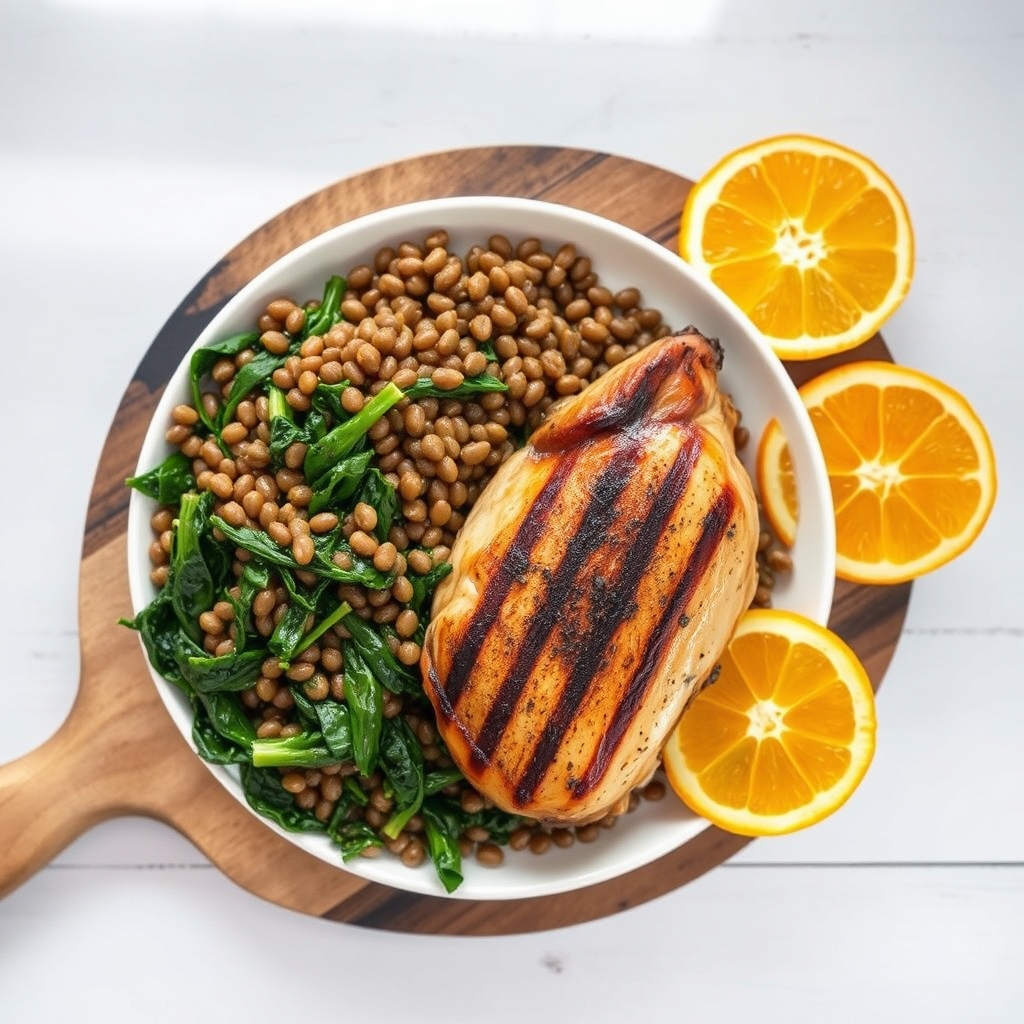
The best foods that contain iron for pregnancy are meat, lentils, spinach, fortified cereals, and pumpkin seeds. They help prevent anemia, supporting growth.
By Shubhra Mishra — a mom of two who turned her own confusion during pregnancy into BumpBites, a global mission to make food choices clear, safe, and stress-free for every expecting mother. 💛
Check whether any food is safe during pregnancy with the BumpBites Food Safety Checker.
Quick take: Pregnant people need about 27 mg of iron each day. The safest way to meet most of that is through iron‑rich foods like lean red meat, fortified cereals, beans, and leafy greens, while pairing them with vitamin C‑rich foods to boost absorption. If diet alone isn’t enough, a prenatal iron supplement—chosen with your provider’s guidance—can fill the gap and help prevent iron‑deficiency anemia.
It’s 2 a.m., you’re curled up on the couch, and the cravings you’ve been battling all day have finally led you to a half‑eaten slice of pizza. As you stare at the cheese‑gooey edge, a thought pops up: “Is this enough iron for my baby?” You’re not alone. Many expecting parents wonder whether the foods on their plates are giving the right amount of this essential mineral.
In this guide we’ll untangle the science behind iron in pregnancy, list the best sources, show you how to get the most out of each bite, and explain when a supplement might be necessary. By the end you’ll have a clear, bite‑size plan to keep your iron levels healthy throughout pregnancy and beyond.
What are the best iron‑rich foods for pregnant women?
When you hear “iron‑rich,” the first image that often comes to mind is a steak sizzling on a grill. While red meat is indeed a powerhouse, there’s a whole palette of foods that can help you hit the 27 mg daily target recommended by the American College of Obstetricians and Gynecologists (ACOG) and the National Health Service (NHS).
Here’s a quick rundown of the top contributors, grouped by type:
Animal‑based (heme) sources: Beef liver (5 mg per 3 oz), lean ground beef (2.5 mg per 3 oz), chicken thighs (1 mg per 3 oz), and turkey.
Seafood: Clams (23 mg per 3 oz), oysters (5 mg per 3 oz), and canned sardines (2.5 mg per 3 oz).
Plant‑based (non‑heme) sources: Lentils (3 mg per cup cooked), cooked spinach (3 mg per half‑cup), fortified breakfast cereals (up to 18 mg per serving), pumpkin seeds (2 mg per ounce), and tofu (3 mg per half‑cup).
Iron‑fortified foods: Whole‑grain breads, pasta, and energy bars often have added iron, sometimes as much as 5 mg per serving.
Non‑heme iron from plants is less readily absorbed than heme iron from meat, but pairing these foods with vitamin C (like orange slices or bell peppers) can boost absorption by up to 2‑fold, according to the World Health Organization (WHO). Adding a splash of lemon juice to a bean stew or a side of strawberries to your oatmeal can make a noticeable difference.
Mixing heme and non‑heme options maximizes iron intake.
Choosing a variety ensures you not only meet iron needs but also get other nutrients—protein, folate, zinc, and B‑vitamins—that support fetal growth. If you’re a fan of quick meals, a fortified cereal with a side of kiwi (a vitamin C powerhouse) can give you a solid start without extra prep time.
How can I increase iron intake during pregnancy?
Boosting iron isn’t just about eating more iron‑dense foods; it’s also about timing, pairing, and preparation. Below are practical strategies that fit into a busy pregnancy schedule.
Pair iron with vitamin C
Vitamin C transforms iron into a form the gut can absorb more easily. Add a squeeze of lemon over steamed broccoli, sip a glass of orange juice with breakfast, or toss red bell peppers into a bean salad.
Cook with cast‑iron cookware
Studies published by the U.S. National Institutes of Health (NIH) show that simmering acidic foods (tomato sauce, chili) in cast‑iron pans can add up to 2 mg of iron per serving.
Space out calcium and iron
Calcium competes with iron for absorption. If you take a prenatal vitamin that contains calcium, separate it from iron‑rich meals by at least two hours. The same goes for dairy‑heavy snacks; enjoy them at a different time than your iron‑rich dinner.
Snack smart
Iron‑rich snacks keep your levels steady between meals. Try a handful of pumpkin seeds, a slice of whole‑grain toast topped with hummus, or a small bowl of fortified cereal with berries.
Breakfast ideas
Start the day with a fortified oatmeal (12 mg iron) mixed with sliced strawberries (vitamin C) and a sprinkle of almonds (1 mg iron). Another favorite is a whole‑grain English muffin topped with scrambled eggs (1 mg) and sautéed spinach (3 mg).
Below is a quick‑reference table that shows typical iron contributions from common breakfast and snack options.
Food
Typical Serving
Iron (mg)
Vitamin C (mg)
Fortified oatmeal
1 cup cooked
12
0
Strawberries
½ cup sliced
0.5
45
Pumpkin seeds
1 oz
2.5
0
Whole‑grain toast
1 slice
1.2
0
Hummus
2 tbsp
0.5
0
These combos add up quickly—just one fortified bowl of cereal with a side of orange slices can give you more than half the daily iron goal. If you’re short on time, keep a pre‑portion of pumpkin seeds in a zip‑top bag for a grab‑and‑go snack.
What are the symptoms of iron deficiency in pregnancy and how is it treated?
Iron‑deficiency anemia (IDA) affects roughly 18 % of pregnant people in the United States, according to the Centers for Disease Control and Prevention (CDC). Early recognition is key because untreated anemia can lead to preterm birth, low birth weight, and postpartum fatigue.
Common symptoms
Persistent fatigue or weakness
Dizziness or faintness, especially when standing quickly
Shortness of breath during routine activities
Pale skin, especially on the inner eyelids
Cold hands and feet
Cravings for non‑food items (pica), such as ice or dirt
If you notice any of these, especially in combination, schedule a blood test. A complete blood count (CBC) will reveal hemoglobin levels; values below 11 g/dL in the first trimester or 10.5 g/dL later on signal anemia per ACOG guidelines.
Treatment options
The first line of treatment is dietary improvement (as outlined above). For moderate to severe anemia, iron supplements are usually prescribed. Common formulations include ferrous sulfate (65 mg elemental iron), ferrous gluconate (35 mg), and ferrous fumarate (106 mg). Your provider will choose a dose based on your blood work and tolerance.
Side effects—nausea, constipation, or dark stools—are common but can be mitigated by taking the supplement with food, splitting the dose, or using a slower‑release product. Vitamin C (e.g., a small glass of orange juice) taken with the pill can improve absorption, while coffee or tea should be avoided for at least an hour afterward because tannins inhibit iron uptake (National Institutes of Health Office of Dietary Supplements).
In rare cases where oral iron is poorly tolerated, intravenous iron (such as ferric carboxymaltose) may be administered under medical supervision, as recommended by the British Committee for Standards in Haematology (BCSH). IV iron is typically reserved for those who cannot absorb oral iron or who have severe anemia that needs rapid correction.
Which foods are high in iron for pregnancy and how much iron do they provide?
Below is a detailed list of iron‑rich foods with their average iron content per typical serving. Values are taken from the USDA FoodData Central and are rounded to the nearest tenth.
Food (Category)
Serving Size
Iron (mg)
Notes
Beef liver (meat)
3 oz cooked
5.0
Highest natural source; pair with vitamin C
Cooked lentils (legume)
1 cup
3.3
Non‑heme iron; soak before cooking
Cooked spinach (leafy green)
½ cup
3.0
Best when lightly steamed
Fortified breakfast cereal
1 cup
12.0
Check label; may contain added folic acid
Clams, cooked (seafood)
3 oz
23.8
Extremely high; moderate portion due to cholesterol
Pumpkin seeds (nut/seed)
1 oz
2.5
Great snack; keep in airtight container
Tofu, firm (soy)
½ cup
3.0
Press to remove excess water
Chicken thigh, roasted
3 oz
1.1
Skin‑on adds flavor without extra iron
Dark chocolate (70 % cacao)
1 oz
2.0
Treat yourself; watch sugar intake
Combine several of these foods throughout the day to comfortably meet the 27 mg recommendation. For example, a breakfast of fortified cereal (12 mg) plus a glass of orange juice (vitamin C) and a snack of pumpkin seeds (2.5 mg) already supplies over half the daily need. Pairing a serving of clams at dinner can push you well beyond the target, giving a buffer for days when appetite is low.
Why are iron supplements important during pregnancy?
Even with a diet rich in iron, many pregnant people still fall short of the recommended intake. The World Health Organization estimates that up to 50 % of pregnant people worldwide need supplemental iron to prevent anemia.
Supplements serve three main purposes:
Fill the dietary gap: The average diet provides about 15 mg of iron, well below the 27 mg target.
Support rapid fetal growth: The fetus draws iron from the mother’s stores, especially in the third trimester when blood volume peaks.
Prevent complications: Adequate iron reduces the risk of preterm birth, low birth weight, and postpartum fatigue, as shown in multiple ACOG studies.
Choosing the right supplement matters. Ferrous sulfate is the most widely studied and inexpensive, but it can cause gastrointestinal upset. Ferrous bisglycinate (a chelated form) tends to be gentler on the stomach, though it’s pricier. The U.S. Food and Drug Administration (FDA) recommends that prenatal vitamins contain at least 30 mg of elemental iron to meet typical needs.
If you’re breastfeeding, the iron requirement drops slightly to about 9 mg per day (Institute of Medicine), but many providers still suggest continuing the prenatal iron supplement for at least the first six weeks postpartum, especially if you experienced anemia during pregnancy.
What iron‑rich foods should I eat in the first trimester?
The first trimester is a time of rapid organ formation, and iron stores are being built for the baby’s future growth. While nausea can make meal planning tricky, focusing on gentle, iron‑dense options can keep you nourished.
Here are three trimester‑friendly meals:
Morning: Soft‑cooked oatmeal fortified with iron, topped with banana slices and a drizzle of honey. The banana supplies potassium, which can help with nausea.
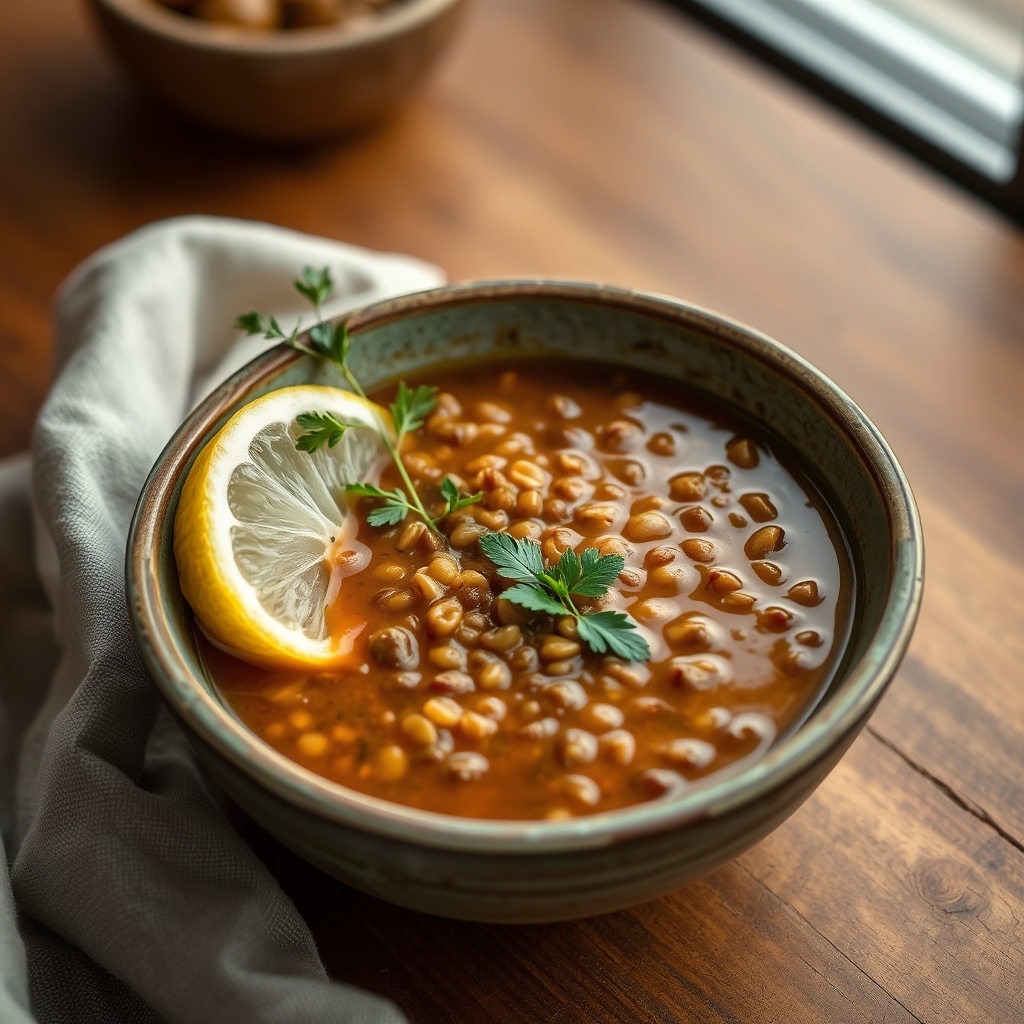
Lunch: A warm lentil soup with carrots and a squeeze of lemon. Serve with a small slice of whole‑grain bread. The lemon adds vitamin C, boosting iron absorption.
Dinner: Baked salmon (a modest source of iron and omega‑3s) paired with sautéed spinach and quinoa. Finish with a side of orange segments.
These meals are easy on the stomach, provide a mix of heme and non‑heme iron, and incorporate vitamin C for optimal uptake.
Lentil soup with lemon boosts iron absorption during early pregnancy.
How do I cook iron‑rich foods for maximum absorption?
Cooking methods can either preserve or enhance iron availability. Here are evidence‑based tips:
Use acidic, moist cooking
Acidic environments (tomato sauce, citrus) help release iron from plant foods. Simmer beans in a tomato‑based broth for an extra 1‑2 mg iron per cup (NIH).
Don’t over‑cook leafy greens
Prolonged boiling can leach iron into the water, which is often discarded. Instead, steam spinach for 2‑3 minutes or quickly sauté it with garlic and a splash of lemon juice.
Cook in cast‑iron pans
When you fry eggs, sauté vegetables, or make a chili in a well‑seasoned cast‑iron skillet, the iron leaches into the food. One study found that a 30‑minute simmer can add 2‑4 mg iron to a dish.
Avoid high‑phytate ingredients
Phytates in raw beans, whole grains, and some nuts bind iron. Soaking beans overnight and discarding the soaking water reduces phytate levels by up to 50 % (FAO).
Separate iron from coffee/tea
The polyphenols in coffee and tea inhibit iron absorption. Enjoy a cup of coffee after meals, not with them. If you love tea, try a herbal caffeine‑free variety like rooibos, which has minimal impact on iron uptake.
By tweaking the cooking process, you can squeeze every possible milligram of iron from your meals.
What foods and habits interfere with iron absorption during pregnancy?
Even the best‑planned diet can be undermined by certain foods or lifestyle habits. Knowing what to avoid—or at least to time apart—helps protect your iron status.
Calcium‑rich foods and supplements: Calcium competes with iron for the same transport channels. Keep calcium‑rich dairy or supplements at least two hours away from iron‑rich meals.
Polyphenol‑heavy beverages: Coffee, black tea, and some herbal teas contain tannins that can cut iron absorption by up to 60 % (NIH Office of Dietary Supplements).
High‑fiber foods: Whole grains and raw legumes are healthy, but excessive fiber can bind iron. Balance high‑fiber meals with iron‑rich foods and vitamin C.
Phytate‑rich foods: Unsoaked beans, seeds, and nuts contain phytates. Soaking, sprouting, or fermenting reduces their inhibitory effect.
Medications: Antacids and proton‑pump inhibitors lower stomach acidity, which is needed for iron solubility. Discuss timing with your provider if you use these drugs.
Simple timing tricks—like having a glass of orange juice with iron‑rich meals and drinking coffee later—can make a noticeable difference.
Iron needs by trimester: How requirements change
The 27 mg daily recommendation applies throughout pregnancy, but the body’s distribution of iron shifts as the baby grows. In the first trimester, the emphasis is on building maternal iron stores. By the second trimester, blood volume expands dramatically, increasing the demand for iron‑binding proteins like ferritin.
In the third trimester, the fetus draws heavily on maternal iron for brain development and the formation of red blood cells. This is why many clinicians recommend checking iron labs at the start of the third trimester and adjusting supplements if needed. If you’re in the later stages of pregnancy, you may notice a dip in energy; that’s often a sign that your iron reserves are being tapped.
Iron requirements rise steadily; the third trimester often needs the biggest boost.
Because the need stays constant but the physiological demand spikes, many providers suggest a modest increase in iron supplement dose during the third trimester. Always discuss any changes with your obstetrician to avoid excess, which can cause constipation or nausea.
Iron‑rich snack ideas for on‑the‑go days
Pregnancy can turn a simple grocery run into a marathon. Having portable, iron‑boosting snacks ready can keep you from missing a meal and help maintain steady iron levels.
Trail mix: Combine pumpkin seeds, dried apricots (vitamin C), and a few dark‑chocolate chips for a sweet‑salty treat.
Greek yogurt parfait: Layer fortified yogurt with fresh berries and a drizzle of honey. The berries add vitamin C, while the yogurt provides a modest amount of calcium—just remember to space it away from iron‑rich meals.
Whole‑grain crackers with hummus: Hummus offers plant‑based iron, and the crackers give you complex carbs for energy.
Mini frittatas: Bake eggs with chopped spinach and a pinch of cheese in a muffin tin. Each mini frittata contains about 1 mg iron and is easy to reheat.
Fruit‑infused water: Slice orange or kiwi into a water bottle. Sipping this throughout the day adds small vitamin C boosts that aid iron absorption from meals.
Having these snacks pre‑packed in your bag or fridge means you won’t have to rely on vending‑machine options when a craving hits. Pair any snack with a glass of citrus juice or a few strawberry slices for the best iron uptake.
Understanding heme vs. non‑heme iron and bioavailability
Not all iron is created equal. Heme iron—found in animal products like red meat, poultry, and fish—is absorbed at rates of 15‑35 % because it travels via a dedicated transporter in the gut. Non‑heme iron, the form present in beans, lentils, spinach, and fortified grains, is absorbed at a lower rate of 2‑20 % and is more sensitive to enhancers (vitamin C) and inhibitors (calcium, phytates).
Because of this difference, a smaller amount of heme iron can deliver the same benefit as a larger amount of non‑heme iron. For example, 3 mg of heme iron from beef liver may be as effective as 10 mg of non‑heme iron from lentils. That’s why clinicians often recommend at least one heme source per day, especially for those with limited appetite.
However, if you follow a vegetarian or vegan diet, you can still meet your needs by focusing on high‑iron plant foods, using vitamin C enhancers, and possibly adding a prenatal iron supplement. The key is consistency and strategic food pairing.
From our medical team: “Iron needs rise dramatically during pregnancy, and diet alone may not always keep pace. Pair iron‑dense foods with vitamin C, avoid coffee at mealtimes, and talk to your provider about a prenatal iron supplement if you’re feeling unusually fatigued or have low‑iron labs. Small adjustments in the kitchen can protect both your energy and your baby’s growth.”
Myth vs. fact
Myth: “If I’m eating meat, I don’t need any iron supplements.”
Fact: While meat supplies highly absorbable heme iron, most pregnant people still fall short of the 27 mg daily recommendation, especially if appetite is reduced by nausea. A supplement may still be needed.
Myth: “Vegetarians can’t get enough iron during pregnancy.”
Fact: Plant‑based sources can meet iron needs when combined with vitamin C‑rich foods and, if necessary, a carefully chosen supplement. The key is variety and timing.
Myth: “Iron supplements cause severe constipation for everyone.”
Fact: Side effects vary; many people tolerate slower‑release forms or split doses well. Staying hydrated and eating fiber‑rich foods can further reduce constipation risk.
Key takeaways
Pregnant people need ~27 mg of iron daily; aim for a mix of heme (meat, fish) and non‑heme (beans, leafy greens) sources.
Boost absorption by pairing iron foods with vitamin C and cooking in cast‑iron cookware.
Avoid coffee, tea, and high‑calcium foods around iron‑rich meals.
Consider a prenatal iron supplement if dietary intake is insufficient or labs show low iron.
Watch for anemia symptoms—fatigue, dizziness, pale skin—and get tested promptly.
Plan simple, iron‑rich meals for each trimester, and include snack and breakfast ideas that keep iron steady throughout the day.
Remember that heme iron is more efficiently absorbed; if you’re vegetarian, pair non‑heme sources with vitamin C.
Frequently asked questions
What are the symptoms of iron deficiency in pregnancy?
Common signs include persistent fatigue, shortness of breath, dizziness, pale skin, and unusual cravings for non‑food items (pica). If you notice these, ask your provider for a CBC test to check hemoglobin levels.
How much iron does a pregnant woman need per day?
The recommended dietary allowance (RDA) for iron during pregnancy is 27 mg per day, according to ACOG and the NHS. This amount supports the increased blood volume and fetal development.
What are the best iron supplements for pregnancy?
Ferrous sulfate (65 mg elemental iron) is the most studied and widely used, but ferrous bisglycinate and iron polysaccharide are gentler on the stomach. Your provider can help choose the right type and dose based on your labs and tolerance.
Can I take iron supplements while breastfeeding?
Yes. Breastfeeding mothers need about 9 mg of iron daily, but many continue their prenatal supplement for the first six weeks postpartum to replenish stores, especially if they experienced anemia during pregnancy.
What foods are high in iron and folic acid?
Spinach, lentils, fortified cereals, and liver provide both iron and folate. Combining these with vitamin C foods (citrus, bell peppers) maximizes absorption of both nutrients.
How can I increase my iron levels during pregnancy?
Eat a variety of iron‑rich foods, pair them with vitamin C, avoid coffee/tea at meals, use cast‑iron cookware, and consider a prenatal iron supplement if dietary intake falls short.
Can a vegetarian diet provide enough iron during pregnancy?
Yes—when you combine iron‑rich plant foods (lentils, tofu, pumpkin seeds) with vitamin C sources (citrus, tomatoes) and, if needed, a prenatal iron supplement, you can meet the 27 mg goal. Consistency and strategic pairing are the keys.
Is it safe to take iron supplements together with my prenatal vitamin?
Most prenatal vitamins already contain iron, usually 30 mg. If you’re prescribed an additional iron supplement, your provider will adjust the dose to avoid excess. Always tell your clinician about every supplement you’re taking.
When to call your doctor
If you experience any of the following, seek medical care promptly: severe fatigue, shortness of breath at rest, rapid heartbeat, dizziness or fainting, pale or yellowish skin, or a sudden increase in cravings for ice, dirt, or non‑food items. These could signal iron‑deficiency anemia that requires treatment.
Remember, this article provides general information and is not a substitute for personalized medical advice. Always discuss nutrition and supplement plans with your obstetrician, midwife, or qualified healthcare provider.
References
American College of Obstetricians and Gynecologists (ACOG). “Iron Deficiency Anemia in Pregnancy.” Clinical Guidance, 2023.
National Health Service (NHS). “Iron and Pregnancy.” UK Guidance, 2022.
World Health Organization (WHO). “Guidelines on Iron Supplementation in Pregnancy.” 2021.
Centers for Disease Control and Prevention (CDC). “Iron Deficiency in Pregnancy.” Surveillance Report, 2022.
National Institutes of Health Office of Dietary Supplements. “Iron Fact Sheet for Consumers.” Updated 2023.
U.S. Department of Agriculture (USDA) FoodData Central. Nutrient Database, 2023.
British Committee for Standards in Haematology (BCSH). “Management of Iron Deficiency in Pregnancy.” Clinical Guidelines, 2022.
Food and Agriculture Organization (FAO). “Phytates and Mineral Absorption.” 2020.
National Institutes of Health (NIH). “Cast‑Iron Cookware and Dietary Iron.” Nutrition Research, 2021.
American Academy of Pediatrics (AAP). “Nutrition for Pregnant and Lactating Women.” 2022.
Not sure about the label on Food That Contains Iron For Pregnancy Best Sources products?
Snap the ingredients list and SafeFilter checks every ingredient for your stage — only 3 free scans this month, then you're locked until reset. Unlimited from $7/mo or $50/yr.
When Shubhra Mishra was expecting her first child in 2016, she was overwhelmed by conflicting food advice — one site said yes, another said never. By the time her second baby arrived in 2019, she realized millions of mothers face the same confusion.
That sparked a five-year journey through clinical nutrition papers, cultural diets, and expert conversations — all leading to BumpBites: a calm, compassionate space where science meets everyday motherhood.
Her long-term vision is to build a global community ensuring safe, supported, and free deliveriesfor every mother — because no woman should face pregnancy alone or uninformed. 🌿
🌍 Stand with mothers, shape safer guidance
Join a small circle of experts who review BumpBites articles so expecting parents everywhere can decide with confidence.