Is BPA Plastic Safe During Pregnancy? What You Need to Know

Is BPA Plastic Safe During Pregnancy? What You Need to Know
On this page

Limit BPA plastic containers during pregnancy. Research suggests potential risks, especially for fetal development. Understanding if BPA plastic containers are

Shubhra Mishra

By Shubhra Mishra — a mom of two who turned her own confusion during pregnancy into BumpBites, a global mission to make food choices clear, safe, and stress-free for every expecting mother. 💛

Are you a qualified maternal-health or nutrition expert? Join our reviewer circle.

Wondering about another food?

Check whether any food is safe during pregnancy with the BumpBites Food Safety Checker.

Quick verdict: ❌ Best avoided. Current scientific consensus and leading health organizations recommend minimizing exposure to BPA plastic containers during pregnancy due to potential risks to fetal development and maternal health.
For many expecting parents, the kitchen can suddenly feel like a minefield of "what-ifs." You're standing there, perhaps reaching for a familiar plastic container to store leftovers, and a little voice in your head asks, "is BPA plastic containers safe during pregnancy?" If you've ever found yourself wondering about the safety of everyday plastics, especially when carrying a precious new life, you're not alone. This concern is valid, and we're here to help you navigate the science and make informed choices for your health and your baby's. At BumpBites, we understand that worry can be overwhelming. The good news is that understanding the risks allows you to take simple, proactive steps. While complete avoidance of BPA in modern life is nearly impossible, significantly reducing your exposure from sources like food storage is entirely achievable. Let's delve into what BPA is, why it's a concern, and how you can create a safer environment for your pregnancy journey.
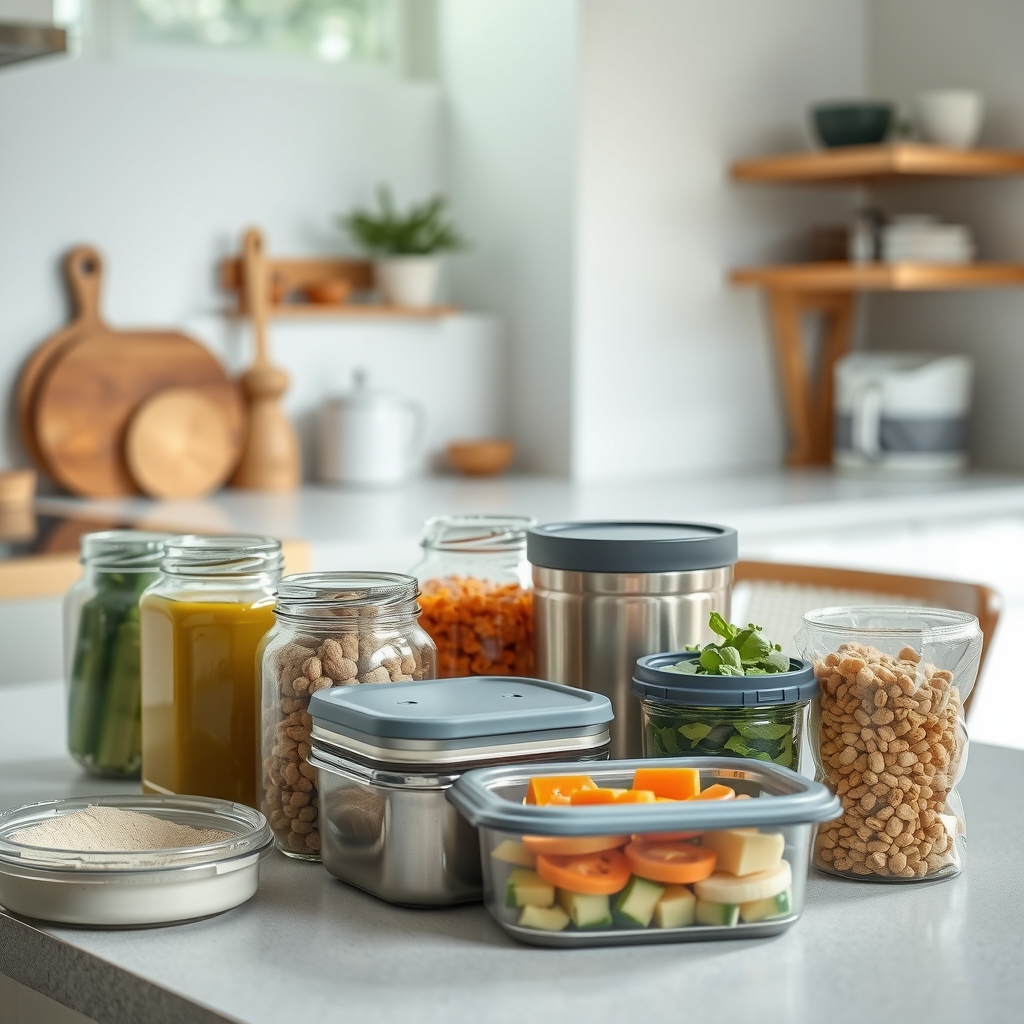
Assortment of safe food storage containers including glass jars, stainless steel lunchboxes, and silicone bags on a kitchen counter, bathed in soft, natural light.
Choosing alternatives like glass, stainless steel, or silicone can significantly reduce your exposure to potentially harmful chemicals during pregnancy.
Trimester/Stage Verdict Notes
First Trimester ❌ Best Avoided Critical period for organ development; BPA is an endocrine disruptor that may interfere with hormonal signaling crucial for fetal development.
Second Trimester ❌ Best Avoided Continued exposure may impact brain development, reproductive system formation, and overall growth.
Third Trimester ❌ Best Avoided Potential for continued disruption to hormonal systems and potential impacts on fetal brain and behavior.
Breastfeeding ❌ Best Avoided BPA can transfer into breast milk, potentially exposing the infant. Minimizing maternal exposure is recommended.

What is BPA and Where is It Commonly Found?

BPA, or Bisphenol A, is an industrial chemical that has been used since the 1960s to make certain plastics and resins. It's a foundational component in polycarbonate plastics, which are known for their durability and clarity. These plastics are commonly used in a wide range of products, including many food and drink containers, such as water bottles, baby bottles (though largely phased out in many regions), and storage containers. Beyond rigid plastics, BPA is also found in epoxy resins, which are used to coat the inside of metal products like food cans, bottle tops, and water supply pipes. This lining helps to prevent corrosion and contamination of the food or beverage inside. The widespread use of BPA means that human exposure is very common, primarily through diet. When food or beverages are stored in containers made with BPA, or when canned foods are consumed, small amounts of the chemical can leach into the food or liquid, especially when heated or exposed to acidic or fatty substances. This makes the question "is BPA plastic containers safe during pregnancy?" particularly relevant for daily habits.

Is BPA plastic safe for pregnant women to use?

Th
e short answer is: **no, BPA plastic containers are generally not considered safe for pregnant women to use, and health organizations recommend minimizing exposure.** While regulatory bodies like the U.S. Food and Drug Administration (FDA) state that BPA is safe at the current low levels of exposure from food packaging, this stance is often met with caution by many health experts, especially concerning vulnerable populations like pregnant individuals and young children. The primary concern with BPA stems from its classification as an endocrine-disrupting chemical (EDC). This means it can mimic or interfere with the body's natural hormones, particularly estrogen. During pregnancy, a woman's hormonal balance is incredibly delicate and crucial for the healthy development of the fetus. Disruptions to this balance, even by seemingly small amounts of chemicals, can have profound effects. The American College of Obstetricians and Gynecologists (ACOG) and the American Academy of Pediatrics (AAP) have expressed concerns about BPA and other EDCs, recommending that pregnant people and children limit their exposure. They highlight that the developing fetus is particularly susceptible to these disruptions, which can affect neurological, reproductive, and metabolic systems. While research is ongoing, the precautionary principle suggests avoiding BPA where possible to safeguard maternal and fetal health.

Understanding BPA's role as an endocrine disruptor during pregnancy

BPA's most concerning characteristic is its ability to act as an endocrine disruptor. Endocrine disruptors are chemicals that can interfere with the body's endocrine (hormone) system. Hormones are the body's chemical messengers, playing a vital role in regulating nearly every physiological process, from growth and development to metabolism and reproduction. During pregnancy, hormones like estrogen, progesterone, and thyroid hormones are absolutely critical for guiding fetal development, maintaining the pregnancy, and preparing the mother's body for birth and breastfeeding. When BPA enters the body, it can bind to estrogen receptors, effectively mimicking the natural hormone. This "false signal" can confuse the body's delicate hormonal communication network. For a developing fetus, whose organ systems are forming rapidly under precise hormonal control, this interference can be particularly problematic. Even at very low doses, BPA has been shown in some studies to alter hormone levels and signaling pathways. This disruption can potentially lead to changes in gene expression and cellular differentiation, laying the groundwork for adverse health outcomes later in life. The World Health Organization (WHO) acknowledges BPA as an EDC and emphasizes the need for further research, while still advising a precautionary approach, especially for pregnant individuals.

What are the risks of BPA exposure during the first trimester?

The first trimester is a period of intense and rapid development for the fetus, known as organogenesis, where all major organs and body systems begin to form. This makes it a particularly vulnerable window for exposure to endocrine-disrupting chemicals like BPA. During these crucial weeks, the precise timing and balance of hormones are essential for guiding the formation of the brain, reproductive organs, and other vital systems. Exposure to BPA during the first trimester is a concern because of its potential to interfere with these critical developmental processes. Studies, primarily in animal models, have suggested links between early BPA exposure and alterations in brain development, which could manifest as behavioral issues later in life. There are also concerns about the formation of the reproductive system. For example, early exposure might influence the development of the testes in male fetuses or the ovaries in female fetuses, potentially impacting fertility or increasing the risk of reproductive health problems in adulthood. While human studies are complex and often observational, the biological plausibility of harm during this sensitive period underscores why minimizing exposure to BPA plastic containers during pregnancy is highly recommended.

Are there specific concerns about BPA exposure in the third trimester?

While the first trimester often receives the most attention due to organogenesis, BPA exposure in the third trimester also raises specific concerns. During this later stage of pregnancy, the fetus undergoes significant growth and maturation, including the continued development of the brain, lungs, and endocrine glands. The reproductive system, though largely formed, continues its differentiation and maturation processes. Exposure to BPA during the third trimester may still interfere with the fine-tuning of these developing systems. For instance, ongoing endocrine disruption could impact the proper programming of metabolic pathways, potentially increasing the child's risk of obesity or metabolic syndrome later in life. There are also concerns about the impact on neurodevelopment, as brain growth is very rapid in the final months of pregnancy. Some research suggests that third-trimester exposure could affect neurobehavioral outcomes. Furthermore, since BPA can cross the placenta, continuous exposure means the baby is born with a body burden of the chemical, which might have implications for their immediate postnatal health and development. Therefore, the recommendation to avoid BPA plastic containers during pregnancy extends through all trimesters to provide continuous protection.

How much BPA exposure is considered unsafe for pregnancy?

This is a critical question, and unfortunately, there isn't a universally agreed-upon "safe" threshold for BPA exposure during pregnancy, especially from the perspective of endocrine disruption. While regulatory bodies like the FDA currently maintain that typical dietary exposure to BPA is safe, based on studies that look at high-dose toxicity, many scientists and health organizations specializing in endocrine disruptors argue that even very low levels of BPA exposure may be problematic, particularly for a developing fetus. The challenge lies in the nature of endocrine disruptors. Unlike traditional toxins where "the dose makes the poison," EDCs can exert effects at extremely low doses, sometimes even non-monotonic dose-response curves (meaning lower doses can have different, sometimes more pronounced, effects than higher doses). This makes setting a "safe" amount incredibly difficult. Given the potential for irreversible effects on fetal development, the precautionary principle is widely adopted by organizations like ACOG and the Endocrine Society. They recommend minimizing exposure as much as possible, rather than trying to adhere to a specific "safe" number. Therefore, when considering "is BPA plastic containers safe during pregnancy," the guidance leans towards avoidance rather than determining a specific limit, because no level has been definitively proven safe for the vulnerable developing fetus.
Close-up of a pregnant woman's hand gently holding a glass food storage container filled with fresh fruit, on a clean kitchen counter.
Opting for glass containers is a simple yet effective way to reduce chemical exposure during pregnancy.

Side effects and risks

The risks associated with BPA exposure during pregnancy are primarily linked to its endocrine-disrupting properties and its potential to interfere with critical developmental processes. While much of the definitive evidence comes from animal studies, the consistent findings across various species raise significant concerns for human health. **Risks to Fetal Development:** * **Brain Development:** Some research suggests that prenatal BPA exposure may be linked to alterations in brain structure and function, potentially affecting neurodevelopment. This could manifest as changes in behavior, learning, and memory. * **Reproductive Health:** BPA's estrogen-mimicking effects are particularly concerning for the development of the fetal reproductive system. In animal models, exposure has been linked to changes in the structure of reproductive organs, altered puberty timing, and reduced fertility later in life for both males and females. * **Metabolic Health:** There is emerging evidence that prenatal BPA exposure might "program" the fetus for metabolic issues, increasing the risk of obesity, insulin resistance, and type 2 diabetes in childhood and adulthood. * **Immune System:** Some studies indicate that BPA could influence the developing immune system, potentially increasing susceptibility to allergies and asthma. **Potential Risks to Maternal Health During Pregnancy:** While the primary focus is often on the fetus, maternal health can also be indirectly affected. Hormonal disruptions caused by BPA could theoretically influence the delicate balance required to maintain a healthy pregnancy, though direct evidence of significant maternal health side effects from typical BPA exposure levels is less clear than for fetal risks. However, minimizing overall chemical burden is always a good strategy for maternal well-being. It's important to remember that these are potential risks and areas of ongoing research. The goal isn't to cause alarm, but to empower you with information to make choices that err on the side of caution for your baby's long-term health.

What are safe BPA-free alternatives for food storage during pregnancy?

Thankfully, there are many excellent and readily available alternatives to BPA plastic containers that are considered safe for pregnancy. Making these swaps in your kitchen is one of the most effective ways to reduce your exposure to endocrine-disrupting chemicals. * **Glass food storage containers:** Highly recommended. Glass is non-porous, doesn't leach chemicals, and is safe for microwave, oven, and freezer use. It's durable and easy to clean, though it can break if dropped. * **Stainless steel water bottles and food containers:** Another excellent choice. Stainless steel is inert, durable, and doesn't leach chemicals. It's perfect for lunchboxes, water bottles, and larger storage. * **Silicone food storage bags and containers:** Food-grade silicone is a flexible, durable, and non-toxic option. It's often used for baking mats and can withstand high and low temperatures, making it suitable for freezing and reheating. Look for pure food-grade silicone. * **Ceramic dishes and bakeware:** Ideal for serving, baking, and storing in the refrigerator. Ensure ceramic glazes are lead-free (most modern, reputable brands are). * **Bamboo fiber plates and bowls:** A good eco-friendly option for dry food storage or serving, especially for snacks. Ensure they are made from pure bamboo fiber with a non-toxic binder, as some can contain melamine. * **BPA-free certified plastic containers:** If you must use plastic, choose products explicitly labeled "BPA-free." However, be aware that some "BPA-free" plastics may contain other bisphenols (like BPS or BPF) that also have endocrine-disrupting properties. For ultimate caution, prioritize glass and stainless steel, but if using plastic, ensure it's certified BPA-free and avoid heating food in it. By gradually replacing your plastic items with these safer alternatives, you can significantly reduce your family's exposure to potentially harmful chemicals. For more ideas on sustainable kitchen swaps, check out our article on how to reduce plastic in your kitchen with kids.

Which brands of food containers are truly BPA-free and pregnancy-safe?

When looking for truly BPA-free and pregnancy-safe food containers, the focus should be less on specific brand names (as product lines can change) and more on the materials themselves and what "BPA-free" really means. As we've discussed, glass and stainless steel are inherently BPA-free and are the safest options. For plastics, the term "BPA-free" can sometimes be misleading. Here's what to look for: * **Prioritize Glass and Stainless Steel:** These materials are inert, meaning they don't leach chemicals into your food, even when heated. Brands like Pyrex, Anchor Hocking (for glass), and Hydro Flask, Klean Kanteen, LifeFactory (for stainless steel/glass bottles) are generally reliable. * **Food-Grade Silicone:** Look for products made from 100% food-grade silicone. Companies like Stasher and Zip Top offer silicone bags and containers that are excellent for storage and reheating. * **"BPA-free" Plastics with Caution:** If choosing plastic, look for clear labeling. Reputable brands often make an effort to ensure their "BPA-free" products are also free of other bisphenols like BPS and BPF. However, it's challenging for consumers to verify this. The safest approach with any plastic, even "BPA-free," is to avoid heating food in it, as heat can increase the leaching of chemicals. Also, avoid using scratched or old plastic containers. Never microwave food in plastic containers during pregnancy, even if they are labeled BPA-free; for more information, read our article on is microwaving plastic containers safe during pregnancy. The key is to be an informed consumer. When in doubt, default to glass or stainless steel, especially for anything that will come into contact with food or beverages you or your baby will consume. Understanding the safety of BPA plastic containers during pregnancy often leads to questions about other common chemical exposures. Here's a quick look at related items and their general safety during pregnancy:
Item Verdict Note
Phthalates in plastics ❌ Best Avoided Endocrine disruptors found in soft plastics (e.g., PVC), personal care products, and fragrances; linked to reproductive and developmental issues.
PFAS chemicals in non-stick pans ⚠️ Safe with limits "Forever chemicals" linked to developmental and immune issues. Avoid scratched non-stick pans; opt for cast iron, stainless steel, or ceramic-coated.
Parabens in cosmetics ❌ Best Avoided Preservatives with weak estrogen-mimicking effects. Choose paraben-free personal care products.
Triclosan in antibacterial soaps ❌ Best Avoided Antimicrobial agent that can act as an endocrine disruptor. Phased out of many consumer products; opt for plain soap and water.
Lead in old pipes or paint ❌ Best Avoided Neurotoxin causing severe developmental harm. Test old homes for lead paint/pipes; filter water if lead is suspected.
Mercury in fish ⚠️ Safe with limits Neurotoxin. Avoid high-mercury fish (shark, swordfish, king mackerel, tilefish); choose low-mercury options (salmon, shrimp, canned light tuna) 2-3 times/week.
Pesticides on produce ⚠️ Safe with limits Can be neurotoxic or endocrine-disrupting. Wash all produce thoroughly; choose organic for "Dirty Dozen" list when possible.
Microplastics in food ⚠️ Talk to your doctor first Ubiquitous tiny plastic particles with unknown long-term health effects. Reduce plastic use in general to minimize ingestion.

Myth vs. fact

Navigating information about chemicals like BPA can be confusing, with many myths circulating. Let's clear up a few common misconceptions about BPA plastic containers and pregnancy. **Myth:** "BPA-free" plastics are always 100% safe. **Fact:** While "BPA-free" means Bisphenol A is not used, some manufacturers replace BPA with similar chemicals like Bisphenol S (BPS) or Bisphenol F (BPF). Emerging research suggests that BPS and BPF may also have endocrine-disrupting properties, similar to BPA. Therefore, while "BPA-free" is a step in the right direction, it doesn't guarantee complete safety from all bisphenol compounds. Prioritizing glass, stainless steel, and food-grade silicone offers a higher level of assurance. **Myth:** Heating plastic containers is only dangerous if they contain BPA. **Fact:** Heating *any* plastic, even those labeled "BPA-free," can increase the leaching of chemicals into food. Plastics can degrade when heated, potentially releasing other compounds that haven't been as thoroughly studied as BPA. For this reason, it's always best to avoid heating food in plastic containers during pregnancy, regardless of their BPA status. Transfer food to glass or ceramic before microwaving or reheating. **Myth:** Only large amounts of BPA are harmful; small exposures don't matter. **Fact:** For endocrine-disrupting chemicals like BPA, the concept of "dose makes the poison" doesn't always apply in the traditional sense. EDCs can exert effects at very low doses, and sometimes these low-dose effects can be different or even more significant than high-dose effects, especially during critical windows of development like pregnancy. This is why health organizations advocate for minimizing exposure rather than focusing on a "safe" threshold.

Key takeaways

* **Avoid BPA Plastic Containers:** It's best to minimize or avoid the use of BPA plastic containers during pregnancy due to concerns about endocrine disruption and potential risks to fetal development. * **First Trimester is Critical:** The first trimester is a highly vulnerable period for fetal development, making early exposure to EDCs like BPA particularly concerning. * **No Known Safe Level:** There is no universally agreed-upon "safe" amount of BPA exposure for pregnant individuals, leading to a precautionary approach of avoidance. * **Opt for Safer Alternatives:** Choose glass, stainless steel, and food-grade silicone for food storage and water bottles. * **Be Wary of "BPA-Free" Claims:** While better, "BPA-free" plastics may contain other bisphenols that also have endocrine-disrupting properties. Avoid heating food in any plastic. * **Minimize Overall Exposure:** BPA is widespread; focus on reducing exposure from known sources like food packaging and canned goods.

Frequently asked questions

Can BPA affect my baby during pregnancy?

Yes, studies suggest that BPA can cross the placenta and potentially affect your baby during pregnancy. As an endocrine disruptor, it may interfere with the hormonal signals crucial for fetal development, potentially impacting brain development, reproductive health, and metabolic programming. Many health organizations recommend minimizing exposure to protect the developing fetus.

What plastics are safe for pregnancy?

No plastic is 100% guaranteed safe, as even "BPA-free" plastics can sometimes contain other chemicals with similar properties. The safest alternatives to traditional plastics for food contact during pregnancy are glass, stainless steel, and food-grade silicone. These materials are inert and do not leach chemicals into food or beverages.

Is BPA-free plastic safe for pregnancy?

While "BPA-free" plastics are generally considered a better choice than those containing BPA, their safety isn't entirely clear-cut. Some "BPA-free" products use alternative bisphenols like BPS or BPF, which are also suspected endocrine disruptors. For maximum caution, especially during pregnancy, it's best to limit your use of all plastics, even those labeled "BPA-free," and avoid heating food in them.

What are the effects of BPA on a fetus?

Potential effects of BPA on a fetus include alterations in brain development, which could impact behavior and learning; disruptions to the reproductive system, potentially affecting fertility later in life; and changes in metabolic programming, which may increase the risk of obesity and diabetes. These effects are often subtle and complex, making research challenging.

How can I avoid BPA during pregnancy?

To avoid BPA during pregnancy, prioritize using glass, stainless steel, or food-grade silicone containers for food and drinks. Avoid heating food in any plastic. Reduce consumption of canned foods, as can linings often contain BPA. Choose fresh or frozen foods over canned, and use ceramic or glass dishes for meals.

Are plastic water bottles safe during pregnancy?

Plastic water bottles, especially those made from polycarbonate (often labeled with a #7 recycling code), may contain BPA and should be avoided during pregnancy. Even "BPA-free" plastic bottles can leach other chemicals. Opt for stainless steel or glass water bottles as a safer alternative to ensure you're hydrating without unnecessary chemical exposure.

Does heating plastic release BPA?

Yes, heating plastic, particularly polycarbonate plastics containing BPA, is known to increase the rate at which BPA leaches into food or liquid. This is why it's strongly recommended to avoid microwaving or heating food in any plastic containers during pregnancy, even if they are labeled "BPA-free," to minimize potential chemical exposure.

When to call your doctor

While BPA exposure is a long-term concern rather than an acute medical emergency, it's always wise to discuss any specific worries you have with your healthcare provider. If you're concerned about your overall chemical exposure or want personalized advice on dietary changes and product choices, your obstetrician or midwife is an excellent resource. They can offer guidance tailored to your health history and local recommendations. This article is intended for informational purposes only and does not constitute medical advice. Always consult with a qualified healthcare professional for any health concerns or before making any decisions related to your health or treatment.

References

  1. American College of Obstetricians and Gynecologists (ACOG). (Referenced for general guidance on environmental toxins and pregnancy).
  2. American Academy of Pediatrics (AAP). (Referenced for guidance on endocrine-disrupting chemicals and children's health).
  3. U.S. Food and Drug Administration (FDA). (Referenced for current regulatory stance on BPA safety).
  4. World Health Organization (WHO). (Referenced for information on endocrine disruptors).
  5. National Institute of Environmental Health Sciences (NIEHS). (Referenced for research on BPA and health effects).
  6. Endocrine Society. (Referenced for scientific statements on endocrine-disrupting chemicals).

Editor's pick for this topic

Not sure about the label on Is Bpa Plastic Containers Safe During Pregnancy products?

Snap the ingredients list and SafeFilter checks every ingredient for your stage — only 3 free scans this month, then you're locked until reset. Unlimited from $7/mo or $50/yr.

Informational only — not medical advice.

Shubhra Mishra

About the Author

When Shubhra Mishra was expecting her first child in 2016, she was overwhelmed by conflicting food advice — one site said yes, another said never. By the time her second baby arrived in 2019, she realized millions of mothers face the same confusion.

That sparked a five-year journey through clinical nutrition papers, cultural diets, and expert conversations — all leading to BumpBites: a calm, compassionate space where science meets everyday motherhood.

Her long-term vision is to build a global community ensuring safe, supported, and free deliveriesfor every mother — because no woman should face pregnancy alone or uninformed. 🌿

🌍 Stand with mothers, shape safer guidance

Join a small circle of experts who review BumpBites articles so expecting parents everywhere can decide with confidence.

⚠️ Always consult your doctor for medical advice. This content is informational only.

Recommended picks

Ritual Ritual Essential Prenatal

Prenatal pick

RitualRitual Essential Prenatal

Choline + DHA + folate from methylfolate (not synthetic).

$39Check prenatal →
Nordic Naturals Nordic Naturals Prenatal DHA (Strawberry Softgels)

Prenatal pick

Nordic NaturalsNordic Naturals Prenatal DHA (Strawberry Softgels)

Premium fish-oil DHA in strawberry softgels — gentle on the stomach.

$55Check prenatal →