Is Microwaving Plastic Containers Safe During Pregnancy?

Is Microwaving Plastic Containers Safe During Pregnancy?
On this page

Limit microwave plastic containers during pregnancy. Chemicals can leach into food, potentially affecting development. Opt for glass to ensure safety and peace

Shubhra Mishra

By Shubhra Mishra — a mom of two who turned her own confusion during pregnancy into BumpBites, a global mission to make food choices clear, safe, and stress-free for every expecting mother. 💛

Are you a qualified maternal-health or nutrition expert? Join our reviewer circle.

Wondering about another food?

Check whether any food is safe during pregnancy with the BumpBites Food Safety Checker.

Quick verdict: ⚠️ Best avoided. While some plastics are labeled "microwave-safe," current research suggests that heating plastic containers, even those marketed as safe, can cause chemicals to leach into your food, which is a concern during pregnancy. We recommend opting for safer alternatives like glass or ceramic whenever possible.
The late-night snack craving hits, you pop your leftovers into a plastic container, and just as the microwave hums to life, a tiny voice in your head asks: "Is microwave plastic containers safe during pregnancy?" You're not alone in this worry. Many expectant parents find themselves staring at that plastic container, wondering if the convenience is worth any potential risk to their developing baby. It's easy to feel overwhelmed by conflicting information, especially when you just want to warm up dinner without a side of anxiety. At BumpBites, we understand these concerns. The question of "is microwave plastic containers safe during pregnancy" is a common one, and it touches on important aspects of environmental health and fetal development. While the immediate risks of occasional exposure might be low, a growing body of evidence suggests a cautious approach is best. This article will break down what you need to know about microwaving food in plastic containers during pregnancy, the potential risks, and most importantly, how to keep you and your baby safe with simple, effective alternatives.
A pregnant woman carefully transferring food from a plastic container to a glass bowl before microwaving, on a clean kitchen counter with soft lighting.
Choosing non-plastic alternatives for microwaving can reduce potential chemical exposure during pregnancy.

Safety Snapshot: Microwaving Plastic Containers During Pregnancy

Trimester/Stage Verdict Notes
First Trimester ❌ Best avoided Period of rapid organ development; chemical exposure is a heightened concern.
Second Trimester ❌ Best avoided Fetal development continues; consistent exposure to endocrine disruptors remains a risk.
Third Trimester ❌ Best avoided Fetal growth and maturation are ongoing; potential for chemical transfer to the baby.
Breastfeeding ❌ Best avoided Chemicals can potentially transfer into breast milk, posing a risk to the infant.

What Are Microwave Plastic Containers?

Microwave plastic containers are food storage vessels made from various types of plastic polymers, designed to be used for heating food in a microwave oven. They are popular for their convenience, durability, and often their affordability, making them a staple in many kitchens for meal prep and leftovers. These containers come in a wide array of shapes and sizes, from single-serving lunch boxes to larger storage tubs. The plastics used in these containers are typically identified by a recycling code, a number from 1 to 7 enclosed in a triangular arrow symbol, usually found on the bottom of the container. Common types include Polypropylene (PP, #5), which is often considered "microwave-safe" due to its higher melting point, and Polyethylene (PE, #2 and #4). However, other plastics like Polycarbonate (PC, #7, which historically contained BPA) or Polystyrene (PS, #6) are also used in food packaging and sometimes mistakenly microwaved. The term "microwave-safe" on a label generally means the plastic won't melt or deform when heated in a microwave, but it doesn't necessarily guarantee that chemicals won't leach into your food, especially during pregnancy. Understanding these distinctions is key to making informed choices about food safety.

Is Microwaving Plastic Containers Ever Safe During Pregnancy?

When
asking, "is microwave plastic containers safe during pregnancy?", the short answer leans heavily towards caution: it's generally best to avoid it. While many plastic containers are labeled "microwave-safe," this label primarily indicates that the plastic won't melt or warp under microwave heat. It doesn't mean that chemicals won't leach from the plastic into your food. The U.S. Food and Drug Administration (FDA) regulates food packaging materials, including plastics, to ensure they are safe for their intended use. However, their assessments are often based on "acceptable daily intake" levels, which may not fully account for the unique vulnerabilities of a developing fetus or the cumulative effects of various chemical exposures. The primary concern revolves around chemicals like phthalates and bisphenols (such as BPA and its alternatives, BPS and BPF), which are commonly found in many plastics. These chemicals are known as endocrine-disrupting chemicals (EDCs) because they can interfere with your body's hormone systems. When plastic is heated, especially with fatty foods, these chemicals can migrate from the container into your meal. For pregnant individuals, this exposure is particularly concerning because a fetus is highly susceptible to hormonal disruptions, which can influence development and long-term health. Organizations like the American College of Obstetricians and Gynecologists (ACOG) and the UK's National Health Service (NHS) often recommend minimizing exposure to EDCs during pregnancy, which includes being mindful of plastic use with food.

Are Microwave Plastic Containers Safe in the First Trimester?

The first trimester is a critical period for fetal development, often referred to as organogenesis, where all major organs and body systems begin to form. During this delicate window, the developing embryo is particularly vulnerable to external factors, including chemical exposures. Therefore, the question of "is microwave plastic containers safe during pregnancy" becomes even more pressing in the first trimester. Experts generally advise minimizing exposure to endocrine-disrupting chemicals (EDCs) during this time. Heating plastic containers in the microwave can increase the leaching of chemicals like bisphenols (BPA, BPS, BPF) and phthalates into food. These chemicals have been linked in various studies to potential adverse developmental outcomes, although direct causation from microwave plastic use is complex and still being researched. Given the foundational development occurring in the first trimester, avoiding microwaving in plastic is a prudent step to reduce any potential risks. Opting for glass, ceramic, or other non-plastic alternatives during this crucial period provides an extra layer of reassurance for you and your baby.

Safety by Trimester

First Trimester

As mentioned, the first trimester is a period of intense cellular differentiation and organ formation. Exposure to endocrine-disrupting chemicals (EDCs) during this time could potentially interfere with these intricate processes. While the body's natural detoxification systems can handle some chemical load, minimizing unnecessary exposure to EDCs from heated plastics is a sensible precaution. There's no "safe amount" of chemical leaching that has been definitively established for fetal development, so avoiding microwaving plastic altogether is the most cautious approach.

Second Trimester

During the second trimester, your baby continues to grow rapidly and mature. While the most critical period of organogenesis has passed, ongoing exposure to EDCs can still influence fetal growth, brain development, and the development of reproductive organs. Your baby is still highly dependent on your body for nutrients and protection, meaning any chemicals absorbed by you can cross the placenta. Continuing to avoid microwaving plastic containers helps maintain a cleaner internal environment for your developing baby, supporting healthy growth and development throughout this stage.

Third Trimester

The third trimester is characterized by significant fetal weight gain and the final maturation of organs, particularly the lungs and brain. Exposure to EDCs during this period could potentially impact fetal growth trajectory or contribute to issues that manifest later in childhood. Furthermore, the chemicals can accumulate in your body, potentially being present at birth. Many healthcare providers recommend a consistent effort to reduce chemical exposures throughout the entire pregnancy, and avoiding microwaving plastic is a simple, actionable step in this regard.

Breastfeeding

The concern about chemical leaching doesn't stop after birth. If you are breastfeeding, chemicals absorbed by your body from sources like heated plastics can potentially pass into your breast milk. Studies have detected various environmental chemicals, including phthalates, in human breast milk. While the benefits of breastfeeding are immense and generally outweigh these concerns, reducing your overall exposure to EDCs by avoiding microwaving plastic containers can help minimize the transfer of these substances to your nursing infant. This is part of a broader strategy for reducing plastic in your kitchen, which can also include looking at how to reduce plastic in your kitchen with kids for long-term health.

What Are the Potential Risks of Microwaving Plastic While Pregnant?

The potential risks associated with microwaving plastic containers while pregnant primarily stem from the leaching of chemicals known as endocrine-disrupting chemicals (EDCs) into food. These chemicals can interfere with the body's hormone systems, which are crucial for a healthy pregnancy and fetal development. The main culprits include: * **Bisphenol A (BPA):** Although many plastics are now labeled "BPA-free," BPA was widely used in polycarbonate plastics and epoxy resins (found in can linings). Exposure to BPA during pregnancy has been linked in animal studies and some human observational studies to potential impacts on fetal brain development, reproductive system development, and an increased risk of childhood obesity and behavioral issues. * **Phthalates:** These chemicals are used to make plastics more flexible and durable. They are found in many consumer products, including some food packaging. Phthalate exposure during pregnancy has been associated with potential adverse effects on male reproductive development (e.g., lower sperm count, altered genital development) and neurodevelopmental outcomes in children. * **Dioxins:** While not typically added to plastics, dioxins can be formed when chlorine-containing plastics (like PVC, recycling code #3) are heated to high temperatures. Dioxins are highly toxic environmental pollutants that can accumulate in the body and are known carcinogens and EDCs. While microwaving PVC is less common for food, it highlights the broader issue of plastic chemical stability when heated. When plastic is heated, the molecular bonds can weaken, allowing these chemicals to migrate more easily into the food, especially if the food is fatty or acidic. The developing fetus is particularly vulnerable because their systems for detoxification are immature, and even low levels of exposure during critical developmental windows can have profound effects. Organizations like the American Academy of Pediatrics (AAP) and the Endocrine Society have voiced concerns about the cumulative effects of EDC exposure, especially for pregnant women and young children. While definitive human studies proving direct harm from microwaving plastic are challenging to conduct, the precautionary principle suggests minimizing exposure to these known EDCs to safeguard fetal health.

What Are the Safest Alternatives to Plastic for Microwaving Food During Pregnancy?

Given the concerns around "is microwave plastic containers safe during pregnancy," opting for non-plastic alternatives for heating food is a smart and easy way to reduce potential chemical exposure. Fortunately, there are many excellent and readily available options that are both safe and convenient. Here are some of the safest alternatives to plastic for microwaving food during pregnancy:
  • Glass food storage containers: Glass is perhaps the gold standard. It's non-porous, doesn't leach chemicals, and is highly durable. Look for borosilicate glass, which is more resistant to thermal shock.
  • Ceramic bowls: Plain ceramic bowls without metallic glazes or decorations are excellent for microwaving. They are inert and won't leach chemicals into your food.
  • Porcelain dishes: Similar to ceramic, porcelain is a safe and elegant option for heating food. Ensure they are plain and free of metallic trims, which can spark in the microwave.
  • Food-grade silicone containers: High-quality, food-grade silicone is generally considered safe for microwaving. It's flexible, durable, and doesn't contain BPA or phthalates. Ensure you choose products specifically labeled as "food-grade" and "microwave-safe."
  • Stoneware dishes: Unglazed or properly glazed stoneware is another safe choice for microwaving. Like ceramic and porcelain, it's inert and won't leach chemicals.
  • Uncoated paper plates: For quick, single-use heating, plain, uncoated paper plates or paper towels can be used. Avoid paper products with waxy coatings or excessive printing, as these can contain chemicals.
These alternatives not only offer peace of mind during pregnancy but are also better for long-term health and the environment. Making this simple switch can significantly reduce your exposure to potentially harmful chemicals.

Are BPA-Free or 'Microwave-Safe' Plastics Truly Safe for Pregnant Women?

The labels "BPA-free" and "microwave-safe" on plastic containers can be reassuring, but when considering "is microwave plastic containers safe during pregnancy," it's important to understand their limitations. **BPA-Free Plastics:** While the elimination of BPA is a positive step, "BPA-free" doesn't necessarily mean chemical-free or risk-free. Manufacturers often replace BPA with other bisphenols, such as BPS (Bisphenol S) or BPF (Bisphenol F). Emerging research suggests that these BPA alternatives may also act as endocrine-disrupting chemicals, potentially having similar adverse effects on hormonal systems and development, though more research is needed to fully understand their impact. Therefore, relying solely on a "BPA-free" label might offer a false sense of security during pregnancy. **'Microwave-Safe' Plastics:** The "microwave-safe" label, as regulated by the FDA, primarily indicates that the plastic won't melt, warp, or crack when heated in a microwave oven. It means the container itself is structurally stable under microwave conditions. However, this label does not guarantee that chemicals won't leach from the plastic into your food. The FDA's safety assessments for food packaging often focus on the migration of specific chemicals below certain thresholds, which may not fully account for the cumulative effects of multiple chemical exposures or the unique sensitivities of a developing fetus. Heating plastics, even those labeled "microwave-safe," can still accelerate the leaching of various chemicals, including phthalates (which are often present even in BPA-free plastics) and other non-intentionally added substances (NIAS) from the plastic matrix into your food. For pregnant individuals, the most cautious approach is to minimize reliance on any plastic for heating food, regardless of these labels. The safest option is always to transfer food to glass, ceramic, or other inert materials before microwaving.
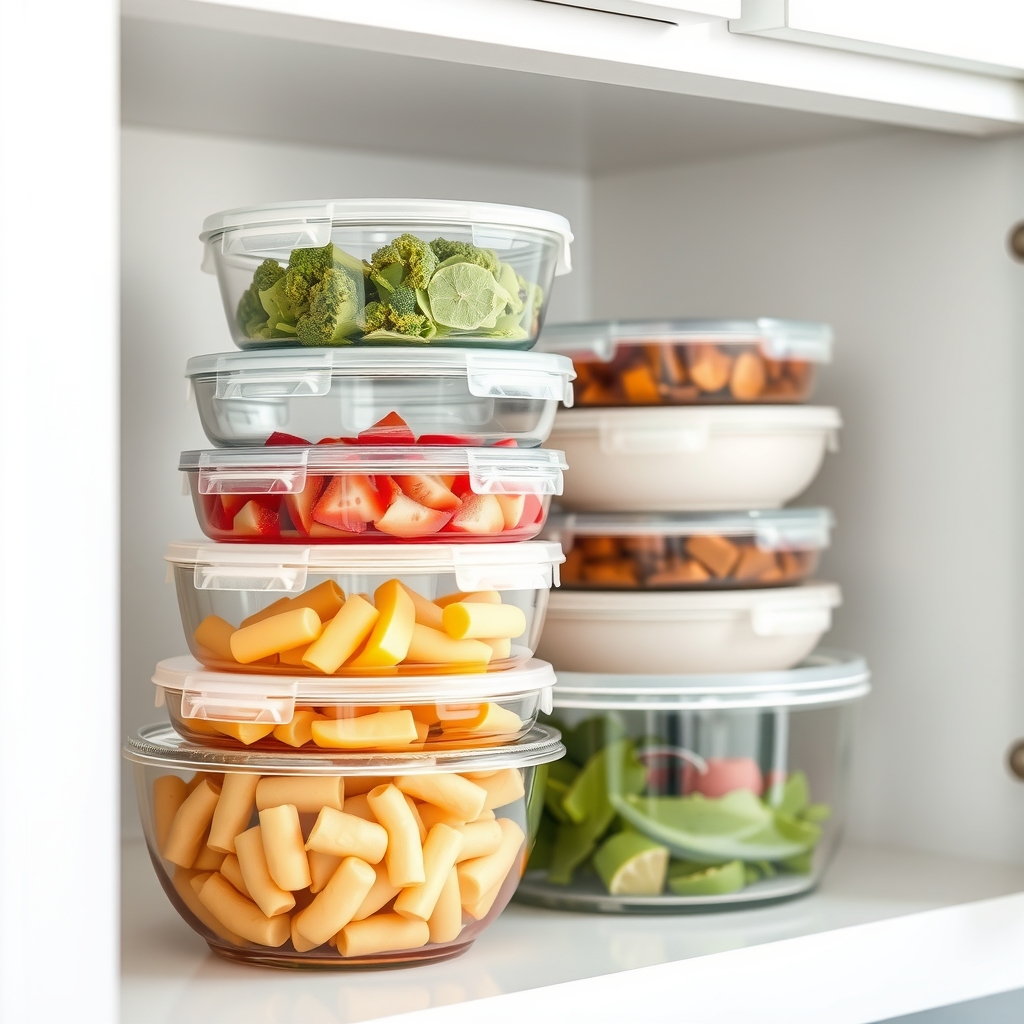
A collection of glass and ceramic food storage containers stacked neatly in a kitchen cabinet, emphasizing safe alternatives for microwaving.
Investing in glass or ceramic containers offers a safer alternative to plastic for food storage and heating.

What if I Accidentally Microwaved Plastic While Pregnant?

If you've accidentally microwaved food in a plastic container while pregnant, it's completely understandable to feel a wave of panic. However, take a deep breath. A single, isolated incident of microwaving plastic is unlikely to cause significant harm. Our bodies are designed to process and eliminate many chemicals, and the impact of a one-time exposure is typically much lower than chronic, repeated exposure. Here's what you should do: 1. **Don't consume the food:** If you're concerned, it's best to discard the food that was heated in the plastic container, especially if the plastic showed any signs of melting, warping, or if the food was very hot or oily. 2. **Switch to alternatives:** Use this as a reminder to transition to safer alternatives like glass or ceramic for all future microwaving. 3. **Talk to your doctor:** If you have persistent worries or feel unwell, always reach out to your healthcare provider. They can offer personalized advice and reassurance based on your specific health profile. The key message here is not to dwell on past accidental exposures, but to focus on making safer choices going forward. Pregnancy is a time to be mindful of your environment, but it's also important to avoid excessive anxiety over minor incidents.

Can Microwaving Plastic Affect My Baby's Long-Term Health?

The question of whether microwaving plastic containers can affect your baby's long-term health is a complex one, with ongoing research and evolving understanding. While definitive, direct causal links from specific instances of microwaving plastic to specific long-term health outcomes in humans are difficult to establish due to the myriad of environmental exposures we all face, the scientific community has raised concerns based on what we know about the chemicals involved. The primary concern revolves around endocrine-disrupting chemicals (EDCs) like phthalates and bisphenols (BPA, BPS, BPF). These chemicals can interfere with the body's hormonal systems, which play a critical role in fetal development and continue to influence health throughout life. Exposure during critical windows of development in the womb has been linked in animal studies and some human epidemiological studies to: * **Reproductive health issues:** Such as altered reproductive organ development in males, and potential impacts on fertility later in life. * **Neurodevelopmental effects:** Some studies suggest associations with behavioral problems, learning difficulties, and increased risk of ADHD-like symptoms in children. * **Metabolic and immune system disruption:** Potential links to increased risk of obesity, diabetes, and altered immune function. Organizations like the World Health Organization (WHO) and various environmental health groups advocate for reducing exposure to EDCs, especially for pregnant women and young children, based on the precautionary principle. This means taking action to reduce potential harm even when scientific certainty isn't absolute. While a single exposure is unlikely to have a major impact, cumulative and chronic exposure to these chemicals throughout pregnancy and early childhood is what raises the most significant long-term health concerns. Therefore, reducing your reliance on plastic for heating food is a proactive step towards minimizing your baby's overall chemical burden and supporting their long-term health.

Which Chemicals Leach from Plastic When Microwaved and Affect Pregnancy?

When you microwave plastic containers, certain chemicals can leach from the plastic material into your food, and these chemicals are of particular concern during pregnancy due to their potential to act as endocrine disruptors. The main chemicals implicated include: * **Bisphenol A (BPA):** Historically, BPA was a primary concern in polycarbonate plastics (often recycling code #7). It's an endocrine disruptor that can mimic estrogen, potentially interfering with fetal development, especially brain and reproductive system development. While many plastics are now labeled "BPA-free," replacement bisphenols like BPS and BPF are also raising concerns for similar reasons. * **Phthalates:** These chemicals are used to make plastics more flexible and are found in various food packaging materials. Phthalates are known endocrine disruptors that can interfere with hormone production and signaling. During pregnancy, exposure has been linked to potential adverse effects on male reproductive development (e.g., undescended testes, altered hormone levels) and may affect neurodevelopment. * **Styrene:** This chemical can leach from polystyrene plastics (recycling code #6), often used in disposable cups and takeout containers. Styrene is a suspected carcinogen and neurotoxin. While research on its specific effects during pregnancy is less extensive than for BPA and phthalates, it's generally advised to avoid heating polystyrene. * **Dioxins:** While not a component of plastic, dioxins can be formed and released when certain chlorine-containing plastics, particularly PVC (Polyvinyl Chloride, recycling code #3), are heated to very high temperatures. Dioxins are highly toxic, persistent environmental pollutants that are known carcinogens and severe endocrine disruptors, with potential effects on development, reproduction, and the immune system. While microwaving typically doesn't reach the temperatures required for significant dioxin formation, it underscores the instability of some plastics when heated. The amount of chemical leaching can depend on several factors: the type of plastic, the temperature it reaches, the duration of heating, and the type of food (fatty and acidic foods tend to absorb more leached chemicals). Because these chemicals can cross the placenta and potentially affect fetal development, minimizing exposure by avoiding microwaving in plastic containers is a widely recommended precautionary measure during pregnancy. Understanding the safety of various plastic items during pregnancy can be overwhelming. Here's a quick guide to other common plastic products and their general safety verdict when it comes to chemical exposure during pregnancy.
Item Verdict Note
Plastic water bottles ⚠️ Safe with limits Avoid reusing disposable bottles; opt for stainless steel or glass. Don't leave in hot cars.
Plastic food wraps ⚠️ Safe with limits Avoid direct contact with hot food, especially fatty items. Use wax paper or parchment instead.
Plastic baby bottles ⚠️ Talk to your doctor first BPA-free bottles are standard, but some EDCs may still leach. Glass or silicone bottles are alternatives.
Plastic storage bags ✅ Generally safe Safe for cold storage. Avoid heating food directly in them, especially fatty foods.
Takeout containers (plastic) ❌ Best avoided Often made from #6 (polystyrene) or #7 (mixed plastics); transfer food to glass before reheating.
Plastic utensils ✅ Generally safe Low risk for short, cold contact. Avoid using with very hot foods for extended periods.
Plastic cutting boards ✅ Generally safe Safe for food prep. Ensure they are regularly cleaned and replaced if deeply scratched.

Myth vs. Fact

When it comes to plastics and pregnancy, there's a lot of information circulating, and it's easy to get confused. Let's clear up some common myths. **Myth:** If a plastic container is labeled "microwave-safe," it means no harmful chemicals will leach into my food during pregnancy. **Fact:** The "microwave-safe" label primarily indicates that the plastic won't melt or warp when heated in the microwave. It does *not* guarantee that endocrine-disrupting chemicals (EDCs) like phthalates or bisphenols won't leach into your food. Heating, especially with fatty or acidic foods, can accelerate this leaching, even in "microwave-safe" plastics. For pregnancy, it's best to use non-plastic alternatives for heating. **Myth:** Since I only use BPA-free plastics, I don't need to worry about chemical exposure from microwaving. **Fact:** While "BPA-free" is a step in the right direction, many manufacturers replace BPA with other bisphenols like BPS or BPF. Emerging research suggests these alternatives may also act as endocrine disruptors, potentially posing similar risks to fetal development. Additionally, "BPA-free" plastics can still contain other concerning chemicals, such as phthalates, which are known EDCs. Therefore, a "BPA-free" label alone is not a guarantee of complete safety when heating food during pregnancy. **Myth:** The amount of chemicals that leach from plastic is too small to affect a baby. **Fact:** While the individual amount of chemicals leaching from one instance of microwaving plastic might seem small, the concern lies in cumulative exposure. Pregnant individuals are exposed to various EDCs from many sources (food, personal care products, environment). A developing fetus is highly vulnerable to even low levels of these chemicals because their hormonal systems are extremely sensitive and their detoxification pathways are immature. These "low-dose" exposures, particularly during critical developmental windows, are what raise concerns among experts like ACOG and the Endocrine Society about potential long-term health effects.

Key Takeaways

  • Minimize Microwaving Plastic: It's generally best to avoid microwaving plastic containers during pregnancy, regardless of "microwave-safe" or "BPA-free" labels, to reduce potential chemical exposure.
  • Chemicals of Concern: Be aware that chemicals like bisphenols (BPA, BPS, BPF) and phthalates can leach from heated plastics and are considered endocrine-disrupting chemicals.
  • First Trimester Caution: The first trimester is a critical period for fetal development, making it especially important to minimize exposure to potential endocrine disruptors.
  • Opt for Safer Alternatives: Always transfer food to glass, ceramic, porcelain, or food-grade silicone containers before microwaving.
  • Accidental Exposure: Don't panic if you've accidentally microwaved plastic; focus on making safer choices moving forward.
  • Consult Your Doctor: If you have persistent concerns about chemical exposure, discuss them with your healthcare provider.
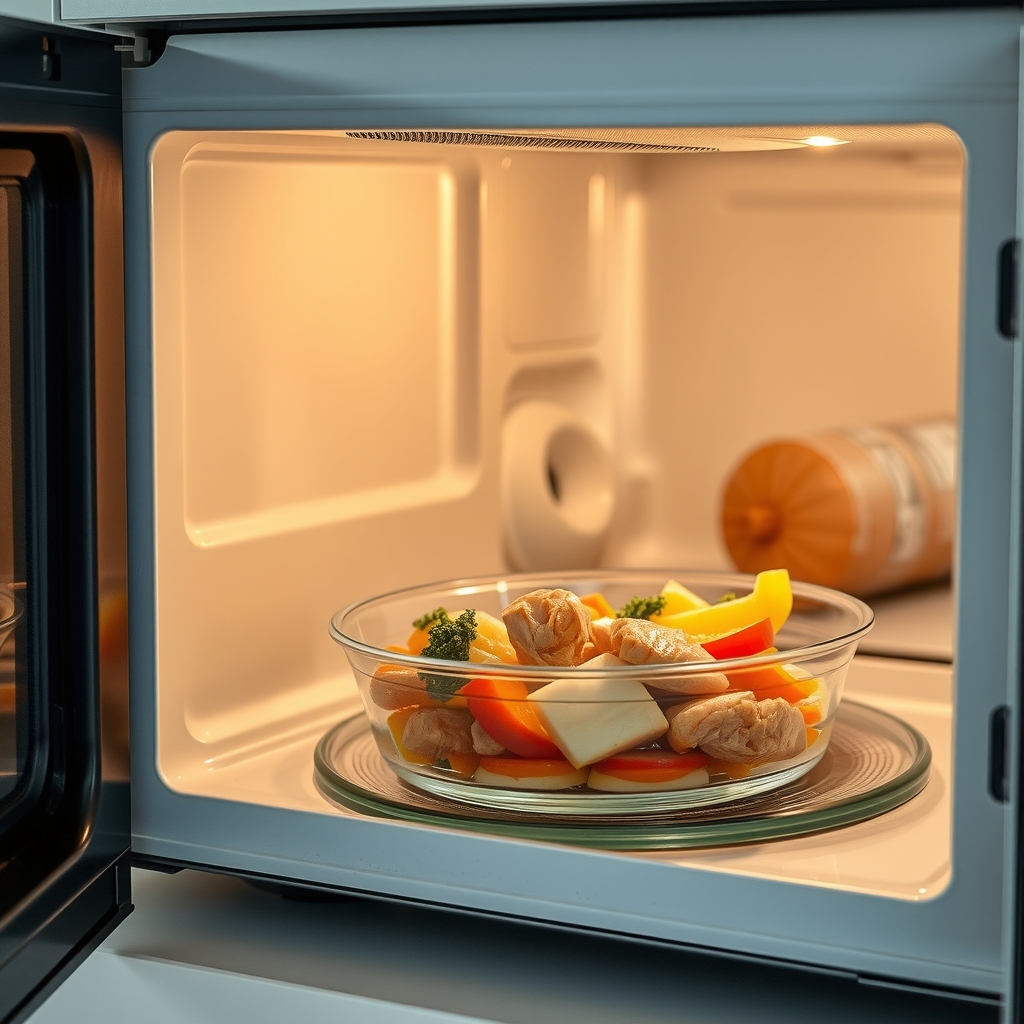
A warm, healthy meal in a clear glass container being carefully removed from a microwave, with steam rising from the food.
Using glass containers for microwaving ensures your food stays free from leached plastic chemicals.

Frequently Asked Questions

Is it safe to heat food in plastic containers during pregnancy?

Generally, it's best to avoid heating food in plastic containers during pregnancy. While some plastics are labeled "microwave-safe," this primarily means they won't melt. Chemicals like bisphenols and phthalates can still leach from the plastic into your food when heated, and these are a concern for fetal development. Opt for glass or ceramic instead.

What plastics are safe to microwave when pregnant?

No plastic is definitively "safe" for microwaving during pregnancy from a chemical leaching perspective. Even "BPA-free" or "microwave-safe" plastics can release other endocrine-disrupting chemicals when heated. The safest approach is to avoid all plastic containers for heating food, irrespective of their labels or recycling codes, and use inert materials like glass or ceramic.

Can microwaving plastic cause birth defects?

While direct causation between microwaving plastic and birth defects in humans is not definitively proven by current research, the chemicals that leach from heated plastics (like bisphenols and phthalates) are endocrine disruptors. These chemicals have been linked in animal studies and some human observational studies to potential impacts on fetal development, including the reproductive system and brain, which could contribute to developmental issues or long-term health concerns.

What happens if you accidentally microwave plastic while pregnant?

If you accidentally microwaved plastic while pregnant, try not to panic. A single, isolated incident is unlikely to cause significant harm. Discard the food that was heated in the plastic, especially if the container showed any signs of melting or warping. Focus on switching to safer alternatives like glass or ceramic for all future microwaving to minimize ongoing exposure.

Are BPA-free containers safe for microwave during pregnancy?

While BPA-free containers eliminate the concern of BPA, they often contain other bisphenols like BPS or BPF, which are also suspected endocrine disruptors. Additionally, other chemicals like phthalates can still be present and leach from these plastics when heated. Therefore, even BPA-free containers are not considered entirely safe for microwaving during pregnancy.

What are the safest containers to microwave food in during pregnancy?

The safest containers to microwave food in during pregnancy are those made from inert materials that do not leach chemicals. These include glass food storage containers, ceramic bowls, porcelain dishes, and food-grade silicone containers. Always ensure there are no metallic glazes or decorations on ceramic/porcelain items, as these can spark in the microwave.

Does plastic leach chemicals when heated in a microwave?

Yes, plastic can leach chemicals when heated in a microwave. The heat from the microwave can cause the molecular bonds in the plastic to weaken, allowing chemicals such as bisphenols (BPA, BPS, BPF) and phthalates to migrate from the plastic into the food. This leaching is often more pronounced with fatty or acidic foods and at higher temperatures.

Is it safe to eat food that was microwaved in plastic?

For pregnant individuals, it's generally recommended to avoid eating food that has been microwaved in plastic containers. The concern is the potential transfer of endocrine-disrupting chemicals from the plastic into your meal, which could pose risks to fetal development. It's a precautionary measure to minimize exposure to these substances during pregnancy.

When to Call Your Doctor

While microwaving plastic containers is a concern for long-term health and fetal development, it's unlikely to cause acute, immediate symptoms that would require an emergency call to your doctor. However, if you have any persistent worries about chemical exposure during your pregnancy, or if you experience any unusual symptoms that you attribute to such exposure, it's always best to reach out to your healthcare provider. They can offer personalized advice, discuss your specific concerns, and provide reassurance or further guidance as needed. Remember, this article provides general information and is not a substitute for professional medical advice. Always consult with your doctor or a qualified healthcare provider for any health concerns or before making any decisions related to your health or pregnancy.

References

  1. American College of Obstetricians and Gynecologists (ACOG). (2020). Exposure to Toxic Environmental Agents. Committee Opinion No. 832.
  2. U.S. Food and Drug Administration (FDA). (2023). Bisphenol A (BPA): Use in Food Contact Application.
  3. National Health Service (NHS) UK. (2022). Eating safely in pregnancy.
  4. American Academy of Pediatrics (AAP). (2018). Food Additives and Child Health. Policy Statement.
  5. The Endocrine Society. (2015). Executive Summary: Endocrine-Disrupting Chemicals: An Endocrine Society Scientific Statement.
  6. World Health Organization (WHO) & United Nations Environment Programme (UNEP). (2012). State of the Science of Endocrine Disrupting Chemicals – 2012.

Editor's pick for this topic

Not sure about the label on Is Microwave Plastic Containers Safe During Pregnancy products?

Snap the ingredients list and SafeFilter checks every ingredient for your stage — only 3 free scans this month, then you're locked until reset. Unlimited from $7/mo or $50/yr.

Informational only — not medical advice.

Shubhra Mishra

About the Author

When Shubhra Mishra was expecting her first child in 2016, she was overwhelmed by conflicting food advice — one site said yes, another said never. By the time her second baby arrived in 2019, she realized millions of mothers face the same confusion.

That sparked a five-year journey through clinical nutrition papers, cultural diets, and expert conversations — all leading to BumpBites: a calm, compassionate space where science meets everyday motherhood.

Her long-term vision is to build a global community ensuring safe, supported, and free deliveriesfor every mother — because no woman should face pregnancy alone or uninformed. 🌿

🌍 Stand with mothers, shape safer guidance

Join a small circle of experts who review BumpBites articles so expecting parents everywhere can decide with confidence.

⚠️ Always consult your doctor for medical advice. This content is informational only.

Recommended picks

Ritual Ritual Essential Prenatal

Prenatal pick

RitualRitual Essential Prenatal

Choline + DHA + folate from methylfolate (not synthetic).

$39Check prenatal →
Nordic Naturals Nordic Naturals Prenatal DHA (Strawberry Softgels)

Prenatal pick

Nordic NaturalsNordic Naturals Prenatal DHA (Strawberry Softgels)

Premium fish-oil DHA in strawberry softgels — gentle on the stomach.

$55Check prenatal →