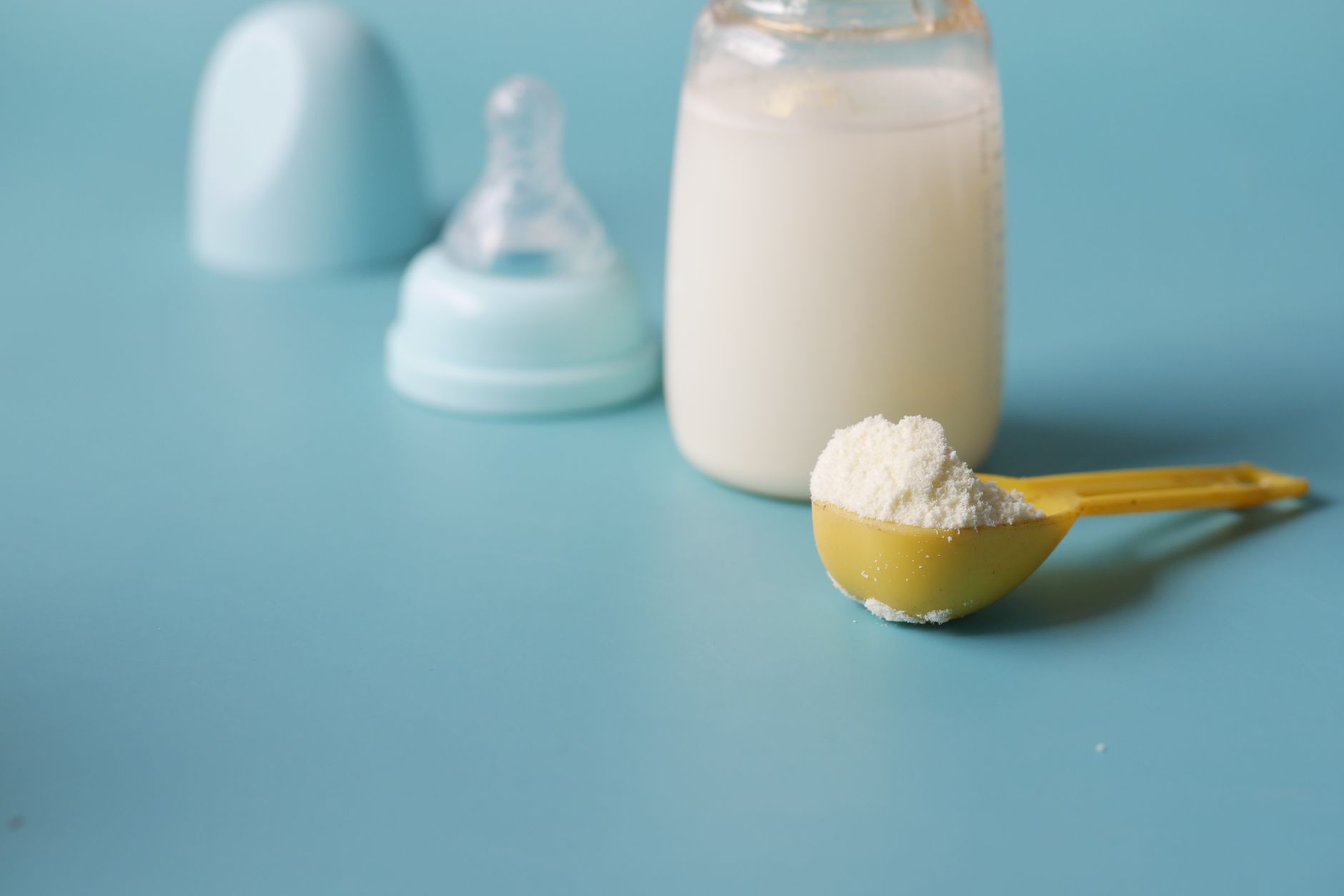
Mixing formula correctly ensures your baby gets the right nutrition. Use the right water‑to‑powder ratio, stir until smooth, and follow the package instructions for safe preparation.
By Shubhra Mishra — a mom of two who turned her own confusion during pregnancy into BumpBites, a global mission to make food choices clear, safe, and stress-free for every expecting mother. 💛
Check whether any food is safe during pregnancy with the BumpBites Food Safety Checker.
Quick take: To mix formula safely, use clean, boiled (or appropriately filtered) water cooled to about 70 °C (158 °F), add the exact amount of powder the package specifies (usually one scoop per 2 oz of water), stir until smooth, and use it within two hours at room temperature or store it refrigerated for up to 24 hours. Follow these steps each time, and always check the bottle for any signs of spoilage before feeding.
It’s 3 a.m., you’re half‑asleep, and the baby’s soft whimper tells you it’s time for a bottle. You grab the formula, but a swirl of doubt creeps in: “Did I get the water temperature right? Did I add enough powder?” You’re not alone. Many new parents wonder exactly how to mix formula so it’s both safe and comfortable for their little one.
In this guide we walk you through every step— from choosing the right water, measuring powder, and avoiding common pitfalls, to storing prepared bottles safely and handling formula while traveling. By the end you’ll have a clear, step‑by‑step routine you can trust, plus quick answers to the most‑asked questions.
Whether you’re using a classic powdered formula, a ready‑to‑mix concentrate, or even blending a little breast milk for extra comfort, the core principles stay the same. Let’s get started.
Gather your clean bottle, measured scoop, and safe water before you start.
What is the correct water temperature for mixing baby formula?
The safest temperature to kill any potential bacteria in powdered formula is around 70 °C (158 °F). This is hot enough to neutralize most pathogens while still being cool enough to protect the delicate nutrients in the formula.
Reaching this temperature consistently also protects against the heat‑sensitive vitamin C and some B‑vitamins that can degrade at higher temperatures. If you’re using a kitchen thermometer, you’ll see the reading settle just below the boiling point, which is the sweet spot recommended by the American Academy of Pediatrics (AAP) and the World Health Organization (WHO). For families who lack a thermometer, the “30‑second cool” method works well and aligns with CDC guidance.
Why 70 °C?
Powdered formula isn’t sterile. The U.S. Centers for Disease Control and Prevention (CDC) recommends heating water to a rolling boil, then letting it cool for about 30 seconds before use, which typically lands in the 70–80 °C range. This temperature is endorsed by the World Health Organization (WHO) and the American Academy of Pediatrics (AAP) for reducing the risk of Cronobacter sakazakii infection.
How to gauge the temperature without a thermometer
Boil water, then let it sit for 30 seconds. The surface should feel hot but not scalding.
If you have a kitchen thermometer, aim for 70 °C (158 °F).
Never use water that’s still boiling (100 °C) as it can degrade vitamins.
What kind of water is safe for baby formula?
Tap water is fine in most U.S. and U.K. municipalities because it meets safety standards set by the EPA and the Drinking Water Inspectorate. However, if you have concerns about chlorine taste, heavy metals, or local advisories, use filtered or bottled water that is labeled “safe for infants.” The CDC advises that water with a fluoride level above 0.7 mg/L may need to be diluted for infants under six months.
When traveling abroad, always check the local water authority’s report. In many countries, municipal water may contain higher levels of nitrate or other minerals that can be harmful to newborns; in those cases, bottled or boiled water remains the safest choice.
How much formula powder per ounce of water for infants?
Most standard powdered formulas follow a 1‑scoop per 2 oz (60 ml) of water guideline. This ratio provides the intended calorie density and nutrient balance. Always double‑check the manufacturer’s label, as some specialty formulas (e.g., for preterm infants) may recommend a different scoop size.
Getting the ratio right is more than a math exercise—it directly impacts your baby’s kidney load and electrolyte balance. Over‑concentrated formula can lead to dehydration, while under‑concentrated mixes may not meet growth needs, especially during rapid growth spurts.
Step‑by‑step measurement
Measure the exact amount of water you need (e.g., 4 oz for a 2‑scoop bottle).
Level the scoop with the flat edge of a clean knife—no heaping.
Add the powder to the water, not the other way around, to avoid clumping.
Stir gently with the bottle’s nipple or a clean mixing wand until the powder disappears.
Formula mixing pitcher vs. hand mixing
Some parents prefer a small mixing pitcher with a built‑in whisk. Pitchers can help achieve a smoother consistency, especially for larger batches, but the extra equipment adds a cleaning step. Hand mixing directly in the bottle is faster and reduces the number of items that need sterilizing. Choose the method that fits your routine; both are safe when the temperature and ratio are correct.
Best way to mix formula without clumps
Adding powder to warm water and stirring immediately prevents clumps. If you notice lumps, let the bottle sit for a few seconds, then give it a gentle shake. Avoid shaking vigorously for more than a few seconds, as this can create air bubbles that make the baby uncomfortable.
Can you pre‑mix baby formula and store it in the fridge?
Yes, you can prepare a bottle or a larger batch ahead of time and keep it refrigerated for up to 24 hours. The U.S. Food and Drug Administration (FDA) and the CDC both state that once mixed, formula should be stored at ≤4 °C (39 °F) and used within a day.
Refrigerated formula retains its nutritional profile, but some parents report a slight change in taste after a few hours. If your baby seems fussy, a quick warm‑up (no more than 37 °C) can restore the familiar flavor without compromising safety.
How to store safely
Label the bottle with the preparation date and time.
Place it on a shelf—not the door—so the temperature stays consistent.
Never refreeze or reuse a bottle that has been left at room temperature for more than two hours.
Is it OK to pre‑make formula?
Pre‑making formula can be convenient for night feeds, but some parents worry about nutrient loss. Research from the AAP indicates that the nutrient profile remains stable for 24 hours when refrigerated. However, the flavor may change slightly, and some babies prefer fresh‑mixed formula. If your baby seems fussy, try a freshly mixed bottle.
For families who use formula daily, preparing a batch the night before can free up morning time. Just be sure to keep the bottles tightly sealed and avoid cross‑contamination by using a clean spoon each time you scoop.
What are common formula mixing mistakes to avoid?
Even seasoned parents can slip up. Below are the most frequent errors and how to sidestep them.
Using the wrong water temperature
Cold water doesn’t kill bacteria; boiling water can degrade vitamins. Stick to the 70 °C guideline.
Incorrect powder‑to‑water ratio
Adding too much powder makes the formula too concentrated, which can strain a newborn’s kidneys. Too little powder reduces calories and essential nutrients.
Reusing leftover formula
Never add fresh powder to a bottle that’s already been partially consumed. Bacteria can multiply quickly once the bottle has been opened.
Skipping sterilization
Even with clean tap water, germs can linger on bottles, nipples, and mixing utensils. Sterilizing each time you prepare a bottle eliminates this risk.
Storing at the wrong temperature
Room temperature storage beyond two hours invites bacterial growth. Refrigerate promptly if you’re not feeding within that window.
Another subtle mistake is using a “scooping” method that varies from the manufacturer’s recommendation—some families use “pinch” or “heap” measurements, which can lead to inconsistent nutrition. A level scoop is the gold standard because it’s the measurement the formula’s testing was based on.
How to sterilize bottles and formula‑mixing equipment?
Sterilization is a simple, essential step that protects your baby from harmful microbes. The CDC recommends one of three methods: boiling, steam‑sterilizing, or using a chemical sterilizer.
Boiling method
Place bottles, nipples, caps, and any mixing tools in a large pot.
Cover with water and bring to a rolling boil for at least 5 minutes.
Remove with clean tongs and let air‑dry on a clean surface.
Steam‑sterilizer
Electric steam sterilizers are convenient and work in 5–8 minutes. Follow the manufacturer’s instructions and always ensure the lid is tightly sealed.
Chemical sterilizer tablets
For travel or when electricity isn’t available, tablets dissolved in cold water create a germ‑free solution. Submerge the equipment for the recommended time (usually 30 seconds) and let air‑dry.
Daily routine tip
Even if you sterilize after each use, a nightly sterilization cycle ensures any lingering spores are eliminated, especially during the first month when infants are most vulnerable.
When using a dishwasher with a “sanitize” cycle, make sure the water temperature reaches at least 70 °C, as lower temperatures may not achieve full sterilization. The NHS recommends a final hot‑water rinse for added safety.
How long is mixed formula good for at room temperature?
Mixed formula should be used within two hours at room temperature (approximately 20–22 °C or 68–72 °F). This guideline follows CDC and AAP recommendations and helps prevent bacterial growth, especially of Cronobacter species.
In warmer climates where ambient temperatures can exceed 30 °C (86 °F), the two‑hour window may shrink even further. If you’re unsure, err on the side of caution and discard any formula that has sat out for more than 60 minutes in hot environments.
What to do if it sits longer
If a bottle has been left out for more than two hours, discard it even if it still looks and smells fine. The risk of contamination isn’t visible.
Signs of spoilage
Foul or sour odor
Discoloration or curdling
Unusual texture (excessive clumping)
Special cases
Some ready‑to‑mix concentrates claim a longer “use‑within” window. Always defer to the specific product’s label, but when in doubt, the two‑hour rule is safest.
When using formula for infants with medical conditions—such as those on a low‑sodium diet—consult your pediatrician about any adjustments to storage times, as the risk‑benefit balance may differ.
Do you need to boil water for baby formula preparation?
Boiling water is the most reliable way to ensure safety, especially in areas where water quality is uncertain. The CDC’s “Safe Formula Preparation” guide advises boiling water, then cooling it for 30 seconds before mixing.
Boiling also removes any potential pathogens that could be present in tap water, such as Legionella or Giardia, which are not typically screened for in municipal water supplies but can appear in rare outbreaks.
When boiling isn’t necessary
If you live in a region with consistently low microbial risk—verified by local water authority reports—you may use filtered water that meets the FDA’s “safe for infants” criteria without boiling. However, many pediatricians still recommend boiling as a precaution.
Alternative safe water sources
Commercially bottled water labeled “infant formula”
Filtered water from a certified reverse‑osmosis system
Tap water that passes local health department testing
CDC guidelines for formula preparation
The CDC’s 2023 update emphasizes three steps: (1) wash hands, (2) boil water and cool, (3) mix formula using the correct ratio, and (4) store or use within two hours. Following this checklist each time builds a habit that reduces risk.
In the United Kingdom, the NHS mirrors these steps but adds a recommendation to use “freshly boiled water” for infants under three months, especially if the water supply is not fluoridated.
How to mix formula on the go when traveling?
Traveling with a newborn adds a layer of logistics, but a few simple tools keep you confident.
Portable mixing tips
Carry a small insulated bottle of pre‑boiled water that has cooled to 70 °C. A travel thermos works well.
Use a disposable, single‑use mixing packet or a pre‑measured scoop to avoid guesswork.
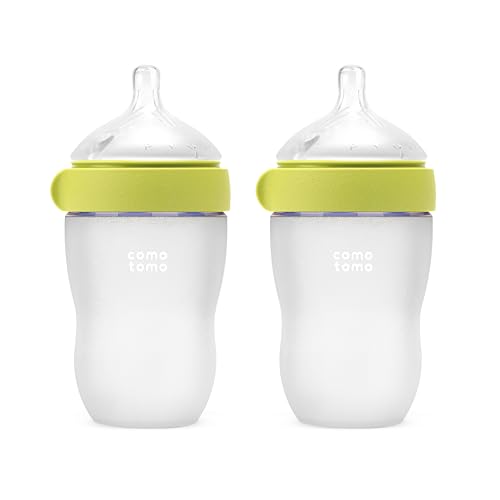
Bring a clean, travel‑size bottle with a silicone nipple that can be sterilized in hot water on the go.
Formula mixing pitcher vs. hand mixing while traveling
A compact mixing pitcher with a built‑in whisk can be handy in a hotel bathroom where space is limited. However, many parents find the “hand‑mix‑directly‑in‑bottle” method faster because it eliminates an extra container that needs cleaning.
Best way to warm formula safely for baby
Place the bottle in a bowl of warm (not hot) water for about 5 minutes, or use a bottle warmer that gently brings the temperature to 37 °C (98.6 °F). Always test the milk on the inside of your wrist before feeding.
Travel checklist
Pre‑boiled water in a thermos
Measured scoops or pre‑filled packets
Clean bottles and nipples, sterilized the night before
A small cooler bag for any prepared bottles
Hand sanitizer and a clean surface for mixing
Scenario
Recommended Water Type
Temperature (°C)
Storage Time
Home, first month
Boiled tap water, cooled 30 sec
70 °C (158 °F)
2 hrs at room temp / 24 hrs refrigerated
Travel, hotel bathroom
Pre‑boiled water in thermos
70 °C (158 °F)
Use within 2 hrs; refrigerate if possible
Low‑risk municipal water
Filtered water (no boil)
Room temp (20‑22 °C)
2 hrs at room temp / 24 hrs refrigerated
Choosing the right formula for your baby
Not all formulas are created equal, and picking the one that matches your baby’s needs can feel overwhelming. The AAP and NHS both advise parents to start with a standard cow‑milk‑based formula unless a medical condition necessitates an alternative.
Common categories include:
Cow’s milk‑based formula: The most widely used; provides a balanced mix of protein, fat, and carbohydrates.
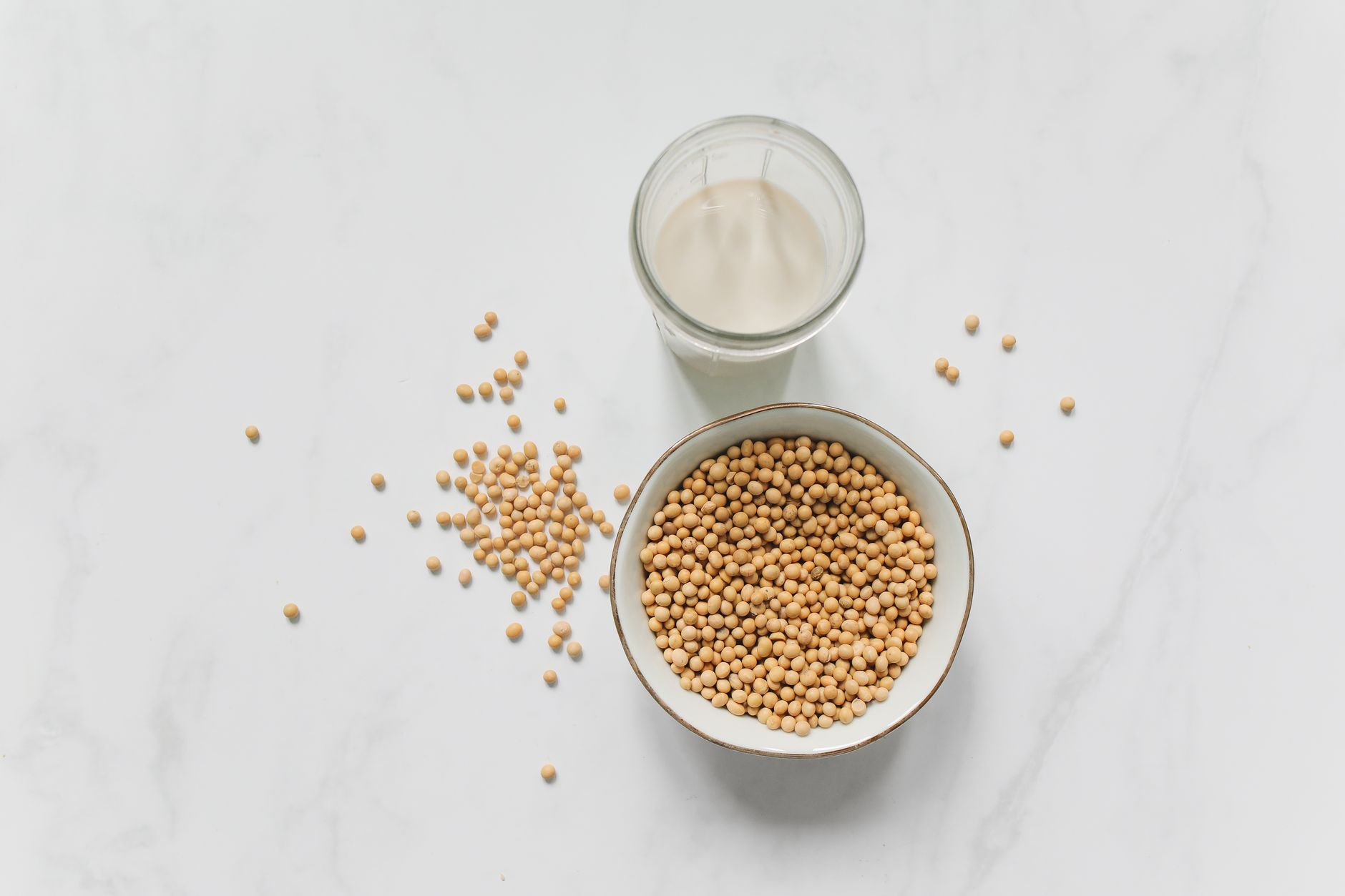
Soy‑based formula: Suitable for lactose intolerance or parental preference, but may not be appropriate for babies with soy allergies.
Hypoallergenic (HA) formula: Designed for infants with protein sensitivities; contains extensively hydrolyzed proteins.
Specialized formulas: Such as those for preterm infants, metabolic disorders, or reflux; always prescribed by a pediatrician.
If you suspect your baby has a formula intolerance—frequent spit‑up, rash, or unusual fussiness—talk to your pediatrician before switching. They may recommend a trial of a different protein source or a HA formula, which has been shown in studies cited by the ACOG to reduce allergic reactions in high‑risk infants.
Understanding the main types of formula helps you choose the best fit for your baby.
Adjusting formula during growth spurts
Babies often go through rapid growth phases at 2‑3 weeks, 6‑8 weeks, and 3‑4 months. During these times, they may seem hungrier, and a slight increase in formula volume can support their needs without over‑concentrating the mix.
Instead of adding more powder, which could strain kidneys, increase the water volume while keeping the same scoop ratio. For example, a 4‑ounce bottle can become a 6‑ounce bottle with the same amount of powder, providing extra calories without changing nutrient density.
The AAP notes that a 10‑15 % increase in daily intake is typical during a growth spurt. If your baby is consistently waking more often or appears unsatisfied after feeds, try offering a slightly larger bottle and monitor weight gain. Always discuss significant changes with your pediatrician, especially if your baby was born preterm or has a medical condition.
Understanding the role of vitamins and minerals in formula
Infant formula is fortified to meet the nutritional needs of babies who are not breastfed. Key nutrients include iron, DHA (an omega‑3 fatty acid), vitamin D, and calcium. The FDA requires that all infant formulas contain at least 0.5 mg of iron per 100 kcal, which supports healthy brain development.
While the formula provides these nutrients, some babies—especially those with darker skin or limited sun exposure—may still need supplemental vitamin D. The AAP recommends 400 IU of vitamin D daily for all infants, regardless of feeding method. Always check the label; some formulas already contain the recommended amount, and double‑dosing can be harmful.
If you’re using a specialized formula, such as a HA or soy variant, verify that the vitamin and mineral profile matches the standard. Some hypoallergenic formulas have slightly lower iron, so a pediatrician may suggest a separate iron supplement if needed.
How to safely warm refrigerated formula
When you pull a refrigerated bottle from the fridge, warming it gently helps prevent tummy upset and encourages a smoother flow. The safest method is a warm water bath: submerge the bottle (still sealed) in a bowl of warm tap water (≈37 °C) for 5–7 minutes.
Avoid microwaving, as it creates hot spots that can scald a baby’s mouth and can also break down delicate nutrients. If you must use a bottle warmer, follow the manufacturer’s instructions and test the temperature on the inside of your wrist before feeding.
After warming, give the bottle a gentle swirl—don’t shake vigorously—to even out the temperature. Use the bottle within 30 minutes of warming; any leftover should be discarded, as reheating can promote bacterial growth.
Myth vs. fact
Myth: Cold water is fine for mixing formula because it’s gentler on the baby’s stomach. Fact: Cold water doesn’t eliminate potential bacteria. Warm (≈70 °C) water is the safest choice, especially for newborns.
Myth: You can reuse a half‑full bottle by adding fresh powder. Fact: Once a bottle has been opened, bacteria can multiply. Discard any leftover formula and start fresh.
Myth: Formula can sit out for a full day if it’s kept in a cooler bag. Fact: Even in a cooler, the temperature can rise above safe limits after two hours. Use or refrigerate within that window.
Key takeaways
Use boiled water cooled to about 70 °C (158 °F) unless local guidelines say filtered water is safe.
Follow the manufacturer’s scoop‑per‑water ratio—usually 1 scoop per 2 oz of water.
Stir gently in the bottle; avoid shaking vigorously to prevent air bubbles.
Discard any mixed formula left at room temperature for more than two hours.
Refrigerate prepared bottles promptly and use them within 24 hours.
Sterilize bottles, nipples, and mixing tools each time you prepare a feed.
When traveling, bring pre‑boiled water, measured scoops, and a clean bottle for quick, safe mixing.
Choose a formula that matches your baby’s health needs and consult a pediatrician before switching types.
During growth spurts, increase water volume rather than powder to meet higher calorie demands.
Check vitamin D and iron levels; supplement only if recommended by your provider.
Frequently asked questions
How do you properly mix formula?
Start with clean, sterilized equipment, add boiled water cooled to 70 °C, then the exact number of level scoops, stir until smooth, and use within two hours or refrigerate for up to 24 hours.
What are the rules for mixing formula?
Wash your hands, sterilize all equipment, use the correct water temperature, measure powder precisely, stir gently, and follow storage guidelines—two hours at room temperature or 24 hours refrigerated.
Can I mix formula with cold water?
Cold water is not recommended for the first month because it does not kill potential bacteria; use boiled water cooled to about 70 °C unless your health authority confirms your tap water is safe without boiling.
Do you shake or stir formula?
Stir gently with the bottle’s nipple or a clean mixing wand. A brief, gentle shake is fine, but vigorous shaking can create air bubbles that may cause gas or spit‑up.
How long can formula sit out after mixing?
Mixed formula is safe for up to two hours at room temperature. After that, discard it to avoid bacterial growth.
Is it OK to pre‑make formula?
Yes, you can prepare a bottle ahead of time and store it in the refrigerator for up to 24 hours. Never leave pre‑made formula out for more than two hours before feeding.
What should I do if my baby seems fussy after a bottle?
First, check the temperature and smell of the formula. If the bottle is too cold or has an off odor, discard it and prepare a fresh one. If the baby continues to be fussy, consider offering a slightly larger volume (more water, same powder) during a growth spurt, and discuss persistent fussiness with your pediatrician.
Can I use powdered formula for a baby with a milk protein allergy?
Standard cow‑milk‑based powder is not suitable for infants with a confirmed milk protein allergy. In those cases, a hypoallergenic (HA) formula—either extensively hydrolyzed or amino‑acid based—is recommended by the AAP and should be prescribed by your pediatrician.
When to call your doctor
If your baby shows any of the following, call your pediatrician or midwife right away: persistent vomiting, diarrhea, fever above 38 °C (100.4 °F), signs of dehydration (dry mouth, sunken eyes, no wet diapers for 6 hours), or if you suspect the formula was prepared incorrectly.
This article provides general information and is not a substitute for personalized medical advice. Always consult your health care provider with specific concerns.
References
Centers for Disease Control and Prevention (CDC). “Safe Preparation of Infant Formula.” 2023.
American Academy of Pediatrics (AAP). “Infant Feeding Guidelines.” 2022.
World Health Organization (WHO). “Guidelines on Safe Preparation of Infant Formula.” 2021.
Food and Drug Administration (FDA). “Infant Formula – Safety and Labeling.” 2022.
National Health Service (NHS). “How to Prepare Infant Formula.” 2023.
U.S. Environmental Protection Agency (EPA). “Drinking Water Standards.” 2022.
Royal College of Obstetricians and Gynaecologists (RCOG). “Feeding Your Baby.” 2023.
American College of Obstetricians and Gynecologists (ACOG). “Nutrition for Infants.” 2023.
Not sure about the label on How To Mix Formula products?
Snap the ingredients list and SafeFilter checks every ingredient for your stage — only 3 free scans this month, then you're locked until reset. Unlimited from $7/mo or $50/yr.
When Shubhra Mishra was expecting her first child in 2016, she was overwhelmed by conflicting food advice — one site said yes, another said never. By the time her second baby arrived in 2019, she realized millions of mothers face the same confusion.
That sparked a five-year journey through clinical nutrition papers, cultural diets, and expert conversations — all leading to BumpBites: a calm, compassionate space where science meets everyday motherhood.
Her long-term vision is to build a global community ensuring safe, supported, and free deliveriesfor every mother — because no woman should face pregnancy alone or uninformed. 🌿
🌍 Stand with mothers, shape safer guidance
Join a small circle of experts who review BumpBites articles so expecting parents everywhere can decide with confidence.