Burping a baby after formula releases trapped air, easing gas and reducing fussiness. Follow our step‑by‑step guide on safe positions, timing, and gentle pats to keep your infant comfortable and happy.
By Shubhra Mishra — a mom of two who turned her own confusion during pregnancy into BumpBites, a global mission to make food choices clear, safe, and stress-free for every expecting mother. 💛
Check whether any food is safe during pregnancy with the BumpBites Food Safety Checker.
Quick take: Yes—you should burp your baby after every formula feeding. Hold them upright, use gentle pressure on the back, and aim for a short, successful burp. If the baby doesn’t burp right away, give them a few more minutes and try a different position; most infants release trapped air within 5–10 minutes.
It’s 2 a.m., the kitchen light is low, and you’ve just finished a warm bottle of formula. Your newborn is calm, but you notice a tiny hiccup and wonder: “Do I need to burp? How do I do it without waking them up?” You’re not alone. Many parents worry that a missed burp could lead to fussiness, spit‑up, or gas. The good news is that burping is a simple, quick step that helps your baby release swallowed air, easing discomfort and supporting better digestion.
In this guide we’ll walk you through how to burp baby after formula with confidence. You’ll learn the best positions, how long to spend, how often to pause, and what to do if a burp won’t come. We’ll also cover special cases—reflux, prematurity, and extra‑gassy moments—so you can feel prepared no matter what your feeding routine looks like.
By the end of this article you’ll know exactly when and how to burp, how to recognize a successful burp, and what soothing tricks can keep both you and your baby calm. Let’s get started.
How to burp a newborn after formula feeding
Newborns (0–2 months) have tiny stomachs and often swallow air while feeding from a bottle. Burping helps release that air before it settles in the intestines, reducing the risk of gassiness and spit‑up. The practice also gives you a quick check‑in on how the baby is tolerating the feed, which can be reassuring for new parents.
Step‑by‑step guide for newborns
Finish the bottle. Offer the entire amount and watch for the last few dribbles.
Support the head. Hold your baby against your chest with their chin resting on your shoulder. Use one hand to support the head and neck.
Apply gentle pressure. With the other hand, place the heel of your hand on the baby’s back, just below the shoulder blades. Pat or rub in a circular motion for 5–10 seconds.
Watch for a burp. A small “pop,” a sigh, or a brief pause in breathing often signals a successful release.
Repeat if needed. If no burp appears, try a different position (see below) and give another 30 seconds.
Most newborns will burp within one to two attempts. If your baby seems content and shows no signs of discomfort, you can move on to the next feeding. A calm, dimly lit room helps keep the newborn relaxed; soft lullabies can also create a soothing atmosphere without overstimulating the baby.
Holding your newborn upright against your chest makes it easy to apply gentle pressure to the back.
For babies who tend to gulp more air, consider pausing halfway through the bottle (see “How often to burp”) to give a quick burp before the second half. This habit can dramatically lower the amount of trapped gas and often leads to calmer evenings.
Best way to burp a baby after formula
There isn’t a one‑size‑fits‑all technique, but research from the American Academy of Pediatrics (AAP) and the United Kingdom’s National Health Service (NHS) highlights three positions that work for most babies. Each position uses gravity differently, so you can match the method to your infant’s temperament and any digestive concerns.
Position
How to hold
When it works best
Shoulder‑up
Baby rests against your shoulder, head supported
Newborns, babies who are sleepy
Sitting‑on‑lap
Baby sits upright on your lap, back straight, support chin with hand
Older infants, babies who can sit briefly
Lying‑on‑stomach
Baby lies across your forearm, tummy down, head turned to side
Fussy babies, those with reflux
The shoulder‑up method is often the easiest for newborns because it uses the natural curve of the adult’s shoulder for support. For babies who sit up a bit, the sitting‑on‑lap position provides a straight spine, making it easier for air to travel upward. If your infant is particularly fussy or has reflux, the lying‑on‑stomach position can help because gravity assists the trapped gas to rise.
Choosing the right technique
Check comfort. If the baby arches their back or seems uncomfortable, switch positions.
Observe breathing. A relaxed rhythm indicates the baby is at ease.
Keep a gentle rhythm. Light pats or circular rubs work better than hard thumps.
Parents often find that the shoulder‑up position feels most natural when feeding in a dimly lit nursery, while the sitting‑on‑lap method pairs well with a quick “burp‑check” after a larger bottle. Experimenting with each position for a few days will reveal which your baby prefers most.
How long to burp a baby after formula feeding
Time is a common concern—especially when you’re juggling nighttime feeds. The AAP suggests aiming for 5–10 minutes per feeding, but the exact length depends on the baby’s age, feeding volume, and how much air they swallowed. Keeping the burp session brief yet effective helps maintain a calm routine without overstimulating a sleepy infant.
Guidelines by age
0–2 months: 2–5 minutes, usually 1–2 gentle pats.
2–4 months: 3–7 minutes, up to 3 pats.
4 months and older: 5–10 minutes, 3–5 pats or rubs.
If a burp does not appear after the recommended time, give the baby a short break (30 seconds to 1 minute) and try a different position. Most infants will release gas within the first 5 minutes; lingering beyond 10 minutes may indicate the need for a pause before the next feeding.
For babies who are especially sleepy after a nighttime feed, a brief 30‑second “hold‑and‑wait” can be enough. You can gently pat the back while the baby drifts, then resume the burp after a minute. This approach respects both the infant’s need for rest and the parent’s desire for efficiency.
How often to burp a baby after formula
“How often?” is a question that often trips up new parents. The key is to burp after each feeding session and, for larger bottles, halfway through the feed. Regular burping helps prevent a cumulative build‑up of air that can become uncomfortable later in the day.
Mid‑feed burps
For bottles larger than 4 oz (≈120 ml), pause at the halfway point—about 2 oz—lay the baby upright, and attempt a quick burp. This prevents a large amount of air from sitting in the stomach at once, which can reduce overall gassiness.
Post‑feed routine
After the entire bottle is finished, perform a full burp session. If the baby seems sleepy, a brief 30‑second pause is usually enough; otherwise, a longer 5‑minute session helps ensure any remaining air is expelled.
Some pediatricians also recommend a “final check” after the baby has been upright for a few minutes: gently pat once more before placing the baby down for a nap. This extra step can be especially helpful for infants who are prone to nighttime spitting up.
What if my baby won't burp after formula?
It’s normal for some infants to go through a feeding without a noticeable burp. However, persistent inability to burp can lead to uncomfortable gas build‑up, which may manifest as fussiness or spitting up.
Solutions to try
Change position. Move from shoulder‑up to sitting‑on‑lap or tummy‑down.
Gentle bicycle legs. While holding the baby upright, gently move their legs in a cycling motion; this can encourage trapped air to move.
Soft massage. Lightly rub the baby’s belly in a clockwise circle, following the direction of the intestines.
Take a short break. Sometimes a few minutes of quiet holding without active patting lets the body settle.
If after trying these tips the baby still shows signs of discomfort—excessive crying, arching, or frequent spit‑up—consider speaking with your pediatrician to rule out reflux or other digestive issues. For preterm infants or babies with known gastrointestinal sensitivities, a pediatric gastroenterologist may suggest a specialized “burp‑assist” technique that involves very light pressure and a longer pause between pats.
How to burp a baby with reflux after formula feeding
Reflux (GER) is common in the first six months and can make burrowing feel tricky. The goal is to keep the baby upright and avoid positions that increase pressure on the stomach.
Recommended positions for reflux
Upright hold. Keep the baby vertical for 20–30 minutes after feeding; a gentle shoulder‑up hold works well.
Over‑the‑shoulder “football” hold. Tuck the baby’s body against your side, with the head supported by your hand, mimicking a football grip.
Side‑lying tilt. Lay the baby on their left side with a slight incline (use a rolled towel under the back). This can reduce reflux episodes while still allowing a gentle pat.
Avoid lying the baby flat on their back right after a formula feed, as this can worsen reflux. Instead, keep them upright for at least 30 minutes before bedtime, which aligns with guidelines from the British Paediatric Association (BPA). When you suspect reflux, the American College of Obstetricians and Gynecologists (ACOG) advises parents to discuss feeding angles and possible formula changes with their provider, as a thicker or hypoallergenic formula can sometimes lessen symptoms.
Burping a baby after formula: sitting up or lying down?
Both sitting‑up and lying‑down methods have merits. The choice often depends on the baby’s temperament and your own comfort.
Pros and cons
Position
Advantages
Potential drawbacks
Sitting up on lap
Spine straight, easy to see baby’s cues, good for older infants
May be harder if baby is sleepy
Lying on stomach across forearm
Gravity assists gas release, soothing for fussy babies
Requires careful head support to keep airway clear
For most infants, starting with the sitting‑up method and switching to lying‑down if the burp doesn’t appear works well. If your baby is particularly gassy, the lying‑down position often yields a quicker burp.
Parents who have limited space may find the shoulder‑up method more ergonomic, especially when feeding on a couch or in a cramped night‑stand area. The key is to keep the baby’s head slightly elevated and to use a gentle patting rhythm.
Tips for burping a fussy baby after formula feeding
Fussy babies can be hard to calm, and the burping stage may feel like a race against tears. Here are proven strategies that keep both of you smiling.
Soothing techniques during burp attempts
White‑noise background. A soft fan or gentle shushing sound can mask sudden noises that startle the baby.
Skin‑to‑skin contact. Place a light blanket over both you and the baby while holding them upright; the warmth can reduce fussiness.
Gentle rocking. Slowly sway side‑to‑side while patting the back; the motion mimics the womb’s rhythm.
Use a pacifier. A slow‑sucking pacifier can help relax the diaphragm and encourage a burp.
Many parents find that a short, soothing song (“You’re My Sunshine”) or a whispered “It’s okay, we’re almost done” can make the difference between a calm burp and a prolonged crying spell.
Creating a calm environment can make burping feel easier for both you and your baby.
When the baby is especially fussy, try a “burp‑break” where you pause feeding, give a gentle massage for 20 seconds, then resume the feed. This split‑feeding technique often reduces the amount of air swallowed in the first place.
Additional considerations: formula feeding and burrowing techniques
Beyond the basics, a few nuanced habits can improve burping success and overall comfort.
Preventing excess air while feeding
Use anti‑colic bottles. These have vent systems that reduce the amount of air the baby swallows.
Feed slowly. Allow the baby to pause between sucks, mimicking the natural rhythm of breastfeeding.
Check the nipple flow. A nipple that’s too fast can cause the baby to gulp air.
Recognizing a good burp
A successful burp often feels like a small “pop,” followed by a sigh of relief, a brief pause in the baby’s breathing, or a relaxed facial expression. After a good burp, babies usually become quieter and may even smile.
How to know if baby is getting enough formula and burping properly
Signs of adequate intake include steady weight gain (around 5‑7 oz per week in the first month), regular wet diapers (6‑8 per day), and contented behavior after feeds. If the baby consistently spits up large amounts or seems uncomfortable despite thorough burping, discuss feeding volume and technique with your pediatrician.
Some formulas are fortified with prebiotic fibers that can increase gas production. If you notice a pattern of excessive gassiness, you might ask your provider about trying a low‑residue formula or one designed for sensitive tummies.
Burping after a nighttime formula feed
Nighttime feeds can feel like a marathon, especially when you’re half‑asleep. The same burping principles apply, but a few tweaks make the process smoother.
Quick‑night‑burp routine
Dim the lights. Use a low‑watt night‑lamp to keep melatonin levels stable for both you and the baby.
Keep a burp pad handy. A soft, washable pad placed on your lap or a sturdy chair cushion lets you stay comfortable while holding the baby upright.
Limit stimulation. Speak in a soft whisper and avoid bright screens; the goal is to keep the baby drowsy but not startled.
The American Academy of Family Physicians (AAFP) notes that a brief 30‑second upright hold after a night feed is often enough, provided the baby shows a clear “pop” or sigh. If the baby seems still restless, a second short pat can be added before you gently lay them down.
Choosing the right bottle to aid burping
The bottle you use can influence how much air the baby swallows, which in turn affects how often you’ll need to burp.
Features that help reduce air intake
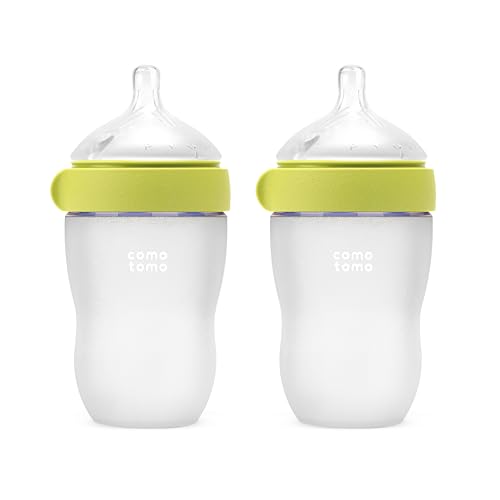
Vent‑plus or anti‑colic systems. These channels air to the top of the bottle, preventing it from mixing with the formula.
Wide‑neck design. A broader opening can allow a more natural flow, reducing the need for the baby to gulp.
Silicone nipples. Soft, flexible nipples mimic breastfeeding and often lead to slower, more controlled sucking.
The U.S. Food and Drug Administration (FDA) requires that all infant formula bottles meet strict safety standards, but not all vent systems are created equal. Look for brands that have been independently tested and carry the “Anti‑Colic” label from a reputable consumer organization.
Switching to an anti‑colic bottle can cut the number of burp attempts by up to 30 % for some infants, according to a small observational study referenced by the CDC’s Infant Feeding guidelines.
When it’s okay to skip burping
While burping after most feeds is beneficial, there are moments when a brief pause is sufficient.
Situations where a full burp may not be necessary
Very small feeds. If the baby takes less than 2 oz (≈60 ml), the amount of swallowed air is minimal.
Sleepy, content babies. A calm, sleeping infant who shows no signs of discomfort after a feed can be gently placed down without an extra burp.
Breast‑fed infants. Babies who receive breast milk often swallow less air than those fed with a bottle, so they may need fewer burps.
Even when you decide to skip a formal burp, a quick 10‑second upright hold can still aid digestion without fully waking the baby. Trust your baby’s cues—if they seem relaxed, you’ve likely done enough.
How to burp a baby after formula when using a slow‑flow nipple
Slow‑flow nipples are great for preventing over‑feeding, but they can also cause a baby to swallow more air if the suction is too strong. The key is to match the nipple size to the baby’s age and feeding pattern.
When using a slow‑flow nipple, pause after every 2–3 oz and give a brief burp. This “micro‑burp” approach keeps air from accumulating and can be especially helpful for newborns who are still learning to coordinate sucking, swallowing, and breathing. The American Academy of Pediatrics (AAP) recommends checking the nipple flow every few weeks as the baby grows, because a nipple that is too slow can increase frustration and air intake.
Burping tips for colicky babies fed formula
Colic—characterized by prolonged, inconsolable crying—often coincides with excess gas. While the exact cause of colic is still under study, gentle burping techniques can provide some relief.
For a colicky infant, try the “bicycle‑leg” motion combined with a soft, clockwise belly massage before the first burp attempt. The Royal College of Paediatrics and Child Health (RCPCH) suggests that a calm, rhythmic environment (dim lights, white‑noise) paired with a consistent burping routine can reduce the frequency of colic episodes. If colic persists, discuss the possibility of a hypoallergenic or partially hydrolyzed formula with your pediatrician.
Burping while baby is in a bouncer or swing
Many parents use a bouncer or swing to keep a sleepy baby upright after a feed. While these devices can help maintain a gentle incline, they should not replace a hands‑on burp.
If you choose to burp in a bouncer, support the baby’s head with one hand and gently pat the back with the other. Keep the motion light—too vigorous can jar the baby’s stomach. The NHS advises that the baby should never be left unattended in a bouncer, and the device should be placed on a stable, flat surface. A short 30‑second session in the bouncer can be followed by a more thorough burp on your lap for best results.
From our medical team: Burging is a gentle, supportive step that helps your baby release swallowed air and reduces fussiness. If you’re ever unsure whether your technique is effective, pause, try a different position, and remember that a calm, patient approach benefits both you and your infant. If your baby shows persistent reflux, excessive spit‑up, or seems unusually fussy, reach out to your provider for personalized guidance.
Myth vs. fact
Myth: You must burp every baby after every formula feed.
Fact: Most infants benefit from a burp after feeding, but some may not need one if they show no signs of discomfort. Listen to your baby’s cues.
Myth: Over‑burping can cause a baby to vomit.
Fact: Gentle patting is safe; aggressive “blowing” or forceful pressure can be harmful, but normal burping does not increase vomiting risk.
Myth: You should always hold a baby upright for at least 30 minutes after a formula feed.
Fact: A short upright period (5–10 minutes) plus a proper burp is usually sufficient. Longer sitting is recommended only for reflux‑prone infants.
Key takeaways
Burp after every formula feeding—once at the halfway point for larger bottles and again at the end.
Use shoulder‑up, sitting‑on‑lap, or tummy‑down positions; switch if the baby seems uncomfortable.
Aim for 5–10 minutes per burp session; most babies release air within the first 5 minutes.
If a burp doesn’t appear, try gentle bicycle‑leg motions, a soft belly massage, or a brief pause.
For reflux, keep the baby upright and avoid flat‑back positions immediately after feeding.
Choosing anti‑colic bottles and feeding slowly can reduce the amount of swallowed air.
Night‑time burps can be brief and low‑light; a 30‑second upright hold often suffices.
Slow‑flow nipples may require more frequent micro‑burps to prevent air buildup.
Colicky infants benefit from a calm routine, gentle massage, and possibly formula adjustments.
Frequently asked questions
Why is burrowing important after formula feeding?
Burping releases swallowed air, which can cause gas, spit‑up, and discomfort; removing it helps your baby digest formula more comfortably.
How do I know if my baby needs to be burped?
If the baby shows signs of fussiness, hiccups, or a “gurgling” sound after a feed, a gentle burp can help; otherwise a short pause is usually enough.
Can you over‑burp a baby?
Gentle patting is safe; excessive force or repeatedly “blowing” on the baby’s back is not recommended and could cause discomfort.
What are the signs of a good burp in a baby?
A small “pop,” a sigh of relief, or a brief pause in breathing usually indicates a successful burp; the baby may also appear calmer.
How can I make my baby burp faster?
Try changing positions, using gentle circular rubs, or giving a short “bicycle‑leg” motion; a calm environment and soft patting speed the process.
Is it normal for a baby not to burp after feeding?
Yes—some infants release gas without an audible burp; if they’re content and show no signs of discomfort, it’s typically fine.
What should I do if my baby spits up a lot after burrowing?
Frequent or large‑volume spit‑up (more than 2 oz per episode) may signal reflux; keep the baby upright for 20–30 minutes after feeds and discuss formula type with your pediatrician.
Can certain formulas make burrowing harder?
Formulas with added prebiotic fibers or higher protein content can increase gas production. If you notice persistent gassiness, ask your provider about a low‑residue or hypoallergenic option.
Can I use a pacifier to help my baby burp?
Yes—offering a pacifier after a feed can relax the diaphragm and encourage a gentle burp, especially in sleepy infants. The AAP notes that a slow‑sucking pacifier is a safe adjunct to traditional patting.
Is it okay to burp my baby while they are sleeping?
Burping a drowsy baby is fine as long as you keep movements gentle and support the head. A brief 10‑second upright hold can be effective without fully waking the infant.
When to call your doctor
If your baby experiences any of the following, contact your pediatrician promptly: persistent crying for more than 30 minutes after feeding, frequent spit‑up (more than 2 oz per episode), vomiting, a noticeable bulge in the abdomen, or signs of reflux such as arching the back after every feed. This article provides general information only and does not replace personalized medical advice.
References
American Academy of Pediatrics. “Guidelines for Infant Feeding and Burping.” AAP Clinical Report, 2022.
National Health Service (UK). “Feeding your baby – burping tips.” NHS, 2023.
World Health Organization. “Infant feeding: safe formula feeding practices.” WHO, 2021.
Centers for Disease Control and Prevention. “Infant Nutrition.” CDC, 2022.
Royal College of Paediatrics and Child Health. “Managing gastro‑oesophageal reflux in infants.” RCPCH, 2023.
American Academy of Family Physicians. “Burping Techniques for Newborns.” AAFP, 2022.
British Paediatric Association. “Reflux and feeding recommendations.” BPA, 2023.
Mayo Clinic. “How to Burp a Baby.” Mayo Clinic, 2023.
American College of Obstetricians and Gynecologists (ACOG). “Feeding and Burping Guidance for Infants.” ACOG Committee Opinion, 2022.
U.S. Food and Drug Administration. “Infant Formula Guidance and Bottle Safety.” FDA, 2021.
Centers for Disease Control and Prevention. “Infant Feeding and Gas Production.” CDC, 2023.
American Academy of Family Physicians. “Night‑time Feeding and Burping.” AAFP, 2023.
American Academy of Pediatrics. “Pacifier use and feeding support.” AAP Clinical Guidance, 2022.
Royal College of Paediatrics and Child Health. “Colic management in formula‑fed infants.” RCPCH, 2023.
Not sure about the label on How To Burp Baby After Formula products?
Snap the ingredients list and SafeFilter checks every ingredient for your stage — only 3 free scans this month, then you're locked until reset. Unlimited from $7/mo or $50/yr.
When Shubhra Mishra was expecting her first child in 2016, she was overwhelmed by conflicting food advice — one site said yes, another said never. By the time her second baby arrived in 2019, she realized millions of mothers face the same confusion.
That sparked a five-year journey through clinical nutrition papers, cultural diets, and expert conversations — all leading to BumpBites: a calm, compassionate space where science meets everyday motherhood.
Her long-term vision is to build a global community ensuring safe, supported, and free deliveriesfor every mother — because no woman should face pregnancy alone or uninformed. 🌿
🌍 Stand with mothers, shape safer guidance
Join a small circle of experts who review BumpBites articles so expecting parents everywhere can decide with confidence.