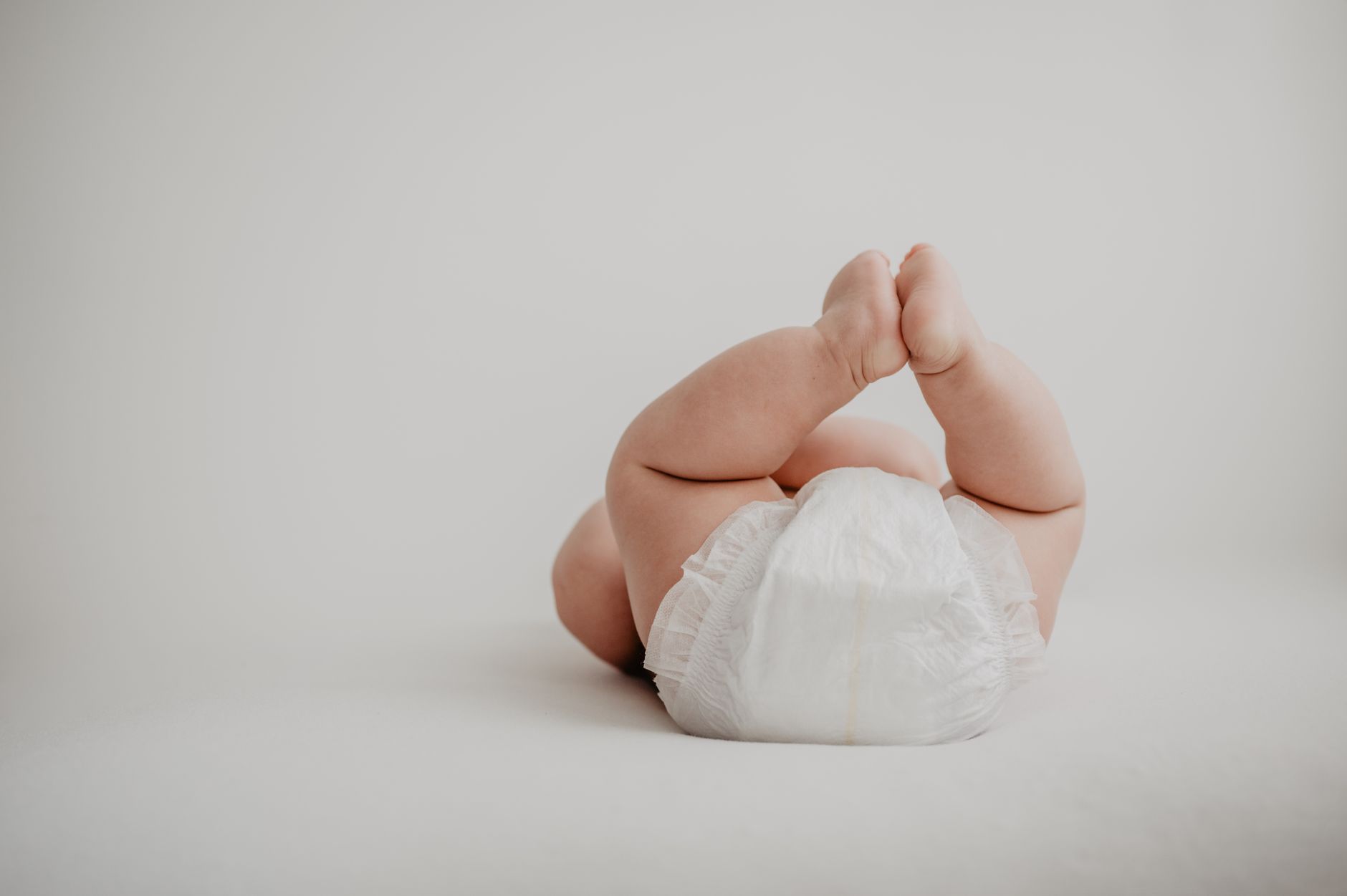
Wondering how often your baby should poop by age? Learn what’s normal for newborns, infants, and toddlers, plus signs of constipation or diarrhea.
By Shubhra Mishra — a mom of two who turned her own confusion during pregnancy into BumpBites, a global mission to make food choices clear, safe, and stress-free for every expecting mother. 💛
Check whether any food is safe during pregnancy with the BumpBites Food Safety Checker.
Quick take: Most babies poop anywhere from several times a day to once every few days, and that range is normal. In the first weeks you’ll likely see multiple stools after each feeding, while by 3‑6 months many infants settle into a pattern of one to three bowel movements a day. Pay attention to your baby’s comfort, stool consistency, and any red‑flag symptoms—those are the real clues that tell you if the frequency is healthy.
It’s 2 a.m., you’ve just changed a diaper and the little brown smudge makes you wonder: “Is it okay that my baby hasn’t pooped since yesterday?” You’re not alone. New parents constantly scan their baby’s diaper changes for signs that everything is on track, and the frequency of bowel movements is a surprisingly common source of anxiety.
🔢 Calculate it for your situation: Use our Baby Constipation for a personalized result in seconds.
Below, we break down exactly how often a baby typically poops at each stage, what factors can shift that rhythm, and when a change might signal a problem. We’ll also give you practical tips for supporting a smooth, regular bowel routine—so you can spend less time worrying and more time enjoying those snuggly moments.
Whether you’re feeding breast milk, formula, or have just introduced purees, the answer to “how often should my baby poop by age” follows a predictable pattern, but it also varies from child to child. Read on to learn the normal ranges, the signs that merit a call to your provider, and how to keep things moving along nicely.
What’s a normal poop schedule for a baby?
Babies have tiny, developing digestive systems, so their stool patterns look very different from adults. In the early weeks, a newborn’s colon is still learning to absorb water, and the stool can be loose, frequent, and sometimes almost liquid. As the gut matures, the frequency usually drops, and the stool becomes firmer.
Here’s a quick snapshot of what most pediatric experts, including the American Academy of Pediatrics (AAP) and the UK’s National Health Service (NHS), describe as typical:
Age
Typical stool frequency (breastfed)
Typical stool frequency (formula‑fed)
0–2 weeks
After each feeding (often 4–8 times/day)
3–6 times/day
2 weeks–1 month
2–6 times/day
1–4 times/day
1–3 months
1–4 times/day
1–3 times/day
3–6 months (still milk‑only)
1–3 times/day
1–2 times/day
6 months+ (solids introduced)
1–2 times/day
1–2 times/day
These numbers are ranges, not strict rules. Some babies may poop once every 24 hours, while others may have a bowel movement after every bottle. Both can be perfectly healthy as long as the stools are soft enough to pass without strain and your little one seems comfortable.
It’s also worth noting that birth weight, gestational age, and even the infant’s sex can subtly influence stool frequency. The AAP emphasizes that “individual variation is the norm” and that parents should focus on trends rather than a single day’s pattern (AAP, 2022). If you ever feel unsure, a quick check‑in with your pediatrician can provide personalized reassurance.
Beyond the numbers, many parents find it helpful to note the time of day when poops tend to happen. Some babies consistently empty after a warm bath, while others may have a predictable “after‑feeding” window. Tracking these patterns can give you a clearer picture of what’s typical for your child and make any deviation stand out sooner.
Newborn poop frequency (first weeks)
Durin
g the first few days after birth, you’ll notice a dramatic change in stool texture and volume. The initial “meconium” – a thick, tar‑like substance – is usually passed within the first 24 hours. After that, breast‑fed newborns often have multiple watery stools a day, sometimes after each feeding. Formula‑fed infants tend to have slightly fewer, but still frequent, movements.
What’s happening inside? The newborn gut is still learning to separate water from waste. Breast milk contains natural laxatives, such as whey protein and certain fats, that stimulate the colon. Formula, while nutritionally complete, is a bit more solid and can lead to a slightly lower stool frequency.
Most experts agree that a newborn who poops at least once every 24 hours and shows no signs of discomfort is within the normal range. If you see a sudden drop to fewer than one stool per day, or the stool becomes hard, it may be worth checking with your pediatrician.
Watch for signs of dehydration, especially if the baby is feeding less often or has a fever. Dry lips, a sunken fontanelle, or fewer wet diapers (less than six in 24 hours) are red flags that require prompt medical attention (CDC, 2022). In rare cases, an inability to pass meconium can signal conditions like meconium ileus, which often requires early intervention.
Newborns also display subtle cues that can predict stool timing. A relaxed abdomen after a feeding, a gentle sigh, or a brief period of squirming often precedes a bowel movement. Recognizing these cues can help you anticipate changes and avoid unnecessary worry.
Baby poop frequency at 3 months
By three months, many babies’ digestive systems have settled into a rhythm. If you’re still exclusively nursing, you might see anywhere from one to four bowel movements a day. Those who have transitioned to formula often have a slightly lower range, usually one to three stools daily.
Why the shift? The colon has become more efficient at reabsorbing water, and the gut microbiome – the community of helpful bacteria – is maturing. This usually means stools become thicker, a bit more formed, and less frequent. The color may range from yellow‑gold (breastfed) to brown‑green (formula).
It’s also common for some babies to start having longer gaps between stools, especially if they’re gaining weight well and seem content. As long as the stool stays soft (think “banana‑mash” consistency) and your baby isn’t fussy, a drop to once every two days can still be normal.
Growth spurts around the three‑month mark can temporarily alter feeding patterns, which in turn may affect bowel movements. Some parents notice a brief increase in frequency when the baby is hungry more often, followed by a lull once the surge settles (NHS, 2023). This fluctuation is usually harmless.
Another factor to watch at this age is the emergence of the “gelling” stool pattern—where the stool becomes slightly gelatinous after a feeding and then solidifies. This is a normal sign that the digestive tract is coordinating peristalsis and water absorption efficiently.
Baby poop frequency at 6 months
At six months, most infants are either still on milk only or have begun tasting solid foods. This dietary change often triggers a noticeable shift in bowel patterns. You may see one to three movements per day, and the stool can become more varied in color and texture, reflecting the new foods.
Solid foods such as pureed carrots, sweet potatoes, or cereals add fiber, which can increase stool bulk and sometimes cause a temporary increase in frequency. Conversely, some babies may actually poop less often as the solid foods are more easily digested than milk alone.
Key signs that the frequency is healthy at this stage include:
Stool consistency that’s soft but not watery.
No signs of pain or prolonged crying during diaper changes.
Steady weight gain and a happy, alert demeanor.
If you notice a sudden, persistent change—like hard, pellet‑like stools or a sudden drop to no poops for more than three days—consider speaking with your pediatrician. You can also use our Baby Constipation calculator to see if your baby’s pattern falls within typical ranges.
Iron‑fortified cereals, a common first‑solid, can sometimes lead to firmer stools because iron pulls water into the colon. If this happens, pairing the cereal with a fruit puree (like pear or prune) can help balance the texture. Always check with your provider before adding supplements.
As babies become more adept at self‑feeding, you may notice a slight rise in the time between meals and poops. This is often because the oral‑motor activity of chewing stimulates the vagus nerve, which can promote peristalsis a short while after feeding.
Typical soft, yellowish stool of a breastfed baby—look for a smooth, banana‑mash texture.
Factors that influence how often your baby poops
Even within the normal ranges, many variables can shift your baby’s poop schedule. Understanding these can help you interpret any changes without panic.
Feeding method
Breast milk: Contains natural laxatives, leading to more frequent, looser stools.
Formula: Slightly higher in protein and minerals, which can result in firmer, less frequent stools.
Mixed feeding: Babies may alternate between the two patterns, especially during transitions.
Introduction of solids
Fiber‑rich foods (e.g., pureed peas, prunes) can increase stool bulk and frequency, while low‑fiber foods (e.g., rice cereal) may slow things down. The timing of solids—usually around 4‑6 months—often coincides with a noticeable change in bowel habits.
Hydration
Even babies need extra fluids beyond milk once solids start. Offering a few ounces of water (if your pediatrician approves) can help keep stools soft, especially in warmer climates.
Illness or antibiotics
Gastrointestinal infections, fever, or a course of antibiotics can temporarily alter stool patterns. Antibiotics may reduce beneficial gut bacteria, sometimes leading to looser stools or, conversely, constipation.
Individual gut development
Every infant’s gut microbiome matures at its own pace. Some babies naturally have slower transit times, which is not inherently a problem if they’re comfortable and gaining weight.
Probiotic supplements, which contain specific strains of beneficial bacteria, have been shown in some studies to reduce the incidence of infant constipation, but the AAP advises using them only under medical guidance (AAP, 2022). Pre‑biotic fibers added to formula can also promote a healthier microbiome.
Seasonal temperature swings can subtly affect bowel habits, too. Warmer weather often encourages a slightly higher fluid intake, which can soften stools, while cooler months may see a modest dip in frequency.
Signs of normal vs concerning stool patterns
Knowing what’s typical helps you spot red flags. Here’s a quick guide:
Normal: Soft, easy‑to‑wipe stool; no blood; no persistent foul odor; baby appears content.
Potential constipation: Hard, pebble‑like stools; baby cries or strains during diaper change; fewer than one bowel movement every 3–4 days.
Diarrhea: Watery, frequent stools (5+ per day); may be accompanied by a rash or dehydration signs.
Blood or mucus: Any visible blood, bright red or dark, or mucus strands warrant a call to your provider.
Even a single odd stool isn’t usually a cause for alarm, but a pattern that lasts a few days should be discussed with your pediatrician, especially if it’s accompanied by vomiting, fever, or reduced feeding.
Dehydration can manifest as dry mouth, fewer wet diapers, or a sunken fontanelle. If you notice these signs alongside changes in stool frequency, seek medical attention promptly (CDC, 2022).
The odor of a baby’s stool can also be informative. A mildly sweet, milky smell is typical for breastfed infants, while a stronger, “cabbage‑like” scent may indicate a high‑fiber diet or the presence of certain gut bacteria. Sudden, foul odors could signal infection and merit a pediatric review.
How to help your baby develop a healthy bowel routine
While you can’t control exactly when your baby will poop, there are gentle ways to encourage a regular, comfortable pattern.
Massage and movement
Lay your baby on their back, gently rub their belly in a clockwise “I” shape, and then bicycle their legs. This mimics natural peristalsis and can help move gas and stool through the intestines.
Hydration and diet tweaks
For breastfed infants, ensure you’re nursing frequently and staying well‑hydrated yourself—your milk supply influences stool consistency.
For formula‑fed babies, consider a formula with added pre‑biotics (after discussing with your provider) to support gut health.
When solids are introduced, start with high‑fiber purees like peas, prunes, or oatmeal. Offer a small amount of water (2–4 oz) if approved.
Consistent routine
Babies thrive on predictability. Try to keep feeding times, nap schedules, and diaper changes on a regular cadence. Over time, many parents notice that the baby’s bowel movements tend to align with a particular part of the day—often after a feeding or a warm bath.
Warm baths
A soothing warm bath can relax the abdominal muscles, making it easier for your baby to pass stool. A 5‑minute soak after a feeding often does the trick.
Gentle heat application
Placing a warm (not hot) compress on the baby’s belly for a few minutes can further ease muscle tension. Always test the temperature on your wrist first to avoid burns.
When you’re concerned
If you suspect constipation, your pediatrician may recommend a small amount of diluted fruit juice (like prune or pear) or a pediatric‑approved fiber supplement. Never give adult laxatives or over‑the‑counter remedies without medical guidance.
Gentle tummy massage can encourage a smooth bowel movement.
From milk to solids: what changes to expect
Transitioning to solid foods is a milestone that often reshapes poop frequency. Here’s what many families observe:
First weeks of solids: Stools may become more varied in color—orange from carrots, green from peas, or brown from cereals.
Increasing fiber: Foods like peas, lentils, and pears can make stools bulkier and may increase the number of daily movements.
Potential temporary constipation: Some babies react to new proteins (e.g., wheat or dairy) with firmer stools. If this happens, pause the new food and re‑introduce slowly.
Remember, every new food is an opportunity to observe how your baby’s digestive system responds. Keep a simple diary of foods introduced, stool characteristics, and any fussiness. This record can be invaluable for your pediatric visits.
Allergen introduction—such as peanuts or eggs—doesn’t typically affect stool frequency, but some infants may develop mild skin reactions that can cause discomfort and indirectly affect bowel habits. If you notice a pattern, discuss it with your provider.
When you start offering iron‑fortified cereals, watch for darker, firmer stools. Pairing these with a fruit puree that contains natural sorbitol (like prune) can keep the stool soft while still delivering the needed iron.
Preterm and low‑birth‑weight infants: poop patterns may differ
Preterm babies (born before 37 weeks) and those with low birth weight often have immature gastrointestinal tracts. Their colon may absorb more water, leading to less frequent, firmer stools in the first weeks. The AAP notes that “preterm infants may have delayed meconium passage and a higher risk of necrotizing enterocolitis,” so close monitoring is essential (AAP, 2022).
As these infants mature, stool frequency typically aligns with term infants by the time they reach 2–3 months corrected age. Parents should watch for signs of feeding intolerance—such as vomiting, abdominal distension, or a sudden drop in weight—and keep in close contact with the neonatal team.
NICU protocols often include gentle abdominal massage and the use of pre‑biotic fortified formulas to promote gut health early on. These interventions have been shown to reduce the incidence of severe constipation in preterm populations (RCPCH, 2023).
Medications, supplements, and probiotic use
Many common pediatric medications can influence bowel habits. Iron supplements, often given for anemia, are notorious for causing dark, hard stools. Vitamin D drops usually have minimal impact, but excessive dosing can lead to soft stools or mild diarrhea.
Probiotic products containing strains like *Bifidobacterium* or *Lactobacillus* have shown promise in reducing episodes of infant constipation, especially when introduced alongside solid foods (Mayo Clinic, 2023). However, the FDA does not regulate probiotic supplements as strictly as medications, so it’s crucial to choose products that have been clinically tested and to discuss use with your pediatrician.
Calcium-fortified formulas can also affect stool consistency. While calcium is essential for bone development, excess calcium may bind with fatty acids in the gut, leading to firmer stools. Selecting a formula that balances calcium with pre‑biotics can mitigate this effect (FDA, 2023).
When solid foods cause constipation: strategies to soften stools
If you notice your baby’s stools becoming hard after introducing a new grain or fruit puree, try these gentle adjustments:
Offer a small amount (1–2 oz) of 100 % pure fruit juice, such as prune or pear, which contains natural sorbitol—a mild osmotic laxative.
Increase the proportion of high‑fiber foods like pureed peas, prunes, or oatmeal in the next feeding.
Ensure the baby gets a few sips of water if the pediatrician says it’s safe; even a tiny amount can help soften the stool.
Always introduce changes gradually and observe your baby’s reaction. If constipation persists for more than a few days despite dietary tweaks, contact your healthcare provider for further evaluation.
Another option that many parents find helpful is a pinch of ground psyllium mixed into oatmeal or a fruit puree. Psyllium is a soluble fiber that absorbs water and creates a softer, bulkier stool. Use only a very small amount (about ¼ teaspoon) and confirm safety with your pediatrician first.
Understanding stool consistency: the infant Bristol chart
While adults often use the Bristol Stool Chart to describe shape, a simplified version exists for infants. It ranges from Type 0 (meconium) to Type 5 (soft, banana‑like). Types 1–2 indicate hard, pellet‑like stools that may signal constipation, while Types 3–5 are considered normal for breast‑fed infants.
Using this chart at diaper changes can give you a quick visual cue about whether your baby’s stool is within a healthy range. If you consistently see Type 1 or 2, consider the dietary tweaks discussed earlier and talk to your pediatrician.
Tracking diaper changes: a simple log
Many parents find that a brief diaper‑change log helps them see patterns that would otherwise be missed. Jot down the date, time, stool type (using the infant Bristol categories), and any feeding or medication notes. Over a week, you’ll often spot a rhythm—such as “after the 2 pm feeding” or “after a warm bath.”
This log also provides a handy reference for your pediatric appointments. If a concern arises, you can quickly share the recorded trends, allowing the clinician to assess whether the frequency or consistency truly deviates from your baby’s baseline.
Doctor’s note
From our medical team: A wide range of poop frequencies is normal in infancy. The most reliable indicators of a healthy bowel pattern are your baby’s comfort, adequate weight gain, and stool that’s soft enough to pass without strain. If you notice hard, pellet‑like stools, blood, persistent vomiting, or a sudden change in frequency that lasts more than a few days, give your pediatrician a call. They can assess hydration, diet, and whether a mild intervention—like a tiny amount of fruit puree—is appropriate.
🔢 Ready to crunch your numbers? Use our Baby Constipation for a personalized result in seconds.
Myth vs. fact
Myth: A baby must poop after every feeding.
Fact: While many newborns do, it’s normal for some infants to have longer intervals between stools, especially as they grow and their digestive system matures.
Myth: If a baby hasn’t pooped in 24 hours, they’re constipated.
Fact: Babies can comfortably go up to three days without a bowel movement as long as the stool remains soft and they show no signs of discomfort.
Myth: Introducing solids will always increase poop frequency.
Fact: Solids can either increase or decrease frequency depending on the type of food and the baby’s individual gut response.
Key takeaways
Newborns often poop several times a day; a drop to < 1 per day can still be normal if the stool is soft.
By 3 months, most babies have 1–4 bowel movements daily; consistency is a better gauge than frequency.
At 6 months and beyond, expect 1–3 stools per day, with more variation as solids are added.
Factors like feeding type, hydration, fiber intake, and illness can shift patterns.
Watch for hard pellets, blood, persistent crying, or a sudden change lasting > 3 days—these are signs to call your provider.
Gentle tummy massages, warm baths, and a gradual introduction of high‑fiber foods support regularity.
Preterm infants may have different early patterns; monitor closely and follow your neonatal team’s guidance.
Probiotic or prebiotic supplements should only be used under medical advice.
Using the infant Bristol chart and a simple diaper log can help you spot trends early.
Frequently asked questions
What does normal baby poop look?
Normal stool is soft and easy to wipe, ranging from yellow‑green (breastfed) to brown‑yellow (formula). It may be seedy, like “rice cereal,” or smooth, like “banana mash.”
How often should a breastfed baby poop?
Breastfed infants often have multiple stools a day—sometimes after each feeding—especially in the first few weeks. By 3 months, 1–4 stools daily is typical.
What is the normal color of baby poop?
Breastfed babies usually have yellow or mustard‑colored stools; formula‑fed babies often have brown or tan stools. After solids are introduced, colors reflect the foods—orange from carrots, green from peas, etc.
How can I help my baby poop?
Gentle tummy massage, a warm bath, and ensuring adequate hydration can aid bowel movements. Introducing a small amount of pureed prunes or pears (after consulting your pediatrician) can also soften stools.
What are the signs of constipation in babies?
Hard, pellet‑like stools, a prolonged crying episode during diaper changes, a belly that feels firm, and fewer than one stool every 3–4 days are common signs of constipation.
Is it normal for a baby to not poop every day?
Yes. Babies can comfortably go two to three days without a bowel movement as long as the stool remains soft and they show no signs of pain or discomfort.
Can tummy time affect my baby’s poop frequency?
While tummy time primarily supports motor development, the gentle pressure on the abdomen can sometimes stimulate peristalsis, leading to a bowel movement shortly after a tummy‑time session. It’s a harmless, natural way to encourage regularity.
Do formula‑fed babies usually poop less often than breast‑fed babies?
Generally, yes. Formula contains more protein and minerals, which can result in firmer, less frequent stools compared with the natural laxatives found in breast milk. However, individual variation is wide, and both patterns can be healthy.
Can a baby develop diarrhea from formula?
Yes. Some infants may react to a specific formula brand or an intolerance to lactose, leading to watery, frequent stools. If diarrhea persists for more than a couple of days, or is accompanied by fever or dehydration signs, contact your pediatrician.
Does the time of day affect how often my baby poops?
Many babies have a natural rhythm that aligns with feeding or sleep cycles. A warm bath or a feeding in the evening often prompts a bowel movement the next morning. While the exact timing varies, a consistent daily pattern is common.
When to call your doctor
If your baby shows any of the following, reach out to your pediatrician promptly:
Hard, pellet‑like stools that persist for more than three days.
Visible blood or mucus in the stool.
Persistent vomiting, fever, or a swollen abdomen.
Sudden, dramatic change in stool frequency accompanied by fussiness or poor feeding.
Signs of dehydration such as dry mouth, fewer than six wet diapers in 24 hours, or a sunken fontanelle.
This article is for informational purposes only and does not replace personalized medical advice. Always discuss your baby’s specific situation with a qualified health professional.
References
American Academy of Pediatrics. “Breastfeeding and the Use of Human Milk.” 2022 clinical report.
National Health Service (NHS). “Infant stool patterns.” Updated 2023.
World Health Organization (WHO). “Infant and Young Child Feeding.” Guidelines, 2021.
American College of Obstetricians and Gynecologists (ACOG). “Nutrition During Pregnancy.” Practice Bulletin, 2022.
Mayo Clinic. “Infant constipation.” Patient health information, 2023.
Centers for Disease Control and Prevention (CDC). “Child Development: Nutrition.” 2022.
Royal College of Paediatrics and Child Health (RCPCH). “Infant feeding and bowel health.” Clinical guidance, 2023.
American Academy of Pediatrics. “Probiotics for Infants.” Clinical report, 2022.
National Institute for Health and Care Excellence (NICE). “Constipation in children and young people.” Guidance, 2022.
U.S. Food and Drug Administration (FDA). “Infant Formula Guidance.” 2023.
World Health Organization (WHO). “Gut microbiome development in early life.” Technical brief, 2022.
Not sure about the label on How Often Should My Baby Poop By Age products?
Snap the ingredients list and SafeFilter checks every ingredient for your stage — only 3 free scans this month, then you're locked until reset. Unlimited from $7/mo or $50/yr.
When Shubhra Mishra was expecting her first child in 2016, she was overwhelmed by conflicting food advice — one site said yes, another said never. By the time her second baby arrived in 2019, she realized millions of mothers face the same confusion.
That sparked a five-year journey through clinical nutrition papers, cultural diets, and expert conversations — all leading to BumpBites: a calm, compassionate space where science meets everyday motherhood.
Her long-term vision is to build a global community ensuring safe, supported, and free deliveriesfor every mother — because no woman should face pregnancy alone or uninformed. 🌿
🌍 Stand with mothers, shape safer guidance
Join a small circle of experts who review BumpBites articles so expecting parents everywhere can decide with confidence.