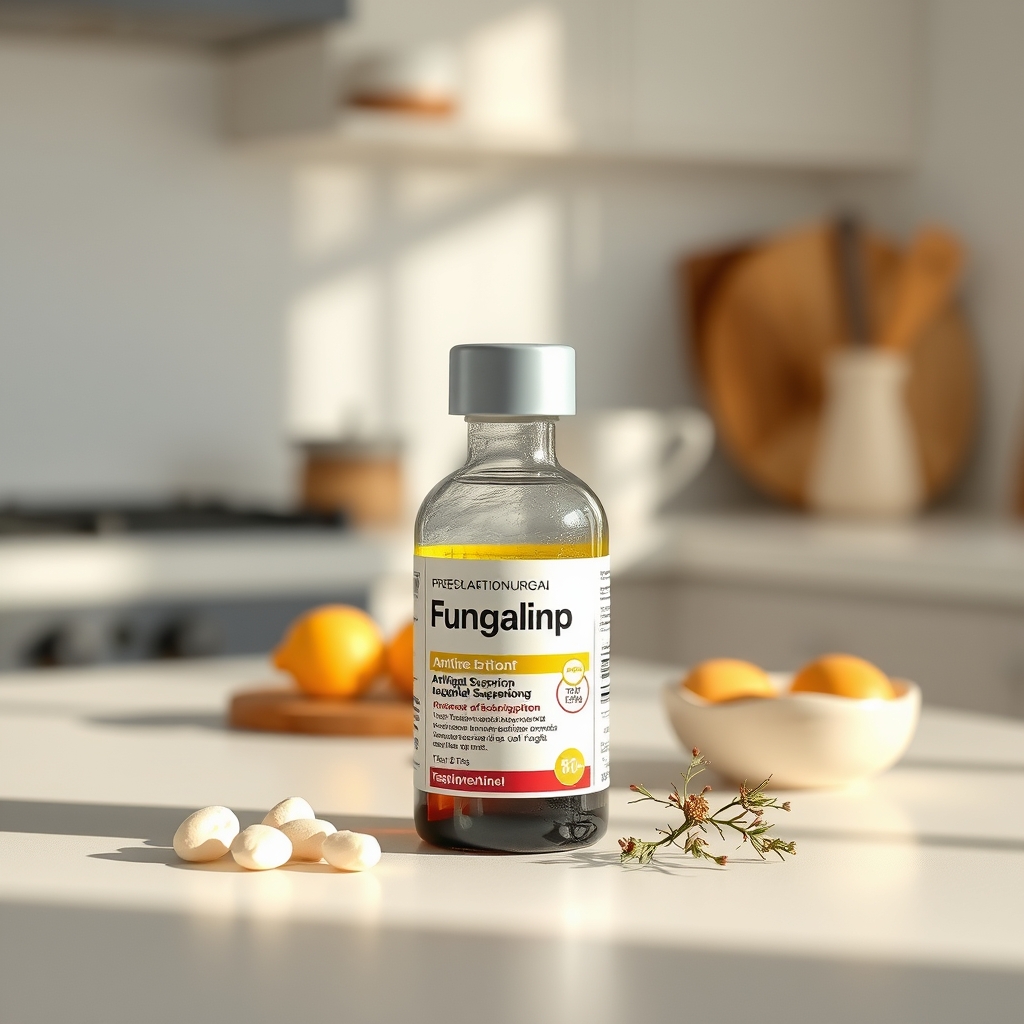
Treat oral thrush in a breastfed baby quickly with gentle antifungal drops, proper hygiene, and feeding adjustments. Learn safe steps and home remedies that work.
By Shubhra Mishra — a mom of two who turned her own confusion during pregnancy into BumpBites, a global mission to make food choices clear, safe, and stress-free for every expecting mother. 💛
Check whether any food is safe during pregnancy with the BumpBites Food Safety Checker.
Quick take: Oral thrush is a common yeast infection in breast‑fed infants that shows up as white patches on the tongue and inside the cheeks. It can be treated safely with prescription antifungal drops and simple hygiene steps, and you can usually keep nursing while your baby heals. Most babies clear the infection within a week to ten days with proper treatment—if symptoms linger or your baby develops fever, contact your pediatrician.
It’s 2 a.m., you’re halfway through a night‑time feeding, and you notice a tiny white coating on your newborn’s tongue that looks a bit like milk residue. Your heart skips a beat: “Is this something serious? Do I have to stop nursing?” You’re not alone. Many new parents discover oral thrush in the first weeks of life, and the mix of worry and love can feel overwhelming.
🔢 Calculate it for your situation: Use our Oral Thrush in Babies for a personalized result in seconds.
Below, we walk through everything you need to know about treating oral thrush in a breast‑fed baby—from spotting the signs, to safe medicines, to the little day‑to‑day habits that keep both you and your baby comfortable. We’ll also answer the most common questions that pop up on Google and in pediatric offices, so you can feel confident about the next steps.
By the end of this guide you’ll understand why thrush happens, how to treat it without interrupting breastfeeding, and what you can do to prevent a repeat visit. Let’s get started.
Spotting oral thrush in a breast‑fed baby
Oral thrush (candidiasis) is an overgrowth of the fungus Candida albicans in the mouth. In infants it appears as:
White, creamy patches on the tongue, inner cheeks, gums, or roof of the mouth.
Redness or soreness beneath the patches once they’re wiped away.
Difficulty latching, fussiness during feeds, or a “cotton‑mouth” feeling.
Occasional mild fever (especially if the infection spreads).
These spots often look like milk curds, but unlike milk residue they don’t disappear when you gently wipe the area. If you press a patch with a clean finger and it stays, that’s a classic sign of thrush.
Many parents first notice thrush when the baby seems unusually irritable during feeds or when the nipple feels sore after a session. One mother we’ve spoken with described the moment like this: “I was trying to burp my three‑week‑old, and when I lifted his chin I saw these tiny white specks that wouldn’t come off. My gut told me something was off, so I called my pediatrician right away.”
It’s also helpful to differentiate thrush from other oral findings. Milk residue typically washes away with a damp cloth, while thrush patches are adherent. Oral ulcers, which appear as painful open sores, are less common in newborns but can coexist with thrush. If you’re ever unsure, a quick phone call to your pediatrician can provide peace of mind.
White patches that stay after wiping are a hallmark of oral thrush.
Why it happens: causes and risk factors
Thrus
h isn’t caused by poor hygiene; it’s an opportunistic infection that thrives in warm, moist environments. In breast‑fed infants, the most common triggers are:
Maternal yeast overgrowth: If a nursing mother has a yeast infection on her nipples or breast skin, the fungus can be passed to the baby during feeds.
Antibiotic exposure: Antibiotics can disrupt the natural bacterial balance in a baby’s mouth, giving Candida a chance to multiply.
Prematurity or low birth weight: These infants have less mature immune systems, making them more susceptible.
Use of pacifiers or bottles: Repeated exposure to warm, moist surfaces can encourage fungal growth.
Dry mouth (xerostomia): Babies who have reduced saliva flow—often due to certain medications—are at higher risk.
Yes, breastfeeding can be a route for transmission, but it’s also the best way to keep your baby nourished while you treat the infection. The key is to address both sides of the equation: the baby’s mouth and the mother’s nipples.
Recent research from the NHS highlights that the infant oral microbiome normally contains a balance of bacteria and fungi. When antibiotics shift that balance, Candida can dominate. Additionally, a mother’s diet that is high in refined sugars may promote yeast growth on the skin, creating a subtle feedback loop that favors thrush.
Medical treatment options
When thrush is confirmed, most pediatricians prescribe an antifungal medication. The two most frequently recommended agents in the United States and United Kingdom are nystatin suspension and clotrimazole troches. Fluconazole is sometimes used for older infants, but it’s reserved for refractory cases.
Medication
Typical dosage for infants
Duration of treatment
Safety notes
Nystatin oral suspension (100,000 IU/ml)
5 ml (≈ 500,000 IU) after each feed, up to 4 times daily
7‑10 days
Not absorbed systemically; safe for newborns; watch for rare allergic reaction.
Clotrimazole troches (10 mg)
1 troche dissolved in the mouth every 6 hours
7‑10 days
Approved for infants > 4 weeks; keep troche away from the tongue after dissolution.
Fluconazole (oral)
3 mg/kg once daily
5‑7 days
Systemic absorption; used only if topical agents fail; monitor liver function.
The prescription is usually a sweet‑tasting liquid that you can administer with a dropper or syringe. Follow the dosing schedule exactly—missing doses can allow the fungus to rebound. The FDA’s labeling for nystatin emphasizes storage in a refrigerator after opening and discarding any suspension that looks discolored or has an off‑odor.
Most health authorities, including the American Academy of Pediatrics (AAP) and the UK's NICE guidelines, recommend completing the full course even if the patches look cleared after a few days. A 48‑hour checkpoint is useful: you should see a noticeable reduction in the white plaques. If there’s no change, or if the infection spreads to the diaper area (causing a red, itchy rash), contact your pediatrician for a possible medication adjustment.
Most pediatricians prescribe nystatin or clotrimazole for newborn thrush.
Safe home remedies and hygiene practices
While prescription drops are the cornerstone of treatment, certain gentle home measures can speed recovery and keep the fungus from returning.
Clean feeding equipment: After each feeding, sterilize bottles, pacifiers, and breast pump parts by boiling for 5 minutes or using a dishwasher’s sanitize cycle.
Rinse the mouth: Gently swab the baby’s mouth with a clean, damp gauze pad after feeds. Avoid using sugary solutions or honey (which can feed yeast).
Breast hygiene: Wash nipples with warm water and mild, fragrance‑free soap before and after each feed. Let them air‑dry on a clean towel.
Probiotic support: Some clinicians recommend a probiotic containing Lactobacillus rhamnosus GG for infants older than one month, as it can help restore a healthy oral microbiome. Look for products that are pediatric‑approved and free of added sugars.
Dietary considerations for mom: Reducing sugar and refined carbs may limit Candida growth on the skin. A balanced diet rich in yogurt, kefir, and fermented vegetables is generally supportive.
In addition, the CDC advises using sterile water or a saline solution to rinse the baby’s mouth if you notice persistent crusting. This helps loosen plaques without introducing new microbes. Remember, these steps complement—not replace—the prescribed antifungal.
Breastfeeding while treating thrush
Most mothers can continue nursing throughout the infection, provided they follow strict nipple hygiene and treat any maternal yeast infection at the same time.
Treat the mother: If you notice redness, itching, or a rash on the nipples, apply a topical antifungal cream (such as clotrimazole 1%) after each feed. Your doctor can prescribe a safe formulation for lactating skin.
Alternate feeding sides: Start each feeding on the clean side of the breast to limit exposure to any residual fungus.
Use a breast shield: If the nipples are sore, a silicone shield can protect them while you apply antifungal cream and still allow the baby to latch.
Dry milk before feeding: Express a few drops of milk and discard them before the next feed; this can reduce the fungal load in the milk temporarily.
Continuing to breastfeed offers many benefits—immune‑boosting antibodies, optimal nutrition, and the comfort of skin‑to‑skin contact. The ACOG states that with proper treatment, there is no need to stop nursing, and doing so can actually prolong the infection by removing the protective benefits of breast milk.
If nipple pain persists, a lactation consultant can suggest lanolin or a medical‑grade nipple cream that won’t interfere with antifungal therapy. Keeping a feeding diary can also help you spot patterns—like a particular breast side that seems to trigger more irritation.
Preventing future episodes
Recurrence is common if the underlying factors aren’t addressed. Here are evidence‑based strategies to keep thrush at bay:
Maintain strict cleaning routines: Sterilize all feeding equipment weekly, not just after each use.
Limit antibiotic use: Only use antibiotics when truly indicated, and discuss probiotic supplementation with your pediatrician if a course is necessary.
Monitor maternal health: Treat any yeast infections on the breasts, skin folds, or vagina promptly.
Introduce solid foods carefully: When your baby is ready for solids (around 6 months), start with low‑sugar options and avoid sweetened yogurts until the oral flora stabilizes.
Watch for signs of dry mouth: Certain medications, such as antihistamines, can reduce saliva. Discuss alternatives with your doctor if your infant needs them.
Control environmental humidity: Keeping the nursery at a moderate humidity (40‑60%) can discourage fungal growth on surfaces.
For families who want a quick way to gauge risk factors or track symptoms, our Oral Thrush in Babies calculator lets you log feeding habits, medication use, and symptom onset, helping you and your pediatrician spot patterns early.
Understanding Candida and the infant immune system
Candida albicans is a normal resident of the human gut and mouth, usually kept in check by a healthy bacterial community and the immune system. In newborns, especially those born preterm, the immune defenses are still developing, making it easier for Candida to overgrow. The NHS explains that newborns rely heavily on passive immunity—antibodies transferred through the placenta and later through breast milk—to fight infections.
When an infant’s oral environment is altered—by antibiotics, warm feeding equipment, or a maternal yeast reservoir—the balance tips in Candida’s favor. Understanding this interplay helps you see why both caregiver hygiene and infant microbiome support are essential parts of treatment, not optional extras.
When to consider alternative treatments (probiotics, herbal options)
If standard antifungal drops are ineffective after a full course, some clinicians explore adjunctive therapies. Probiotic supplements containing specific Lactobacillus strains have shown modest benefit in reducing recurrence, according to a 2022 review by the British Society for Antimicrobial Chemotherapy (BSAC). Always choose a product that is pediatric‑approved, free of added sugars, and stored according to manufacturer instructions.
Herbal remedies such as diluted tea tree oil or oregano oil are sometimes suggested in anecdotal reports, but the FDA does not endorse these for infant use because of safety concerns, especially regarding potential irritation of the delicate oral mucosa. If you’re interested in any complementary approach, discuss it with your pediatrician first to ensure it won’t interfere with prescribed medication.
Nutrition for mom and baby during treatment
While your baby is on antifungal medication, continue feeding on demand. Breast milk remains the best source of nutrition and contains antifungal peptides that can aid recovery. For mothers, maintaining a diet rich in probiotic‑laden foods—plain yogurt, kefir, sauerkraut, and kimchi—can help keep your own Candida levels low. Adding a handful of fresh berries or a drizzle of honey (once the baby is older than one year) can provide antioxidants without feeding the fungus.
Hydration matters too. Drinking plenty of water supports saliva production for both you and your baby, which naturally helps clear yeast. If you’re supplementing with vitamin D or iron, check with your provider that the forms you use are safe for nursing mothers.
Monitoring progress and when to schedule a follow‑up appointment
Track the appearance of the white patches daily. By day three of treatment, most parents notice that the plaques are less opaque and easier to wipe away. If after five days the lesions are still prominent, or if new spots appear, it’s time to call your pediatrician for a possible adjustment.
Most clinicians recommend a routine follow‑up visit within 7‑10 days of starting therapy, especially for infants who were preterm or had a severe initial presentation. During that visit, the doctor will examine the mouth, confirm that the infection has cleared, and discuss any lingering risk factors. Keeping a brief photo diary (a quick snapshot of the mouth each day) can be a handy visual aid for the appointment.
How long does oral thrush last in infants?
With appropriate antifungal treatment and diligent hygiene, most cases resolve within 7–10 days. The white patches typically fade first, followed by the redness underneath. If the infection persists beyond two weeks, or if new white spots appear after the initial treatment, it may indicate resistance or reinfection, and a follow‑up appointment is warranted.
Full resolution may take longer in pre‑term infants or those with underlying immune issues. In such cases, doctors may extend the antifungal course to 14 days and reassess the need for a systemic medication.
Managing thrush in the diaper area
Candida can spread from the mouth to the diaper region, where it appears as bright‑red, often painful patches that may merge into a larger rash. The key to managing diaper‑area thrush is keeping the skin dry and clean. Change diapers frequently, and after each change, gently pat the area dry with a clean cloth. A thin barrier cream—such as a zinc‑oxide ointment—can protect the skin while the antifungal medication works.
For diaper‑area involvement, pediatricians may add a topical antifungal cream (e.g., clotrimazole 1%) to the regimen. The NHS recommends applying the cream twice daily for at least seven days, even after the rash looks better, to prevent recurrence. If the diaper rash worsens or spreads despite treatment, seek medical advice promptly.
Antibiotics and protecting the microbiome
Antibiotics are a double‑edged sword. While they are lifesaving when truly needed, they also wipe out beneficial bacteria that normally keep Candida in check. If your baby requires antibiotics for another infection, ask your pediatrician about adding a probiotic—ideally one that contains Lactobacillus rhamnosus GG or Bifidobacterium infantis. Studies cited by the AAP suggest that probiotic supplementation can reduce the incidence of thrush following antibiotic courses by up to 30%.
In addition to probiotics, you can help restore balance by limiting sugary drinks and foods, which feed yeast. For mothers, a diet low in refined sugars and rich in fermented foods supports a healthy breast‑milk microbiome, indirectly protecting the infant.
When systemic treatment may be needed
Topical antifungals work for the majority of cases, but a small subset of infants—especially those who are immunocompromised or have extensive oral and diaper involvement—may require systemic therapy. Fluconazole, an oral antifungal, is the most common systemic option. Because it is absorbed throughout the body, the pediatrician will monitor liver function and may order blood tests before and after treatment.
Guidelines from the CDC advise reserving systemic agents for infants who fail to improve after two weeks of topical therapy, or who develop signs of invasive candidiasis (such as persistent fever, lethargy, or unexplained irritability). Always discuss the risk‑benefit profile with your healthcare provider before starting a systemic medication.
From our medical team: “Oral thrush can be distressing, but it’s rarely dangerous when treated promptly. The most important steps are to follow the medication schedule exactly, keep both you and your baby’s feeding equipment clean, and address any maternal yeast infection at the same time. If you notice any worsening or new symptoms, reach out to your pediatrician right away.”
🔢 Ready to crunch your numbers? Use our Oral Thrush in Babies for a personalized result in seconds.
Myth vs. fact
Myth: Breastfeeding causes oral thrush and should be stopped.
Fact: Thrush can be transmitted through breast milk, but continuing to nurse while treating both mother and baby is safe and recommended by ACOG and the NHS.
Myth: Over‑the‑counter antifungal creams are safe for newborns.
Fact: Most OTC antifungals are formulated for adult skin and are not approved for infant oral use. Prescription drops like nystatin are the only FDA‑ and EMA‑approved options for newborns.
Myth: A white coating on a baby’s tongue is always harmless milk residue.
Fact: If the coating does not wipe away easily, it’s likely thrush and should be evaluated by a pediatrician.
Key takeaways
Oral thrush appears as white, creamy patches that stay after wiping and may cause feeding discomfort.
Both mother and baby can carry the fungus; treat both sides simultaneously.
Prescription antifungal drops (nystatin or clotrimazole) are safe for newborns and usually clear the infection in 7‑10 days.
Maintain strict cleaning of bottles, pacifiers, and breast‑feeding equipment, and treat any maternal nipple rash.
Continue breastfeeding while using medication, but keep nipples clean and consider a topical antifungal for the mother if needed.
Call your pediatrician if fever, poor feeding, persistent symptoms, or spread to the diaper area occurs.
Frequently asked questions
What are the symptoms of oral thrush in a baby?
The quick answer: white, creamy patches on the tongue and inside the mouth that don’t wipe away, often accompanied by fussiness during feeds. Additional signs include red sore spots once the patches are brushed off, difficulty latching, and occasional low‑grade fever.
Can oral thrush be passed from mother to baby during breastfeeding?
Yes, the fungus can be transferred via contaminated breast milk or direct skin contact if the mother has a nipple yeast infection. Treating both the infant and any maternal infection at the same time helps break the cycle.
What over‑the‑counter treatments are safe for newborn oral thrush?
There are none that are FDA‑ or EMA‑approved for newborns. Over‑the‑counter antifungal creams are meant for adult skin only. The safest approach is a prescription antifungal suspension (nystatin) prescribed by your pediatrician.
How long does it take for oral thrush to clear up in infants?
With proper antifungal medication and hygiene, most cases resolve within 7‑10 days. If symptoms persist beyond two weeks, a follow‑up is needed to rule out resistance or reinfection.
Should I stop breastfeeding if my baby has oral thrush?
No. Continuing to nurse is advised as long as you keep your nipples clean and treat any maternal yeast infection. Breast milk provides antibodies that actually help the baby fight the fungus.
When should I call a pediatrician for my baby's oral thrush?
Call your doctor if the baby develops a fever of 38.3 °C (101 °F) or higher, has trouble feeding and losing weight, the infection spreads to the diaper area, or the white patches don’t improve after 48 hours of treatment.
Can probiotics prevent oral thrush from coming back?
Current evidence suggests that a probiotic containing Lactobacillus rhamnosus GG may modestly reduce recurrence, especially after antibiotics. Talk with your pediatrician before starting any supplement to ensure it’s appropriate for your baby’s age.
Is it safe to use a pacifier while my baby is being treated for thrush?
Yes, as long as the pacifier is sterilized after each use. Boiling for five minutes or using a dishwasher’s sanitize cycle removes Candida spores and helps prevent re‑infection.
Can honey be used to treat oral thrush?
No. Honey is a natural sugar that can actually feed Candida, and it is not safe for infants under one year due to the risk of botulism. Stick with prescribed antifungal drops and the hygiene steps outlined above.
Can formula‑fed babies develop thrush?
Yes. While breastfeeding is a common route, thrush can also appear in formula‑fed infants, especially after antibiotic exposure or when using warm bottle nipples. The same treatment and hygiene principles apply regardless of feeding method.
When to call your doctor
If you notice any of the following, seek medical care promptly: fever ≥ 38.3 °C (101 °F), persistent vomiting or refusal to feed, rapid weight loss, spreading rash, or signs of an allergic reaction to medication (rash, swelling, breathing difficulty). This article is for general information only and does not replace professional medical advice.
References
American Academy of Pediatrics. “Management of Candidiasis in Infants.” Clinical Report, 2022.
National Institute for Health and Care Excellence (NICE). “Oral Candidiasis (Thrush) in Children.” Guideline NG30, 2021.
Centers for Disease Control and Prevention (CDC). “Candida Infections – Oral Thrush.” Updated 2023.
World Health Organization (WHO). “Guidelines for the Management of Fungal Infections.” 2022.
Royal College of Obstetricians and Gynaecologists (RCOG). “Breastfeeding and Maternal Health.” Clinical Guidance, 2021.
National Health Service (NHS). “Oral Thrush (Candidiasis) in Children.” Patient Information, 2023.
U.S. Food and Drug Administration (FDA). “Nystatin Oral Suspension: Prescribing Information.” 2022.
European Medicines Agency (EMA). “Clotrimazole Troches: Summary of Product Characteristics.” 2021.
Healthline. “Candida (Yeast) Infections: Symptoms, Causes, and Treatment.” Reviewed by medical professionals, 2024.
British Society for Antimicrobial Chemotherapy (BSAC). “Antifungal Use in Neonates.” Position Statement, 2023.
American College of Obstetricians and Gynecologists (ACOG). “Breastfeeding After Maternal Yeast Infection.” Committee Opinion, 2022.
National Institute for Health and Care Excellence (NICE). “Probiotics in Children.” Clinical Guidance, 2022.
Not sure about the label on How To Treat Oral Thrush In Breastfed Baby products?
Snap the ingredients list and SafeFilter checks every ingredient for your stage — only 3 free scans this month, then you're locked until reset. Unlimited from $7/mo or $50/yr.
When Shubhra Mishra was expecting her first child in 2016, she was overwhelmed by conflicting food advice — one site said yes, another said never. By the time her second baby arrived in 2019, she realized millions of mothers face the same confusion.
That sparked a five-year journey through clinical nutrition papers, cultural diets, and expert conversations — all leading to BumpBites: a calm, compassionate space where science meets everyday motherhood.
Her long-term vision is to build a global community ensuring safe, supported, and free deliveriesfor every mother — because no woman should face pregnancy alone or uninformed. 🌿
🌍 Stand with mothers, shape safer guidance
Join a small circle of experts who review BumpBites articles so expecting parents everywhere can decide with confidence.