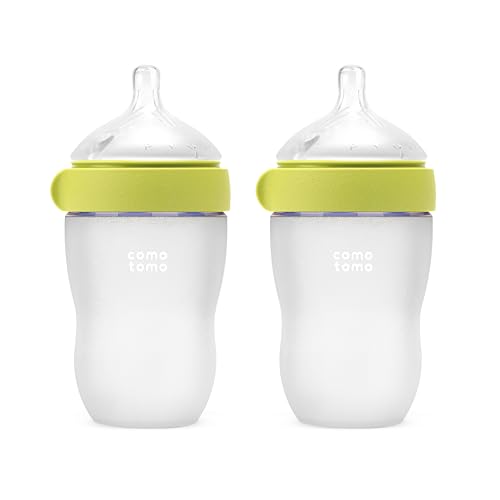
Prepared formula stays safe for up to 2 hours at room temperature and 24 hours refrigerated; learn the exact timelines, storage tips, and safety signs.
By Shubhra Mishra — a mom of two who turned her own confusion during pregnancy into BumpBites, a global mission to make food choices clear, safe, and stress-free for every expecting mother. 💛
Check whether any food is safe during pregnancy with the BumpBites Food Safety Checker.
Quick take: Prepared formula stays safe for about 2 hours at room temperature, up to 24 hours in the refrigerator, and can be frozen for up to 3 months. If it smells sour, looks clumpy, or has been left out longer than recommended, discard it and make a fresh batch.
It’s 3 a.m., you’re half‑asleep, and a tiny, hungry hand reaches for the bottle you left on the nightstand. You glance at the clock, remember you mixed the formula a few hours ago, and wonder: “Is this still okay?” You’re not alone. New parents often worry about how long prepared formula remains safe, especially when life gets chaotic.
In this guide we’ll walk through every angle of formula storage—room‑temperature limits, fridge longevity, freezing tips, and the tell‑tale signs of spoilage—so you can feed your baby with confidence. We’ll also share practical habits that keep waste down and your baby’s gut happy.
By the end you’ll know exactly how long prepared formula is good, how to store it for maximum freshness, what to do if you’ve left a bottle out too long, and when it’s time to toss it and start over.
How long is prepared formula good for at room temperature?
Most pediatric guidelines, including those from the American Academy of Pediatrics (AAP) and the UK’s National Health Service (NHS), agree on a 2‑hour window for prepared formula left at room temperature (around 68‑72 °F or 20‑22 °C). After 2 hours, bacterial growth can rise sharply, especially if the formula contains whey‑protein‑based powders, which provide a nutrient‑rich environment for microbes.
Why 2 hours? Studies measuring bacterial counts in formula show that after about 120 minutes, the colony‑forming units (CFU) often exceed the safe threshold of 10⁴ CFU/mL recommended by the FDA for infant foods. This is why many daycares and hospitals discard any leftover formula after that period.
Practical tip: If you’re unsure how long a bottle has been out, set a timer when you finish preparing it. Even a quick 1‑minute reminder can save you from accidental over‑use.
In addition, ambient humidity can affect the rate of bacterial growth. In a humid kitchen, the 2‑hour rule may feel tighter because moisture encourages microbes to multiply faster. If you live in a particularly warm or humid climate, consider using an insulated cooler bag to keep the bottle cooler than room temperature while you’re on the go.
Another safety measure is to keep prepared formula out of direct sunlight. Sunlight can raise the temperature of the liquid faster than the surrounding air, pushing it into the danger zone sooner than you expect.
Can you refrigerate prepared formula and how long does it last?
Yes—refrigerating prepared formula dramatically extends its safety window. According to the AAP, a bottle stored at 40 °F (4 °C) or below remains good for up to 24 hours. The UK’s NHS echoes this recommendation, stating that formula can be kept in the fridge for “no longer than 24 hours after preparation.”
During refrigeration, bacterial growth slows, but it doesn’t stop completely. That’s why the 24‑hour limit is a conservative safety margin. If a bottle has been in the fridge for longer than a day, it’s safest to discard it, even if it looks and smells fine.
To keep the temperature consistent, store formula in the main compartment of the fridge, not in the door where temperatures fluctuate. Place bottles on a shelf, preferably covered with a clean lid or foil, to protect them from odors and cross‑contamination.
Some parents wonder whether the fridge’s “crisper” drawer is a good spot. The crisper is designed for higher humidity, which can actually encourage bacterial growth in liquid foods. Keeping formula on a flat shelf away from produce helps maintain a drier environment and reduces the chance of cross‑contamination.
For families with limited fridge space, consider using a dedicated, small “formula fridge” or a portion of the freezer that stays just above freezing. This can give you a stable, low‑temperature zone without crowding other foods.
How long is mixed formula good for in the fridge?
Mixed formula—whether powder blended with water or ready‑to‑feed (RTF) liquid—follows the same 24‑hour rule. The European Society for Paediatric Gastroenterology, Hepatology and Nutrition (ESPGHAN) notes that both powdered and liquid formulas retain nutritional quality for a full day when refrigerated.
One subtle difference: RTF formula often contains added pre‑biotics or probiotics that can be more sensitive to temperature changes. Some manufacturers, such as Similac and Enfamil, advise using refrigerated RTF within 48 hours, but the safest universal guideline remains 24 hours.
When you’re preparing multiple bottles for the day, label each container with the preparation time. A simple “7 am” or “12 pm” sticker helps you stay within that 24‑hour window without guessing.
If you notice a slight separation in refrigerated RTF (a thin layer of oil on top), give the bottle a gentle swirl before feeding. This re‑emulsifies the formula and restores the intended texture without compromising safety.
Remember that refrigeration does not halt bacterial activity entirely. If a bottle sits near the back of the fridge where temperatures may be slightly warmer, consider using it first to stay within the safe window.
What happens if you leave prepared formula out too long?
Leaving formula out beyond the recommended 2‑hour window creates a perfect storm for bacterial proliferation. Common culprits include Staphylococcus aureus and Enterobacter species, which can multiply rapidly in warm, nutrient‑rich environments. Ingesting high levels of these bacteria may cause gastrointestinal upset, vomiting, or, in rare cases, more serious infections.
Beyond health risks, over‑time exposure to air can cause oxidation of fats in the formula, leading off‑flavors and a “rancid” smell. This is often the first clue that a bottle has gone bad.
If you suspect a bottle has sat out too long, the safest move is to discard it. Even if your baby seems fine after a sip, you can’t guarantee that harmful bacteria haven’t taken hold.
For families who use formula at night, a practical workaround is to keep a small insulated cooler in the bedroom with a reusable ice pack. This can keep a bottle within the 2‑hour safe window while you tend to a sleepy infant, buying you a little extra leeway without compromising safety.
Another tip is to prepare a “fresh‑feed” bottle for nighttime feeds and keep the “reserve” bottle in the fridge. This way, you always have a fresh option if the first bottle exceeds the 2‑hour limit.
How to store prepared formula to make it last longer?
Beyond refrigeration, there are several strategies to stretch the shelf life of prepared formula:
Pre‑measure powder. Keep the powder in a dry, airtight container and add water only when you’re ready to feed. This eliminates the need to store mixed formula for long periods.
Use insulated bottle bags. When you’re on the go, an insulated bag with a cold pack can keep formula at safe temperatures for up to 4 hours.
Label with timestamps. A quick pen mark or sticker helps you track how long each bottle has been stored.
Keep fridge doors closed. Frequent opening can raise the interior temperature, shortening the safe window.
Freeze extra portions. See the next section for details on safe freezing.
By treating formula like any perishable food—protecting it from heat, moisture, and contamination—you’ll reduce waste and keep your baby’s meals safe.
Another tip is to rotate your stock. If you have several pre‑made bottles in the fridge, place the newest one at the back and the oldest at the front. This “first‑in‑first‑out” method ensures you never accidentally exceed the 24‑hour limit.
Finally, consider using a dedicated, sterilized bottle rack for formula bottles only. This reduces the chance of cross‑contamination from other foods stored nearby.
Is it safe to use prepared formula after 24 hours?
Most health authorities advise against using formula after 24 hours, even if it has been refrigerated. The CDC notes that while some bacteria may not cause immediate illness, they can produce toxins that are heat‑stable and harmful to infants.
Some parents wonder whether a quick sniff or visual check can override the time limit. Unfortunately, spoilage can occur without obvious signs, especially with low‑level bacterial contamination. Therefore, the time‑based rule is the most reliable safety net.
If a bottle sits beyond 24 hours, discard it and prepare a fresh one. It’s a small inconvenience that protects your baby from potential food‑borne illness.
When traveling, the 24‑hour rule still applies, but you may not have immediate fridge access. In that case, keep the bottle in a cooler bag with an ice pack and use it within 4 hours. If you exceed that window, it’s safest to discard the bottle and prepare a fresh one once you have refrigeration again.
Some families keep a small “emergency” stock of pre‑frozen bottles for long trips. This can be a lifesaver when refrigeration isn’t available for an extended period.
How to know if prepared formula has gone bad?
Spotting spoiled formula is easier than you might think. Look for these red flags:
Odor. A sour, rancid, or “off” smell is a strong indicator of bacterial growth.
Appearance. Clumping, separation that won’t remix, or a cloudy texture can signal spoilage.
Flavor. If you’re comfortable tasting a tiny drop (and it’s not your baby’s first feed), a sour taste often accompanies bacterial activity.
Temperature. If the bottle feels warm to the touch, it may have been out too long.
When in doubt, throw it out. The “better safe than sorry” principle is especially important for infants whose immune systems are still developing.
In addition to the sensory cues above, a subtle change in the formula’s thickness can be a warning sign. If the liquid feels noticeably thinner or thicker than usual, it may indicate that fats have broken down or that excess water has evaporated, both of which can affect safety.
Remember that even a small amount of contamination can multiply quickly once the bottle is opened, so it’s worth the extra moment to inspect each feed.
Can you freeze prepared formula to extend its shelf life?
Freezing prepared formula is a viable option, but it comes with a few caveats. The AAP states that formula can be frozen for up to 3 months, provided it’s stored in a clean, airtight container. Freezing slows bacterial growth to near‑zero, preserving nutrients and safety.
However, the texture may change after thawing—especially with formulas that contain added oils or pre‑biotics. To minimize separation, gently swirl the bottle after thawing, or use a clean whisk to reincorporate any settled particles.
Here’s a quick freeze‑and‑thaw guide:
Prepare the formula as usual, using sterile water.
Transfer it to a freezer‑safe, BPA‑free bottle or a sealed plastic bag.
Label with the preparation date.
When ready to use, thaw overnight in the refrigerator (not on the counter).
Warm gently in a bottle warmer or warm water bath; avoid microwaving.
Discard any leftover thawed formula after 24 hours.
Freezing is especially helpful for night‑time feeds or when you’re traveling and want to minimize on‑the‑spot preparation.
One extra tip: if you notice a thin film on the surface after thawing, a quick shake usually re‑emulsifies the formula. Avoid vigorous shaking, which can introduce air bubbles that may cause your baby to gulp excess air.
Prepared formula shelf life: Summary table
Storage condition
Maximum safe duration
Key notes
Room temperature (68‑72 °F / 20‑22 °C)
~2 hours
Bacterial growth rises quickly; discard after 2 h.
Refrigerated (≤ 40 °F / 4 °C)
Up to 24 hours
Maintain consistent temperature; keep in main fridge compartment.
Frozen (≤ 0 °F / –18 °C)
Up to 3 months
Thaw in fridge; use within 24 h after thawing; texture may change.
Set up a clean, organized station before mixing formula to reduce contamination risk.
How to safely thaw frozen formula
Thawing is a step that many parents overlook, yet it can affect both safety and texture. The safest method, endorsed by both the AAP and the FDA, is to move the frozen bottle from the freezer to the refrigerator and let it thaw slowly overnight. This keeps the formula at a temperature below 40 °F (4 °C) while it defrosts, preventing the rapid bacterial growth that can happen at room temperature.
If you need formula sooner, you can place the sealed bottle in a bowl of cold water for 30–45 minutes. Avoid using warm water, as it can raise the temperature into the bacterial danger zone. Once thawed, always give the bottle a gentle swirl and check for any clumps before feeding.
Never microwave frozen or thawed formula. Microwaves heat unevenly, creating hot spots that can scald a baby’s mouth and also encourage bacterial proliferation in cooler spots.
Thaw frozen formula in cold water for a quick, safe option when you’re short on time.
Differences between powdered and ready‑to‑feed formula storage
Powdered formula and ready‑to‑feed (RTF) formula share the same basic time limits, but subtle differences affect how you store them. Powdered formula is a dry product that can stay unopened for months if kept in a cool, dry place. Once you open the container, the powder stays fresh for about 4 weeks, provided it’s resealed tightly (AAP 2023).
RTF formula, on the other hand, is already mixed with water and sometimes contains added nutrients like DHA or pre‑biotics. Because it’s a liquid, the 2‑hour room‑temperature rule and the 24‑hour refrigerator rule apply from the moment you open the bottle. Some brands claim a 48‑hour fridge window for RTF, but the safest universal guideline remains 24 hours.
When traveling, many parents prefer RTF because it eliminates the need for a clean water source and a mixing utensil. However, if you’re storing RTF for longer periods, consider keeping it in an insulated cooler with ice packs, especially if you’ll be away from refrigeration for several hours.
Regardless of the type, always check the manufacturer’s specific storage instructions on the label; they may have unique recommendations based on the formula’s composition.
Formula storage during power outages
Power outages can throw a wrench into your routine, especially if you rely on refrigeration for formula. The CDC advises that perishable foods, including prepared infant formula, can be safely kept at 40 °F (4 °C) for up to 4 hours if the fridge door stays closed (CDC 2023). After that, the risk of bacterial growth rises sharply.
To be prepared, keep a small cooler and a supply of ice packs in your pantry. If the outage lasts longer than 4 hours, transfer any prepared formula to the cooler, label it, and use it within the next 2 hours. Any formula that has been at room temperature for more than 2 hours should be discarded.
Another strategy is to have a few pre‑frozen bottles on hand. Frozen formula stays safe for up to 3 months, and you can thaw a bottle in the fridge before the outage or use the “cold‑water thaw” method described above. Having this backup reduces the stress of scrambling for a fresh feed during an emergency.
When the power returns, give the fridge a few minutes to stabilize before placing any newly thawed formula back inside.
How to keep formula safe while traveling or on the go?
Travel introduces temperature swings and limited access to clean water, so planning ahead is key. The AAP recommends using an insulated bottle bag with a frozen gel pack to keep prepared formula at or below 40 °F (4 °C) for up to 4 hours. For longer trips, pack pre‑frozen bottles and thaw them in the refrigerator of your hotel or a cooler with ice.
When you’re on the road, always carry a small bottle of sterile water for rinsing nipples between feeds. If you need to mix powdered formula, bring a dedicated, clean measuring scoop and use boiled, cooled water (cooled to 70‑100 °F/21‑38 °C). Discard any formula that sits out for more than 2 hours, even if you’re in a car with air‑conditioning.
Storing the formula bottle upright in a cooler helps maintain its shape and prevents spillage. A short, labeled “use by” note on each bottle can keep you from accidentally feeding an expired batch.
Pack an insulated cooler and ice packs for safe on‑the‑go formula storage.
What role does water quality play in formula safety?
Water is the medium that activates powdered formula, so its quality directly affects safety. The CDC and WHO both advise using either boiled water that’s been cooled to 70‑100 °F (21‑38 °C) or commercially bottled water that meets safety standards. Tap water that is safe to drink for adults is generally fine for formula, but if your municipal water is high in chlorine or contains hard minerals, a brief boil can improve taste and reduce potential contaminants.
For families using well water or living in areas with known water advisories, a certified water filter (e.g., NSF‑rated) can provide an extra layer of protection. Always let boiled water cool before mixing; using water that’s too hot can degrade heat‑sensitive nutrients like vitamin C and some probiotics.
When traveling abroad, check local guidelines. Some countries recommend using bottled water exclusively for infant formula, especially in regions where waterborne pathogens are more common.
Guidelines for daycare and caregiver formula handling
When you entrust your baby’s feeding to a daycare or a caregiver, clear communication about formula safety is essential. Provide a written note that includes the preparation time, storage instructions, and the 2‑hour room‑temperature rule. Daycares often have dedicated refrigerators; ask that your bottles be stored in the main compartment rather than the door.
Ask the caregiver to label each bottle with a color‑coded sticker indicating “fresh” (used within 24 hours) versus “old” (over 24 hours). This visual cue helps prevent accidental feeding of expired formula.
Many centers also keep a small “emergency” stock of pre‑frozen formula for unexpected delays. If your baby has a special formula (e.g., hypoallergenic), ensure the daycare has a sufficient supply and knows the exact brand and preparation method.
Finally, request that the caregiver discard any leftover formula after a feeding, even if the bottle appears untouched. This eliminates any risk of bacterial growth from saliva exposure.
Clear labeling helps daycare staff keep formula fresh and safe.
Doctor’s note
From our medical team: “The 2‑hour rule at room temperature and the 24‑hour rule in the refrigerator are not arbitrary—they’re based on extensive microbiological testing. When you follow these guidelines, you protect your baby’s delicate gut from harmful bacteria while preserving the nutrients the formula provides.”
Myth vs. fact
Myth: “If the formula looks fine, it’s still safe after 24 hours.”
Fact: Bacterial toxins can develop without changing the appearance or smell of the formula, so time limits are essential.
Myth: “Freezing formula destroys its nutritional value.”
Fact: Freezing preserves most nutrients; only the texture may shift, which can be corrected by gentle mixing after thawing.
Myth: “You can reuse leftover formula if you add fresh powder.”
Fact: Once a bottle has been opened and exposed to saliva, it should be discarded; adding fresh powder does not eliminate existing bacteria.
Key takeaways
Prepared formula is safe for ~2 hours at room temperature and up to 24 hours refrigerated.
Freeze extra portions for up to 3 months, but use within 24 hours after thawing.
Watch for sour smell, clumping, or warmth as signs of spoilage.
Store formula in the main fridge compartment and label each bottle with the prep time.
Pre‑measure powder and add water only when feeding to avoid unnecessary storage.
When in doubt, discard the bottle—your baby’s health is worth the extra effort.
For travel or daycare, keep formula chilled with insulated bags or dedicated fridge space.
Use boiled or certified safe water for mixing powdered formula to prevent contamination.
Frequently asked questions
How long does formula last once opened?
Once a can or bag of formula is opened, the powder itself stays fresh for about 4 weeks if kept sealed and stored in a cool, dry place; however, once mixed with water, the 2‑hour room‑temperature rule and 24‑hour refrigerator rule apply.
Can you make formula ahead of time?
Yes—you can prepare bottles in advance and store them in the fridge for up to 24 hours, or freeze them for up to 3 months. Just be sure to label each container with the preparation date.
How do you know if formula is bad?
Bad formula often smells sour, looks clumpy or separated, and may feel warm to the touch. If any of these signs appear, discard the bottle; it’s safer than risking bacterial exposure.
Can you reuse leftover formula?
No. Once a baby has taken a sip, bacteria from the mouth can multiply rapidly. Even adding fresh powder won’t make the leftover safe—throw it away.
How long can you store formula in the fridge?
Prepared formula can be stored in the refrigerator for up to 24 hours. Beyond that, the risk of bacterial growth increases, so it should be discarded.
What is the best way to store prepared formula?
Store mixed formula in a clean, airtight bottle in the main compartment of the refrigerator, label with the prep time, and keep it at ≤ 40 °F (4 °C). For longer storage, freeze in a sealed container and thaw in the fridge before use.
What should I do if I’m out of clean water for formula preparation?
If you’re traveling or experiencing a water outage, use pre‑mixed ready‑to‑feed formula that doesn’t require water. Otherwise, boil water for at least 1 minute, let it cool to 70‑100 °F (21‑38 °C), and then mix the powder. Discard any formula prepared with unsterilized water after 2 hours.
Is it okay to warm formula in a microwave?
No. Microwaving can create hot spots that may burn a baby’s mouth and also promote uneven bacterial growth. Use a bottle warmer, warm water bath, or run the bottle under warm tap water instead.
Can I use filtered water for formula?
Yes—filtered water that meets safety standards is fine for formula, but it should still be boiled and cooled before mixing to eliminate any lingering microbes.
Is formula safe if left in a parked car overnight?
No. A car’s interior can quickly exceed 70 °F (21 °C), pushing formula into the bacterial danger zone. Discard any bottle that has been in a car for more than 2 hours, regardless of whether it looks or smells normal.
When to call your doctor
If your baby shows any of the following after a feeding—persistent vomiting, diarrhea, fever above 100.4 °F (38 °C), unusual fussiness, or signs of dehydration—contact your pediatrician or midwife right away. This article provides general guidance and is not a substitute for personalized medical advice.
References
American Academy of Pediatrics. “Safe Preparation, Storage, and Handling of Infant Formula.” AAP Policy Statement, 2023.
National Health Service (NHS). “How to Store Infant Formula.” NHS Guidance, 2022.
U.S. Food and Drug Administration (FDA). “Infant Formula: Guidance for Industry.” FDA, 2021.
Centers for Disease Control and Prevention (CDC). “Food Safety for Infants.” CDC, 2023.
European Society for Paediatric Gastroenterology, Hepatology and Nutrition (ESPGHAN). “Guidelines on Infant Feeding.” ESPGHAN Journal, 2022.
World Health Organization (WHO). “Infant Feeding: Guidelines for the Safe Use of Formula.” WHO, 2020.
British National Formulary for Children (BNFC). “Formula Feeding Recommendations.” BNFC, 2023.
American College of Obstetricians and Gynecologists (ACOG). “Nutrition During Pregnancy and Lactation.” ACOG Committee Opinion, 2022.
Centers for Disease Control and Prevention (CDC). “Food Safety During Power Outages.” CDC, 2023.
World Health Organization (WHO). “Water Safety for Infant Feeding.” WHO Technical Report, 2021.
Not sure about the label on How Long Is Prepared Formula Good products?
Snap the ingredients list and SafeFilter checks every ingredient for your stage — only 3 free scans this month, then you're locked until reset. Unlimited from $7/mo or $50/yr.
When Shubhra Mishra was expecting her first child in 2016, she was overwhelmed by conflicting food advice — one site said yes, another said never. By the time her second baby arrived in 2019, she realized millions of mothers face the same confusion.
That sparked a five-year journey through clinical nutrition papers, cultural diets, and expert conversations — all leading to BumpBites: a calm, compassionate space where science meets everyday motherhood.
Her long-term vision is to build a global community ensuring safe, supported, and free deliveriesfor every mother — because no woman should face pregnancy alone or uninformed. 🌿
🌍 Stand with mothers, shape safer guidance
Join a small circle of experts who review BumpBites articles so expecting parents everywhere can decide with confidence.