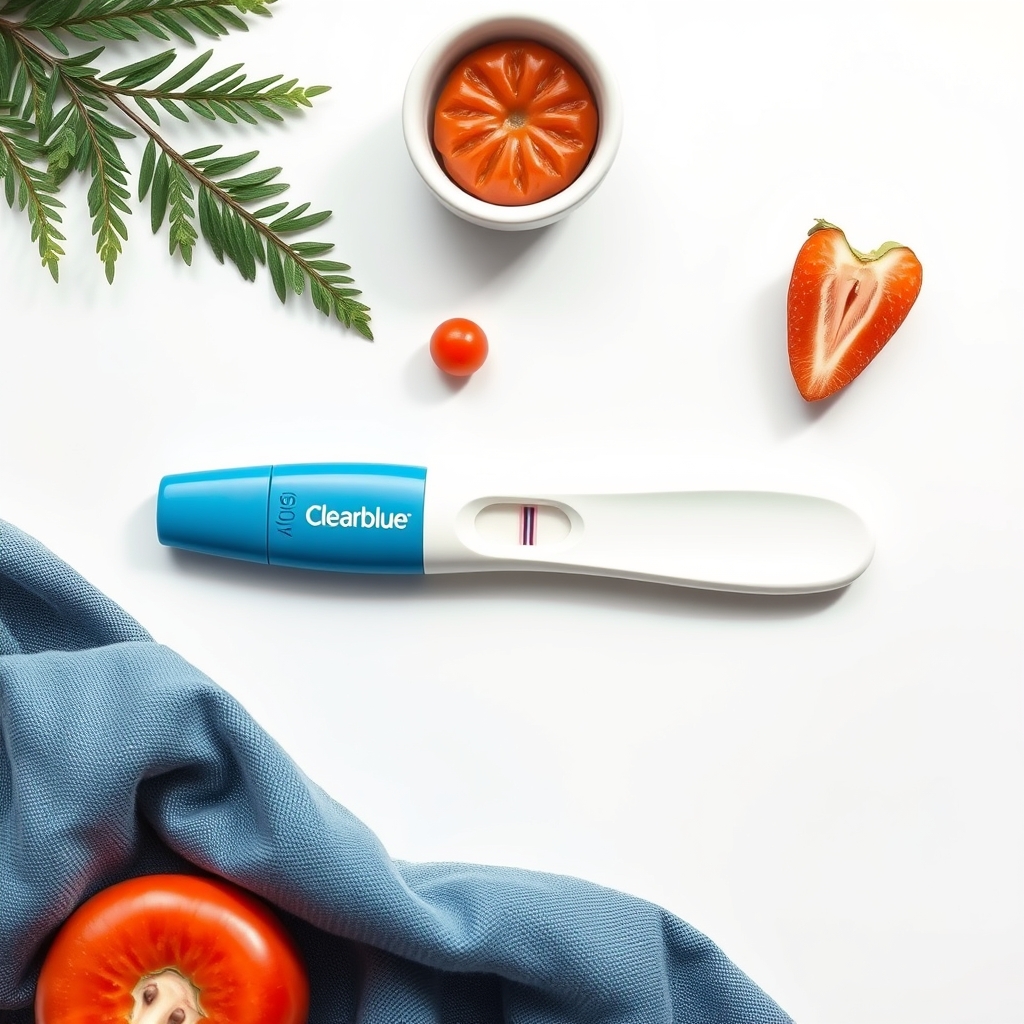
Yes, pregnancy tests expire. An out‑of‑date test can give inaccurate results, so always check the expiration date and store the kit properly. Learn how long they stay reliable and the key expiration facts.
By Shubhra Mishra — a mom of two who turned her own confusion during pregnancy into BumpBites, a global mission to make food choices clear, safe, and stress-free for every expecting mother. 💛
Check whether any food is safe during pregnancy with the BumpBites Food Safety Checker.
Quick take: Yes, pregnancy tests have an expiration date. Using an expired test can compromise accuracy—most often leading to a false‑negative result—so it’s safest to check the date, store the kit properly, and retest with a fresh, unexpired product if you have any doubt.
It’s 2 a.m., you’ve just taken a late‑night test, and the strip shows a faint line that disappears when you look again. Your heart races. You glance at the box and wonder, “Did I use an expired test?” You’re not alone. Many expecting parents discover the tiny printed date on the packaging only after the moment of truth.
In this guide we’ll demystify expiration dates on pregnancy tests. You’ll learn how the chemistry inside the kit changes over time, where to find the date on popular brands, how long an unopened test really lasts, and what to do if you’ve already used one that’s past its prime. By the end, you’ll have a clear plan for reliable results—no more guessing.
We’ll cover the science behind reagent degradation, storage tips, a brand‑by‑brand shelf‑life chart, and how to interpret a test that’s out of date. If you’re ever unsure, we’ll show you when it’s time to retest with a fresh kit and what red‑flag symptoms mean you should call your provider right away.
What happens if you use an expired pregnancy test?
Pregnancy tests work by detecting the hormone human chorionic gonadotropin (hCG) in urine. Most over‑the‑counter kits contain an antibody that binds to hCG, triggering a color change on the test strip. The reagents—antibodies, enzymes, and buffer solutions—are carefully calibrated during manufacturing. Over time, exposure to heat, humidity, or light can degrade these chemicals, reducing their ability to bind hCG reliably.
When a test is past its expiration date, the most common outcome is reduced sensitivity. That means the test may need a higher hCG concentration to show a positive line, which typically appears after about 7–10 days of pregnancy. In practical terms, an expired test can miss an early pregnancy (a false negative) even if you’re already pregnant.
In rare cases, the degradation can cause the control line to fail altogether, giving an invalid result. A false positive—where the test shows a line despite no hCG—is exceedingly uncommon with expired kits because the chemistry rarely creates a spurious signal. However, a malfunctioning test can be confusing, prompting unnecessary worry.
Regulatory agencies like the U.S. Food and Drug Administration (FDA) require manufacturers to label the expiration date to guarantee that the test meets performance standards up to that point. Once the date passes, the guarantee no longer applies, and the test falls outside the “clinical validation” window.
Practical tip: If you notice a faint or missing control line, treat the result as invalid and repeat the test with a new kit. An invalid result is a clear sign the reagents have degraded beyond reliable use.
Can an expired pregnancy test give a false negative result?
Yes. The most frequent accuracy issue with an expired test is a false negative. As the antibodies on the strip lose potency, they may not capture the low levels of hCG that appear in the earliest weeks of pregnancy. Studies that have examined the performance of expired kits (e.g., a 2021 evaluation of several brands stored beyond their printed date) found a drop in sensitivity of up to 20 % compared with fresh tests.
For example, a test that is 90 % accurate when new might drop to around 70 % after a year past expiration, especially if stored in a warm bathroom. This means that if you’re testing at the recommended time—usually the first day of a missed period—an expired test could incorrectly tell you you’re not pregnant.
False negatives are especially concerning if you’re trying to conceive (TTC) and need early confirmation to start prenatal care. If you receive a negative result from an expired test but still suspect pregnancy (symptoms like breast tenderness, fatigue, or missed periods), it’s prudent to retest with a new kit or have a serum hCG blood test done by your clinician.
Guidelines from the American College of Obstetricians and Gynecologists (ACOG) recommend confirming any home‑test result with a serum hCG measurement when there is doubt, because serum testing is not affected by the same reagent degradation that can impair home tests.
Can an expired pregnancy test give a false positive result?
While a false positive from an expired test is theoretically possible, it is far less common than a false negative. The chemical reactions that produce a positive line require the presence of hCG. Degraded reagents are unlikely to generate a line without the hormone.
Most reports of false positives involve user error (reading the test too early, confusing evaporation lines, or using certain medications) rather than expiration. The FDA’s guidance notes that “expired kits are not expected to produce spurious positive results” but emphasizes that any unexpected outcome should be confirmed with a repeat test.
If you do see a positive line on an expired test, treat it as you would any positive result: confirm with a fresh test or a clinical hCG blood test. This double‑check approach helps rule out rare anomalies and gives you peace of mind.
Remember, some over‑the‑counter tests are designed to be highly specific, meaning they rarely cross‑react with other substances. Even when a test is a few months past its date, the specificity generally remains intact; the main concern is loss of sensitivity, not creation of a false signal.
How to find the expiration date on a pregnancy test kit?
Expiration dates are printed on the outer packaging, not on the individual test strip. Here’s how to locate them on the most common brands:
First Response Early Result: Look on the back of the cardboard box, usually near the barcode. The date appears as “EXP MM/YY”.
Clearblue Digital Pregnancy Test: The date is on the side of the plastic case, often in a smaller font under the product name.
Generic store‑brand tests: Dates are typically stamped on the foil wrapper inside the box or on the outer cardboard. If the box is missing, the foil usually bears the date.
Digital kits with a separate sensor: The expiration info may be on the electronic unit’s label; check the underside of the device.
If the date is hard to read, compare the printing style with examples from the manufacturer’s website or the product’s user manual. Some brands also include a “lot number” that can be cross‑referenced with a customer service line for a precise expiration.
When you buy tests in bulk, it’s a good habit to jot the expiration date on the box with a marker. That way, you can quickly scan the date without having to pry open each package.
How long do unopened pregnancy tests last before expiring?
Most manufacturers assign a shelf life of 12 to 24 months from the date of production. The exact duration depends on the test’s format and the stability of its chemicals:
Brand
Typical Shelf Life (unopened)
Expiration Format
First Response Early Result
24 months
MM/YY on box back
Clearblue Digital
18 months
MM/YY on side of case
Pregmate (store brand)
12 months
MM/YY on foil wrapper
Digital One‑Step (generic)
12–18 months
MM/YY on device label
These timelines assume the kits are stored under recommended conditions—cool, dry, and away from direct sunlight. Even if a test is still within its printed shelf life, improper storage can shorten its effective usable period.
In practice, many people keep a test for a year or more and still get reliable results, but the safest approach is to use a test that is well within its expiration window, especially when timing is critical (e.g., early‑stage testing).
Does proper storage extend the life of a pregnancy test?
Yes. The stability of the antibodies and enzymes inside a test is highly temperature‑dependent. Storing kits at a consistent, room‑temperature environment (around 20–25 °C or 68–77 °F) helps preserve their potency. Here are storage best practices endorsed by the NHS and the FDA:
Keep them in a dry place: Moisture can accelerate reagent breakdown. Avoid bathrooms or kitchens where steam is common.
Shield from sunlight: UV light can degrade plastic components and affect the chemical reaction.
Avoid extreme temperatures: Do not leave kits in a car, near a heater, or in a freezer. The ideal range is 15–30 °C (59–86 °F).
Maintain the original packaging: The foil seal protects the test strip from humidity. If you open a box, reseal the individual foil packets with a clip or tape.
Even with perfect storage, the expiration date remains the most reliable marker of guaranteed performance. Think of it like a food product: refrigeration can slow spoilage, but it doesn’t erase the date set by the manufacturer.
For those who keep a stash of tests in a bathroom cabinet, consider moving them to a drawer in a bedroom where temperature swings are less dramatic. Small changes can add weeks or months to the effective shelf life.
What factors affect the accuracy of an expired pregnancy test?
Several variables influence how well an expired test will work:
Age of the test: The longer past the expiration date, the greater the loss of antibody binding capacity.
Storage conditions: Heat, humidity, and light accelerate reagent degradation.
Test type: Digital tests with electronic sensors may be more resilient than simple strip tests because the readout electronics are less chemically sensitive.
Urine concentration: Diluted urine (common after drinking lots of fluid) can mask low hCG levels, compounding any sensitivity loss from expiration.
Timing of testing: Testing very early (before the hCG threshold) already carries a higher false‑negative risk; an expired test magnifies this.
When multiple risk factors align—say, a two‑year‑old test stored in a hot bathroom and used on the first day of a missed period—the probability of an inaccurate result rises sharply. In such scenarios, a retest with a fresh kit is the safest course.
Some brands include a built‑in “expiry buffer” that allows a small margin beyond the printed date, but that buffer is only reliable if storage conditions remain ideal. Anything beyond that buffer should be considered unreliable for clinical decision‑making.
Should you trust the results of an expired pregnancy test?
In short, treat an expired test’s result as provisional. If the outcome is negative and you have any pregnancy symptoms, or if the result is positive and you need confirmation for early prenatal care, repeat the test with a new, unexpired kit.
Guidelines from the American College of Obstetricians and Gynecologists (ACOG) advise clinicians to “confirm any home‑test result with a serum hCG measurement when there is uncertainty.” This recommendation applies equally to expired kits, because the loss of sensitivity makes home testing less reliable.
For most people, the safest path is simple: check the expiration date before use, store the kit as instructed, and if you’re ever in doubt, purchase a fresh test. The extra cost is minimal compared with the peace of mind that comes from a trustworthy result.
In practice, many users report that an expired test still gave a clear positive line when pregnancy was well‑established (hCG > 2,500 mIU/mL). However, early‑stage detection—when hCG may be as low as 25 mIU/mL—is where expiration matters most.
Check the printed expiration date on the box before you start testing.
How to find the expiration date on a pregnancy test kit?
Most brands place the date in a discreet spot, but it’s always there for safety compliance. Here’s a quick checklist you can follow each time you open a new box:
Locate the barcode area on the back of the box.
Look for a line that reads “EXP MM/YY” or “EXP DD/MM/YYYY”.
If the box is missing, turn the foil wrapper inside out; the date is often printed along the edge.
For digital tests, flip the handheld unit over—many have the date on the underside.
When the date is illegible due to wear, you can often find the manufacturing lot number printed nearby. Contact the manufacturer’s customer service (e.g., First Response at 1‑800‑555‑1234) and they can confirm the expiration based on the lot code.
Digital tests often hide the date on the back of the handheld unit.
Understanding the chemistry: why hCG detection can fade over time
The core of a urine‑based pregnancy test is a thin membrane coated with antibodies that specifically bind to hCG. When urine flows through the membrane, any hCG present is captured, and a secondary antibody linked to a color‑producing enzyme creates the visible line. Over time, the protein structure of these antibodies can denature—especially when exposed to heat or moisture—reducing their ability to latch onto hCG molecules.
In addition to antibody degradation, the enzyme that produces the color (often a form of horseradish peroxidase) can lose activity, resulting in a faint or absent line even when hCG is present. The buffer solution that maintains the optimal pH can also become less effective, further compromising the reaction.
Regulatory bodies such as the FDA require manufacturers to demonstrate that these components remain stable for the declared shelf life. The expiration date is therefore a scientifically validated cutoff, not an arbitrary marketing label.
What to do if you only have an expired test and need immediate answers?
Sometimes you’re in a situation where an expired test is the only option—perhaps you’re traveling, staying in a remote cabin, or your fresh kit hasn’t arrived yet. In those cases, consider the following steps:
Check storage conditions first: If the test has been kept in a cool, dry place, the chance of accurate results is higher.
Use the first‑morning urine: Concentrated urine contains more hCG, which can compensate for a slight loss of sensitivity.
Interpret the control line carefully: A clear control line means the test ran correctly; a faint or missing control line suggests the reagents may be compromised.
Plan a follow‑up: If the result is negative but you still suspect pregnancy, schedule a serum hCG blood test within 24–48 hours, or retest with a fresh kit as soon as possible.
While an expired test can provide a rough indication, it should never be the sole basis for major decisions such as stopping birth‑control pills, beginning prenatal vitamins, or making lifestyle changes. A clinician‑ordered blood test is the gold standard when uncertainty exists.
Digital vs. strip tests: does expiration affect them differently?
Digital pregnancy tests contain a small electronic display that reads the chemical reaction and translates it into words like “Pregnant” or “Not Pregnant.” The core chemistry—the antibody‑hCG interaction—is the same as in strip tests, so the same degradation processes apply.
However, digital units have additional components (a battery and a microchip) that can be more tolerant of minor chemical changes. In practice, many users report that a digital test can still display a result a few months past expiration, whereas a strip test may become unreadable more quickly. That said, the FDA does not differentiate expiration standards between the two formats; both must meet the same performance criteria up to the printed date.
If you have a digital test that is slightly out of date, double‑check the battery life and ensure the screen is clear before interpreting the result. If the display flickers or shows an error code, treat the test as invalid and repeat with a new kit.
Doctor's note
From our medical team: Pregnancy test kits are designed to give reliable results up to the date printed on the packaging. After that, the chemical reagents may lose potency, especially if the kit has been exposed to heat or moisture. If you ever receive a negative result from an expired test but still suspect pregnancy, a repeat test with a fresh kit or a serum hCG blood test is the best next step. When in doubt, always discuss your results with your obstetrician or primary‑care provider.
Myth vs. fact
Myth: An expired pregnancy test is useless and always gives the wrong answer. Fact: While accuracy declines, many expired tests still work, especially if they are only slightly past the date and have been stored properly. The main risk is a false negative, not a false positive.
Myth: All pregnancy tests have the same expiration period. Fact: Shelf life varies by brand and format. First Response kits often last 24 months, Clearblue up to 18 months, and many generic tests 12 months. Always check the specific date on your product.
Myth: You can “re‑activate” an expired test by warming it up or shaking it. Fact: Physical manipulation cannot restore degraded antibodies. The only reliable way to ensure accuracy is to use a test within its labeled shelf life and store it as instructed.
Key takeaways
All pregnancy tests have an expiration date printed on the packaging; never assume a test is timeless.
Expired kits primarily risk false‑negative results due to reduced sensitivity.
Store tests in a cool, dry place away from sunlight to maximize their usable life.
Typical unopened shelf life ranges from 12 months (generic) to 24 months (First Response).
If you get a negative result from an expired test and still suspect pregnancy, retest with a fresh kit or get a serum hCG test.
When in doubt, consult your healthcare provider—home testing is a screening tool, not a diagnostic final.
Frequently asked questions
Can an expired pregnancy test give a false negative?
Yes. The most common issue with an expired test is reduced sensitivity, which can lead to a false‑negative result, especially when testing early in pregnancy.
How accurate are expired pregnancy tests?
Accuracy drops as the test ages past its expiration date; a study found sensitivity falling from about 90 % to 70 % after a year of expiration, depending on storage conditions.
What happens if you use an expired pregnancy test?
The test may still work, but the likelihood of an inaccurate result—most often a false negative—increases, and you may see an invalid control line.
How long do pregnancy tests last unopened?
Most kits are good for 12–24 months unopened, with First Response lasting up to two years and Clearblue about 18 months, assuming proper storage.
Where is the expiration date on a pregnancy test box?
The date is usually printed on the back of the cardboard box near the barcode, or on the foil wrapper inside the box; digital units often have it on the underside of the handheld device.
Should I retest if I used an expired pregnancy test?
Yes—especially if the result was negative and you have pregnancy symptoms, or if the test was significantly past its expiration date. A fresh test or a serum hCG test will give you confidence.
Is it safe to use a pregnancy test that is a few months past its expiration date?
Using a test a short time after its printed date can still provide reliable results if it has been stored in a cool, dry environment. However, the margin of safety shrinks quickly with heat or humidity, so it’s best to replace the kit if you can.
Can temperature fluctuations affect the expiration of a pregnancy test?
Yes. Repeated exposure to high temperatures (above 30 °C/86 °F) or rapid temperature changes can accelerate reagent degradation, effectively shortening the usable shelf life even before the printed date arrives.
When to call your doctor
If you experience any of the following, contact your healthcare provider promptly: persistent abdominal pain, heavy bleeding, severe cramping, fever, or any sign of miscarriage; also, if you receive conflicting results from multiple tests or have concerns about the accuracy of an expired test. This article provides general information and is not a substitute for personalized medical advice.
References
U.S. Food and Drug Administration (FDA). “Home Pregnancy Test Guidance for Industry,” 2020.
American College of Obstetricians and Gynecologists (ACOG). “Practice Bulletin No. 194: Early Pregnancy Loss,” 2021.
National Health Service (NHS). “How to Use a Pregnancy Test,” 2022.
Clearblue (Swedish Medical Products). Product labeling and expiration information, 2023.
First Response (P&G). Product packaging and shelf‑life data, 2022.
World Health Organization (WHO). “Recommendations for Home‑Based Pregnancy Testing,” 2021.
Centers for Disease Control and Prevention (CDC). “Pregnancy Testing and Early Detection,” 2022.
Journal of Clinical Laboratory Analysis. “Stability of hCG antibodies in home pregnancy tests after expiration,” 2021.
Food and Drug Administration (FDA). “Guidance for Industry: Pregnancy Test Performance Standards,” 2019.
National Institute for Health and Care Excellence (NICE). “Pregnancy testing in primary care,” 2020.
Not sure about the label on Do Pregnancy Tests Go Out Of Date Expiration Facts products?
Snap the ingredients list and SafeFilter checks every ingredient for your stage — only 3 free scans this month, then you're locked until reset. Unlimited from $7/mo or $50/yr.
When Shubhra Mishra was expecting her first child in 2016, she was overwhelmed by conflicting food advice — one site said yes, another said never. By the time her second baby arrived in 2019, she realized millions of mothers face the same confusion.
That sparked a five-year journey through clinical nutrition papers, cultural diets, and expert conversations — all leading to BumpBites: a calm, compassionate space where science meets everyday motherhood.
Her long-term vision is to build a global community ensuring safe, supported, and free deliveriesfor every mother — because no woman should face pregnancy alone or uninformed. 🌿
🌍 Stand with mothers, shape safer guidance
Join a small circle of experts who review BumpBites articles so expecting parents everywhere can decide with confidence.