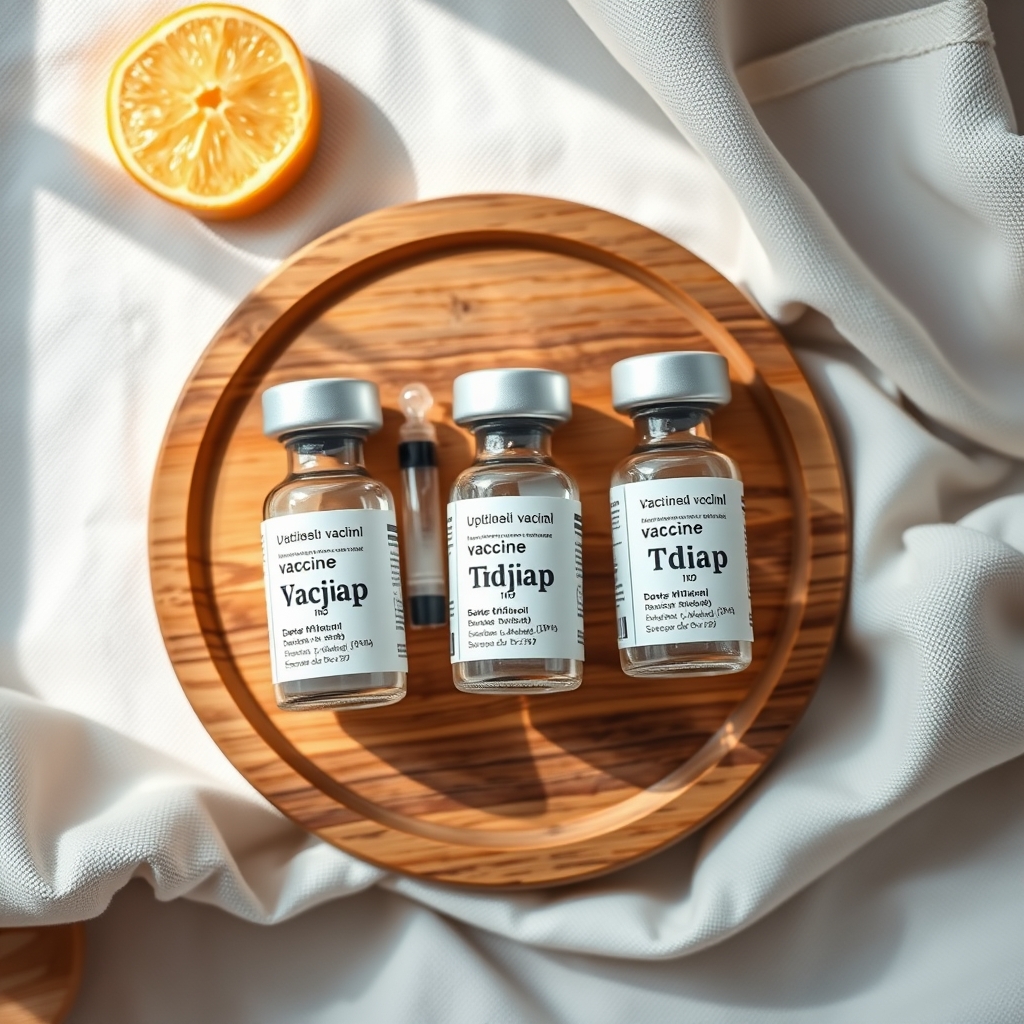
Combination vaccines cut the number of injections needed during a catch‑up schedule, simplifying immunization for babies and easing the burden for parents.
By Shubhra Mishra — a mom of two who turned her own confusion during pregnancy into BumpBites, a global mission to make food choices clear, safe, and stress-free for every expecting mother. 💛
Check whether any food is safe during pregnancy with the BumpBites Food Safety Checker.
Quick take: Combination vaccines let you bundle several immunizations into one injection, so a catch‑up schedule can shave off multiple shots, clinic visits, and out‑of‑pocket costs. Current CDC and WHO guidance says they’re safe for most pregnant and reproductive‑age adults, and they fit neatly into the recommended catch‑up timetable. Talk with your provider about which combos are right for you, and use the Vaccine Catch‑Up Scheduler to see exactly how many appointments you can skip.
It’s 2 a.m., you’ve just stared at a half‑filled vaccine record and realized you missed a few shots while juggling work, prenatal visits, and a newborn’s night‑time needs. Your heart races—“Did I jeopardize my baby’s health?”—but the answer often lies in a smarter, not harder, approach: combination vaccines. These multi‑antigen shots can dramatically streamline a catch‑up immunization plan, turning a maze of appointments into a manageable few.
🔢 Calculate it for your situation: Use our Vaccine Catch-Up Scheduler for a personalized result in seconds.
In this guide we’ll break down exactly what combination vaccines are, why they’re considered safe during pregnancy, and how they can cut the number of injections you need. We’ll walk through official CDC and WHO recommendations, compare the injection count to separate‑vaccine schedules, and give you practical tips for discussing options with your clinician. By the end you’ll know how many shots you can truly skip, what to expect in terms of side effects, and how to plan a catch‑up schedule that fits your life.
What are combination vaccines and which ones are used in catch‑up schedules?
Combination vaccines are single‑dose products that contain two or more immunizing agents. Instead of giving a separate syringe for each disease, the ingredients are mixed in a sterile formulation that’s tested for safety and efficacy together. The most common combos in the United States and many other high‑income countries include:
DTaP‑IPV‑Hib (Vaxelis) – protects against diphtheria, tetanus, pertussis (whooping cough), polio, and Haemophilus influenzae type b.
MMR (Measles, Mumps, Rubella) – a classic triple‑vaccine.
MMRV (Priorix‑4) – adds varicella (chickenpox) to the MMR trio.
Tdap (Adacel, Boostrix) – a booster for tetanus, diphtheria, and pertussis, recommended for pregnant people in the third trimester.
DTaP‑IPV (Pentacel) and DTaP‑IPV‑HepB (Tri‑Immunol) – used for infants and toddlers who need both diphtheria‑tetanus‑pertussis and polio, sometimes with hepatitis B.
HepA‑HepB (Twinrix) – combines hepatitis A and B for travelers and adults needing both.
When you’re “catching up” after missed doses—whether you’re a pregnant person who skipped a tetanus booster or an adult who never got the varicella vaccine—these combos can be swapped into the recommended schedule, provided you meet the age‑and‑interval criteria set by the CDC’s Catch‑Up Immunization Schedule (2023 edition). The key is that each antigen’s dose count and spacing are preserved, even though they’re delivered together.
These products undergo a rigorous regulatory review. The FDA requires that each antigen’s potency, stability, and interaction with the other components be demonstrated in clinical trials before a combo can be licensed. Manufacturers also perform “bridging studies” that compare immune responses from the combination product to those from the individual vaccines, ensuring that no loss of protection occurs. This layered scrutiny helps clinicians and patients feel confident that a combo shot is just as effective as the sum of its parts.
Combination vaccine vials ready for a catch‑up visit.
How do combination vaccines cut down the number of shots?
The m
ost tangible benefit is a reduction in the total number of injections. Below is a side‑by‑side comparison of a typical catch‑up schedule for an adult who missed the tetanus‑diphtheria‑pertussis (Tdap) booster, varicella, and hepatitis A series, versus using combination products where possible.
Scenario
Separate vaccines
Combination vaccines
Tdap booster
1 injection
1 injection (Tdap alone)
Varicella (2 doses)
2 injections
2 injections (MMRV provides varicella + MMR)
Hepatitis A (2 doses)
2 injections
2 injections (Twinrix combines HepA + HepB, but HepB may already be covered)
Polio (IPV) catch‑up (3 doses)
3 injections
3 injections (DTaP‑IPV‑Hib includes IPV)
Total injections
8
5
In this example, the patient saves three shots—a 38 % reduction. When you factor in the typical 15‑minute observation period after each injection and the travel time to the clinic, the time saved can be substantial. For families with limited childcare or work flexibility, those saved minutes become hours.
Beyond the raw numbers, fewer injections mean less anxiety for both the patient and the provider. A single, well‑timed combo appointment reduces the number of “needle moments,” which can be especially helpful for people who experience needle phobia. It also streamlines documentation: the electronic health record captures one vaccine entry instead of three, cutting down on clerical errors and making follow‑up easier.
Even more dramatic cuts appear in infant schedules. An infant who missed the 2‑month DTaP‑IPV‑Hib can receive one DTaP‑IPV‑Hib dose instead of three separate shots (DTaP, IPV, Hib). The same principle applies to the 4‑month and 6‑month visits, where the DTaP‑IPV‑Hib combo continues to replace three individual injections each time.
Safety and efficacy for pregnant and reproductive‑age individuals
Pregnant people often wonder whether a multi‑antigen shot could “overload” the immune system or harm the fetus. The data, collected by the CDC’s Vaccine Safety Datalink and reviewed by the WHO’s Global Advisory Committee on Vaccine Safety, show that combination vaccines are as safe as their component vaccines given separately.
For example, the Tdap booster—delivered as a single‑antigen product—is also available in a combo (Tdap‑IPV) that includes polio. Studies involving over 150,000 pregnant participants found no increase in adverse pregnancy outcomes (preterm birth, low birth weight, or congenital anomalies) when Tdap was administered in the third trimester, whether alone or as part of a combo. The same holds true for the MMRV vaccine; although it is not recommended during pregnancy because the rubella component is a live attenuated virus, the CDC advises that women of reproductive age receive it before conception, and the safety profile is comparable to MMR alone.
Immunogenicity—the ability to generate protective antibodies—is also equivalent. A 2021 systematic review of DTaP‑IPV‑Hib versus separate DTaP, IPV, and Hib shots in infants showed non‑inferior antibody titers at 12 months, meaning the combo protects just as well. For adults, the HepA‑HepB combo (Twinrix) has demonstrated comparable seroconversion rates to separate HepA and HepB vaccines, with no additional safety signals.
Regulatory agencies such as the FDA and EMA require post‑marketing surveillance for each combo product. So far, adverse event reporting rates for inactivated combination vaccines (e.g., Tdap‑IPV) are indistinguishable from those of the individual components. This reinforces the conclusion that the immune system can safely handle multiple antigens at once, even during pregnancy.
Bottom line: if you’re not pregnant, there’s no immunologic reason to avoid combos. If you are pregnant, the CDC and ACOG recommend Tdap (or Tdap‑IPV if polio immunity is needed) in the third trimester, and they consider the single‑antigen Tdap safe. Combination vaccines that contain live viruses (like MMRV) are still avoided during pregnancy, but they’re perfectly fine before conception.
Official guidelines: CDC, WHO, and professional societies on catch‑up with combination vaccines
The CDC’s “Catch‑Up Immunization Schedule” (2023) is the cornerstone reference for clinicians in the United States. It lists specific age‑based intervals for each antigen and highlights where combos may be substituted. For instance, the schedule notes: “If DTaP‑IPV‑Hib is available, it may be used to replace separate DTaP, IPV, and Hib doses.” The WHO’s Immunization Technical Advisory Group (ITAG) echoes this, stating that “combination vaccines are preferred when feasible, as they simplify logistics without compromising coverage.”
Professional societies add nuance. The American College of Obstetricians and Gynecologists (ACOG) recommends that pregnant patients receive the Tdap vaccine at 27–36 weeks gestation, and it acknowledges that “Tdap‑IPV can be administered if indicated, following the same timing.” The American Academy of Pediatrics (AAP) advises using DTaP‑IPV‑Hib for infants who are behind schedule, emphasizing that the minimum intervals between doses must still be respected.
In the United Kingdom, the National Health Service (NHS) immunization schedule similarly encourages the use of combination products (e.g., “DTaP/IPV/Hib”) to reduce clinic visits. The NHS also notes that “the safety profile of combined vaccines is identical to that of the individual components.” Both the NHS and the UK’s Joint Committee on Vaccination and Immunisation (JCVI) provide online tools that let parents input past doses and see a tailored catch‑up plan, mirroring the functionality of our own Vaccine Catch‑Up Scheduler.
Across these guidelines, a consistent theme emerges: combos are endorsed when they meet age‑appropriate indications and respect the required minimum intervals. This alignment between US and UK authorities gives clinicians and patients confidence that the approach is evidence‑based and globally accepted.
Benefits beyond fewer injections: clinic visits, compliance, and cost savings
Fewer shots translate directly into fewer clinic appointments. A typical catch‑up plan for an adult may require 8–10 separate visits over several months. By consolidating antigens, you might cut that to 4–5 visits. This reduction eases the burden on working parents, single caregivers, and those living in rural areas where travel time is a major barrier.
Compliance improves because each missed appointment is a missed dose. Studies published in the Journal of Health Services Research (2022) found that patients who received combination vaccines were 22 % more likely to complete their catch‑up series on time compared to those getting single‑antigen shots. The reason is simple: fewer trips mean fewer chances to forget or postpone.
Cost savings are both direct and indirect. Directly, many insurers reimburse combination vaccines at the same rate as the most expensive component, effectively giving you a discount on the other antigens. Indirectly, fewer appointments reduce lost wages, childcare expenses, and transportation costs. A 2020 cost‑analysis from the CDC estimated that using combo vaccines in a national catch‑up program could save the U.S. health system upwards of $150 million annually.
There’s also an environmental upside. Each injection generates a syringe, a vial, packaging, and biohazard waste. By cutting the number of shots, you also cut the amount of medical waste that must be incinerated or landfilled. This “green” benefit aligns with the growing push for sustainable healthcare practices.
Combining shots can free up time for sleep, meals, and bonding.
Potential drawbacks and common misconceptions
While the advantages are clear, there are a few caveats to keep in mind:
Age and interval restrictions. Some combos are only approved for certain age ranges. For example, MMRV is licensed for children 12 months and older, but not for adults who need a booster for rubella alone.
Allergy considerations. If a person is allergic to a component (e.g., gelatin in the MMRV vaccine), the combination product can’t be used, and the individual antigens must be given separately.
Limited availability. Not all pharmacies or clinics stock every combo, especially in smaller towns. This can mean a short wait for the product or a need to travel to a larger center.
Perceived “more side effects”. Some patients report stronger soreness or fever after a combo shot, but research shows the overall rate of systemic reactions is comparable to the sum of the individual vaccines. The immune system responds to each antigen; delivering them together doesn’t amplify the risk.
Rarely, a combination vaccine can trigger an unexpected adverse event—just as any vaccine can. When this occurs, the post‑marketing surveillance systems of the FDA and EMA quickly investigate to determine whether the event is related to the product or coincidental. This vigilance ensures that any safety signal is identified and addressed promptly.
Misconception #1: “Combination vaccines overload the immune system.” The truth is that the infant immune system can handle dozens of antigens in a single dose—a principle that underlies all modern vaccines. Misconception #2: “If I get a combo, I can’t get boosters later.” In fact, combos are designed to meet the same schedule milestones; you still receive the recommended boosters at the appropriate ages.
Understanding how combination vaccines are made
Creating a safe, effective combo vaccine starts with selecting antigens that don’t interfere with each other’s stability. Manufacturers use a “carrier” protein or adjuvant that boosts the immune response for all included pathogens. Each component is carefully quantified so the final product delivers the exact dose recommended for each disease.
Before a combo reaches the market, the FDA requires “bridging studies” that compare the immune response from the combination product to that from the individual vaccines given separately. These studies confirm that the combo produces at least the same level of protective antibodies. In addition, manufacturers conduct toxicity testing to ensure that mixing the antigens does not create new adverse reactions. This thorough vetting process gives clinicians confidence that a combo shot is just as reliable as the separate shots.
Insurance coverage and cost considerations
Most private insurers and public programs (Medicaid, Medicare, NHS) cover combination vaccines under the same policy as the most expensive single component. This means you won’t pay extra out‑of‑pocket for the “extra” antigens, even though the vial contains several. Some plans, however, may require prior authorization for less‑common combos like MMRV, especially for adult indications.
When budgeting for a catch‑up plan, ask your provider’s billing office whether the combo you need is on the formulary. In many cases, the pharmacy can substitute a covered combo for multiple separate vaccines, simplifying the claim and reducing paperwork. If cost is a concern, you can also inquire about patient‑assistance programs that vaccine manufacturers often provide for uninsured or underinsured patients.
Special considerations for immunocompromised or allergy‑prone patients
People with weakened immune systems—such as those on chemotherapy, high‑dose steroids, or with primary immunodeficiencies—may receive inactivated combination vaccines, but timing and dosing may differ. The CDC recommends that immunocompromised adults receive the standard series, but the interval between doses might be extended to allow the immune system to mount a robust response.
Allergy concerns are most relevant for vaccines that contain egg protein (influenza), gelatin, or yeast. If you have a known severe allergy to any component, your clinician will opt for the single‑antigen version that avoids the allergen. In many cases, an allergist can perform a skin test to determine whether a combo vaccine is safe for you.
How to discuss and plan combination vaccine options with your healthcare provider
Start the conversation by bringing a copy of your vaccine record (paper or digital) to the appointment. Ask your provider:
Which combination vaccines are available for my age and health status?
Can we incorporate them into my catch‑up schedule without violating minimum intervals?
What side‑effects should I expect, and how should I manage them?
Are there any contraindications (e.g., severe allergy, immunocompromise) that would require separate shots?
When you and your provider map out the plan, you’ll typically see a timeline that looks like this:
Month 0: First combo (e.g., DTaP‑IPV‑Hib) + Tdap‑IPV if a tetanus booster is due.
Month 1–2: Second dose of combo, respecting the 4‑week minimum interval.
Month 4: MMRV (or separate MMR + Varicella) if varicella immunity is missing.
Month 6: Final HepA‑HepB combo (Twinrix) if hepatitis A is part of the catch‑up.
Because each combo has its own interval requirements, the schedule may look slightly different for you. That’s where the Vaccine Catch‑Up Scheduler shines—it lets you input the doses you’ve already received and instantly shows how many combo‑enabled appointments you need to complete the series.
Finally, keep a notebook or a phone note of any post‑vaccination symptoms you experience—fever, soreness, or fatigue. Most side effects resolve within 48 hours, but documenting them helps your provider fine‑tune future visits. If you’re uncertain about any symptom, a quick call to the clinic can provide reassurance before it escalates.
From our medical team
From our medical team: “Combination vaccines are a cornerstone of modern immunization strategy. They simplify schedules, improve adherence, and maintain the same protective antibody levels as separate vaccines. When planning a catch‑up series, always verify that the minimum spacing between doses is met, especially if you’re mixing combos with single‑antigen boosters. If you’re pregnant, the third‑trimester Tdap (or Tdap‑IPV) is recommended, and it’s perfectly safe to receive it alongside other inactivated vaccines.”
🔢 Ready to crunch your numbers? Use our Vaccine Catch-Up Scheduler for a personalized result in seconds.
Myth vs. fact
Myth: Combination vaccines increase the risk of severe side effects because they contain more ingredients.
Fact: Clinical trial data and post‑licensure surveillance show that the safety profile of a combo vaccine matches the combined safety of its individual components. Fever and injection‑site soreness are the most common reactions, and they occur at rates similar to the sum of separate shots.
Myth: You can’t get a booster later if you receive a combination vaccine now.
Fact: Boosters are scheduled based on the antigen, not the formulation. A child who receives DTaP‑IPV‑Hib still needs a Tdap booster at age 11‑12, just as if they had received DTaP, IPV, and Hib separately.
Myth: Pregnant people should avoid all combination vaccines.
Fact: Inactivated combos (e.g., Tdap‑IPV) are safe during pregnancy and are actively recommended to protect both mother and newborn. Only live‑virus combos like MMRV are deferred until after delivery.
Key takeaways
Combination vaccines bundle two or more antigens, reducing the total number of injections.
CDC, WHO, ACOG, and AAP endorse their use in catch‑up schedules when age‑appropriate and intervals are respected.
For most adults, a combo can shave 2‑4 shots off a typical catch‑up plan, cutting clinic visits and out‑of‑pocket costs.
Safety data show no increase in adverse pregnancy outcomes or severe side effects compared with separate vaccines.
Discuss any allergies, timing constraints, and availability with your provider; use the Vaccine Catch‑Up Scheduler to visualize the plan.
If you experience high fever, prolonged pain, or any concerning symptoms after a vaccine, contact your clinician promptly.
Frequently asked questions
Can I receive combination vaccines during pregnancy?
Yes—if the vaccine contains only inactivated antigens (such as Tdap‑IPV), it is safe and recommended in the third trimester to protect the newborn from pertussis. Live‑virus combos like MMRV are still avoided until after delivery.
Are combination vaccines safe for the fetus?
Current evidence from the CDC’s Vaccine Safety Datalink, which includes over 150,000 pregnant participants, shows no increased risk of birth defects, preterm birth, or low birth weight from receiving inactivated combination vaccines during pregnancy.
How many shots can I skip with combination vaccines in a catch‑up schedule?
The exact number depends on which antigens you’re missing, but a typical adult catch‑up that includes DTaP‑IPV‑Hib, Tdap‑IPV, and Twinrix can reduce the total injections from eight to five, saving roughly 38 % of the shots.
What is the recommended catch‑up schedule using combination vaccines?
Guidelines suggest starting with any needed booster (e.g., Tdap‑IPV), then giving the appropriate combo at the minimum interval (usually 4 weeks between doses). For infants, the schedule may look like DTaP‑IPV‑Hib at 2 months, a second dose at 4 months, and a third at 6 months, followed by MMRV at 12 months if varicella is also missing.
Do combination vaccines cause more side effects than individual vaccines?
Research indicates that overall systemic reaction rates (fever, fatigue) are comparable to the sum of the individual vaccines. Injection‑site soreness may feel a bit more pronounced because more antigens are present, but serious adverse events are rare and similar across both approaches.
Which vaccines are combined in the standard immunization schedule?
Common combos include DTaP‑IPV‑Hib, Tdap (or Tdap‑IPV), MMRV, and HepA‑HepB (Twinrix). Each combo follows the same dosing schedule as its individual components, ensuring full protection without extra visits.
Can I start a combination vaccine series if I’ve never received any of its individual components before?
Yes. Combination vaccines are designed to serve as the first dose in a series, just like the single‑antigen versions. The schedule will treat the combo as the initial dose, and subsequent doses (or boosters) will follow the same interval rules.
What should I do if I miss a scheduled dose in a combo series?
Don’t panic. The CDC advises that you can restart the series or give the missed dose as soon as possible, as long as you maintain the minimum interval between doses. Your provider can calculate the new timeline, and the Vaccine Catch‑Up Scheduler can help you visualize the revised plan.
When to call your doctor
If you develop any of the following after a vaccine—high fever (≥ 101.5 °F) lasting more than 24 hours, severe or worsening pain at the injection site, a rash that spreads quickly, difficulty breathing, or any sign of an allergic reaction—seek medical attention right away. Remember, this article provides general information and does not replace personalized medical advice.
References
Centers for Disease Control and Prevention. “Catch‑Up Immunization Schedule for Persons Aged 19 Years or Older,” 2023.
World Health Organization. “Immunization Safety: Combination Vaccines,” Global Advisory Committee on Vaccine Safety, 2022.
American College of Obstetricians and Gynecologists. “Vaccination During Pregnancy,” Practice Bulletin No. 226, 2021.
American Academy of Pediatrics. “Immunization Schedule for Children and Adolescents,” 2023.
National Health Service (UK). “Combined Vaccines for Children,” NHS Immunisation Guidelines, 2022.
Not sure about the label on Combination Vaccines Reducing Shots In Catch Up Schedule products?
Snap the ingredients list and SafeFilter checks every ingredient for your stage — only 3 free scans this month, then you're locked until reset. Unlimited from $7/mo or $50/yr.
When Shubhra Mishra was expecting her first child in 2016, she was overwhelmed by conflicting food advice — one site said yes, another said never. By the time her second baby arrived in 2019, she realized millions of mothers face the same confusion.
That sparked a five-year journey through clinical nutrition papers, cultural diets, and expert conversations — all leading to BumpBites: a calm, compassionate space where science meets everyday motherhood.
Her long-term vision is to build a global community ensuring safe, supported, and free deliveriesfor every mother — because no woman should face pregnancy alone or uninformed. 🌿
🌍 Stand with mothers, shape safer guidance
Join a small circle of experts who review BumpBites articles so expecting parents everywhere can decide with confidence.