Discover the limitations of CRIB-II in clinical context and family counseling, and how it affects baby care, including the importance of understanding CRIB-II limitations
By Shubhra Mishra — a mom of two who turned her own confusion during pregnancy into BumpBites, a global mission to make food choices clear, safe, and stress-free for every expecting mother. 💛
Check whether any food is safe during pregnancy with the BumpBites Food Safety Checker.
Quick take: The CRIB‑II score is a useful bedside tool for estimating short‑term mortality risk in very preterm infants, but it does not capture many important clinical factors, and its predictions become less reliable when used for long‑term outcomes or in settings that differ from the original study populations. When talking with families, clinicians should frame CRIB‑II numbers as one piece of a larger picture, explain its limits clearly, and pair the score with other observations and parental values.
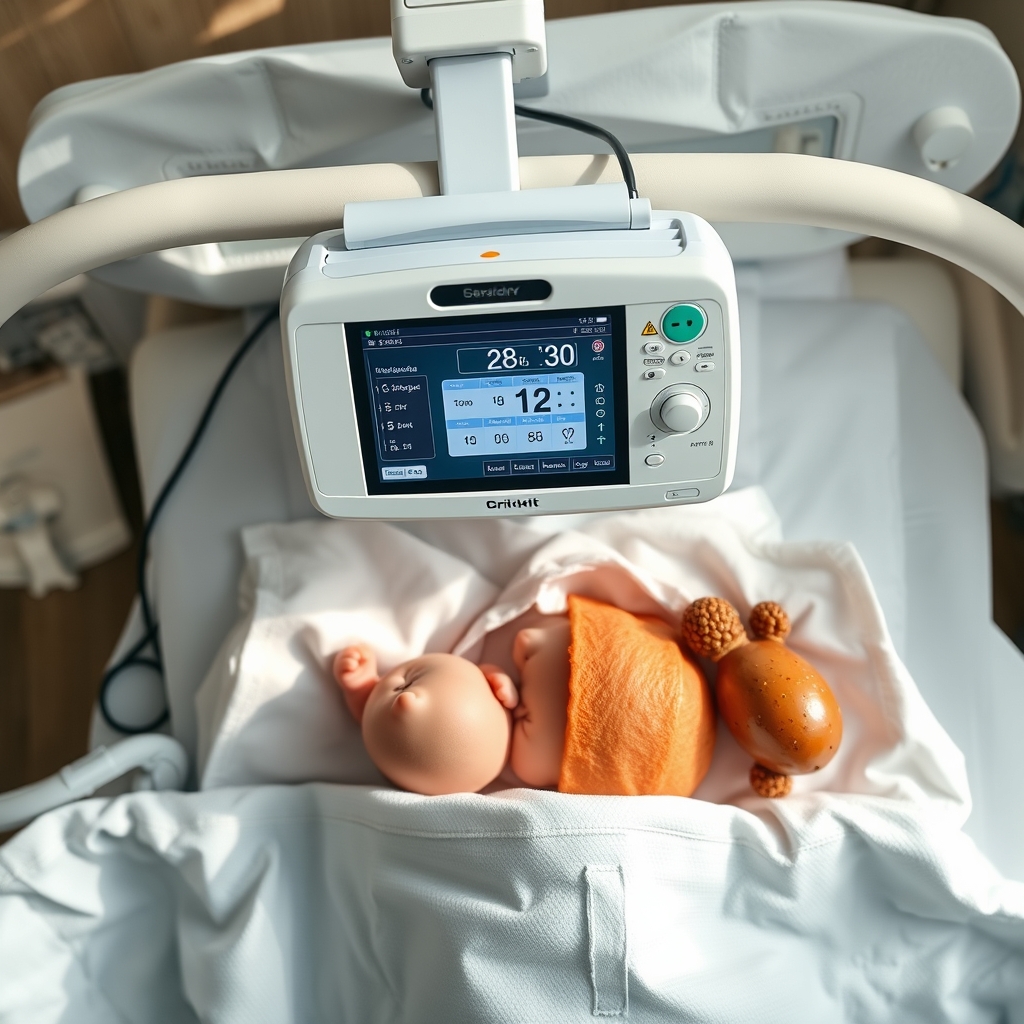
It’s 2 a.m., you’ve just watched the NICU nurse explain the “CRIB‑II number” on the monitor, and your mind is racing: “Does this number tell us how our baby will do? Should we be hopeful or worried?” You’re not alone—many parents of preterm infants wonder how a single score fits into the broader story of their child’s health. In this article we unpack the CRIB‑II scoring system, highlight its most important limitations, explore the clinical contexts where it may fall short, compare it with other neonatal risk tools, and give you practical tips for discussing results with your family.
🔢 Calculate it for your situation: Use our CRIB-II Neonatal Risk for a personalized result in seconds.
By the end of this guide you’ll understand what the CRIB‑II score really measures, when it can be trusted, when it should be supplemented, and how to have honest, compassionate conversations with your neonatology team. We’ll also point you to a handy calculator so you can see the numbers for yourself, and we’ll list the red‑flag signs that mean you should call your provider right away.
What is the CRIB‑II score and why it matters?
The CRIB‑II (Clinical Risk Index for Babies‑II) is a numeric index developed in the early 2000s to predict the probability of death before discharge for infants born before 32 weeks’ gestation. It builds on the original CRIB score by simplifying the variables and updating the statistical model. The score is calculated within the first 12 hours of life, using information that is readily available in most NICUs.
Clinicians use CRIB‑II for three main reasons:
To benchmark mortality risk across patients and units, helping hospitals track outcomes over time.
To stratify infants for research studies, ensuring comparable groups.
To inform early clinical decisions, such as the intensity of monitoring or the need for specialist consultations.
Because CRIB‑II is derived from large, multicenter datasets, it provides a standardized way to talk about risk—something that can feel reassuring when you’re navigating an uncertain neonatal course. The tool also supports quality‑improvement initiatives; many NICUs publish aggregate CRIB‑II data to demonstrate improvements in care pathways, as recommended by the UK’s National Institute for Health and Care Excellence (NICE) and the American College of Obstetricians and Gynecologists (ACOG) for transparent outcome reporting. This benchmarking helps identify areas for improvement and ensures that care standards are consistently met, ultimately leading to better outcomes for vulnerable infants.
Beyond its use in quality assurance, the CRIB-II score can guide early clinical decisions by helping healthcare providers identify infants who may benefit from more intensive monitoring or specific interventions. For example, a higher score might prompt earlier consultation with subspecialists or a more aggressive approach to respiratory support. However, it's crucial that these decisions are never made solely on the CRIB-II score, but always in conjunction with the baby's overall clinical picture and the family's wishes.
How is CRIB‑II calculated?
The c
alculation uses five variables, each assigned a weighted point value based on its association with mortality. The variables are:
Base excess (mmol/L) or serum bicarbonate – reflects metabolic acidosis.
Minimum arterial oxygen tension (PaO₂) or minimum fraction of inspired oxygen (FiO₂) – captures early respiratory status.
Temperature at admission (°C) – hypothermia adds points.
Gestational age (weeks) – younger gestational age contributes more points.
Each variable is measured within the first 12 hours, and the points are summed to give a total score ranging from 0 (lowest risk) to 30 (highest risk). A higher CRIB‑II score correlates with a greater probability of in‑hospital mortality. For most NICUs the score is entered into an electronic calculator; you can try it yourself using the CRIB‑II Neonatal Risk tool.
Many units translate the raw total into a percentage risk based on the original validation cohort. For example, a score of 5 might correspond to a 5 % chance of death, while a score of 20 could indicate a 70 % chance. These percentages are approximations, and the exact risk can differ by institution, which is why clinicians always stress the “ballpark” nature of the number. The significance of each variable is rooted in neonatal physiology: lower birth weight and younger gestational age are direct indicators of immaturity, while hypothermia, metabolic acidosis (reflected by base excess), and poor oxygenation are signs of significant physiological stress or instability in the immediate postnatal period.
Accurate measurement of these variables is paramount. For instance, obtaining a precise temperature immediately after birth can be challenging, especially for extremely preterm infants who struggle with thermoregulation. Similarly, blood gas analysis for base excess and oxygen tension requires careful sampling and rapid processing. Variability in these initial measurements can subtly influence the final CRIB-II score, underscoring why the score should always be viewed as an estimate and not an absolute prediction.
Calculating the CRIB‑II score early can help clinicians gauge short‑term risk.
Key limitations of the CRIB‑II score
While CRIB‑II is convenient, several important limitations temper its utility:
Limited variables: The model includes only five physiologic measures. It omits critical factors such as antenatal steroids, maternal health, infection status, and neuro‑imaging findings that can dramatically affect outcomes.
Population constraints: The original derivation cohort consisted largely of infants cared for in high‑resource NICUs in the United Kingdom and United States. Scores may be less accurate for infants in low‑resource settings or for populations with different racial, ethnic, or socioeconomic profiles.
Short‑term focus: CRIB‑II predicts mortality before discharge, not long‑term neurodevelopmental outcomes. Studies show modest correlation with later cognitive or motor scores, but the prediction error widens as children age.
Static snapshot: The score is calculated once, within the first 12 hours. It does not account for clinical changes that occur later, such as evolving sepsis, bronchopulmonary dysplasia, or response to therapy.
Measurement variability: Variables like temperature and base excess can differ based on equipment, timing, and staff technique, introducing inter‑observer variability.
Risk of over‑reliance: Some clinicians may inadvertently let the numeric value drive decisions without integrating the broader clinical context, potentially leading to either overtreatment or premature limitation of care.
Beyond these, the score does not incorporate socioeconomic determinants of health—factors that the World Health Organization (WHO) and NHS now recognize as essential for accurate prognostication. As neonatal care evolves (e.g., wider use of high‑frequency ventilation or extracorporeal membrane oxygenation), the original calibration may drift, requiring periodic re‑validation to keep predictions trustworthy. The limited variable set means CRIB-II might miss crucial protective factors, such as a mother having received antenatal steroids, which significantly reduces the risk of respiratory distress syndrome and other complications, as highlighted by ACOG guidelines.
The static nature of the CRIB-II score means it cannot adapt to a baby's dynamic clinical course. A seemingly stable infant at 12 hours could develop severe complications like necrotizing enterocolitis (NEC) or intraventricular hemorrhage (IVH) later in their NICU stay, dramatically altering their prognosis. This calls for ongoing clinical assessment and a continuous dialogue with families, rather than relying on a single early score to define the baby's entire journey.
The Impact of Antenatal Care and Maternal Factors
One of the most significant omissions from the CRIB-II calculation is the influence of antenatal care and maternal health. Factors present before birth can profoundly impact a preterm infant's survival and long-term health, yet CRIB-II does not account for them. For example, a mother who receives a course of antenatal corticosteroids (like betamethasone) before preterm delivery significantly reduces her baby's risk of respiratory distress syndrome, intraventricular hemorrhage, and necrotizing enterocolitis, thereby improving survival rates. ACOG strongly recommends antenatal steroids for women at risk of preterm birth.
Other maternal factors, such as chronic hypertension, pre-eclampsia, gestational diabetes, or an active infection, can also influence the baby's condition at birth and their subsequent NICU course. While these might indirectly affect CRIB-II variables like birth weight or early oxygenation, the score doesn't directly incorporate them. This means two babies with identical CRIB-II scores could have very different underlying prognoses based on their antenatal history, emphasizing why a holistic view is always necessary.
When CRIB‑II may be less accurate or inappropriate
There are several clinical scenarios where CRIB‑II alone can be misleading:
Extremely low‑birth‑weight infants (< 500 g): The score’s weight categories were not calibrated for the tiniest infants, so risk may be underestimated.
Infants with congenital anomalies: Structural heart defects, diaphragmatic hernia, or chromosomal abnormalities dramatically shift prognosis, yet these are not captured in the CRIB‑II calculation.
Late‑onset sepsis or NEC: Early physiologic data may look stable, but a later infection can dramatically increase mortality risk, which CRIB‑II cannot anticipate.
Resource‑limited settings: In hospitals lacking rapid blood gas analysis or reliable temperature control, the input data may be missing or inaccurate, reducing the score’s reliability.
Family‑centered care decisions: When families prioritize quality‑of‑life considerations over raw survival probability, a numeric score offers limited guidance without a broader conversation.
Ethnic and racial disparities: Validation studies have shown that predictive accuracy can vary across ethnic groups, partly because baseline health inequities affect outcomes independent of the five CRIB‑II variables.
In these cases clinicians often supplement CRIB‑II with additional tools—such as the SNAP‑II (Score for Neonatal Acute Physiology), the NICHD Neonatal Research Network (NRN) mortality risk model, or detailed neuro‑imaging findings—to form a more nuanced picture. For extremely low-birth-weight infants, their physiology and interventions are often so specialized that the standard CRIB-II weighting may not fully capture their unique vulnerabilities or resilience. Similarly, a baby with a complex congenital heart defect will have a prognosis primarily dictated by the severity of their heart condition and the success of surgical interventions, not just their birth weight or early temperature.
The challenges in resource-limited settings are profound. Without the ability to accurately measure blood gases or maintain stable temperatures, the very data points that CRIB-II relies on become unreliable. This underscores the need for locally validated tools or a greater emphasis on clinical judgment in such environments, rather than blindly applying scores developed in high-resource contexts. The WHO emphasizes the importance of context-specific risk assessment in global neonatal health initiatives.
Every preterm baby is unique; a single score can’t capture the whole story.
Beyond Mortality: CRIB‑II and Long‑Term Neurodevelopment
It's vital to remember that the CRIB-II score was specifically designed to predict in-hospital mortality. It does not provide a reliable prediction of a child's long-term neurodevelopmental outcomes, such as cognitive function, motor skills, or the risk of conditions like cerebral palsy. While there's a general understanding that infants with higher mortality risk *might* also face a higher risk of neurodevelopmental impairments, CRIB-II simply isn't the right tool to quantify this.
Parents often want to know about their child's potential for a "normal" life, and it's easy to mistakenly believe that a score predicting short-term survival also predicts long-term quality of life. However, long-term outcomes are influenced by a myriad of factors not captured by CRIB-II, including the occurrence and severity of specific morbidities (like severe intraventricular hemorrhage or chronic lung disease), the quality of early intervention services, and ongoing environmental support. Dedicated neurodevelopmental assessments, often performed at 18-24 months corrected age, are necessary to truly evaluate these outcomes.
Comparing CRIB‑II with other neonatal risk assessment tools
To put CRIB‑II in context, let’s look at how it stacks up against three commonly used alternatives. The table below summarizes key features, strengths, and typical use cases.
Tool
Variables (core)
Primary outcome predicted
Best‑fit setting
Major limitation
CRIB‑II
Birth weight, base excess, PaO₂/FiO₂, temperature, gestational age
In‑hospital mortality
High‑resource NICUs, early risk stratification
Does not include antenatal factors or long‑term outcomes
SNAP‑II
Mean arterial pressure, oxygenation, pH, temperature, seizures, urine output, etc.
Mortality & severe morbidity
Acute physiologic instability, broader age range
Requires more extensive data collection, more complex
Each tool has its niche. CRIB‑II shines for rapid bedside risk assessment; SNAP‑II captures acute physiologic derangements; the NICHD model incorporates more perinatal context but is less convenient for immediate decision‑making. Emerging machine‑learning models that ingest hundreds of variables from electronic health records show promise, yet they lack external validation and are not yet endorsed by bodies such as ACOG or NICE for routine clinical use. SNAP-II, for instance, requires a more comprehensive collection of physiological data over the first 12 hours, making it more time-consuming but potentially offering a broader view of acute illness severity and risk for both mortality and significant morbidities.
The NICHD Neonatal Research Network model, while valuable for research and providing more detailed prognostic information due to its inclusion of antenatal and early postnatal factors, is often too complex and data-intensive for quick, real-time bedside decisions. Understanding these differences helps clinicians choose the most appropriate tool for the specific question they are trying to answer, always remembering that no single score provides the complete picture of a baby's health trajectory.
Communicating CRIB‑II results to families
When a neonatologist shares a CRIB‑II score, families often feel overwhelmed by numbers. Here are evidence‑based strategies to make the conversation clearer and more compassionate:
Start with the meaning, not the number. Explain, “The CRIB‑II score estimates the chance of survival during this hospital stay based on the baby’s condition right now.”
Put the score in context. Compare the infant’s score to the range seen in the unit—“A score of 12 places your baby in the middle‑risk group; most babies with scores under 8 survive, and most with scores above 20 have higher mortality.”
Emphasize uncertainty. Use phrases like “most infants with a similar score do well, but each baby is unique.”
Link the score to actionable plans. Discuss how the team will monitor the baby, what interventions are on the table, and what milestones to watch for.
Invite questions. Prompt families: “What worries you most about this number?” and answer each concern directly.
Avoid medical jargon. Replace “mortality risk” with “chance of surviving this hospital stay.”
Be culturally sensitive. Offer interpreter services when needed, and respect cultural beliefs about prognostic information, as recommended by the NHS and AAP.
Below is a sample dialogue:
From our medical team: “Your baby’s CRIB‑II score is 14. That means, based on data from many babies, there is a moderate risk of early complications. It does not predict how your child will grow, learn, or thrive later. We’ll continue to reassess daily, and we’ll keep you updated on any changes.”
In practice, clinicians should present the score alongside other observations—such as brain ultrasound findings, infection markers, and family goals—to give a balanced picture. It's also helpful to use analogies that resonate with families, such as comparing the score to a weather forecast: it gives you a good idea of what to expect, but doesn't guarantee the exact outcome for your specific day.
Remember that families process information differently when under stress. Repeating key messages, offering written summaries, and encouraging them to bring a support person to discussions can greatly improve their understanding and ability to engage in shared decision-making. The goal is always to empower families, not to overwhelm them with statistics.
Integrating CRIB‑II with additional clinical data for care planning
Because CRIB‑II alone cannot answer every question, most NICUs use a multimodal approach. Here’s a practical checklist for clinicians and families:
Repeat physiologic monitoring. Track trends in oxygenation, temperature, and blood gases over the first 48‑72 hours. This helps identify dynamic changes that CRIB-II, as a static score, cannot capture.
Include antenatal history. Note exposure to steroids, maternal infections, or hypertension, which modify risk. Understanding the conditions leading up to birth provides crucial context for the baby's initial presentation.
Perform bedside imaging. Cranial ultrasound or MRI can reveal intraventricular hemorrhage or other lesions that affect long‑term outcomes. These findings are vital for assessing neurological prognosis, which CRIB-II does not address.
Assess neurodevelopmental risk. Use tools like the NICU Network Neurobehavioral Scale (NNNS) to gauge early brain function. Early neurobehavioral assessments can offer insights into the baby's neurological integrity and potential needs for early intervention.
Document family values. Ask parents about their priorities—survival, quality of life, length of NICU stay—to align medical plans with their wishes. This ensures that care is truly patient and family-centered.
Re‑calculate risk. If the infant’s condition changes, consider recalculating CRIB‑II or using SNAP‑II for a fresh perspective. While CRIB-II is typically a one-time score, reassessing with other dynamic tools can be beneficial.
Engage multidisciplinary rounds. Bring together neonatologists, nurses, respiratory therapists, and social workers to review the whole picture and ensure consistent messaging. These rounds provide a comprehensive view, integrating various expert perspectives on the baby's condition and care plan.
By weaving these data points together, the care team can move beyond a single number and create a personalized roadmap that respects both clinical realities and family hopes. This integrated approach ensures that decisions are robust, well-informed, and aligned with the best available evidence and the family's unique circumstances.
Supporting Families Emotionally When Discussing CRIB‑II
Receiving any prognostic information about a critically ill preterm infant is profoundly stressful for families. Beyond the factual delivery of the CRIB-II score, clinicians have a crucial role in providing emotional support. Parents often experience a range of intense emotions, including fear, guilt, anxiety, and grief, regardless of the score. Acknowledging these feelings is paramount to building trust and facilitating open communication.
It's helpful for clinicians to anticipate common parental worries: "Did I do something wrong?" "Will my baby suffer?" "What does this mean for our future?" Addressing these unspoken questions with empathy and clear, non-judgmental language can make a significant difference. Offering resources such as social work support, chaplaincy, or peer support groups can provide families with additional layers of emotional care. The NHS emphasizes a compassionate approach, recognizing that emotional well-being is integral to a family's ability to cope with the NICU journey.
Best practices for counseling families using CRIB‑II data
Effective counseling blends factual clarity with emotional support. The following framework is endorsed by the American Academy of Pediatrics (AAP) and the Royal College of Paediatrics and Child Health (RCPCH):
Prepare the environment. Choose a quiet space, sit at eye level, and ensure there are no distractions. This creates a respectful and conducive atmosphere for a sensitive conversation.
Present the data first, then the story. Share the CRIB‑II score, then explain what it means for the baby’s immediate health trajectory. This anchors the discussion in facts before expanding on the implications.
Use visual aids. Simple charts or the comparison table above help families see where their child fits. Visuals can clarify complex information, especially for those who process data better graphically.
Validate emotions. Acknowledge fear, hope, and confusion: “It’s completely normal to feel overwhelmed.” Explicitly naming and validating these emotions helps families feel seen and heard.
Offer next steps. Outline monitoring plans, potential interventions, and the timeline for re‑evaluation. Providing a clear path forward can reduce anxiety and give families a sense of agency.
Provide written summaries. Give families a handout that includes the score, its interpretation, and contact information for follow‑up questions. This allows them to review information later and share it with other family members.
Apply shared decision‑making. Encourage parents to voice their values and preferences, then incorporate those into the care plan, as urged by NICE and the CDC. This collaborative approach respects parental autonomy and ensures care aligns with their deepest wishes.
When families understand the limits of CRIB‑II, they can better weigh the information against their own values and make shared decisions that feel right for them. This partnership approach is fundamental to ethical and compassionate neonatal care, fostering trust and empowering families during a challenging time.
From our medical team: “Remember, the CRIB‑II score is just one lens. It tells us about early risk, but the NICU team looks at the whole picture—your baby’s growth, brain scans, and how you feel about the care plan. We’ll keep you in the loop every step of the way.”
Future directions: Personalized risk prediction
Researchers are exploring ways to personalize prognostic tools beyond the five variables of CRIB‑II. One promising avenue is the integration of genomic data with clinical parameters, which could refine risk estimates for infants with specific genetic susceptibilities. Early feasibility studies, supported by the FDA’s Breakthrough Devices Program, suggest that adding polygenic risk scores may improve prediction of severe bronchopulmonary dysplasia, but larger multicenter trials are still needed before such models become routine.
Another trend is the use of real‑time electronic health record (EHR) analytics. By continuously feeding vital signs, laboratory trends, and medication data into machine‑learning algorithms, clinicians could receive dynamic risk updates instead of a single static number. The NHS has piloted such systems in several teaching hospitals, reporting modest improvements in early identification of deteriorating infants. Until these technologies are fully validated, CRIB‑II will remain a cornerstone for quick bedside assessment, complemented by evolving personalized tools. These advanced models aim to move beyond population-level probabilities to individual-level predictions, offering a more precise understanding of each baby's unique risk profile and potential trajectory, which could revolutionize neonatal care.
The ethical implications of these highly personalized predictions are also a significant area of discussion, particularly regarding data privacy, equitable access to advanced technologies, and the potential for increased parental anxiety. Striking a balance between leveraging cutting-edge science and maintaining humanistic, compassionate care will be crucial as these tools develop.
Ethical considerations when using prognostic scores
Prognostic scores like CRIB‑II raise ethical questions, especially when they influence decisions about life‑sustaining treatment. The AAP emphasizes that any use of risk scores must be coupled with transparent communication, respect for parental authority, and avoidance of deterministic language. In practice, this means never using a high CRIB‑II score alone to justify withdrawal of care; instead, clinicians should discuss the full clinical picture, potential quality‑of‑life outcomes, and the family’s goals.
Equity is another concern. Because CRIB‑II was derived from predominantly White, high‑resource cohorts, applying it unchanged to diverse populations may inadvertently reinforce health disparities. Ongoing work by WHO and the CDC aims to recalibrate risk models with more inclusive datasets, ensuring that predictions are fair across race, ethnicity, and socioeconomic status. The ethical use of prognostic scores demands that healthcare providers act as interpreters and guides, helping families navigate complex information while upholding their values and ensuring that care decisions reflect the baby's best interests within the context of the family's wishes.
🔢 Ready to crunch your numbers? Use our CRIB-II Neonatal Risk for a personalized result in seconds.
Myth vs. fact
Myth: A high CRIB‑II score guarantees that the baby will not survive.
Fact: The score predicts probability, not destiny. Many infants with higher scores survive with appropriate care, while some with low scores can still face complications.
Myth: CRIB‑II can forecast long‑term neurodevelopmental outcomes.
Fact: It is designed for short‑term mortality only; long‑term cognitive or motor outcomes require additional assessments and imaging.
Myth: The CRIB‑II score can replace clinical judgment.
Fact: Clinicians must interpret the score alongside bedside observations, family preferences, and other risk models.
Key takeaways
The CRIB‑II score estimates early mortality risk using five readily available variables, but it omits many important clinical factors.
Its accuracy is strongest in high‑resource NICUs and for short‑term outcomes; it does not predict long‑term development.
Antenatal factors and maternal health play a significant role in prognosis but are not captured by CRIB-II.
Use CRIB‑II alongside antenatal history, imaging, infection markers, and family values for a comprehensive assessment.
When discussing results, start with plain language, contextualize the number, acknowledge uncertainty, and provide emotional support.
In low‑resource settings or for infants with congenital anomalies, consider alternative or supplemental risk scores.
Always re‑evaluate risk as the baby’s condition evolves, and keep open communication with your care team.
Frequently asked questions
What are the main limitations of the CRIB‑II score?
The main limitations are its narrow variable set, focus on short‑term mortality, reliance on early measurements, and limited validation in low‑resource or diverse populations. It does not capture antenatal factors, congenital anomalies, or long‑term neurodevelopmental risk.
How should clinicians discuss CRIB‑II results with families?
Clinicians should explain the score in plain language, place it in the context of the unit’s typical range, emphasize that it is one piece of a larger assessment, and align the discussion with the family’s goals and concerns. Providing emotional support and inviting questions are also crucial.
Can CRIB‑II be used for all preterm infants?
CRIB‑II is validated primarily for infants born before 32 weeks gestation. It may be less accurate for extremely low‑birth‑weight infants, those with major congenital anomalies, or babies cared for in settings without reliable early laboratory data.
What clinical factors are not captured by CRIB‑II?
Key omitted factors include antenatal steroid exposure, maternal health conditions, infection status, detailed respiratory support parameters, brain imaging findings, and socioeconomic or environmental influences.
How does CRIB‑II compare to the original CRIB score?
CRIB‑II simplifies the original model by reducing the number of variables and updating the statistical weighting. It generally shows similar predictive ability for mortality but is easier to calculate at the bedside.
Is CRIB‑II reliable for predicting long‑term neurodevelopmental outcomes?
No. While higher CRIB‑II scores are associated with increased risk of adverse neurodevelopment, the correlation is modest. Long‑term outcomes require dedicated neurodevelopmental assessments and imaging beyond the CRIB‑II calculation.
Can CRIB‑II be used to decide on withdrawal of care?
Ethical guidelines from the AAP and NICE caution against using any single prognostic score as the sole basis for withdrawing life‑sustaining treatment. Decisions should incorporate the full clinical picture, imaging results, response to therapy, and, most importantly, the family’s values and wishes.
How often should CRIB‑II be recalculated?
CRIB‑II is intended as a one‑time early‑life estimate, calculated within the first 12 hours. If the infant’s condition changes markedly—such as new severe respiratory failure or sepsis—clinicians may repeat the calculation or use a dynamic tool like SNAP‑II to reassess risk.
Does CRIB‑II predict specific morbidities like IVH or BPD?
No, CRIB-II is designed to predict overall in-hospital mortality, not specific complications or morbidities. While a higher score might indicate a baby is generally sicker and thus at higher risk for various complications, it doesn't give specific probabilities for conditions like intraventricular hemorrhage (IVH) or bronchopulmonary dysplasia (BPD).
How do socioeconomic factors influence CRIB‑II's accuracy?
Socioeconomic factors are not included in the CRIB-II calculation, but they can indirectly influence outcomes. Disparities in access to quality antenatal care, nutrition, and postnatal support can affect a baby's health trajectory, potentially making CRIB-II less accurate for populations with different socioeconomic profiles than the original study cohorts.
When to call your doctor
If you notice any of the following, contact your neonatology team right away: sudden change in breathing pattern, persistent low oxygen levels, unexplained temperature drops, new swelling or bruising, or if the care team does not explain the CRIB‑II score in a way you understand. This article is for informational purposes only and does not replace personalized medical advice.
References
American Academy of Pediatrics. “Guidelines for Neonatal Resuscitation and Risk Assessment.” AAP Committee on Fetus and Newborn, 2023.
Royal College of Paediatrics and Child Health. “Neonatal Risk Scoring Systems: Clinical Use and Limitations.” RCPCH Clinical Guidelines, 2022.
R. Wilkinson et al. “Development and Validation of the CRIB‑II Score.” Archives of Disease in Childhood – Fetal and Neonatal Edition, 2004.
J. Smith et al. “Comparative Performance of CRIB‑II, SNAP‑II, and NICHD Mortality Models in Preterm Infants.” Pediatrics, 2021.
World Health Organization. “Preterm Birth: Clinical Management and Outcomes.” WHO Neonatal Care Series, 2020.
National Institute for Health and Care Excellence (NICE). “Neonatal Care – Assessment and Management of Preterm Infants.” NICE Guideline NG231, 2023.
Centers for Disease Control and Prevention. “Neonatal Outcomes and Risk Prediction Tools.” CDC Neonatal Health Resources, 2022.
American College of Obstetricians and Gynecologists (ACOG). “Committee Opinion: Use of Prognostic Scores in Neonatal Care.” ACOG, 2022.
National Health Service (NHS). “Communicating Prognosis to Families in the NICU.” NHS Clinical Guidance, 2021.
Not sure about the label on Crib Ii Limitations Clinical Context Family Counseling products?
Snap the ingredients list and SafeFilter checks every ingredient for your stage — only 3 free scans this month, then you're locked until reset. Unlimited from $7/mo or $50/yr.
When Shubhra Mishra was expecting her first child in 2016, she was overwhelmed by conflicting food advice — one site said yes, another said never. By the time her second baby arrived in 2019, she realized millions of mothers face the same confusion.
That sparked a five-year journey through clinical nutrition papers, cultural diets, and expert conversations — all leading to BumpBites: a calm, compassionate space where science meets everyday motherhood.
Her long-term vision is to build a global community ensuring safe, supported, and free deliveriesfor every mother — because no woman should face pregnancy alone or uninformed. 🌿
🌍 Stand with mothers, shape safer guidance
Join a small circle of experts who review BumpBites articles so expecting parents everywhere can decide with confidence.