Discover the top books regarding pregnancy, offering essential advice and support for every stage. Our must-read guides cover everything from prenatal care to postpartum recovery, helping you feel prepared and empowered on your journey to parenthood. Find your perfect companion for a confident pregnancy.
By Shubhra Mishra — a mom of two who turned her own confusion during pregnancy into BumpBites, a global mission to make food choices clear, safe, and stress-free for every expecting mother. 💛
Check whether any food is safe during pregnancy with the BumpBites Food Safety Checker.
Quick take: Diving into pregnancy books can empower you with knowledge and confidence for your journey to parenthood. From comprehensive guides covering every trimester to specialized reads on natural birth, diet, or postpartum care, the right book can be a reassuring companion. Just remember, these resources complement, but don't replace, personalized medical advice from your healthcare provider.
It's 2 AM, you're wide awake, a whirlwind of excitement and a tiny bit of panic swirling in your head. You've just found out you're pregnant, or maybe you're nearing your due date, and a million questions are buzzing. How do you prepare? What's normal? What should you be eating, or avoiding? It's a natural instinct to reach for information, and for many expecting parents, that means turning to books.
Pregnancy is a truly transformative experience, and while your medical team is your primary guide, a good book can be a trusted friend, offering comfort, wisdom, and practical advice on demand. There's a vast world of pregnancy literature out there, from week-by-week trackers to deep dives into specific birthing philosophies, and even lighthearted reads to bring a smile to your face.
At BumpBites, we understand that you're looking for clear, trustworthy answers. That's why we've put together a comprehensive guide to the must-read pregnancy books, helping you navigate the options and find the perfect companions for your unique journey. We'll cover everything from essential guides for first-time parents to books for partners, natural birth, diet, postpartum, and even a few for a good laugh. Let's find the books that will make you feel informed, prepared, and excited for what's ahead.
Finding the right pregnancy books can offer comfort and knowledge as you prepare for your baby's arrival.
What are the Best Pregnancy Books for First-Time Moms?
For first-time moms, the sheer volume of information about pregnancy can feel overwhelming. You're likely looking for a comprehensive guide that covers everything from conception to birth and those first few weeks with a newborn. These books aim to be your all-in-one resource, offering reassurance and clear answers to your myriad questions.
One of the most iconic and frequently recommended books for first-time moms is "What to Expect When You're Expecting" by Heidi Murkoff, Arlene Eisenberg, and Sandee Hathaway. This classic, often referred to as the "bible of pregnancy," offers a month-by-month guide through your pregnancy. It details physical changes, baby's development, common symptoms, and what to expect at doctor's appointments. While comprehensive, its detailed and sometimes extensive lists of potential complications can sometimes feel a bit anxiety-inducing for some readers. However, for many, its thoroughness is exactly what they need.
Another highly respected choice is "The Mayo Clinic Guide to a Healthy Pregnancy". This book is lauded for its evidence-based approach and clear, calm tone. Written by a team of medical experts, it provides reliable information on prenatal care, childbirth, and early parenthood. It's particularly strong on medical facts, healthy lifestyle choices, and practical advice, making it an excellent resource for those who appreciate a straightforward, authoritative perspective without excessive anecdotal content. Many readers find its balanced outlook less fear-inducing than other guides.
For those who prefer a more data-driven and nuanced approach, "Expecting Better: Why the Conventional Pregnancy Wisdom Is Often Wrong—and What You Really Need to Know" by Emily Oster is a game-changer. Oster, an economist, delves into the data behind common pregnancy recommendations, helping expectant parents make informed decisions based on evidence rather than anecdote or outdated advice. She tackles topics like coffee consumption, alcohol, bed rest, and induction, presenting the actual risks and benefits in an accessible way. This book is particularly popular with parents who want to understand the "why" behind recommendations and feel empowered to make choices that align with their personal values and risk tolerance.
When selecting a book as a first-time mom, consider your personal learning style. Do you prefer a detailed, encyclopedic approach, or something more concise and evidence-focused? Look for books that feel empowering, not overwhelming, and that align with the general philosophy of your chosen healthcare provider. Remember, these books are excellent starting points for discussion with your doctor or midwife.
What are the Top Recommended Pregnancy Books for Dads and Partners?
Pregnancy isn't just a journey for the person carrying the baby; it's a profound experience for partners too. While they might not be experiencing the physical changes, partners play a crucial role in support, preparation, and bonding. Thankfully, there are excellent resources specifically designed to help dads and partners navigate this exciting, sometimes bewildering, time.
"The Expectant Father: The Ultimate Guide for Dads-to-Be" by Armin A. Brott and Jennifer Ash is widely considered the gold standard for expectant fathers. This book covers everything a dad needs to know, month by month, from the physical and emotional changes his partner is experiencing to what's happening with the baby's development. Crucially, it also addresses the father's own journey, including his feelings, fears, and how to best support his partner and prepare for fatherhood. It's written in an accessible, reassuring tone, making it feel like a supportive mentor rather than a dry textbook.
Another fantastic option is "We're Pregnant! The First-Time Dad's Pregnancy Handbook" by Adrian Kulp. This guide offers a more modern, relatable, and often humorous perspective. Kulp, a father himself, uses a down-to-earth tone to walk dads through pregnancy, labor, and delivery, and the initial weeks of parenthood. It’s packed with practical advice, checklists, and real-world scenarios, making it highly actionable. Many dads appreciate its straightforward, no-nonsense approach and its focus on how they can be actively involved and helpful throughout the process.
For partners who want to delve deeper into the emotional and psychological aspects of becoming a parent, look for books that encourage self-reflection and open communication. While not exclusively for partners, books that address the couple's relationship dynamics during pregnancy and postpartum can be incredibly valuable. These might include sections in broader parenting books or specific relationship guides that touch upon the transition to parenthood.
Encouraging partners to read alongside you can foster a shared understanding and strengthen your bond as you prepare for your baby. It helps them feel more included and knowledgeable, enabling them to offer more effective support. Many couples find that discussing what they've learned from these books sparks important conversations about their expectations, fears, and hopes for their growing family.
Tips for Partners:
Read actively: Don't just skim. Engage with the material and think about how it applies to your situation.
Ask questions: Use what you learn to ask your partner how they're feeling, or to bring up topics with your healthcare provider.
Be present: The knowledge gained from books helps you understand what's happening, allowing you to be a more empathetic and effective support person.
Which Pregnancy Books are Best for Natural Birth and Labor Preparation?
For many expectant parents, the idea of a natural birth—one with minimal medical intervention—is appealing. Preparing for such a birth often involves a deep dive into understanding the physiology of labor, pain coping techniques, and building confidence in your body's innate ability to give birth. The right books can be invaluable guides in this journey, offering both information and inspiration.
A foundational text in the natural birth movement is "Ina May's Guide to Childbirth" by Ina May Gaskin. Gaskin is a renowned midwife and advocate for natural childbirth, and her book is rich with positive birth stories from The Farm, her midwifery center. It emphasizes the power of the birthing body, the importance of a supportive environment, and practical techniques for managing labor pain naturally. Her philosophical approach centers on trusting the birthing process and minimizing fear. This book is often cited as life-changing by those seeking an unmedicated birth.
Another highly influential book is "The Womanly Art of Breastfeeding" by La Leche League International. While primarily focused on breastfeeding, it's often read by those preparing for natural birth because it aligns with a holistic, body-trusting approach to early motherhood. It provides extensive support for breastfeeding, which is a natural extension of the birthing process, and encourages mothers to listen to their bodies and babies. Understanding breastfeeding before birth can also reduce anxiety and increase confidence in the postpartum period.
For those interested in specific pain management techniques, books on Hypnobirthing are excellent resources. While there are several reputable titles, a popular one is "Hypnobirthing: The Mongan Method" by Marie F. Mongan. This book introduces techniques for deep relaxation, visualization, and self-hypnosis to help women achieve a calm, peaceful, and often pain-reduced birth experience. It teaches parents to replace fear and tension with confidence and relaxation, thereby allowing the body to labor more effectively. Many couples find taking a Hypnobirthing class in conjunction with reading the book to be highly beneficial.
Beyond specific methods, many natural birth books emphasize:
Understanding the stages of labor: Knowing what to expect physiologically helps manage expectations and reduces fear.
Pain coping strategies: Breathing techniques, movement, massage, hydrotherapy, and vocalization are often detailed.
The role of a supportive birth team: The importance of doulas, supportive partners, and healthcare providers who align with your birth philosophy.
Building confidence: Positive birth stories and affirmations are used to empower birthing individuals.
When selecting a natural birth book, consider if its philosophy resonates with you. Some are more spiritual, others more practical. Remember to discuss your birth preferences and plans with your healthcare provider to ensure they align with your medical situation and local hospital/birthing center policies. These books are wonderful tools to help you advocate for the birth experience you desire.
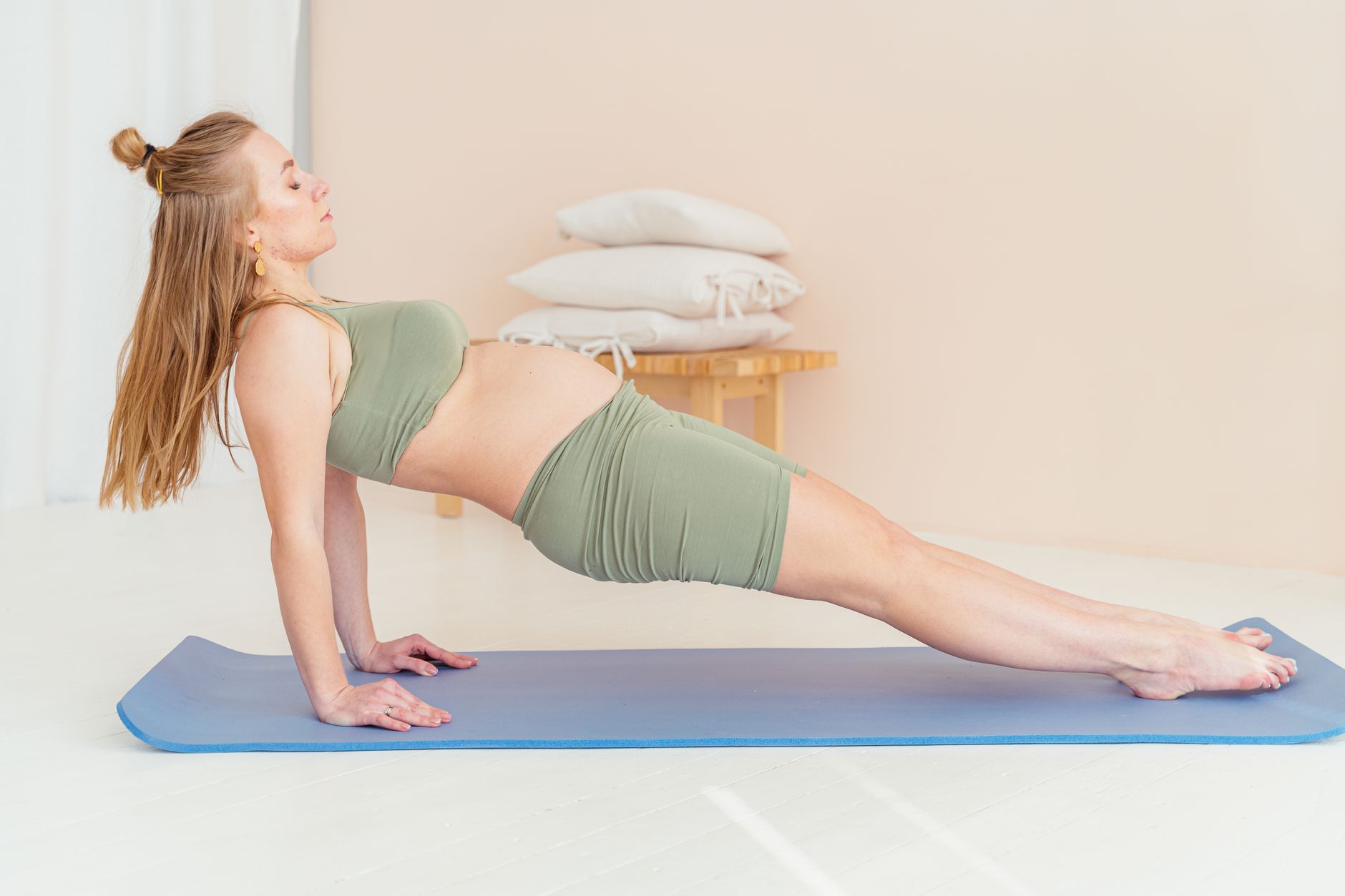
Gentle exercise, alongside a healthy diet, is key for a healthy pregnancy, and many books offer guidance.
What are Essential Pregnancy Guides for a Healthy Diet and Exercise?
Maintaining a healthy diet and engaging in appropriate exercise are cornerstones of a healthy pregnancy. It's not just about "eating for two," but about ensuring you and your baby receive optimal nutrition, managing energy levels, and preparing your body for labor and recovery. Many expectant parents have questions about what's safe, what's necessary, and how to adapt their lifestyle. Specialized pregnancy guides can provide clear, evidence-based answers.
When it comes to nutrition, a common concern is navigating food safety, understanding nutrient needs, and managing common pregnancy discomforts like nausea or cravings through diet. Books like "Eating for Two: The Complete Guide to Nutrition During Pregnancy" (often updated with new editions) provide detailed information on what foods to prioritize, which to avoid, and how to handle specific dietary challenges, such as vegetarianism or gestational diabetes. They typically offer meal plans, recipe ideas, and breakdowns of essential vitamins and minerals, explaining why folic acid, iron, calcium, and DHA are so crucial.
Beyond specific food recommendations, a good nutrition guide will help you understand:
Calorie needs: While you do need more calories, it's not a dramatic increase for most of pregnancy.
Food safety: Which foods pose a risk (e.g., certain cheeses, raw fish, deli meats) and why.
Managing symptoms: Dietary strategies for morning sickness, heartburn, constipation, and fatigue.
Weight gain: Healthy ranges for weight gain and how nutrition plays a role.
For exercise during pregnancy, the key is often adaptation and listening to your body. While strenuous activities might need modification, staying active is highly beneficial for energy, mood, sleep, and preparing for birth. Look for books that offer safe exercise routines, modifications for different trimesters, and guidance on activities like walking, swimming, yoga, and strength training.
Many general pregnancy guides, such as "The Mayo Clinic Guide to a Healthy Pregnancy," include excellent sections on diet and exercise, often with clear visuals and practical tips. They emphasize the importance of listening to your body, staying hydrated, and avoiding activities with a high risk of falling or abdominal trauma.
Key aspects of pregnancy exercise books often include:
Safe exercises for each trimester: What's appropriate as your body changes.
Warning signs: When to stop exercising and consult your doctor.
Pelvic floor exercises: The importance of Kegels for pregnancy, birth, and postpartum recovery.
Stretching and mobility: Helping to alleviate common aches and pains.
Always remember that any advice on diet and exercise from books should be discussed with your healthcare provider, especially if you have pre-existing conditions or experience any complications. Your provider can offer personalized recommendations based on your individual health needs and pregnancy progression.
Which Comprehensive Pregnancy Books Cover Each Trimester?
For many expecting parents, a book that breaks down the pregnancy journey trimester by trimester, or even week by week, offers a comforting sense of predictability and helps them track their baby's development and their own body's changes. These comprehensive guides are designed to be a continuous resource, accompanying you from the first flutter to the final push.
As mentioned earlier, "What to Expect When You're Expecting" by Heidi Murkoff, Arlene Eisenberg, and Sandee Hathaway excels in its trimester-by-trimester and month-by-month structure. Each section details the typical physical and emotional changes you might experience, your baby's growth and milestones, and what to expect at your prenatal appointments. It also offers advice on managing common symptoms, preparing for labor, and making decisions about everything from baby gear to birthing classes. Its encyclopedic nature means you can often find an answer to almost any question that pops into your head at any stage of pregnancy.
Similarly, "The Mayo Clinic Guide to a Healthy Pregnancy" also follows a clear chronological structure, often organized by week or month. It provides reliable, medically reviewed information on fetal development, maternal changes, and prenatal care. What sets it apart is its strong emphasis on evidence-based practices and a calm, reassuring tone that demystifies medical procedures and addresses common concerns without inciting alarm. It's particularly good for parents who appreciate clear graphics, medical accuracy, and practical advice on staying healthy throughout all three trimesters.
Another popular choice for its comprehensive nature is "Your Pregnancy and Childbirth: Month to Month" published by the American College of Obstetricians and Gynecologists (ACOG). As an official publication from a leading professional organization for OB/GYNs, this book offers authoritative medical information directly from the source. It covers everything from conception to the postpartum period, with a strong focus on clinical guidance, healthy practices, and what to discuss with your healthcare provider at each stage. It's an excellent resource for understanding the medical aspects of your pregnancy journey and ensuring you're receiving appropriate care.
When choosing a comprehensive book, consider:
Readability: Is the language clear and engaging, or overly technical?
Tone: Does it feel reassuring and empowering, or does it focus too much on potential problems?
Inclusivity: Does it acknowledge diverse family structures and experiences?
Updates: Check for the latest edition, as medical advice can evolve.
These books serve as excellent reference tools. Many parents find themselves returning to them again and again as their pregnancy progresses, looking up symptoms, understanding tests, and planning for the next stage. They can provide a comforting roadmap for the entire nine-month journey.
Are There Any Funny or Lighthearted Pregnancy Books?
While comprehensive guides are essential, sometimes you just need a good laugh. Pregnancy, with all its joys and anxieties, also comes with its share of awkward, absurd, and downright hilarious moments. Lighthearted and funny pregnancy books can be a wonderful antidote to stress, offering a dose of humor and reminding you that you're not alone in the weirdness of it all.
One of the most popular choices in this category is "Belly Laughs: The Naked Truth About Pregnancy and Childbirth" by Jenny McCarthy. Known for her candid and often outrageous humor, McCarthy shares her unfiltered experiences with pregnancy, from morning sickness and bizarre cravings to stretch marks and the realities of childbirth. It's a no-holds-barred, honest, and often hilarious look at the less glamorous side of expecting, making many readers feel seen and understood. While it's not a medical guide, it's a fantastic read for comic relief and relatable anecdotes.
Another excellent option for a dose of humor and honesty is "The Sh!t No One Tells You: A Guide to Surviving Your Baby's First Year" by Dawn Dais. While much of this book focuses on the postpartum period, it captures the raw, unvarnished truth about early parenthood, which often begins in the later stages of pregnancy as parents anticipate the unknowns. Dais offers a humorous and realistic take on the challenges, exhaustion, and unexpected moments that come with a newborn, making it a great pre-emptive read for a good laugh and a dose of reality.
For a slightly more gentle, but still very relatable, humorous perspective, books that compile funny anecdotes or illustrated guides can also be a hit. These books often highlight the absurdities of pregnancy symptoms, the unsolicited advice, and the comical misadventures that can occur. They serve as a reminder that it's okay to find humor in the midst of major life changes and that sometimes, laughter truly is the best medicine.
Why read funny pregnancy books?
Stress relief: Laughter can reduce stress and anxiety, which is beneficial during pregnancy.
Relatability: It's comforting to know that other people experience the same strange symptoms, cravings, and emotional rollercoasters.
Perspective: They help you take things a little less seriously and enjoy the unique, sometimes silly, aspects of pregnancy.
Bonding: Sharing funny stories or reading aloud can be a great way to bond with your partner.
While these books won't teach you how to prepare for labor or what to eat, they offer invaluable emotional support by reminding you that pregnancy is a human experience, full of imperfections and opportunities for joy. They help balance out the serious medical information and provide a much-needed mental break.
From our medical team: While pregnancy books are fantastic resources for information and support, they should always be seen as complementary to your direct medical care. Every pregnancy is unique, and what's right for one person might not be for another. Think of these books as a great starting point for questions to bring to your doctor or midwife. We encourage open dialogue about any concerns or topics you read about, ensuring your care plan is tailored to you and your baby's specific needs. Your healthcare provider is your most important guide.
What are the Best Books for Postpartum Recovery and Newborn Care?
The journey doesn't end with birth; in many ways, it's just beginning! The postpartum period, often called the "fourth trimester," is a critical time for recovery for the birthing parent and intense adjustment for both parents as they navigate newborn care. Having resources dedicated to this phase can make a significant difference in feeling prepared and supported.
For understanding the newborn phase, "The Happiest Baby on the Block" by Harvey Karp, M.D. is a perennial favorite. Dr. Karp introduces the "5 S's" method (swaddling, side/stomach position, shushing, swinging, and sucking) to calm crying babies and help them sleep better. This book offers practical, actionable advice that many parents find incredibly effective in soothing their newborns and establishing healthier sleep patterns. It's less about long-term parenting philosophy and more about immediate, tangible strategies for managing a fussy baby.
When it comes to postpartum recovery for the birthing parent, books that address both physical healing and mental well-being are essential. "The Fourth Trimester: A Postpartum Guide to Healing Your Body, Balancing Your Hormones, and Restoring Your Soul" by Kimberly Ann Johnson is a comprehensive guide that champions the idea of a dedicated recovery period. It covers physical healing (pelvic floor, core recovery), emotional and hormonal shifts, relationship changes, and creating a supportive environment for new parents. It emphasizes the importance of rest, nourishment, and community during this often-overlooked phase.
Another excellent resource, particularly for those who appreciate an evidence-based approach, is "Cribsheet: A Data-Driven Guide to Better, More Relaxed Parenting, from Birth to Preschool" by Emily Oster. Following her pregnancy guide "Expecting Better," Oster applies her economist's lens to common parenting dilemmas in the early years, including sleep training, breastfeeding, potty training, and more. She dissects the data to help parents make informed decisions that align with their values, reducing anxiety and promoting a more relaxed approach to parenting.
For mental health specifically, "This Is Me Now: A Journal for Mums in the Fourth Trimester" by Dr. Nicole C. Rankins, an OB/GYN, offers a supportive and reflective space. While a journal, it also provides prompts and insights into the emotional and psychological changes of the postpartum period, helping new mothers process their experiences and navigate potential challenges like postpartum depression or anxiety. It's a beautiful way to encourage self-care and acknowledge the profound identity shift that comes with motherhood.
Key areas covered in postpartum and newborn care books:
Maternal recovery: Physical healing from vaginal or C-section birth, managing pain, pelvic floor health.
Emotional well-being: Understanding the "baby blues," signs of postpartum depression/anxiety, maintaining mental health.
Relationship changes: Navigating partnership dynamics with a newborn, intimacy.
Practical support: Setting up routines, asking for help, managing visitors.
These books provide invaluable roadmaps for a period that can feel both magical and incredibly challenging. Having them on hand can empower you with knowledge and strategies to navigate the beautiful chaos of life with a newborn.
Which Modern Pregnancy Books are Best for Millennial Parents?
Millennial parents often approach pregnancy and parenting with a desire for evidence-based information, a skepticism towards outdated advice, and a need for resources that feel relatable, inclusive, and practical for their modern lives. They often seek books that empower them to make informed choices rather than simply follow prescriptive rules. The following books resonate well with this demographic.
"Expecting Better: Why the Conventional Pregnancy Wisdom Is Often Wrong—and What You Really Need to Know" by Emily Oster, as mentioned previously, is a standout for millennial parents. Its data-driven approach, which encourages critical thinking and informed decision-making, speaks directly to a generation that values research and transparency. Oster debunks myths and provides nuanced perspectives on topics that often cause anxiety, like diet restrictions, exercise, and screening tests, allowing parents to feel more in control and less guilt-ridden about their choices.
Another excellent choice that aligns with modern parenting values is "The Impatient Woman's Guide to Getting Pregnant and Having a Baby" by Jean M. Twenge. While the title suggests a focus on conception, it extends into pregnancy with a no-nonsense, research-backed approach. Twenge, a psychologist and mother, provides practical information and dispels common misconceptions, appealing to those who want direct answers and efficient advice without fluff. It's particularly good for parents who appreciate a concise, scientific perspective.
For a more holistic and empowering approach to pregnancy and birth that still feels modern and inclusive, consider books that focus on mindfulness, body autonomy, and a respectful birth experience. While not exclusively for millennials, books like those associated with The Positive Birth Company (such as "Hypnobirthing: Practical Ways to Make Your Birth Better" by Siobhan Miller) offer evidence-based techniques for a positive birth experience, aligning with a desire for informed consent and a calm, confident approach to labor.
Many millennial parents also appreciate resources that acknowledge diverse family structures, gender identities, and cultural backgrounds. While no single book perfectly encapsulates every aspect, look for authors and publishers who prioritize inclusivity in their language and examples.
What millennial parents often look for in pregnancy books:
Evidence-based: A focus on scientific research and data over anecdotal wisdom.
Empowering: Encourages informed choice and autonomy, rather than strict rules.
Relatable: Uses modern language and addresses contemporary concerns.
Inclusive: Acknowledges diverse experiences of pregnancy and parenthood.
Practical: Offers actionable advice and solutions for real-life challenges.
Ultimately, the best modern pregnancy book for you will be one that resonates with your values, answers your questions, and helps you feel confident and prepared for the exciting journey ahead, without unnecessary dogma or outdated advice.
Myth vs. Fact
Navigating the world of pregnancy advice can sometimes feel like sifting through a mountain of old wives' tales and well-meaning but often incorrect information. Here are a few common myths about pregnancy books and what's actually true:
Myth: All pregnancy books give the same advice, so just pick any one. Fact: While basic medical facts are consistent, books vary widely in their tone, depth, focus, and philosophical approach. Some are heavily evidence-based, others more anecdotal; some focus on natural birth, others on medical interventions. It's worth exploring a few to find one that resonates with your personal values and learning style.
Myth: Reading too many pregnancy books will just make you more anxious. Fact: For some, excessive reading can indeed lead to information overload. However, for many, reading provides reassurance and a sense of control. The key is to choose books that feel empowering and informative, not fear-inducing. If a book makes you feel more anxious, it's okay to put it down and find one that offers a calmer perspective, or simply take a break from reading altogether.
Myth: Pregnancy books are only for first-time parents. Fact: While first-time parents often seek comprehensive guides, experienced parents can also benefit from specific books on topics like preparing for a second child, navigating sibling dynamics, or exploring different birth options they didn't consider the first time around. Each pregnancy is unique, and there's always something new to learn or a fresh perspective to gain.
Key Takeaways
Choose wisely: Select books that align with your personal needs, learning style, and birth philosophy.
Diverse resources: Consider a mix of comprehensive guides, specialized books (e.g., natural birth, diet), and lighthearted reads for balance.
Involve your partner: There are excellent books specifically for dads and partners to help them feel informed and engaged.
Focus on evidence: Prioritize books that offer evidence-based information, especially for medical advice.
Postpartum matters: Don't forget books dedicated to postpartum recovery and newborn care; this phase is just as important.
Complement, don't replace: Pregnancy books are valuable tools, but always discuss any concerns or decisions with your healthcare provider.
Frequently Asked Questions
What is the best book to read when pregnant?
The "best" book depends on your needs, but "What to Expect When You're Expecting" and "The Mayo Clinic Guide to a Healthy Pregnancy" are top comprehensive choices. For a data-driven approach, Emily Oster's "Expecting Better" is highly recommended. Consider what type of information and tone you prefer.
What are the must-read books for first-time parents?
For first-time parents, "What to Expect When You're Expecting" offers a detailed overview, while "The Mayo Clinic Guide to a Healthy Pregnancy" provides authoritative medical information. "Expecting Better" is great for making informed, evidence-based decisions. For partners, "The Expectant Father" is a vital read.
What are the best books to read before giving birth?
Before birth, focus on books about labor and delivery. "Ina May's Guide to Childbirth" is excellent for natural birth preparation, offering empowering stories and techniques. General guides like "What to Expect" also have strong sections on labor, and Hypnobirthing books can teach valuable pain management strategies.
What are the best pregnancy books for dads?
For dads and partners, "The Expectant Father" by Armin A. Brott and Jennifer Ash is a classic, providing month-by-month insights into pregnancy and fatherhood. "We're Pregnant! The First-Time Dad's Pregnancy Handbook" by Adrian Kulp offers a more modern, humorous, and practical guide.
What are the best books for a healthy pregnancy?
For a healthy pregnancy, "The Mayo Clinic Guide to a Healthy Pregnancy" is highly recommended for its evidence-based advice on diet, exercise, and overall wellness. Books specifically on prenatal nutrition and safe exercise, often found within comprehensive guides, also provide valuable insights.
What are some comprehensive pregnancy guides?
Comprehensive guides cover the entire journey from conception to postpartum. "What to Expect When You're Expecting" and "The Mayo Clinic Guide to a Healthy Pregnancy" are widely popular. "Your Pregnancy and Childbirth: Month to Month" by ACOG also offers authoritative medical guidance through each stage.
When to Call Your Doctor
While pregnancy books are invaluable sources of information, they are not a substitute for professional medical advice. Always contact your doctor or midwife if you experience any of the following symptoms during pregnancy:
Vaginal bleeding or spotting
Severe abdominal pain or cramping
Sudden or severe swelling in your face, hands, or ankles
Severe headaches that don't go away with pain relief
Blurred vision or seeing spots
Fever over 100.4°F (38°C)
Decreased fetal movement (once you've started feeling your baby move regularly)
Persistent nausea and vomiting that prevents you from keeping food or liquids down
Any signs of preterm labor, such as regular contractions, pelvic pressure, or backache before 37 weeks
Sudden gush or trickle of fluid from your vagina
Any other concerning symptoms or if something just doesn't feel right.
This article is for informational purposes only and does not provide medical advice. Always consult with a qualified healthcare professional for diagnosis and treatment of any medical condition.
References
Murkoff, H., Eisenberg, A., & Hathaway, S. (2016). What to Expect When You're Expecting (5th ed.). Workman Publishing Company.
Mayo Clinic Staff. (2018). The Mayo Clinic Guide to a Healthy Pregnancy (2nd ed.). Good Books.
Oster, E. (2013). Expecting Better: Why the Conventional Pregnancy Wisdom Is Often Wrong—and What You Really Need to Know. Penguin Press.
Brott, A. A., & Ash, J. (2015). The Expectant Father: The Ultimate Guide for Dads-to-Be (4th ed.). Abbeville Press.
Kulp, A. (2016). We're Pregnant! The First-Time Dad's Pregnancy Handbook. Rockridge Press.
Gaskin, I. M. (2012). Ina May's Guide to Childbirth. Bantam.
La Leche League International. (2010). The Womanly Art of Breastfeeding (8th ed.). Ballantine Books.
Mongan, M. F. (2005). Hypnobirthing: The Mongan Method (3rd ed.). Health Communications, Inc.
McCarthy, J. (2007). Belly Laughs: The Naked Truth About Pregnancy and Childbirth. Da Capo Press.
Dais, D. (2014). The Sh!t No One Tells You: A Guide to Surviving Your Baby's First Year. Seal Press.
Karp, H. (2002). The Happiest Baby on the Block: The New Way to Calm Crying and Help Your Newborn Sleep Longer. Bantam.
Johnson, K. A. (2017). The Fourth Trimester: A Postpartum Guide to Healing Your Body, Balancing Your Hormones, and Restoring Your Soul. Shambhala.
Oster, E. (2019). Cribsheet: A Data-Driven Guide to Better, More Relaxed Parenting, from Birth to Preschool. Penguin Press.
American College of Obstetricians and Gynecologists (ACOG). (2010). Your Pregnancy and Childbirth: Month to Month (5th ed.). ACOG.
Miller, S. (2018). Hypnobirthing: Practical Ways to Make Your Birth Better. Penguin Life.
Not sure about the label on Books Regarding Pregnancy Must Read Guides products?
Snap the ingredients list and SafeFilter checks every ingredient for your stage — only 3 free scans this month, then you're locked until reset. Unlimited from $7/mo or $50/yr.
When Shubhra Mishra was expecting her first child in 2016, she was overwhelmed by conflicting food advice — one site said yes, another said never. By the time her second baby arrived in 2019, she realized millions of mothers face the same confusion.
That sparked a five-year journey through clinical nutrition papers, cultural diets, and expert conversations — all leading to BumpBites: a calm, compassionate space where science meets everyday motherhood.
Her long-term vision is to build a global community ensuring safe, supported, and free deliveriesfor every mother — because no woman should face pregnancy alone or uninformed. 🌿
🌍 Stand with mothers, shape safer guidance
Join a small circle of experts who review BumpBites articles so expecting parents everywhere can decide with confidence.