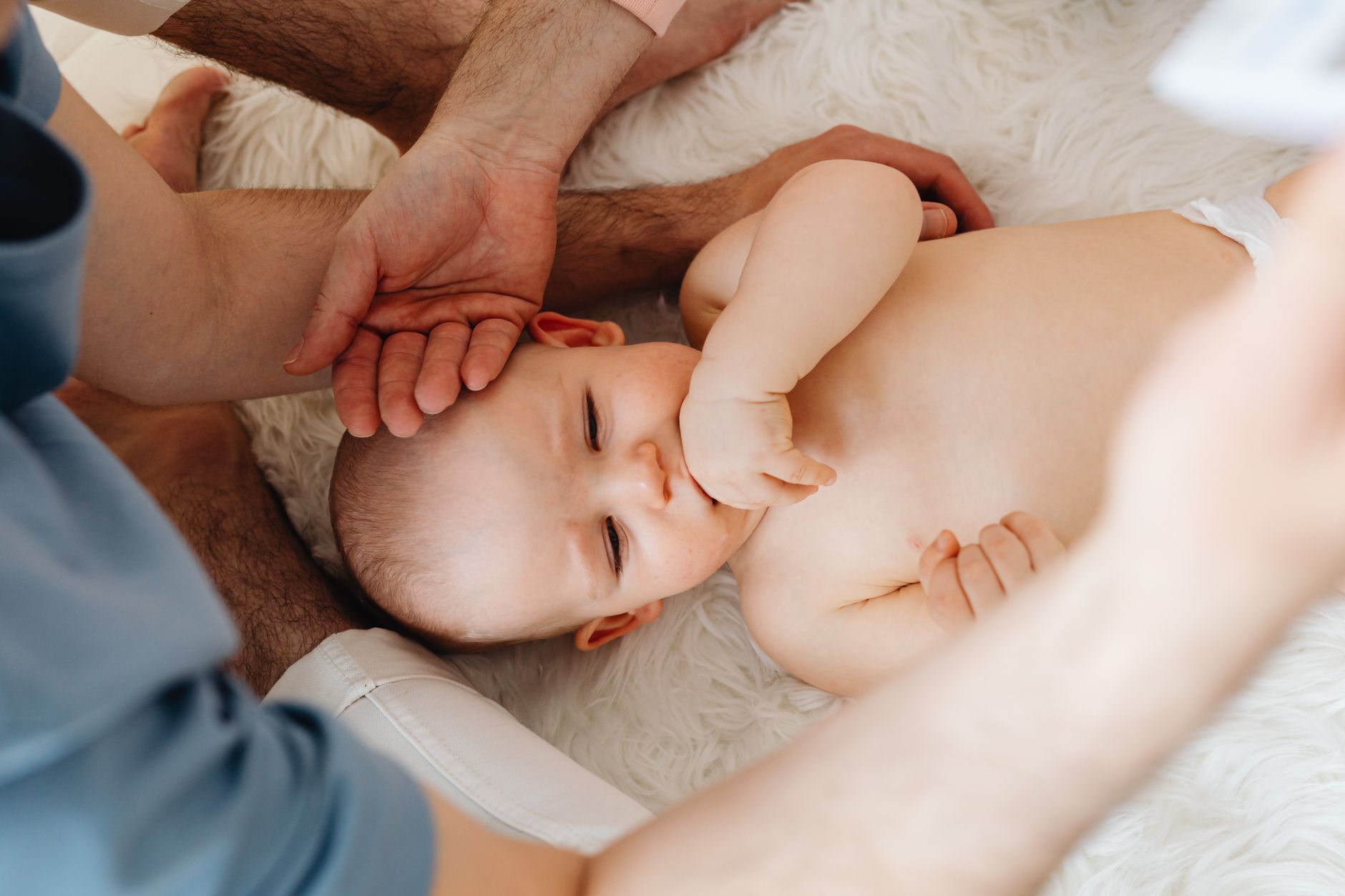
At 8 months babies start crawling, babbling, and showing object permanence. Learn the key physical, cognitive, and social milestones to watch for and how to support them.
By Shubhra Mishra — a mom of two who turned her own confusion during pregnancy into BumpBites, a global mission to make food choices clear, safe, and stress-free for every expecting mother. 💛
Check whether any food is safe during pregnancy with the BumpBites Food Safety Checker.
Quick take: By eight months most babies can sit without help, babble, show early signs of stranger anxiety, and may have a few teeth. Expect around 12‑14 hours of sleep, steady weight gain, and plenty of opportunities to practice crawling and fine‑motor skills.
It’s 2 a.m., you’re halfway through a diaper change, and you just heard your little one make a new “ba‑ba” sound. Your mind races: “Is this normal? Should I be worried about crawling?” You’re not alone—every parent wonders if their baby is hitting the right milestones at eight months.
In this guide we’ll walk through the key physical, language, social, cognitive, and feeding milestones you can expect, plus red‑flag signs that merit a chat with your pediatrician. We’ll also share practical tips, activity ideas, and a handy checklist so you can feel confident supporting your baby’s growth.
Whether you’re tracking your baby’s first steps, navigating teething, or figuring out the best bedtime routine, the information below is grounded in guidance from the American Academy of Pediatrics (AAP), the UK’s NHS, and the World Health Organization (WHO). Let’s dive in.
What are the physical milestones for an 8‑month‑old baby?
Most eight‑month‑old infants are mastering core motor skills that lay the groundwork for crawling, standing, and eventually walking. The hallmark milestone is sitting without support—by this age babies can sit for several minutes, using their hands to play or explore.
Beyond sitting, you’ll notice increasing strength in the neck, shoulders, and hips. These muscles are essential for the “push‑up” motion that precedes crawling. Babies often begin to shift weight from one side to the other, a subtle sign that they are preparing for forward movement. This stage is also when hand‑eye coordination starts to sharpen, allowing them to grasp objects with a more purposeful grip.
In addition to gross‑motor gains, fine‑motor abilities are maturing. You may see your baby using a raking grasp—picking up objects with the whole hand—and beginning to transfer items from one hand to the other. These actions are the building blocks for later pincer grasp, which typically emerges around 9‑10 months.
Physical milestones are closely linked to nutrition and sleep. Adequate calories and a consistent sleep schedule give the muscles the energy they need to practice new movements throughout the day.
Can an 8‑month‑old baby sit without support?
Yes. By eight months, babies typically sit upright unaided for 30 seconds to a minute, and many can reach forward while seated. This stability allows them to use their hands for fine‑motor play, like picking up small toys.
What about crawling and standing?
Many infants begin to scoot, rock on hands and knees, or even attempt a hands‑and‑knees crawl around the 8‑month mark. Some may start pulling themselves to a stand using furniture for support. While the exact timing varies, most babies will demonstrate at least one of these movements by the end of the eighth month.
Average weight gain for 8‑month‑old babies
According to the WHO growth standards, the average weight gain from seven to nine months is about 0.5 kg (1 lb) for boys and 0.45 kg (1 lb) for girls. In practical terms, a baby who weighed 7.5 kg at seven months might be around 8 kg at eight months.
Typical height increase
Length usually increases by 2.5 cm (1 inch) each month at this stage, so an eight‑month‑old may be roughly 73 cm (28.7 in) tall if they were 70 cm a month earlier.
Physical development at eight months is a blend of gross‑motor (large muscle) and fine‑motor progress. Below is a quick reference table that many parents find useful.
Milestone
Typical Age Range
What to Look For
Sits without support
6–8 months
Can sit upright for ≥30 seconds, uses hands to play
Begins crawling (hands‑and‑knees)
7–10 months
Shifts weight, rocks, then moves forward
Pulls to stand
8–11 months
Uses furniture to rise; may stand briefly
First tooth erupts
4–12 months
Gums become swollen, baby may bite objects
Set up a safe play area with age‑appropriate toys to encourage sitting and early crawling.
What language development milestones should an 8‑month‑old baby reach?
E
ight months is a lively time for vocal exploration. Babies usually start babbling consonant‑vowel combos like “ba‑ba” or “da‑da,” and they become more responsive to the tone and rhythm of speech.
In addition to babbling, infants begin to recognize the emotional content of words. A cheerful “hi!” can spark a smile, while a gentle “shh” may calm a fussy baby. This early social use of language lays the foundation for later word comprehension.
By this age, babies also start to develop the ability to differentiate between similar‑sounding syllables, a skill that supports later speech clarity. Repetition—hearing the same word in different contexts—helps cement meaning, so naming objects repeatedly is especially effective.
Research from the AAP highlights that responsive “serve‑and‑return” interactions, where a caregiver pauses after speaking to allow the baby to respond, are linked to stronger language networks in the brain.
Can an 8‑month‑old understand simple words?
Yes. By this age, infants can grasp simple commands such as “no” or “come here,” especially when paired with facial expressions or gestures. They may also recognize their own name and respond with a smile or turn toward you.
Typical babbling patterns
Most babies will produce repeated syllables (e.g., “mamama”) and start experimenting with varied pitch. This babbling is a precursor to first words, which usually appear around 12 months.
How to support language growth
Talk to your baby throughout the day—describe what you’re doing, label objects, and pause to give them a chance to “reply.” Reading picture books and singing simple songs also boost auditory and expressive skills. The AAP recommends at least 10 minutes of interactive reading each day for infants under one year.
How many teeth does an 8‑month‑old baby usually have?
Teeth emergence varies widely, but by eight months many babies have two to four primary teeth, most commonly the lower central incisors.
Dental health at this stage is more than just counting teeth. The gums become more sensitive, and early oral hygiene—using a soft, damp cloth to wipe the gums—helps establish a routine that will protect teeth once they erupt.
Regular dental check‑ups are recommended by the American Dental Association (ADA) by the first birthday, but many pediatric dentists advise a visit as soon as the first tooth appears to address any concerns early.
What are the signs of teething?
Common cues include drooling, chewing on objects, irritability, and mild swelling or redness of the gums. Some infants may experience a low‑grade fever (under 38 °C/100.4 °F) or have slightly disrupted sleep.
How to help an 8‑month‑old baby with teething
Offer a chilled (not frozen) teething ring, a clean, damp washcloth, or a cold, soft fruit slice (like banana) to soothe sore gums. Over‑the‑counter pain relievers such as infant acetaminophen may be used, but always follow your pediatrician’s dosing guidance.
What are the typical sleep patterns and milestones at 8 months?
Sleep needs begin to consolidate around this age. Most eight‑month‑old babies require 12‑14 hours of total sleep in a 24‑hour period, including two to three naps during the day.
Consistent sleep habits are linked to better mood, feeding, and overall development. A predictable routine signals to the brain that it’s time to wind down, making it easier for both baby and parent to settle.
While nighttime sleep often stretches to 10‑12 hours, brief awakenings are still common. These can be soothed with a gentle pat, a soft voice, or a brief feeding if your baby still needs it.
Nighttime sleep
Infants often sleep 10‑12 hours at night, though brief night‑time awakenings are still common. A consistent bedtime routine—such as a warm bath, a story, and soft lullaby—helps signal that it’s time to wind down.
Daytime naps
Two to three naps totaling 3‑4 hours are typical. A predictable nap schedule (e.g., mid‑morning and early afternoon) promotes better overall mood and daytime alertness.
Establishing a routine
Keep sleep cues consistent: dim the lights, limit screen exposure, and maintain a calm environment. White‑noise machines can mask household sounds that might otherwise disturb a light‑sleeper.
Creating a calm sleep environment can make bedtime smoother for both baby and parent.
What signs indicate developmental delays in an 8‑month‑old baby?
While each child follows a unique timeline, there are red‑flag behaviors that suggest a need for professional evaluation. Early detection allows for timely support and intervention.
Developmental surveillance is a partnership between caregivers and providers. Keeping a simple log of milestones—what your baby can do each week—helps you notice patterns and discuss them confidently at well‑child visits.
Many delays are linked to underlying medical conditions, but some are simply variations of normal development. Either way, a pediatrician can recommend assessments, therapies, or referrals when needed.
Motor red flags
If your baby cannot sit with minimal assistance, shows no interest in reaching for toys, or has not begun any crawling‑related movements by nine months, discuss these concerns with your pediatrician.
Language red flags
Absence of babbling, lack of response to their name, or failure to understand simple “no” commands by nine months may warrant a hearing or speech‑language assessment.
Social‑emotional red flags
Limited eye contact, lack of smile in response to faces, or no signs of stranger anxiety (which typically emerges around 6‑8 months) could indicate a developmental concern.
What to do
Bring a brief video or note of your observations to your next well‑child visit. Early intervention programs, such as those supported by the CDC’s “Learn the Signs. Act Early.” initiative, can provide valuable resources.
Which activities encourage motor skills at 8 months?
Playtime is the perfect classroom for motor development. Simple, safe activities can strengthen muscles, improve coordination, and boost confidence.
Variety keeps babies engaged. Rotating toys, changing the layout of the play area, and introducing new textures stimulate curiosity and provide fresh challenges for growing bodies.
Remember that supervision is essential. Even with baby‑proofed spaces, a curious infant can get into unexpected situations, so stay close and ready to intervene.
Floor play
Place a soft mat on the floor and scatter colorful toys just out of reach. Encourage your baby to roll, scoot, or crawl toward them. This promotes the transition from rolling to crawling.
Supported standing
Hold your baby’s hands while they practice bearing weight on their legs near a sturdy piece of furniture. This “standing with support” exercise builds leg strength for future cruising.
Fine‑motor games
Introduce stackable cups, large‑bead necklaces, or textured books. These items stimulate hand‑eye coordination and pincer grasp development.
Music and movement
Play upbeat songs and gently sway or bounce with your baby. Rhythm helps develop balance and body awareness, which are essential for crawling and walking.
How to monitor your baby’s growth and weight gain at 8 months
Tracking growth isn’t just about numbers on a chart; it gives you a window into nutrition, health, and overall development. The WHO growth standards and CDC growth charts both provide percentile curves for weight, length, and head circumference.
Most pediatricians recommend measuring your baby at each well‑child visit—typically at 6, 9, and 12 months. If your baby’s weight percentile stays within the same range (e.g., 40th‑60th percentile) over several visits, that consistency is reassuring. Sudden drops or steep climbs may signal feeding issues, illness, or metabolic concerns and should be discussed with your provider.
For parents who love data, a simple spreadsheet or a growth‑tracking app (many of which are endorsed by the AAP) can help you spot trends between appointments. Always bring your records to the doctor so they can interpret the data in context.
Safe play environment and baby‑proofing tips for 8‑month‑olds
As your baby becomes more mobile, the home transforms into a mini‑adventure park. Ensuring safety while encouraging exploration is a balancing act.
Key baby‑proofing steps include: securing cords on blinds, anchoring heavy furniture, covering electrical outlets with safety plugs, and removing small objects that could be choking hazards. The NHS recommends keeping floor spaces clear of rugs that could slip, and using non‑slip mats during tummy‑time.
Soft‑edge corner protectors on coffee tables and low‑lying shelves also help prevent bruises as your baby learns to pull up and cruise. Finally, always supervise floor play, especially when your baby is near stairs or the kitchen.
Understanding emotional and attachment milestones at 8 months
Beyond physical feats, eight months is a pivotal time for emotional bonding. Babies begin to develop a clear preference for familiar caregivers, which is the basis of secure attachment.
Stranger anxiety typically emerges between 6 and 9 months. A quick glance, a slight wariness, or a soft cry when a new face appears signals that your baby is learning to differentiate between known and unknown people. This is a healthy sign of social development, not a cause for alarm.
Responsive parenting—promptly answering cries, maintaining eye contact, and using soothing tones—strengthens this attachment. The ACOG notes that a secure attachment in the first year is linked to better emotional regulation and social skills later in childhood.
When should I expect my baby to start crawling at 8 months?
Most babies begin crawling between 7 and 10 months, so seeing the first scooting or hands‑and‑knees attempts around eight months is typical. However, some babies may take a slightly longer route, opting for “bum‑shuffling” or “crab‑walking” before the classic crawl.
Variation in crawling onset often reflects differences in temperament, muscle tone, and the amount of supervised floor time. Babies who spend more time on tummy during play often develop crawling skills earlier, but each child’s path is unique.
Why the variation?
Factors such as temperament, muscle tone, and time spent on tummy play influence when crawling starts. Babies who spend more supervised floor time often develop crawling skills earlier.
What to do if crawling hasn’t started yet
Increase tummy‑time sessions gradually—start with a few minutes a few times a day, and extend as your baby becomes more comfortable. Use enticing toys to motivate reaching and moving.
What foods are safe for an 8‑month‑old baby and how can I handle teething?
At eight months, your baby’s diet expands beyond purees to soft, finger foods that encourage self‑feeding and chewing, which can also soothe sore gums.
Introducing a variety of textures supports oral‑motor development and reduces the risk of picky eating later on. Offer foods that are easy to mash with the gums and that dissolve quickly if the baby tries to swallow larger pieces.
Always watch for signs of allergic reactions—such as rash, swelling, or vomiting—when introducing a new food. The NHS advises waiting three to five days between new foods to monitor for any response.
Safe food ideas
Mashed avocado or banana.
Soft‑cooked carrots, sweet potato, or peas cut into small pieces.
Shredded cheese (pasteurized) or well‑cooked, finely diced chicken.
Whole‑grain infant cereal softened with breast milk or formula.
Foods to avoid
Honey (risk of botulism).
Whole nuts, popcorn, or hard chunks that could choke.
Unpasteurized dairy or juices.
Added salt or sugar.
How to help with teething while introducing solids
Cold foods—such as chilled cucumber sticks (watch for size) or chilled applesauce—can double‑duty as nutrition and gum relief. Always supervise to prevent choking.
Milestone checklist PDF
Many parents find a printable checklist handy. You can download a free “8‑Month‑Baby Milestone Checklist” from reputable parenting sites like the AAP’s HealthyChildren.org. Keep it on your fridge to track progress and note any concerns for your next pediatric visit.
Offer a variety of soft, nutrient‑dense foods to support growth and soothe teething gums.
How to choose safe toys for an 8‑month‑old baby
At eight months, toys become tools for learning. Safe, age‑appropriate toys encourage the motor and cognitive milestones you’re already tracking.
Look for toys that are easy to grasp, have contrasting colors, and make gentle noises when shaken or squeezed. Soft‑plastic blocks, textured plush toys, and simple musical instruments (like a baby‑friendly rattle) are all good choices.
The Consumer Product Safety Commission (CPSC) recommends checking that toys are labeled “for ages 6 months and up,” have no small parts that could be swallowed, and are free of toxic chemicals such as lead or phthalates. When in doubt, give the toy a quick shake—if it rattles loudly, it may have loose pieces and should be avoided.
Choose toys that are easy to grasp, free of small parts, and encourage both fine‑motor and sensory play.
Tummy time: why it matters at eight months
Tummy time is more than a cute phrase; it’s a critical activity that strengthens the muscles needed for rolling, crawling, and eventually walking. By eight months, many babies can hold their head steady, but consistent tummy time still builds shoulder and core strength.
Research from the AAP shows that babies who get at least 30 minutes of tummy time each day tend to achieve crawling milestones earlier. If your baby resists, try placing a favorite toy just out of reach or positioning yourself face‑to‑face to provide reassurance.
Safety first: always supervise tummy time, keep the surface firm but comfortable (a thick blanket or play mat works well), and avoid soft surfaces like pillows that could cause suffocation.
Short, frequent tummy‑time sessions help develop the core strength needed for crawling.
Vaccination schedule for an eight‑month‑old baby
Immunizations protect your baby from serious infections. In the United States, the CDC recommends the second dose of the DTaP (diphtheria, tetanus, pertussis) vaccine, as well as the second dose of the Hib (Haemophilus influenzae type b) and PCV13 (pneumococcal) vaccines around the eight‑month mark.
In the United Kingdom, the NHS schedule typically includes the second dose of the 5‑in‑1 (DTaP/IPV/Hib) vaccine and the second dose of the MenB vaccine at 8 months. Both health systems stress that vaccines are safe and that side effects are usually mild—such as a low‑grade fever or fussiness.
If you have concerns about vaccine timing or reactions, discuss them with your pediatrician or GP. They can provide personalized guidance and address any questions you have about the benefits and potential side effects.
Staying up‑to‑date with vaccinations helps protect your baby from serious illnesses.
From our medical team: “Eight months is a period of rapid change—both exciting and sometimes overwhelming. If you notice any of the red‑flag signs listed above, schedule a check‑in with your pediatrician. Otherwise, enjoy this stage of exploration, and remember that each baby’s timeline is unique.”
Myth vs. fact
Myth: All babies must be crawling by eight months or there’s a problem.
Fact: Crawling typically begins between 7 and 10 months; some babies skip the classic crawl and move straight to cruising or walking.
Myth: An eight‑month‑old should already have a full set of teeth.
Fact: Tooth eruption is highly variable; many babies have no teeth at eight months, and that’s perfectly normal.
Myth: If a baby sleeps through the night, they’re getting enough rest.
Fact: Total sleep—including naps—should total 12‑14 hours. Night‑time sleep alone isn’t the whole picture.
Key takeaways
By eight months most babies can sit unaided, babble, and show early signs of stranger anxiety.
Typical weight gain is about 0.5 kg (1 lb) per month; monitor growth charts for steady progress.
Sleep needs are 12‑14 hours total, with 2‑3 daytime naps and a consistent bedtime routine.
Introduce soft finger foods and offer chilled teething items to soothe gums.
Watch for red‑flag signs—lack of sitting, no babbling, or absent social smiles—and consult your pediatrician if they appear.
Keep the play area safe and encourage tummy‑time to promote crawling and motor strength.
Support emotional bonding by responding promptly to cries and maintaining eye contact.
Choose age‑appropriate, non‑toxic toys that promote both fine‑motor and sensory development.
Stay on schedule with recommended vaccinations to protect your baby’s health.
Frequently asked questions
What should an 8‑month‑old baby be able to do?
At eight months, babies typically sit without support, begin crawling or scooting, babble “ba‑ba,” recognize their name, and may have one to four teeth. They also start showing stranger anxiety and can grasp objects with a developing pincer grasp.
Is it normal for an 8‑month‑old to not be crawling yet?
Yes. While many start crawling between 7 and 10 months, some babies use alternative methods like “bum‑shuffling” or simply take a bit longer. Encourage tummy‑time and provide motivating toys to help develop the skill.
How many teeth do most babies have by 8 months?
Most eight‑month‑old infants have two to four primary teeth, usually the lower central incisors. However, it’s common for some babies to have no teeth at all, and that’s within the normal range.
How much sleep does an 8‑month‑old need?
Eight‑month‑old babies need about 12‑14 hours of sleep in a 24‑hour period, including two to three daytime naps totaling 3‑4 hours and 10‑12 hours of nighttime sleep.
What are the signs of a developmental delay at 8 months?
Red‑flag signs include inability to sit with minimal help, lack of babbling, no response to name, absent stranger anxiety, and limited eye contact. If you notice several of these, discuss them with your pediatrician.
Can an 8‑month‑old understand simple words?
Yes. By eight months many babies comprehend simple commands like “no,” “come,” or “stop,” especially when paired with gestures or facial expressions.
What are healthy feeding signs for an 8‑month‑old?
A healthy appetite includes steady weight gain, willingness to try new textures, and the ability to sit upright while eating. If your baby consistently refuses foods, loses weight, or shows signs of dehydration, contact your provider.
How can I encourage language development beyond babbling?
Use “serve and return” conversations: pause after saying a word, give your baby a chance to respond with sounds or gestures, then expand on it. Reading daily, pointing to pictures, and naming objects in the environment reinforce word‑meaning connections.
When should I schedule my baby’s next vaccination?
In the U.S., the CDC recommends the second dose of DTaP, Hib, and PCV13 vaccines around the eight‑month mark. In the U.K., the NHS schedule includes the second dose of the 5‑in‑1 vaccine and MenB at 8 months. Check with your pediatrician for exact timing and any local variations.
What are the best toys to support fine‑motor development at eight months?
Look for toys that are easy to grasp, have textured surfaces, and encourage stacking or nesting. Simple wooden blocks, soft‑plastic rings, and large‑bead necklaces help strengthen hand muscles and promote the pincer grasp needed for later self‑feeding.
When to call your doctor
If your baby shows any of the following, contact your pediatrician promptly: persistent fever over 38 °C (100.4 °F), inability to sit with support by nine months, no babbling or response to name, severe or prolonged teething pain, or drastic changes in eating or sleeping patterns. This article is for informational purposes only and does not replace professional medical advice.
References
American Academy of Pediatrics. “Developmental Milestones: 8 Months.” HealthyChildren.org, 2023.
World Health Organization. “Infant and Young Child Feeding: Guideline.” WHO, 2022.
National Health Service (UK). “Baby Development: 8‑Month Milestones.” NHS.uk, 2023.
Centers for Disease Control and Prevention. “Learn the Signs. Act Early.” CDC, 2024.
American Academy of Pediatrics. “Safe Sleep Guidelines.” AAP, 2023.
Food and Drug Administration. “Infant Feeding and Teething Products.” FDA, 2024.
American College of Obstetricians and Gynecologists. “Fetal Development and Early Childhood Milestones.” ACOG, 2023.
National Institute for Health and Care Excellence (UK). “Child Development: Monitoring and Assessment.” NICE, 2022.
Not sure about the label on Baby Milestones At 8 Months products?
Snap the ingredients list and SafeFilter checks every ingredient for your stage — only 3 free scans this month, then you're locked until reset. Unlimited from $7/mo or $50/yr.
When Shubhra Mishra was expecting her first child in 2016, she was overwhelmed by conflicting food advice — one site said yes, another said never. By the time her second baby arrived in 2019, she realized millions of mothers face the same confusion.
That sparked a five-year journey through clinical nutrition papers, cultural diets, and expert conversations — all leading to BumpBites: a calm, compassionate space where science meets everyday motherhood.
Her long-term vision is to build a global community ensuring safe, supported, and free deliveriesfor every mother — because no woman should face pregnancy alone or uninformed. 🌿
🌍 Stand with mothers, shape safer guidance
Join a small circle of experts who review BumpBites articles so expecting parents everywhere can decide with confidence.