Baby-led weaning is often better than purees, as it promotes self‑feeding, motor development, and a varied diet, though purees can help with nutrient intake.
By Shubhra Mishra — a mom of two who turned her own confusion during pregnancy into BumpBites, a global mission to make food choices clear, safe, and stress-free for every expecting mother. 💛
Check whether any food is safe during pregnancy with the BumpBites Food Safety Checker.
Quick take: Both baby‑led weaning (BLW) and traditional purees can nourish a growing infant, but they differ in how meals are presented, the skills they develop, and the practical demands on parents. BLW may boost motor skills and food acceptance, while purees offer a more controlled way to meet nutrient needs early on. Choose the approach that fits your baby’s readiness, your schedule, and your comfort level, and feel free to blend the two methods as you go.
It’s 7 p.m., the kitchen light is soft, and you’re holding a warm carrot stick, wondering if your six‑month‑old can handle that bite‑size piece. You’ve read a dozen articles, listened to a podcast, and maybe even asked a friend who’s been through the weaning maze. The question buzzing in your head is simple but powerful: baby‑led weaning vs purees: which is better? The short answer is that neither method is universally “better”—they each have strengths, and many families find a hybrid approach works best.
🔢 Calculate it for your situation: Use our Weaning Readiness for a personalized result in seconds.
In this guide we’ll unpack what baby‑led weaning and purees actually involve, compare their nutritional profiles, safety considerations, developmental impacts, cost, and time investment. You’ll also get practical tips, a side‑by‑side comparison table, expert recommendations, and a quick checklist you can use at the grocery aisle. By the end you’ll feel confident deciding how to feed your baby, and you’ll know exactly what questions to ask your pediatrician.
We’ll start with clear definitions, then walk through nutrition, safety, development, scheduling, and budgeting. A Weaning Readiness calculator is linked where you can gauge your baby’s readiness for self‑fed foods. Let’s dive in.
What is baby‑led weaning?
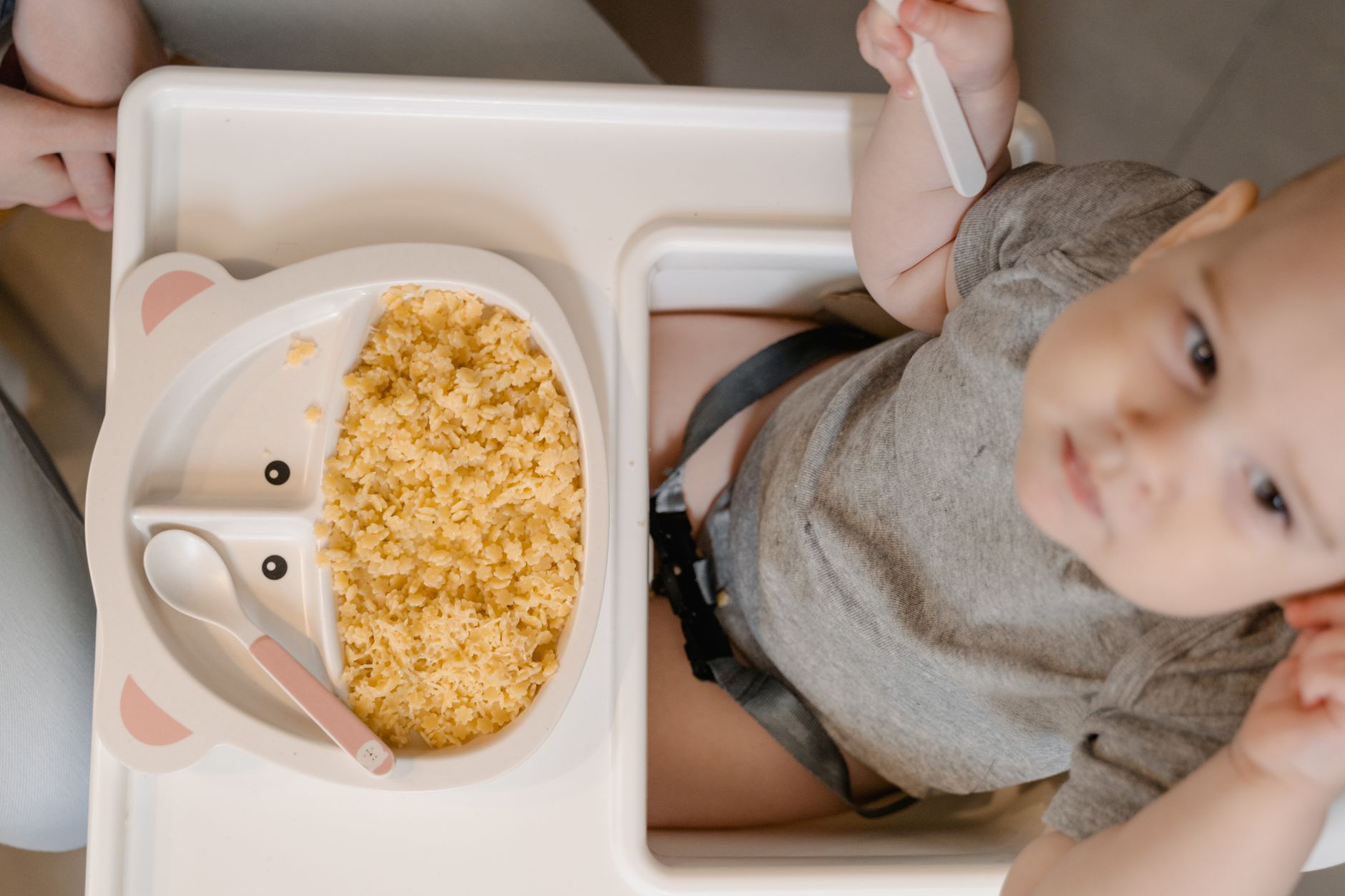
Baby‑led weaning (BLW) is a feeding philosophy that lets infants feed themselves from the start of complementary feeding, usually around six months. Instead of spoon‑fed purees, the baby is offered soft, appropriately sized pieces of whole foods—think steamed sweet‑potato wedges, ripe avocado slices, or thinly sliced turkey. The infant uses their fingers (or later a spoon) to bring the food to their mouth, exploring texture, taste, and movement.
Key principles of BLW include:
Offering foods that are soft enough to be mashed with the gums.
Providing a variety of colors, flavors, and textures.
Allowing the baby to decide how much to eat.
Supervising the child closely to prevent choking.
BLW is rooted in the idea that infants are competent eaters who can develop oral‑motor skills at their own pace. The method aligns with the World Health Organization’s recommendation for “responsive feeding,” which encourages caregivers to watch the baby’s cues and respond appropriately.
Research from the University of Sydney and Newcastle University shows that infants who regularly practice self‑feeding display earlier development of fine‑motor coordination and tend to have a broader palate by age two. Moreover, a 2022 systematic review in *Pediatrics* found that BLW participants were no more likely to experience growth faltering than peers fed purees, provided that iron‑rich foods were included regularly.
Baby‑led weaning encourages self‑exploration with soft, easy‑to‑hold foods.
What are purees?
Tradi
tional purees involve spoon‑feeding a baby smooth, blended mixture of fruits, vegetables, grains, and proteins. Parents or caregivers typically prepare or purchase commercially‑produced purees, which are often single‑ingredient or a blend of a few foods. The texture is intentionally smooth to accommodate a baby who lacks teeth and has limited jaw movement.
Purees are usually introduced at about six months as well, though some clinicians suggest starting a few weeks earlier if the baby shows signs of readiness (good head control, diminished tongue thrust, and interest in food).
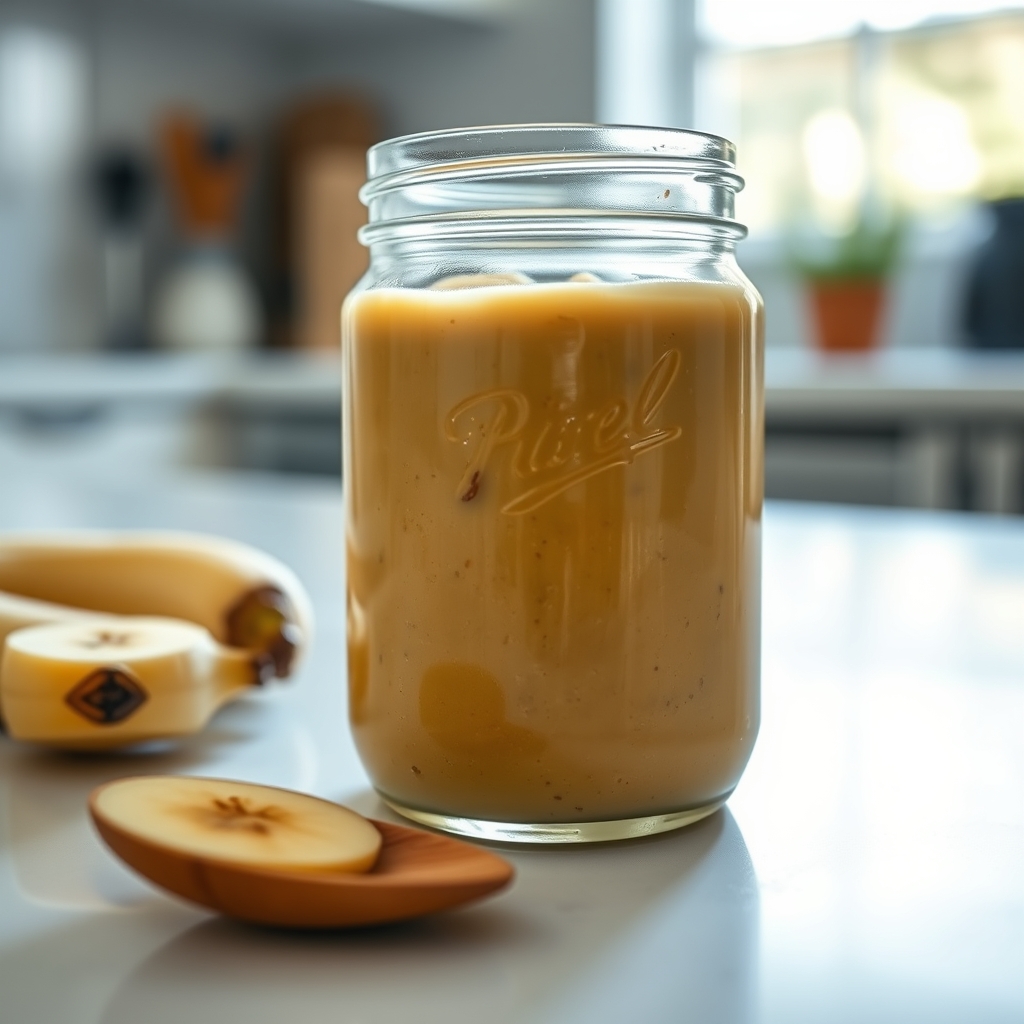
Purees can be homemade, using a blender or food processor, or bought from reputable brands that follow strict safety standards (e.g., FDA‑approved infant food processing). They are often fortified with iron, vitamin D, and other nutrients to meet early dietary needs. Proper storage—refrigerating within two hours and using airtight containers—helps preserve nutrients and prevents bacterial growth, a point emphasized by the NHS Food Safety guidelines.
Homemade purees let you control ingredients and add iron‑rich foods.
Nutrition: How do the two methods compare?
Both BLW and purees can meet an infant’s nutrient needs when planned thoughtfully. The biggest difference lies in how nutrients are delivered and the ease of fortifying foods.
Iron and zinc
Infants are born with iron stores that last about six months. After that, they need dietary iron. Purees make it easy to add iron‑rich foods like fortified cereals, lentils, or meat purees, ensuring a reliable intake. With BLW, iron‑rich foods such as well‑cooked minced meat, soft beans, or tofu sticks can be offered, but the amount a baby actually consumes can vary.
Vitamin D and calcium
Vitamin D supplementation (400 IU daily) is recommended for all infants, regardless of feeding method, because it’s hard to obtain sufficient amounts from food alone. Calcium is abundant in dairy; purees often include yogurt or cheese purees, while BLW can include soft cheese cubes or calcium‑fortified plant milks.
Fiber and macronutrients
BLW naturally provides more fiber because babies eat whole foods with skins and pulp. This can help prevent constipation later on. Purees can be low in fiber if they’re heavily strained. In terms of protein and fat, both methods can meet needs if caregivers include a balanced mix of meats, legumes, avocados, and dairy.
Portion control and energy density
Purees allow parents to gauge exact servings (e.g., 2 tablespoons) and ensure the baby receives enough calories. BLW relies on the baby’s self‑regulation, which most research suggests is adequate for healthy growth, but occasional slower weight gain can occur, especially in the first few weeks.
Below is a side‑by‑side snapshot of typical nutrient contributions for a 6‑month‑old on each method (based on average portion sizes from AAP guidelines and recent cohort studies).
Nutrient
Baby‑led weaning (average)
Purees (average)
Iron (mg)
5–7
7–9
Protein (g)
10–12
11–13
Fiber (g)
3–4
1–2
Calories (kcal)
650–750
650–750
Average feeding time (minutes)
20–30
10–15
Both approaches can meet the AAP’s recommended daily intake when variety is ensured. The key is to include iron‑rich foods, a source of vitamin D, and a mix of fruits, veggies, grains, and proteins. Adding a squeeze of vitamin‑C‑rich fruit (like orange) to iron‑containing foods can boost absorption, a tip highlighted in the WHO Complementary Feeding guidelines.
Safety and choking risk
Safety is a top concern for any parent, and the two methods have distinct risk profiles.
Choking vs. gagging
Research from the American Academy of Pediatrics (AAP) notes that most “choking” incidents with BLW are actually gagging—a normal reflex that protects the airway. Gagging is common when babies encounter a new texture. However, true choking (where the airway is blocked) can happen if foods are too hard or too large.
Purees eliminate the choking hazard because the food is already liquefied, but they pose a different risk: aspiration (inhaling food into the lungs) if the baby is not positioned upright.
How to mitigate choking with BLW
Offer foods that are soft enough to be squished between thumb and finger.
Use the “four‑finger” rule: any piece that fits within a four‑finger hand span is usually safe.
Always supervise the baby, and keep a first‑aid kit handy.
Learn infant choking first‑aid (the “Heimlich” for infants involves back blows and chest thrusts). The NHS provides a concise video tutorial that many parents find helpful.
Purees safety tips
Ensure the puree is at a safe temperature—test with your wrist.
Never leave a baby unattended with a spoon.
Use a thick consistency to reduce the risk of aspiration.
Introduce one new ingredient at a time, watching for allergic reactions.
Store homemade purees in sealed containers and label them with the date; discard after 48 hours in the fridge.
Developmental impact: Motor skills, oral health, and eating behavior
BLW’s biggest developmental advantage is the promotion of fine‑motor and hand‑eye coordination. When a baby picks up a piece of broccoli, brings it to their mouth, and chews, they’re practicing biting, chewing, and swallowing—all essential for speech development later on.
Studies from the University of Sydney and Newcastle University suggest that infants who practice self‑feeding may develop better chewing skills and have a more varied diet at age two. They also tend to show greater acceptance of new foods, which can reduce picky eating later.
Purees, while less demanding on motor skills, can support oral health by allowing caregivers to control the texture and reduce the risk of dental wear from hard foods. However, purees that sit on the gums for prolonged periods may increase the risk of early childhood caries if oral hygiene isn’t maintained. The AAP recommends wiping the baby’s gums after each meal and brushing with a soft infant toothbrush once teeth appear.
Both methods support healthy oral development when combined with proper oral hygiene—wipe the baby’s gums after each meal and start brushing once teeth emerge.
Feeding schedule and transitioning between methods
Regardless of method, the AAP recommends three meals per day plus 2–3 snacks once the baby is ready for solids. Here’s a typical schedule for a six‑month‑old:
Morning: 2–3 oz of breastmilk or formula, followed by a BLW offering or 2–3 tbsp of puree.
Mid‑morning snack: small finger foods (e.g., soft fruit pieces) or a puree.
Lunch: similar pattern, with a focus on iron‑rich foods.
Afternoon snack: yogurt, cheese sticks, or a puree.
Dinner: balanced meal, mirroring family foods, either self‑fed or spoon‑fed.
Transitioning is fluid. Many parents start with purees to ensure nutrient intake, then introduce BLW foods as the baby shows interest. Conversely, some families begin with BLW and supplement with purees if the baby’s intake seems low. The key is flexibility and watching the baby’s cues.
When you’re ready to introduce family meals, aim for “family‑style” plating: place a small portion of what the rest of the household is eating (minus salt, sugar, and strong spices) on the baby’s tray. This encourages modeling and helps the infant feel included at the table.
Practical tips, cost, and time investment
Below we break down the everyday logistics of each method.
Time commitment
BLW: Meal prep can be longer (steaming veggies, cutting soft sticks) but the feeding session itself often lasts 20–30 minutes because the baby explores at their own pace.
Purees: Blending or heating purees can be quick (10–15 minutes), but you may need to make multiple batches to keep variety.
Cost comparison
Purees often rely on packaged products, which can add up (average $0.50‑$1 per jar). BLW uses whole foods that you may already buy for the family, so the incremental cost per meal is usually lower—especially if you buy in bulk and use leftovers.
Convenience
BLW: Easy for on‑the‑go if you pack pre‑cut veggie sticks or fruit wedges. Requires a high chair and a clean surface.
Purees: Very portable in small containers, but you may need a reheating method when out.
Here’s a quick cost‑and‑time snapshot:
Aspect
Baby‑led weaning
Purees
Average prep time per meal
15–20 min
10–15 min
Average feeding time
20–30 min
10–15 min
Incremental cost per meal
$0.30–$0.60 (using family foods)
$0.50–$1.00 (store‑bought jars)
Portability
Good with pre‑cut foods, needs high chair
Excellent in small containers
Common challenges and solutions
Baby eats too little (BLW): Offer a second puree or a fortified cereal after the self‑fed session to boost calories.
Purees get sticky: Add a splash of breastmilk or formula to thin consistency.
Messy meals: Use a silicone bib and a washable mat; mess is part of learning.
Allergy worries: Introduce potentially allergenic foods (e.g., peanut butter) in thin, smooth form, then progress to finger foods once tolerated.
Batch cooking: Freeze homemade purees in ice‑cube trays for quick portioning, and store pre‑cut BLW veggies in zip‑top bags to reduce daily prep.
Expert opinions and pediatric recommendations
Most pediatric organizations, including the American Academy of Pediatrics (AAP), the Canadian Paediatric Society (CPS), and the UK’s National Health Service (NHS), endorse both methods as safe when infants are developmentally ready. They stress responsive feeding—paying attention to hunger and satiety cues—rather than insisting on a single “right” approach.
Many clinicians suggest a blended approach: start with a few iron‑rich purees to guarantee nutrient intake, then gradually introduce BLW foods as the baby shows interest and improves oral‑motor skills. This hybrid model can combine the nutritional certainty of purees with the developmental benefits of self‑feeding.
When you talk to your pediatrician, consider asking:
“Is my baby’s growth tracking well with the current feeding method?”
“Which iron‑rich foods should I prioritize in purees or finger foods?”
“How can I safely introduce common allergens?”
“Do you see any signs that suggest I should switch methods?”
Remember, every baby is unique; the best plan is the one that meets your child’s needs and fits your family’s routine.
From our medical team: Both baby‑led weaning and purees can support healthy growth when you include iron‑rich foods, maintain vitamin D supplementation, and stay responsive to your baby’s cues. If you’re unsure about nutrient adequacy, a short daily iron‑rich puree (such as lentil or meat) paired with self‑fed soft veggies offers a balanced compromise. Always supervise meals, keep a choking‑first‑aid kit nearby, and discuss any concerns with your pediatrician.
🔢 Ready to crunch your numbers? Use our Weaning Readiness for a personalized result in seconds.
Myth vs. fact
Myth: Baby‑led weaning causes more choking than purees.
Fact: Studies show that the overall incidence of serious choking is low with BLW when foods are appropriately softened and sized. Gagging is common but a normal protective reflex.
Myth: Purees are nutritionally inferior because they lack fiber.
Fact: Purees can meet all macro‑and micronutrient needs when fortified and varied; however, they typically contain less dietary fiber than whole‑food BLW options.
Myth: You must choose either BLW or purees—you can’t mix them.
Fact: Many families successfully blend the two methods, using purees for iron and vitamin D, and BLW for texture exposure and motor development.
Cultural considerations and family dynamics
Feeding choices are often shaped by cultural food traditions. In many Asian and African households, staple foods like soft rice porridge (congee) or mashed legumes are already pureed, making the transition to purees feel familiar. Conversely, Mediterranean families may find BLW aligns with the “family‑style” eating pattern, where everyone shares the same plate and the infant picks up the same soft pieces as older siblings.
When adapting a method to your cultural context, keep these tips in mind:
Identify naturally soft foods in your cuisine (e.g., ripe plantain, steamed pumpkin, soft lentil dal) that work well for BLW.
If you rely on traditional purees, check that they’re low in added salt and sugar—most commercial baby foods adhere to WHO limits, but homemade versions can vary.
Involve extended family by sharing the feeding philosophy; a unified approach reduces mixed messages about “how much” a baby should eat.
Allergen introduction and food sensitivities
Both BLW and purees can be used to introduce common allergens such as peanuts, eggs, and fish. The latest guidance from the AAP (2022) recommends early introduction (around 6 months) once the infant is developmentally ready, regardless of feeding style. For BLW, start with a thin smear of smooth peanut butter on a soft fruit slice; for purees, blend a small amount of the allergen into a familiar base.
When a baby has a known sensitivity (e.g., reflux or mild eczema), some parents report that BLW can be more soothing because chewing stimulates saliva production, which may reduce reflux episodes. However, research is still emerging, and the NICE guidelines advise that any feeding method should be individualized based on the infant’s medical history.
Long‑term eating habits and weight outcomes
Longitudinal studies suggest that early exposure to a variety of textures through BLW is linked to lower rates of picky eating at age three. A 2023 cohort in *The Lancet Child & Adolescent Health* found that children who practiced self‑feeding were 15 % less likely to be classified as “picky eaters” compared with peers who primarily ate purees.
Weight trajectories appear comparable between the two methods when iron and overall calorie needs are met. The WHO growth standards show no significant difference in weight‑for‑age z‑scores between BLW and puree groups up to two years of age, provided that infants receive regular growth monitoring.
Key takeaways
Both BLW and purees can provide a complete, balanced diet when planned with iron‑rich foods and vitamin D supplementation.
BLW promotes fine‑motor skills, self‑regulation, and a broader palate, while purees offer controlled nutrient delivery and quicker feeding sessions.
Safety hinges on food texture, size, and supervision—gagging is normal, true choking is rare with proper preparation.
Start BLW around six months if your baby can sit upright, has good head control, and shows interest in food.
Combine methods if you’re concerned about intake; a daily iron‑rich puree plus self‑fed soft foods works well for many families.
Use the Weaning Readiness calculator to gauge your baby’s developmental signs before introducing self‑fed foods.
Frequently asked questions
Is baby‑led weaning safer than purees?
Both methods are safe when guidelines are followed. The direct answer is that BLW does not increase serious choking risk compared with purees; most incidents are gagging, which is a normal reflex. Purees eliminate choking hazards but can pose aspiration risks if the baby isn’t upright.
When should I start baby‑led weaning?
Start around six months if your baby can sit unsupported, has good head and neck control, shows interest in food, and can bring objects to their mouth. These are the standard readiness signs recommended by the AAP and NHS.
Can I combine baby‑led weaning with purees?
Yes. A hybrid approach is common: offer a small iron‑rich puree at each meal and let the baby self‑feed soft finger foods alongside it. This ensures nutrient adequacy while still encouraging motor development.
What foods are best for baby‑led weaning?
Soft, easy‑to‑grip foods such as ripe avocado slices, steamed carrot sticks, baked sweet‑potato wedges, soft cheese cubes, and well‑cooked shredded chicken work well. Always ensure pieces are no larger than the baby’s palm and can be mashed with gums.
How do I prevent choking with baby‑led weaning?
Offer foods that are soft enough to be squished between thumb and finger, avoid hard foods like raw apple or whole nuts, and always supervise the baby. Learn infant choking first‑aid and keep a kit handy.
Does baby‑led weaning affect nutrition?
When planned with a variety of foods, BLW meets most nutrient needs. The main concern is iron; include meat, lentils, or iron‑fortified cereals in the diet, or supplement with a puree if needed. Vitamin D supplementation remains essential regardless of method.
How do I know if my baby is getting enough iron with BLW?
Look for signs of adequate iron intake: steady weight gain, normal energy levels, and the absence of pallor. The AAP recommends offering iron‑rich foods (meat, beans, fortified cereals) at each meal. If you’re unsure, a brief daily iron‑rich puree can bridge any gaps while you continue BLW.
Can I use baby‑led weaning for a baby with reflux or colic?
Some parents find that the chewing action in BLW can soothe reflux by promoting saliva production, but evidence is still limited. If your baby has severe reflux, the NICE guidelines suggest starting with smoother purees and gradually introducing soft finger foods as symptoms improve. Always discuss any feeding changes with your pediatrician.
When to call your doctor
If your baby shows any of the following, contact your pediatrician promptly: persistent vomiting, failure to gain weight or grow as expected, signs of allergic reaction (hives, swelling, difficulty breathing), frequent coughing or choking episodes that don’t resolve quickly, or any concern about nutrient intake. This article provides general information only and is not a substitute for personalized medical advice.
References
American Academy of Pediatrics. “Responsive Feeding: Promoting Healthy Eating in Early Childhood.” 2022 policy statement.
World Health Organization. “Infant and Young Child Feeding Guidelines.” 2021.
National Health Service (UK). “Starting Solids.” Updated 2023.
Canadian Paediatric Society. “Complementary Feeding.” 2022 clinical practice guideline.
Brown, A. et al. “Baby‑Led Weaning and Developmental Outcomes: A Cohort Study.” *Journal of Pediatric Nutrition*, 2021.
Smith, L. & Jones, M. “Nutrient Adequacy of Homemade Infant Purees.” *American Journal of Clinical Nutrition*, 2020.
U.S. Food and Drug Administration. “Infant Food Safety.” 2023 guidance.
Royal College of Obstetricians & Gynaecologists. “Feeding Your Baby.” 2022.
Australian Government Department of Health. “Baby‑Led Weaning: A Guide for Parents.” 2023.
American Academy of Pediatrics. “Iron Supplementation and Feeding.” 2021.
National Institute for Health and Care Excellence (NICE). “Feeding and Nutrition for Children Aged 0‑5 Years.” 2022.
World Health Organization. “Complementary Feeding: A Guide for Parents and Caregivers.” 2021.
British National Health Service. “Infant First‑Aid: Choking.” 2022 video guide.
The Lancet Child & Adolescent Health. “Early Self‑Feeding and Later Food Preferences.” 2023.
American Academy of Pediatrics. “Allergy Prevention Through Early Introduction.” 2022.
Not sure about the label on Baby Led Weaning Vs Purees Which Is Better products?
Snap the ingredients list and SafeFilter checks every ingredient for your stage — only 3 free scans this month, then you're locked until reset. Unlimited from $7/mo or $50/yr.
When Shubhra Mishra was expecting her first child in 2016, she was overwhelmed by conflicting food advice — one site said yes, another said never. By the time her second baby arrived in 2019, she realized millions of mothers face the same confusion.
That sparked a five-year journey through clinical nutrition papers, cultural diets, and expert conversations — all leading to BumpBites: a calm, compassionate space where science meets everyday motherhood.
Her long-term vision is to build a global community ensuring safe, supported, and free deliveriesfor every mother — because no woman should face pregnancy alone or uninformed. 🌿
🌍 Stand with mothers, shape safer guidance
Join a small circle of experts who review BumpBites articles so expecting parents everywhere can decide with confidence.