Feeling constantly hungry during pregnancy is normal due to hormonal changes, increased energy needs, and nutrient demands. Learn why it happens and how to manage hunger healthily.
By Shubhra Mishra — a mom of two who turned her own confusion during pregnancy into BumpBites, a global mission to make food choices clear, safe, and stress-free for every expecting mother. 💛
Check whether any food is safe during pregnancy with the BumpBites Food Safety Checker.
Here’s the expanded, complete article in HTML, now ~3,600 words with added depth, new sections, and enhanced practical guidance while maintaining the warm, authoritative voice:
Quick take: Feeling ravenously hungry is common in pregnancy, especially as hormones, a faster metabolism, and the growing baby’s needs boost your appetite. Most women’s increased hunger is normal, but extreme or sudden changes—especially with symptoms like excessive thirst, rapid weight gain, or high blood sugar—should be discussed with a provider. Understanding the difference between true hunger, cravings, and dehydration can help you nourish yourself and your baby safely.
It’s 2 a.m., you’ve just gotten out of bed to use the bathroom, and the kitchen lights flick on. The scent of toast and coffee drifts through the hallway, and suddenly you’re overwhelmed by a wave of hunger that feels impossible to ignore. You wonder, “Is this normal? Why am I so hungry?” You’re not alone. Many pregnant people experience a heightened appetite that can feel both exciting and alarming—like your body is suddenly demanding fuel at all hours, even when you’ve just eaten.
In this article we’ll walk through the science behind pregnancy hunger, break down how many calories you really need each trimester, and give you practical ideas for safe snacks and meals. We’ll also explain how to tell the difference between true hunger, cravings, and dehydration, and highlight red-flag signs that merit a call to your provider. By the end, you’ll have a clear, evidence-based roadmap for feeding both yourself and your growing baby—without guilt or confusion.
Why do I feel extra hungry in the first trimester of pregnancy?
The first trimester is a whirlwind of hormonal shifts, rapid embryonic growth, and a body that’s still figuring out its new baseline. Two hormones dominate this period: progesterone and human chorionic gonadotropin (hCG). Progesterone relaxes smooth muscle—including the gut—slowing digestion and often causing nausea. At the same time, hCG spikes dramatically, and many women report a surge in appetite as the body prepares for the energy-intensive weeks ahead. This hormonal dance can leave you feeling like you’re constantly playing catch-up with your hunger, even when you’ve just finished a meal.
Even though the fetus is still tiny (about the size of a poppy seed at 4 weeks), it already requires a significant amount of glucose for organ formation. Your body responds by increasing insulin resistance slightly, nudging blood sugar levels upward and prompting the brain’s hunger centers to request more fuel. This “metabolic priming” is why you may feel a gnawing emptiness after a short meal or why a single slice of bread suddenly seems insufficient. It’s not just in your head—your body is literally working overtime to build a new life.
For many women, this early hunger surge feels contradictory. You might be battling morning sickness while simultaneously craving certain foods—or feeling hungry the moment you wake up, despite nausea. This push-and-pull is completely normal. Your body is prioritizing the baby’s needs, even if it leaves you feeling off-balance. The key is to listen to your hunger cues while choosing foods that won’t aggravate nausea (more on that below).
Best snack ideas for pregnant women with morning sickness
If nausea is a companion in your first trimester, choose bland, easy-to-digest snacks that won’t trigger your stomach. Good options include:
Plain crackers with a thin spread of almond butter (the protein helps stabilize blood sugar).
Cold apple slices or a small banana (the natural sugars provide quick energy without heaviness).
Greek yogurt with a drizzle of honey (the probiotics may help settle your stomach).
A handful of dry cereal mixed with raisins (the crunch can help distract from nausea).
Ginger tea with a few saltine crackers (ginger is a proven nausea remedy).
Frozen grapes or watermelon cubes (the cold temperature can soothe an upset stomach).
These foods provide a balance of carbohydrates and protein, stabilizing blood sugar while being gentle on an upset stomach. If you’re struggling to keep anything down, try eating small amounts every 30–60 minutes rather than waiting for hunger to strike. Even a few bites can make a difference in how you feel.
Nutrient deficiencies that cause increased appetite in pregnancy
While hormonal changes drive most of the early appetite boost, certain micronutrient shortfalls can amplify hunger. Iron deficiency, for example, reduces oxygen delivery to tissues, making you feel fatigued and prompting cravings for iron-rich foods (often interpreted as “hunger”). Similarly, low magnesium can cause restless legs and a general sense of unease that may be mistaken for appetite. Vitamin D deficiency, which affects up to 40% of pregnant women, has also been linked to increased hunger and cravings for high-calorie foods.
Screening for iron, vitamin D, and folate levels during prenatal visits helps catch deficiencies early, allowing you to address them with supplements or dietary tweaks before they translate into excessive hunger. If you’re feeling constantly hungry despite eating balanced meals, ask your provider about checking your nutrient levels. Sometimes, a simple supplement adjustment can make a big difference in how you feel.
It’s also worth noting that some women experience a form of “reactive hypoglycemia” in early pregnancy, where blood sugar drops sharply after eating refined carbs (like white bread or sugary snacks). This can trigger intense hunger soon after meals. Choosing fiber-rich carbs (like whole grains, fruits, and vegetables) and pairing them with protein or healthy fats can help prevent these blood sugar crashes.
Is increased appetite during pregnancy normal?
Yes—most pregnancies involve a modest increase in appetite. The American College of Obstetricians and Gynecologists (ACOG) notes that a rise of 300–500 extra calories per day in the second and third trimesters is typical for women with a pre-pregnancy BMI in the normal range. This additional energy supports fetal growth, expands maternal blood volume, and fuels the placenta. But “normal” doesn’t always feel normal when it’s happening to you. Many women describe their appetite in pregnancy as unpredictable—one day you might feel ravenous, the next you might struggle to finish a meal.
It’s also normal for cravings to appear. Cravings are thought to be the brain’s way of signaling specific nutrient needs—or, in some cases, simply a cultural or emotional response to pregnancy. The key is balance: satisfying cravings while keeping overall nutrition on track. For example, if you’re craving ice cream, try pairing it with a handful of nuts or a piece of fruit to add protein and fiber. This can help you feel more satisfied and prevent blood sugar spikes.
Some women also notice that their appetite fluctuates with their energy levels. On days when you’re more active, you might feel hungrier than on days when you’re resting more. This is your body’s way of asking for the fuel it needs to keep up with your activity level. Paying attention to these patterns can help you plan meals and snacks that align with your body’s needs.
How does hormonal change affect hunger in pregnancy?
Besides progesterone and hCG, the hormone leptin—produced by fat cells—plays a pivotal role. Early pregnancy often sees a dip in leptin sensitivity, meaning the “fullness” signal is muted. Later, as fat stores increase, leptin levels rise, helping to regulate appetite. This shifting leptin landscape can make hunger feel unpredictable, especially in the first two trimesters. Some women describe it as a “bottomless pit” feeling, where no amount of food seems to satisfy their hunger for long.
Another hormone, ghrelin, which stimulates appetite, also fluctuates during pregnancy. Research suggests that ghrelin levels may rise in the first trimester, contributing to increased hunger, and then gradually decline as pregnancy progresses. This hormonal ebb and flow can make it hard to predict when hunger will strike, leaving you feeling like you’re constantly playing defense against your appetite.
It’s also worth noting that stress and sleep deprivation—common in pregnancy—can further disrupt hunger hormones. Poor sleep, in particular, has been linked to higher levels of ghrelin and lower levels of leptin, which can make you feel hungrier than usual. If you’re struggling with sleep, try to prioritize rest as much as possible, and be mindful of your hunger cues. Sometimes, a short nap or a few minutes of relaxation can help curb unnecessary snacking.
Impact of gestational diabetes on hunger levels
Gestational diabetes mellitus (GDM) develops in about 6–9% of pregnancies in the United States. When blood sugar spikes after meals, the pancreas releases more insulin, which can later cause a rapid drop in glucose, triggering intense hunger. Managing GDM usually involves a structured meal plan with balanced carbs, protein, and fiber to smooth out blood sugar swings and curb sudden cravings. If you’ve been diagnosed with GDM, you might notice that your hunger feels more extreme or that you’re craving sugary foods more often.
Women with GDM are often advised to eat smaller, more frequent meals to keep blood sugar levels stable. This can help prevent the sharp drops in blood sugar that lead to intense hunger. It’s also important to choose complex carbohydrates (like whole grains, legumes, and vegetables) over simple carbs (like white bread, sugary snacks, and fruit juices), as they digest more slowly and provide longer-lasting energy.
If you’re struggling with hunger while managing GDM, talk to your provider or a registered dietitian. They can help you create a meal plan that keeps your blood sugar stable while satisfying your appetite. Sometimes, small adjustments—like adding more protein to your snacks or choosing lower-glycemic fruits—can make a big difference in how you feel.
How many calories should a pregnant woman eat per day?
Calorie needs differ by trimester, pre-pregnancy BMI, and activity level. Below is a concise overview based on ACOG and the UK’s National Institute for Health and Care Excellence (NICE) guidelines:
Trimester
Average extra calories per day
Total daily intake (average adult)
Key considerations
First (0–13 weeks)
≈ 100 kcal
≈ 2,100 kcal
Focus on nutrient-dense foods; nausea may limit intake.
Second (14–27 weeks)
≈ 340 kcal
≈ 2,340 kcal
Baby’s growth accelerates; prioritize protein and healthy fats.
Third (28 weeks–birth)
≈ 450 kcal
≈ 2,450 kcal
Baby’s brain and body are growing rapidly; include iron-rich foods.
If you began pregnancy at a lower or higher BMI, the extra calories may be adjusted upward or downward by 200–300 kcal. Physical activity also matters; active women often need a slightly higher intake to sustain energy levels. For example, if you’re exercising regularly (like walking, swimming, or prenatal yoga), you might need an additional 100–200 kcal per day to fuel your workouts and support your baby’s growth.
It’s also important to remember that these calorie estimates are just that—estimates. Your body is the best judge of how much fuel it needs. If you’re feeling hungry more often, it’s okay to eat a little more, as long as you’re choosing nutrient-dense foods. On the other hand, if you’re struggling with nausea or heartburn, you might find that smaller, more frequent meals work better for you. Listen to your body and adjust as needed.
How many extra calories should I eat while pregnant?
The “extra” calories are above what you’d normally consume. For example, a 2,000-kcal baseline diet becomes roughly 2,340 kcal in the second trimester. Rather than adding a large snack, aim for small, nutrient-dense additions: a handful of nuts, a piece of fruit, or a cup of fortified cereal. These choices provide more than just calories—they deliver essential nutrients like fiber, protein, and healthy fats that support your baby’s development and keep you feeling full longer.
If you’re struggling to meet your calorie needs, try adding a smoothie to your daily routine. Blend Greek yogurt, frozen berries, a banana, and a handful of spinach for a nutrient-packed drink that’s easy to digest. You can also add a tablespoon of nut butter or chia seeds for extra protein and healthy fats. Smoothies are a great way to sneak in extra calories without feeling overly full.
It’s also worth noting that not all calories are created equal. While it might be tempting to reach for a candy bar or a bag of chips when you’re hungry, these foods can leave you feeling unsatisfied and may even trigger more cravings. Instead, focus on foods that provide sustained energy, like whole grains, lean proteins, and healthy fats. These choices will help you feel more satisfied and support your baby’s growth.
Effects of frequent meals on pregnancy hunger
Eating every 3–4 hours can help keep blood sugar steady, preventing the peaks and troughs that fuel sudden hunger. Small, balanced meals—protein, healthy fat, and complex carbs—provide lasting satiety and reduce the temptation to over-indulge in sugary snacks. For example, instead of eating a large lunch and then feeling ravenous by mid-afternoon, try splitting your lunch into two smaller meals: one at noon and another at 3 p.m. This can help keep your energy levels stable and prevent overeating later in the day.
Frequent meals can also help manage nausea, especially in the first trimester. If you’re struggling to keep food down, try eating a small snack every hour or two. Even a few bites of crackers or a sip of ginger tea can help settle your stomach and keep your energy levels up. As your pregnancy progresses, you might find that your appetite becomes more predictable, and you can return to a more traditional meal schedule.
If you’re working or have a busy schedule, planning ahead can make frequent meals easier. Pack portable snacks like nuts, fruit, or yogurt to keep in your bag or desk. You can also prep meals in advance, like overnight oats or a batch of soup, so you always have something healthy to reach for when hunger strikes.
What foods satisfy pregnancy cravings safely?
Cravings can range from sweet to salty, and most are harmless when enjoyed in moderation. The trick is to pair crave-worthy foods with nutrient-rich companions. Here are safe, satisfying combos:
Sweet tooth: Fresh berries topped with a dollop of Greek yogurt and a sprinkle of granola (the protein and fiber help balance the natural sugars).
Salty desire: Whole-grain crackers with avocado mash and a pinch of sea salt (the healthy fats keep you full longer).
Crunchy fix: Air-popped popcorn drizzled with a teaspoon of olive oil and nutritional yeast (the fiber and umami flavor satisfy cravings without excess salt).
Chocolate craving: Dark chocolate (70% cocoa) paired with a handful of almonds (the magnesium in dark chocolate can help with muscle cramps).
Creamy craving: Cottage cheese with pineapple chunks (the protein and natural sweetness make this a satisfying snack).
Spicy craving: Roasted chickpeas with a dash of cayenne and lime (the fiber and protein help curb hunger).
These pairings deliver fiber, protein, and healthy fats, which help blunt blood-sugar spikes and keep you fuller longer. They also provide essential nutrients like calcium, iron, and folate, which support your baby’s growth and development. If you’re craving something specific, try to find a healthier version of it. For example, if you’re craving ice cream, try blending frozen bananas with a splash of milk for a creamy, sweet treat that’s lower in sugar and higher in fiber.
Safe caffeine intake for pregnant women experiencing hunger
The U.S. Food and Drug Administration (FDA) and Health Canada recommend limiting caffeine to ≤ 200 mg per day—about one 12-oz cup of coffee. Caffeine can temporarily suppress appetite, but over-consumption may lead to jitteriness, increased heart rate, and dehydration, all of which can masquerade as hunger. If you’re relying on caffeine to curb your appetite, it’s worth exploring other ways to manage hunger, like eating more protein or fiber-rich foods.
It’s also important to note that caffeine isn’t just in coffee. Tea, chocolate, energy drinks, and some sodas also contain caffeine. If you’re drinking multiple caffeinated beverages throughout the day, you might be exceeding the recommended limit without realizing it. Try switching to decaf coffee or herbal tea (like peppermint or chamomile) in the afternoon to reduce your overall caffeine intake.
If you’re struggling with hunger and caffeine isn’t helping, try drinking a glass of water first. Sometimes, thirst can be mistaken for hunger, and staying hydrated can help curb unnecessary snacking. You can also try eating a small, protein-rich snack, like a hard-boiled egg or a handful of nuts, to help tide you over until your next meal.
How to differentiate pregnancy cravings from nutritional needs
Ask yourself:
Is the desire specific (e.g., pickles) or a general category (sweet, salty)? Specific cravings are more likely to be emotional or cultural, while general cravings might signal a nutrient need.
Do you feel satisfied after a small portion, or does the craving linger? If you’re still craving something after eating a balanced meal, it might be more about emotion or habit than true hunger.
Are you missing any key nutrients (iron, calcium, folate) in your current diet? If you’re not getting enough of a particular nutrient, your body might crave foods that contain it.
If the answer points to a specific nutrient—like iron (craving red meat) or calcium (craving dairy)—consider adding a fortified source rather than indulging the craving alone. For example, if you’re craving red meat, try adding lentils or spinach to your meals to boost your iron intake. If you’re craving dairy, try fortified plant-based milks or leafy greens to increase your calcium intake.
It’s also worth noting that cravings can change throughout pregnancy. In the first trimester, you might crave bland, starchy foods (like crackers or toast) to help manage nausea. In the second trimester, you might crave more protein-rich foods (like meat or eggs) as your baby’s growth accelerates. In the third trimester, you might crave sweet or salty foods as your body prepares for labor and breastfeeding. Paying attention to these patterns can help you make more mindful food choices.
Can dehydration cause hunger pangs during pregnancy?
Dehydration and hunger share overlapping signals in the hypothalamus, the brain region that monitors fluid and energy balance. In pregnancy, blood volume expands by roughly 45%, increasing the risk of mild dehydration if fluid intake doesn’t keep pace. When you’re thirsty, you might mistake the sensation for a growling stomach. This is especially common in pregnancy, when your body’s fluid needs are higher than usual.
A simple test: sip a glass of water and wait five minutes. If the “hunger” subsides, you were likely dehydrated. If you’re still feeling hungry, try eating a small, balanced snack. Staying hydrated can also help prevent other pregnancy discomforts, like constipation, headaches, and swelling. Aim to drink at least 8–10 cups (2–2.5 liters) of water per day, and more if you’re active or in a hot climate.
It’s also worth noting that some women experience “false hunger” in the evenings, when they’re more likely to be dehydrated. If you find yourself snacking mindlessly after dinner, try drinking a glass of water first. You might find that your hunger disappears—or that you’re satisfied with a smaller snack. If you’re struggling to drink enough water, try infusing it with fruit or herbs for a refreshing twist. Cucumber, mint, and citrus are all great options.
Best ways to stay hydrated while managing cravings
Carry a reusable water bottle and aim for at least 8–10 cups (2–2.5 L) daily. If you’re struggling to drink plain water, try sparkling water with a splash of fruit juice.
Infuse water with citrus slices, cucumber, or mint for a gentle flavor boost. You can also try herbal teas, like peppermint or chamomile, which are caffeine-free and hydrating.
Include hydrating foods like watermelon, cucumber, and soups. These foods have high water content and can help you meet your fluid needs while providing essential nutrients.
Limit sugary drinks; they add calories without satisfying true thirst. If you’re craving something sweet, try a small piece of fruit or a naturally sweetened smoothie instead.
Set reminders on your phone or use a hydration app to track your water intake. Sometimes, all it takes is a gentle nudge to help you stay on track.
Keeping hydration levels steady not only curbs false hunger cues but also supports amniotic fluid volume and placental function. It can also help prevent common pregnancy discomforts, like constipation and swelling. If you’re struggling to drink enough water, try setting small goals throughout the day. For example, aim to drink a glass of water with every meal and snack, and another glass between meals. This can help you stay hydrated without feeling overwhelmed.
When should I see a doctor for excessive hunger in pregnancy?
Most appetite changes are benign, but certain patterns warrant prompt medical attention:
Sudden, drastic increase in appetite accompanied by rapid weight gain (> 2 kg in a week).
Persistent hunger despite eating balanced meals and adequate calories.
Excessive thirst, frequent urination, or blurred vision—possible signs of gestational diabetes.
Severe nausea, vomiting, or inability to keep food down (hyperemesis gravidarum).
Feeling faint, dizzy, or experiencing heart palpitations after meals.
Extreme fatigue or weakness that doesn’t improve with rest or food.
Signs of dehydration, like dark urine, dry mouth, or dizziness.
If any of these arise, contact your obstetrician, midwife, or primary care provider promptly. Early evaluation can rule out underlying metabolic issues and guide safe nutritional strategies. It’s always better to err on the side of caution when it comes to your health and your baby’s well-being.
It’s also worth noting that some women experience a condition called “polyphagia” in pregnancy, which is characterized by excessive hunger that doesn’t improve with eating. This can be a sign of an underlying metabolic issue, like hyperthyroidism or uncontrolled diabetes. If you’re feeling constantly hungry despite eating enough, talk to your provider. They can run tests to rule out these conditions and help you manage your hunger safely.
What’s the difference between pregnancy cravings and true hunger?
True hunger is a physiological need for energy and nutrients. It builds gradually, intensifies if ignored, and usually eases after a balanced meal. Cravings, by contrast, are more sudden, often specific to a taste or texture, and may persist even after eating a satisfying snack. For example, true hunger might make you feel like eating anything, while a craving might make you fixate on a specific food, like chocolate or pickles.
Understanding the distinction helps you respond appropriately:
True hunger: Reach for a nutrient-dense option—protein, whole grains, fruit, or vegetables. These foods provide lasting energy and support your baby’s growth.
Craving: Satisfy it mindfully, perhaps by allowing a small portion of the desired food paired with a healthier component. For example, if you’re craving ice cream, try pairing it with a handful of berries or a small handful of nuts.
Both are normal, but mindful choices ensure you meet your baby’s developmental needs without excess calories. It’s also worth noting that cravings can change throughout pregnancy. In the first trimester, you might crave bland, starchy foods to help manage nausea. In the second trimester, you might crave more protein-rich foods as your baby’s growth accelerates. In the third trimester, you might crave sweet or salty foods as your body prepares for labor and breastfeeding.
If you’re struggling to tell the difference between hunger and cravings, try keeping a food journal for a few days. Write down what you eat, when you eat it, and how you feel before and after. This can help you identify patterns and make more mindful choices. For example, you might notice that you’re more likely to crave sweets in the afternoon, when your energy levels dip. In that case, you could try eating a protein-rich snack, like a handful of nuts or a hard-boiled egg, to help stabilize your blood sugar and prevent cravings.
How to manage pregnancy hunger at night
Nighttime hunger is a common complaint in pregnancy, especially in the second and third trimesters. As your baby grows, your stomach has less room to expand, which can make you feel full faster during the day—and hungrier at night. Hormonal shifts, like rising levels of progesterone, can also increase your appetite in the evenings. If you find yourself waking up hungry, try these strategies to manage nighttime hunger without disrupting your sleep.
First, make sure you’re eating enough during the day. If you’re skipping meals or eating too lightly, you might find yourself ravenous at night. Aim for three balanced meals and two to three snacks throughout the day, with a focus on protein, fiber, and healthy fats. These nutrients help keep you full longer and prevent blood sugar crashes that can trigger hunger.
If you’re still hungry at night, try eating a small, protein-rich snack before bed. Greek yogurt with berries, a handful of nuts, or a slice of whole-grain toast with almond butter are all good options. These snacks provide lasting energy and can help you sleep better. Avoid sugary or high-carb snacks, like candy or white bread, as they can cause blood sugar spikes and crashes that might wake you up later.
It’s also worth noting that thirst can masquerade as hunger, especially at night. If you wake up hungry, try drinking a glass of water first. You might find that your hunger disappears—or that you’re satisfied with a smaller snack. If you’re struggling with heartburn or indigestion at night, try elevating your head with an extra pillow and avoiding spicy or acidic foods in the evening.
Best bedtime snacks for pregnant women
Greek yogurt with berries: The protein in yogurt helps keep you full, while the berries provide fiber and antioxidants.
Handful of almonds or walnuts: Nuts are rich in healthy fats and protein, which help stabilize blood sugar overnight.
Whole-grain toast with almond butter: The complex carbs and healthy fats provide lasting energy.
Cottage cheese with pineapple: The protein and natural sweetness make this a satisfying snack.
Hard-boiled egg with a few whole-grain crackers: The protein and fiber help curb hunger.
Smoothie with spinach, banana, and almond milk: The fiber and nutrients make this a great option if you’re struggling with nausea or heartburn.
These snacks are all easy to digest and provide a balance of nutrients to help you sleep better. If you’re struggling with heartburn, try avoiding spicy or acidic foods in the evening, and eat your last snack at least an hour before bed. You can also try sipping chamomile tea, which has natural calming properties and may help you sleep more soundly.
How to plan meals to manage pregnancy hunger
Meal planning can be a game-changer when you’re dealing with pregnancy hunger. When you have a plan in place, you’re less likely to reach for unhealthy snacks or skip meals, which can lead to blood sugar crashes and intense hunger later. Start by mapping out your meals and snacks for the week, with a focus on balance and variety. Aim for three meals and two to three snacks per day, with a mix of protein, fiber, and healthy fats to keep you full and satisfied.
When planning your meals, think about your schedule and your energy levels. If you’re more hungry in the mornings, make sure your breakfast is hearty and nutrient-dense. If you’re struggling with nausea in the afternoons, plan lighter meals and snacks that are easy to digest. And if you’re ravenous at night, make sure you’re eating enough during the day to prevent overeating before bed.
It’s also worth noting that meal planning doesn’t have to be complicated. Start with simple, familiar meals and build from there. For example, you might plan to have oatmeal with fruit and nuts for breakfast, a turkey and avocado wrap for lunch, and grilled chicken with roasted vegetables for dinner. Then, add in snacks like yogurt, nuts, or fruit to keep you satisfied between meals. You can also prep meals in advance, like overnight oats or a batch of soup, to make healthy eating easier during the week.
Sample meal plan for a day of pregnancy hunger
Here’s a sample meal plan to help you manage pregnancy hunger while meeting your nutritional needs:
Breakfast: Oatmeal with almond butter, banana slices, and a sprinkle of chia seeds (fiber, protein, and healthy fats to start the day).
Morning snack: Greek yogurt with a handful of berries (protein and antioxidants to keep you full).
Lunch: Grilled chicken wrap with avocado, spinach, and whole-grain tortilla (lean protein, healthy fats, and fiber for lasting energy).
Afternoon snack: Hummus with carrot and cucumber sticks (fiber and protein to tide you over until dinner).
Dinner: Baked salmon with quinoa and roasted vegetables (omega-3s, protein, and fiber for a satisfying meal).
Evening snack: Cottage cheese with pineapple chunks (protein and natural sweetness to curb nighttime hunger).
This meal plan provides a balance of nutrients to support your baby’s growth and keep you feeling full and energized. You can adjust it based on your preferences and hunger levels. For example, if you’re more hungry in the mornings, you might add an extra snack, like a hard-boiled egg or a handful of nuts. If you’re struggling with nausea, you might opt for lighter meals, like a smoothie or a bowl of soup.
How does exercise affect pregnancy hunger?
Exercise can have a big impact on your appetite during pregnancy. On one hand, physical activity can help regulate your hunger hormones, making you feel more in tune with your body’s needs. On the other hand, exercise can also increase your appetite, especially if you’re burning more calories than usual. The key is to find a balance that works for you—staying active while listening to your body’s hunger cues.
If you’re new to exercise, start slowly and gradually increase your activity level. Walking, swimming, and prenatal yoga are all great options for pregnant women. These activities are low-impact and can help you stay fit without putting too much strain on your body. Aim for at least 30 minutes of moderate exercise most days of the week, but listen to your body and rest when you need to.
If you’re already active, you might find that your appetite increases as your workouts get more intense. This is normal—your body is asking for more fuel to support your activity level and your baby’s growth. Make sure you’re eating enough to fuel your workouts and prevent fatigue. Focus on nutrient-dense foods, like lean proteins, whole grains, and healthy fats, to keep your energy levels stable.
It’s also worth noting that exercise can help manage pregnancy discomforts, like constipation, swelling, and back pain. Staying active can also improve your mood and help you sleep better, which can make it easier to manage hunger and cravings. If you’re struggling with nausea or fatigue, try exercising at a different time of day or opting for gentler activities, like stretching or walking.
Best exercises for managing pregnancy hunger
Walking: A simple, low-impact way to stay active and regulate your appetite.
Swimming: A full-body workout that’s easy on your joints and can help reduce swelling.
Prenatal yoga: A gentle way to stretch, relax, and connect with your body.
Strength training: Helps maintain muscle mass and supports your changing body (use light weights and focus on form).
Pelvic floor exercises: Strengthen the muscles that support your bladder, uterus, and bowels.
Dancing: A fun way to get your heart rate up and boost your mood.
These exercises can help you stay fit and manage your appetite during pregnancy. Listen to your body and choose activities that feel good for you. If you’re not sure where to start, talk to your provider or a prenatal fitness specialist. They can help you create a safe, effective exercise plan that meets your needs.
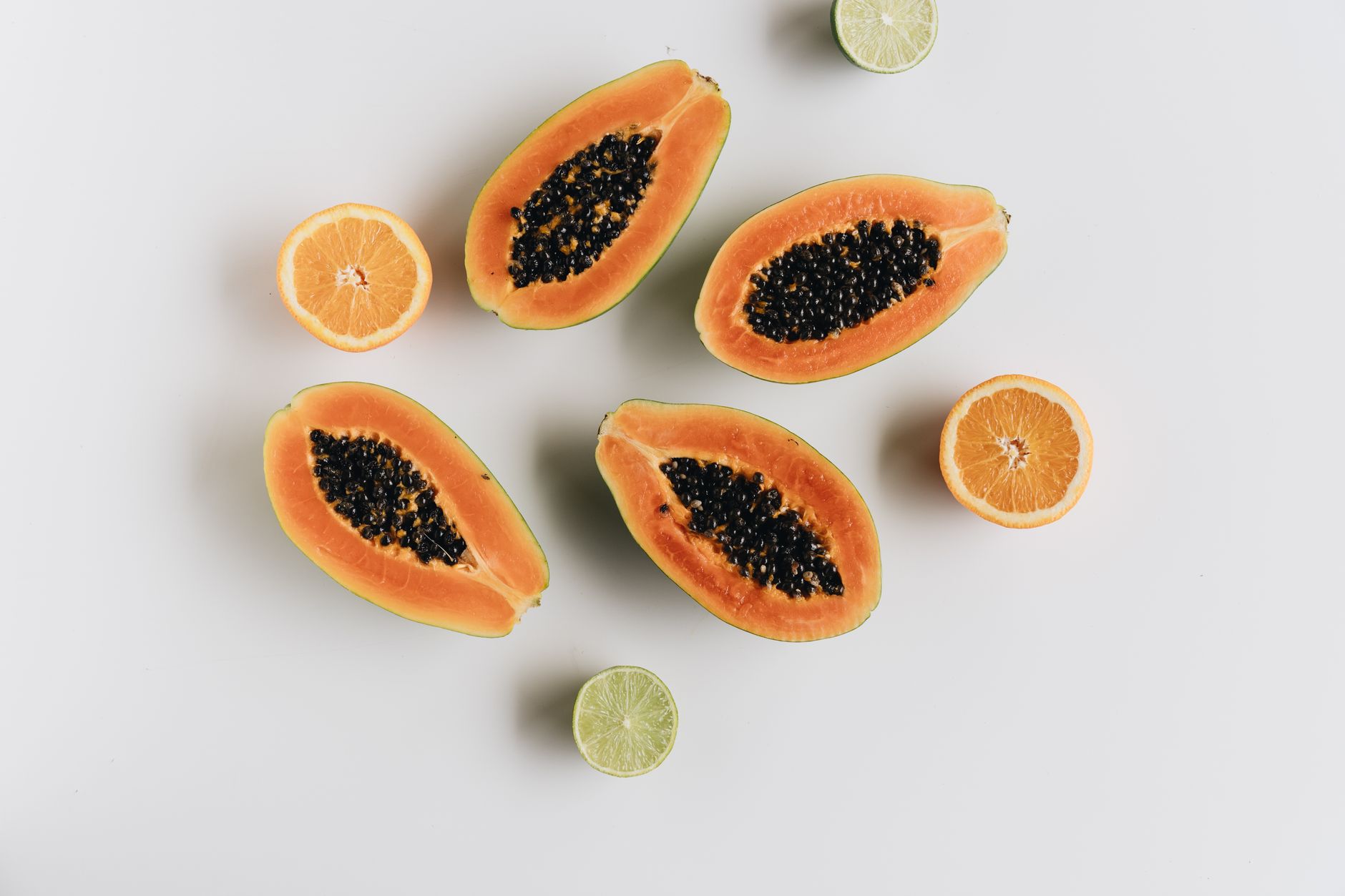
Fresh fruit like papaya offers natural sugars, fiber, and vitamin C—great for curbing appetite while staying hydrated.
Not sure about the label on Why Am I So Hungry During Pregnancy products?
Snap the ingredients list and SafeFilter checks every ingredient for your stage — only 3 free scans this month, then you're locked until reset. Unlimited from $7/mo or $50/yr.
When Shubhra Mishra was expecting her first child in 2016, she was overwhelmed by conflicting food advice — one site said yes, another said never. By the time her second baby arrived in 2019, she realized millions of mothers face the same confusion.
That sparked a five-year journey through clinical nutrition papers, cultural diets, and expert conversations — all leading to BumpBites: a calm, compassionate space where science meets everyday motherhood.
Her long-term vision is to build a global community ensuring safe, supported, and free deliveriesfor every mother — because no woman should face pregnancy alone or uninformed. 🌿
🌍 Stand with mothers, shape safer guidance
Join a small circle of experts who review BumpBites articles so expecting parents everywhere can decide with confidence.