Discover why you're losing hair during pregnancy and what you can do about it, including causes and prevention methods for hair loss
By Shubhra Mishra — a mom of two who turned her own confusion during pregnancy into BumpBites, a global mission to make food choices clear, safe, and stress-free for every expecting mother. 💛
Check whether any food is safe during pregnancy with the BumpBites Food Safety Checker.
Quick take: Hair loss can be a normal part of pregnancy due to hormonal shifts, especially in the second and third trimesters, but sudden or severe shedding may signal a deficiency or health issue. Most expectant parents see a mild increase in shedding that resolves after delivery. If you notice rapid thinning, patches, or other worrisome signs, talk with your obstetric provider.
Imagine it’s 2 a.m.; you’ve just brushed your hair and notice more strands than usual on the pillow. Your mind races—“Is this a sign something’s wrong with my baby? Did I eat something bad?” You’re not alone. Many pregnant people wonder why hair seems to fall out faster, and the answer is often a mix of biology, nutrition, and stress. Below, we unpack the science, pinpoint when shedding is typical, and give safe, practical steps to keep your locks healthy throughout pregnancy and beyond.
In this article we’ll explore why hair loss happens during pregnancy, how each trimester influences the cycle, what nutrients and habits can help, and when a change in shedding may need a professional’s eye. We’ll also compare pregnancy‑related loss with the postpartum surge most people experience. By the end you’ll have a clear roadmap—what to expect, what to do, and what to ask your provider.
Why am I losing hair during pregnancy, and is it normal?
The short answer: yes, a modest amount of extra hair shedding is normal for many pregnant people. Your body’s hair‑growth cycle—known as the anagen‑telogen cycle—normally spends about 85 % of its time in the growth phase (anagen) and the remaining 15 % in the resting, shedding phase (telogen). Hormonal changes during pregnancy, especially the rise in estrogen and progesterone, can prolong the anagen phase.
During most of pregnancy, those higher hormone levels keep more hairs in the growth stage, which often leads to thicker, fuller hair. Paradoxically, many notice a spike in shedding two to three months after delivery, when hormone levels drop sharply and a large batch of hairs simultaneously enter telogen. This “post‑partum shedding” is what many people mistake for “pregnancy hair loss.”
However, not everyone follows the textbook pattern. Some experience a noticeable increase in shedding during the first trimester, while others see little change at all. When shedding is mild—perhaps a few extra strands each day—it’s usually harmless. If you notice large clumps, thinning at the crown, or a sudden change in texture, it could be a sign of an underlying issue such as iron deficiency, thyroid imbalance, or severe stress.
In short, a gentle increase in hair loss is common and typically not a cause for alarm. Keep an eye on the volume and pattern, and use the sections below to determine whether your experience falls within the normal range or warrants a check‑in with your care team.
Hair loss during pregnancy trimester timeline
Understanding when shedding tends to happen helps you separate the expected from the concerning. Below is a trimester‑by‑trimester overview of typical hair‑cycle changes:
Trimester
Hormonal trend
Typical hair‑loss pattern
First (0‑13 weeks)
Rapid rise in estrogen & progesterone
Most people notice little change; some report a slight increase due to early hormonal fluctuation.
Second (14‑27 weeks)
Peak estrogen levels, sustained progesterone
Hair often feels thicker; shedding is usually minimal.
Third (28‑40 weeks)
Hormones stay high but begin to plateau
Some experience a modest rise in shedding as the body prepares for delivery.
Post‑delivery (0‑6 months)
Sharp drop in estrogen & progesterone
Most common period for noticeable hair loss (telogen effluvium).
While the table captures the broad trend, individual experiences vary. A handful of people notice a “first‑trimester hair loss” episode, often linked to stress or a sudden change in diet. If you’re in the first trimester and see more hair than usual, consider your recent meals, sleep, and stress levels before assuming it’s abnormal.
By the end of the third trimester, many report a feeling of lushness. That’s because estrogen prolongs the anagen phase, keeping more follicles actively growing. The sudden “rebound” after birth is what gives rise to the myth that pregnancy itself causes hair loss, when in reality it’s the rapid hormonal shift that triggers the shedding.
What causes hair shedding in pregnant women?
Hair loss during pregnancy can stem from several overlapping factors. Below we break down the most common causes, each tied to a specific biological or lifestyle element.
Hormonal fluctuations
Estrogen, progesterone, and the pregnancy‑specific hormone human chorionic gonadotropin (hCG) all rise dramatically. Estrogen prolongs the growth phase, but when levels drop after delivery, many hairs enter telogen simultaneously—a process called telogen effluvium. This is the primary driver of the post‑partum shedding spike.
Iron and micronutrient deficiencies
Iron stores are often depleted during pregnancy because of increased blood volume and the iron needed for the developing fetus. Iron‑deficiency anemia is linked to diffuse hair thinning because iron is essential for the enzyme ribonucleotide reductase, which fuels hair‑follicle metabolism. Low levels of zinc, biotin, and vitamin D can also weaken hair shafts.
Thyroid hormone changes
Pregnancy can unmask or exacerbate thyroid disorders. Both hypothyroidism and hyperthyroidism can cause hair to enter the telogen phase prematurely, leading to noticeable shedding. Routine thyroid‑stimulating hormone (TSH) screening is part of standard prenatal labs in many countries.
Stress—physical and emotional
Pregnancy is a physiological stressor, and many expectant parents experience heightened emotional stress due to hormonal shifts, lifestyle changes, and worries about the baby. The body’s stress response releases cortisol, which can disrupt the hair‑growth cycle, especially when combined with sleep deprivation.
Rapid weight changes
Significant weight gain or loss, common in pregnancy, may affect hair health. While modest, gradual weight gain is normal, sudden changes—such as severe nausea leading to reduced food intake—can trigger nutrient deficiencies that influence hair shedding.
Medical conditions and medications
Conditions like polycystic ovary syndrome (PCOS) or autoimmune disorders, as well as certain prescription medications (e.g., some antihypertensives), can contribute to hair loss. Always discuss any new medication with your obstetrician.
Understanding the root cause helps you target the right solution—whether it’s a dietary tweak, a stress‑management technique, or a medical evaluation.
How can I prevent hair loss while pregnant?
Prevention focuses on supporting the hair follicle’s needs while respecting the safety constraints of pregnancy. Below are practical, evidence‑backed steps you can incorporate into daily life.
Maintain a balanced, iron‑rich diet
Include lean red meat, poultry, legumes, spinach, and fortified cereals. Pair plant‑based iron sources with vitamin C‑rich foods (citrus, strawberries) to boost absorption. Aim for the NHS‑recommended 27 mg of iron per day for pregnant adults.
Stay hydrated
Water supports the scalp’s moisture balance. Drinking at least 8‑10 cups a day helps keep hair shafts supple and reduces brittleness.
Gentle hair care routine
Use a sulfate‑free, mild shampoo (see “best shampoos” below).
Avoid tight ponytails, braids, or rubber bands that tug on follicles.
Pat hair dry with a soft towel rather than rubbing vigorously.
Limit heat styling; if you must use a dryer, keep it on a low‑heat setting.
Stress‑reduction techniques
Mindful breathing, prenatal yoga, and short walks can lower cortisol. Even five minutes of guided meditation before bedtime can improve sleep quality, which in turn supports hair growth.
Supplement wisely
Most prenatal vitamins already contain iron, folic acid, and iodine. If you have a known deficiency—such as low vitamin D or zinc—your provider may recommend a targeted supplement. Never add extra iron or biotin without medical advice, as excess doses can cause other issues.
Best shampoos for hair loss during pregnancy
Look for products labeled “gentle,” “sulfate‑free,” and “paraben‑free.” Ingredients such as biotin, panthenol, and niacinamide are safe and may support scalp health. Some popular options include:
Baby‑gentle sulfate‑free shampoo (e.g., Aveeno Pure Renewal)
Organic tea‑tree or rosemary infused shampoos for scalp circulation
Vitamin‑enriched formulas from reputable brands like SheaMoisture or Shea Butter
Natural remedies for hair loss while pregnant
Cool scalp massages with a few drops of fractionated coconut oil can improve blood flow. A nightly routine of gentle massage (2‑3 minutes) using fingertip circles is both soothing and safe. Some people also apply a thin layer of aloe vera gel (pure, no additives) to the scalp for moisture.
Below the intro, we’ll show a calming image of a prenatal yoga pose that illustrates stress‑reduction in action.
Gentle prenatal yoga can lower stress hormones that contribute to hair shedding.
What treatment options are safe for hair loss during pregnancy?
When hair loss feels more than “a few extra strands,” you may wonder about treatments. Safety is paramount; many common hair‑loss drugs (e.g., minoxidil) lack robust pregnancy data, so they are generally avoided. Below are the options that are considered low‑risk and often recommended by obstetricians.
Topical solutions
While over‑the‑counter minoxidil is classified as FDA Category C (risk not ruled out), most clinicians advise postponing its use until after delivery. Instead, focus on scalp moisturizers and gentle essential‑oil blends—such as diluted rosemary or lavender oil (no more than 1 % concentration). Always patch‑test first and consult your provider.
Prescription medications
There are no oral hair‑loss medications specifically approved for pregnancy. If an underlying condition (e.g., thyroid disorder) is identified, treating that condition often resolves the shedding. For example, levothyroxine for hypothyroidism is safe and can restore normal hair growth.
Procedural options
Procedures like laser hair therapy or platelet‑rich plasma (PRP) lack safety data in pregnancy and should be avoided until postpartum.
Post‑partum interventions
After delivery, many clinicians re‑evaluate hair‑loss concerns. Minoxidil 2 % topical solution may be considered once you are no longer breastfeeding, as the drug is minimally absorbed.
When to consider a specialist
If you notice rapid thinning, bald patches, or accompanying symptoms like fatigue, unexplained weight loss, or menstrual irregularities, a referral to a dermatologist or endocrinologist is appropriate. Early evaluation can uncover iron‑deficiency anemia, thyroid disease, or autoimmune conditions that need targeted treatment.
Which nutrients affect hair health during pregnancy?
Hair is a protein‑rich tissue, and its growth relies on a steady supply of vitamins and minerals. Below is a concise guide to the key nutrients, recommended daily amounts for pregnant adults (where applicable), and food sources.
Nutrient
Recommended intake (pregnant)
Why it matters for hair
Top food sources
Iron
27 mg
Supports hemoglobin for oxygen delivery to follicles
Lean red meat, lentils, fortified cereals, spinach
Zinc
11 mg
Essential for DNA synthesis in hair cells
Pumpkin seeds, oysters, beef, chickpeas
Vitamin D
600 IU (15 µg)
Regulates hair‑cycle growth
Fatty fish, fortified milk, sunlight exposure
Biotin (Vitamin B7)
30 µg
Strengthens keratin structure
Egg yolk, nuts, sweet potatoes
Vitamin C
85 mg
Boosts iron absorption, antioxidant protection
Citrus fruits, bell peppers, strawberries
Omega‑3 fatty acids
200 mg DHA
Anti‑inflammatory, supports scalp health
Salmon, sardines, walnuts, chia seeds
If you’re already taking a prenatal vitamin, you likely cover many of these bases. However, dietary gaps can still occur, especially with iron. A simple blood test during your 24‑week prenatal visit will reveal any deficiencies, allowing targeted supplementation.
Postpartum hair loss vs. pregnancy hair loss: what's the difference?
Many people conflate the two, but they stem from distinct hormonal shifts.
Pregnancy‑related shedding
During pregnancy, elevated estrogen prolongs the anagen phase, often leading to visibly thicker hair. If you notice a small uptick in shedding while still pregnant—especially in the third trimester—it’s usually due to the body beginning to transition out of the high‑estrogen state.
Postpartum telogen effluvium
Within 2‑4 months after birth, estrogen levels drop dramatically, and a large cohort of hairs that were “stuck” in the growth phase suddenly enters telogen. This results in diffuse thinning that can be alarming but is temporary. Most people see regrowth by 6‑12 months postpartum as hormone levels stabilize.
Key distinctions
Timing: Pregnancy shedding occurs while hormones are still high; postpartum shedding peaks after delivery.
Pattern: Pregnancy shedding is often localized (e.g., crown); postpartum loss is usually uniform across the scalp.
Duration: Pregnancy‑related loss typically resolves within weeks; postpartum telogen effluvium can last up to a year.
Understanding these differences helps set realistic expectations and reduces anxiety. If postpartum loss persists beyond a year or is accompanied by other symptoms (e.g., severe fatigue), a follow‑up with your provider is advisable.
When should I see a doctor for hair loss in pregnancy?
While mild shedding is normal, certain red flags merit professional evaluation. Contact your obstetrician or a dermatologist if you experience any of the following:
Sudden, patchy bald spots or rapid thinning.
Hair loss accompanied by fatigue, pale skin, or shortness of breath (possible anemia).
Signs of infection on the scalp—redness, itching, or pus.
Any concern that hair loss might be linked to miscarriage; while shedding itself isn’t a direct sign, severe, unexplained bleeding or cramping should be evaluated immediately.
During the prenatal visit, your provider will likely check hemoglobin, ferritin, and thyroid‑stimulating hormone (TSH) levels. If results are abnormal, targeted treatment can often reverse the hair loss quickly.
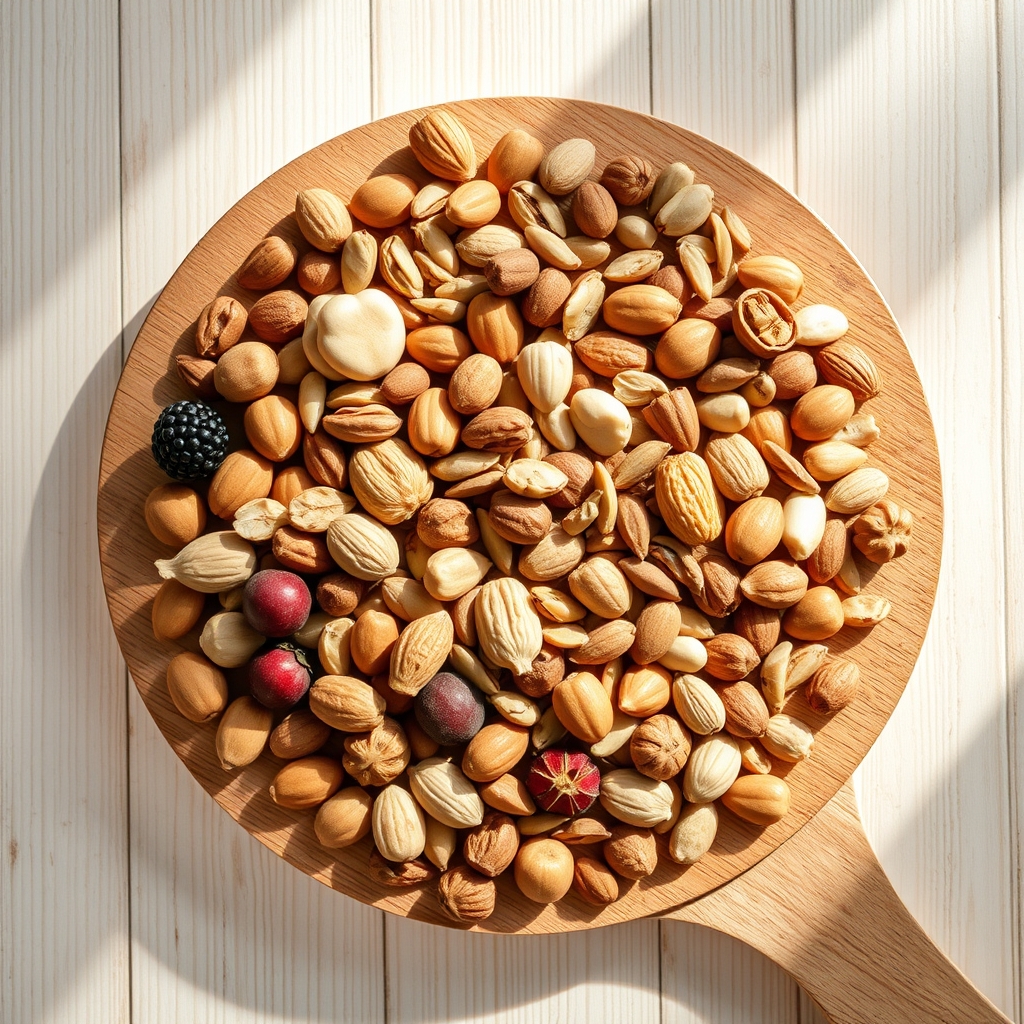
Snacking on iron‑rich nuts and vitamin‑C‑packed berries supports hair health.
Doctor's note
From our medical team: Hair loss in pregnancy is usually a benign reflection of hormonal change. Still, we recommend a quick blood panel (iron, ferritin, TSH) at your 24‑week visit to rule out deficiency‑related shedding. If you’re concerned about rapid thinning, schedule a brief appointment—early detection of anemia or thyroid imbalance benefits both you and your baby.
Myth vs. fact
Myth: Hair loss during pregnancy means something is wrong with the baby. Fact: The baby’s health is not directly linked to maternal hair shedding; the change is driven by the mother’s hormone levels.
Myth: You should stop taking prenatal vitamins to prevent hair loss. Fact: Prenatal vitamins provide essential nutrients that actually help protect hair follicles; stopping them can worsen deficiencies.
Myth: Cutting hair short will stop it from falling out. Fact: Hair length does not affect the amount of shedding; it only makes the loss more visible.
Key takeaways
Mild extra shedding is normal; a sharp increase or patchy loss warrants a medical check.
Maintain iron‑rich foods and vitamin C for better absorption; consider a prenatal blood panel.
Gentle hair care, stress‑reduction, and adequate hydration support scalp health.
Post‑partum telogen effluvium peaks 2‑4 months after birth and usually resolves within a year.
Safe treatments focus on scalp moisturizers and addressing underlying deficiencies—not prescription hair‑loss drugs.
Contact your provider if you notice rapid thinning, scalp irritation, or systemic symptoms like fatigue.
Frequently asked questions
Is hair loss common during pregnancy?
Yes—most pregnant people notice a slight change in shedding, especially after delivery, due to hormonal shifts.
Why does my hair fall out more during pregnancy?
Elevated estrogen keeps more hairs in the growth phase, but the abrupt drop after birth pushes many into the shedding phase at once.
Can stress cause hair loss while pregnant?
Absolutely; cortisol from chronic stress can push hair follicles into telogen, adding to normal hormonal effects.
When does hair start growing back after pregnancy?
Hair typically begins to regrow within 3‑6 months postpartum as hormone levels stabilize, though full density may take up to a year.
Are there any safe treatments for hair loss during pregnancy?
Gentle scalp moisturizers, nutrition optimization, and addressing any iron or thyroid issues are the safest approaches; most medicated options are postponed until after delivery.
Does hair loss indicate any problems with the baby?
Hair loss alone does not signal fetal issues; however, severe anemia or thyroid problems that cause shedding can affect fetal development, so they should be treated promptly.
When to call your doctor
If you notice any of the following, reach out to your obstetrician or a dermatologist right away: rapid, patchy hair loss; scalp redness, itching, or pus; persistent fatigue, pale skin, or shortness of breath; unexplained weight loss; or any bleeding/cramping that could suggest miscarriage.
This article provides general information and is not a substitute for personalized medical advice. Always discuss your specific situation with your healthcare provider.
References
American College of Obstetricians and Gynecologists (ACOG). “Nutrition During Pregnancy.” 2023 clinical guidance.
National Health Service (NHS). “Healthy eating during pregnancy.” Updated 2022.
Centers for Disease Control and Prevention (CDC). “Prenatal care and recommended laboratory tests.” 2021.
World Health Organization (WHO). “Guidelines on iron supplementation in pregnancy.” 2020.
American Thyroid Association. “Management of thyroid disease during pregnancy and postpartum.” 2022.
Mayo Clinic. “Hair loss after pregnancy.” Reviewed 2023.
Royal College of Obstetricians and Gynaecologists (RCOG). “Postpartum care.” 2021.
Not sure about the label on Why Am I Losing Hair During Pregnancy products?
Snap the ingredients list and SafeFilter checks every ingredient for your stage — only 3 free scans this month, then you're locked until reset. Unlimited from $7/mo or $50/yr.
When Shubhra Mishra was expecting her first child in 2016, she was overwhelmed by conflicting food advice — one site said yes, another said never. By the time her second baby arrived in 2019, she realized millions of mothers face the same confusion.
That sparked a five-year journey through clinical nutrition papers, cultural diets, and expert conversations — all leading to BumpBites: a calm, compassionate space where science meets everyday motherhood.
Her long-term vision is to build a global community ensuring safe, supported, and free deliveriesfor every mother — because no woman should face pregnancy alone or uninformed. 🌿
🌍 Stand with mothers, shape safer guidance
Join a small circle of experts who review BumpBites articles so expecting parents everywhere can decide with confidence.