Weird cravings during pregnancy are normal due to hormonal changes, nutrient needs, or cultural influences. Learn why they happen and how to manage them safely.
By Shubhra Mishra — a mom of two who turned her own confusion during pregnancy into BumpBites, a global mission to make food choices clear, safe, and stress-free for every expecting mother. 💛
Check whether any food is safe during pregnancy with the BumpBites Food Safety Checker.
Quick take: Weird cravings during pregnancy are incredibly common and usually a normal, temporary part of the journey, primarily driven by rapid hormonal shifts, heightened senses, and sometimes emotional needs. While most cravings are harmless, it's important to differentiate between typical food cravings and Pica — a craving for non-food items like ice or dirt — which warrants immediate medical attention.
It's 2 AM, and you're suddenly consumed by an overwhelming desire for pickles dipped in peanut butter, or maybe a bowl of plain ice chips. Your pregnant body is doing all sorts of amazing things, but these bizarre food urges might leave you wondering, "Is this normal? Why am I craving *that*?" If you've found yourself puzzling over unusual food combinations or intense, specific desires, take a breath – you're in good company.
Pregnancy cravings are a classic and often surprising symptom that many expecting parents experience. From the delightfully odd to the downright strange, these urges can feel incredibly powerful. We’re here to demystify why your taste buds might be taking a detour, what’s normal, when to be cautious, and how to navigate these unique culinary adventures healthily.
Most of the time, these peculiar cravings are just another quirky, harmless part of growing a human. Let's explore the science and psychology behind your sudden longing for anchovy and ice cream, and what it all means for you and your baby.
Many pregnant people experience unique and sometimes surprising cravings, often driven by a mix of hormones and heightened senses.
What causes unusual food cravings during pregnancy?
Those powerful urges for specific foods, or even strange combinations, don't just appear out of nowhere. Pregnancy cravings are a complex mix of physiological and psychological factors, with hormones leading the charge.
The Hormonal Rollercoaster
One of the biggest culprits behind your sudden desire for specific foods is the dramatic fluctuation of hormones, particularly human chorionic gonadotropin (hCG), estrogen, and progesterone. These hormones surge during pregnancy to support your growing baby, but they also have a profound impact on your body's systems, including your appetite and sensory perception.
hCG: This hormone, which is responsible for that positive pregnancy test, is often linked to morning sickness and food aversions, but it may also play a role in altering your appetite.
Estrogen and Progesterone: These hormones can influence neurotransmitters in the brain that regulate mood, reward, and appetite. They can heighten your sense of smell and taste, making certain foods incredibly appealing (or utterly repulsive). This can lead to intense cravings for specific flavors or textures that might have been unremarkable before pregnancy.
These hormonal shifts can essentially "rewire" your brain's reward system, making certain foods seem more desirable and satisfying than usual. It’s your body's way of responding to an entirely new internal environment.
Heightened Senses and Sensory Changes
Beyond hormones, pregnancy often brings about a heightened sense of smell and taste, a phenomenon known as dysgeusia. Foods you once loved might now turn your stomach, while previously unappealing foods suddenly become irresistible. For instance, the smell of coffee might now be nauseating, while the aroma of a specific fruit becomes overwhelmingly appealing.
This increased sensitivity can make certain textures, temperatures, or flavor profiles particularly attractive. Many expecting parents report craving crunchy foods, very cold items, or foods with a strong tart or spicy kick. It’s not just about the taste; it’s the entire sensory experience that your pregnant body might be seeking.
Psychological Comfort and Emotional Needs
Pregnancy is a time of immense change, both physically and emotionally. It’s completely normal to feel a range of emotions, from excitement and joy to anxiety and stress. These psychological factors can also play a significant role in developing cravings. Often, cravings for specific foods can be a way to seek comfort, nostalgia, or a sense of control.
For example, you might crave foods from your childhood that evoke happy memories, or turn to "comfort foods" like ice cream or macaroni and cheese when feeling overwhelmed. Stress and fatigue can also trigger cravings for quick energy sources, like sugary or fatty foods. It’s your brain’s way of seeking a temporary mood boost or a moment of familiarity in a rapidly changing world.
One BumpBites reader shared, "I never used to like anything spicy, but in my second trimester, I suddenly couldn't get enough of hot sauce on everything! I think it was partly the novelty, but also the kick seemed to wake me up when I was feeling so tired." This illustrates how a combination of sensory changes and the need for a "pick-me-up" can drive unusual cravings.
Are strange pregnancy cravings normal or a sign of something serious?
Most of the time, those peculiar food cravings you're experiencing are entirely normal and nothing to worry about. The vast majority of expecting parents report some form of craving during their pregnancy, and they often involve unusual combinations or foods they wouldn't typically eat.
Reassurance: A Normal Part of Pregnancy
It's important to know that your body is undergoing profound changes, and altered tastes and desires are par for the course. From pickles and peanut butter to fruit with a sprinkle of salt, these cravings are generally considered a benign and temporary symptom. They usually don't indicate any underlying health issue for you or your baby. The focus should be on how you manage these cravings within a balanced diet, rather than worrying about the cravings themselves.
The American College of Obstetricians and Gynecologists (ACOG) acknowledges that food cravings and aversions are common during pregnancy, attributing them largely to hormonal fluctuations. So, if you're suddenly dreaming of anchovy pizza or a specific brand of cereal, rest assured, you're not alone, and it's almost certainly just your pregnancy doing its thing.
When to Pay Attention: Differentiating Normal Cravings from Pica
While most cravings are harmless, there is one significant exception that warrants immediate medical attention: Pica. Pica is a craving for non-food items that have no nutritional value. This is distinctly different from craving unusual food combinations. If you find yourself wanting to eat things like dirt, clay, laundry starch, chalk, paint chips, ice, or even burnt match heads, this is a serious concern and not a normal pregnancy craving.
Pica can be dangerous for several reasons:
Nutritional deficiencies: Consuming non-food items can interfere with the absorption of essential nutrients, leading to deficiencies.
Toxicity: Many non-food items contain toxic substances that can harm both you and your baby.
Physical harm: Eating certain items can lead to intestinal blockages, infections, or tooth damage.
If you experience any craving for non-food items, even if it seems mild or you haven't actually consumed them, it's crucial to talk to your doctor or midwife right away. Pica can sometimes be linked to underlying nutrient deficiencies, such as iron-deficiency anemia, and your healthcare provider can perform tests and offer appropriate guidance.
When do pregnancy cravings typically start and end?
The timing of pregnancy cravings can vary quite a bit from person to person, but there are some general patterns that many expecting parents experience.
Early Pregnancy: The First Trimester Onset
For many, cravings (and their counterpart, food aversions) often begin quite early in pregnancy, sometimes even before you've officially confirmed you're expecting. This aligns with the rapid hormonal changes that kick in during the first trimester. As hCG levels rise and your body starts adapting to pregnancy, your senses of smell and taste can become significantly altered, leading to new desires or intense dislikes.
Some people notice a sudden aversion to foods they once loved, like coffee, meat, or certain strong-smelling dishes, while simultaneously developing an intense longing for specific, sometimes unusual, items. These early cravings can be one of the subtle signs of pregnancy, alongside fatigue and morning sickness.
A common pattern we hear from new moms is the sudden onset of "picky eating" tendencies, reminiscent of childhood. This can manifest as an aversion to a wide array of foods, simplifying meals, and then a strong craving for a very specific, often bland or comforting, item.
Throughout Pregnancy: Second and Third Trimesters
While the first trimester often marks the initial appearance of cravings, they can certainly continue throughout the second and third trimesters. As your pregnancy progresses, your body continues to undergo hormonal shifts and increasing demands, which can sustain or even change your cravings.
Some individuals find that their cravings evolve, perhaps shifting from sour foods in the first trimester to sweet or salty items later on. Others might experience consistent cravings for the same few foods throughout their entire pregnancy. There's no single rule for how long or how intensely these cravings will last.
Postpartum: The Gradual Decline
Good news! For most people, pregnancy cravings tend to subside relatively quickly after giving birth. Once your hormones begin to return to their pre-pregnancy levels, your taste buds and sensory perceptions usually normalize. This means that your intense desire for that specific brand of potato chips or that unusual fruit combination will likely fade away.
However, it's not always an immediate switch. Some lingering cravings might persist for a short period postpartum as your body adjusts. If you're breastfeeding, hormonal fluctuations continue, which could potentially influence appetite and food preferences, though typically not with the same intensity or strangeness as during pregnancy.
Ultimately, the duration and intensity of cravings are highly individual. What's most important is to listen to your body, nourish it with healthy foods, and consult your healthcare provider if you have any concerns about your eating habits.
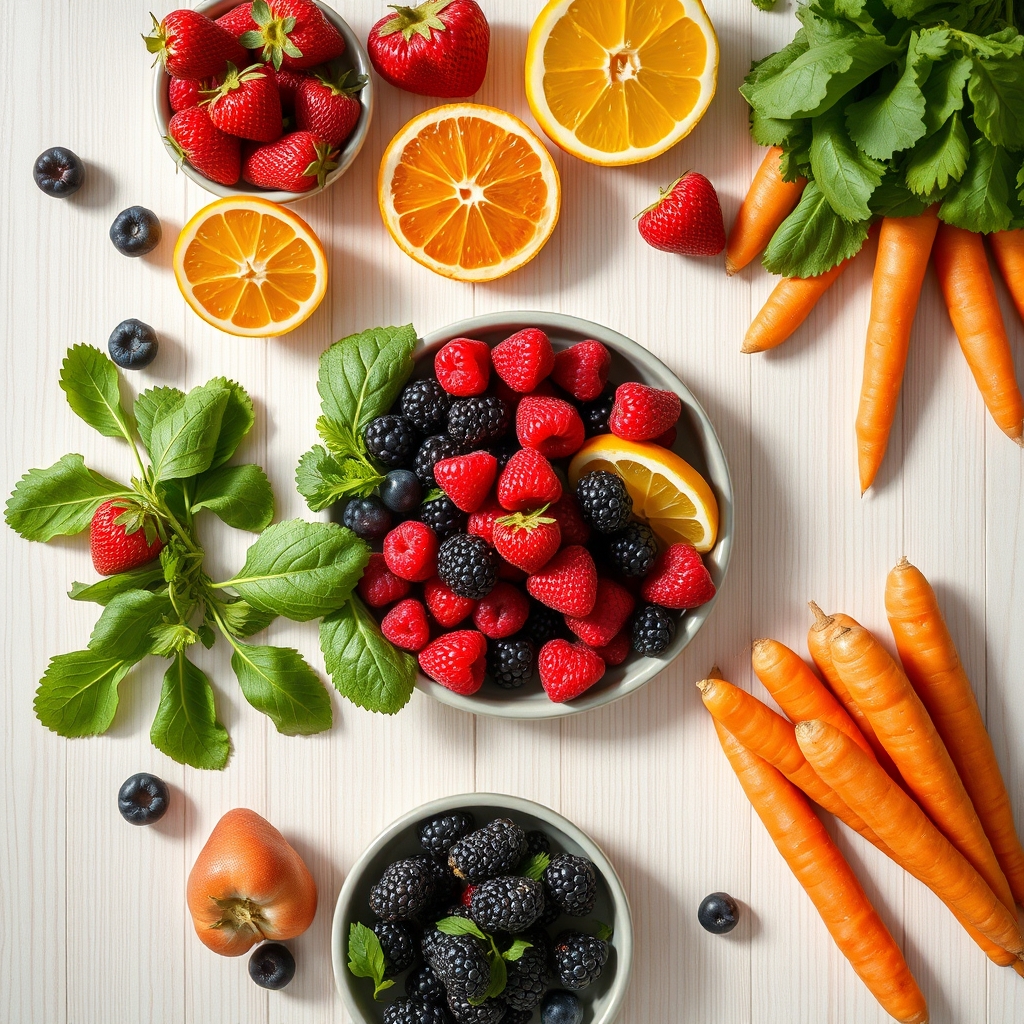
Focusing on a balanced diet rich in fruits, vegetables, and whole grains can help manage cravings and ensure you're getting essential nutrients.
What are common examples of weird pregnancy cravings?
Pregnancy cravings are renowned for their unpredictability and the sometimes-bizarre combinations they inspire. While "weird" is subjective, there are many common themes and specific examples that expecting parents frequently report.
The Classics: Sweet, Salty, Sour, and Spicy
Many cravings fall into these broad categories, often with a twist:
Sweet: Ice cream, chocolate (often specific types or brands), cookies, candy, fruit (especially berries or tropical fruits). The desire for sugary treats can be intense.
Salty: Pickles are perhaps the most stereotypical pregnancy craving, but also potato chips, pretzels, olives, and salty fast food. The crunch of salty snacks can be particularly satisfying.
Sour: Lemons, limes, sour candies, vinegar-based foods, or even just the smell of cleaning products (be careful not to inhale!).
Spicy: Hot sauce on everything, chili, curries, or spicy snacks. This can be a new experience for those who weren't spicy food fans pre-pregnancy.
Unusual Combinations and Textures
This is where the "weird" truly comes in. Hormonal changes can lead to a desire for specific textures, temperatures, or seemingly incompatible flavor pairings.
Contrasting Flavors: Pickles with peanut butter, chocolate-covered potato chips, fruit dipped in savory sauces, or even a sudden love for sweet and sour dishes.
Temperature: Many crave extremely cold items like ice chips (not Pica if it's just ice, but can be a symptom of iron deficiency, see below), popsicles, or chilled fruit. Others might want very hot, comforting broths.
Textures: The desire for crunchy foods (ice, raw vegetables, crackers), creamy items (pudding, yogurt), or chewy snacks can be strong.
Specific, Niche Foods: Suddenly developing an intense craving for an obscure brand of cereal, a very particular type of cheese, or a specific fruit you've never paid attention to before.
Here's a table illustrating some common and unusual cravings, and what might be behind them:
Type of Craving
Common Examples
Why It Might Happen (Speculative)
Healthy Management Tip
Sweet
Ice cream, chocolate, pastries, fruit
Hormonal influence on reward pathways, quick energy boost, comfort
Opt for fruit, Greek yogurt with berries, small portions of dark chocolate
Salty
Pickles, potato chips, olives, fast food
Fluid balance changes, comfort, satisfying a crunch
Try vegetable sticks with hummus, lightly salted nuts, homemade popcorn
Often linked to iron deficiency, but exact cause unknown
Immediately consult your doctor or midwife.
Food Aversions: The Flip Side of Cravings
It's also worth noting that many pregnant individuals experience strong food aversions alongside cravings. Foods you once loved, like coffee, meat, eggs, or certain strong-smelling vegetables, can suddenly become unappealable, sometimes even triggering nausea. This is also due to the same hormonal and sensory changes. It’s important to find healthy alternatives if you're avoiding nutritious foods to ensure you're still getting the vitamins and minerals you need.
How to manage or satisfy weird cravings during pregnancy healthily?
While most pregnancy cravings are harmless, consistently giving in to unhealthy urges can lead to excessive weight gain or a lack of essential nutrients. The good news is there are plenty of strategies to manage and even healthily satisfy those unique desires without derailing your nutrition goals.
1. Mindful Indulgence: Small Portions and Occasional Treats
Completely denying a craving can sometimes make it stronger. Instead, practice mindful indulgence. Allow yourself a small portion of what you're craving. For example, if you're dreaming of ice cream, have a small scoop, savor it, and truly enjoy it. The key is moderation, not elimination. This approach can prevent you from feeling deprived and potentially overeating later.
2. Healthy Substitutions: Get Creative
Often, a craving isn't just about a specific food, but a particular flavor, texture, or temperature. Think about what aspect of the craving you can satisfy with a healthier alternative:
For sweet cravings: Reach for fruit (berries, apples, mango), a small smoothie, Greek yogurt with honey, or a piece of dark chocolate instead of sugary candies or large desserts.
For salty cravings: Instead of chips, try air-popped popcorn (lightly seasoned), roasted chickpeas, vegetable sticks with hummus, or a handful of unsalted nuts.
For sour cravings: Infuse water with lemon or lime, try tart berries, or a small glass of diluted fruit juice.
For crunchy cravings: Fresh vegetables like carrots or celery, whole-grain crackers, or a small handful of almonds.
For creamy cravings: Avocado, unsweetened yogurt, or a protein shake can hit the spot.
One mom-to-be told us, "I was craving a super specific, sugary lemon meringue pie. Instead of buying a whole one, I made a small bowl of Greek yogurt with a squeeze of lemon, a tiny bit of honey, and some crushed graham cracker. It wasn't exactly the same, but it really helped!"
3. Stay Hydrated
Sometimes, what feels like a food craving is actually your body signaling thirst. Before reaching for a snack, try drinking a glass of water, herbal tea, or sparkling water. Dehydration can often manifest as hunger or a vague desire for something "more."
4. Eat Regular, Balanced Meals
Skipping meals or going too long without eating can lead to extreme hunger, making you more susceptible to intense cravings and unhealthy choices. Aim for regular, balanced meals and nutritious snacks throughout the day. Including protein and fiber in each meal can help you feel fuller for longer and stabilize blood sugar levels, which can reduce the intensity of cravings.
The NHS recommends a balanced diet during pregnancy, focusing on fruits, vegetables, lean proteins, and whole grains. This foundation helps ensure you're meeting your nutritional needs, making it easier to manage those "extra" cravings.
5. Distract Yourself
If a craving hits hard, try a change of scenery or activity. Go for a short walk, call a friend, read a book, or engage in a hobby. Often, cravings can be fleeting, and a brief distraction can help them pass. Sometimes, the craving is more about a psychological need than a physical one.
6. Talk to Your Partner or Support System
Share your cravings with your partner, family, or friends. They can offer support, help you find healthier alternatives, or simply provide a listening ear. Having someone else aware of your struggles can make it easier to stick to healthier choices.
Remember, the goal isn't perfection, but balance. It's okay to give in to a craving occasionally, especially if it's for something relatively harmless. The focus should be on nurturing your body and your baby with a generally healthy diet.
Why do pregnant women crave non-food items like dirt or ice (Pica)?
While craving pickles and ice cream is widely recognized as a normal, albeit sometimes strange, part of pregnancy, a craving for non-food items is a distinct and potentially serious condition known as Pica. This is not a normal pregnancy craving and requires immediate medical attention.
Defining Pica: Craving Non-Food Items
Pica is characterized by an intense, persistent craving for and consumption of non-nutritive, non-food substances. These can include a wide range of items that hold no nutritional value. It's crucial to understand that Pica is different from typical food cravings because the items desired are not meant for human consumption.
Common Examples of Pica Cravings
While the list of potential Pica items is extensive, some of the most commonly reported cravings during pregnancy include:
Pagophagia (Ice): A craving for large quantities of ice, ice chips, or even freezer frost. While ice itself isn't toxic, the intensity and quantity of the craving can be a significant red flag.
Geophagia (Dirt/Clay): A desire to eat soil, mud, or clay.
Amylophagia (Starch): Craving laundry starch, cornstarch, or raw rice.
It's important to distinguish between just liking the smell of something (e.g., gasoline, fresh paint) and actually wanting to ingest it. While strong reactions to smells are common in pregnancy, the desire to eat non-food items is the defining characteristic of Pica.
Potential Causes and the Link to Nutrient Deficiencies
The exact cause of Pica is not fully understood, but it is often strongly linked to underlying nutrient deficiencies, particularly **iron-deficiency anemia**. In fact, craving ice (pagophagia) is so commonly associated with iron deficiency that it can be a strong indicator to healthcare providers to test for anemia.
Other potential causes or contributing factors may include:
Zinc deficiency: Some research suggests a link between Pica and low zinc levels.
Psychological factors: In some cases, Pica may be associated with stress, anxiety, or certain mental health conditions, though the link is less clear in pregnancy-specific Pica.
Cultural practices: In some cultures, consuming certain types of clay or soil is a traditional practice, which can sometimes blur the lines between Pica and cultural habit. However, even in these cases, it's vital to ensure the substances are safe and free from contaminants.
The body might be trying to signal a deficiency, but it's doing so in a way that can be harmful if not addressed medically. It's not a reliable or safe method for getting nutrients.
The Serious Risks Associated with Pica
Consuming non-food items during pregnancy can pose significant risks to both the expecting parent and the developing baby:
Toxicity: Many non-food items contain toxic substances like lead (from paint chips), parasites (from dirt), or chemicals (from cleaning products) that can cause poisoning, organ damage, or developmental problems in the fetus.
Nutritional Deficiencies: Eating non-food items can fill up your stomach, reducing your appetite for nutritious foods, and interfering with the absorption of essential vitamins and minerals. This can worsen existing deficiencies or create new ones, potentially leading to anemia, malnutrition, and poor pregnancy outcomes.
Physical Harm: Ingesting items like dirt, clay, hair, or ice in large quantities can lead to dental damage, intestinal blockages, constipation, or other gastrointestinal issues.
Infections: Non-food items, especially dirt, can harbor bacteria, viruses, or parasites, leading to serious infections.
If you experience any craving for non-food items, even if it feels mild or you haven't actually consumed them, it is absolutely essential to **inform your doctor or midwife immediately**. They can perform tests to check for deficiencies and offer guidance to safely manage and address the craving, protecting both your health and your baby's.
Always discuss any unusual cravings, especially for non-food items, with your healthcare provider to ensure safety and rule out deficiencies.
Can pregnancy cravings indicate a baby's gender or nutrient deficiency?
It’s a fun old wives' tale that pregnancy cravings can hint at whether you're having a boy or a girl. But while it's a popular topic of conversation, there's no scientific basis to these claims. As for nutrient deficiencies, the picture is a bit more nuanced: most cravings don't indicate a deficiency, but there's one important exception.
Do Cravings Predict Baby's Gender? (Myth Busted!)
The idea that craving sweets means you're having a girl, or salty/sour foods indicates a boy, has been passed down through generations. While these stories are charming and make for fun speculation, they are purely anecdotal. Scientific research has consistently shown no correlation between the type of food a pregnant person craves and the sex of their baby.
Cravings are influenced by hormones, sensory changes, and psychological factors specific to the pregnant person, not by the genetic makeup of the fetus. So, if you're craving chocolate, it means you're craving chocolate – not necessarily that a little girl is on the way! The only reliable way to determine your baby's gender is through medical tests like ultrasound or non-invasive prenatal testing (NIPT).
Do Cravings Mean You're Missing a Nutrient? (Often Unproven, Except for Pica)
This is a common question, and while it seems logical that your body might crave what it needs, for most food cravings, the link to a specific nutrient deficiency is weak or unproven.
Most Food Cravings: For typical cravings like pickles, ice cream, spicy foods, or specific fruits, there's generally no strong scientific evidence to suggest they indicate a specific vitamin or mineral deficiency. For example, craving chocolate doesn't necessarily mean you're low in magnesium, even though chocolate contains magnesium. These cravings are more likely driven by the hormonal shifts, heightened senses, and emotional factors discussed earlier. Your body's signals for nutrient needs are usually not that specific or direct.
The Strong Link: Pica and Iron Deficiency: The significant exception here is Pica, especially the craving for ice (pagophagia). As mentioned, an intense, persistent craving for ice or other non-food items like dirt or clay is **strongly associated with iron-deficiency anemia**. If you find yourself craving large amounts of ice, or any non-food item, it is crucial to speak with your doctor. They will likely check your iron levels and may recommend iron supplements if a deficiency is found. This is one of the few instances where a specific craving can be a reliable indicator of a nutrient deficiency that needs medical attention.
The National Institute for Health and Care Excellence (NICE) in the UK, alongside other global health bodies, emphasizes screening for anemia in pregnancy and addressing Pica as a potential symptom. This highlights the importance of not dismissing unusual non-food cravings.
In summary, while it's fun to guess baby gender based on cravings, there's no scientific backing. And for most food cravings, don't assume you have a deficiency. However, if you develop Pica, particularly a strong craving for ice, consider it a signal to talk to your healthcare provider about checking your iron levels.
From our medical team: "It's completely normal for your body to go through surprising changes during pregnancy, and cravings are definitely one of them! Most food cravings are harmless and can even be a fun part of your pregnancy story. The key is balance – try to incorporate healthy choices most of the time, and don't hesitate to reach out if you have any questions or concerns. But if you ever crave non-food items, even just ice, please call us right away. It's a simple check that can make a big difference for your health and your baby's."
Myth vs. fact
Let's clear up some common misconceptions about pregnancy cravings.
Myth: Pregnancy cravings always mean you're having a specific gender (e.g., sweets for a girl, salty for a boy).
Fact: While this is a fun old wives' tale, there is no scientific evidence whatsoever linking the type of food you crave to your baby's gender. Cravings are influenced by hormones and individual preferences, not the sex of the fetus.
Myth: Every single craving indicates a specific nutrient deficiency that your body needs.
Fact: This is largely untrue for typical food cravings. Your body's signals for nutrient needs aren't usually that specific. The one significant exception is Pica (craving non-food items like ice, dirt, or clay), which is often strongly linked to iron-deficiency anemia and absolutely warrants medical investigation.
Myth: You must satisfy every single craving, no matter what it is, because your body knows best.
Fact: While it's good to listen to your body, this doesn't mean every craving must be indulged without question, especially if it's for unhealthy foods or non-food items. Healthy management, mindful indulgence, and finding nutritious substitutions are key. For Pica, it's critical to seek medical advice rather than satisfying the craving.
Key takeaways
Weird cravings during pregnancy are very common and usually a normal response to hormonal shifts and heightened senses.
Most food cravings are harmless and don't indicate a problem, but focus on managing them healthily with moderation and nutritious swaps.
Pica — the craving for non-food items like ice, dirt, or chalk — is serious and requires immediate medical attention, as it can indicate an iron deficiency or pose other health risks.
Cravings do not reliably predict your baby's gender, despite popular myths.
Stay hydrated, eat regular balanced meals, and consider healthy substitutions to keep your diet on track while satisfying urges.
Always talk to your doctor or midwife about any concerns, especially if you experience Pica or your cravings are leading to an unbalanced diet.
Frequently asked questions
What do weird cravings mean in pregnancy?
Weird cravings in pregnancy usually mean your body is experiencing significant hormonal changes, which can alter your senses of taste and smell, and influence your brain's reward system. They can also be linked to psychological factors like seeking comfort or managing stress. Most often, they are a normal, temporary symptom of pregnancy.
Are weird cravings a sign of early pregnancy?
Yes, weird cravings can absolutely be a sign of early pregnancy. Many individuals report developing unusual food cravings or strong aversions during their first trimester, often alongside other early symptoms like fatigue and morning sickness, due to the rapid hormonal fluctuations occurring in the initial weeks.
What are the most common weird pregnancy cravings?
Some of the most commonly reported weird pregnancy cravings include pickles, ice cream, sour foods (like lemons or vinegar), spicy foods, and unusual combinations like fruit with salt or pickles with peanut butter. Cravings for specific textures, such as crunchy or very cold items, are also frequent.
Why do I crave dirt during pregnancy?
Craving dirt during pregnancy is a form of Pica, a serious condition where you crave non-food items. It is often strongly linked to iron-deficiency anemia, though the exact cause can be complex. If you crave dirt or any other non-food item, you must inform your doctor or midwife immediately for testing and guidance.
Do cravings mean you're pregnant with a boy or girl?
No, there is no scientific evidence to suggest that pregnancy cravings can indicate your baby's gender. This is a common old wives' tale. Cravings are influenced by hormonal shifts and individual factors in the pregnant person, not by the sex of the fetus.
How do you stop weird cravings during pregnancy?
You can manage weird cravings by practicing mindful indulgence (small portions), seeking healthy substitutions (e.g., fruit for sweets, nuts for salty snacks), staying well-hydrated, eating regular balanced meals, and distracting yourself with other activities. If cravings are for non-food items, immediately consult your doctor.
When to call your doctor
While most pregnancy cravings are normal, there are specific situations where you should contact your doctor or midwife:
Pica (Non-Food Cravings): If you experience any craving for non-food items such as ice (especially in large quantities), dirt, clay, laundry starch, chalk, paint chips, or any other non-edible substance. This is a serious concern and needs immediate medical evaluation.
Cravings for Harmful Substances: If you crave or consume anything that could be toxic or harmful to you or your baby (e.g., gasoline, cleaning products).
Extreme or Unhealthy Cravings: If your cravings are so intense that they are leading to a severely unbalanced diet, significant unhealthy weight gain, or preventing you from eating nutritious foods.
Concerns About Nutrient Intake: If you are worried you're not getting enough essential nutrients due to strong cravings or aversions.
This article is for informational purposes only and is not a substitute for professional medical advice, diagnosis, or treatment. Always seek the advice of your physician or other qualified health provider with any questions you may have regarding a medical condition.
References
American College of Obstetricians and Gynecologists (ACOG). (2020). Nutrition During Pregnancy.
Centers for Disease Control and Prevention (CDC). (2023). Iron and Iron Deficiency.
National Institute for Health and Care Excellence (NICE). (2021). Antenatal care: Clinical guideline [CG62].
Mayo Clinic. (2022). Pregnancy cravings: What causes them?
World Health Organization (WHO). (2016). WHO recommendations on antenatal care for a positive pregnancy experience.
NHS (National Health Service, UK). (2023). Foods to avoid in pregnancy.
American Academy of Pediatrics (AAP). (2017). Clinical Practice Guideline for Screening and Management of Iron Deficiency in Children and Adolescents.
Not sure about the label on Why Am I Having Weird Cravings During Pregnancy products?
Snap the ingredients list and SafeFilter checks every ingredient for your stage — only 3 free scans this month, then you're locked until reset. Unlimited from $7/mo or $50/yr.
When Shubhra Mishra was expecting her first child in 2016, she was overwhelmed by conflicting food advice — one site said yes, another said never. By the time her second baby arrived in 2019, she realized millions of mothers face the same confusion.
That sparked a five-year journey through clinical nutrition papers, cultural diets, and expert conversations — all leading to BumpBites: a calm, compassionate space where science meets everyday motherhood.
Her long-term vision is to build a global community ensuring safe, supported, and free deliveriesfor every mother — because no woman should face pregnancy alone or uninformed. 🌿
🌍 Stand with mothers, shape safer guidance
Join a small circle of experts who review BumpBites articles so expecting parents everywhere can decide with confidence.