Heart palpitations during pregnancy are usually normal due to hormonal changes and increased blood volume. Learn when they’re harmless and when to seek medical advice.
By Shubhra Mishra — a mom of two who turned her own confusion during pregnancy into BumpBites, a global mission to make food choices clear, safe, and stress-free for every expecting mother. 💛
Check whether any food is safe during pregnancy with the BumpBites Food Safety Checker.
Quick take: Heart palpitations during pregnancy are common and usually harmless — your heart is working harder to support your growing baby. Most women feel them as a flutter, racing, or skipped beat, especially in the first and third trimesters. Triggers like caffeine, dehydration, stress, or anemia can bring them on. While they’re usually nothing to worry about, call your provider if you also have chest pain, dizziness, or shortness of breath, as these could signal a more serious issue.
You’re lying in bed, trying to drift off, when suddenly your heart feels like it’s doing a drum solo in your chest. Or maybe you’re just walking up the stairs when your pulse races out of nowhere. If you’re pregnant, these heart palpitations can feel alarming — but are they normal?
For most moms-to-be, the answer is yes. Your body is going through massive changes, and your heart is working overtime to keep up. But that doesn’t mean you should ignore them entirely. Here’s what’s really going on, when to relax, and when to pick up the phone.
Heart palpitations can feel scary, but they’re often just your heart adjusting to pregnancy.
Are heart palpitations normal during early pregnancy?
Yes — and you’re not alone. Many women notice their first heart palpitations in the first trimester, often before they’ve even shared the news. One reader, Sarah, told us: “I thought I was having a panic attack at 8 weeks. My heart was pounding so hard I could see it in my shirt. I called my midwife, and she laughed and said, ‘Welcome to pregnancy!’”
Here’s why it happens: your body is ramping up blood production to nourish your baby. By the end of the first trimester, your blood volume has already increased by about 10%. That extra fluid means your heart has to pump harder and faster. Hormones like progesterone and estrogen also relax your blood vessels, which can make your heart race even when you’re resting.
Most women describe early-pregnancy palpitations as:
A fluttering or “butterflies” in the chest
A skipped beat, like your heart “stumbles” for a second
A sudden racing that lasts a few seconds to a minute
These are usually harmless and tend to come and go. But if they’re happening multiple times a day or leaving you lightheaded, mention them at your next prenatal visit.
What causes heart palpitations in the third trimester?
By the third trimester, your blood volume has increased by nearly 50%. That’s like adding an extra two liters of fluid to your system — your heart is working as hard as it would during moderate exercise, even when you’re sitting still. No wonder it feels like it’s racing.
Other third-trimester triggers include:
Pressure from your growing uterus: As your baby gets bigger, your uterus pushes up against your diaphragm and can press on your heart, making it feel like it’s pounding.
Anemia: Iron needs double during pregnancy, and many women become anemic by the third trimester. Low iron means your heart has to pump faster to deliver enough oxygen.
Anxiety and stress: The third trimester can bring worries about labor, delivery, and parenthood. Stress hormones like adrenaline can trigger palpitations.
Caffeine: That extra cup of coffee to combat third-trimester exhaustion? It might be making your heart race.
Dehydration: Your body needs more water than ever, and even mild dehydration can make your heart work harder.
One mom, Priya, shared: “At 34 weeks, I’d wake up at 3 a.m. with my heart pounding like I’d run a marathon. My doctor said it was just my body adjusting to the extra blood volume. She told me to prop up my pillows and sip water — it helped a lot.”
Sipping water and elevating your feet can ease third-trimester palpitations.
When should I worry about heart palpitations during pregnancy?
Most heart palpitations during pregnancy are harmless, but there are times when they can signal something more serious. Here’s when to call your provider — or head to the ER:
Chest pain or pressure: If your palpitations come with pain, squeezing, or a feeling of fullness in your chest, seek help immediately. This could signal a heart issue or even a blood clot.
Shortness of breath: If you’re gasping for air or can’t catch your breath, especially if it’s getting worse, call your doctor.
Dizziness or fainting: Feeling lightheaded or actually passing out is a red flag. It could mean your blood pressure is dropping too low or your heart isn’t pumping efficiently.
Swelling in your hands, feet, or face: Sudden swelling, especially with palpitations, could be a sign of preeclampsia, a serious pregnancy complication.
Severe headache or vision changes: Blurred vision, spots, or a pounding headache with palpitations could also indicate preeclampsia.
Palpitations that last more than a few minutes: If your heart races nonstop for 10 minutes or more, or if it feels irregular (like it’s “skipping” or “flip-flopping”), get it checked.
You have a history of heart problems: If you’ve had heart issues before pregnancy, palpitations could be a sign that your condition is flaring up.
One mom, Lisa, described her experience: “At 28 weeks, my heart started racing and wouldn’t stop. I also felt dizzy and saw spots. My husband took me to the ER, and it turned out my blood pressure was dangerously high. I was diagnosed with preeclampsia and had to deliver early. The palpitations were my body’s way of warning me.”
If you’re ever unsure, it’s always better to call. Your provider would rather hear from you than have you worry alone.
How can I stop heart palpitations naturally while pregnant?
The good news? There are plenty of safe, natural ways to calm your heart when it starts racing. Here’s what you can try:
1. Slow your breathing
When your heart races, your body is often in “fight or flight” mode. Slow, deep breathing can signal your nervous system to calm down. Try this:
Inhale deeply through your nose for 4 seconds.
Hold your breath for 4 seconds.
Exhale slowly through your mouth for 6 seconds.
Repeat for 2–3 minutes.
Many moms find this works within seconds. “I keep a sticky note on my nightstand with the 4-4-6 breathing steps,” says Maria, a mom of two. “It’s my go-to when I wake up with my heart pounding.”
2. Stay hydrated
Dehydration thickens your blood, making your heart work harder to pump it. Aim for at least 10 cups (2.3 liters) of fluids a day, more if you’re active or it’s hot. Water is best, but herbal teas (like chamomile or peppermint) and diluted fruit juices count too. Avoid sugary drinks, which can make palpitations worse.
3. Cut back on caffeine
Caffeine is a stimulant, and even small amounts can trigger palpitations. The American College of Obstetricians and Gynecologists (ACOG) recommends limiting caffeine to 200 mg per day during pregnancy — about one 12-ounce cup of coffee. But if you’re sensitive, even that might be too much. Try switching to decaf or herbal tea for a week and see if your palpitations improve.
4. Eat small, frequent meals
Low blood sugar can trigger palpitations, especially if you’re also anemic. Instead of three big meals, try eating smaller meals every 2–3 hours. Include iron-rich foods like lean meats, spinach, and lentils, and pair them with vitamin C (like orange slices or bell peppers) to boost absorption. A snack before bed can also help prevent nighttime palpitations.
5. Avoid triggers
Common triggers include:
Alcohol (which is also unsafe during pregnancy)
Nicotine (from cigarettes or vaping)
Energy drinks or supplements with stimulants
Spicy or heavy meals (which can cause heartburn, another palpitation trigger)
6. Get enough magnesium
Magnesium helps regulate your heartbeat and relax your blood vessels. Many pregnant women don’t get enough. Good sources include:
Pumpkin seeds
Spinach and Swiss chard
Almonds and cashews
Black beans and lentils
Avocados
Bananas
If you’re struggling to get enough from food, ask your provider about a magnesium supplement. The recommended daily amount during pregnancy is 350–400 mg.
7. Reduce stress
Easier said than done, right? But even small changes can help. Try:
Taking a 10-minute walk outside (fresh air and movement can lower stress hormones).
Listening to calming music or a guided meditation (apps like Expectful or Headspace offer pregnancy-specific sessions).
Writing down your worries in a journal before bed.
Asking for help with chores or errands — you don’t have to do it all.
8. Sleep on your left side
Sleeping on your left side improves blood flow to your heart and baby. If you wake up with palpitations, try propping yourself up with pillows or switching sides. A pregnancy pillow can help you stay comfortable.
9. Try the “vagus nerve trick”
Your vagus nerve helps regulate your heart rate. Stimulating it can slow a racing heart. Here’s how:
Splash cold water on your face.
Hold your breath and bear down gently (like you’re trying to pop your ears).
Gargle with cold water.
These tricks might sound odd, but they work for many people. “I keep a bowl of ice water by my bed,” says Jamie, a mom of three. “If my heart starts racing at night, I dip my face in for a few seconds, and it slows right down.”
Can dehydration cause heart palpitations in pregnancy?
Absolutely. Dehydration is one of the most common — and easiest to fix — causes of heart palpitations during pregnancy. Here’s why:
When you’re dehydrated, your blood volume drops. Your heart has to pump faster to circulate the same amount of oxygen and nutrients to your body and baby. Even mild dehydration can make your heart race, especially if you’re also anemic or overheated.
Signs you might be dehydrated include:
Dark yellow urine
Dry mouth or lips
Fatigue or dizziness
Headaches
Constipation
Pregnancy increases your fluid needs because:
Your blood volume is expanding.
You’re producing amniotic fluid.
Your body temperature is slightly higher, so you lose more water through sweat.
Your kidneys are working harder to filter waste for two.
How to stay hydrated:
Aim for at least 10 cups (2.3 liters) of fluids a day. If you’re active, vomiting, or in a hot climate, you’ll need more.
Start your day with a glass of water before coffee or tea.
Carry a water bottle everywhere. A straw can make it easier to sip throughout the day.
Eat water-rich foods like cucumbers, watermelon, oranges, and soups.
Avoid diuretics like coffee, tea, and soda, which can make you lose more water.
One mom, Aisha, shared: “I never used to drink much water, but at 20 weeks, I started getting palpitations every afternoon. My midwife asked about my fluid intake, and I realized I was only drinking a couple of cups a day. Once I upped my water, the palpitations stopped.”
Do heart palpitations mean preeclampsia or other complications?
Heart palpitations alone don’t usually mean preeclampsia, but they can be a warning sign if they come with other symptoms. Preeclampsia is a serious pregnancy complication characterized by high blood pressure and often protein in the urine. It usually develops after 20 weeks and can affect your heart, liver, kidneys, and brain.
Symptoms of preeclampsia include:
High blood pressure (140/90 mmHg or higher)
Severe headaches that don’t go away with pain relief
Vision changes (blurred vision, spots, or sensitivity to light)
Upper abdominal pain, usually under the ribs on the right side
Nausea or vomiting (in the second half of pregnancy)
Sudden swelling in your hands, feet, or face
Shortness of breath or chest pain
If you have palpitations along with any of these symptoms, call your provider immediately. Preeclampsia can develop quickly, and early treatment is crucial for your health and your baby’s.
Other complications that can cause palpitations include:
Anemia: Low iron levels make your heart work harder to deliver oxygen. Symptoms include fatigue, dizziness, and pale skin. Your provider will check your iron levels with a blood test and may recommend supplements.
Gestational diabetes: High blood sugar can cause palpitations, especially after meals. Other symptoms include excessive thirst, frequent urination, and fatigue. A glucose test around 24–28 weeks will screen for this.
Thyroid issues: Both an overactive (hyperthyroidism) and underactive (hypothyroidism) thyroid can cause palpitations. Symptoms include weight changes, fatigue, and feeling too hot or too cold. A blood test can check your thyroid levels.
Heart conditions: Rarely, pregnancy can unmask an underlying heart problem, like an arrhythmia or valve issue. If your palpitations are frequent, last a long time, or come with chest pain, your provider may recommend an electrocardiogram (ECG) or echocardiogram to check your heart.
Most of the time, palpitations are just your heart adjusting to pregnancy. But if you’re ever worried, trust your instincts and call your provider. It’s always better to be safe.
Why do I feel my heart racing at night during pregnancy?
Nighttime palpitations are incredibly common — and incredibly frustrating when you’re trying to sleep. Here’s why they happen and what you can do about them:
1. Your body is in “rest and digest” mode
At night, your parasympathetic nervous system (the “rest and digest” system) takes over. This can make your heart rate drop, but it can also make your heart more sensitive to small changes in blood volume or pressure. If you’re slightly dehydrated or anemic, your heart might race to compensate.
2. You’re lying flat
When you lie down, blood pools in your chest and abdomen, which can make your heart work harder to pump it back out. This is especially true in the third trimester, when your growing uterus presses on your diaphragm and major blood vessels. Sleeping on your left side can help improve blood flow.
3. Heartburn or indigestion
Acid reflux is common during pregnancy, especially at night. When stomach acid flows back into your esophagus, it can irritate the nerves around your heart and trigger palpitations. Eating smaller meals, avoiding spicy or fatty foods, and propping yourself up with pillows can help.
4. Anxiety or vivid dreams
Pregnancy can bring a lot of worries, and these often surface at night when there are fewer distractions. Vivid dreams or nightmares can also trigger your “fight or flight” response, making your heart race. Writing down your worries before bed or talking to your partner or a therapist can help.
5. Low blood sugar
If you haven’t eaten in a while, your blood sugar can drop, triggering palpitations. A light snack before bed — like a banana with peanut butter or a small bowl of oatmeal — can help stabilize your blood sugar and prevent nighttime palpitations.
6. Caffeine or stimulants
If you had coffee, tea, or chocolate in the afternoon or evening, the caffeine could still be in your system. Caffeine can stay in your bloodstream for up to 6 hours, so try to cut it off by mid-afternoon.
7. Your baby is active
In the third trimester, your baby’s movements can sometimes trigger palpitations. “I’d be lying in bed, and my baby would start kicking like crazy,” says Emma, a mom of one. “Suddenly, my heart would race. My doctor said it was just my body reacting to the extra activity.”
What to do if your heart races at night:
Try the 4-4-6 breathing technique (inhale for 4, hold for 4, exhale for 6).
Sip a glass of cold water.
Get up and walk around for a few minutes to reset your nervous system.
Keep a snack by your bed in case low blood sugar is the culprit.
Use a pregnancy pillow to prop yourself up and improve blood flow.
If nighttime palpitations are keeping you up, mention them at your next prenatal visit. Your provider can check for underlying issues like anemia or thyroid problems.
Are heart palpitations a sign of anemia in pregnancy?
Yes, they can be. Anemia — a condition where you don’t have enough healthy red blood cells to carry oxygen to your tissues — is common during pregnancy. Your body needs more iron to make extra blood for your baby, and many women don’t get enough from their diet alone. By the third trimester, up to 40% of pregnant women are anemic.
When you’re anemic, your heart has to work harder to pump oxygen-rich blood to your body and baby. This can cause palpitations, especially when you’re active or lying down. Other symptoms of anemia include:
Fatigue or weakness
Pale skin, lips, or nails
Dizziness or lightheadedness
Shortness of breath
Cold hands and feet
Headaches
Cravings for non-food items like ice or dirt (a condition called pica)
Your provider will check your iron levels with a blood test at your first prenatal visit and again around 28 weeks. If you’re anemic, they may recommend:
Iron-rich foods like lean meats, spinach, lentils, and fortified cereals.
Iron supplements (usually ferrous sulfate or ferrous gluconate). These can cause constipation, so drink plenty of water and eat fiber-rich foods.
Vitamin C to help your body absorb iron. Try pairing iron-rich foods with orange juice or bell peppers.
One mom, Rachel, shared: “At 26 weeks, I started feeling my heart race every time I climbed the stairs. I also felt exhausted all the time. My doctor checked my iron levels, and they were low. Once I started taking iron supplements, the palpitations stopped, and I had so much more energy.”
If you’re experiencing palpitations along with other anemia symptoms, ask your provider about getting your iron levels checked. Treating anemia can make a big difference in how you feel.
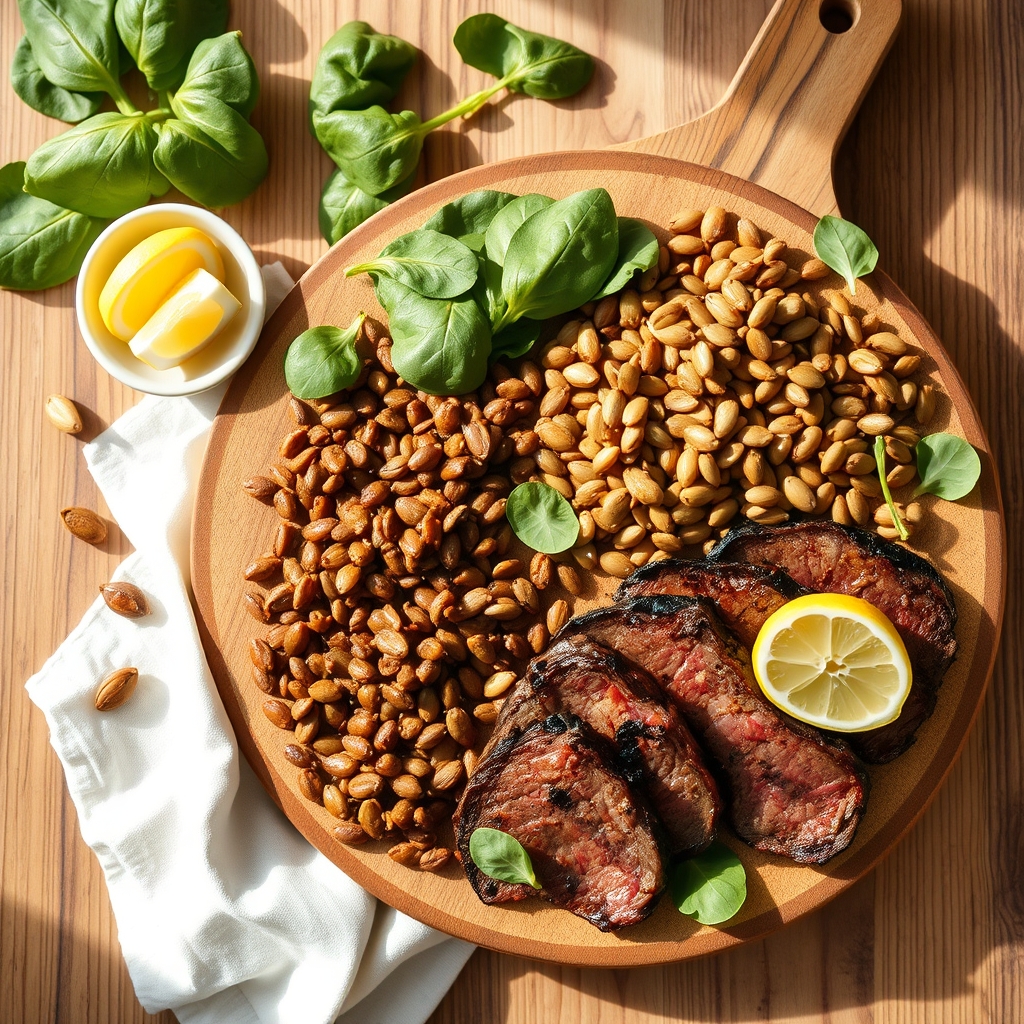
Iron-rich foods can help prevent anemia and ease heart palpitations.
Heart palpitations during pregnancy: normal vs. dangerous
It’s easy to worry when your heart starts racing, but most palpitations during pregnancy are harmless. Here’s how to tell the difference between normal and dangerous palpitations:
Normal palpitations
Dangerous palpitations
Feel like a flutter, skipped beat, or brief racing
Feel like a constant, irregular, or pounding rhythm
Last a few seconds to a minute
Last more than a few minutes or keep coming back
Happen occasionally, especially after caffeine or stress
Happen frequently, even when you’re resting
Go away on their own or with deep breathing
Don’t go away, even with relaxation techniques
Not accompanied by other symptoms
Come with chest pain, dizziness, fainting, or shortness of breath
Common in the first and third trimesters
Can happen at any time, especially if you have a history of heart problems
If your palpitations fall into the “dangerous” column, call your provider or go to the ER. It’s always better to get checked than to worry.
From our medical team: “Heart palpitations during pregnancy are usually your body’s way of adapting to the incredible changes happening inside you. Your heart is working harder, your blood volume is increasing, and your hormones are fluctuating — all of which can make your heart race. Most of the time, these palpitations are harmless and will go away on their own. But if you’re ever concerned, don’t hesitate to reach out. We’d rather you call with a false alarm than ignore a real problem. And remember: your provider is there to support you, not judge you. If something doesn’t feel right, speak up.”
Myth vs. fact
Myth: Heart palpitations during pregnancy always mean something is wrong.
Fact: Most heart palpitations during pregnancy are harmless and caused by normal changes in your body. Your heart is working harder to support your growing baby, and that can make it race or flutter occasionally. However, if palpitations come with other symptoms like chest pain, dizziness, or shortness of breath, they could signal a more serious issue.
Myth: If you have heart palpitations, you should avoid all exercise during pregnancy.
Fact: Gentle exercise, like walking or prenatal yoga, can actually help reduce palpitations by improving circulation and reducing stress. However, if you’re experiencing frequent or severe palpitations, talk to your provider before starting or continuing an exercise routine. They can help you find a safe level of activity.
Myth: Heart palpitations during pregnancy will hurt your baby.
Fact: Most palpitations are harmless to your baby. Your body is designed to protect your little one, even when your heart is racing. However, if palpitations are caused by an underlying condition like preeclampsia or severe anemia, it’s important to get treatment to keep both you and your baby healthy.
Key takeaways
Heart palpitations during pregnancy are common and usually harmless. They’re often caused by increased blood volume, hormonal changes, and your heart working harder to support your baby.
Most palpitations feel like a flutter, skipped beat, or brief racing. They’re more common in the first and third trimesters.
Triggers include caffeine, dehydration, stress, anemia, and low blood sugar. Avoiding these can help reduce palpitations.
Natural ways to calm palpitations include deep breathing, staying hydrated, eating small, frequent meals, and reducing stress.
Call your provider if palpitations come with chest pain, dizziness, shortness of breath, or other concerning symptoms. These could signal a more serious issue like preeclampsia or anemia.
Anemia is a common cause of palpitations. Eating iron-rich foods and taking supplements (if recommended) can help.
Nighttime palpitations are often caused by lying flat, dehydration, or low blood sugar. Sleeping on your left side and keeping a snack by your bed can help.
Frequently asked questions
Are heart palpitations common in pregnancy?
Yes, they’re very common. Up to 50% of pregnant women experience heart palpitations at some point. They’re usually harmless and caused by the normal changes your body goes through during pregnancy, like increased blood volume and hormonal fluctuations.
What does a heart palpitation feel like during pregnancy?
Most women describe palpitations as a fluttering, skipped beat, or sudden racing in the chest. Some say it feels like their heart “stumbles” for a second or like a butterfly is flapping in their chest. Others feel a pounding or thumping sensation. The feeling usually lasts a few seconds to a minute and goes away on its own.
Can heart palpitations harm my baby?
Most palpitations are harmless to your baby. Your body is designed to protect your little one, even when your heart is racing. However, if palpitations are caused by an underlying condition like preeclampsia or severe anemia, it’s important to get treatment to keep both you and your baby healthy.
Should I go to the ER for heart palpitations while pregnant?
Most of the time, no. But if your palpitations come with chest pain, dizziness, fainting, or shortness of breath, go to the ER or call your provider immediately. These could be signs of a more serious issue that needs prompt treatment.
What vitamins help with heart palpitations during pregnancy?
Iron and magnesium are two key nutrients that can help with palpitations. Iron helps prevent anemia, which can make your heart race. Magnesium helps regulate your heartbeat and relax your blood vessels. Other helpful nutrients include potassium (found in bananas and sweet potatoes) and vitamin B12 (found in animal products and fortified foods). Always talk to your provider before starting any new supplement.
Can caffeine cause heart palpitations in pregnancy?
Yes, caffeine is a stimulant that can trigger palpitations, even in small amounts. The American College of Obstetricians and Gynecologists (ACOG) recommends limiting caffeine to 200 mg per day during pregnancy — about one 12-ounce cup of coffee. If you’re sensitive to caffeine, even that might be too much. Try switching to decaf or herbal tea to see if your palpitations improve.
When to call your doctor
Call your provider if you experience any of the following:
Heart palpitations that last more than a few minutes or keep coming back
Palpitations with chest pain, pressure, or discomfort
Palpitations with dizziness, lightheadedness, or fainting
Palpitations with shortness of breath or trouble breathing
Palpitations with swelling in your hands, feet, or face
Palpitations with severe headaches or vision changes
Palpitations with upper abdominal pain (usually under the ribs on the right side)
This article is for informational purposes only and is not a substitute for professional medical advice, diagnosis, or treatment. Always seek the advice of your healthcare provider with any questions you may have about a medical condition.
References
American College of Obstetricians and Gynecologists (ACOG). (2021). Heart Disease and Pregnancy.
National Health Service (NHS). (2020). Heart Palpitations and Ectopic Beats.
Mayo Clinic. (2022). Pregnancy Week by Week: Changes in Your Body.
Centers for Disease Control and Prevention (CDC). (2021). Anemia in Pregnancy.
American Heart Association (AHA). (2020). Pregnancy and Heart Disease.
Royal College of Obstetricians and Gynaecologists (RCOG). (2019). Preeclampsia.
National Institute for Health and Care Excellence (NICE). (2021). Antenatal Care for Uncomplicated Pregnancies.
Not sure about the label on Why Am I Having Heart Palpitations During Pregnancy products?
Snap the ingredients list and SafeFilter checks every ingredient for your stage — only 3 free scans this month, then you're locked until reset. Unlimited from $7/mo or $50/yr.
When Shubhra Mishra was expecting her first child in 2016, she was overwhelmed by conflicting food advice — one site said yes, another said never. By the time her second baby arrived in 2019, she realized millions of mothers face the same confusion.
That sparked a five-year journey through clinical nutrition papers, cultural diets, and expert conversations — all leading to BumpBites: a calm, compassionate space where science meets everyday motherhood.
Her long-term vision is to build a global community ensuring safe, supported, and free deliveriesfor every mother — because no woman should face pregnancy alone or uninformed. 🌿
🌍 Stand with mothers, shape safer guidance
Join a small circle of experts who review BumpBites articles so expecting parents everywhere can decide with confidence.