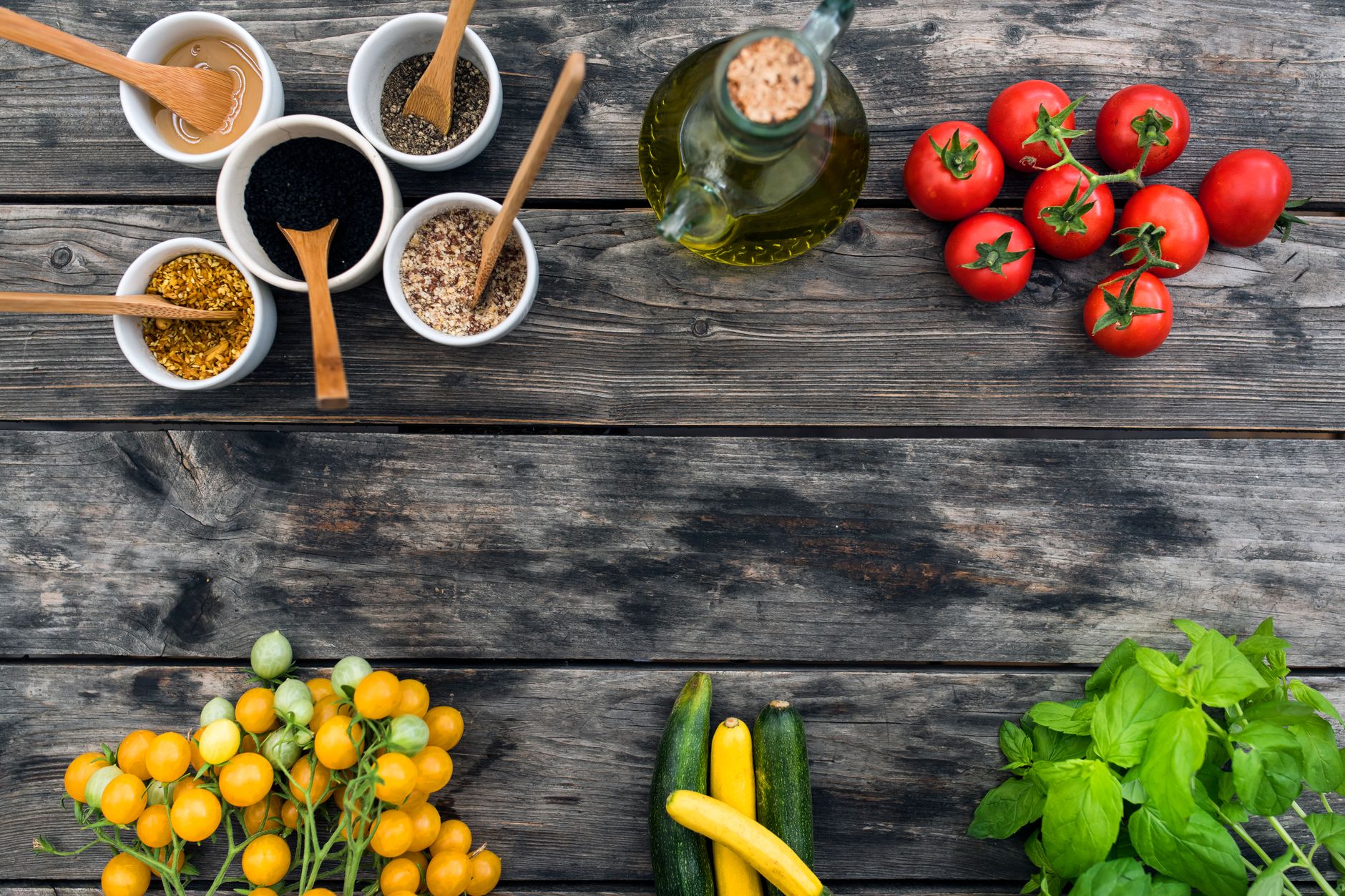
Find out why you're gassy during pregnancy and what you can do to alleviate symptoms. Learn about the causes of gas during pregnancy
By Shubhra Mishra — a mom of two who turned her own confusion during pregnancy into BumpBites, a global mission to make food choices clear, safe, and stress-free for every expecting mother. 💛
Check whether any food is safe during pregnancy with the BumpBites Food Safety Checker.
Quick take: Experiencing gas during pregnancy is common and usually harmless, especially in the first trimester when hormonal shifts slow digestion. Most cases can be eased with simple diet tweaks, gentle movement, and adequate fluids. If gas is accompanied by severe pain, fever, or sudden swelling, contact your provider right away.
It’s 2 a.m., you’re curled up on the couch, and a rumble in your belly reminds you that the baby bump isn’t the only thing growing. You wonder, “Why am I gassy during pregnancy?” You’re not alone—many expectant parents notice extra flatulence, bloating, and that uncomfortable feeling of a balloon about to pop. The good news is that, for the vast majority, it’s a normal side‑effect of the amazing changes your body is undergoing.
In this article we’ll walk through exactly why gas shows up, which foods tend to be the culprits, safe ways to find relief, and the red‑flag signs that merit a call to your provider. We’ll also explore how hormones, constipation, prenatal vitamins, and even the postpartum period play a role. By the end you’ll have a clear, practical plan to keep your belly (and your peace of mind) as comfortable as possible.
Why am I gassy during the first trimester of pregnancy?
During the first trimester, your body is flooded with the hormone progesterone. Progesterone relaxes smooth muscle throughout the gastrointestinal (GI) tract, slowing the movement of food and gas. This slower transit means that bacteria have more time to break down undigested carbs, producing the familiar bubbles of hydrogen, methane, and carbon dioxide that cause flatulence.
At the same time, the growing uterus begins to press gently on the intestines, especially after week 12, further slowing digestion. Together, these hormonal and mechanical changes create a perfect storm for gas, bloating, and occasional abdominal discomfort.
Many women report feeling most gassy between weeks 6 and 12, when hormone levels peak and the placenta is still forming. The good news is that once the second trimester arrives, progesterone levels plateau and the uterus rises, often reducing the intensity of gas symptoms.
Warm ginger tea can soothe the stomach and ease first‑trimester gas.
Causes of gas in pregnancy and how to relieve it
Beyond hormones, several everyday factors can add fuel to the gas fire:
Dietary choices—high‑fiber foods, beans, cruciferous veggies, and carbonated drinks are classic gas producers.
Swallowing air—quick eating, chewing gum, or drinking through a straw can increase swallowed air.
Constipation—slow bowel movements let gas linger longer in the colon.
Stress—the “fight‑or‑flight” response can alter gut motility, increasing gas.
Here are practical steps that work for most pregnant people:
Eat smaller, more frequent meals. Aim for 5–6 modest portions a day instead of three large meals.
Chew slowly and avoid drinking through straws. This reduces the amount of air you swallow.
Stay hydrated. Water helps fiber move through the gut, preventing constipation‑related gas.
Incorporate gentle movement. A short walk after meals or prenatal yoga can stimulate peristalsis.
Try soothing herbs. Peppermint, ginger, and fennel tea have mild antispasmodic properties approved by the NHS for pregnant use.
Most of these strategies are safe across all trimesters, but if you have a specific medical condition (such as gestational diabetes), check with your provider before making major changes.
Is gas during pregnancy a sign of something serious?
In the overwhelming majority of cases, gas is benign. However, certain red‑flag symptoms could indicate a more serious condition:
Sudden, severe abdominal pain that doesn’t improve with repositioning.
Fever ≥ 38 °C (100.4 °F) accompanying abdominal discomfort.
Persistent vomiting, inability to keep fluids down, or signs of dehydration.
Swelling of the hands, face, or sudden weight gain that could point to preeclampsia.
Blood in stool or a change in bowel habits suggesting infection or inflammatory bowel disease.
If any of these appear, contact your obstetrician, midwife, or go to the nearest emergency department. For routine bloating and flatulence, the strategies above are usually sufficient.
How does hormonal change cause gas in pregnancy?
Progesterone, the “relax‑and‑grow” hormone, is the primary driver. It binds to smooth‑muscle receptors throughout the digestive tract, reducing the strength of contractions that push food onward—a process called peristalsis. Slower peristalsis means that carbohydrates remain longer in the colon, where bacterial fermentation produces gas.
Estrogen also plays a subtle role by increasing the water content of the intestinal lining, which can make the stool softer but also adds to the sensation of fullness and bloating.
These hormonal effects are not unique to pregnancy; they’re also why many oral contraceptives cause similar GI symptoms. The difference is the intensity of hormonal surge during pregnancy, especially in the first trimester, making gas more noticeable.
Foods that cause gas during pregnancy
While individual tolerance varies, the following foods are consistently identified by the NHS, ACOG, and Mayo Clinic as common gas producers for pregnant people:
Infused water, herbal tea, still fruit juice (in moderation)
Fats & fried foods
Deep‑fried snacks, high‑fat dairy
Baked or grilled lean proteins, low‑fat yogurt
Cooking techniques matter, too. Steaming or sautéing vegetables reduces the fiber that fuels gas, while fermenting (e.g., kimchi) can either help or worsen symptoms depending on personal tolerance.
Best remedies for gas in pregnancy
When diet and movement aren’t enough, consider these gentle, pregnancy‑approved remedies:
Peppermint tea. A cup after meals can relax the intestinal smooth muscle. The NHS notes it’s safe in moderate amounts (1–2 cups per day).
Fennel seeds. Chewing a teaspoon of fennel seeds or sipping fennel tea may reduce bloating; the American Pregnancy Association lists fennel as low‑risk.
Probiotic yogurt. Strains like Lactobacillus rhamnosus can balance gut flora, potentially lowering gas production.
Simethicone. Over‑the‑counter (OTC) products such as Mylicon contain simethicone, an inert compound that coalesces gas bubbles, making them easier to pass. The FDA classifies simethicone as pregnancy‑category C, but it is widely considered safe when used as directed.
Warm compress. A soft heating pad on the abdomen can alleviate discomfort without affecting the fetus.
Always read labels for hidden caffeine or artificial sweeteners, which can exacerbate gas for some individuals.
When to see a doctor for excessive gas in pregnancy
Most gas resolves with the lifestyle tweaks above, but you should reach out to your obstetrician or midwife if you notice any of the following:
Gas accompanied by persistent, sharp abdominal pain or cramping that doesn’t improve after a bowel movement.
Vomiting more than twice in 24 hours, especially if you can’t keep fluids down.
Fever, chills, or a feeling of being “very ill.”
Sudden swelling of the hands, face, or a rapid weight gain (> 2 kg in a week).
Blood in stool or a marked change in bowel habits lasting more than a few days.
These symptoms may signal infection, gallstones, preeclampsia, or other conditions that need prompt evaluation. Your provider can order blood tests, ultrasound, or stool studies to pinpoint the cause.
Difference between normal gas and digestive issues in pregnancy
Normal gas is typically:
Transient, lasting minutes to a few hours.
Accompanied by mild bloating, not severe pain.
Improved by passing flatus or a bowel movement.
Digestive issues that warrant further attention often involve:
Persistent diarrhea or constipation lasting > 2 weeks.
Severe cramping that interferes with daily activities.
Unexplained weight loss, anemia‑type fatigue, or nutritional deficiencies.
If you’re unsure where you fall, keep a short food‑symptom diary for a week and share it with your care team. This helps differentiate routine gas from a developing GI disorder.
Choosing low‑gas foods can make a noticeable difference in comfort.
How to reduce bloating and gas in pregnancy
In addition to the strategies already discussed, these targeted tips can further diminish bloating:
Mindful eating. Put down utensils between bites, chew each mouthful 20–30 times, and pause before swallowing.
Limit high‑fructose sweeteners. Excess fructose can draw water into the intestine, causing gas and swelling.
Stay active. Prenatal yoga poses like “Cat‑Cow” and “Seated Twist” gently massage the abdomen, encouraging gas movement.
Wear loose clothing. Tight waistbands can compress the intestines, worsening bloating.
Consider a low‑FODMAP approach. If gas is severe, a short‑term low‑FODMAP diet (under dietitian guidance) can identify trigger foods. The NHS notes it’s safe during pregnancy when supervised.
Natural remedies for gas relief during pregnancy
Besides tea and seeds, the following natural options have supportive evidence from the Mayo Clinic and the American College of Obstetricians and Gynecologists:
Apple cider vinegar. A tablespoon mixed with a glass of warm water before meals may help digestion; however, avoid undiluted vinegar to protect tooth enamel.
Warm lemon water. Lemon stimulates bile production, aiding the breakdown of fats that can otherwise ferment.
Activated charcoal. While often marketed for gas, the FDA does not recommend routine use during pregnancy because it can bind nutrients. Use only under medical supervision.
Probiotic supplements. Strains such as Bifidobacterium lactis have been shown in limited studies to reduce flatulence in pregnant cohorts.
Remember, “natural” does not automatically mean “risk‑free.” Always discuss any supplement with your provider.
Can prenatal vitamins cause gas?
Most prenatal vitamins contain iron, calcium, and B‑complex vitamins. Iron, especially in the ferrous sulfate form, is notorious for causing constipation and occasional gas. Calcium carbonate can also lead to bloating for some people.
If you suspect your supplement is contributing to discomfort, try the following:
Take the vitamin with a full glass of water and a small snack rather than on an empty stomach.
Switch to a chewable or liquid prenatal vitamin that uses gentler iron formulations (e.g., iron bisglycinate).
Separate iron and calcium doses—take iron in the morning and calcium in the evening to reduce absorption competition.
Always discuss any changes with your obstetrician to ensure you maintain adequate nutrient intake for both you and your baby.
Gas and constipation in pregnancy relationship
Constipation and gas often travel hand‑in‑hand. When stool lingers, the colon continues to ferment undigested food, creating more gas. Conversely, trapped gas can make the rectal area feel full, discouraging a bowel movement.
Key strategies to break the cycle:
Increase fluid intake to at least 2.5 L (about 10 cups) per day, unless otherwise advised.
Include soluble fiber (e.g., oats, peeled apples) and insoluble fiber (e.g., whole‑grain toast) in balanced amounts.
Consider a gentle stool softener such as docusate sodium, which the FDA lists as pregnancy‑category B.
Maintain a regular walking routine—10‑15 minutes after meals can stimulate peristalsis.
By keeping stools soft and moving, you reduce the time gas spends in the colon, easing both symptoms.
Safe over‑the‑counter meds for gas in pregnancy
When diet and lifestyle aren’t enough, the following OTC options are widely considered safe by the FDA and ACOG:
Medication
Active ingredient
Typical dose for adults
Pregnancy safety
Simethicone chewables
Simethicone 40 mg
1–2 tablets after meals, up to 4 times/day
Category C – generally regarded as safe
Calcium carbonate antacid
Calcium carbonate 500 mg
1–2 tablets as needed for heartburn
Category A – safe, but monitor calcium intake
Docusate sodium
Docusate 100 mg
1 capsule twice daily
Category B – safe for constipation
Never combine multiple OTC products without checking for overlapping ingredients. If you’re unsure, ask your pharmacist or provider.
Impact of diet on pregnancy gas
Diet is the most modifiable factor. A balanced diet that emphasizes low‑gas foods, adequate hydration, and portion control often yields the greatest relief. Here are the core pillars:
Protein first. Choose lean meats, eggs, tofu, or beans (pre‑soaked) as the main component of meals.
Complex carbs in moderation. Opt for white rice or quinoa over high‑fiber whole‑grain breads if you notice excessive bloating.
Vegetables wisely. Cook cruciferous veggies thoroughly; consider steaming or pureeing to reduce fiber size.
Limit fizzy drinks. Replace sodas with infused water or herbal teas.
Mindful fruit choices. Bananas, cantaloupe, and peeled apples are generally gentle on the gut.
Tracking your meals in a simple notebook can reveal patterns—perhaps you’re more gassy after a particular cheese or after a large serving of beans. Adjusting those triggers often brings quick relief.
Postpartum gas vs. pregnancy gas
After delivery, many new parents still notice gas, but the underlying causes shift. Hormone levels (progesterone and estrogen) drop rapidly, restoring normal gut motility. However, the physical act of pushing during labor, anesthesia, and changes in diet can temporarily disrupt digestion.
Postpartum gas is usually less intense and resolves within a few weeks as the body readjusts. Strategies such as gentle core‑strengthening exercises, continued hydration, and gradually re‑introducing high‑fiber foods are effective. If gas persists beyond six weeks or is accompanied by severe pain, discuss it with your postpartum provider—occasionally, lingering constipation or a prolapsed uterus can be the culprits.
From our medical team: “Gas is a normal, hormone‑driven side effect of pregnancy, but you don’t have to suffer in silence. Simple diet tweaks, safe herbal teas, and a short walk after meals often make a big difference. If you ever feel unsure, especially with pain, fever, or swelling, reach out to your provider promptly. Your comfort matters, and we’re here to help you navigate these changes safely.”
Myth vs. fact
Myth: All gas during pregnancy means something is wrong.
Fact: For most pregnant people, gas is a harmless result of hormonal changes and can be managed with diet and lifestyle adjustments.
Myth: You should avoid all fiber to stop gas.
Fact: Fiber is essential for preventing constipation; choosing low‑FODMAP or well‑cooked fiber sources can reduce gas while still supporting healthy digestion.
Myth: Over‑the‑counter gas pills are unsafe for pregnant people.
Fact: Simethicone‑based products are considered safe by the FDA and ACOG when used as directed, though you should always confirm with your provider.
Key takeaways
Hormonal progesterone slows gut motility, leading to more gas—especially in the first trimester.
Common culprits include beans, cruciferous vegetables, whole grains, and carbonated drinks; cooking methods can lessen their impact.
Safe relief options: small frequent meals, ginger/peppermint tea, fennel seeds, gentle walks, and simethicone OTC products.
Watch for red‑flag symptoms (severe pain, fever, swelling) and contact your provider promptly.
If prenatal vitamins cause discomfort, try a gentler formulation or separate iron and calcium doses.
Postpartum gas often improves quickly as hormones normalize; continue hydration and gradual fiber re‑introduction.
Frequently asked questions
Why do I feel more gassy when I'm pregnant?
Most pregnant people experience more gas because progesterone relaxes the intestinal muscles, slowing digestion and allowing bacterial fermentation to produce extra gas.
Is it normal to have gas every day during pregnancy?
Yes—daily gas is common, especially in the first and third trimesters when hormonal fluctuations are greatest; however, persistent severe pain is not normal and should be evaluated.
Can gas be a sign of a problem in pregnancy?
Usually it isn’t, but if gas is accompanied by sharp pain, fever, sudden swelling, or blood in stool, it could signal a more serious issue that warrants medical attention.
What foods should I avoid to reduce gas while pregnant?
Limit beans, lentils, broccoli, cabbage, onions, carbonated drinks, and high‑fat fried foods; opt for well‑cooked vegetables, peeled fruits, and lean proteins instead.
How can I relieve gas naturally during pregnancy?
Try sipping ginger or peppermint tea, chewing a teaspoon of fennel seeds, walking after meals, staying hydrated, and eating smaller, more frequent meals.
When should I be concerned about gas in pregnancy?
Contact your provider if you have severe abdominal pain, fever, swelling, persistent vomiting, or any sudden change in bowel habits that lasts more than a few days.
When to call your doctor
If you notice any of the following, please reach out to your obstetrician or midwife promptly: sudden sharp abdominal pain, fever over 38 °C, swelling of hands or face, persistent vomiting, blood in stool, or a dramatic change in bowel habits. This information is for educational purposes only and does not replace personalized medical advice.
References
American College of Obstetricians and Gynecologists (ACOG). “Nutrition During Pregnancy.” ACOG Practice Bulletin No. 202, 2023.
National Health Service (NHS). “Gas and Bloating in Pregnancy.” Updated 2022.
Mayo Clinic. “Pregnancy Gas and Bloating.” Reviewed 2023.
Food and Drug Administration (FDA). “Simethicone OTC Use in Pregnancy.” 2021.
World Health Organization (WHO). “Guidelines on Maternal Nutrition.” 2020.
American Pregnancy Association. “Herbal Teas Safe for Pregnancy.” 2022.
Centers for Disease Control and Prevention (CDC). “Prenatal Vitamin Recommendations.” 2021.
National Institute for Health and Care Excellence (NICE). “Managing Constipation in Pregnancy.” NG191, 2022.
Harvard Health Publishing. “Understanding Hormonal Effects on Digestion.” 2023.
U.S. Department of Agriculture (USDA). “Low‑FODMAP Foods for Pregnancy.” 2021.
Not sure about the label on Why Am I Gassy During Pregnancy products?
Snap the ingredients list and SafeFilter checks every ingredient for your stage — only 3 free scans this month, then you're locked until reset. Unlimited from $7/mo or $50/yr.
When Shubhra Mishra was expecting her first child in 2016, she was overwhelmed by conflicting food advice — one site said yes, another said never. By the time her second baby arrived in 2019, she realized millions of mothers face the same confusion.
That sparked a five-year journey through clinical nutrition papers, cultural diets, and expert conversations — all leading to BumpBites: a calm, compassionate space where science meets everyday motherhood.
Her long-term vision is to build a global community ensuring safe, supported, and free deliveriesfor every mother — because no woman should face pregnancy alone or uninformed. 🌿
🌍 Stand with mothers, shape safer guidance
Join a small circle of experts who review BumpBites articles so expecting parents everywhere can decide with confidence.