Constipation during pregnancy is common due to hormonal changes, prenatal vitamins, and pressure on the intestines. Learn safe relief tips and when to see a doctor.
By Shubhra Mishra — a mom of two who turned her own confusion during pregnancy into BumpBites, a global mission to make food choices clear, safe, and stress-free for every expecting mother. 💛
Check whether any food is safe during pregnancy with the BumpBites Food Safety Checker.
Quick take: Constipation is a common pregnancy symptom caused by hormonal shifts and the growing uterus pressing on your bowels. Most women find relief by boosting fiber, fluids, and gentle movement; over‑the‑counter laxatives are safe when used under a provider’s guidance. If you notice severe pain, blood, or no bowel movement for several days, contact your clinician.
It’s 2 a.m., you’re curled up on the couch, and a familiar pressure in your lower abdomen reminds you that you haven’t been to the bathroom in a while. You glance at the clock, wonder if this is “normal” for pregnancy, and start scrolling for answers while the baby kicks.
First‑trimester nausea and the excitement of a new life can make you forget that your body is also juggling a lot of internal changes. The good news is that most constipation during pregnancy can be managed safely at home, and serious complications are rare when you stay proactive.
In this article we’ll explain why constipation happens, which foods and habits worsen it, safe remedies—including fiber‑rich snacks and gentle laxatives—and exactly when a doctor’s visit is warranted. By the end you’ll have a clear action plan for each trimester and confidence that you’re doing what’s best for you and your baby.
Why am I constipated during pregnancy and how can I relieve it?
Pregnancy hormones, especially progesterone, relax the smooth muscles of your gastrointestinal tract. This slowdown—known as ileus—means food moves more slowly, giving the colon extra time to absorb water and resulting in harder stools.
At the same time, the expanding uterus nudges the rectum and sigmoid colon, physically compressing them. The combination of reduced motility and mechanical pressure creates the perfect storm for constipation.
Practical steps to relieve constipation
Increase fiber gradually. Aim for 25–30 grams per day from fruits, vegetables, whole grains, and legumes. Adding fiber too quickly can cause gas, so raise intake by about 5 grams every few days.
Drink plenty of fluids. The Institute of Medicine recommends 2.7 L (≈ 10 cups) of total water for pregnant women; at least half should be plain water.
Move daily. Light walks, prenatal yoga, or a 10‑minute pelvic‑tilt routine can stimulate peristalsis.
Consider a fiber supplement. Psyllium husk (Metamucil) or methylcellulose (Citrucel) are pregnancy‑safe when taken with adequate water.
Use a stool softener. Docusate sodium (Colace) is often recommended by obstetricians for occasional softening.
Most women notice improvement within a few days when they combine these strategies. Consistency is key—make fiber, fluids, and movement a daily habit rather than a quick fix.
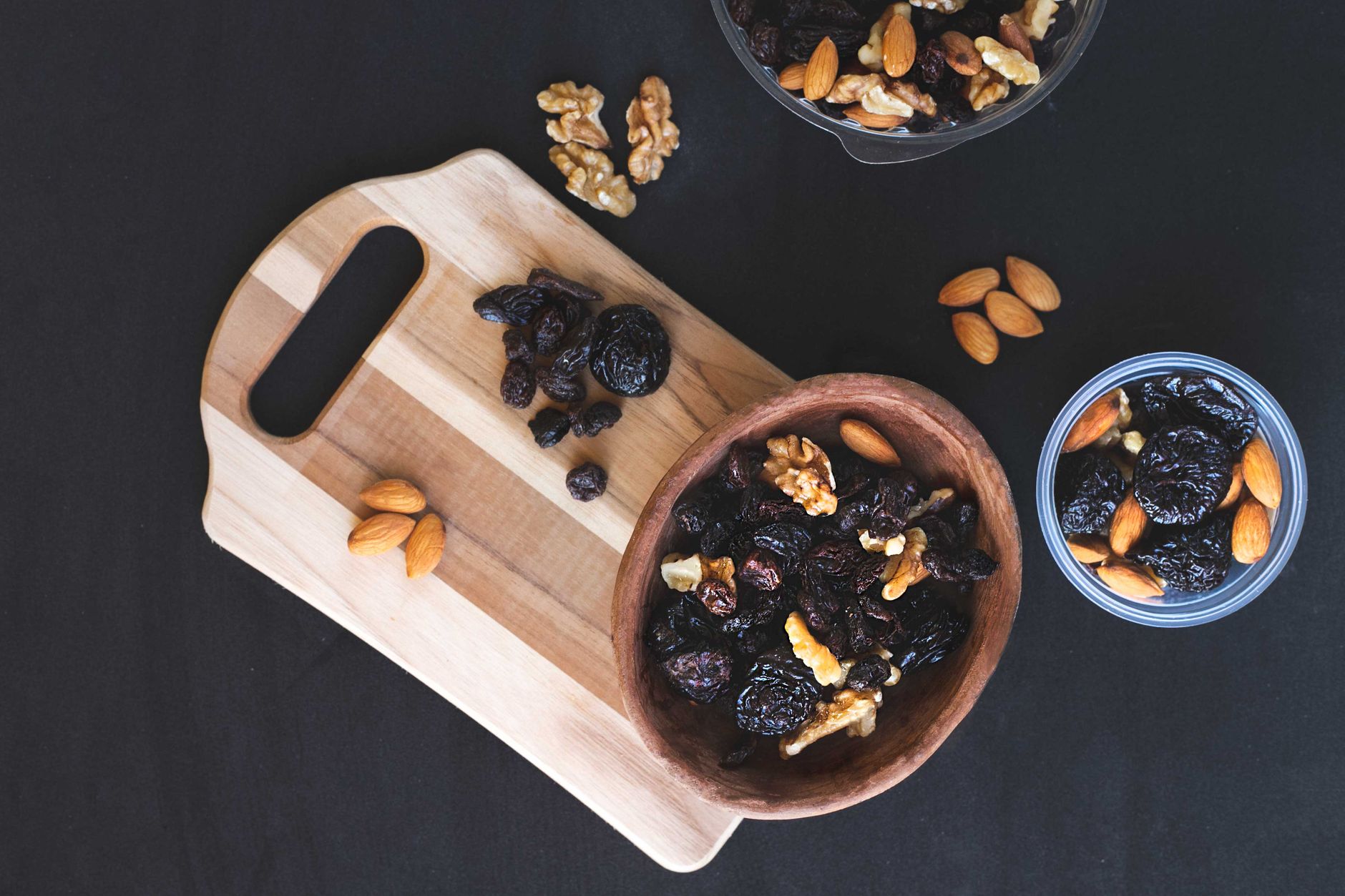
Choose high‑fiber snacks like berries, apples, and almonds to keep things moving.
Is constipation common in the first trimester of pregnancy?
Y
es. According to the American College of Obstetricians and Gynecologists (ACOG), up to 40 % of pregnant people report constipation during the first three months. Early hormonal changes—particularly the surge in progesterone—slow intestinal transit even before the uterus grows large enough to press on the bowels.
First‑trimester nausea can also reduce appetite, leading to lower fiber intake and less fluid consumption, both of which exacerbate constipation.
What to expect in each trimester
Trimester
Primary cause of constipation
Typical symptoms
First (0‑13 weeks)
Progesterone‑driven slower gut motility + nausea‑related low intake
Hard stools, occasional abdominal bloating
Second (14‑27 weeks)
Uterine pressure + continued hormone effects
Feeling of fullness, less frequent bowel movements
Third (28‑40 weeks)
Maximum uterine compression + reduced physical activity
Straining, possible hemorrhoids
Understanding the shifting reasons helps you tailor interventions—more fluids early on, more movement later.
It’s also worth noting that many women experience a “bump‑related” change in bowel habits even after the first trimester, especially when they start to feel the baby’s kicks and the uterus expands rapidly. If you notice a sudden increase in difficulty, revisit your fiber and fluid targets.
What foods cause constipation during pregnancy?
While every body reacts differently, certain foods are notorious for slowing digestion:
Low‑fiber processed foods. White bread, sugary cereals, and fast‑food meals lack the roughage needed for regular stools.
High‑fat dairy. Whole‑milk cheeses and ice cream can be dense and hard to move through the gut.
Bananas (unripe). Green bananas contain resistant starch that can firm up stool.
Red meat. Large portions without accompanying fiber can increase transit time.
Dehydrating beverages. Excessive coffee, tea, or soda may lead to fluid loss, especially if you’re not drinking enough water.
Balancing these items with fiber‑rich alternatives—like swapping white toast for whole‑grain, choosing Greek yogurt with berries, or pairing meat with a side of beans—keeps your digestive system humming.
In addition to the foods above, consider the timing of meals. Large, heavy meals late at night can slow gastric emptying, making morning constipation more likely. A light, fiber‑focused snack before bedtime—such as a small apple with a teaspoon of almond butter—can keep things moving without causing discomfort.
Safe over‑the‑counter laxatives for pregnant women
When diet and movement aren’t enough, most obstetricians recommend a stepwise approach:
Fiber supplement. Psyllium (Metamucil) or methylcellulose (Citrucel) taken with a full glass of water.
Stool softener. Docusate sodium (Colace) 100 mg twice daily is considered safe by the FDA and endorsed by ACOG.
Osmotic laxative. Polyethylene glycol (MiraLAX) can be used short‑term under medical supervision; it works by drawing water into the colon.
Stimulant laxative. Senna (Senokot) or bisacodyl (Dulcolax) are generally avoided unless a provider explicitly recommends them, because they can cause uterine contractions if overused.
Never exceed the recommended dose, and always discuss any new medication with your prenatal care team. Remember, “over‑the‑counter” does not mean “without oversight.”
Some clinicians also suggest a short course of a low‑dose magnesium citrate solution for severe cases, but this is only done after confirming there are no contraindications such as kidney disease. Your provider will weigh the benefits against any potential risks.
How does hormonal change affect bowel movements in pregnancy?
Progesterone is the star player. It relaxes smooth muscle throughout the body, including the gastrointestinal tract. This relaxation reduces the speed of peristalsis—the wave‑like contractions that push food through the intestines.
Estrogen also contributes by increasing water absorption in the colon, which can make stool drier. Together, these hormones can double the time it takes for food to travel from the stomach to the rectum compared with non‑pregnant baselines.
Why the effect varies by individual
Genetic differences in hormone receptors, baseline diet, and existing gut health all influence how dramatically a pregnant person feels the slowdown. Some women experience only mild bloating, while others develop marked constipation requiring medical intervention.
Gut microbiota also shift during pregnancy, a finding highlighted in recent ACOG‑endorsed research. A more diverse microbiome tends to protect against severe constipation, which is why probiotic‑rich foods can be a useful adjunct.
When should I see a doctor for constipation while pregnant?
Most constipation can be managed at home, but certain red‑flag signs merit prompt medical attention:
Severe abdominal pain that does not improve with usual measures.
Blood in the stool or bright red bleeding from the rectum.
No bowel movement for more than 5 days despite diet and fluid changes.
Accompanying symptoms such as fever, vomiting, or swelling of the legs (possible pre‑eclampsia).
If any of these occur, call your obstetrician, midwife, or go to the nearest urgent‑care facility. Early evaluation can rule out blockages, infections, or other complications.
When you do reach out, be ready to share a brief timeline of symptoms, any over‑the‑counter products you’ve tried, and whether you’ve noticed any blood. This information helps the provider decide if imaging or a medication adjustment is needed.
Can constipation lead to complications for my baby?
Constipation itself rarely harms the baby directly, but severe or prolonged constipation can increase maternal risks that indirectly affect fetal health.
For example, chronic straining may raise intra‑abdominal pressure, potentially contributing to hemorrhoids or, in rare cases, pre‑term labor. More concerning is the risk of fecal impaction, which can cause infections or sepsis—conditions that require immediate treatment to protect both mother and child.
Keeping bowel movements regular helps maintain overall maternal health, which is the strongest predictor of healthy fetal development.
If you’re experiencing ongoing difficulty, ask your provider about a gentle bowel‑cleansing regimen. Prompt treatment reduces the chance that a simple constipation episode escalates into a more serious issue.
Home remedies to ease constipation during pregnancy
Beyond the basics of fiber, fluids, and movement, many gentle home remedies have been praised by clinicians and parents alike.
Warm liquids
A warm cup of herbal tea (e.g., ginger or peppermint) or a simple warm water with lemon can stimulate the gut and encourage a bowel movement.
Prune or fig juice
Prune juice contains sorbitol, a natural osmotic laxative. A half‑cup in the morning can be effective for many pregnant people.
Magnesium‑rich foods
Spinach, pumpkin seeds, and almonds provide magnesium, which helps muscle relaxation in the intestinal wall.
Abdominal massage
Using gentle clockwise strokes on the abdomen can promote peristalsis. Perform for a few minutes after a meal while seated comfortably.
Probiotic‑rich foods
Yogurt with live cultures, kefir, and fermented vegetables can balance gut bacteria, supporting smoother digestion.
A simple seated twist can help stimulate digestion.
Best high‑fiber snacks for pregnant women with constipation
Snacking is a perfect opportunity to add fiber without feeling overly full at meals. Here are five nutrient‑dense options:
Berry parfait. Layer plain Greek yogurt with mixed berries and a sprinkle of ground flaxseed.
Apple slices with almond butter. The fruit provides soluble fiber while the nut butter adds healthy fats.
Whole‑grain crackers and hummus. Chickpeas are high in fiber and protein.
Roasted chickpeas. Season with a pinch of sea salt and bake until crisp.
Mixed nuts and dried apricots. A small handful offers fiber, magnesium, and iron.
Pair any snack with a glass of water to maximize the fiber’s bulking effect.
Pregnancy constipation vs. regular constipation differences
While the symptoms—hard stools, infrequent bowel movements, and abdominal discomfort—look the same, the underlying causes differ.
Hormonal influence. Non‑pregnant constipation is usually linked to diet, medication, or sedentary lifestyle, whereas pregnancy adds progesterone‑driven motility slowdown.
Physical pressure. The uterus’s size creates unique mechanical compression not seen in typical adult constipation.
Safety of treatments. Certain medications safe for the general population (e.g., some stimulant laxatives) may be contraindicated in pregnancy.
Understanding these nuances guides both self‑care and provider recommendations.
How much water should a pregnant woman drink to prevent constipation?
Staying hydrated softens stool and supports increased blood volume. The U.S. National Academies of Sciences, Engineering, and Medicine suggest a total water intake of about 2.7 L (≈ 10 cups) per day for pregnant adults. For many, this translates to roughly 8 – 10 cups of plain water, plus additional fluids from soups, milk, and fruit juices.
Tips to reach your goal:
Carry a reusable water bottle and sip throughout the day.
Set hourly reminders on your phone.
Flavor water with slices of citrus, cucumber, or mint for a refreshing twist.
Remember that caffeinated drinks can have a mild diuretic effect, so balance them with extra water to stay fully hydrated.
Exercise routines to improve digestion during pregnancy
Movement encourages peristalsis and reduces uterine pressure on the intestines. Here are three pregnancy‑friendly routines:
Morning walk. A brisk 15‑minute stroll after breakfast jump‑starts digestion.
Prenatal yoga. Poses like Cat‑Cow, seated twists, and the Bridge promote abdominal massage.
Pelvic‑tilt exercises. Lie on your back with knees bent, gently tilt the pelvis upward, hold for a few seconds, and repeat 10 times.
Always check with your provider before starting a new exercise program, especially if you have a high‑risk pregnancy.
Natural stool softeners safe for pregnancy
Beyond docusate, several food‑based options act as gentle softeners:
Olive oil. A tablespoon mixed into a salad dressing can lubricate the intestine.
Flaxseed. Ground flaxseed adds soluble fiber and omega‑3s; sprinkle on oatmeal or smoothies.
Prune puree. Blend a few pitted prunes with water for a natural sorbitol boost.
These foods work best when paired with adequate water intake.
Impact of prenatal vitamins on bowel regularity
Many prenatal supplements contain iron, which is notorious for causing constipation. If you notice increased difficulty after starting a new prenatal vitamin, discuss with your provider the possibility of switching to a chewable or lower‑iron formulation, or adding a fiber supplement to counteract the effect.
Vitamin D and calcium, also present in many prenatal blends, can contribute to firmer stool if not balanced with enough fluid. The key is to monitor how your body responds and adjust accordingly.
Postpartum constipation tips and prevention
After delivery, hormone levels shift dramatically, but constipation can persist due to lingering hormonal effects, decreased mobility, and the stress of caring for a newborn.
Continue fiber and water. The same 25‑30 g of fiber per day remains essential.
Gentle pelvic floor exercises. Kegels combined with light walking help restore normal bowel function.
Consider a postpartum stool softener. Docusate is often safe while breastfeeding.
Breastfeeding can help. Prolactin promotes gut motility, so regular nursing may naturally ease constipation.
If problems linger beyond two weeks, reach out to your postpartum care provider.
Constipation and gestational diabetes: what you need to know
Gestational diabetes (GDM) can affect gut motility by altering blood sugar levels and increasing urinary output, which sometimes leads to dehydration—a known trigger for constipation. Additionally, many women with GDM are advised to follow a carbohydrate‑controlled diet that may unintentionally reduce fiber intake.
To manage both conditions, aim for low‑glycemic, high‑fiber foods such as berries, whole‑grain oats, and legumes. Pair these carbs with protein (e.g., Greek yogurt or a handful of nuts) to blunt glucose spikes while still supporting bowel regularity. Monitoring your blood sugar after meals helps you fine‑tune the balance between glycemic control and digestive health.
Managing constipation if you have a thyroid disorder during pregnancy
Both hypothyroidism and hyperthyroidism can influence bowel habits. Hypothyroidism often slows metabolism, leading to constipation, while hyperthyroidism can speed transit and cause diarrhea. If you’re on thyroid medication, timing matters: taking levothyroxine on an empty stomach and waiting 30 minutes before eating can improve absorption and reduce gastrointestinal upset.
Work closely with your obstetrician and endocrinologist to keep thyroid‑stimulating hormone (TSH) levels within the target range for pregnancy. A well‑controlled thyroid reduces the risk of constipation flare‑ups, and a modest increase in soluble fiber (e.g., psyllium) can help offset the slowed gut motility often seen with hypothyroidism.
When to consider prescription medication for constipation in pregnancy
Most cases resolve with diet, fluids, and gentle over‑the‑counter options. However, if constipation persists for more than two weeks despite these measures, or if you develop complications such as hemorrhoids that bleed, a provider may prescribe a short course of a prescription laxative.
Prescription choices typically include low‑dose polyethylene glycol (PEG 3350) or a modestly dosed lactulose solution, both of which are classified as Category B by the FDA and have a strong safety record in pregnancy. Your provider will weigh the benefits against any potential risks, and will monitor you for side effects like electrolyte imbalance.
Fiber supplement comparison
Supplement
Primary Fiber Type
Typical Dose
Pregnancy Safety Rating
Psyllium (Metamucil)
Soluble
1‑2 tablespoons with 8 oz water
ACOG‑endorsed
Methylcellulose (Citrucel)
Soluble
1‑2 capsules with water
FDA‑approved
Wheat‑bran (generic)
Insoluble
1‑2 tbsp mixed into food
Generally safe, watch for gas
Choosing a supplement often depends on tolerance. Psyllium may cause more bloating, while methylcellulose is typically gentler. Whichever you pick, always pair it with plenty of water.
From our medical team: Constipation is usually manageable with simple lifestyle tweaks, but never ignore severe pain or bleeding. We recommend starting with a high‑fiber diet, plenty of water, and gentle movement. If symptoms persist after a few days, talk to your obstetrician about a safe stool softener or fiber supplement. Every pregnancy is unique—your provider can tailor a plan that fits your health history and trimester.
Myth vs. fact
Myth: “All constipation during pregnancy is harmless and will go away on its own.”
Fact: While many cases resolve with diet and movement, untreated constipation can lead to hemorrhoids, anal fissures, and in rare cases, pre‑term labor or infection.
Myth: “You should avoid all fiber because it causes gas and bloating.”
Fact: Adequate fiber is essential; increasing it gradually and pairing it with water minimizes gas while promoting regular stools.
Key takeaways
Progesterone slows gut movement; the growing uterus adds pressure—both cause constipation.
Aim for 25–30 g of fiber daily, 2.7 L of water, and gentle daily activity.
Safe over‑the‑counter options include psyllium, docusate, and, under supervision, polyethylene glycol.
Seek medical care for severe pain, blood, or no bowel movement for >5 days.
Post‑delivery, maintain fiber, hydration, and light exercise to prevent recurrence.
If you have gestational diabetes or a thyroid condition, tailor fiber and fluid choices to your specific needs.
Frequently asked questions
Is constipation a normal symptom of pregnancy?
Yes, up to 40 % of pregnant people experience constipation, especially in the first trimester, due to hormonal changes and uterine pressure.
What causes constipation during pregnancy?
Progesterone‑induced slower gut motility, the uterus pressing on the intestines, low‑fiber diets, and inadequate fluid intake all contribute.
Can I take stool softeners while pregnant?
Most obstetricians consider docusate sodium (Colace) safe for occasional use; always confirm with your provider before starting any medication.
How many times a day should I have a bowel movement during pregnancy?
One to three times per day is typical; the key is consistency—regular, comfortable stools are more important than a specific number.
When does constipation usually start in pregnancy?
Many women notice changes as early as the first few weeks, when progesterone levels rise sharply.
What are the risks of untreated constipation for my baby?
Severe constipation can lead to maternal complications like hemorrhoids, infection, or, rarely, pre‑term labor, which indirectly affect fetal health.
How does gestational diabetes affect constipation?
GDM can increase urinary output and lead to dehydration, while carbohydrate‑controlled diets may lower fiber intake. Balancing low‑glycemic, high‑fiber foods helps manage both blood sugar and bowel regularity.
Is it safe to use polyethylene glycol (MiraLAX) during pregnancy?
When prescribed by a healthcare provider for short‑term use, polyethylene glycol is considered safe (FDA Category B) and can be effective for stubborn constipation.
When to call your doctor
If you experience any of the following, contact your healthcare provider right away: severe abdominal pain, blood in stool, no bowel movement for more than five days, fever, vomiting, or swelling of the legs. This article is for informational purposes only and does not replace personalized medical advice.
References
American College of Obstetricians and Gynecologists (ACOG). Committee Opinion on Constipation in Pregnancy, 2022.
National Institute of Diabetes and Digestive and Kidney Diseases (NIDDK). “Constipation,” 2021.
World Health Organization (WHO). “Nutrition during pregnancy,” 2020.
National Academies of Sciences, Engineering, and Medicine. Dietary Reference Intakes for Water, 2020.
Mayo Clinic. “Constipation during pregnancy: Causes and treatments,” 2023.
Royal College of Obstetricians and Gynaecologists (RCOG). “Managing constipation in pregnancy,” 2021.
Centers for Disease Control and Prevention (CDC). “Prenatal care guidelines,” 2022.
National Health Service (NHS). “Pregnancy diet and nutrition,” 2022.
American Academy of Pediatrics (AAP). “Postpartum care for mothers,” 2021.
Food and Drug Administration (FDA). “Pregnancy and lactation labeling,” 2023.
American Diabetes Association (ADA). “Gestational diabetes nutrition recommendations,” 2022.
American Thyroid Association (ATA). “Thyroid disease in pregnancy,” 2021.
Not sure about the label on Why Am I Constipated During Pregnancy products?
Snap the ingredients list and SafeFilter checks every ingredient for your stage — only 3 free scans this month, then you're locked until reset. Unlimited from $7/mo or $50/yr.
When Shubhra Mishra was expecting her first child in 2016, she was overwhelmed by conflicting food advice — one site said yes, another said never. By the time her second baby arrived in 2019, she realized millions of mothers face the same confusion.
That sparked a five-year journey through clinical nutrition papers, cultural diets, and expert conversations — all leading to BumpBites: a calm, compassionate space where science meets everyday motherhood.
Her long-term vision is to build a global community ensuring safe, supported, and free deliveriesfor every mother — because no woman should face pregnancy alone or uninformed. 🌿
🌍 Stand with mothers, shape safer guidance
Join a small circle of experts who review BumpBites articles so expecting parents everywhere can decide with confidence.