Bloating during pregnancy is common due to hormonal changes, slowed digestion, and uterine growth. Learn causes, safe remedies, and when to consult your doctor.
By Shubhra Mishra — a mom of two who turned her own confusion during pregnancy into BumpBites, a global mission to make food choices clear, safe, and stress-free for every expecting mother. 💛
Check whether any food is safe during pregnancy with the BumpBites Food Safety Checker.
Quick take: Bloating is a common, usually harmless symptom of pregnancy caused by hormonal shifts and a slower digestive system. It often starts early, may linger through the second trimester, and typically eases after delivery. If you notice sudden swelling, severe pain, or other warning signs, contact your provider right away.
It’s 2 a.m., you’re curled up in bed, and a full‑belly feeling makes you wonder if the extra “puff” is something to worry about. You’re not alone—many expectant parents describe that uncomfortable, balloon‑like sensation that seems to appear out of nowhere.
Bottom line: bloating is normal for most pregnancies, especially in the first and second trimesters, and it’s usually linked to the body’s natural hormonal and digestive changes. In this article we’ll walk through why it happens, when it might signal a problem, which foods to watch, and practical, doctor‑approved ways to feel more comfortable.
Read on for a trimester‑by‑trimester guide, a handy comparison table of foods, myth‑busting facts, and a quick‑reference FAQ that answers the most common follow‑up questions.
Why do I feel bloated in the first trimester of pregnancy?
The first three months feel like a roller‑coaster of hormone fireworks. Two key players—progesterone and estrogen—directly affect the gastrointestinal (GI) tract.
Progesterone rises sharply after conception. While essential for keeping the uterine lining relaxed, progesterone also relaxes smooth muscle throughout the body, including the intestines. This slowdown, called decreased gut motility, means food spends more time in the stomach and colon, giving bacteria more opportunity to produce gas.
Estrogen climbs in tandem and encourages the body to retain water. The extra fluid can make the abdomen feel distended, adding to the “bloated” sensation.
Many readers tell us the first time they felt a “balloon” in their belly, they were also dealing morning sickness. The nausea itself can worsen bloating because it often leads to reduced food intake and irregular eating patterns, which further slows digestion.
Practical tip: Keep meals small and frequent—aim for five to six mini‑meals rather than three large ones. This eases the workload on your stomach and can reduce the feeling of fullness.
Another helpful habit is to keep a gentle “food‑and‑symptom” journal. By noting what you ate and how you felt afterward, you can spot patterns—such as certain foods that consistently trigger extra gas—and adjust your diet proactively. This strategy is recommended by the NHS for managing common pregnancy discomforts.
Is bloating a sign of miscarriage or other complications?
It’s natural to wonder whether abdominal discomfort signals something more serious. In most cases, bloating alone is not a warning sign of miscarriage.
However, certain patterns should prompt a call to your provider:
Sudden, severe abdominal pain that doesn’t improve with rest.
Bleeding or spotting that’s heavier than a light period.
Fever, chills, or vomiting that won’t stop.
Rapid swelling of the hands, face, or legs accompanied by headaches or visual changes—potential signs of preeclampsia, a condition that requires immediate medical attention.
These symptoms are outlined by the UK’s NHS and the CDC as red flags that go beyond typical pregnancy bloating.
In short, ordinary, gradual bloating is benign, but if you notice any of the above red flags, seek care promptly. Your provider can rule out complications and offer reassurance.
It’s also worth remembering that occasional cramping can be normal as the uterus expands. The ACOG advises that mild, intermittent cramping without bleeding is usually harmless, yet any new or worsening pain deserves a quick check‑in.
How can I reduce bloating during pregnancy naturally?
While you can’t eliminate hormonal changes, you can adopt lifestyle habits that ease the pressure.
Gentle movement
Walking for 20‑30 minutes a day stimulates intestinal peristalsis, helping move food through the gut. Even a short stroll after meals can make a noticeable difference.
Hydration strategy
Drinking enough water (about 2‑3 L daily, as recommended by the World Health Organization) softens stool and reduces constipation‑related bloating. Sip throughout the day rather than gulping large amounts at once.
Mindful eating
Chew each bite thoroughly—aim for at least 20 chews per mouthful. This reduces the amount of air swallowed and gives enzymes more time to break down food.
Probiotic support
Some studies cited by the Mayo Clinic suggest that probiotic‑rich foods (yogurt, kefir, fermented vegetables) can balance gut bacteria, potentially lowering gas production.
Comfort‑focused clothing
Opt for loose‑fitting, breathable fabrics. Tight waistbands can compress the abdomen and worsen the feeling of fullness.
Below is a quick‑reference table summarizing natural remedies and the primary benefit each offers.
Remedy
Primary Benefit
How to Use
Short walks
Stimulates gut motility
20‑30 min after meals
Warm water with lemon
Hydrates and aids digestion
1‑2 cups daily
Probiotic yogurt
Balances gut flora
1 cup once a day
Small, frequent meals
Reduces gastric distension
5‑6 mini‑meals
Gentle yoga or stretching
Relieves abdominal tension
10‑15 min each morning
Adding a warm herbal tea—such as ginger or peppermint—after meals can also soothe the gut. The NHS notes that ginger is safe in pregnancy and may help with both nausea and bloating, but always check with your provider before using concentrated supplements.
What foods cause bloating in pregnancy and should I avoid them?
Every body reacts a little differently, but certain foods have a reputation for producing extra gas.
Beans and legumes – high in fiber and oligosaccharides that ferment in the colon.
Cruciferous vegetables – broccoli, cauliflower, cabbage, and Brussels sprouts contain raffinose, a sugar that can cause gas.
Carbonated drinks – bubbles introduce air directly into the stomach.
Artificial sweeteners – sorbitol and mannitol are poorly absorbed and ferment.
Fatty fried foods – slow gastric emptying, increasing the feeling of fullness.
Instead of an outright “avoid” list, think of moderation and pairing. For example, mixing a small portion of beans with a well‑cooked grain (like rice) can make them easier to digest. The UK’s NICE guidelines encourage a balanced diet rich in fruits, vegetables, whole grains, and lean proteins, while suggesting you listen to your body’s signals.
Here are some low‑bloat swaps:
Swap raw cruciferous veggies for cooked versions—steaming reduces the gas‑producing compounds.
Replace carbonated sodas with infused water or herbal teas (ginger, peppermint) for a soothing effect.
Choose whole‑grain breads over heavily processed white breads, which can ferment less.
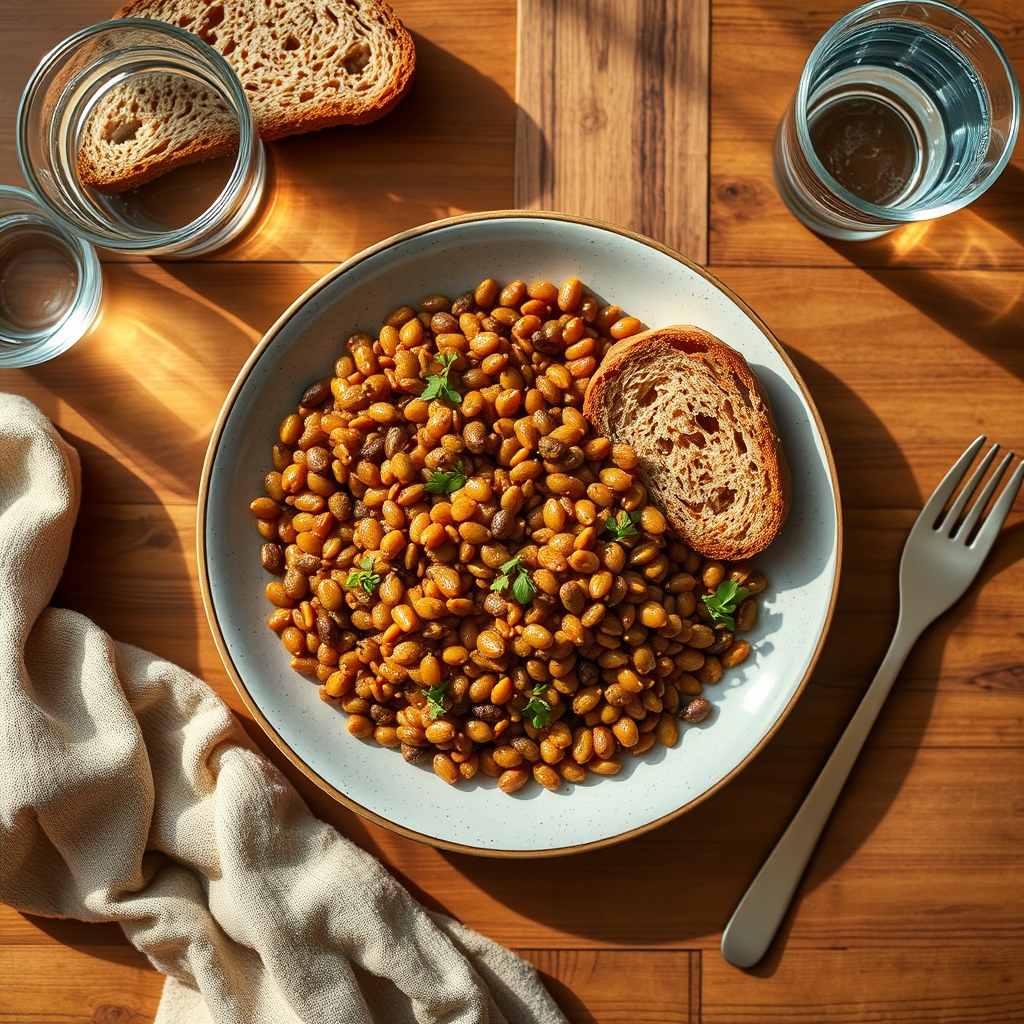
Remember, nutrient‑dense foods like lentils are still valuable for iron and folate; you don’t have to eliminate them, just enjoy them in smaller portions and combine with digestive‑friendly foods.
Balanced meals with lentils can provide iron without excessive bloating when paired with whole‑grain toast.
Is bloating normal after 20 weeks of pregnancy?
By the time you reach the 20‑week mark, the uterus has expanded enough to press on the stomach and intestines, intensifying the sensation of fullness.
Hormonal influences remain active: progesterone continues to slow intestinal transit, while estrogen’s water‑retaining effect peaks. According to the ACOG, many pregnant people report the most noticeable bloating between weeks 20 and 28.
That said, bloating does not necessarily increase linearly. Some experience a plateau or even a slight reduction as the digestive system adapts. If you notice a sudden escalation in abdominal girth accompanied by swelling of the hands, face, or ankles, it could be edema—a different condition that warrants medical review.
In the third trimester, the growing baby physically displaces the stomach, reducing its capacity. This mechanical pressure can make you feel “full” after just a few bites, reinforcing the importance of smaller, more frequent meals.
It’s also common to feel increased gas at night when lying flat. Elevating the upper body with pillows can help gravity move contents through the intestines, a tip backed by the Mayo Clinic.
When does pregnancy bloating typically go away after delivery?
Most people find that bloating eases within the first few weeks postpartum, as hormone levels—especially progesterone—drop sharply after the placenta is delivered. The NHS notes that gastrointestinal motility usually returns to pre‑pregnancy rates within 2‑4 weeks.
Breastfeeding can further influence digestion. Prolactin, the hormone that stimulates milk production, may slightly slow gut motility, but for many, the overall hormone shift still leads to improvement.
If you’re still feeling pronounced bloating six weeks after delivery, consider these possibilities:
Residual constipation from pregnancy—continue high‑fiber foods and fluid intake.
Post‑partum hormonal fluctuations—talk to your provider about any lingering symptoms.
Underlying GI conditions (e.g., irritable bowel syndrome) that were masked during pregnancy.
Most importantly, give your body time. Gentle activity, such as short walks, and a balanced diet will support a smoother transition back to “normal” digestion.
Can bloating cause constipation or other digestive issues in pregnancy?
Yes—bloating and constipation often travel together. The slowed intestinal motility caused by progesterone means stool spends more time in the colon, where water is reabsorbed, leading to harder, drier stools.
A study referenced by the Mayo Clinic found that up to 40 % of pregnant people experience constipation, and the presence of bloating can exacerbate the discomfort.
To break the cycle:
Increase soluble fiber—foods like oats, apples, and carrots add bulk without excessive gas.
Stay hydrated—water softens stool; aim for a glass every hour.
Move regularly—even gentle prenatal yoga can stimulate peristalsis.
Consider magnesium—under provider guidance, a prenatal vitamin with magnesium can aid bowel movements.
In rare cases, severe constipation can lead to hemorrhoids or anal fissures, which may cause bleeding. If you notice blood in the stool or persistent pain, contact your healthcare provider.
It’s also helpful to avoid excessive caffeine, which can both dehydrate and stimulate the colon, potentially worsening cramping. The FDA states that moderate caffeine (up to 200 mg per day) is generally safe, but individual tolerance varies.
Difference between bloating and swelling (edema) during pregnancy
Although both involve a “full” feeling, bloating and edema stem from different mechanisms.
Bloating is primarily gas and fluid accumulation inside the gastrointestinal tract. It feels like a tightness or pressure in the belly, often accompanied by gurgling noises.
Edema is fluid leaking into the interstitial spaces of the skin, most noticeable in the hands, feet, and face. It feels puffy or “soft” rather than tight, and the skin may retain an indentation when pressed (a “pitting” sign).
The Royal College of Obstetricians and Gynaecologists (RCOG) advises that mild swelling of the feet is normal, especially in the third trimester. However, sudden or severe swelling—particularly of the hands, face, or around the eyes—can signal preeclampsia and requires immediate evaluation.
Quick way to tell the difference:
If the discomfort eases after passing gas or a bowel movement, it’s likely bloating.
If the swelling persists for hours, worsens in the evening, and leaves an indentation when you press the skin, it’s probably edema.
Understanding this distinction helps you decide when a simple home remedy is enough and when a medical check‑up is needed.
Noticeable swelling in the fingers can be a sign of edema rather than bloating.
How does pregnancy bloating compare to irritable bowel syndrome (IBS)?
Both pregnancy‑related bloating and IBS involve abdominal discomfort, gas, and changes in bowel habits, but the underlying causes differ. IBS is a chronic functional disorder that can pre‑exist pregnancy, whereas pregnancy bloating is driven primarily by hormonal shifts and the growing uterus.
Key distinctions include:
Onset timing – IBS symptoms often begin before pregnancy and persist throughout; pregnancy bloating typically starts after conception and may improve after delivery.
Trigger patterns – IBS is frequently triggered by stress, specific foods, or irregular meals. Hormonal bloating is more uniform and linked to the rise in progesterone and estrogen.
Associated symptoms – IBS may feature alternating diarrhea and constipation, while pregnancy bloating is usually accompanied by mild constipation and occasional heartburn.
The Mayo Clinic recommends that pregnant people with pre‑existing IBS work closely with their provider to tailor dietary and lifestyle strategies that address both conditions. Probiotic foods, low‑FODMAP adjustments, and gentle exercise can be beneficial for both scenarios.
Can prenatal supplements help reduce bloating?
Many prenatal vitamins contain iron, calcium, and B‑complex vitamins, all of which are essential for a healthy pregnancy but can also contribute to digestive discomfort when taken on an empty stomach.
To minimize bloating:
Take your prenatal vitamin with a small snack that includes some protein and healthy fat (e.g., a piece of cheese and whole‑grain crackers).
If iron causes constipation, ask your provider about a slow‑release form or a separate iron supplement taken later in the day.
Consider a probiotic supplement that’s pregnancy‑safe; the FDA has approved several strains for use during pregnancy.
One study cited by the CDC found that magnesium‑enhanced prenatal formulas reduced reports of bloating and constipation in the second trimester, but any supplement change should be discussed with your obstetrician.
What role does sleep and stress play in pregnancy bloating?
Stress hormones—particularly cortisol—can slow digestion and increase gut sensitivity, making you more prone to gas and bloating. Likewise, poor sleep disrupts the body’s natural rhythm, potentially worsening constipation.
Strategies to improve sleep and lower stress include:
Establish a calming bedtime routine: dim lights, a warm shower, and a short meditation or breathing exercise.
Use a pregnancy‑support pillow to keep the upper body slightly elevated, which can aid digestion and reduce nighttime reflux.
Practice mindfulness or gentle prenatal yoga; the NICE guidelines highlight the mental‑health benefits of such activities for pregnant people.
When stress feels overwhelming, consider talking to a counselor or joining a prenatal support group. Emotional support has been shown to reduce gastrointestinal symptoms, according to research from the RCOG.
Good sleep posture and a calming routine can help ease digestive discomfort.
From our medical team: Bloating is usually a benign by‑product of your body’s amazing adaptations for pregnancy. Simple lifestyle tweaks—like staying hydrated, moving gently, and choosing low‑gas foods—can make a big difference. If you ever feel unsure, especially about swelling or pain, reach out to your provider. They’re there to keep both you and your baby safe.
Myth vs. fact
Myth: Bloating always means you’re gaining too much weight.
Fact: Bloating is caused by gas and fluid shifts, not fat. Weight gain is a separate, healthy aspect of pregnancy.
Myth: If you feel bloated, you should avoid all fiber.
Fact: Fiber helps prevent constipation, which can worsen bloating. Choose soluble fiber and stay hydrated.
Myth: Swelling in the feet is the same as abdominal bloating.
Fact: Edema (swelling) is fluid outside the vessels, while bloating is gas inside the gut. They feel different and have distinct causes.
Key takeaways
Bloating is normal, especially in the first two trimesters, due to progesterone‑driven slower digestion and estrogen‑related water retention.
Sudden severe pain, bleeding, or rapid swelling may signal a complication—call your provider.
Eat small, frequent meals, stay well‑hydrated, and move gently to keep the digestive system flowing.
Limit high‑gas foods (beans, cruciferous veggies, carbonated drinks) or pair them with easier‑to‑digest options.
Distinguish bloating (gastrointestinal) from edema (skin swelling) to know when to seek care.
Most bloating eases within weeks after delivery as hormone levels normalize.
Probiotic‑rich foods and pregnancy‑safe supplements can support gut health, but always discuss changes with your provider.
Frequently asked questions
Is bloating a normal symptom of pregnancy?
Yes. Most pregnant people experience bloating, especially in the first and second trimesters, due to hormonal changes that slow digestion and increase water retention.
What causes bloating in early pregnancy?
The surge in progesterone relaxes intestinal muscles, while rising estrogen promotes fluid retention; both create a feeling of fullness and gas.
Can bloating be a sign of a problem during pregnancy?
Bloating alone is usually harmless, but if it’s accompanied by severe pain, bleeding, or rapid swelling of the hands or face, it may indicate a complication and should be evaluated.
How can I relieve bloating during pregnancy?
Try short walks after meals, stay hydrated, eat small frequent meals, limit carbonated drinks, and consider probiotic‑rich foods like yogurt.
Does bloating affect the baby?
No. Bloating reflects changes in your digestive system and does not harm fetal development. However, severe constipation can cause discomfort that may indirectly affect your well‑being.
When does bloating usually start in pregnancy?
Most people notice bloating as early as the first few weeks, often alongside morning sickness, and it may peak around weeks 20‑28 before gradually improving.
Can I take over‑the‑counter gas relief medication while pregnant?
Many OTC anti‑gas products contain simethicone, which the FDA classifies as pregnancy‑category C but generally considers safe when used as directed. Still, always check with your obstetrician before starting any medication.
Is it safe to eat spicy foods if I’m bloated?
Spicy foods are not a direct cause of bloating, but they can irritate the stomach lining and worsen heartburn. If you tolerate them well, enjoy in moderation; otherwise, opt for milder seasonings to keep discomfort low.
When to call your doctor
If you experience any of the following, seek medical attention promptly: sudden severe abdominal pain, heavy bleeding, fever, persistent vomiting, rapid swelling of hands/face/feet, or any new symptom that feels out of the ordinary. This article provides general information and is not a substitute for personalized medical advice.
References
American College of Obstetricians and Gynecologists (ACOG). “Pregnancy‑related gastrointestinal changes.” Clinical guidance, 2023.
National Health Service (NHS). “Miscarriage.” Patient information, 2022.
World Health Organization (WHO). “Water intake recommendations for pregnant women.” Global health guidelines, 2021.
Mayo Clinic. “Bloating during pregnancy.” Health article, 2024.
Royal College of Obstetricians and Gynaecologists (RCOG). “Edema in pregnancy.” Clinical practice, 2023.
Centers for Disease Control and Prevention (CDC). “Pregnancy complications and warning signs.” Public health resources, 2022.
National Institute for Health and Care Excellence (NICE). “Nutrition during pregnancy.” Guidelines, 2023.
Healthline. “Probiotic foods and pregnancy.” Nutrition overview, 2024.
Food and Drug Administration (FDA). “Pregnancy‑category classifications for over‑the‑counter medications.” Regulatory update, 2023.
Royal College of Obstetricians and Gynaecologists (RCOG). “Stress, sleep, and pregnancy outcomes.” Clinical bulletin, 2022.
Not sure about the label on Why Am I Bloated During Pregnancy products?
Snap the ingredients list and SafeFilter checks every ingredient for your stage — only 3 free scans this month, then you're locked until reset. Unlimited from $7/mo or $50/yr.
When Shubhra Mishra was expecting her first child in 2016, she was overwhelmed by conflicting food advice — one site said yes, another said never. By the time her second baby arrived in 2019, she realized millions of mothers face the same confusion.
That sparked a five-year journey through clinical nutrition papers, cultural diets, and expert conversations — all leading to BumpBites: a calm, compassionate space where science meets everyday motherhood.
Her long-term vision is to build a global community ensuring safe, supported, and free deliveriesfor every mother — because no woman should face pregnancy alone or uninformed. 🌿
🌍 Stand with mothers, shape safer guidance
Join a small circle of experts who review BumpBites articles so expecting parents everywhere can decide with confidence.