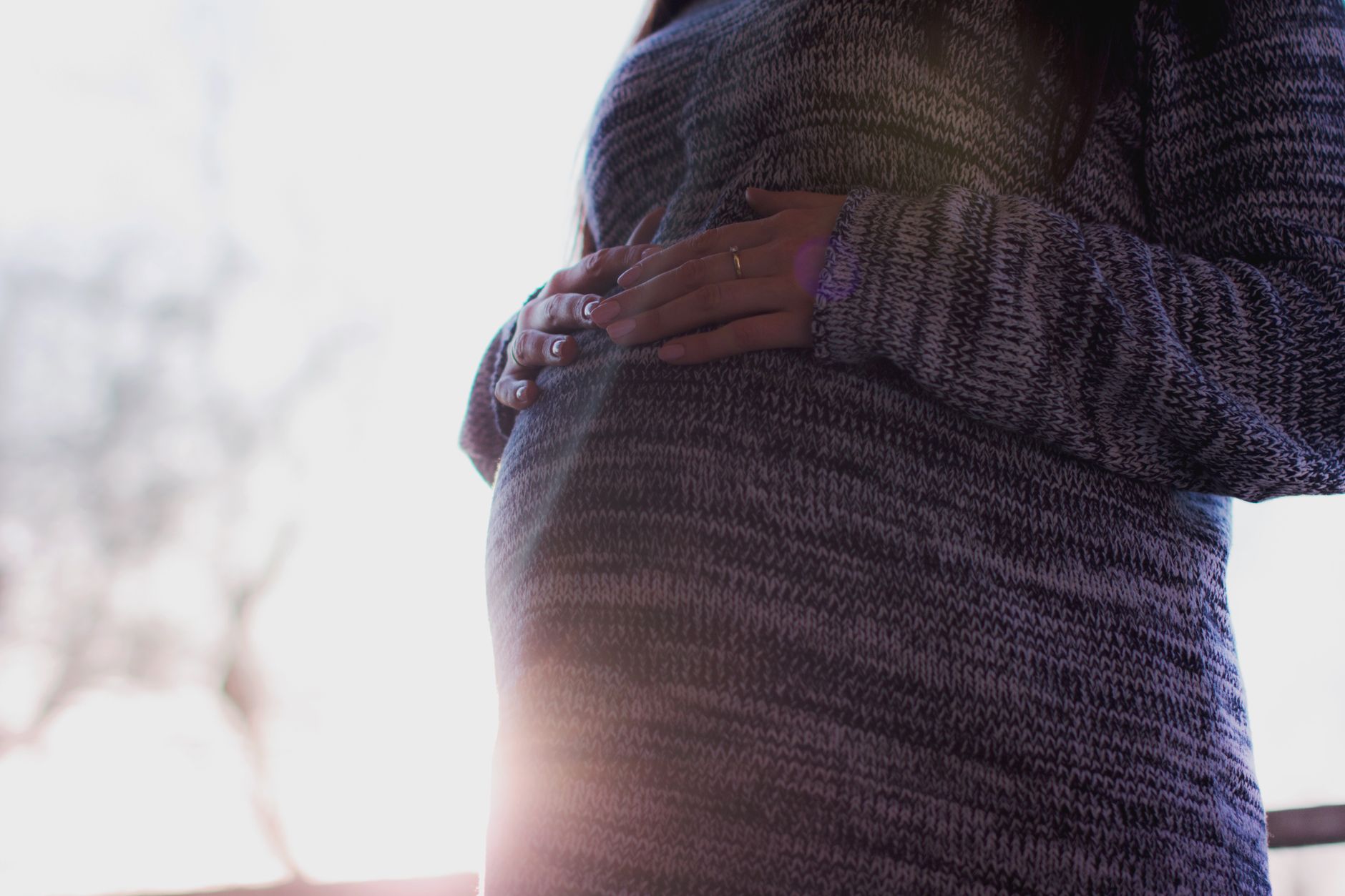
Pregnancy typically starts to show around 12‑14 weeks, though belly growth varies by body type and baby position. Learn how body changes signal the first visible signs of pregnancy.
By Shubhra Mishra — a mom of two who turned her own confusion during pregnancy into BumpBites, a global mission to make food choices clear, safe, and stress-free for every expecting mother. 💛
Check whether any food is safe during pregnancy with the BumpBites Food Safety Checker.
Quick take: Most people start to notice a subtle “baby bump” between 8 and 12 weeks, but visible changes can appear as early as 5‑6 weeks for some, while others may not show until the second trimester. The timing varies with uterus size, body type, and whether it’s a first or subsequent pregnancy. Below we walk through the week‑by‑week timeline, early signs, ways to manage changes, and what to expect after delivery.
It’s 2 a.m., you’ve just felt a flutter in your lower belly and wonder, “Is this the start of a baby bump?” You’re not alone—many expectant parents lie awake scrolling through the same question. The good news is that most changes follow a predictable pattern, yet every pregnancy is its own story. In this guide we’ll break down exactly when a pregnancy typically starts to show, what the body does week by week, and how to stay comfortable and confident as you move through each trimester.
We’ll cover the early physical clues, emotional shifts, nutrition tips, safe exercise, and even practical ways to hide a growing belly if you need to. By the end you’ll have a clear roadmap of what’s normal, what to expect, and how to talk to your healthcare team about any concerns.
When does pregnancy start to show, and how early can you start to show?
Most textbooks say a visible “baby bump” appears around 12 weeks, but reality is messier. By 6 weeks many women notice a slight rounding of the lower abdomen, especially if they’re carrying a larger-than‑average uterus or have a lean build. This early showing is usually due to the uterus expanding upward and forward, pushing the abdominal wall outward.
At 5 weeks, the uterus is still nestled behind the pubic bone, so any outward bulge is subtle. However, hormonal changes cause fluid retention and a slight “bloating” that can make the belly look a bit fuller. If you have a previous pregnancy, your uterine muscles may be more relaxed, allowing the uterus to lift sooner—some people even see a change at 4 weeks.
Key factors that influence when you start to show:
Body composition: Women with less abdominal fat often notice a bump earlier because there’s less tissue to conceal the uterus.
Uterine position: A tilted (retroverted) uterus may take longer to rise.
Parity: First‑time mothers (nulliparous) typically see a bump later than those who have been pregnant before.
Multiple gestations: Twins or triplets can cause a noticeable bump as early as 8 weeks.
Overall health and nutrition: Adequate protein and iron support tissue growth, but they don’t dramatically change the timing of visible changes.
While the “show” can start as early as 5 weeks for some, most people won’t notice a distinct curve until 8–10 weeks. If you’re wondering whether you’re early or late, remember that a wide range is normal. Your provider can confirm gestational age with an ultrasound, which is the most reliable way to gauge development.
Even a subtle curve at six weeks can be a sign that your uterus is beginning to rise.
First trimester body changes to expect (including 5‑week symptoms and early signs before a missed period)
The first trimester is a whirlwind of hormonal shifts. Below is a quick snapshot of the most common physical and emotional changes you may experience from weeks 4‑12.
Physical symptoms
Breast tenderness: Hormone‑driven swelling makes breasts feel fuller and sometimes sore—this can start as early as week 4.
Nausea and vomiting (morning sickness): Affects up to 70 % of pregnant people, often peaking around weeks 6‑8 and easing by week 12.
Fatigue: Progesterone promotes sleepiness; many feel the need for extra naps.
Frequent urination: Growing uterus presses on the bladder; noticeable by week 5.
Food cravings or aversions: Changes in taste buds and smell can start before you even miss a period.
Light spotting (implantation bleeding): Small pinkish spotting around weeks 4‑6 is common and harmless.
Emotional changes
Beyond the body, the brain reacts to skyrocketing hormones. Mood swings, heightened anxiety, and a sense of wonder often coexist. It’s normal to feel both excited and nervous. A study from the American College of Obstetricians and Gynecologists (ACOG) notes that over 30 % of people report anxiety in the first trimester, underscoring the importance of emotional support.
Early signs before a missed period
Some people notice subtle changes even before a missed period:
Increased basal body temperature (BBT) stays elevated after ovulation.
Milky‑white discharge (cervical mucus) that persists longer than usual.
Enhanced sense of smell—suddenly “off‑limits” foods become unbearable.
If you experience a combination of these signs, a home pregnancy test taken after a missed period can give you a reliable result. For the most accurate reading, follow the test instructions after waiting at least one week from the expected period.
Why these early signs vary so much is tied to individual hormone levels, the exact timing of implantation, and even subtle differences in how each body processes estrogen and progesterone. Because the signals can be faint, many people wonder whether they’re “too early” to trust what they feel. In practice, a combination of symptoms plus a positive test is the most reassuring indicator.
When do pregnancy belly bumps start to show, and what are the visible signs at 6 and 12 weeks?
By week 6, the uterus has grown to roughly the size of a grapefruit and may push the abdominal wall forward enough to create a faint curve. The belly may feel “tight” rather than “bulging.” By week 12, the uterus reaches the pelvic brim, and many first‑time mothers see a more pronounced roundness.
Visible signs to look for:
Roundness at the lower abdomen: A gentle “U‑shape” appears, especially when standing.
Increased waist measurement: A 1‑2 cm increase around the hips can be an early indicator.
“Pop‑out” belly button: By the second trimester (often 16‑20 weeks), the navel may protrude as the uterus expands. Some people notice a slight outward push as early as 12 weeks.
Skin stretch marks (striae): Fine pink lines may appear on the lower belly or thighs.
These changes are subtle and can be masked by clothing. If you’re curious, gently press a fingertip against your abdomen while standing; you’ll feel a firm, slightly raised area that moves with your breath.
Clothing style also influences how quickly you notice the bump. Loose, flowing fabrics can hide a slight curve, while fitted tops or high‑waisted pants often reveal the change sooner. Paying attention to how your clothes sit can give you a practical sense of when the bump is truly “showing.”
Do all pregnancies show at the same time? Why do some show earlier than others?
No—there’s a wide spectrum of “show” times. The average first‑time pregnancy shows between 12‑16 weeks, but many variables shift that window.
Key reasons for variation:
Uterine muscle tone: A more relaxed uterine wall (common after previous pregnancies) allows the uterus to rise sooner.
Abdominal muscle strength: Strong core muscles can keep the uterus lower longer, delaying visible changes.
Body fat distribution: Higher abdominal fat can conceal the bump, while a lean abdomen reveals it earlier.
Multiple gestations: Twins often cause a noticeable bump by 8‑10 weeks.
Placental position: A low‑lying placenta may push the uterus upward earlier.
Because of these factors, it’s perfectly normal for one sibling to “show” at 8 weeks while another doesn’t “show” until 20 weeks. If you’re concerned about growth, your provider will monitor fetal size with ultrasounds rather than relying on external appearance.
How to hide pregnancy body changes (including bloating, belly button, and wardrobe tips)
Whether you’re planning a surprise announcement or simply need a comfortable work outfit, there are gentle ways to minimize the visual impact of early pregnancy changes.
Managing bloating
Bloating is common in the first trimester due to progesterone‑induced slower gut motility. To reduce it:
Eat smaller, more frequent meals instead of large plates.
Limit carbonated drinks and high‑salt foods.
Stay hydrated; water helps move food through the intestines.
Gentle movement—like a 20‑minute walk after meals—can aid digestion.
Wardrobe tricks
Layering: A lightweight cardigan over a tunic creates vertical lines that elongate the torso.
High‑waisted leggings: They smooth the lower belly while providing support.
Dark colors: Darker shades absorb light, making the belly less noticeable.
Wrap dresses: Adjustable ties let you control the amount of exposure.
Concealing a “pop‑out” belly button
If the navel begins to protrude, a soft, stretchy belly‑band can keep the area flat under clothing. Some people also find that a well‑fitted “maternity” bra with a higher neckline draws attention away from the midsection.
Layered looks and high‑waisted pieces can help you feel comfortable while the bump grows.
Pregnancy body changes week by week and weight gain guidelines (including after 20 weeks)
Below is a concise week‑by‑week overview of typical changes, paired with recommended weight gain ranges from the Institute of Medicine (IOM) and the UK’s NICE guidelines.
Gestational Week
Typical Physical Change
Recommended Cumulative Weight Gain
4‑5
Implantation bleeding, slight cramping, breast tenderness.
Full‑term belly, baby drops (lightening), increased need to urinate.
+25–35 lb (11.3–15.9 kg) total gain (varies by pre‑pregnancy BMI)
These numbers are averages; individual gain can differ based on pre‑pregnancy weight. The IOM suggests:
Underweight (BMI < 18.5): 28–40 lb total.
Normal weight (BMI 18.5‑24.9): 25–35 lb total.
Overweight (BMI 25‑29.9): 15–25 lb total.
Obese (BMI ≥ 30): 11–20 lb total.
Maintaining steady, modest weekly gains (about 0.5 lb per week after the first trimester) supports fetal growth while reducing the risk of gestational diabetes and hypertension, according to the CDC.
Common discomforts, nutrition, exercise, and sex during pregnancy
Nutrition and diet recommendations
A balanced diet that includes folic acid, iron, calcium, and DHA supports both mother and baby. Key guidelines from the NHS and ACOG:
Eat at least five portions of fruit and vegetables daily.
Include lean protein (poultry, beans, tofu) at each meal.
Choose whole grains over refined carbs to keep blood sugar stable.
Limit caffeine to 200 mg per day (about one 12‑oz coffee), per FDA recommendations.
Avoid high‑mercury fish (shark, swordfish) and unpasteurized cheeses.
Exercise and physical activity
Regular, moderate activity is safe for most pregnancies. The American College of Obstetricians and Gynecologists (ACOG) recommends at least 150 minutes of moderate‑intensity aerobic exercise per week, unless contraindicated. Good options include:
Walking or light jogging (if comfortable).
Prenatal yoga—helps with flexibility and stress reduction.
Swimming—provides buoyancy and relieves back pressure.
Strength training with light weights or resistance bands.
Always listen to your body; stop if you feel dizziness, shortness of breath, or uterine cramping. Discuss any new regimen with your provider, especially if you have a high‑risk pregnancy.
Sex and pregnancy body changes
Sex is generally safe throughout pregnancy unless your doctor advises otherwise (e.g., placenta previa, preterm labor risk). Hormonal shifts can change libido—some people experience heightened desire, while others notice a dip. If you’re uncomfortable with a growing belly, try positions that reduce abdominal pressure, such as side‑lying or using pillows for support.
Common discomforts and how to alleviate them
Back pain: Use a lumbar support pillow when sitting, and practice pelvic tilts.
Heartburn: Eat smaller meals, avoid lying down after eating, and consider a prenatal antacid after consulting your provider.
Leg cramps: Stretch calves before bed and stay hydrated.
After delivery, the body begins a gradual process of returning to its pre‑pregnancy state, but the timeline varies. In the first six weeks, you may notice:
Uterine involution—shrinking back to its normal size; most women feel a “after‑pain” sensation.
Reduced belly size—but the skin may be stretched, leading to stretch marks or loose skin.
Changes in breast size as milk production starts.
Fluctuating weight—initial loss of water weight, followed by gradual fat reduction.
Postpartum nutrition should continue to emphasize protein, iron, and calcium to support healing and, if you’re breastfeeding, milk production. Light exercise, such as walking, can aid recovery, but wait until your provider clears you—usually at the six‑week postpartum check.
Emotionally, many people experience “baby blues” due to shifting hormone levels, and up to 15 % develop postpartum depression. If you feel persistent sadness, anxiety, or hopelessness, reach out to a mental‑health professional promptly. Early support improves outcomes for both parent and baby.
How lifestyle influences when you start to show
Beyond anatomy, daily habits can subtly affect when a bump becomes visible. A 2022 ACOG review highlighted that regular moderate exercise and adequate sleep promote better muscle tone, which may keep the uterus lower for a few extra weeks. Conversely, a diet high in processed foods and sodium can increase abdominal bloating, making a baby bump appear earlier—even if the uterus hasn’t risen much yet.
Hydration also matters. Dehydration can cause your body to retain fluid once you re‑hydrate, creating a temporary “puffy” look. Drinking 8–10 cups of water daily, as recommended by the NHS, helps keep that extra fluid in check.
Smoking and alcohol have a more direct impact: they can impair uterine blood flow, sometimes leading to slower growth and later visible changes. Quitting smoking before conception is strongly advised by both ACOG and NICE for a healthier pregnancy trajectory.
Measuring your baby bump: simple tools and tips
Many expectant parents like to track how fast their bump grows. A reliable method is the “fundal height” measurement, which ACOG teaches at prenatal visits. At about 20 weeks, the top of the uterus (fundus) should be roughly at the level of the belly button and about 20 cm (8 inches) from the pubic bone. You can gently measure at home with a soft tape measure, but always compare your numbers with your provider’s assessment.
Another low‑tech option is a “bump diary.” Write down the week, any visible changes, and a waist measurement taken at the same spot each time. This helps you notice trends without becoming obsessive. If you’re looking for a visual record, a series of photos taken from the same angle each month can be a fun way to see the transformation.
Remember, measurement variations are normal. A discrepancy of a centimeter or two does not automatically signal a problem; it’s simply a reminder that every body grows at its own pace.
Skin changes, stretch marks, and caring for growing skin
As the abdomen expands, the skin stretches dramatically. Striae gravidarum—commonly called stretch marks—appear as pink or red lines that may fade to silver after pregnancy. While genetics largely dictate whether you develop them, keeping skin hydrated can improve elasticity.
The NHS recommends applying a fragrance‑free moisturizer or a specialized stretch‑mark cream containing ingredients like hyaluronic acid and vitamin E twice daily. Gentle massage during showers can also promote blood flow. However, no cream can guarantee prevention, and the American Academy of Dermatology (AAD) notes that most research shows limited efficacy for over‑the‑counter products.
Sun protection is another key point. Stretch‑marked skin is more vulnerable to UV damage, so using a broad‑spectrum SPF 30+ sunscreen when you’re outdoors helps prevent hyperpigmentation. If you notice itching, a cool compress or oatmeal bath can soothe the area.
From our medical team: Seeing a baby bump before 12 weeks is normal for some and later for others. The best way to confirm healthy progress is a dating ultrasound and regular prenatal visits. If you ever wonder whether a change is typical, bring it up at your next appointment—your provider can tailor advice to your unique anatomy and health history.
How diet and hydration affect when you start to show
What you eat can subtly influence how quickly a bump becomes visible. A diet rich in whole foods, lean protein, and plenty of water supports steady tissue growth without excess fluid retention. In contrast, salty snacks, processed carbs, and sugary drinks encourage bloating, which can make the abdomen look larger even before the uterus has risen.
Studies cited by the ACOG suggest that women who meet the recommended daily intake of fruits, vegetables, and fiber experience less uncomfortable bloating in the first trimester. Staying well‑hydrated—aiming for at least 2 liters of water a day—helps the kidneys flush excess sodium and reduces the “puffy” feeling that sometimes mimics a baby bump.
For those who enjoy caffeine, the FDA advises keeping intake under 200 mg per day (roughly one 12‑oz coffee). Excess caffeine can increase heart rate and sometimes worsen anxiety, which indirectly heightens the perception of abdominal changes. Moderation, combined with balanced meals, gives you the clearest picture of when the real bump is emerging.
Photographing your baby bump: milestones and tips
Documenting the bump can be a joyful way to track progress and share the journey. Many parents love a “bump‑to‑baby” photo series that captures each trimester. A good rule of thumb is to take a photo every four weeks, using the same lighting and background when possible. This creates a visual timeline that highlights subtle growth you might otherwise miss.
For the best shots, position yourself near a window with soft natural light, wear form‑fitting clothing that shows the curve, and keep the camera at eye level. A simple prop—like a pair of baby shoes or a favorite blanket—adds a sweet storytelling element without distracting from the belly itself.
If you’re nervous about sharing images, consider storing them privately and selecting a few favorites for a keepsake album later. The act of photographing can also boost confidence, reminding you that each change is a sign of new life.
From our medical team: Seeing a baby bump before 12 weeks is normal for some and later for others. The best way to confirm healthy progress is a dating ultrasound and regular prenatal visits. If you ever wonder whether a change is typical, bring it up at your next appointment—your provider can tailor advice to your unique anatomy and health history.
Myth vs. fact
Myth: You must be “showing” by the end of the first trimester to be healthy. Fact: Visible changes are highly individual; many healthy pregnancies don’t show until the second trimester.
Myth: All belly‑button changes mean something is wrong. Fact: The navel often pops out as the uterus expands; it’s normal unless accompanied by pain or discharge.
Myth: You should avoid all exercise to protect the baby. Fact: Moderate, doctor‑approved activity supports circulation, reduces back pain, and can improve labor outcomes.
Key takeaways
Most first‑time pregnancies show a visible bump between 8‑12 weeks; earlier showing is common with prior pregnancies or twins.
Early symptoms—breast tenderness, nausea, and subtle belly rounding—can appear as soon as 5 weeks.
Weight‑gain guidelines vary by pre‑pregnancy BMI; aim for steady weekly gains after the first trimester.
Manage bloating and discomfort with smaller meals, hydration, and supportive clothing.
Balanced nutrition, moderate exercise, and open communication with your provider keep you and baby thriving.
Postpartum recovery is a gradual process; seek support for physical and emotional changes.
Frequently asked questions
How early can you feel pregnancy symptoms?
Many people notice subtle symptoms—like breast tenderness or a slight rise in basal body temperature—as early as 4 weeks, often before a missed period. Hormonal shifts begin right after implantation, so feeling something “different” can be an early cue.
What are the signs of a healthy pregnancy?
A healthy pregnancy typically includes steady weight gain, consistent fetal movement after 20 weeks, normal blood pressure, and no severe pain or bleeding. Regular prenatal visits and ultrasound checks confirm growth milestones.
Can you show at 4 weeks pregnant?
At 4 weeks the uterus is still tucked behind the pubic bone, so a visible bump is rare. However, some people notice a very slight firmness or “tightness” in the lower abdomen, which they may interpret as the first sign of a bump.
Why do some pregnancies show earlier than others?
Factors such as uterine position, abdominal muscle tone, body fat distribution, and whether it’s a first or subsequent pregnancy affect when a baby bump becomes visible. Twins or a higher‑lying uterus can also accelerate the appearance of a bump.
How to reduce pregnancy bloating?
Eat smaller, frequent meals, limit carbonated drinks and salty foods, stay well‑hydrated, and incorporate gentle walks after meals. Probiotic‑rich foods like yogurt can also support gut health.
What is the average weight gain during pregnancy?
For a person with a normal pre‑pregnancy BMI (18.5‑24.9), the average total gain is 25–35 lb (11.3–15.9 kg). This typically translates to about 1 lb (0.5 kg) per week after the first trimester.
When is it safe to start measuring fundal height at home?
Fundal height becomes a reliable indicator around 20 weeks, when the uterus should be near the belly button. You can gently measure with a soft tape, but always compare with your provider’s measurement during prenatal visits.
Can stretch‑mark creams prevent stretch marks?
While moisturizers can keep skin supple, research from the American Academy of Dermatology shows limited evidence that any over‑the‑counter cream fully prevents stretch marks. Keeping skin hydrated and protected from the sun is still the best approach.
Can a low‑lying uterus delay showing?
A low‑lying (retroverted) uterus may stay tucked behind the pelvis a bit longer, so the bump can appear later than average. This is harmless and usually resolves as the uterus expands and rotates upward in the second trimester.
Is it safe to wear a belly support band in the first trimester?
Gentle, breathable belly bands can provide comfort, but they should not be tight enough to restrict breathing or blood flow. Most providers recommend waiting until the second trimester for firm support, and always checking with your clinician if you have concerns.
When to call your doctor
If you experience any of the following, seek medical attention promptly: severe abdominal pain, heavy bleeding, sudden swelling of hands or face, persistent fever, vision changes, or a rapid increase in weight (>5 lb in a week). Remember, this article is for informational purposes only and does not replace personalized medical advice.
References
American College of Obstetricians and Gynecologists (ACOG). “Early Pregnancy Care.” 2023 clinical guidance.
National Health Service (NHS). “Pregnancy symptoms and what to expect.” Updated 2022.
Centers for Disease Control and Prevention (CDC). “Weight gain during pregnancy.” 2023.
World Health Organization (WHO). “Nutrition during pregnancy.” 2022 recommendations.
Food and Drug Administration (FDA). “Caffeine consumption during pregnancy.” 2023 safety bulletin.
National Institute for Health and Care Excellence (NICE). “Antenatal care guidelines.” 2022.
Institute of Medicine (IOM). “Weight Gain During Pregnancy: Reexamining the Guidelines.” 2020.
American Pregnancy Association. “Postpartum Recovery.” 2023.
American Academy of Dermatology (AAD). “Skin care during pregnancy.” 2022 position statement.
Not sure about the label on When Does Pregnancy Start To Show Body Changes products?
Snap the ingredients list and SafeFilter checks every ingredient for your stage — only 3 free scans this month, then you're locked until reset. Unlimited from $7/mo or $50/yr.
When Shubhra Mishra was expecting her first child in 2016, she was overwhelmed by conflicting food advice — one site said yes, another said never. By the time her second baby arrived in 2019, she realized millions of mothers face the same confusion.
That sparked a five-year journey through clinical nutrition papers, cultural diets, and expert conversations — all leading to BumpBites: a calm, compassionate space where science meets everyday motherhood.
Her long-term vision is to build a global community ensuring safe, supported, and free deliveriesfor every mother — because no woman should face pregnancy alone or uninformed. 🌿
🌍 Stand with mothers, shape safer guidance
Join a small circle of experts who review BumpBites articles so expecting parents everywhere can decide with confidence.