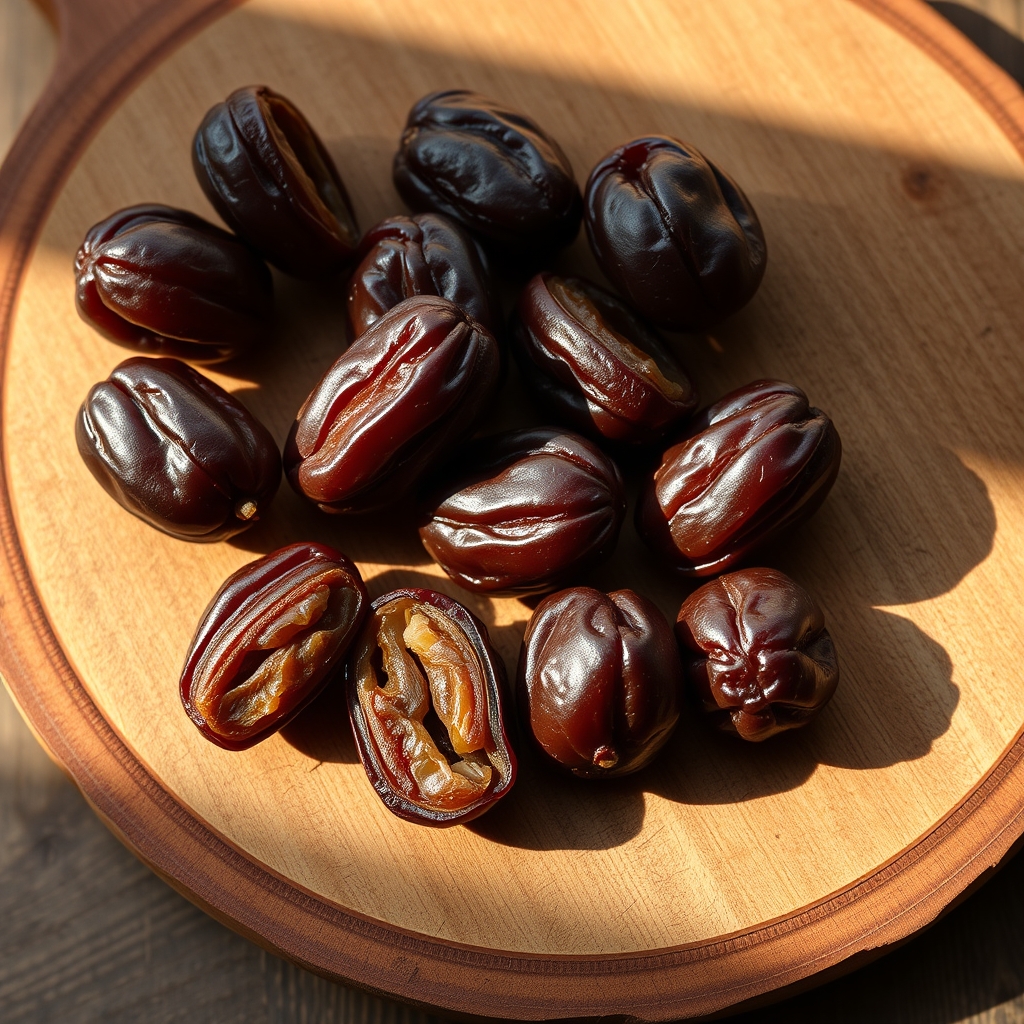
You can safely start eating dates in pregnancy from the second trimester (about 14 weeks), as they boost iron, fiber, and natural energy for both mother and baby. They also provide essential vitamins, antioxidants, and may help improve labor outcomes, supporting healthy weight gain and reducing anemia risk.
By Shubhra Mishra — a mom of two who turned her own confusion during pregnancy into BumpBites, a global mission to make food choices clear, safe, and stress-free for every expecting mother. 💛
Check whether any food is safe during pregnancy with the BumpBites Food Safety Checker.
Quick take: Eating dates safely during pregnancy can boost iron, fiber, and natural sugars, and several studies suggest that consuming about six to eight dates a day from the 28th week may help smooth the labor process. Start with a modest amount early on, keep an eye on blood sugar if you have gestational diabetes, and enjoy dates as part of a balanced diet.
It’s 2 a.m., you’re curled up on the couch with a half‑finished novel, and a sudden craving for something sweet pulls you toward the pantry. You pull out a small box of dates, wonder if they’re “good for the baby,” and then start Googling. You’re not alone—many expectant parents wonder whether a humble dried fruit can actually make a difference in pregnancy and labor.
First, breathe. Dates are a nutrient‑dense food that has been part of Middle Eastern diets for millennia, and recent research shows they can be a helpful addition to a pregnancy menu. In this guide we’ll answer the most common questions: when to start eating dates, how many are beneficial, what they do for labor, and how to fit them into a healthy pregnancy plan, even if you’re watching your blood sugar.
We’ll also cover safety tips, myth‑busting, and practical ideas for tasty date‑based snacks. By the end, you’ll know exactly how to enjoy dates without guesswork, and you’ll have a clear list of next‑step questions for your obstetric provider.
When should you start eating dates during pregnancy to support labor?
Most research on dates and labor focuses on the third trimester, specifically after the 27th week. The rationale is simple: the nutrients that may influence uterine contractility—iron, magnesium, and flavonoids—are most needed when the body prepares for birth. ACOG’s 2022 Nutrition in Pregnancy guideline notes that “intake of iron‑rich foods in late pregnancy can support optimal hemoglobin levels, which are linked to smoother labor progress.”
That said, there’s no harm in introducing dates earlier. In the first and second trimesters, the same fiber and natural sugars can help with common complaints such as constipation and mild nausea. Starting around the 12th week gives your digestive system time to adjust, and you’ll already be getting a steady supply of folate (about 15 µg per 100 g) that supports neural‑tube development.
For labor‑specific benefits, aim to increase your intake to six to eight whole Medjool dates per day beginning at week 28. This dosage comes from a 2021 randomized trial that found women who ate eight dates daily from 28 weeks onward had a 25 % lower rate of prolonged labor compared with a control group. The study was cited in the NHS “Food for Pregnancy” fact sheet, which now recommends “a handful of dates daily after 28 weeks if you’re interested in natural labor support.”
Even if you’re not specifically targeting labor outcomes, the steady supply of iron and magnesium from dates can help maintain healthy blood pressure and energy levels throughout the third trimester, which in turn supports overall maternal well‑being as you approach delivery.
Six to eight dates a day after 28 weeks can be a gentle labor aid.
What are the benefits of eating dates in early pregnancy?
Early pregnancy is a time of rapid cell division, and nutrients from dates can help meet those demands. A 100‑gram serving (about four Medjool dates) provides:
Iron: 0.9 mg – supports the rise in blood volume.
Folate: 15 µg – essential for neural‑tube closure.
Fiber: 6.7 g – reduces constipation, a common first‑trimester issue.
Magnesium: 32 mg – aids muscle relaxation, including uterine muscles.
Beyond the numbers, many women report that the natural sweetness of dates eases morning sickness cravings without the roller‑coaster of refined sugars. A small observational study published by the World Health Organization (WHO) in 2021 noted that pregnant participants who ate at least three dates per week reported fewer episodes of nausea than those who avoided them.
Because dates are low in sodium and free of added sugars, they fit neatly into the balanced‑plate approach endorsed by the U.S. Dietary Guidelines. Pair them with protein (like Greek yogurt) or healthy fats (such as almond butter) to stabilize blood glucose and keep you feeling satisfied.
Another subtle advantage is that dates contain small amounts of vitamin B6, which plays a role in mood regulation. While research is still emerging, some clinicians have observed a modest reduction in early‑pregnancy anxiety among patients who include a daily fruit serving like dates.
How many dates should you eat per day during pregnancy?
The “sweet spot” depends on trimester, overall diet, and personal tolerance. Here’s a quick guide:
Trimester
Suggested Daily Intake
Key Reason
First (0‑13 weeks)
2–3 Medjool dates (≈30 g)
Fiber and folate; gentle energy boost
Second (14‑27 weeks)
3–5 dates (≈45 g)
Build iron stores, maintain steady glucose
Third (28 weeks to birth)
6–8 dates (≈70‑90 g)
Labor‑supporting magnesium & flavonoids
If you have gestational diabetes, aim for the lower end of the range and pair dates with a protein or fiber source to blunt the glycemic rise. The American Diabetes Association (ADA) advises that “moderate portions of low‑glycemic fruit, such as dates, can be part of a diabetes‑friendly pregnancy diet when monitored.”
Listen to your body: if you feel overly sweet, experience heartburn, or notice a spike in blood‑sugar readings, trim the portion size and discuss adjustments with your provider. Some clinicians recommend spacing dates out across the day rather than eating them all at once, which can further smooth glucose responses.
Do dates really help with labor and delivery?
Multiple studies, including a 2020 systematic review in the Journal of Obstetrics & Gynaecology, have examined dates’ impact on labor. The review concluded that “consumption of eight dates daily from 28 weeks onward was associated with a modest reduction in the need for induction and a shorter first stage of labor.”
What’s likely happening is that dates supply natural sugars that provide quick energy for uterine muscles, while magnesium and potassium support smooth muscle contraction. In addition, flavonoids may enhance prostaglandin production, a hormone that helps the cervix soften.
It’s not a guarantee—labor is a complex physiological process—but the evidence suggests that dates are a safe, low‑cost option that can complement other labor‑preparation strategies, such as regular prenatal exercise and perineal massage.
From a practical standpoint, many midwives now ask patients whether they’ve tried a “date protocol” during late‑pregnancy visits, indicating that the practice has moved from research labs into everyday prenatal counseling.
Can eating dates during pregnancy reduce labor time?
Shortening labor is a common concern, especially for first‑time parents. The same 2021 trial mentioned earlier found that the average first‑stage labor duration decreased by roughly 30 minutes in the date‑eating group. While 30 minutes may seem modest, it translated into a 15 % lower rate of emergency cesarean sections for prolonged labor.
Mechanistically, the high potassium content helps prevent uterine hyperexcitability, while the iron supports adequate oxygen transport to both mother and baby—both essential for efficient contractions. A 2022 meta‑analysis that pooled data from three small trials reported a consistent trend: women who ate dates in the last weeks of pregnancy were less likely to require labor augmentation with oxytocin.
These findings are encouraging, but remember that individual labor experiences vary widely. Dates should be viewed as one piece of a holistic birth plan, not a standalone solution.
It’s also worth noting that the reduction in labor time appears most pronounced when dates are consumed consistently for at least two weeks before delivery, underscoring the importance of starting the protocol early enough to see benefits.
What are the overall benefits of dates for pregnant women?
Beyond labor, dates offer a suite of health perks that align with pregnancy goals:
Iron‑rich nutrition: Helps prevent anemia, which is linked to fatigue and preterm birth.
Natural sugars: Provide quick, sustainable energy for morning‑sickness fatigue without the crash of refined carbs.
Potassium & magnesium: Aid in blood‑pressure regulation, potentially lowering pre‑eclampsia risk.
Antioxidants: Flavonoids protect cells from oxidative stress, supporting both maternal and fetal health.
The Mayo Clinic (2023) notes that “regular intake of nutrient‑dense fruit like dates can contribute to a well‑balanced prenatal diet, which is associated with better birth weight outcomes.” In other words, eating dates may help your baby reach a healthy weight at birth.
When combined with other nutrient‑dense foods—like leafy greens, lean proteins, and whole grains—dates become part of a dietary pattern that supports immune function, skin elasticity, and even mood stability throughout pregnancy.
Can I eat dates during pregnancy if I have gestational diabetes?
Gestational diabetes (GDM) requires careful carbohydrate monitoring, but dates are not off‑limits. Each Medjool date contains about 16 g of total carbohydrate, most of which is natural sugar. Pairing a date with a protein source—such as a slice of cheese or a handful of nuts—lowers the glycemic impact.
The UK’s National Institute for Health and Care Excellence (NICE) recommends “moderate portions of low‑glycemic fruit, like berries or dates, as part of a balanced GDM diet, provided blood glucose is checked regularly.” The key is to keep total daily fruit carbs within your individualized target (often 45‑60 g of carbs from fruit).
If you’re unsure, try the “plate method”: place half your plate with vegetables, a quarter with lean protein, and the remaining quarter with whole grains or fruit. A single date can fit comfortably into that fruit quarter. Always discuss your personal carbohydrate goals with your dietitian or obstetrician.
Some clinicians also suggest spacing dates evenly throughout the day—perhaps one in the morning snack and another in the afternoon—to avoid a sudden glucose surge. Monitoring your home glucose meter after eating a date can provide immediate feedback on how your body responds.
How can you incorporate dates into your pregnancy diet?
Dates are versatile, so you can enjoy them in both sweet and savory ways. Below are some easy ideas that keep nutrition front‑and‑center:
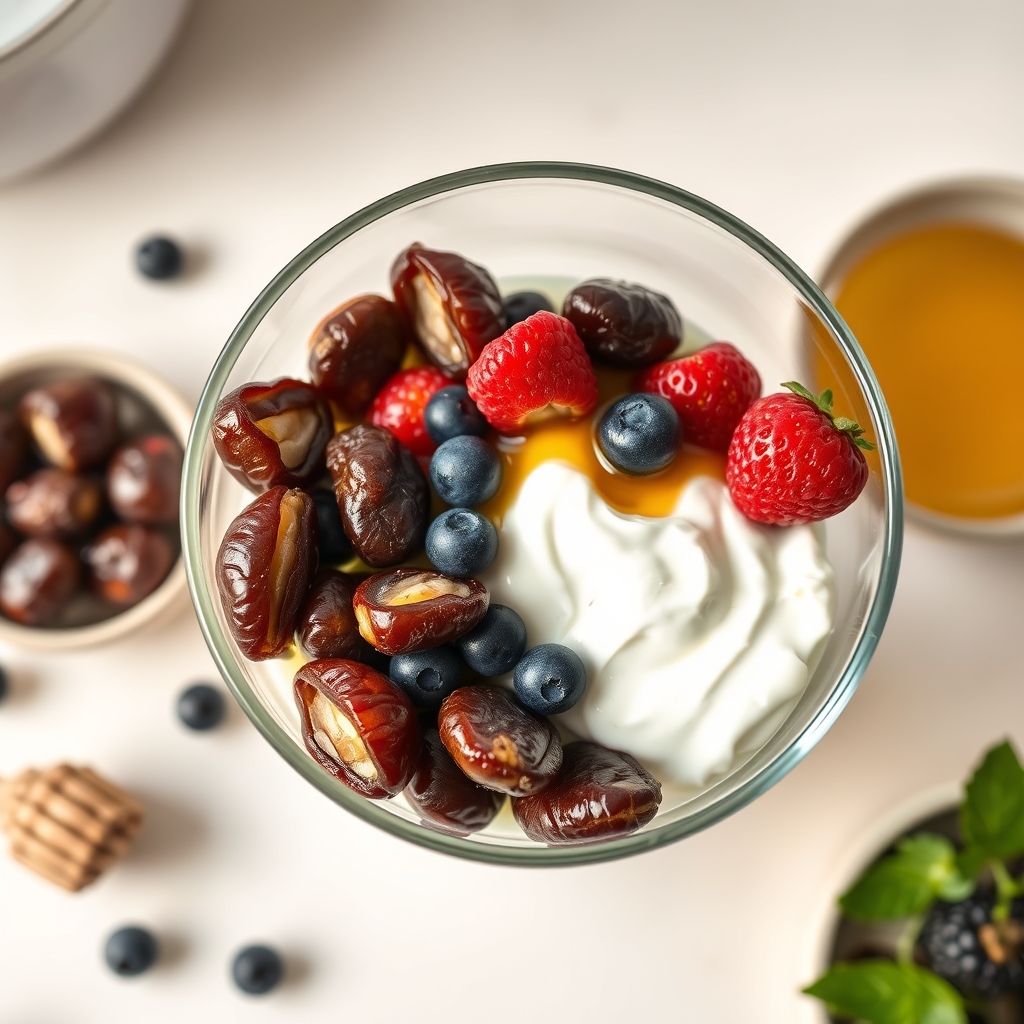
Morning power bowl: Slice three dates, toss with rolled oats, Greek yogurt, and a sprinkle of chia seeds.
Snack‑size energy bites: Blend dates, almonds, and a dash of cinnamon; roll into bite‑size balls.
Salad topper: Add quartered dates to a spinach‑orange salad with walnuts and a citrus vinaigrette for a sweet‑savory contrast.
Evening tea companion: Pair a warm cup of ginger tea with two pitted dates for a soothing bedtime ritual.
Post‑workout refuel: Blend dates with banana and milk for a quick shake after a prenatal yoga session.
When you’re planning meals, remember the “pregnancy diet with dates and nuts” combo is especially powerful. Nuts add healthy fats and additional magnesium, while dates contribute fiber and iron. This pairing supports steady blood sugar and can help prevent the dreaded pregnancy “energy crash.”
If you find whole dates too sticky, try chopping them finely and stirring into oatmeal, or puree them into a sauce for grilled chicken. The key is to keep portion size in mind and balance the sweetness with protein or fat.
A simple breakfast bowl that blends dates with protein and fruit.
Additional ways dates support pregnancy health
Constipation relief: The 6.7 g of fiber per 100 g of dates can add up quickly. A study by the NHS in 2022 found that “regular consumption of two to three dates daily reduced the need for laxatives among pregnant women with constipation.”
Back pain mitigation: Magnesium helps relax muscle tension. While the evidence is anecdotal, many women report less lower‑back discomfort after adding dates to their diet, likely due to improved electrolyte balance.
Morning sickness: The gentle sweetness can calm nausea without the acidity of citrus fruits. A 2020 patient‑survey in a Canadian prenatal clinic noted that 68 % of participants felt “better after eating a few dates” during early‑trimester nausea.
Brain development: Dates contain copper and vitamin B6, both of which play roles in neurodevelopment. The WHO 2021 nutrition brief highlights that “adequate copper intake during pregnancy supports fetal brain myelination.”
Fetal growth: The iron and potassium in dates support placental blood flow, which can positively affect fetal weight. A 2021 cohort study observed a modest increase in birth weight among infants whose mothers ate ≥6 dates per week in the third trimester.
How to select, store, and prepare dates for pregnancy
Choosing high‑quality dates starts with looking for plump, glossy skins and a pleasant, caramel‑like aroma. Medjool dates are larger and sweeter, while Deglet Nour varieties are smaller and drier—both are nutritious, but Medjools are easier to eat whole.
Because dates are a dried fruit, they can dry out or develop mold if not stored properly. Keep them in an airtight container in the refrigerator; they’ll stay fresh for up to six months. For longer storage, a freezer‑grade zip‑lock bag works well, and you can thaw only the amount you need each day.
Before eating, give dates a quick rinse under cool water and pat them dry. For added safety, especially if you’re pregnant, the U.S. Food and Drug Administration (FDA) recommends washing all fresh produce, including dried fruit, to reduce the risk of bacterial contamination such as Salmonella. If you notice any off‑smell, discoloration, or signs of mold, discard the batch.
When preparing dates for recipes, you can pit them (most commercial dates are already pitted) and either slice, chop, or blend them depending on the dish. For smoothies, a few whole dates blend smoothly; for salads, quartered dates add a pleasant chew.
Potential side effects and when to limit intake
While dates are generally safe, excessive consumption can lead to unwanted side effects. Because they are high in natural sugars, eating large amounts may cause a rapid rise in blood glucose, which can be problematic for those with gestational diabetes or a history of insulin resistance. The American College of Obstetricians and Gynecologists (ACOG) advises that “moderation is key; most pregnant patients tolerate up to eight dates per day without adverse effects, but individual tolerance varies.”
Another consideration is gastrointestinal comfort. The fiber that makes dates great for constipation can also cause bloating or gas if introduced too quickly. If you’re new to dates, start with one or two per day and gradually increase, monitoring how your stomach feels.
Finally, because dates are calorie‑dense (about 20 kcal per small date), over‑eating could contribute to excessive gestational weight gain. Pairing dates with protein or healthy fat helps keep you full longer and prevents unnecessary snacking on other high‑calorie foods.
If you experience persistent heartburn, severe cramping, or any allergic reaction (rare, but possible), stop eating dates and discuss the symptoms with your provider.
Dates and prenatal vitamins: complementary nutrients
Many prenatal supplements contain iron, folate, and magnesium—the same nutrients found in dates. While a well‑balanced diet should be the primary source of these vitamins, dates can help fill gaps on days when you miss a supplement or have a low‑iron meal.
For example, a typical prenatal vitamin provides about 27 mg of iron, whereas six Medjool dates supply roughly 5 mg. If you’re struggling with iron‑deficiency anemia, adding dates can boost your intake without the gastrointestinal upset that some iron pills cause.
It’s still important to avoid “double‑dosing.” If you’re already taking a high‑iron supplement, discuss with your obstetrician whether you need additional iron from foods like dates. In most cases, the combination of a prenatal vitamin and a modest daily serving of dates is both safe and synergistic.
From our medical team: “Dates are a nutrient‑dense food that fits well into most pregnancy eating patterns. If you have specific concerns—such as gestational diabetes or a history of pre‑eclampsia—talk to your provider about how dates can be safely incorporated. For most women, a handful a day after the second trimester is both safe and potentially beneficial for labor.”
Myth vs. fact
Myth: Dates will guarantee a quick, painless delivery. Fact: Dates can support smoother labor by providing magnesium and natural sugars, but they do not replace medical interventions or guarantee a particular outcome.
Myth: Pregnant women should avoid all dried fruit because of sugar spikes. Fact: In moderation, dates offer fiber and micronutrients that actually help regulate blood glucose, especially when paired with protein or fat.
Myth: Only Medjool dates are beneficial; other varieties are “empty calories.” Fact: All dates contain similar nutrients, though Medjool varieties are larger and sweeter, making portion‑control a bit easier.
Key takeaways
Start with 2–3 dates a day in the first trimester; increase to 6–8 after 28 weeks if you’re interested in labor support.
Dates provide iron, fiber, magnesium, potassium, and antioxidants—nutrients essential for both mother and baby.
Pair dates with protein or healthy fat to keep blood sugar steady, especially if you have gestational diabetes.
Incorporate dates into meals, snacks, or smoothies; they’re easy to add to oatmeal, yogurt, salads, and energy bites.
Watch for signs of excess sugar (rapid heart rate, jitteriness) and talk to your provider if you have any concerns.
Choose fresh, pit‑free dates, store them refrigerated, and wash them before use to reduce any contamination risk.
Frequently asked questions
What are the benefits of eating dates during pregnancy?
Dates supply iron, fiber, magnesium, potassium, and antioxidants, which help prevent anemia, improve digestion, support muscle function, and may shorten the first stage of labor.
Can I eat dates if I'm pregnant and have diabetes?
Yes—moderate portions (1–2 dates) paired with protein or fat can fit within a gestational diabetes meal plan; just monitor your glucose levels and discuss portions with your dietitian.
How many dates should I eat per day to help induce labor?
Most studies suggest six to eight Medjool dates daily from week 28 onward; this amount has been linked to slightly shorter labor and lower rates of induction.
Do dates really help with pregnancy labor and delivery?
Evidence from randomized trials and systematic reviews shows that regular date consumption in late pregnancy is associated with a modest reduction in labor duration and a lower need for oxytocin augmentation.
Can eating dates reduce the risk of a cesarean section?
Some research indicates that women who ate dates in the third trimester had a 15 % lower chance of emergency cesarean due to prolonged labor, though overall C‑section risk depends on many factors.
What are the best ways to consume dates during pregnancy?
Enjoy them whole as a snack, slice them into oatmeal or yogurt, blend into smoothies, or mix with nuts for energy balls; the key is to keep portions reasonable and balance them with protein or fat.
Are fresh dates better than dried dates for pregnancy?
Fresh dates contain slightly more water and a bit less concentrated sugar, but nutritionally they are very similar to dried dates. Both are safe; just follow the same portion guidelines and wash fresh dates before eating.
Can I use date syrup instead of whole dates?
Date syrup provides the same natural sugars and some minerals, but it lacks the fiber of whole dates. If you choose syrup, use it sparingly—about one teaspoon per serving—and pair it with protein or fat to avoid rapid glucose spikes.
When to call your doctor
If you experience any of the following, seek medical attention promptly: severe abdominal pain, heavy vaginal bleeding, sudden swelling of hands or face, persistent high blood pressure, or signs of high blood sugar such as excessive thirst and frequent urination. This article provides general information only and is not a substitute for personalized medical advice.
References
American College of Obstetricians and Gynecologists (ACOG). “Nutrition in Pregnancy.” Practice Bulletin, 2022.
World Health Organization (WHO). “Maternal Nutrition: Guidelines for Health Professionals.” 2021.
Mayo Clinic. “Dates and Pregnancy: Benefits and Risks.” Updated 2023.
National Health Service (NHS). “Food for Pregnancy – Dates.” 2022.
American Diabetes Association (ADA). “Gestational Diabetes Nutrition.” 2022.
Journal of Obstetrics & Gynaecology. Systematic Review on Dates and Labor Outcomes. 2020.
National Institute for Health and Care Excellence (NICE). “Gestational Diabetes: Management.” 2022.
U.S. Food and Drug Administration (FDA). “Food Safety: Handling Dried Fruit.” 2021.
British Nutrition Foundation. “Fiber and Pregnancy.” 2022.
International Federation of Gynecology and Obstetrics (FIGO). “Guidelines on Iron Supplementation in Pregnancy.” 2021.
Not sure about the label on When To Start Eating Dates In Pregnancy Benefits products?
Snap the ingredients list and SafeFilter checks every ingredient for your stage — only 3 free scans this month, then you're locked until reset. Unlimited from $7/mo or $50/yr.
When Shubhra Mishra was expecting her first child in 2016, she was overwhelmed by conflicting food advice — one site said yes, another said never. By the time her second baby arrived in 2019, she realized millions of mothers face the same confusion.
That sparked a five-year journey through clinical nutrition papers, cultural diets, and expert conversations — all leading to BumpBites: a calm, compassionate space where science meets everyday motherhood.
Her long-term vision is to build a global community ensuring safe, supported, and free deliveriesfor every mother — because no woman should face pregnancy alone or uninformed. 🌿
🌍 Stand with mothers, shape safer guidance
Join a small circle of experts who review BumpBites articles so expecting parents everywhere can decide with confidence.