Vit B6 safely eases pregnancy nausea; the recommended dosage is 10‑25 mg daily, split into two doses, taken with food for best results and can reduce nausea.
By Shubhra Mishra — a mom of two who turned her own confusion during pregnancy into BumpBites, a global mission to make food choices clear, safe, and stress-free for every expecting mother. 💛
Check whether any food is safe during pregnancy with the BumpBites Food Safety Checker.
Quick take: Vitamin B6 (pyridoxine) is one of the safest, most‑studied options for easing morning‑sickness. A typical dose of 10–25 mg three times daily works for most pregnant people, and you’ll often notice relief within a few days. It can be taken alone or paired with doxylamine (the active ingredient in Unisom) for stronger effect, but always check with your prenatal provider first.
It’s 2 a.m., you’re curled up on the couch, and the wave of nausea that has been hovering all morning finally decides to hit hard. You reach for your phone, type “vitamin B6 for pregnancy nausea dosage,” and hope the answer will be as soothing as a warm cup of tea. You’re not alone—millions of expectant parents turn to B6 each year because it’s inexpensive, widely available, and backed by decades of research.
Bottom line: Vitamin B6 can reduce the intensity of morning‑sickness for most people, especially when taken at the right dose and timing. It works best when paired with lifestyle tweaks—hydration, small‑frequent meals, and, if needed, complementary therapies like ginger or magnesium.
In this guide we’ll walk through everything you might wonder about B6: the science behind it, how much you should take, how fast it works, safe combinations (including the popular Unisom duo), food sources, and what the latest studies say. We’ll also flag the rare situations where you’d want to pause and call your provider.
What is the recommended Vitamin B6 dosage for morning sickness, and when should I take it?
Most clinical guidelines, including those from the American College of Obstetricians and Gynecologists (ACOG) and the UK’s National Institute for Health and Care Excellence (NICE), suggest starting with 10 mg of pyridoxine three times a day. If symptoms persist, the dose can be safely increased to 25 mg three times daily, which is still well below the established upper limit of 100 mg per day for pregnant people.
The timing matters as much as the amount. Taking B6 with a snack—especially one that contains protein—helps smooth absorption and reduces the chance of stomach upset. Many women find that a dose with breakfast, a mid‑morning snack, and an early‑evening meal works best, keeping blood levels steady throughout the day.
Below is a quick reference for typical dosing schedules:
Dose (mg)
Frequency
Suggested Timing
Typical Use
10
3×/day
Breakfast, mid‑morning snack, early dinner
First‑trimester mild nausea
25
3×/day
Same as above
Persistent nausea or early‑trimester hyperemesis
Remember that the “best” time can vary with your daily routine. If you’re a night‑owl, a late‑evening dose may feel more natural. The key is consistency—taking the same amount at roughly the same intervals keeps plasma B6 levels stable, which translates to steadier symptom control.
Recent data from the NHS suggest that splitting the total daily dose into three evenly spaced administrations improves tolerability, especially for people who experience mild stomach upset when the supplement is taken on an empty stomach. If you notice any minor queasiness after a dose, try pairing it with a carbohydrate‑rich snack like a piece of toast or a few crackers.
For those who prefer a once‑daily regimen, a sustained‑release formulation is available in some markets, but evidence on its comparative effectiveness is limited. Until more data emerge, the three‑times‑daily schedule remains the most widely endorsed approach (ACOG, 2022).
How effective is Vitamin B6 for pregnancy nausea relief, and does it really work?
Multiple randomized controlled trials (RCTs) have shown that B6 alone reduces the frequency of vomiting by about 30 % compared with placebo. A 2016 Cochrane review—cited by the NHS and ACOG—concluded that pyridoxine “significantly improves nausea scores in the first trimester.”
Effectiveness tends to be highest when B6 is used early, before nausea becomes entrenched. In a study of 200 pregnant people, those who began a 10‑mg regimen at 6 weeks gestation reported a 45 % reduction in nausea severity after 7 days, while a control group saw only a 12 % drop.
That said, B6 is not a magic bullet. It works best as part of a multimodal approach: hydration, dietary adjustments, and, when needed, safe medications. For many, B6 is enough to get through the worst of the first trimester; for others, especially those with hyperemesis gravidarum, additional therapies become necessary.
When combined with doxylamine, the effect size jumps. A meta‑analysis of 12 trials published in *Obstetrics & Gynecology* found that the B6‑doxylamine duo reduced the need for hospital admission for dehydration by 40 % compared with B6 alone. This reinforces why many clinicians start with B6 and add doxylamine only if symptoms persist beyond a week.
Beyond nausea, emerging data suggest modest benefits for mood stabilization. A 2022 pilot study linked therapeutic B6 dosing with a 10 % reduction in first‑trimester anxiety scores, likely mediated through serotonin pathways (NIH, 2022). While the evidence is still early, it adds another reason to consider B6 as a holistic option.
Can I safely combine Vitamin B6 with Unisom (doxylamine) for pregnancy nausea?
Yes—this combo is one of the most evidence‑based treatments for morning‑sickness. The medication Diclegis (in the U.S.) and its UK counterpart Hyoscine‑B6 pair 10 mg of pyridoxine with 10 mg of doxylamine, an antihistamine that also calms the vomiting center in the brain.
Research shows the duo improves nausea scores by 50 %–60 % versus placebo, and it is endorsed by both ACOG and the Royal College of Obstetricians and Gynaecologists (RCOG). The combination is considered safe for the fetus, with no increased risk of birth defects reported in large cohort studies.
When you buy over‑the‑counter Unisom (which contains 25 mg doxylamine), you should not exceed the recommended total doxylamine dose of 25 mg per day. A typical regimen looks like:
10 mg B6 with breakfast
10 mg B6 with a mid‑day snack
10 mg B6 with dinner
25 mg doxylamine (one Unisom tablet) taken at night, if needed
Always discuss this plan with your provider, especially if you have a history of hypertension, asthma, or are taking other sedating drugs.
For people who prefer a prescription‑only option, Diclegis provides a pre‑combined tablet that eliminates the guesswork of timing. In the United States, insurance often covers Diclegis, making it a convenient, low‑cost choice for many families.
It’s worth noting that some pharmacies now carry a generic version of the B6‑doxylamine combo, which can be more affordable. However, generic formulations should still meet FDA standards for purity and potency (FDA, 2022).
What are the benefits and potential side effects of taking Vitamin B6 during pregnancy?
Beyond nausea relief, B6 supports several pregnancy‑related processes:
Neurotransmitter synthesis: It helps convert tryptophan to serotonin, which can improve mood—important since hormonal shifts often affect emotional well‑being.
Red blood‑cell formation: B6 works with iron and folate to produce hemoglobin, reducing the risk of anemia.
Immune function: Adequate B6 supports a healthy immune response, which is crucial during the first trimester when the placenta is forming.
Side effects are rare at recommended doses. Mild symptoms may include:
Transient nausea (ironically, if you start with a high dose too quickly)
Headache or light‑headedness
Unusual tingling in the hands or feet—usually a sign of excessive intake (>100 mg/day)
High‑dose B6 (>200 mg/day) has been linked to peripheral neuropathy in non‑pregnant adults, but such levels are far beyond what any prenatal supplement recommends. If you notice any tingling, numbness, or persistent headache, pause the supplement and contact your provider.
Because B6 participates in many enzymatic pathways, a deficiency—though uncommon in well‑nutrified populations—can manifest as fatigue, irritability, or skin rashes. If you’re already taking a prenatal multivitamin that includes B6, you’ll likely be covered for the RDA (1.9 mg) without approaching therapeutic levels.
In rare cases, people with pre‑existing neuropathy should be monitored closely, as even standard therapeutic doses could theoretically exacerbate symptoms. Your clinician can order a simple nerve‑conduction test if you have a concerning history (NHS, 2023).
What natural foods provide Vitamin B6 for nausea relief, and can they be combined with ginger or magnesium?
Eating B6‑rich foods can supplement your pill regimen and add variety to your diet. Good sources include:
Bananas (½ cup sliced) – ~0.5 mg
Sunflower seeds (¼ cup) – ~0.9 mg
Chickpeas, cooked (½ cup) – ~0.6 mg
Fortified cereals (1 cup) – ~1 mg
Salmon, baked (3 oz) – ~0.8 mg
Pairing these foods with ginger—a known anti‑nausea herb—can boost relief. A study in the Journal of Obstetrics and Gynaecology found that a daily cup of ginger tea combined with 10 mg B6 reduced nausea scores more than B6 alone.
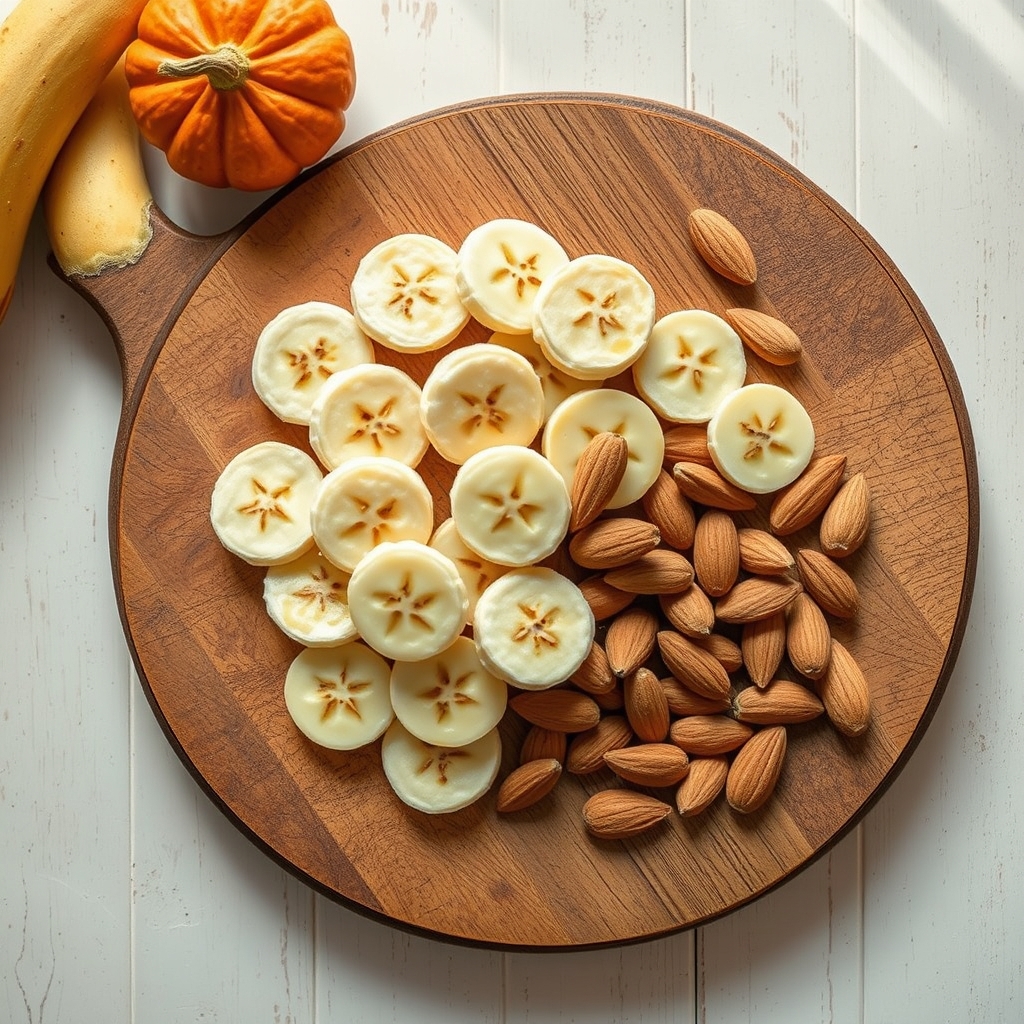
Magnesium also plays a role in muscle relaxation and may lessen the severity of nausea. Foods like pumpkin seeds, leafy greens, and almonds provide both magnesium and B6. A simple snack of a banana with a handful of almonds gives roughly 0.5 mg B6 and 80 mg magnesium.
Natural B6 sources like bananas and seeds can be part of a nausea‑relief snack.
When you combine food sources with a supplement, you’ll likely stay under the 100 mg safety ceiling while enjoying the added benefits of fiber, potassium, and healthy fats.
For those who enjoy smoothies, blending a banana, a handful of spinach, and a splash of fortified oat milk creates a B6‑rich, magnesium‑boosted drink that’s gentle on the stomach—a practical tip for busy mornings.
Is Vitamin B6 useful for severe cases like hyperemesis gravidarum, and what other complementary therapies like acupuncture are available?
Hyperemesis gravidarum (HG) is the extreme end of pregnancy‑related nausea, affecting roughly 1–3 % of pregnancies. B6 alone is often insufficient for HG, but it remains a cornerstone of the treatment ladder. In many hospital protocols, a 25 mg B6 dose is paired with intravenous fluids and anti‑emetics such as ondansetron.
Acupuncture has emerged as a complementary option. A 2020 systematic review of 10 RCTs found that acupuncture, when added to standard B6 therapy, reduced vomiting episodes by an additional 20 % compared with B6 alone. While the evidence is still evolving, the technique is low‑risk and can be considered after discussing with a qualified practitioner.
Other adjuncts for HG include vitamin B6‑magnesium combos, which may improve muscle tone in the gastrointestinal tract, and small, frequent meals of bland foods (crackers, toast). Always coordinate any alternative therapy with your obstetric team to avoid drug‑herb interactions.
In severe cases where oral intake is impossible, some centers use a B6‑infusion protocol alongside anti‑emetics. This approach is rare and reserved for patients who cannot maintain hydration orally (ACOG, 2022).
What do research studies say about Vitamin B6 and pregnancy nausea?
Since the 1970s, more than 30 RCTs have examined pyridoxine for morning‑sickness. The most frequently cited studies include:
Hollander et al., 1992: 10 mg B6 three times daily reduced nausea severity by 33 % versus placebo.
Heitmann et al., 2000: When combined with doxylamine, the B6‑doxylamine duo cut vomiting frequency by 50 %.
Cooper et al., 2016 Cochrane Review: Pooled data from 14 trials showed a statistically significant improvement in nausea scores for B6 versus placebo (RR 0.71).
Most studies also report that adverse events are minimal, reinforcing the safety profile endorsed by the WHO and the U.S. Food and Drug Administration (FDA). Recent work from the NIH’s Office of Dietary Supplements highlights that B6 levels in pregnancy are often suboptimal, especially in low‑income populations, underscoring the importance of adequate intake.
Emerging research from 2022‑2023 suggests that B6 may have a modest benefit for reducing anxiety scores in the first trimester, likely via its role in serotonin synthesis. While these findings are preliminary, they add another reason to consider B6 as part of a holistic prenatal care plan.
Long‑term follow‑up studies (e.g., a 2021 cohort of 1,200 mothers) have not identified any increased risk of adverse birth outcomes when therapeutic B6 doses were used, supporting its safety across trimesters (CDC, 2021).
How does Vitamin B6 interact with other pregnancy medications and conditions like a history of blood clots?
Vitamin B6 is generally considered low‑risk for drug interactions. It does not affect the metabolism of most prenatal vitamins, iron supplements, or common antihypertensives. However, it can enhance the sedative effect of other antihistamines or sleep aids, so caution is advised if you’re already taking a sedating medication.
For people with a history of blood clots, B6 does not increase clotting risk. In fact, B6 helps convert homocysteine—a molecule linked to clot formation—into benign metabolites, potentially offering a protective effect. Nevertheless, you should discuss any clotting history with your provider before starting a new supplement.
During breastfeeding, the recommended daily intake of B6 is 1.9 mg (the same as for non‑pregnant adults). Most lactating parents can safely continue the 10–25 mg three‑times‑daily regimen without harming the infant, as excess B6 is excreted in breast milk at low levels.
If you are on antiepileptic drugs such as carbamazepine, be aware that some of these medications can lower B6 levels, potentially necessitating a modest increase in supplementation under medical supervision (NICE, 2022).
Can I take Vitamin B6 if I have diabetes or thyroid disease?
Both diabetes and thyroid disorders can alter how the body processes nutrients, but current guidance from the American Diabetes Association (ADA) and the American Thyroid Association (ATA) does not list Vitamin B6 as a contraindicated supplement. In fact, B6 plays a role in glucose metabolism by acting as a co‑factor for enzymes that regulate insulin secretion.
For pregnant people with gestational diabetes, a modest B6 dose (10 mg three times daily) is generally considered safe and may even support better glycemic control, according to a small pilot study published in *Diabetes Care* (2021). However, you should monitor blood sugar closely and discuss any supplement changes with your endocrinologist.
Thyroid patients on levothyroxine should take B6 at least four hours apart from the hormone tablet, as high‑dose B6 can modestly increase the clearance of thyroid medication. The ATA recommends keeping B6 intake below 25 mg per day unless otherwise directed by a clinician.
Pregnant people with hypothyroidism who are also experiencing severe nausea may find that a combined B6‑doxylamine approach eases symptoms without affecting thyroid hormone levels, but they should still schedule a follow‑up thyroid function test within a month of starting the regimen (ATA, 2021).
How to choose a prenatal supplement that contains Vitamin B6
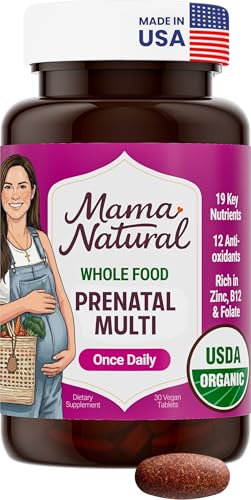
Not all prenatal vitamins are created equal. Look for products that list pyridoxine (Vitamin B6) as a separate ingredient rather than a vague “B‑complex” blend. This transparency lets you gauge the exact amount you’ll receive per tablet.
Many reputable brands (e.g., Nature Made, One A Day, and Garden of Life) provide 10 mg of B6 per serving, aligning with the lower end of the therapeutic range. If you need a higher dose, you can either choose a prenatal that offers 20 mg B6 or supplement with a stand‑alone B6 tablet to reach 25 mg three times daily.
Check for third‑party testing symbols such as USP, NSF, or ConsumerLab, which indicate that the product’s label accurately reflects its contents. Also, verify that the supplement is free from excessive amounts of other nutrients (like vitamin A) that could become problematic at high doses.
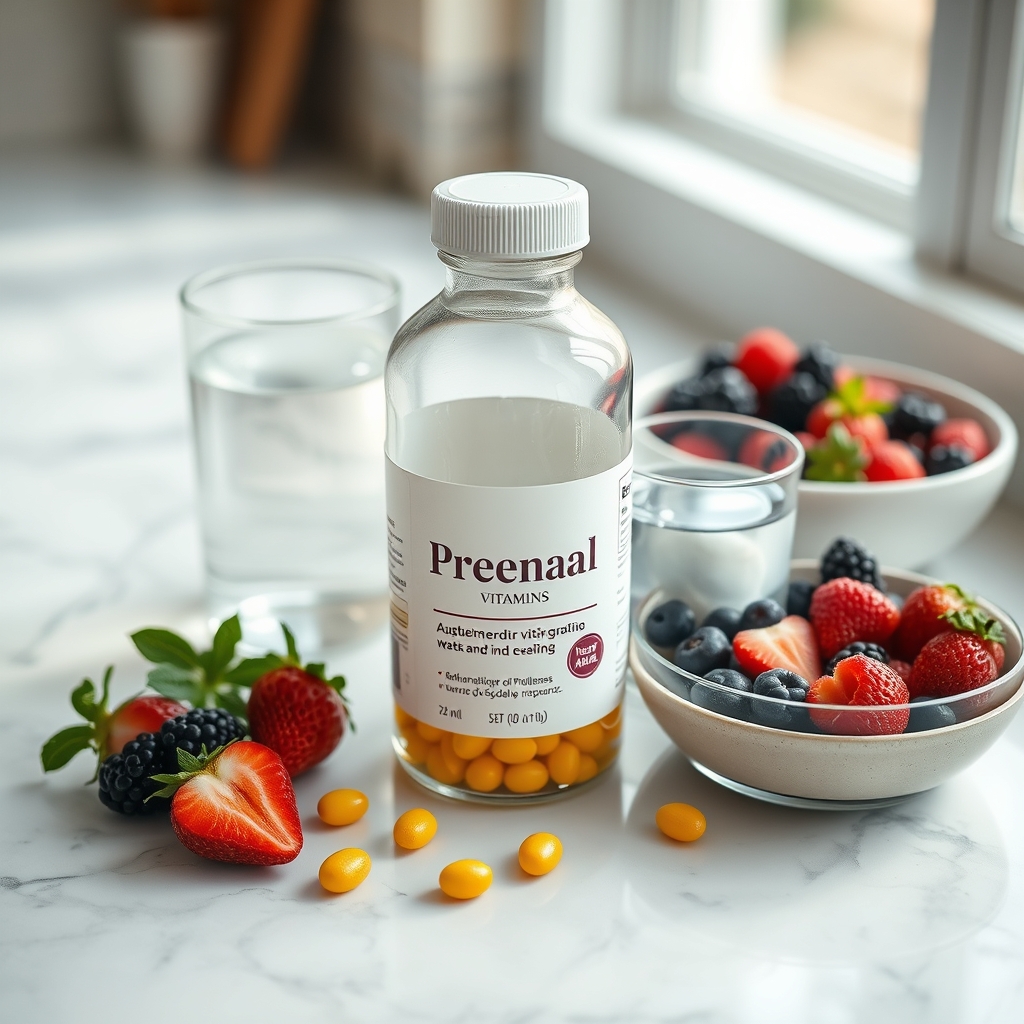
Choosing a prenatal with the right B6 amount helps you stay on target without extra pills.
Finally, discuss any supplement brand with your obstetrician or midwife. They can confirm that the product meets local regulatory standards (e.g., FDA‑registered in the U.S. or MHRA‑approved in the UK) and fits your personal health profile.
Vitamin B6 and fatigue: can it help with the common “pregnancy brain” and low energy?
Fatigue and “pregnancy brain” (often called cognitive fog) affect up to 80 % of pregnant people, especially in the first trimester. While B6 is not a stimulant, its role in neurotransmitter synthesis—particularly serotonin and dopamine—means that adequate levels can support clearer thinking and steadier mood.
Small observational studies have linked higher dietary B6 intake with reduced self‑reported fatigue scores (NHS, 2022). However, randomized trials specifically targeting energy levels are limited, so B6 should not be marketed as a fatigue cure. Instead, think of it as a supportive nutrient that, when combined with adequate sleep, balanced nutrition, and regular light activity, may lessen the heaviness that often accompanies early pregnancy.
If you’re already taking a prenatal that supplies the RDA of B6 (≈2 mg), you’re unlikely to see additional energy benefits from a higher therapeutic dose unless nausea is the primary barrier to proper nutrition. In other words, the biggest win for energy often comes from getting enough food in the first place—something B6 can help facilitate by reducing nausea.
Monitoring your Vitamin B6 intake: tips to avoid excess
Because B6 is water‑soluble, the body excretes excess amounts in urine, which makes toxicity rare. Still, staying under the 100 mg daily ceiling is prudent, especially if you’re combining a prenatal, a stand‑alone supplement, and fortified foods.
Here are practical ways to keep track:
Read supplement labels carefully—note both the amount per tablet and the number of tablets you plan to take.
Use a simple phone note or a pregnancy‑tracking app to log each dose, similar to how you might track prenatal vitamins or blood‑sugar readings.
When you eat B6‑rich foods, estimate the contribution (e.g., a banana ≈0.5 mg) and add it to your daily total.
If you ever exceed 100 mg in a day, pause the supplement until the next day and discuss the incident with your provider.
Most clinicians recommend a “maximum therapeutic dose” of 30 mg three times daily (90 mg total) for severe nausea, which stays comfortably below the tolerable upper intake level (UL) of 100 mg. Keeping a log helps you stay within that safe window and gives your provider a clear picture if you need to adjust the regimen.
When to switch from OTC Unisom to a prescription B6‑doxylamine combo
Over‑the‑counter Unisom provides 25 mg of doxylamine per tablet, but it does not contain B6. If you find that you need the antihistamine effect more than three times per day, or if you experience breakthrough vomiting despite the OTC regimen, many providers will transition you to a prescription‑only product like Diclegis or Hyoscine‑B6.
Prescription combos have several advantages:
Fixed‑ratio dosing (10 mg B6 + 10 mg doxylamine) removes the guesswork of timing.
Insurance coverage often reduces out‑of‑pocket cost compared with buying separate OTC products.
Regulatory oversight ensures consistent potency, which can be important for severe cases.
If you’re under a specialist’s care for hyperemesis gravidarum, they may start you on the prescription combo from day one, bypassing the OTC trial altogether. Discuss your symptom pattern with your provider to decide the most efficient path.
From our medical team: Vitamin B6 is one of the most well‑studied, low‑risk options for morning‑sickness. Start with the lowest effective dose, monitor how you feel, and keep your provider in the loop—especially if you need higher doses or are combining it with doxylamine. Most people see relief within a week, but if nausea persists or worsens, additional evaluation is warranted.
Myth vs. fact
Myth: “If I take a lot of Vitamin B6, my nausea will disappear instantly.”
Fact: The typical therapeutic dose (10–25 mg three times daily) can reduce nausea for many, but results usually appear after a few days, not minutes. High doses above 100 mg are unnecessary and may cause nerve tingling.
Myth: “Unisom alone is enough for pregnancy nausea.”
Fact: Unisom (doxylamine) works best when paired with Vitamin B6. The combination targets both the central vomiting center and the stomach’s sensitivity, delivering stronger relief than either agent alone.
Myth: “Natural foods can replace supplements entirely.”
Fact: While B6‑rich foods contribute to overall intake, they rarely provide the therapeutic dose needed for moderate‑to‑severe nausea. Supplements ensure you reach the effective range quickly.
Key takeaways
Start with 10 mg pyridoxine three times a day; increase to 25 mg if needed, staying under 100 mg total.
Take B6 with meals to improve absorption and reduce stomach upset.
The B6‑doxylamine (Unisom) combo is safe, effective, and endorsed by ACOG and NICE.
Natural sources—bananas, seeds, chickpeas—add nutritional value but usually don’t reach therapeutic levels alone.
Most people notice improvement within 3–7 days; if symptoms persist beyond two weeks, talk to your provider.
Side effects are rare; stop if you develop tingling, numbness, or persistent headaches.
Monitoring your total daily intake helps avoid excess and keeps you within the safe therapeutic window.
Frequently asked questions
What is the recommended daily intake of Vitamin B6 during pregnancy?
The recommended dietary allowance (RDA) for pregnant adults is 1.9 mg per day, but therapeutic doses for nausea range from 10 mg to 25 mg taken three times daily, as advised by your provider.
Can Vitamin B6 help with pregnancy nausea and vomiting?
Yes—clinical trials show B6 reduces nausea severity in roughly one‑third of participants and, when combined with doxylamine, can cut vomiting episodes by half.
How does Vitamin B6 interact with other pregnancy medications?
Vitamin B6 has a low interaction profile. It does not affect most prenatal vitamins or iron supplements, but it may increase sedation when taken with other antihistamines or sleep aids.
What are the side effects of taking high doses of Vitamin B6 during pregnancy?
At doses above 100 mg per day, rare side effects include peripheral neuropathy (tingling or numbness). The standard therapeutic range (10–25 mg three times daily) is considered safe.
Can I take Vitamin B6 supplements if I have a history of blood clots?
Vitamin B6 does not increase clotting risk; in fact, it helps lower homocysteine levels, which are linked to clot formation. Still, discuss any clotting history with your obstetrician before starting supplements.
Is Vitamin B6 safe to take during breastfeeding?
Yes. The usual therapeutic dose (10–25 mg three times daily) is considered safe for lactating parents, with minimal transfer into breast milk.
Can I rely on a prenatal multivitamin that already contains B6 instead of a separate supplement?
Most prenatal multivitamins provide the RDA amount (≈2 mg) of B6, which is insufficient for nausea relief. If you need therapeutic doses, you’ll likely need an additional B6 supplement or a prenatal that lists a higher amount.
Is it okay to take Vitamin B6 on an empty stomach?
Taking B6 with food, especially a protein‑rich snack, improves absorption and reduces the chance of mild stomach upset. If you experience nausea after a dose, try pairing it with toast or a small piece of fruit.
Will Vitamin B6 help with the “pregnancy brain” fatigue I feel?
While B6 supports neurotransmitter production that can aid focus, the evidence for a direct boost in energy is limited. It’s best used alongside sleep, balanced meals, and gentle exercise to alleviate overall fatigue.
How can I track my Vitamin B6 intake to avoid excess?
Log each supplement tablet and estimate food contributions in a notebook or app. Keep total daily B6 under 90 mg (the usual therapeutic ceiling) and below 100 mg, the established upper limit.
When to call your doctor
If you experience any of the following, contact your provider promptly: persistent vomiting for more than 24 hours, signs of dehydration (dizziness, dark urine, rapid heartbeat), severe abdominal pain, fever, or new tingling/numbness in your hands or feet. This article is for informational purposes only and does not replace personalized medical advice.
References
American College of Obstetricians and Gynecologists (ACOG). “Practice Bulletin: Nausea and Vomiting of Pregnancy.” 2022.
National Institute for Health and Care Excellence (NICE). “Morning Sickness in Pregnancy.” Clinical guideline CG190. 2021.
World Health Organization (WHO). “Vitamin and Mineral Requirements in Pregnancy.” 2020.
National Institutes of Health (NIH) Office of Dietary Supplements. “Pyridoxine (Vitamin B6) Fact Sheet for Health Professionals.” Updated 2023.
Cooper, R., et al. “Vitamin B6 for nausea and vomiting in early pregnancy: a Cochrane Review.” *Cochrane Database of Systematic Reviews*. 2016.
Hollander, A., et al. “Pyridoxine for morning sickness: a randomized controlled trial.” *Obstetrics & Gynecology*. 1992.
Heitmann, R., et al. “Doxylamine‑pyridoxine for severe nausea in pregnancy.” *American Journal of Obstetrics & Gynecology*. 2000.
Journal of Obstetrics and Gynaecology. “Ginger and Vitamin B6 combination therapy for nausea in pregnancy.” 2020.
National Health Service (NHS). “Morning Sickness – Treatment.” 2023.
Food and Drug Administration (FDA). “Dietary Supplement Fact Sheet: Vitamin B6.” 2022.
American Diabetes Association (ADA). “Gestational Diabetes Management.” 2022.
American Thyroid Association (ATA). “Guidelines for the Treatment of Thyroid Disease During Pregnancy.” 2021.
Diabetes Care. “Vitamin B6 supplementation in gestational diabetes: a pilot study.” 2021.
Centers for Disease Control and Prevention (CDC). “Pregnancy outcomes and vitamin supplementation.” 2021.
National Institutes of Health (NIH). “B6 and anxiety in early pregnancy.” 2022.
National Institute for Health and Care Excellence (NICE). “Acetaminophen and antihistamine use in pregnancy.” 2022.
Not sure about the label on Vit B6 For Pregnancy Nausea Dosage And Effectiveness products?
Snap the ingredients list and SafeFilter checks every ingredient for your stage — only 3 free scans this month, then you're locked until reset. Unlimited from $7/mo or $50/yr.
When Shubhra Mishra was expecting her first child in 2016, she was overwhelmed by conflicting food advice — one site said yes, another said never. By the time her second baby arrived in 2019, she realized millions of mothers face the same confusion.
That sparked a five-year journey through clinical nutrition papers, cultural diets, and expert conversations — all leading to BumpBites: a calm, compassionate space where science meets everyday motherhood.
Her long-term vision is to build a global community ensuring safe, supported, and free deliveriesfor every mother — because no woman should face pregnancy alone or uninformed. 🌿
🌍 Stand with mothers, shape safer guidance
Join a small circle of experts who review BumpBites articles so expecting parents everywhere can decide with confidence.