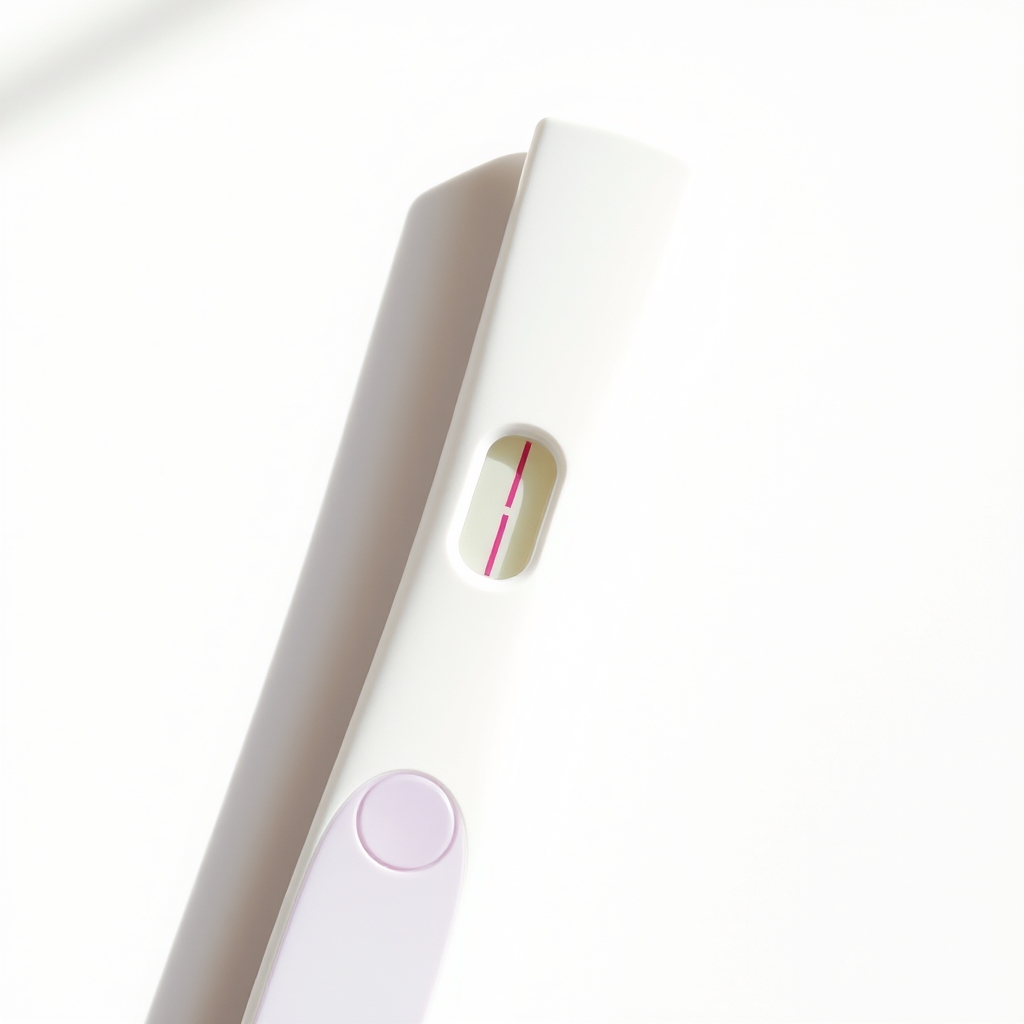
A faint line on a pregnancy test can still indicate early pregnancy. Learn how to interpret the result, when to retest, and what factors affect detection for reliable answers.
By Shubhra Mishra — a mom of two who turned her own confusion during pregnancy into BumpBites, a global mission to make food choices clear, safe, and stress-free for every expecting mother. 💛
Check whether any food is safe during pregnancy with the BumpBites Food Safety Checker.
Quick take: A faint line on a home pregnancy test usually means a low level of hCG, the hormone that signals pregnancy. It can appear as early as 7‑10 days after conception, but it may also be caused by other factors. If you see a faint line, wait 24‑48 hours and test again, or contact your provider for a blood hCG test.
It’s 2 a.m., you’ve just taken a late‑night test, and a barely visible line shows up in the result window. Your heart races. “Is this real? Did I just get a faint positive?” you wonder. You’re not alone—many people first notice a faint line when they’re still waiting for the classic pink‑purple band that says “positive.” The good news is that a faint line is not automatically a cause for alarm, but it does deserve a clear plan.
In this guide we’ll explain exactly what a faint line means, how early it can appear, why it sometimes shows up when you’re not pregnant, and what steps you should take next. We’ll also compare test brands, walk through digital‑vs‑strip interpretation, and give you a checklist for talking to your doctor. By the end you’ll have a roadmap that turns uncertainty into confidence.
What does a faint line on a pregnancy test mean?
A faint line is a low‑intensity test line that appears lighter than the control line and often requires close inspection to see. In most cases it indicates a small amount of human chorionic gonadotropin (hCG) in your urine. hCG is the hormone produced by the placenta after a fertilized egg attaches to the uterine lining. The amount of hCG doubles roughly every 48‑72 hours in early pregnancy, so a faint line typically means you’re at the very beginning of that rise.
However, a faint line can also appear when hCG is present for reasons other than pregnancy, such as recent miscarriage, certain fertility treatments, or a medical condition that produces hCG (e.g., some rare tumors). The line’s darkness is not a reliable gauge of how many weeks pregnant you are; it merely tells you that hCG is detectable at the test’s sensitivity threshold.
Because the test’s chemistry is based on an immuno‑assay that captures any hCG above its detection limit, even a tiny amount can trigger a visible line. This is why many manufacturers advise treating any line as a positive result, while also emphasizing the importance of follow‑up testing to confirm the finding.
How early can a faint line appear on a pregnancy test?
Most over‑the‑counter tests claim they can detect hCG as low as 10 mIU/mL. At that level, a faint line may show up as early as 7‑10 days after ovulation—often before you miss your period. This timing aligns with the “early detection” window recommended by ACOG and the NHS, which suggest testing on the first day of a missed period for the most reliable result.
Because the exact moment a faint line appears varies by individual hormone production, menstrual cycle length, and the specific test’s sensitivity, some people see a faint line a few days earlier, while others need to wait until the second week after implantation. If you test too early, the line may be too light to read accurately, leading to confusion.
Research published in the *Journal of Reproductive Medicine* shows that women who test on day 5 post‑ovulation using a 6 mIU/mL‑sensitive strip can detect hCG in up to 40 % of cases, underscoring how early detection hinges on both test sensitivity and timing.
In practice, many clinicians advise waiting until you have at least one full day of missed menses before relying on a home test. This reduces the chance of a faint, ambiguous line and improves the predictive value of the result.
Can a faint line on a pregnancy test be a false positive?
Yes. A false positive occurs when the test shows a line despite no viable pregnancy. The most common reasons for a false‑positive faint line include:
Recent pregnancy loss (chemical miscarriage) where residual hCG lingers for up to two weeks.
Use of fertility medications that contain hCG, such as certain forms of gonadotropin therapy.
Medical conditions that produce hCG, like gestational trophoblastic disease or rare cancers.
User error—reading the test after the recommended time window (usually >10 minutes) can cause evaporated urine to leave a faint “phantom” line.
According to the CDC, false positives are relatively rare—under 2 % of all home test results. Nevertheless, if you have a faint line and any of the above risk factors, a confirmatory blood test is the safest next step.
In clinical practice, a quantitative serum hCG level below 5 mIU/mL typically rules out pregnancy, while levels between 5‑25 mIU/mL may indicate a very early intrauterine gestation or a lingering post‑miscarriage signal. This nuance is why many providers recommend a repeat blood draw 48 hours apart when the initial result is ambiguous.
It’s also worth noting that certain medications, such as hCG‑containing injections for ovulation induction, can produce a faint line for up to three days after administration, per FDA guidance on test interference.
Should I wait before retesting after seeing a faint line?
Yes. The hormone level doubles every 1‑2 days, so waiting 24‑48 hours gives the hCG a chance to rise enough to produce a darker, unmistakable line. Most manufacturers, including First Response and Clearblue, recommend retesting after at least one full day if the first result is faint or ambiguous.
When you retest, use a first‑morning urine sample. The concentration of hCG is highest after a night of sleep, making the line clearer. If the second test still shows only a faint line, consider testing again after another day or schedule a serum hCG blood test with your provider.
It’s also helpful to record the exact time you took each test, the brand, and any relevant symptoms. This log can aid your clinician in interpreting trends and deciding whether additional imaging, such as a transvaginal ultrasound, is warranted.
Does a faint line indicate pregnancy or hormone changes?
In the majority of cases, a faint line points toward early pregnancy. However, hCG can also rise for non‑pregnancy reasons, as mentioned earlier. Some women experience a slight hCG increase after an ovulation‑inducing medication or a recent miscarriage, which can produce a faint line that fades quickly.
Distinguishing between true early pregnancy and other hormone changes usually requires a follow‑up blood test. Serum hCG offers quantitative results that can track the hormone’s rise over 48‑hour intervals, helping clinicians differentiate a viable pregnancy from a false‑positive scenario.
Additionally, certain endocrine disorders—like pituitary hCG secretion—can cause low‑level hCG that mimics early pregnancy. While rare, these conditions are documented in the ACOG Committee Opinion on hCG testing, reinforcing the need for professional evaluation when results are unclear.
How to interpret a faint line on a home pregnancy test
First, locate the control line—usually a bold, solid line that appears every time the test works properly. Then compare the test line’s intensity to the control line:
Faint but visible: Indicates low hCG; treat as “positive” but confirm with repeat testing.
Very light, disappearing after 5‑10 minutes: Often an evaporated line; treat as “negative” and retest.
No line at all: Negative—hCG not detected above the test’s sensitivity.
For digital tests that display words (“Pregnant” or “Not Pregnant”), a faint line may translate to a “borderline” result. Some devices flash a question mark or a “+” symbol when the line is too faint to read. In those cases, follow the manufacturer’s guidance to repeat the test or use a high‑sensitivity strip test.
When you see a faint line, it’s also useful to note any accompanying symptoms—fatigue, breast tenderness, or mild cramping—as these can reinforce the clinical picture and guide your next conversation with a provider.
What causes a faint line on a pregnancy test besides pregnancy?
Beyond the medical conditions already listed, several everyday factors can produce a faint line:
Medications: Certain antihistamines, antidepressants, and fertility drugs containing hCG can trigger a faint line.
Urine dilution: Drinking large amounts of fluid before testing can lower hCG concentration, leading to a faint line that may become darker with a more concentrated sample.
Expired or faulty test: A test past its expiration date or stored in high heat can lose sensitivity, rendering the line faint even when hCG is present.
Improper testing technique: Not enough urine soaking the test pad or reading the result too early/late can affect line visibility.
When any of these factors are present, it’s wise to repeat the test with a fresh kit and a first‑morning sample.
Environmental contaminants, such as certain cleaning agents, have also been reported to interfere with the immunoassay reaction, though evidence is limited. Keeping the testing area clean and free from strong chemicals can help ensure accurate results.
Is a faint line on a pregnancy test considered positive?
Most manufacturers, including the FDA‑approved brands, state that any visible line in the result window, no matter how faint, should be interpreted as a positive result. The key is that the line must appear within the recommended reading window (usually 3‑10 minutes). If the line appears after that period, it may be an “evaporation line” and should be considered negative.
Because a faint line can be ambiguous, many clinicians advise treating it as a positive until proven otherwise—meaning you should either retest at home or seek a serum hCG test for confirmation.
Guidelines from NICE advise that any ambiguous home test result warrants a follow‑up blood test, especially when the patient is symptomatic or has risk factors for ectopic pregnancy. This approach minimizes missed early diagnoses while avoiding unnecessary anxiety.
Early pregnancy symptoms when test shows a faint line
Even with a faint line, many women start noticing classic early‑pregnancy signs:
Fatigue: Rising hCG can cause a feeling of constant tiredness.
Nausea or “morning sickness”: Hormonal shifts often begin around the time the faint line appears.
Breast tenderness: Hormones prepare the breasts for lactation, leading to soreness.
Light spotting (implantation bleeding): May occur when the embryo embeds itself.
If you experience these symptoms alongside a faint line, the likelihood of a true pregnancy increases. Still, a blood test is the most reliable way to confirm.
Women who notice rapid weight gain, high‑grade fever, or severe abdominal pain should seek care promptly, as these can signal complications unrelated to the faint line itself.
Best pregnancy tests for detecting faint early lines
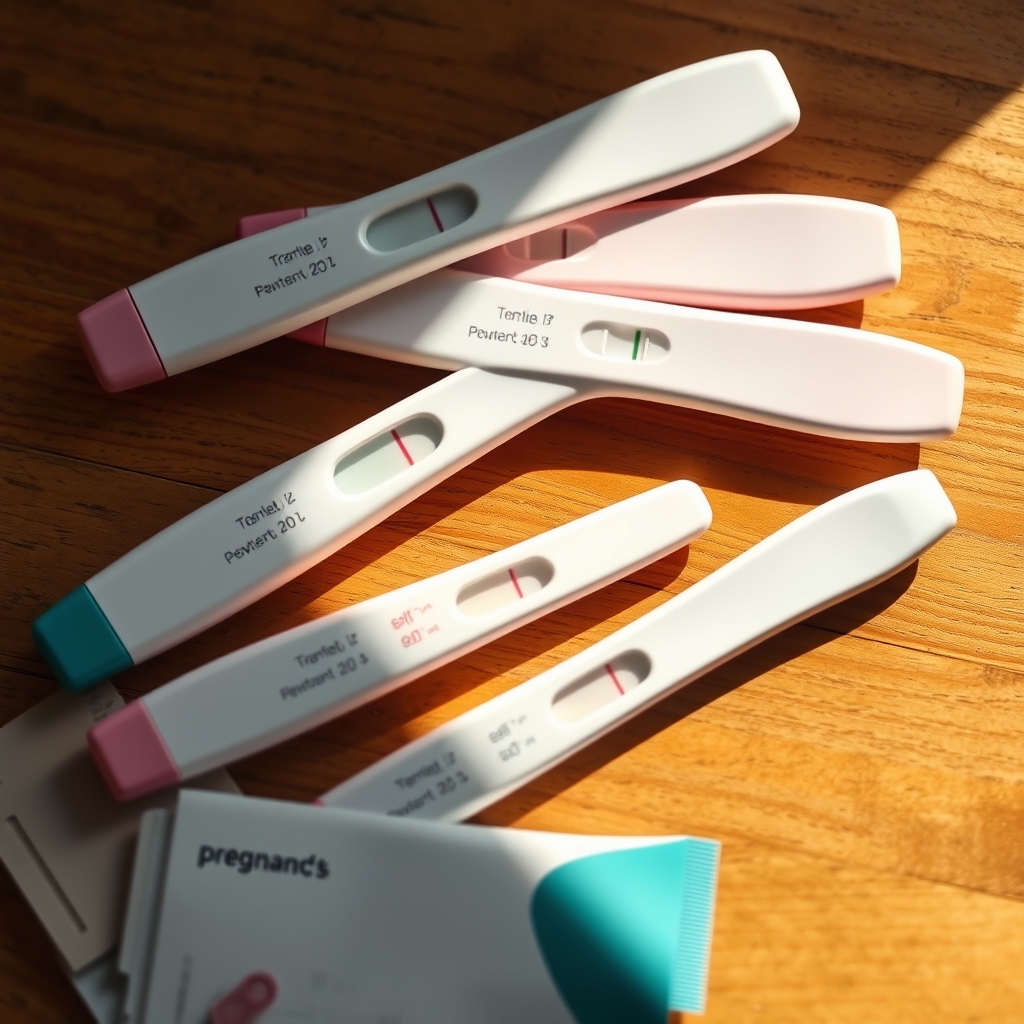
Some tests are specifically marketed for early detection because they have lower hCG thresholds. Below is a comparison of the most sensitive over‑the‑counter options (based on manufacturer data and independent reviews):
Test Brand
Lowest Detectable hCG
Earliest Detection (Days After Ovulation)
Faint‑Line Sensitivity Rating
First Response Early Result
6 mIU/mL
6‑7 days
★★★★★
Clearblue Early Detection
10 mIU/mL
7‑8 days
★★★★
Pregmate Ultra Sensitive
7 mIU/mL
6‑9 days
★★★★
Wondfo Rapid Test
12 mIU/mL
8‑9 days
★★★
All of these kits include clear instructions on how to interpret faint lines. Choose a test with the lowest detection limit if you’re testing very early.
When purchasing, check that the packaging displays the FDA’s “Approved for Home Use” stamp, which confirms the test meets regulatory standards for accuracy and reliability.
A faint test line can appear as early as a week after conception.
How to read a faint line on a digital pregnancy test
Digital tests display words or symbols instead of lines. When the device detects hCG at its threshold, it typically shows “+” or “Pregnant.” If the hormone level is just below the cutoff, the screen may flash a question mark or show a faint “+” that is hard to see.
To interpret a borderline digital result, follow these steps:
Check the device’s battery and ensure it’s fully powered.
Read the result within the manufacturer’s time window (usually 3‑5 minutes).
If the screen shows a faint “+” or a question mark, repeat the test with a first‑morning sample or switch to a high‑sensitivity strip test.
Record the exact wording and time, then discuss it with your provider if uncertainty remains.
Digital tests often have built in controls that reduce user‑error, but they can still be affected by low hCG concentrations. The FDA recommends confirming any ambiguous digital result with a laboratory test before making medical decisions.
Difference between a faint line and an evaporated line on pregnancy tests
An evaporated line (sometimes called a “ghost” line) appears after the recommended reading window—usually 10‑15 minutes after the test is taken. It is caused by urine drying on the test strip, leaving a faint residue that can be mistaken for a positive line.
Key distinctions:
Timing: A true faint line appears within 3‑10 minutes; an evaporated line appears later.
Color: A genuine faint line matches the color of the control line (pink/purple). Evaporation lines are often gray or colorless.
Location: Evaporation lines may appear anywhere on the strip, not just in the designated test window.
If you’re unsure, discard the test and try a new one, following the manufacturer’s timing guidelines.
Some brands now include a “line‑indicator” window that darkens only when a valid reaction occurs, helping users differentiate true results from evaporation artifacts.
When to see a doctor after a faint positive pregnancy test
Schedule an appointment if you have a faint line and any of the following:
Persistent faint line after two separate home tests taken 24 hours apart.
Signs of miscarriage (cramping, bleeding) combined with a faint line.
History of ectopic pregnancy, hormonal disorders, or recent use of fertility medications.
Any concerning symptoms such as severe abdominal pain, fever, or heavy bleeding.
Your provider will likely order a quantitative serum hCG test and an early ultrasound (usually after 6‑7 weeks gestation) to confirm viability and locate the pregnancy.
In cases where an ectopic pregnancy is suspected, clinicians may also monitor hCG trends more closely, as a slower rise (or plateau) can be a red flag. Prompt evaluation is essential to avoid complications.
How long does a faint positive line last on a home test?
A faint line can persist for a few days if hCG levels remain low, such as after a very early pregnancy or a chemical miscarriage. As the hormone rises, the line typically darkens within 24‑48 hours. Conversely, if the faint line is due to an evaporated line or a false positive, it may disappear when you retest with a fresh kit.
Monitoring the line’s intensity over consecutive days is a practical way to gauge whether hCG is increasing (suggesting a progressing pregnancy) or staying static (suggesting a possible false positive).
When the line darkens quickly, most providers consider the pregnancy viable and will schedule the first prenatal visit. If the line remains unchanged or fades, a repeat blood test can clarify whether the hormone is still present or has cleared.
Can certain medications cause a faint line on a pregnancy test?
Yes. Medications that contain hCG—such as certain fertility drugs (e.g., chorionic gonadotropin injections) and some hormonal therapies—can produce a faint positive result. Additionally, high doses of antihistamines (like diphenhydramine) and some anticonvulsants have been reported to interfere with immunoassays, occasionally leading to faint lines.
If you’re taking any of these medications, read the test’s instructions carefully; many manufacturers advise waiting 48‑72 hours after a hCG‑containing injection before testing.
Always inform your provider about any prescription or over‑the‑counter drugs you’re using, as they can help interpret the result in the context of your medication regimen.
Various brands can detect faint lines; choose the one with the lowest hCG threshold for early testing.
From our medical team: A faint line is a signal, not a verdict. It tells you that hCG is present at a low level, which could mean a very early pregnancy or another cause. The safest path is to repeat the test after a day, use a first‑morning sample, and, if the result stays faint, get a serum hCG test. That way you’ll have objective numbers rather than a vague line to interpret.
Can a faint line appear after a recent birth or miscarriage?
Yes. After a full‑term birth or a miscarriage, residual hCG can linger in the bloodstream for several weeks. Because home tests detect urine hCG, a faint line may show up during that clearance period, even though you’re no longer pregnant. The ACOG Committee Opinion on post‑partum hCG states that levels typically fall below 5 mIU/mL within two weeks after delivery, but they can remain detectable longer in some individuals.
If you’ve recently given birth or experienced a miscarriage, it’s wise to wait at least two weeks before using a home test for a new pregnancy. In the meantime, a serum hCG drawn by your provider can confirm whether the hormone has returned to baseline.
How hydration and caffeine intake influence faint‑line results
Urine concentration plays a big role in how clearly a test line appears. Drinking plenty of water before testing dilutes the urine, which can make a low hCG level harder to detect, resulting in a faint or even negative line. Conversely, testing after a night of sleep (when the bladder is fuller) usually yields a more concentrated sample.
Caffeine itself does not directly affect hCG, but many people consume coffee or tea in the morning, which can increase urine output and dilute the sample. If you’re prone to faint lines, try to avoid large fluid intake for a few hours before testing, and always aim for a first‑morning specimen for the most reliable result.
Myth vs. fact
Myth: A faint line always means you’re not pregnant. Fact: A faint line indicates low hCG, which can be an early pregnancy. Confirmation is needed.
Myth: You can ignore a faint line and wait for your period. Fact: Testing too early can give a faint line; waiting 24‑48 hours and retesting provides a clearer answer.
Myth: All home tests are equally good at detecting faint lines. Fact: Sensitivity varies; tests like First Response Early Result detect hCG as low as 6 mIU/mL, making faint lines more visible.
Key takeaways
A faint line means low‑level hCG; treat it as a positive until confirmed.
Test again after 24‑48 hours with a first‑morning urine sample.
Choose a high‑sensitivity test (≤10 mIU/mL) for the earliest detection.
Consider medication, recent miscarriage, or test timing as alternative causes.
If the faint line persists or you have concerning symptoms, schedule a serum hCG test.
Always read the result within the manufacturer’s window to avoid evaporated lines.
Frequently asked questions
Can a faint line on a pregnancy test be ignored?
Direct answer: No, a faint line should not be ignored because it signifies detectable hCG. If you ignore it, you may miss early prenatal care or a false‑positive scenario that needs medical evaluation.
How soon after conception can a pregnancy test show a faint line?
Direct answer: A faint line can appear as early as 7‑10 days after conception, when hCG first reaches the test’s low detection threshold.
What does a faint line on a pregnancy test mean?
Direct answer: It means a small amount of hCG is present, suggesting either a very early pregnancy or another source of the hormone.
Is a faint line on a pregnancy test a false positive?
Direct answer: It can be, especially if you’ve taken fertility medication, recently miscarried, or have a hCG‑producing tumor; a blood test helps differentiate.
Should I take another pregnancy test if I see a faint line?
Direct answer: Yes—repeat the test after 24‑48 hours using a first‑morning sample to see if the line darkens, which would confirm rising hCG.
Can certain medications cause a faint line on a pregnancy test?
Direct answer: Yes; medications that contain hCG or certain antihistamines and anticonvulsants can produce faint positive results.
What should I ask my doctor if I have a faint positive result?
Direct answer: Ask whether a quantitative serum hCG test is recommended, when you should schedule an early ultrasound, and if any medications or recent events could be influencing the result.
Is it safe to start prenatal vitamins after seeing a faint line?
Direct answer: Generally, yes—prenatal vitamins are safe and can be started once you suspect pregnancy, but discuss any specific supplements with your provider, especially if you have medical conditions.
Can stress affect a faint line on a pregnancy test?
Direct answer: Stress does not directly change hCG levels, but high cortisol can alter menstrual timing, which may lead you to test earlier or later than optimal, affecting line visibility.
Could a tubal (ectopic) pregnancy produce a faint line?
Direct answer: Yes—an ectopic pregnancy can generate low hCG that shows up as a faint line. Prompt medical evaluation is essential because ectopic pregnancies require early treatment.
When to call your doctor
If you experience any of the following, contact your healthcare provider right away: heavy vaginal bleeding, severe abdominal pain, fever, dizziness, or a faint line that remains unchanged after two consecutive tests 24 hours apart. This article is for informational purposes only and does not replace personalized medical advice.
References
American College of Obstetricians and Gynecologists (ACOG). “Early Pregnancy Testing.” Clinical Guidance, 2023.
National Health Service (NHS). “Pregnancy tests: how they work.” Patient Information, 2022.
Centers for Disease Control and Prevention (CDC). “Understanding hCG and pregnancy test accuracy.” Health Topics, 2021.
First Response. “Early Result Pregnancy Test – Sensitivity Data Sheet.” Manufacturer Information, 2024.
Not sure about the label on Very Faint Line On Pregnancy Test Early Detection products?
Snap the ingredients list and SafeFilter checks every ingredient for your stage — only 3 free scans this month, then you're locked until reset. Unlimited from $7/mo or $50/yr.
When Shubhra Mishra was expecting her first child in 2016, she was overwhelmed by conflicting food advice — one site said yes, another said never. By the time her second baby arrived in 2019, she realized millions of mothers face the same confusion.
That sparked a five-year journey through clinical nutrition papers, cultural diets, and expert conversations — all leading to BumpBites: a calm, compassionate space where science meets everyday motherhood.
Her long-term vision is to build a global community ensuring safe, supported, and free deliveriesfor every mother — because no woman should face pregnancy alone or uninformed. 🌿
🌍 Stand with mothers, shape safer guidance
Join a small circle of experts who review BumpBites articles so expecting parents everywhere can decide with confidence.