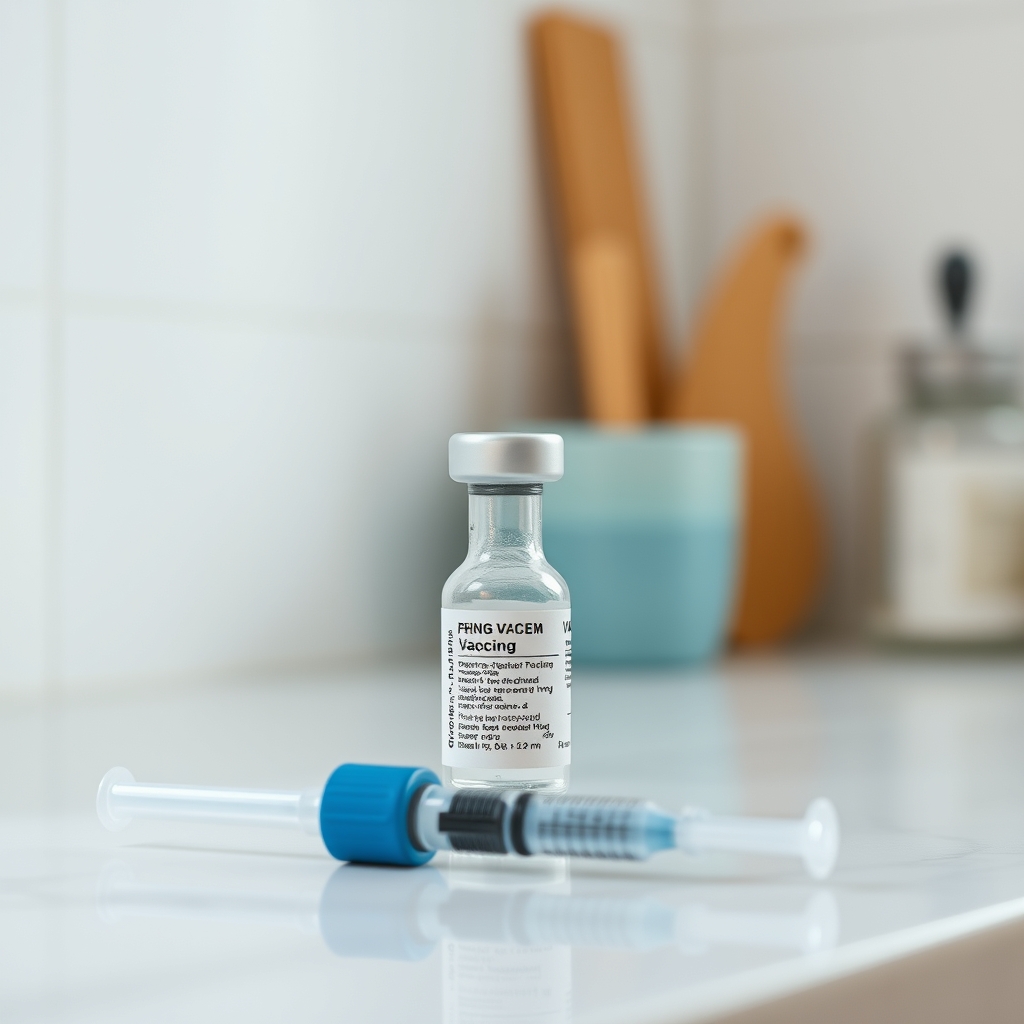
Safe: Vaccine reaction warning signs are mild, but pregnant women should watch for fever or severe rash especially in the first trimester of pregnancy.
By Shubhra Mishra — a mom of two who turned her own confusion during pregnancy into BumpBites, a global mission to make food choices clear, safe, and stress-free for every expecting mother. 💛
Check whether any food is safe during pregnancy with the BumpBites Food Safety Checker.
Quick verdict: ⚠️ Safe with limits — most vaccines are recommended during pregnancy, and severe vaccine reaction warning signs are rare, but you should know the signs and seek care if they appear.
It’s 2 a.m., you just got a flu shot and a little redness is spreading around the injection site. Your mind races: “Is this a normal reaction or something dangerous for my baby?” You’re not alone—many expecting parents wonder about vaccine reaction warning signs and whether it’s safe to keep vaccinating throughout pregnancy. The good news is that, according to the American College of Obstetricians and Gynecologists (ACOG) and the Centers for Disease Control and Prevention (CDC), the vaccines recommended for pregnant people are overwhelmingly safe. However, knowing the subtle cues that differentiate a mild, expected response from a serious reaction can keep you calm and prepared.
In this article we’ll walk through the most common warning signs of vaccine reactions, how timing and trimester affect risk, dosage considerations (especially for flu shots), and what to do if you notice something concerning. We’ll also compare brand‑specific reaction profiles for COVID‑19 vaccines, explore risk factors for people with autoimmune conditions or allergies, and list safer alternatives for those who truly cannot receive a vaccine. By the end, you’ll have a clear, evidence‑based roadmap for staying healthy and protecting your baby.
We’ll also answer the extra questions that often pop up late at night—like how long a reaction might last, whether boosters are okay, and what the difference is between live and inactivated vaccines. If you’ve already experienced a reaction, take a breath; the information below will help you decide whether you need urgent care or simply a quick follow‑up with your obstetrician.
Trimester / Breastfeeding
Verdict
Notes
First trimester
⚠️ Safe with limits
Vaccines recommended (flu, Tdap) are safe; monitor for severe reaction warning signs such as high fever >38.5 °C, persistent vomiting, or difficulty breathing.
Second trimester
✅ Generally safe
Most severe reactions are rare; standard post‑vaccination monitoring (15‑30 min) is sufficient.
Third trimester
✅ Generally safe
Vaccination timing may be adjusted to avoid labor‑related fever; watch for prolonged chills or rash lasting >48 h.
Breastfeeding
✅ Generally safe
Maternal antibodies pass to the infant; severe reaction warning signs remain uncommon.
What are vaccine reaction warning signs?
Vaccines are biological preparations that stimulate your immune system to recognize and fight specific pathogens without causing the disease itself. They contain antigens—tiny fragments of viruses, bacteria, or proteins—along with stabilizers, adjuvants, or preservatives that help the vaccine work effectively. In pregnancy, the goal is two‑fold: protect the mother from infections that could harm the fetus, and pass protective antibodies across the placenta to shield the newborn during the first months of life. Common vaccine types used in pregnancy include inactivated influenza vaccine, tetanus‑diphtheria‑pertussis (Tdap), and, when indicated, mRNA COVID‑19 vaccines. The immune response is typically mild, producing soreness, low‑grade fever, or fatigue—symptoms that usually resolve within a few days.
Severe vaccine reaction warning signs are those that suggest anaphylaxis, a high fever, or a systemic inflammatory response. Look out for:
Difficulty breathing, wheezing, or throat tightness.
Rapid heartbeat (tachycardia) or a drop in blood pressure causing dizziness.
Swelling of the face, lips, tongue, or throat (angioedema).
High fever ≥38.5 °C (101.3 °F) lasting longer than 24 hours.
Severe, spreading rash or hives that do not fade after antihistamines.
Persistent vomiting, diarrhea, or abdominal pain that prevents fluid intake.
These symptoms typically develop within minutes to a few hours after vaccination, but some may appear up to 48 hours later. If any of these signs occur, treat them as an emergency and call 911 or your obstetric provider immediately.
Keep your vaccine supplies in a clean, well‑lit area and always have a glass of water handy after injection.
Is vaccination safe during pregnancy?
The short answer is yes—most vaccines are considered safe, and severe vaccine reaction warning signs are exceedingly rare. The CDC and ACOG both endorse the seasonal influenza vaccine and Tdap vaccine for all pregnant people because the benefits far outweigh the minimal risks. For COVID‑19, the FDA has granted Emergency Use Authorization for mRNA vaccines (Pfizer‑BioNTech, Moderna) in pregnancy, and data from the V‑safe pregnancy registry show no increase in serious adverse events. Severe reactions, such as anaphylaxis or high‑grade fever, are monitored closely, but they occur in less than 0.01 % of doses. The key is recognizing the early warning signs and seeking prompt medical attention if they appear.
Live‑attenuated vaccines (such as MMR or varicella) are contraindicated because they carry a theoretical risk of transmitting the virus to the fetus. Inactivated and subunit vaccines, however, have a long track record of safety. ACOG’s 2020 Practice Bulletin (No. 202) specifically states that “vaccination during pregnancy is safe and should be encouraged when indicated.” The NHS echoes this guidance, noting that the flu and Tdap vaccines have been used in millions of pregnant patients worldwide with no signal of harm.
How to tell if a vaccine reaction is serious during the first trimester
The first trimester is a period of rapid organ development (organogenesis), so many expectant mothers are extra vigilant. Most vaccine side effects—soreness, mild fever, or fatigue—are benign, but a serious reaction would involve the warning signs listed above, plus any symptom that threatens maternal oxygenation or hydration. For example, an anaphylactic reaction can compromise placental blood flow, while a high fever sustained for more than 24 hours may increase the risk of neural tube defects, although the risk is theoretical and extremely low. If you notice any of the red‑flag signs within the first 48 hours after a vaccine, especially in the first trimester, seek care right away.
Because the fetus is most vulnerable during this window, many obstetricians advise a brief observation period after vaccination—usually 30 minutes for those with a history of severe allergies. This extra time does not change the vaccine’s effectiveness but adds peace of mind.
Vaccine reaction symptoms after flu shot dosage guidelines
The inactivated influenza vaccine is the most commonly administered vaccine during pregnancy. The standard adult dose is a single 0.5 mL intramuscular injection. Typical post‑vaccination symptoms include:
Injection‑site soreness or a mild bruise (lasting 1‑2 days).
Low‑grade fever (≤38 °C) or chills for 24 hours.
Muscle aches or mild fatigue for up to 48 hours.
Severe reaction warning signs after a flu shot are rare, but if you develop a fever >38.5 °C that persists beyond a day, hives, or breathing difficulty, treat it as a possible serious reaction. The CDC recommends monitoring for 15 minutes after vaccination; if you have a history of severe allergies, an extended observation period of 30 minutes is prudent.
How long do vaccine reaction symptoms usually last during pregnancy?
Most side effects resolve within 48 hours. Injection‑site soreness typically disappears by the second day, while low‑grade fevers and mild chills usually subside within 24 hours. In rare cases, a rash or joint pain can linger up to a week, but these are still considered non‑serious. If symptoms persist beyond a week, become progressively worse, or are accompanied by any red‑flag sign (e.g., high fever, swelling, or difficulty breathing), contact your provider. The NHS notes that “persistent or worsening symptoms after 72 hours should be evaluated,” reinforcing the importance of a timely check‑in.
Can I receive a COVID‑19 booster while pregnant?
Yes. Both the CDC and ACOG support booster doses for pregnant people when the initial series was completed at least five months prior, or when a new variant‑specific booster is recommended. The safety data from the V‑safe registry, which now includes over 30,000 pregnant boosters, show no increase in severe adverse events compared with the primary series. The same warning signs—anaphylaxis, high fever, or prolonged rash—apply, and the observation period after a booster remains 15 minutes for most patients. Discuss timing with your obstetrician, especially if you’re nearing delivery, as some clinicians prefer to schedule boosters earlier in the third trimester to avoid overlapping with labor‑related fever.
Difference between live and inactivated vaccines in pregnancy
Live‑attenuated vaccines contain weakened forms of the virus that can still replicate, albeit minimally. Because of a theoretical risk of transmitting the virus to the fetus, ACOG and the WHO advise against using live vaccines such as MMR, varicella, or the nasal flu spray during pregnancy. In contrast, inactivated vaccines—like the injectable flu shot, Tdap, and mRNA COVID‑19 vaccines—contain killed virus particles or just the viral protein, eliminating any risk of infection. Inactivated vaccines have a robust safety record and are the only types routinely recommended for pregnant patients.
Risk factors for vaccine reactions in people with autoimmune conditions
Autoimmune diseases such as systemic lupus erythematosus (SLE) or rheumatoid arthritis can modestly increase the likelihood of an exaggerated immune response, but they do not contraindicate vaccination. ACOG notes that pregnant people with well‑controlled autoimmune conditions can safely receive inactivated vaccines. However, risk factors that may heighten reaction warning signs include:
Active disease flare at the time of vaccination.
Concurrent use of high‑dose immunosuppressants (e.g., >20 mg prednisone).
History of prior severe vaccine reactions.
Underlying severe allergy to vaccine components.
When these factors are present, your provider may schedule vaccination during a period of disease stability and observe you for a longer post‑vaccination period.
Vaccine reaction signs for people with allergies
Allergic individuals should be particularly aware of early signs of anaphylaxis after vaccination. The NHS advises that anyone with a history of anaphylaxis to any vaccine component (e.g., egg protein in some flu vaccines, gelatin, or PEG) should receive the vaccine in a setting equipped for emergency care. Warning signs include:
Itching, hives, or a rash that spreads quickly.
Swelling of the face, lips, or throat.
Shortness of breath or wheezing.
Dizziness, fainting, or a rapid drop in blood pressure.
If you have a mild allergy (e.g., to pollen) but no prior vaccine reaction, standard observation (15 minutes) is sufficient. Always inform the vaccinator of any allergy history.
When should I seek medical help for a vaccine reaction
Immediate medical attention is warranted if you experience any of the severe vaccine reaction warning signs listed above, especially difficulty breathing, swelling of the throat, or a high fever that does not respond to acetaminophen. If symptoms are moderate (persistent fever, severe rash, or vomiting lasting more than 24 hours), call your obstetric provider within the next few hours. For any doubt, it’s better to err on the side of caution and have a professional evaluate you.
When vaccines aren’t an option, these supplements can help support immune health—always discuss them with your provider.
Safe dosage / amount / brands
For most inactivated vaccines, the standard adult dose is the only approved amount for pregnant patients. There is no “higher” dose that improves protection, and higher volumes increase the risk of local soreness. Specific guidance:
Influenza vaccine: 0.5 mL intramuscular injection; no repeat dose in the same season.
Tdap vaccine: 0.5 mL intramuscular; recommended between weeks 27‑36, but can be given earlier if needed.
COVID‑19 mRNA vaccines: 30 µg (Pfizer) or 100 µg (Moderna) per dose; two‑dose series, with the second dose at least 3 weeks (Pfizer) or 4 weeks (Moderna) after the first.
All three vaccines are available from multiple manufacturers; brand differences are minimal for the inactivated flu and Tdap vaccines. For COVID‑19, the two mRNA brands have comparable safety profiles, and the FDA and EMA have approved both for use in pregnancy. If you experience a reaction, keep the vaccine packaging for reference and inform your provider of the brand name.
Side effects and risks
Most vaccine side effects are mild and self‑limited:
Soreness at the injection site – resolves within 48 hours.
Low‑grade fever or chills – usually gone within 24 hours.
Fatigue or mild headache – improves after rest.
Severe risks are rare but can be serious. Anaphylaxis requires immediate epinephrine and emergency care. Persistent high fever can theoretically affect fetal development, so treat fevers >38.5 °C with acetaminophen and monitor. If you develop a rash that spreads or any respiratory distress, seek care promptly. Remember that the benefits of preventing influenza, pertussis, or COVID‑19 far outweigh these low‑probability risks.
Safer alternatives
Vitamin C supplement – supports antioxidant defenses without triggering immune over‑activation.
Zinc lozenges – may reduce the duration of common colds.
Probiotic supplement – specific strains can bolster mucosal immunity.
Elderberry syrup – shown to lessen flu‑like symptoms in some studies.
Honey for cough relief – natural soothing agent, safe for adults.
Chamomile tea – gentle calming effect; avoid if you have ragweed allergies.
Related items — safety at a glance
Vaccine
Verdict
One‑line note
Influenza vaccine
✅ Generally safe
Recommended each flu season; mild side effects only.
Tdap vaccine
✅ Generally safe
Protects newborn from pertussis; given between weeks 27‑36.
COVID‑19 vaccine (mRNA)
✅ Generally safe
Strong data show no increase in severe pregnancy complications.
MMR vaccine
❌ Best avoided
Live‑attenuated; contraindicated in pregnancy.
HPV vaccine
⚠️ Talk to your doctor
Live‑like vector; can be deferred until after delivery.
Varicella vaccine
❌ Best avoided
Live vaccine; risk of fetal infection.
Myth vs. fact
Myth: All vaccines cause high fevers that can harm the baby. Fact: Most vaccine‑related fevers are low‑grade and short‑lived; severe fever is rare and treatable.
Myth: If you had a mild reaction to a flu shot, you’ll definitely have a severe reaction to the COVID‑19 vaccine. Fact: Reactions are vaccine‑specific; a mild flu‑shot side effect does not predict a severe COVID‑19 response.
Myth: Pregnant people should avoid all vaccines to protect the fetus. Fact: Vaccines like flu and Tdap protect both mother and baby from serious infections and are endorsed by ACOG and CDC.
Key takeaways
Vaccines recommended in pregnancy are generally safe; severe vaccine reaction warning signs are very uncommon.
Know the red‑flag symptoms—difficulty breathing, swelling, high fever, or persistent rash—and seek care immediately if they appear.
First‑trimester monitoring is essential, but the same warning signs apply across all trimesters.
Standard doses are the only approved amounts; no “extra” dosing is needed for extra protection.
If you cannot receive a vaccine, discuss evidence‑based alternatives like vitamin C or probiotic supplements with your provider.
Always keep your vaccine packaging handy and inform your healthcare team of any prior reactions or allergies.
Frequently asked questions
What are the early signs of a vaccine reaction?
Early signs include localized pain, mild redness, and low‑grade fever; these are normal and resolve within a day or two.
How long after vaccination do reactions typically appear?
Most reactions appear within minutes to 48 hours; severe anaphylactic symptoms usually occur within the first 30 minutes.
When should I call my doctor about a vaccine reaction?
Call immediately if you experience difficulty breathing, swelling of the throat, a rash that spreads, or a fever >38.5 °C lasting more than 24 hours.
Can a vaccine reaction be life‑threatening?
In extremely rare cases, anaphylaxis can be life‑threatening, but prompt treatment with epinephrine and emergency care resolves it in the majority of instances.
Are vaccine reactions more common in the second trimester?
Reaction rates are similar across trimesters; the second trimester does not carry a higher risk of severe vaccine reaction warning signs.
Do certain vaccine brands cause more reactions?
Current data show no significant difference in severe reaction rates between the major COVID‑19 mRNA brands or between flu vaccine manufacturers.
What treatments are available for severe vaccine reactions?
Emergency treatment includes intramuscular epinephrine, antihistamines, and supportive care such as oxygen; after stabilization, your obstetrician will assess any impact on pregnancy.
Can I still get vaccinated after a mild reaction?
Yes—most mild reactions (e.g., soreness or low‑grade fever) do not preclude future doses; discuss timing and observation plans with your provider.
Is it safe to get a COVID‑19 booster in the third trimester?
Yes. ACOG recommends boosters for pregnant patients when indicated, and the V‑safe registry shows no increase in adverse outcomes for third‑trimester boosters. Discuss timing with your obstetrician to avoid overlap with labor‑related fever.
What should I do if I develop a rash after vaccination?
Watch the rash for spreading or worsening; if it does not improve after antihistamines within a few hours, or if you develop fever or breathing difficulty, seek medical care promptly.
When to call your doctor
Seek immediate medical attention (call 911 or go to the nearest emergency department) if you experience any of the following:
Difficulty breathing, wheezing, or throat tightness.
Swelling of the face, lips, tongue, or throat.
High fever ≥38.5 °C lasting longer than 24 hours.
Severe, spreading rash or hives that do not improve with antihistamines.
Persistent vomiting or diarrhea preventing fluid intake.
If you have moderate symptoms—fever lasting more than a day, a rash that covers more than a small area, or persistent fatigue—call your obstetrician within the next few hours for guidance. This content is for informational purposes only and does not replace personalized medical advice.
References
American College of Obstetricians and Gynecologists (ACOG). “Immunization and Pregnancy.” Practice Bulletin No. 202, 2020.
Centers for Disease Control and Prevention (CDC). “Vaccines While Pregnant.” Updated 2023.
National Health Service (NHS). “Flu vaccine in pregnancy.” 2022.
U.S. Food and Drug Administration (FDA). “Emergency Use Authorization for COVID‑19 Vaccines.” 2023.
World Health Organization (WHO). “Pregnancy and Immunization.” 2021.
Mayo Clinic. “Vaccines and Pregnancy: What’s safe?” 2023.
Not sure about the label on Vaccine Reaction Warning Signs products?
Snap the ingredients list and SafeFilter checks every ingredient for your stage — only 3 free scans this month, then you're locked until reset. Unlimited from $7/mo or $50/yr.
When Shubhra Mishra was expecting her first child in 2016, she was overwhelmed by conflicting food advice — one site said yes, another said never. By the time her second baby arrived in 2019, she realized millions of mothers face the same confusion.
That sparked a five-year journey through clinical nutrition papers, cultural diets, and expert conversations — all leading to BumpBites: a calm, compassionate space where science meets everyday motherhood.
Her long-term vision is to build a global community ensuring safe, supported, and free deliveriesfor every mother — because no woman should face pregnancy alone or uninformed. 🌿
🌍 Stand with mothers, shape safer guidance
Join a small circle of experts who review BumpBites articles so expecting parents everywhere can decide with confidence.