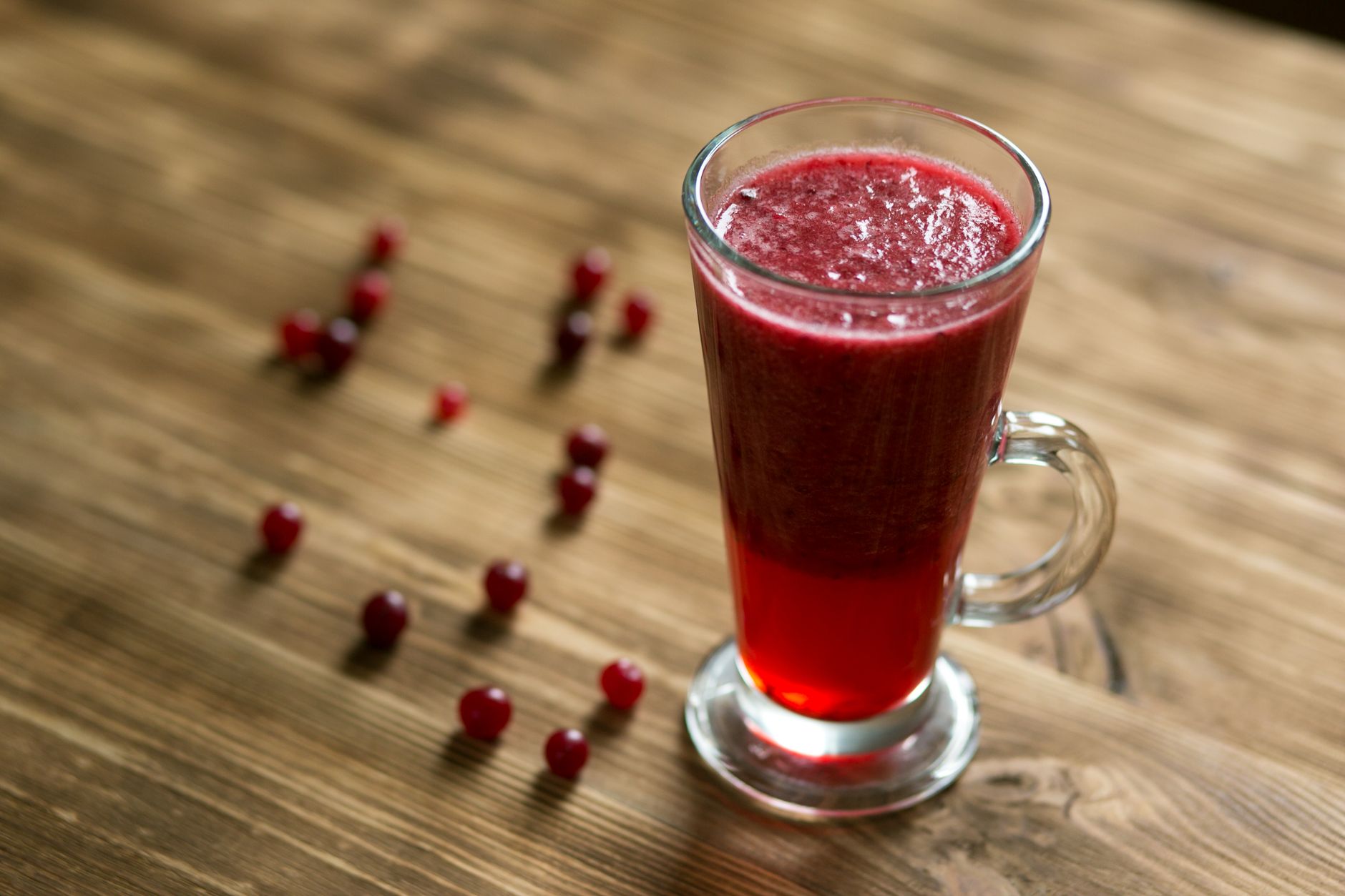
Safe with caution: UTI during pregnancy home remedies like cranberry juice or D-mannose may help, but consult your doctor first—especially in the first trimester or if symptoms persist beyond 48 hours.
By Shubhra Mishra — a mom of two who turned her own confusion during pregnancy into BumpBites, a global mission to make food choices clear, safe, and stress-free for every expecting mother. 💛
Check whether any food is safe during pregnancy with the BumpBites Food Safety Checker.
Quick verdict: ✅ Cranberry juice is generally safe for most pregnant people when used as a home remedy for UTIs, but it should be consumed in moderation and not relied on as the sole treatment. Talk to your provider if you have a confirmed infection or any complications.
It’s 2 a.m., you’re curled up on the couch, and a sudden urge to pee makes you wonder if you’ve caught a urinary tract infection (UTI). You’ve heard that cranberry juice can help, but now you’re scrolling through “uti during pregnancy home remedy safe” searches, heart racing. First, take a breath—you’re not alone, and you’re not alone in feeling this way. The short answer is that cranberry juice is considered safe for most pregnant people, but it’s not a cure-all. In this article we’ll break down exactly how cranberry juice works, what the evidence says, how much you can safely drink each trimester, which brands are reputable, and what safer alternatives exist if you need extra help.
We’ll also walk you through the specific safety considerations for each trimester, discuss potential side effects, and flag the moments when you should call your doctor. By the end, you’ll have a clear, evidence‑based roadmap for using cranberry juice as part of a broader strategy to keep your urinary tract healthy during pregnancy.
Choosing a low‑sugar cranberry juice can make a big difference for both your urinary health and overall pregnancy nutrition.
Trimester / Breastfeeding
Verdict
Notes
First trimester
✅ Generally safe
Limit to 1‑2 cups per day; watch for added sugars that could affect blood glucose.
Second trimester
✅ Generally safe
Same limits apply; ensure adequate hydration alongside juice.
Third trimester
✅ Generally safe
Consider lower‑sugar options if you’re monitoring gestational diabetes.
Breastfeeding
✅ Generally safe
Passes into breastmilk in small amounts; no known adverse effects for infant.
What is cranberry juice?
Cranberry juice is the liquid extracted from fresh or frozen cranberries, a tart berry native to North America. The juice is rich in compounds called proanthocyanidins (PACs), which are thought to prevent certain bacteria—most notably Escherichia coli—from adhering to the lining of the urinary tract. This anti‑adhesion effect is why cranberry products have long been marketed as a natural way to reduce the risk of UTIs. Commercially, cranberry juice is sold either as 100 % pure juice, which can be quite tart, or as a blend with added sweeteners and other fruit juices to improve palatability. The sugar content can vary widely, so reading labels is essential, especially during pregnancy when blood‑sugar control may already be a concern.
Beyond the PACs, cranberries also contain vitamin C, antioxidants, and a modest amount of fiber. While the vitamin C content can help support the immune system, the primary mechanism for UTI prevention is thought to be the anti‑adhesion property of PACs. Researchers have studied cranberry juice for decades, and while results are mixed, many clinicians consider it a low‑risk adjunct to standard medical therapy for uncomplicated UTIs.
Is cranberry juice safe during pregnancy?
C
urrent guidance from major health organizations—including the American College of Obstetricians and Gynecologists (ACOG), the UK’s National Health Service (NHS), and the U.S. Food and Drug Administration (FDA)—indicates that cranberry juice is safe for most pregnant people when consumed in moderation. ACOG notes that “dietary cranberry products are generally regarded as safe in pregnancy” but emphasizes that they should not replace prescribed antibiotics for a confirmed infection. The NHS echoes this, stating that “cranberry juice can be tried as a home remedy for mild urinary symptoms, but medical assessment is still required if symptoms persist.”
Evidence for cranberry juice’s effectiveness in treating an active UTI is modest. A 2017 Cochrane review found that cranberry products may reduce the recurrence of UTIs in non‑pregnant women, but the data were insufficient to draw firm conclusions for pregnant populations. The CDC also acknowledges that while cranberry may help prevent bacteria from sticking to the bladder wall, it is not a substitute for antibiotics when a bacterial infection is present.
Importantly, there are no known teratogenic effects (substances that cause birth defects) linked to cranberry juice. However, many commercially available cranberry drinks contain added sugars, which can contribute to excess caloric intake and may affect gestational diabetes control. Choosing a low‑sugar or unsweetened variety mitigates this risk. For those with a history of kidney stones, some clinicians advise caution because high oxalate levels in cranberries could theoretically increase stone formation, though the risk remains low for most pregnant patients.
Look for “100 % juice” or “no added sugar” labels to keep your intake pregnancy‑friendly.
Is cranberry juice safe for treating UTIs during the first trimester?
During the first trimester—the period of organogenesis when the embryo’s major organs are forming—most health authorities advise caution with any new supplement or remedy. Cranberry juice, however, is considered low‑risk because it is a whole food rather than a concentrated extract. The ACOG guideline for the first trimester does not list cranberry juice as a contraindicated food, and the NHS specifically mentions that it can be used “in moderation” for mild urinary symptoms.
That said, the first trimester is also when nausea and food aversions are common, and the tartness of pure cranberry juice may exacerbate morning sickness for some. If you find the flavor intolerable, you can dilute the juice with water or choose a milder, low‑sugar blend. The key is to keep the quantity within the recommended 1‑2 cups per day and to maintain adequate hydration with plain water.
How much cranberry juice should a pregnant woman drink for a UTI?
Research suggests that a daily intake of about 240 ml (8 oz) of 100 % cranberry juice, providing roughly 30‑40 mg of PACs, may offer a modest anti‑adhesion effect. The FDA does not set a specific limit for cranberry juice, but ACOG and the NHS both advise staying under 2 cups (480 ml) per day to avoid excess sugar. For women monitoring blood glucose, an unsweetened or low‑sugar version is preferable.
For practical dosing, consider drinking 1 cup (240 ml) of pure cranberry juice in the morning and, if tolerated, a second cup in the afternoon. If you’re using a sweetened blend, limit yourself to half a cup (120 ml) and supplement the rest of your fluid intake with water. Always read the nutrition label to track added sugars; aim for less than 20 g of sugar per serving.
Can cranberry juice cure a urinary tract infection during pregnancy?
While cranberry juice may help prevent bacteria from adhering to the urinary tract, it is not a proven cure for an active infection. The most reliable treatment for a confirmed UTI in pregnancy remains a course of safe antibiotics, such as nitrofurantoin or cephalexin, prescribed by your provider. Cranberry juice can be used as a supportive measure alongside antibiotics or while you await a prescription, but it should never replace medical therapy if you have clear symptoms—such as burning during urination, fever, or flank pain.
Clinical trials show mixed results: some studies report a slight reduction in symptom duration, while others find no significant difference compared with placebo. The consensus among obstetricians is that cranberry juice is a low‑risk adjunct, not a primary therapy. If symptoms persist beyond 48 hours, or if you develop a fever, seek medical care promptly.
Best cranberry juice brands safe for pregnant women with UTIs
When choosing a brand, prioritize products that are 100 % cranberry juice with no added sugars or artificial sweeteners. Below is a short list of reputable options that meet these criteria and have been widely available in North America:
Brand
Type
Notes
Lakewood Organic
100 % pure, unsweetened
Organic, low‑oxalate, BPA‑free packaging.
R.W. Knudsen
Pure cranberry juice
Cold‑pressed, no added sugar, widely trusted.
Dynamic Health
Unsweetened concentrate
Mix with water to control portion size.
Ocean Spray (100 % juice)
Pure cranberry
Check label for “no added sugar” version.
Lakewood (low‑sugar blend)
Cran‑Apple blend, 10 g sugar per serving
Good for those who find pure juice too tart.
Are there any risks of drinking cranberry juice while pregnant with a UTI?
The primary risk associated with cranberry juice during pregnancy is its sugar content, which can contribute to excess caloric intake and potentially affect gestational diabetes control. For women with pre‑existing diabetes or a history of gestational diabetes, selecting a low‑sugar or unsweetened version is essential. Additionally, excessive consumption (more than 2 cups per day) may lead to gastrointestinal discomfort, such as cramping or diarrhea.
Another consideration is the oxalate content of cranberries, which can theoretically increase the risk of kidney stones. While the risk is low, women with a personal history of calcium oxalate stones should discuss cranberry intake with their provider. Finally, some commercial cranberry drinks contain artificial additives or high fructose corn syrup, which are best avoided during pregnancy.
What are safe alternative home remedies for UTIs during pregnancy?
Cranberry Extract Capsules (Nature's Bounty): Provides a standardized dose of PACs without added sugar.
D‑Mannose Powder (NOW Foods): A simple sugar that blocks bacterial adhesion; considered safe in pregnancy at typical doses.
Probiotic Yogurt (Activia): Supports healthy vaginal flora, which can help prevent recurrent UTIs.
Apple Cider Vinegar Drink (Bragg): Diluted with water; offers mild acidity that may inhibit bacterial growth.
Vitamin C Supplement (Emergen‑C): Boosts immune function; avoid high‑dose (>2 g) because of gastrointestinal upset.
Baking Soda (Arm & Hammer): A small amount mixed in water can help alkalinize urine, easing discomfort.
Cranberry juice vs. D‑mannose for UTI relief in pregnancy
Both cranberry juice and D‑mannose aim to prevent bacteria from sticking to the urinary tract, but they work through slightly different mechanisms. Cranberry’s PACs interfere with bacterial adhesion, while D‑mannose—a simple sugar—binds directly to the bacterial fimbriae, essentially “distracting” them from the bladder wall. In head‑to‑head studies among non‑pregnant women, D‑mannose has shown comparable or slightly superior efficacy in preventing recurrent UTIs, though data specific to pregnancy remain limited.
Safety-wise, D‑mannose is generally regarded as safe in pregnancy when taken at the usual dose of 1‑2 grams per day, according to the FDA’s Generally Recognized As Safe (GRAS) status. However, very high doses can cause diarrhea. Cranberry juice, as discussed, is safe but carries the sugar‑related considerations. For pregnant patients who are sensitive to sugar or have gestational diabetes, D‑mannose may be the more appropriate option, provided they have no contraindications such as a history of kidney stones.
Should I avoid cranberry juice if I have gestational diabetes and a UTI?
If you have gestational diabetes, the key concern is the amount of added sugar in the juice. Pure, unsweetened cranberry juice contains natural sugars but typically less than 10 g per 240 ml serving. The NHS advises that women with gestational diabetes can include low‑glycemic fruit juices in moderation, monitoring blood glucose closely. Therefore, you don’t need to avoid cranberry juice entirely; simply choose an unsweetened variety and keep your portion to 1 cup (240 ml) per day, or consider a cranberry extract capsule to bypass the sugar issue altogether.
Always discuss your dietary plan with your prenatal care provider, especially if you’re on a carbohydrate‑controlled diet. They can help you integrate cranberry juice safely while maintaining target glucose levels.
Safe dosage / amount / brands
Below is a quick reference for how much cranberry juice is considered safe at each stage of pregnancy, along with brand recommendations that meet low‑sugar criteria.
Stage
Recommended amount
Suggested brands
Notes
First trimester
1‑2 cups (240‑480 ml) per day
Lakewood Organic, R.W. Knudsen
Prefer unsweetened; split into two servings.
Second trimester
1‑2 cups (240‑480 ml) per day
Dynamic Health concentrate, Ocean Spray (no‑added‑sugar)
Hydration is crucial; accompany with water.
Third trimester
1‑2 cups (240‑480 ml) per day
Lakewood low‑sugar blend, R.W. Knudsen
If gestational diabetes, limit to 1 cup of unsweetened.
Breastfeeding
Up to 2 cups (480 ml) per day
Any 100 % pure, low‑sugar brand
No known adverse effects on infant.
Side effects and risks
Most pregnant people tolerate cranberry juice well, but a few side effects can occur:
Gastrointestinal upset: Consuming more than 2 cups per day may cause stomach cramps, diarrhea, or gas.
Blood‑sugar spikes: Sweetened cranberry drinks can raise glucose levels; monitor if you have gestational diabetes.
Kidney stone concern: High oxalate content could theoretically increase stone risk; discuss with your provider if you have a history of stones.
Allergic reaction: Rare, but possible. Discontinue use and seek care if you develop hives, swelling, or difficulty breathing.
If you experience fever, worsening pain, or any of the above symptoms that persist beyond a couple of days, contact your obstetrician promptly. These signs may indicate that the infection requires antibiotic therapy.
Safer alternatives
Cranberry Extract Capsules (Nature's Bounty): Offers a concentrated dose of PACs without the sugar load.
D‑Mannose Powder (NOW Foods): Effective at preventing bacterial adhesion and low in calories.
Probiotic Yogurt (Activia): Supports healthy vaginal flora, which can reduce recurrent UTI risk.
Apple Cider Vinegar Drink (Bragg): When diluted, provides mild acidity that may inhibit bacterial growth.
Vitamin C Supplement (Emergen‑C): Boosts immune function; stay below 2 g per day to avoid gastrointestinal upset.
Baking Soda Solution (Arm & Hammer): A teaspoon mixed in a glass of water can help alkalinize urine and ease burning.
Related items — safety at a glance
Item
Verdict
One‑line note
Cranberry extract tablets
✅ Generally safe
Standardized PACs, low sugar.
D‑Mannose powder
✅ Generally safe
Effective anti‑adhesion, minimal calories.
Probiotic supplements
✅ Generally safe
Supports vaginal flora; check strain safety.
Apple cider vinegar
✅ Generally safe
Diluted; avoid undiluted acidic drinks.
Uva ursi leaf tea
⚠️ Talk to your doctor
Potentially uterotonic; not recommended.
Garlic capsules
✅ Generally safe
Antimicrobial; monitor for odor.
Baking soda solution
✅ Generally safe
Alkalinizes urine; limit to small amounts.
Vitamin C tablets
✅ Generally safe
High doses may cause GI upset.
Myth vs. fact
Myth: Cranberry juice can replace antibiotics for a confirmed UTI.
Fact: Cranberry juice may help prevent bacteria from adhering to the bladder, but antibiotics remain the gold standard for treating an active infection during pregnancy.
Myth: All cranberry drinks are equally beneficial.
Fact: The amount of proanthocyanidins varies widely; pure, unsweetened juice or standardized extracts provide the most consistent dose.
Myth: Drinking unlimited cranberry juice is harmless.
Fact: Excessive intake can raise blood‑sugar levels, cause gastrointestinal distress, and increase oxalate load, which could affect kidney stone risk.
Key takeaways
Cranberry juice is generally safe in pregnancy when limited to 1‑2 cups per day.
Choose 100 % pure, unsweetened varieties to avoid added sugars, especially if you have gestational diabetes.
Cranberry juice can support urinary health but should not replace antibiotics for a confirmed UTI.
If symptoms persist beyond 48 hours, develop a fever, or worsen, contact your provider promptly.
Safe alternatives include cranberry extract capsules, D‑mannose powder, and probiotic yogurt.
Always discuss any home remedy with your obstetrician, especially if you have a history of kidney stones or gestational diabetes.
Frequently asked questions
Can cranberry juice treat a UTI during pregnancy?
It may help reduce bacterial adhesion to the urinary tract, but it is not a cure; antibiotics are required for a confirmed infection.
How many ounces of cranberry juice are safe to drink while pregnant?
Up to 8‑16 oz (240‑480 ml) per day is considered safe, with a preference for unsweetened juice to limit added sugars.
Are there any side effects of cranberry juice for pregnant women?
Most people experience none, but excessive intake can cause stomach upset, increased blood sugar, or, rarely, kidney‑stone‑related concerns.
What home remedies are safe for UTIs in pregnancy?
Safe options include cranberry extract capsules, D‑mannose powder, probiotic yogurt, diluted apple cider vinegar, vitamin C supplements (moderate dose), and a small amount of baking soda in water.
Is D‑mannose safe to use during pregnancy for a UTI?
Yes—clinical guidance classifies D‑mannose as generally safe at typical doses (1‑2 g per day), though you should discuss any supplement with your provider.
Can I use apple cider vinegar to treat a UTI while pregnant?
Diluted apple cider vinegar is considered safe and may provide mild antibacterial effects, but it should not replace medical treatment for an active infection.
When should I see a doctor for a UTI during pregnancy?
Seek care immediately if you develop fever, flank pain, blood in urine, or if symptoms persist more than 48 hours despite home remedies.
Does drinking water help cure a UTI in pregnancy?
Staying well‑hydrated supports urinary flushing and can ease symptoms, but water alone will not eradicate a bacterial infection without antibiotics.
When to call your doctor
If you experience any of the following, contact your obstetric provider right away:
Fever (temperature ≥ 100.4 °F or 38 °C)
Severe flank or back pain
Blood in urine or persistent cloudy urine
Burning that does not improve after 48 hours of home care
Rapid increase in urinary frequency or urgency
Signs of dehydration (dry mouth, dizziness, reduced urine output)
These symptoms may indicate a complicated UTI that requires prompt antibiotic therapy. This article is for informational purposes only and does not replace personalized medical advice.
References
American College of Obstetricians and Gynecologists (ACOG). “Urinary Tract Infections in Pregnancy.” Practice Bulletin No. 200, 2020.
National Health Service (NHS). “Cranberry juice for urinary tract infection.” Updated 2022.
U.S. Food and Drug Administration (FDA). “GRAS Notice for D‑Mannose.” 2021.
Centers for Disease Control and Prevention (CDC). “Urinary Tract Infection (UTI) Treatment Guidelines.” 2023.
World Health Organization (WHO). “Nutrition during Pregnancy.” 2021.
Mayo Clinic. “Cranberry juice and urinary tract infections.” Accessed July 2024.
National Institutes of Health (NIH). “Cranberry (Vaccinium macrocarpon) and urinary health.” 2022.
Not sure about the label on Uti During Pregnancy Home Remedy Safe products?
Snap the ingredients list and SafeFilter checks every ingredient for your stage — only 3 free scans this month, then you're locked until reset. Unlimited from $7/mo or $50/yr.
When Shubhra Mishra was expecting her first child in 2016, she was overwhelmed by conflicting food advice — one site said yes, another said never. By the time her second baby arrived in 2019, she realized millions of mothers face the same confusion.
That sparked a five-year journey through clinical nutrition papers, cultural diets, and expert conversations — all leading to BumpBites: a calm, compassionate space where science meets everyday motherhood.
Her long-term vision is to build a global community ensuring safe, supported, and free deliveriesfor every mother — because no woman should face pregnancy alone or uninformed. 🌿
🌍 Stand with mothers, shape safer guidance
Join a small circle of experts who review BumpBites articles so expecting parents everywhere can decide with confidence.