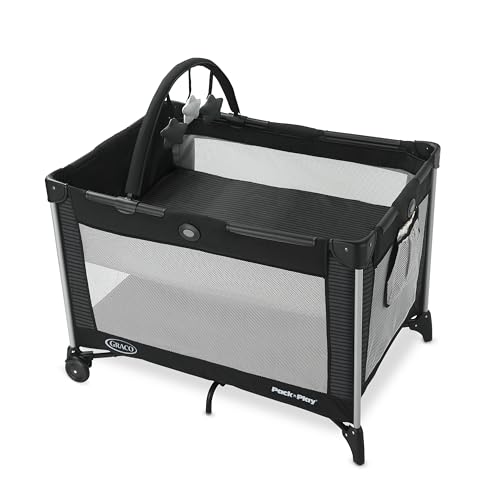
Transitioning from bassinet to crib? Learn when and how to make the switch safely, with expert tips to ease your baby’s move for better sleep and comfort.
By Shubhra Mishra — a mom of two who turned her own confusion during pregnancy into BumpBites, a global mission to make food choices clear, safe, and stress-free for every expecting mother. 💛
Check whether any food is safe during pregnancy with the BumpBites Food Safety Checker.
Quick take: Most babies are ready to move from a bassinet to a crib between 3 and 4 months of age, when they can roll over or push up on their hands. Transitioning is safest when you follow a gradual‑introduction plan, check that the crib meets current safety standards, and keep an eye on your baby’s sleep cues. If your little one seems uncomfortable or you notice any safety concerns, pause and talk with your pediatrician.
It’s 2 a.m., you’ve just rocked your newborn back to sleep, and a sudden “wiggle” in the bassinet makes you wonder: “Is it time to move her to a crib?” You’re not alone. Many parents hit this question between the first and fourth month, and the answer hinges on a mix of developmental milestones, safety guidelines, and a bit of trial‑and‑error. In this guide we’ll walk through exactly when and how to make the switch, what to expect, and how to keep the process smooth and safe.
We’ll cover the benefits and drawbacks of staying in a bassinet versus moving to a crib, the signs that your baby is ready, a detailed checklist, practical tips for creating a crib‑friendly sleep environment, and common challenges you might face. By the end you’ll have a clear, step‑by‑step plan and a confidence boost that many parents only gain after weeks of trial‑and‑error.
When should you transition from bassinet to crib?
Most pediatric guidelines, including those from the American College of Obstetricians and Gynecologists (ACOG) and the UK’s National Institute for Health and Care Excellence (NICE), recommend moving to a crib before a baby can roll over or sit up unassisted—typically between 3 and 4 months of age. The exact timing varies because each infant develops at their own pace.
Key milestones that signal it’s time to transition:
Rolling from front to back or back to front.
Pressing up on hands, pushing the head off the bassinet mattress.
Growing out of the bassinet’s weight limit (often 15–20 lb).
Showing a desire to climb out, which can increase the risk of falls.
If you notice any of these signs, aim to make the move within the next two weeks. The transition window is flexible—some babies make the switch as early as 2 months, while others wait until 5 months.
Bassinet vs crib for newborns: benefits and drawbacks of each
Choosing between a bassinet and a crib isn’t a matter of “better” versus “worse.” Both have unique advantages that fit different stages of early life.
Requires slatted sides, no drop‑sides, and a firm mattress.
Benefits of a bassinet include the ability to keep baby close during night‑time feedings, reduced risk of rolling onto a hard surface, and portability for families who travel or have limited space. Drawbacks are the early weight limit, limited growth space, and the fact that many babies outgrow it before they’re developmentally ready to stay safely in one place.
Benefits of a crib are longevity (usable from birth through toddler years), compliance with the American Academy of Pediatrics (AAP) safe‑sleep recommendations, and a stable environment that reduces the chance of a baby falling out. Drawbacks include the need for a larger nursery, the initial cost, and the fact that some newborns may feel less “snug” in a bigger space.
How to transition baby from bassinet to crib: a step‑by‑step plan
Turning a bassinet into a crib‑friendly zone isn’t an overnight event. Below is a practical roadmap that blends evidence‑based safety with the gentle approach many parents find successful.
Step 1: Prepare the crib
Verify that the crib meets current safety standards (U.S. Consumer Product Safety Commission, CPSC; UK BS EN 716‑1).
Assemble the crib on a firm, flat surface; avoid using drop‑sides or any aftermarket accessories.
Place a firm, well‑fitted mattress that is no more than 2 inches thick.
Remove all blankets, pillows, stuffed animals, and bumpers—these are hazards linked to sudden infant death syndrome (SIDS) according to the AAP.
Step 2: Create a familiar sleep scent
Babies rely heavily on scent for comfort. Place a piece of your worn‑in T‑shirt or a small, clean cloth that smells like you near the crib (but not touching the baby) for the first few nights. This mimics the “skin‑to‑skin” cue you get from a bassinet near you.
Step 3: Gradual introduction
Start with short naps: place your baby in the crib for a 20‑minute nap while you stay nearby.
Increase crib time by 15 minutes each day, alternating with bassinet sleep.
When night‑time feedings become routine, try one full night in the crib, then return to the bassinet if your baby seems unsettled.
Step 4: Keep the bedtime routine consistent
Maintain the same lullabies, dim lighting, and feeding schedule you use with the bassinet. Consistency signals to the brain that it’s still “sleep time,” regardless of the sleep surface.
Step 5: Monitor and adjust
Watch for signs of distress—frequent crying, trouble falling asleep, or excessive movement. If these appear, pause the transition and try a slower pace.
Checklist for a successful transition
Crib meets CPSC/BS EN 716‑1 standards.
Firm mattress that fits snugly.
No soft bedding, toys, or bumper pads.
Room temperature 68‑72 °F (20‑22 °C).
White‑noise or soft music to mask sudden sounds.
Consistent bedtime routine.
Gradual increase in crib sleep time.
Daily log of baby’s sleep patterns and any concerns.
Bassinet to crib transition tips for a smooth move
Even a well‑planned transition can feel like a mini‑marathon for parents. Below are proven tips that keep the experience calm for both you and your baby.
1. Choose the right crib early. Look for a crib with adjustable mattress heights—lower settings are essential for newborns, while higher settings accommodate a growing baby. A convertible crib that later transforms into a toddler bed can be a cost‑effective long‑term solution.
2. Keep the sleep environment similar. Use the same bedding colors and textures you’ve used in the bassinet. If you’ve been using a breathable cotton swaddle, continue with a sleep sack in the crib.
3. Use a night‑light. A soft, amber‑hued night‑light can ease the visual shift from a dark bassinet to a larger crib that feels more open. Avoid blue‑light LEDs as they can interfere with melatonin production.
4. Offer extra soothing. A gentle back rub or a few minutes of skin‑to‑skin contact before placing the baby in the crib can calm the nervous system. The CDC notes that skin‑to‑skin helps regulate temperature and heart rate.
5. Stay nearby the first few nights. Consider a bedside crib or a portable bassinet placed next to the crib for the first 24‑48 hours. This allows you to respond quickly while your baby gets used to the new space.
Set up a sleep‑friendly crib space that feels familiar and inviting.
These tips reduce the “shock” factor and can shorten the adjustment period from weeks to a few days.
What to expect when transitioning from bassinet to crib
Even with the best preparation, it’s normal for babies to experience a brief “adjustment window.” Here’s what many parents report, based on anecdotal feedback and the AAP’s observations.
Shorter naps. Your baby may take more frequent, shorter naps as they learn the new surface.
Increased fussiness. A few extra cries at bedtime are common, often reflecting the need to re‑establish a sense of security.
More frequent “checking”. You’ll likely find yourself checking on the baby more often, which is a natural response.
Gradual improvement. By the end of the first week, most babies settle into a pattern similar to their bassinet routine.
If your baby continues to show prolonged distress (more than three consecutive nights of intense crying) or you notice a regression in feeding or weight gain, consult your pediatrician.
Bassinet to crib transition safety tips
Safety is the foundation of any sleep‑space change. Follow these evidence‑based precautions to protect your newborn.
Crib safety checklist
Safety Item
What to Look For
Why It Matters
Slat spacing
≤ 2 ¼ in (57 mm)
Prevents head from slipping through.
Mattress fit
No more than 2 cm gap on any side
Reduces risk of entrapment.
Hardware
All screws tight; no missing parts
Ensures structural integrity.
Finish
Non‑toxic, lead‑free paint or finish
Protects against chemical exposure.
Drop sides
Absent (modern cribs no longer use them)
Drop sides are linked to higher injury rates.
Room‑environment safety
Place the crib away from windows, curtains, and cords.
Avoid placing toys, pillows, or loose blankets in the crib.
Use a firm, flat mattress that is specifically labeled for infant use.
Keep the crib at the same height as the bassinet to prevent a bump when moving the baby.
Monitoring during the transition
Use a baby monitor with audio and, if possible, video to keep an eye on nighttime movement. The FDA recommends monitors that meet the “low‑radiation” standard for wireless devices.
Signs baby is ready to transition from bassinet to crib
Beyond the developmental milestones already listed, there are subtle cues that can help you decide if the timing feels right.
Restlessness in the bassinet. If your baby consistently pushes the mattress down or seems to “bounce” while sleeping, they may be outgrowing the confined space.
Increased mobility. Babies who start to sit up with support often try to climb out of the bassinet, which can lead to falls.
Weight approaching the bassinet’s limit. Most bassinets list a maximum weight; crossing that threshold is a clear safety signal.
Longer awake periods. As babies develop, they spend more time awake and need a larger surface for safe stretching.
Preference for a larger space. Some infants simply seem more comfortable with extra room around them, indicating readiness for a crib.
When you notice two or more of these signs, it’s a good cue to start the transition plan.
From our medical team: The safest transition happens when you combine developmental readiness with a well‑prepared crib. If your baby can roll both ways, it’s time to move them out of the bassinet. Always double‑check that the crib meets the latest CPSC or BS EN safety standards, and keep a close eye on sleep patterns for the first few nights. If anything feels off—especially excessive fussiness or changes in feeding—reach out to your pediatrician.
Myth vs. fact
Myth: You must wait until a baby is 6 months old before using a crib. Fact: Most babies can safely use a crib as early as birth, provided the crib meets current safety standards and a firm mattress is used.
Myth: A bassinet is always safer because it’s smaller. Fact: While bassinets are great for newborns, they become unsafe once a baby can roll or exceed the weight limit; a properly built crib is the safest long‑term option.
Myth: You should never let a baby sleep in a crib until they can sit up. Fact: The AAP recommends placing babies on their backs in a crib from day one to reduce SIDS risk, regardless of sitting ability.
Key takeaways
Most babies transition between 3 and 4 months, often when they start rolling.
Choose a crib that meets CPSC (U.S.) or BS EN (U.K.) safety standards and has adjustable mattress heights.
Gradually introduce the crib with short naps, keeping the bedtime routine consistent.
Remove all soft bedding, toys, and bumpers to follow AAP safe‑sleep guidelines.
Watch for signs of distress; a few extra fusses are normal, but prolonged crying warrants a pediatric check‑in.
Maintain a sleep‑friendly environment: firm mattress, cool room temperature, and minimal light.
Frequently asked questions
At what age should I transition my baby from a bassinet to a crib?
Most experts advise moving between 3 and 4 months, especially once the baby can roll over or push up on hands.
How do I know if my baby is ready to move from a bassinet to a crib?
Look for developmental cues like rolling, increased mobility, and approaching the bassinet’s weight limit, plus any signs of restlessness.
What are the benefits of using a bassinet for my newborn?
A bassinet offers a snug, portable space that keeps baby close for night‑time feedings and can be easier to maneuver in smaller homes.
Can I use a crib from birth, or do I need a bassinet?
You can start with a crib if it meets safety standards and uses a firm, flat mattress; many parents choose a bassinet for the first few weeks for convenience.
How can I ensure a safe transition from a bassinet to a crib?
Follow a step‑by‑step plan: verify crib safety, remove soft items, introduce the crib gradually, and monitor your baby’s sleep cues.
What are the differences between a bassinet and a crib?
A bassinet is smaller, portable, and has a lower weight limit, while a crib is larger, stationary, and designed for long‑term use with stricter safety standards.
When to call your doctor
If your baby shows any of the following, contact your pediatrician promptly: persistent crying for more than three nights, difficulty breathing or unusual sleep patterns, fever over 100.4 °F (38 °C), or signs of injury after a fall. This article provides general information only and does not replace personalized medical advice.
References
American Academy of Pediatrics. “Safe Sleep for Babies.” Policy Statement, 2022.
American College of Obstetricians and Gynecologists (ACOG). “Guidelines for Infant Sleep Safety.” 2023.
Not sure about the label on Transitioning From Bassinet To Crib products?
Snap the ingredients list and SafeFilter checks every ingredient for your stage — only 3 free scans this month, then you're locked until reset. Unlimited from $7/mo or $50/yr.
When Shubhra Mishra was expecting her first child in 2016, she was overwhelmed by conflicting food advice — one site said yes, another said never. By the time her second baby arrived in 2019, she realized millions of mothers face the same confusion.
That sparked a five-year journey through clinical nutrition papers, cultural diets, and expert conversations — all leading to BumpBites: a calm, compassionate space where science meets everyday motherhood.
Her long-term vision is to build a global community ensuring safe, supported, and free deliveriesfor every mother — because no woman should face pregnancy alone or uninformed. 🌿
🌍 Stand with mothers, shape safer guidance
Join a small circle of experts who review BumpBites articles so expecting parents everywhere can decide with confidence.