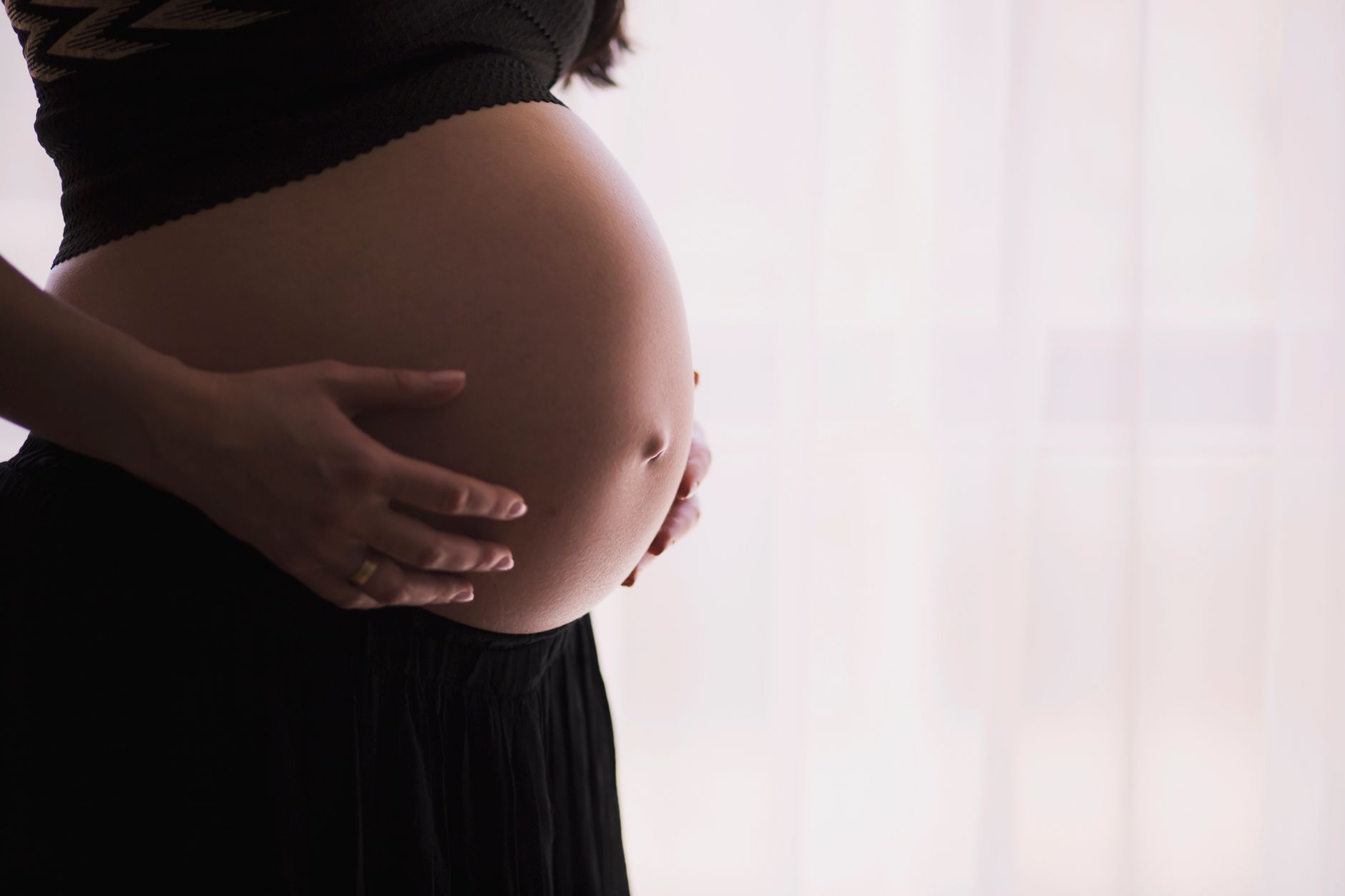
Experiencing third trimester pregnancy symptoms? Learn about common signs like Braxton Hicks, swelling, and fatigue, plus when to seek medical advice for a smooth final stretch.
By Shubhra Mishra — a mom of two who turned her own confusion during pregnancy into BumpBites, a global mission to make food choices clear, safe, and stress-free for every expecting mother. 💛
Check whether any food is safe during pregnancy with the BumpBites Food Safety Checker.
Quick take: Most third‑trimester symptoms—back ache, swelling, heartburn, and occasional cramps—are normal signs that your body is making room for baby. Stay comfortable with gentle movement, a balanced diet, and good sleep habits, and call your provider if you notice any sudden pain, bleeding, or a marked change in fetal movement.
It’s 10 p.m., you’re curled up on the couch feeling a dull ache in your lower back, and a wave of fatigue washes over you as you stare at the baby‑size bump in the mirror. You wonder, “Are these aches and the swelling in my ankles just part of pregnancy, or should I be worried?” You’re not alone—most expectant parents face a flood of new sensations in the last three months.
In this guide we’ll walk through every common third‑trimester symptom, explain which changes are typical and which signal a warning, and give you practical, doctor‑approved ways to feel better each day. From soothing heartburn to tracking fetal kicks, you’ll leave with clear actions and confidence that you’re doing the right thing for you and your baby.
What are the common third trimester pregnancy symptoms?
By the time you reach weeks 28 through 40, your body has undergone dramatic shifts. Hormones, the growing uterus, and increased blood volume all contribute to a predictable pattern of signs that most people experience.
Discomfort often eases with gentle stretching and elevated feet.
31‑34
Increased fatigue, Braxton Hicks contractions, more noticeable fetal kicks
Rest in left‑side position; track movements twice daily.
35‑37
Swelling of ankles and feet, shortness of breath, frequent urination
Stay hydrated, wear supportive stockings, and sleep with a pillow between knees.
38‑40
Stronger Braxton Hicks, occasional cramping, heightened anxiety about labor
Practice breathing techniques; call provider if pain is sharp or constant.
Most of these sensations stem from the uterus expanding, the ligaments stretching, and the extra blood your body needs to support the baby. Hormonal changes increase relaxation of smooth muscle, which is why heartburn and constipation become more common. Understanding the “normal” timeline helps you differentiate everyday discomfort from signs that merit a call to your obstetrician.
How symptoms differ by trimester
Earlier in pregnancy, nausea, breast tenderness, and mood swings dominate. In the third trimester, the focus shifts to musculoskeletal strain, fluid retention, and respiratory changes. If a symptom that began earlier suddenly worsens—such as sudden, severe abdominal pain or a rapid increase in swelling—it may indicate a complication and should be evaluated promptly.
Even simple comforts like a glass of water and a supportive cushion can ease third‑trimester aches.
How can I relieve third trimester back pain?
Back pain affects roughly 70 % of pregnant people in the final trimester. The growing uterus tilts your pelvis forward, straining the lumbar spine and sacroiliac joints. Fortunately, a few low‑impact strategies can bring relief without medication.
Gentle stretches and prenatal yoga
Cat‑Cow stretch: On hands and knees, alternate arching and rounding your back. Move slowly for 1 minute, three times a day.
Pelvic tilt: Lie on your back with knees bent, gently press your lower back into the floor, hold for 5 seconds, repeat 10 times.
Many community centers offer prenatal yoga classes that focus on core stability and safe spinal alignment.
Supportive sleep positions
Sleeping on your left side reduces pressure on the vena cava—the large vein that returns blood from your lower body—improving circulation and easing lumbar strain. Use a firm pillow between your knees to keep the hips aligned, and consider a pregnancy‑specific wedge pillow under your belly for extra support.
When to use heat or cold
A warm compress applied for 15 minutes can relax tight muscles, while a cold pack (wrapped in a cloth) can numb acute soreness. Alternate the two if you’re unsure which feels better, but avoid excessive heat that might raise your core temperature.
Safe exercises for back comfort
Low‑impact activities such as walking, swimming, and stationary cycling keep the body moving without jolting the spine. Aim for 20‑30 minutes most days; the rhythmic motion promotes blood flow and reduces stiffness.
What causes swelling in the feet and ankles during the third trimester?
Edema—fluid buildup in the lower limbs—is one of the most common third‑trimester complaints. It’s usually harmless, but understanding its triggers helps you manage it and spot the rare cases that need medical attention.
Why swelling happens
Increased blood volume: Your circulatory system expands by up to 50 % to nourish the baby, putting extra pressure on veins.
Uterine pressure: The uterus compresses the inferior vena cava, slowing blood return from the legs.
Hormonal relaxation of vessel walls: Progesterone loosens smooth muscle, allowing fluid to seep into surrounding tissue.
Dietary tweaks that help
Limit excess sodium, which encourages fluid retention, and keep a steady intake of potassium‑rich foods—bananas, sweet potatoes, and leafy greens—to help balance electrolytes. Staying well‑hydrated (about 2‑3 liters of water daily) paradoxically reduces swelling because the body retains less water when it’s not thirsty.
Practical steps to reduce edema
Elevate your feet above heart level for 15 minutes a few times daily.
Wear compression stockings (class 1) that fit snugly but comfortably.
Avoid standing or sitting for long periods; shift weight or take short walks every hour.
Massage the lower legs gently from ankle toward knee, using upward strokes.
When swelling could signal a problem
Sudden, severe swelling—especially if accompanied by shortness of breath, headache, or visual changes—may indicate preeclampsia, a pregnancy‑specific hypertension disorder. If you notice rapid swelling in one leg, call your provider right away, as this can be a sign of a blood clot.
Late pregnancy fatigue tips: how to stay energized in the third trimester
Fatigue peaks around weeks 32‑36 as the body works overtime to support the growing baby. While you can’t eliminate tiredness entirely, a few lifestyle tweaks can boost your stamina and mood.
Nutrition for lasting energy
Prioritize complex carbohydrates—whole‑grain toast, oatmeal, quinoa—to provide steady glucose release.
Include protein at each meal (Greek yogurt, eggs, lean poultry) to prevent blood‑sugar dips.
Snack on iron‑rich foods (fortified cereal, dried apricots) paired with vitamin C (citrus) to enhance absorption.
Smart scheduling
Break larger tasks into short, 10‑15 minute chunks and sprinkle brief rest periods between them. Use a planner or phone reminder to balance work, household chores, and self‑care.
Gentle movement to fight tiredness
Even a 10‑minute walk around the block raises circulation and releases endorphins, which can lift mood and reduce perceived fatigue. If you’re short on time, try marching in place while watching TV.
Hydration and caffeine
Dehydration often masquerades as fatigue. Aim for at least eight cups of water daily, and limit caffeine to 200 mg (about one 12‑oz coffee) because excess caffeine can worsen insomnia.
Is third trimester cramping normal, and how to tell if it signals labor?
Cramping can feel unsettling, especially when it mimics menstrual pain. In most cases, it’s a benign sign of the uterus preparing for birth, but distinguishing it from true labor is essential.
Typical Braxton Hicks versus true labor
Braxton Hicks: Irregular, painless or mildly uncomfortable tightening that can last 30 seconds to a few minutes, often triggered by activity, a full bladder, or a full stomach.
True labor: Regular, progressively stronger contractions occurring every 5 minutes or less, lasting 45‑60 seconds, and not relieved by changing position or hydration.
How to differentiate them at home
Time the intervals: if they become more consistent, call your provider.
Check intensity: true labor feels like a deep, wave‑like pressure that doesn’t go away.
Notice the pattern: Braxton Hicks often stop when you rest or drink water.
When to seek help
If cramping is accompanied by bleeding, fluid leakage, a sudden increase in intensity, or a fever, contact your obstetrician immediately. These could signal infection, placental issues, or preterm labor.
What are the signs of preterm labor in the third trimester?
Preterm labor—contractions that begin before 37 weeks—requires prompt evaluation. Early detection can improve outcomes for both mother and baby.
Persistent low‑back or pelvic pressure that doesn’t ease with rest.
Change in vaginal discharge—especially watery (possible rupture of membranes) or mucous‑filled.
Bleeding or spotting that’s new or heavier than usual.
Sudden, severe abdominal pain or cramping that feels different from Braxton Hicks.
Risk factors to keep in mind
Previous preterm birth, uterine anomalies, cervical insufficiency, and certain infections increase the chance of early labor. If any of these apply, your provider may schedule more frequent monitoring.
What to do if you suspect preterm labor
Call your obstetrician or go to the nearest labor‑and‑delivery unit right away. Bring a record of contraction timing if possible; early medical intervention can involve steroids to accelerate fetal lung maturity and, in some cases, medications to halt contractions.
How can I soothe heartburn in the third trimester?
Heartburn affects up to 80 % of pregnant people, especially after meals. The hormone progesterone relaxes the lower esophageal sphincter, and the growing uterus pushes the stomach upward, allowing acid to reflux.
Dietary adjustments
Eat smaller, more frequent meals (5‑6 small portions rather than three large ones).
Include alkaline foods such as bananas, oatmeal, and low‑fat dairy to neutralize acid.
Practical lifestyle tricks
Stay upright for at least 30 minutes after eating; a gentle walk helps gravity keep acid down.
Elevate the head of your bed 6‑8 inches using a wedge pillow.
Chew sugar‑free gum after meals to stimulate saliva, which naturally buffers stomach acid.
Safe over‑the‑counter options
Antacids containing calcium carbonate (e.g., Tums) are generally considered safe in pregnancy. Avoid products with sodium bicarbonate or magnesium trisilicate unless your provider approves.
When should I expect baby movements in the third trimester?
Feeling your baby move—often called “quickening”—is one of the most reassuring signs that the pregnancy is progressing well. By the third trimester, movements become stronger, more patterned, and easier to count.
Typical movement patterns
From week 28 onward, most people feel 10‑15 distinct movements within a two‑hour window.
Movements may feel like flutters, rolls, or gentle kicks; they often increase after meals or when you change position.
Nighttime is a common period for more vigorous activity, as the baby responds to your relaxed state.
How to monitor kicks
Choose a consistent time each day—often after a snack or before bedtime. Count each distinct movement until you reach 10. If you don’t feel 10 movements within two hours, rest on your left side and try again. If the count remains low, call your provider.
When movements change
A sudden decrease in activity, a sharp drop in the usual pattern, or feeling “no kicks” for several hours warrants a call. Also alert your provider if you notice a new, rhythmic “punch‑like” sensation that could indicate early labor contractions.
Counting kicks each day helps you notice any change early.
From our medical team: “Most of the aches you’re feeling—back pain, swelling, heartburn—are part of the body’s normal preparation for birth. Keep a symptom diary, stay hydrated, and use the safe, low‑impact strategies we’ve outlined. If you ever notice a rapid change—such as sudden, sharp pain, a gush of fluid, or a marked drop in fetal movements—don’t wait. Call your provider right away. Your comfort matters, but your safety and your baby’s wellbeing are the top priorities.”
Myth vs. fact
Myth: Swelling in the feet always means preeclampsia. Fact: Mild, gradual swelling is common and usually harmless; sudden or severe swelling with headache or vision changes signals a possible problem and requires prompt evaluation.
Myth: All back pain in the third trimester signals a serious spinal issue. Fact: The majority of back aches are due to the shifting center of gravity and can be eased with posture adjustments, supportive pillows, and gentle stretching.
Myth: If you feel any cramping, labor has begun. Fact: Braxton Hicks are irregular and painless; true labor contractions become regular, progressively stronger, and do not subside with rest.
Key takeaways
Most third‑trimester symptoms are normal; track them to spot unusual changes.
Back pain, swelling, and heartburn improve with posture, elevation, and diet tweaks.
Count fetal movements daily; 10 movements within two hours is a reassuring benchmark.
Call your provider for sudden, severe pain, rapid swelling, bleeding, fluid loss, or a noticeable drop in kicks.
Stay active with low‑impact exercise, stay hydrated, and prioritize sleep on your left side.
Frequently asked questions
What are the signs of preterm labor in the third trimester?
Regular, increasingly strong contractions, persistent low‑back pressure, new or heavy vaginal bleeding, and a sudden change in discharge are warning signs; contact your provider immediately if you notice any of these.
Is swelling in the feet normal during the third trimester?
Yes, mild swelling in the ankles and feet is typical due to increased blood volume and uterine pressure, but rapid or painful swelling accompanied by headaches or vision changes should be evaluated for preeclampsia.
How can I relieve back pain in the third trimester?
Use a combination of supportive pillows, gentle prenatal stretches, and low‑impact exercise like walking or swimming; a warm compress can also ease muscle tension.
When should I be concerned about cramping in the third trimester?
If cramping becomes regular, painful, or is paired with bleeding, fluid loss, or a fever, it may indicate true labor or another complication and warrants a call to your doctor.
What foods help reduce heartburn in the third trimester?
Opt for low‑acid, high‑fiber options such as bananas, oatmeal, plain yogurt, and lean proteins; avoid spicy, citrus, chocolate, and carbonated drinks, and eat smaller meals throughout the day.
How many fetal movements should I feel in the third trimester?
Most providers advise feeling at least 10 distinct movements within a two‑hour period; a sudden decrease in this pattern should prompt a call to your healthcare team.
When to call your doctor
If you experience any of the following, seek medical attention promptly: sudden, severe abdominal or back pain; heavy bleeding or spotting; a gush of fluid; rapid swelling with headache or visual changes; a noticeable drop in fetal movements; or persistent, regular contractions before 37 weeks. This article is for informational purposes only and does not replace personalized medical advice.
References
American College of Obstetricians and Gynecologists (ACOG). “Management of Common Third‑Trimester Symptoms.” 2023 clinical guidance.
National Institute for Health and Care Excellence (NICE). “Pregnancy: Antenatal Care.” Updated 2022.
World Health Organization (WHO). “Recommendations on Antenatal Care for a Positive Pregnancy Experience.” 2021.
U.S. Food and Drug Administration (FDA). “Pregnancy and Lactation Labeling Rule (PLLR).” 2020.
Mayo Clinic. “Swelling (Edema) in Pregnancy.” Accessed July 2024.
Royal College of Obstetricians and Gynaecologists (RCOG). “Guidelines for Monitoring Fetal Movements.” 2022.
Centers for Disease Control and Prevention (CDC). “Prenatal Care Guidelines.” 2023.
Harvard Health Publishing. “Heartburn Relief During Pregnancy.” 2023.
Not sure about the label on Third Trimester Pregnancy Symptoms products?
Snap the ingredients list and SafeFilter checks every ingredient for your stage — only 3 free scans this month, then you're locked until reset. Unlimited from $7/mo or $50/yr.
When Shubhra Mishra was expecting her first child in 2016, she was overwhelmed by conflicting food advice — one site said yes, another said never. By the time her second baby arrived in 2019, she realized millions of mothers face the same confusion.
That sparked a five-year journey through clinical nutrition papers, cultural diets, and expert conversations — all leading to BumpBites: a calm, compassionate space where science meets everyday motherhood.
Her long-term vision is to build a global community ensuring safe, supported, and free deliveriesfor every mother — because no woman should face pregnancy alone or uninformed. 🌿
🌍 Stand with mothers, shape safer guidance
Join a small circle of experts who review BumpBites articles so expecting parents everywhere can decide with confidence.