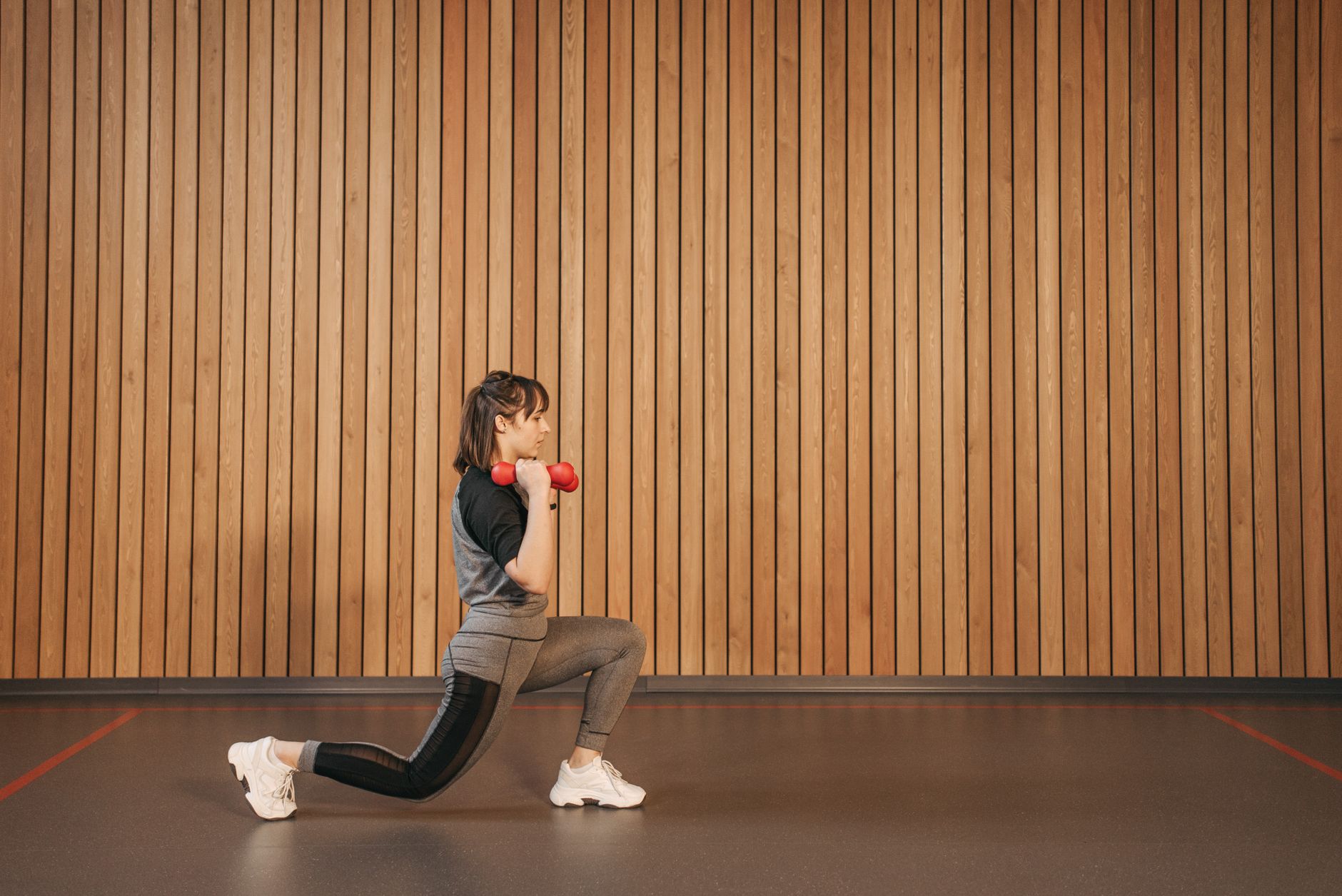
Discover safe third trimester pregnancy exercise to stay healthy and prepare for childbirth, including tips and guidelines for a healthy pregnancy
By Shubhra Mishra — a mom of two who turned her own confusion during pregnancy into BumpBites, a global mission to make food choices clear, safe, and stress-free for every expecting mother. 💛
Check whether any food is safe during pregnancy with the BumpBites Food Safety Checker.
Quick take: Yes—most women can safely stay active in the third trimester with low‑impact cardio, gentle strength work, and prenatal yoga, as long as they listen to their bodies, avoid high‑impact or high‑intensity activities, and follow ACOG and NHS guidelines. Aim for 150 minutes of moderate activity each week, keep intensity under a “talk test” level, and stop if you notice warning signs such as severe pain, bleeding, or sudden shortness of breath.
It’s 10 p.m., you’re feeling a mix of excitement and fatigue, and your phone buzzes with a reminder: “10‑minute stretch before bed.” You’ve been wondering whether it’s still safe to keep moving now that you’re in the third trimester. You’re not alone—thousands of expectant parents ask the same question, and the answer isn’t one‑size‑fits‑all. The good news is that staying active can help reduce back pain, improve mood, and even ease labor, but the type, duration, and intensity of your workouts need a few adjustments.
In this guide we’ll walk through beginner‑friendly exercises, prenatal yoga poses for back‑pain relief, low‑impact cardio ideas, strength‑training moves, and how often you should be active. We’ll also cover special situations like twins or gestational diabetes, warning signs that mean you should pause, and tips for bouncing back after delivery. All recommendations align with ACOG, NHS, and CDC guidance, so you can feel confident that what you’re doing is both safe and beneficial.
Safe third trimester pregnancy exercises for beginners
If you’re new to exercising or returning after a break, the third trimester can feel like uncharted territory. The key is to choose activities that keep you moving without putting excess strain on your joints or uterus. ACOG recommends moderate‑intensity aerobic activity—think brisk walking, stationary cycling, or swimming—aimed at keeping your heart rate below 140 beats per minute and staying under the “talk test” (you should be able to hold a conversation without gasping).
Start with a gentle warm‑up: 5 minutes of marching in place or a slow walk around the house, followed by shoulder rolls and gentle neck stretches. Then move into a 20‑minute activity of your choice, keeping the pace comfortable. Finish with a cool‑down of slow walking and deep breathing. Aim for three sessions per week and gradually increase time by 5‑minute increments as you feel stronger.
Common beginner‑friendly options include:
Walking: The simplest, no‑equipment exercise. Walk on even surfaces, use supportive shoes, and consider a walking pole for added stability.
Swimming or water aerobics: The buoyancy reduces joint stress and swelling, making it ideal for beginners.
Stationary bike: Keep resistance low; avoid standing up on the pedals.
Prenatal fitness classes: Look for “beginner” or “low‑impact” labels.
Remember to stay hydrated, avoid overheating, and listen to your body. If any activity causes dizziness, sharp pain, or excessive shortness of breath, stop immediately and consult your provider.
Gentle walks are a safe entry point for most third‑trimester exercisers.
Third trimester prenatal yoga poses for back pain relief
Back pain spikes for many expecting mothers as the baby grows and the center of gravity shifts. Prenatal yoga offers gentle stretches that can soothe tight muscles, improve posture, and promote relaxation—key ingredients for a smoother labor. The NHS suggests focusing on poses that keep the spine neutral and avoid deep forward bends or extreme twists.
Here are three safe poses you can try at home, each held for 30–60 seconds while breathing slowly:
Cat‑Cow (Marjaryasana‑Bitilasana) on a sturdy chair: Sit on a chair, place hands on knees, inhale to arch the back (cow), exhale to round it (cat). This mobilizes the spine without pressure on the belly.
Supported Child’s Pose (Balasana) with a bolster: Kneel, sit back on heels, and lean forward onto a bolster or pillow. Arms can rest alongside the body. This gently stretches the lower back.
Standing Wide‑Legged Forward Fold with a wall: Stand with feet wider than hip‑width, hinge at the hips, and rest your hands on a wall for support. Keep a slight bend in the knees to protect the hamstrings.
Adding a short meditation at the end—focusing on your breath and visualizing a calm delivery—can further reduce stress hormones. If you’re attending a prenatal yoga class, let the instructor know you’re in your third trimester so they can tailor modifications.
Low‑impact cardio workouts during the third trimester
Cardiovascular fitness supports a healthy heart, helps manage gestational diabetes, and can shorten labor. Low‑impact cardio keeps the joints safe while still raising your heart rate. The CDC’s Physical Activity Guidelines for pregnant women recommend 150 minutes of moderate‑intensity aerobic activity per week.
Below is a quick‑reference table of cardio options, typical duration, and modifications for the third trimester:
Activity
Typical Session Length
Pregnancy Modifications
Brisk walking
30 minutes
Use supportive shoes; add a walking pole for balance.
Stationary cycling
20–30 minutes
Keep resistance low; avoid standing on pedals.
Water aerobics
30 minutes
Focus on arm circles and leg lifts; avoid deep jumps.
Low‑impact dance (e.g., Zumba Gold)
25 minutes
Stay on flat ground; avoid rapid turns.
Start each session with a 5‑minute warm‑up (marching, shoulder rolls) and end with a cool‑down stretch. Keep the perceived exertion at a “moderate” level—roughly 5–6 on a 0‑10 scale, or enough to talk but not sing.
Strength training exercises for pregnant women in the third trimester
Maintaining muscle tone supports the spine, aids in labor, and speeds postpartum recovery. ACOG notes that strength training is safe when using light weights (1–5 lb) and avoiding exercises that compress the abdomen. Focus on multi‑joint movements that engage large muscle groups while keeping a neutral spine.
Try the following routine two times per week, performing 2 sets of 10–12 repetitions each:
Wall push‑ups: Stand an arm’s length from a wall, place hands on the wall, and bend elbows to lower chest toward the surface. This works the chest and triceps without stressing the belly.
Seated dumbbell shoulder press: Sit on a sturdy chair, hold light dumbbells at shoulder height, and press upward, keeping core engaged.
Modified squats using a chair: Stand in front of a chair, lower hips as if sitting down, touch the seat lightly, then rise. This protects knees and reduces balance strain.
Resistance band rows: Anchor a band at waist height, sit or stand, pull the band toward your torso, squeezing shoulder blades together.
Always exhale on the effort phase and inhale on the return. If you notice pelvic pain, shortness of breath, or dizziness, pause and reassess the load.
Light resistance work keeps muscles engaged without over‑loading the uterus.
How often should I exercise in the third trimester of pregnancy?
Frequency, duration, and intensity are the three pillars of a balanced exercise plan. The NHS advises most pregnant people aim for at least three days of moderate activity per week, while ACOG suggests spreading 150 minutes across the week—roughly 30 minutes on most days. If you’re juggling work, family, and pregnancy fatigue, a 30‑minute daily routine can be broken into two 15‑minute sessions (e.g., morning walk + evening gentle yoga).
Key points for scheduling:
Consistency over intensity: Regular movement beats occasional vigorous workouts.
Rest days are essential: Give your body at least one full day off each week to recover.
Listen to your energy levels: On days you feel extra tired, opt for a light stretch or short walk instead of a full cardio session.
For those with gestational diabetes, splitting cardio into two shorter sessions can help maintain stable blood sugar levels throughout the day, as recommended by the American Diabetes Association (ADA).
Third trimester pregnancy exercise guidelines for twins
Carrying twins increases uterine size, joint load, and fatigue, so adjustments are necessary. The CDC notes that women with multiple gestations should still aim for 150 minutes of moderate activity if their obstetrician approves, but the emphasis shifts to low‑impact and balance‑focused movements.
Practical tips for twin pregnancies:
Shorter, more frequent sessions: Three 20‑minute walks spread throughout the day reduce strain.
Enhanced support: Use a sturdy handrail or a walking pole for extra stability during cardio.
Focus on core stability: Gentle pelvic tilts and seated side‑bends help protect the lower back.
Monitor heart rate carefully: Keep it below 140 bpm; a wearable monitor can be helpful.
Always discuss any new routine with your provider, especially if you have a history of preterm labor or other complications.
What are the warning signs to stop exercising in the third trimester
Exercise is beneficial, but certain symptoms signal that you should pause and seek medical advice. The ACOG “Red Flags” list includes:
Vaginal bleeding or spotting.
Sudden, severe abdominal pain or cramping.
Persistent shortness of breath that doesn’t improve with rest.
Severe headache, visual changes, or dizziness.
Rapid swelling of hands or face (possible pre‑eclampsia).
Decreased fetal movement after a workout.
If any of these occur, stop your activity, hydrate, and contact your obstetric provider right away. Minor discomforts like mild leg swelling or a low‑grade fever can often be managed with rest, but always err on the side of caution.
Additional third‑trimester exercise topics
Below we weave in the extra long‑tail queries you might be searching for, giving you a complete picture of staying active in the final weeks.
Third trimester pregnancy workout plan for 30 minutes a day
A simple 30‑minute routine can be broken into three blocks:
Cardio (12 minutes): Brisk walking or stationary cycling at a comfortable pace.
Strength & flexibility (13 minutes): Two sets of wall push‑ups, seated dumbbell presses, and a short prenatal yoga flow (cat‑cow, child’s pose, seated side stretch).
Finish with a 2‑minute breathing exercise—inhale for 4 seconds, hold for 4, exhale for 6—to promote relaxation.
Best swimming strokes for third trimester pregnant women
Swimming is a top‑ranked low‑impact activity. The “freestyle” (front crawl) and “backstroke” are the most comfortable because they keep the neck neutral and avoid excessive hip flexion. Breaststroke can be safe if you maintain a relaxed pace and avoid breath‑holding. The “sidestroke” is also gentle on the belly, providing a natural breathing rhythm. Always ensure the pool water is warm (around 28 °C) to prevent muscle tightening.
Can I do Pilates in the third trimester of pregnancy?
Yes—modified prenatal Pilates can strengthen the core, improve pelvic floor tone, and aid breathing. Choose classes marketed as “prenatal” or “low‑impact.” Avoid moves that involve deep spinal flexion, intense twisting, or lying flat on your back for extended periods. Instead, focus on side‑lying leg lifts, seated spine extensions, and pelvic tilts.
Third trimester exercise and its effect on labor duration
Research summarized by the Mayo Clinic indicates that regular moderate exercise can shorten the first stage of labor by up to 30 minutes on average, likely due to better muscle tone, endurance, and reduced stress hormones. Additionally, women who stay active report lower rates of needing epidural analgesia and experience smoother postpartum recovery.
How to modify squats for third trimester pregnancy
Standard squats can be uncomfortable as the belly grows. Use the “chair squat” modification: stand a few inches in front of a sturdy chair, feet hip‑width apart, and lower yourself until you lightly touch the seat, then rise. Keep the weight on your heels, chest lifted, and avoid letting the knees travel past the toes. This reduces pressure on the lower back and improves balance.
Third trimester pregnancy exercise and gestational diabetes management
Exercise is a cornerstone of gestational diabetes care. The American College of Obstetricians and Gynecologists (ACOG) recommends at least 30 minutes of moderate activity on most days to help regulate blood glucose. Low‑impact cardio (walking, swimming) combined with light resistance work improves insulin sensitivity. Always monitor blood sugar before and after exercise, and have a snack ready if levels drop too low.
Postpartum recovery tips after third trimester workouts
After delivery, your body needs gentle re‑introduction to activity. Begin with pelvic floor exercises (Kegels) and short walks within the first week if cleared by your provider. Gradually re‑add light strength work—such as body‑weight squats or resistance band rows—once you feel comfortable. Prioritize sleep, hydration, and balanced nutrition to support tissue repair. Listening to your body is especially important if you experienced a C‑section; wait for your surgeon’s clearance before resuming any weight‑bearing exercise.
From our medical team: Maintaining a regular, low‑impact exercise routine in the third trimester is generally safe and can improve both maternal comfort and birth outcomes. However, every pregnancy is unique. Always discuss new or intensified activity plans with your obstetrician, especially if you have conditions like gestational diabetes, hypertension, or are carrying multiples. Your provider can help tailor intensity, duration, and specific exercises to fit your health profile.
Myth vs. fact
Myth: You must stop all exercise after 30 weeks.
Fact: Most guidelines allow continued moderate activity up to the due date, provided there are no complications and you stay below the “talk test” intensity.
Myth: High‑intensity interval training (HIIT) is always unsafe in the third trimester.
Fact: Short, low‑impact intervals can be safe for fit individuals, but most providers recommend avoiding HIIT due to rapid heart‑rate spikes and potential overheating.
Myth: Swimming is risky because of water pressure on the belly.
Fact: The buoyancy of water actually reduces joint stress and is endorsed by ACOG as a safe cardio option throughout pregnancy.
Key takeaways
Aim for 150 minutes of moderate, low‑impact cardio each week—walking, swimming, or stationary cycling are excellent choices.
Incorporate gentle strength work 2‑3 times weekly using light weights or resistance bands; avoid exercises that compress the abdomen.
Practice prenatal yoga or Pilates for back‑pain relief and core stability, focusing on poses that keep the spine neutral.
Listen to your body: stop if you experience bleeding, severe pain, dizziness, or any signs of pre‑eclampsia.
For twins or gestational diabetes, break workouts into shorter sessions and prioritize low‑impact movements.
Post‑delivery, start with pelvic floor exercises and short walks, then gradually re‑introduce strength training after provider clearance.
Frequently asked questions
Is it safe to do high‑intensity interval training in the third trimester?
Most experts advise against HIIT in the third trimester because rapid heart‑rate spikes and high impact can increase risk of overheating and joint strain. If you’re already accustomed to HIIT and have provider approval, keep intervals short (≤30 seconds) and monitor intensity closely.
What types of exercise are recommended during the third trimester?
Low‑impact cardio (walking, swimming), gentle strength training with light weights or bands, and prenatal yoga or Pilates are all recommended. Avoid deep bends, heavy lifting, and contact sports.
How many days a week should I work out in the third trimester?
Three to five days per week is typical, aiming for at least 150 minutes of moderate activity spread across those days. You can split sessions into shorter bouts if fatigue is an issue.
Can I continue running after 30 weeks pregnant?
If you’ve been running consistently and have no complications, a light jog may be okay, but most providers suggest switching to walking or treadmill walking to reduce impact and risk of falls.
What are the benefits of exercising in the third trimester?
Benefits include reduced back pain, better mood, improved sleep, lower risk of gestational diabetes, shorter labor, and faster postpartum recovery. Regular movement also helps maintain healthy weight gain.
When should I stop exercising before my due date?
Most guidelines suggest stopping vigorous activity 1–2 weeks before a planned delivery or if you develop any warning signs such as bleeding, severe abdominal pain, or signs of pre‑eclampsia. Always follow your provider’s specific recommendations.
When to call your doctor
If you experience any of the following, stop exercising immediately and contact your obstetric provider:
Vaginal bleeding or spotting.
Sudden, severe abdominal or pelvic pain.
Persistent shortness of breath or chest pain.
Severe headache, visual disturbances, or dizziness.
Rapid swelling of hands, face, or sudden weight gain.
Decreased fetal movement after activity.
This article provides general information and is not a substitute for personalized medical advice. Always consult your healthcare professional before starting or changing any exercise routine during pregnancy.
References
American College of Obstetricians and Gynecologists (ACOG). Committee Opinion No. 804: Physical Activity and Exercise During Pregnancy and the Postpartum Period.
National Health Service (NHS). “Exercise in Pregnancy.” Updated 2023.
Centers for Disease Control and Prevention (CDC). “Physical Activity for Pregnant Women.” 2022.
Mayo Clinic. “Exercise during pregnancy: Benefits and safety.” 2023.
American Diabetes Association (ADA). “Gestational Diabetes Management Guidelines.” 2022.
World Health Organization (WHO). “Recommendations on Antenatal Care for a Positive Pregnancy Experience.” 2022.
Royal College of Obstetricians and Gynaecologists (RCOG). “Guidelines for the management of multiple pregnancy.” 2021.
National Institute for Health and Care Excellence (NICE). “Antenatal care for uncomplicated pregnancies.” 2022.
Not sure about the label on Third Trimester Pregnancy Exercise products?
Snap the ingredients list and SafeFilter checks every ingredient for your stage — only 3 free scans this month, then you're locked until reset. Unlimited from $7/mo or $50/yr.
When Shubhra Mishra was expecting her first child in 2016, she was overwhelmed by conflicting food advice — one site said yes, another said never. By the time her second baby arrived in 2019, she realized millions of mothers face the same confusion.
That sparked a five-year journey through clinical nutrition papers, cultural diets, and expert conversations — all leading to BumpBites: a calm, compassionate space where science meets everyday motherhood.
Her long-term vision is to build a global community ensuring safe, supported, and free deliveriesfor every mother — because no woman should face pregnancy alone or uninformed. 🌿
🌍 Stand with mothers, shape safer guidance
Join a small circle of experts who review BumpBites articles so expecting parents everywhere can decide with confidence.