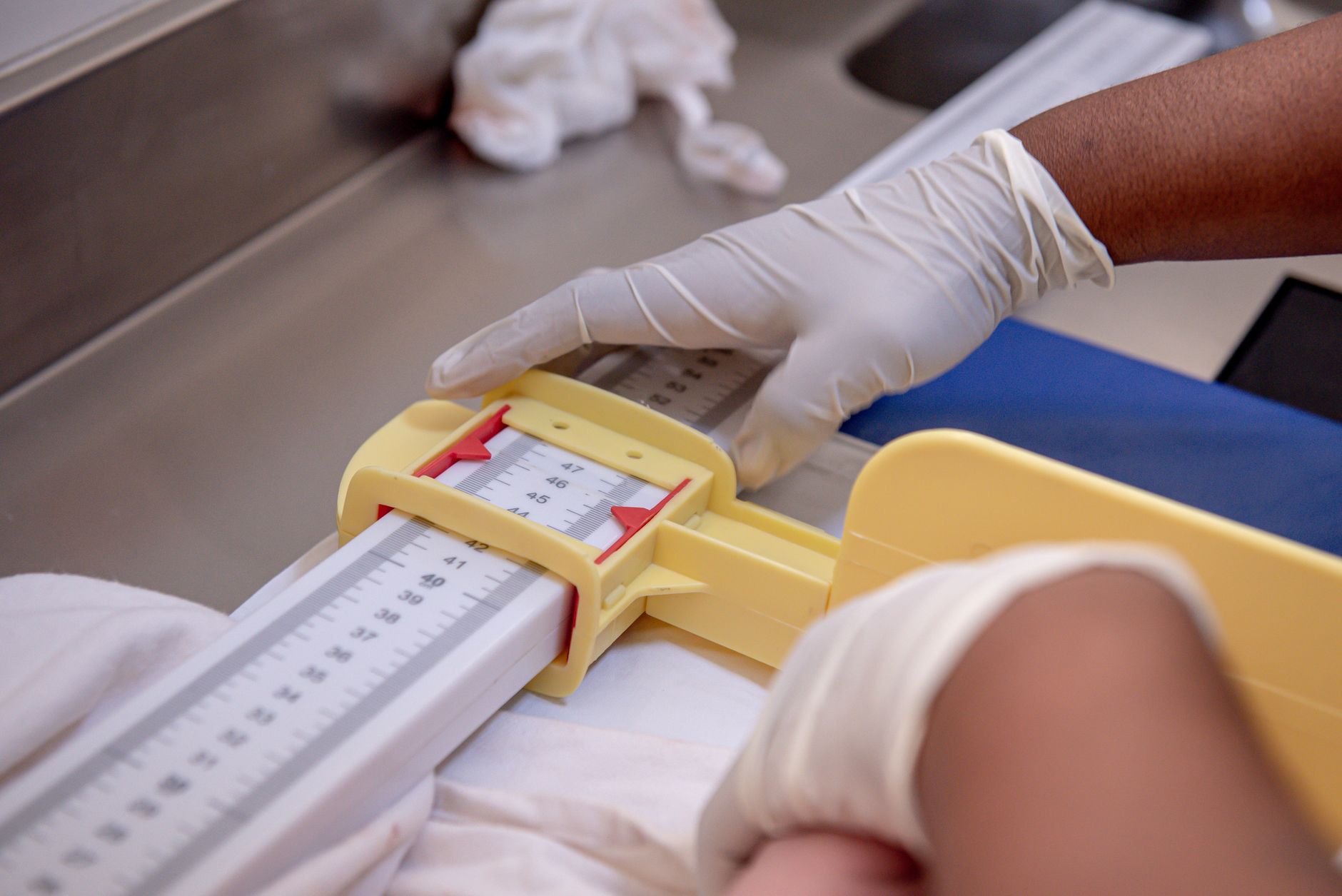
Effective team training for NRP is crucial for successful neonatal resuscitation. Learn about defining roles, fostering clear communication, and implementing vital debriefing strategies to improve outcomes and save lives.
By Shubhra Mishra — a mom of two who turned her own confusion during pregnancy into BumpBites, a global mission to make food choices clear, safe, and stress-free for every expecting mother. 💛
Check whether any food is safe during pregnancy with the BumpBites Food Safety Checker.
Quick take: Effective team training for NRP—covering clear roles, focused communication, and structured debriefing—dramatically improves newborn survival and reduces provider stress. Build a regular, simulation‑based practice cycle, and keep debriefs brief, factual, and psychologically safe.
It’s 2 a.m., you’ve just helped a newborn who needed a few minutes of positive pressure ventilation, and now you’re scrolling for answers: “Team training for NRP: Roles + communication + debriefing—what should we be doing differently?” You’re not alone. Many neonatal teams feel the pressure of a high‑stakes resuscitation and wonder whether they’ve missed a cue, a handoff, or a chance to learn together. The good news is that a well‑designed training program can turn those moments into systematic strengths. Below we walk through every piece you need—roles, communication tactics, debriefing steps, simulation design, and how to keep the whole crew thriving.
🔢 Calculate it for your situation: Use our NRP Resuscitation Algorithm for a personalized result in seconds.
In this guide we’ll unpack why team‑based practice matters, break down each NRP role with its core duties, share communication hacks that work under pressure, lay out a step‑by‑step debrief template, and give you a roadmap to embed simulation into your unit’s routine. You’ll also find a quick reference table, a myth‑busting section, and a FAQ that answers the most common follow‑up questions. By the end you’ll have a concrete plan you can discuss with your unit leader and start applying tomorrow.
Why team training matters in NRP
Neonatal resuscitation is a rapid, high‑risk event where seconds count and every action is interdependent. When each provider knows their exact function, the team can deliver coordinated care without hesitation. Research from the American Academy of Pediatrics (AAP) and the Neonatal Resuscitation Program (NRP) shows that structured team training reduces time to effective ventilation by up to 30 % and cuts error rates dramatically. The benefit isn’t just clinical; teams that train together report lower anxiety, higher confidence, and a stronger sense of collective responsibility.
Team training also aligns with the AHA’s emphasis on “systems of safety.” By rehearsing the entire workflow—from delivery room preparation to post‑resuscitation handoff—units create a predictable environment. Predictability lets providers focus on the infant’s needs instead of trying to remember the next step. This is especially important for junior staff who may be unfamiliar with the NRP algorithm; a practiced routine gives them a safety net.
Another key advantage is data‑driven improvement. When you run regular simulations, you generate performance metrics (e.g., time to first chest compressions, adherence to the NRP algorithm) that can be tracked over weeks or months. Those numbers become the basis for targeted coaching, just like a sports team reviews game footage. Over time, you’ll see measurable gains in both speed and accuracy, which translates directly into better newborn outcomes.
Finally, team training nurtures a culture of psychological safety. When staff know that mistakes will be discussed openly—without blame—they are more likely to speak up if they see a problem. This openness is a cornerstone of the National Quality Forum’s patient‑safety recommendations and is linked to fewer adverse events in neonatal units worldwide.
In short, investing in team training for NRP isn’t an optional extra; it’s a foundational pillar that supports clinical excellence, staff well‑being, and continuous quality improvement.
Simulation labs let teams rehearse every NRP step before a real delivery.
Core NRP team roles and responsibilities
Every
successful neonatal resuscitation begins with a clearly defined roster. The AAP’s NRP guidelines outline four primary roles, each with specific tasks that must be performed simultaneously or in rapid succession. Below is a concise breakdown of what each member does from the moment the baby arrives on the resuscitation table.
Role
Primary Responsibilities
Key Skills
Team Leader
Assigns tasks, monitors timing, makes algorithmic decisions, communicates with obstetric staff.
Initiates compressions if HR < 60 bpm after 30 seconds of effective PPV, coordinates with ventilation.
Proper depth, rate, and coordination with PPV.
Medication & Documentation Officer
Prepares epinephrine, records events, ensures equipment readiness, reports to the obstetric team.
Medication safety, accurate charting, equipment checks.
The Team Leader is the communication hub. They must articulate the infant’s status (“HR 80, spontaneous breathing”) and issue concise commands (“PPV at 40 cm H₂O”). The PPV Provider focuses exclusively on the mask seal and ventilation parameters; a poor seal can waste valuable seconds. The Compression Provider only steps in after the leader confirms the need, avoiding premature compressions that could harm the newborn. Finally, the Medication & Documentation Officer handles drug preparation (e.g., epinephrine 0.01 mg/kg) and logs every action, which is critical for post‑event analysis and legal documentation.
In many units, additional “support” roles—such as a second airway assistant, a recorder, or a family liaison—are added when staffing permits. The key is to keep the core four roles staffed at all times, ensuring no overlap or confusion. When you first design your training schedule, map each staff member to a role and rotate them weekly so everyone gains experience in each position.
Clear role assignment also reduces cognitive load. A study published by the NICHD showed that teams with predefined roles made 25 % fewer errors than those that assigned tasks ad‑hoc. That statistic underscores why you should embed role cards or colored badges in your simulation set‑up; visual cues reinforce responsibilities before the first infant arrives.
Remember that roles can be adapted for low‑resource settings. The World Health Organization (WHO) recommends a “single‑provider” model where one person covers airway, ventilation, and compressions, but even then, the mental checklist of responsibilities remains essential.
Proper mask seal is the cornerstone of effective PPV.
Communication strategies that save lives
In the heat of a resuscitation, communication can become fragmented, leading to missed steps. The AAP advocates a “closed‑loop” technique: the leader states a command, the receiver repeats it back, and the leader confirms. For example, “Start PPV at 40 cm H₂O” → “PPV at 40 cm H₂O, confirmed.” This loop ensures that the instruction was heard correctly and that the provider is ready to act.
Another powerful tool is the “SBAR” framework (Situation, Background, Assessment, Recommendation). Even in a 30‑second window, a brief SBAR can align the obstetric team with the resuscitation crew: “Situation: 32‑week infant, no spontaneous breathing. Background: mother received antenatal steroids. Assessment: HR 70, limp. Recommendation: Begin PPV.” Using SBAR helps maintain a shared mental model, a concept highlighted by the AHA’s patient‑safety guidelines.
Non‑verbal cues matter too. Hand signals (e.g., a raised palm for “hold PPV”) can be lifesaving when the environment is noisy or when the infant’s cries mask spoken words. Training sessions should include a short drill on standardized hand signals, so every team member recognizes them instinctively.
To keep communication concise, adopt “action‑first” phrasing. Instead of “Can you please check the mask seal?”, say “Check mask seal now.” The former invites a polite response; the latter triggers immediate action. Studies from the UK’s National Institute for Health and Care Excellence (NICE) show that action‑first commands reduce response latency by 15 % in emergency scenarios.
Finally, encourage “read‑back” from the documentation officer. After each step, they should verbally confirm the recorded data: “PPV started at 00:01, FiO₂ 21 %.” This read‑back creates a real‑time audit trail and doubles as a verbal reminder for the whole team. Incorporate these communication habits into your simulation scripts, and they will become second nature during actual deliveries.
Structured debriefing after a resuscitation
Debriefing is the bridge between experience and improvement. The AAP emphasizes a brief (5‑10 minute) “hot debrief” within 30 minutes of the event, followed by a more detailed “cold debrief” later in the day. The hot debrief focuses on immediate clinical actions—what went well, what could be faster—while the cold debrief dives into teamwork, communication, and emotional processing.
A practical debrief template includes three phases: (1) Facts, (2) Analysis, (3) Action. In the Facts phase, the team leader recaps the timeline (e.g., “PPV started at 00:12, heart rate rose to 100 at 00 : 45”). The Analysis phase invites each role to comment on what they observed, using the “What? So what? Now what?” structure. Finally, the Action phase generates one or two concrete improvement points—like “Add a visual timer to the resuscitation trolley” or “Practice mask‑seal drills weekly.”
Psychological safety is the cornerstone of an effective debrief. The team should operate under a “no‑blame” mantra: errors are system failures, not individual faults. The facilitator—often the team leader or a designated debrief coach—must model this attitude, acknowledging their own uncertainties and focusing on learning. Research from the Journal of Perinatal Medicine indicates that teams that debrief with explicit safety language report 40 % higher satisfaction and lower burnout.
Documentation of the debrief is essential. The Medication & Documentation Officer should enter a brief summary into the electronic health record, tagging it with the NRP event code. This record becomes a reference for future simulations and provides accountability for quality‑improvement committees.
When you need to calculate specific performance numbers—like time to first effective ventilation—you can use our NRP Resuscitation Algorithm tool. Input the timestamps from your debrief, and the calculator will generate a clear visual report that you can share with the unit.
A focused debrief turns a single event into lasting learning.
Building simulation‑based practice into your unit
Simulation is the rehearsal that turns theory into muscle memory. High‑fidelity mannequins replicate the newborn’s chest rise, heart rate fluctuations, and even skin temperature, allowing teams to practice the full NRP algorithm. The AAP recommends at least quarterly full‑scale simulations for each staff member, with monthly “skill‑focused” drills (e.g., mask‑seal practice) to keep specific competencies sharp.
Start by developing a scenario library that reflects the most common and the most critical cases: term infant with apnea, preterm infant requiring chest compressions, and a newborn with meconium aspiration. Each scenario should include a pre‑brief (goals, roles), the simulated event, and a built‑in debrief using the template described earlier. Rotate scenarios so the team never becomes complacent.
Metrics from each simulation feed into your quality‑improvement dashboard. Track key performance indicators (KPIs) such as “Time to first PPV,” “Percentage of correct compression‑ventilation ratio,” and “Adherence to SBAR communication.” Over time, you’ll see trends that guide targeted education. For example, if the average time to PPV remains above 30 seconds, schedule a dedicated mask‑seal workshop.
Don’t overlook the value of “in‑situ” simulation—running drills in the actual delivery room rather than a separate lab. In‑situ training embeds the environment’s unique constraints (equipment layout, lighting, space) into the learning experience, improving transfer of skills to real events. A 2022 NICHD study showed that in‑situ simulations reduced the time to effective ventilation by 12 % compared with lab‑only training.
Finally, incorporate interprofessional participants. Include obstetric nurses, respiratory therapists, and even lactation consultants in the drills. Their perspectives enrich the communication loop and foster a shared mental model across disciplines. The more diverse the rehearsal, the smoother the real‑world collaboration.
Fostering psychological safety and a culture of continuous improvement
Psychological safety isn’t a nice‑to‑have; it’s a prerequisite for honest debriefing and ongoing learning. Start each simulation with a brief statement that mistakes are expected and will be discussed constructively. The facilitator should model vulnerability—admitting a missed cue or a hesitation—so the rest of the team feels safe to do the same.
Use anonymous feedback tools after each drill. Simple digital surveys (e.g., “What confused you most?”) let staff voice concerns without fear of judgment. Aggregate the responses and share them in a monthly quality‑improvement meeting, turning individual insights into collective action items.
Leadership support is critical. When unit leaders publicly acknowledge the importance of debriefing, allocate protected time for it, and celebrate improvements, staff perception of safety rises dramatically. The Joint Commission’s safety standards highlight that visible leadership commitment correlates with lower adverse event rates.
Reward learning rather than perfection. Recognize teams that demonstrate growth—such as a group that reduced PPV initiation time by 15 seconds over three months—through newsletters or brief acknowledgment at staff huddles. Positive reinforcement reinforces the habit of continuous improvement.
Lastly, embed a “lessons‑learned” repository. Store debrief summaries, simulation videos, and improvement plans in a shared drive. When a new member joins the unit, they can review past cases to understand the evolution of practice, reinforcing the culture of openness and progress.
Designing and rolling out an NRP team training program
Creating a sustainable training program starts with a needs assessment. Survey your staff about confidence levels in each NRP role, review recent event logs, and identify gaps in equipment or knowledge. Use that data to set measurable objectives—e.g., “Reduce time to first effective PPV from 45 seconds to ≤30 seconds within six months.”
Next, draft a curriculum that blends didactic review, hands‑on skill stations, and full‑scale simulations. A typical quarterly cycle might look like: (1) January – NRP refresher lecture; (2) February – mask‑seal workshop; (3) March – full‑team simulation; (4) April – debrief and KPI review. Align the schedule with staff rotas to ensure coverage and avoid fatigue.
Secure resources early. You’ll need a high‑fidelity mannequin, a dedicated simulation space, timers, and a set of role cards. If budget is limited, many hospitals share a regional simulation center or use low‑cost “task trainers” for airway practice. The WHO provides guidance on low‑resource simulation alternatives that can be adapted for NRP.
Assign a program champion—often a senior neonatologist or nurse educator—who oversees logistics, tracks attendance, and ensures fidelity of the training. This champion also serves as the primary point of contact for any concerns about psychological safety or curriculum adjustments.
Finally, evaluate the program regularly. Use the KPIs mentioned earlier, staff satisfaction surveys, and incident reports to gauge impact. Adjust the curriculum based on the data: if compression timing remains suboptimal, add a focused drill; if communication errors persist, revisit the closed‑loop technique. Continuous feedback loops keep the training relevant and effective.
Integrating NRP training with newborn quality‑improvement initiatives
Linking team training to broader quality‑improvement (QI) projects amplifies its impact. Many hospitals already track metrics such as “percentage of infants receiving delayed cord clamping” or “rates of early‑onset sepsis screening.” By overlaying NRP performance data onto these dashboards, you can spot correlations—for example, whether faster PPV initiation aligns with lower hypoxic‑ischemic injury rates.
Use Plan‑Do‑Study‑Act (PDSA) cycles to test small changes. A unit might trial a new visual cue (a colored light on the resuscitation trolley) for “ready for PPV.” After a month of simulations, compare the time‑to‑ventilation metric against baseline. If the change proves beneficial, roll it out to live deliveries and monitor outcomes. This systematic approach satisfies both ACOG’s emphasis on data‑driven practice and the NHS’s call for transparent reporting.
Don’t forget to involve families in QI discussions when appropriate. A brief, compassionate explanation of what the team is doing can reduce parental anxiety and build trust—an often‑overlooked element of neonatal care that the WHO cites as essential for family‑centered practice.
Adapting training for low‑resource settings
Not every delivery suite has access to high‑fidelity mannequins or dedicated simulation rooms. The WHO recommends using low‑cost “task trainers”—simple airway models made from latex or silicone—that still allow practice of mask‑seal technique and chest‑compression rhythm. Pair these with video‑based debriefs: record a simulated scenario on a smartphone, then review it as a team using the same three‑phase template.
In resource‑limited environments, focus on the “core bundle” of NRP: immediate drying, tactile stimulation, airway clearance, and timely PPV. Emphasize role clarity and closed‑loop communication, which require no equipment beyond a stethoscope and a timer. Studies from sub‑Saharan Africa show that even modest simulation training can cut neonatal mortality by 15 % when the core principles are reinforced.
Partner with regional training hubs or academic centers that can supply occasional high‑fidelity sessions. The experience gained from those intensive workshops can be cascaded down through “train‑the‑trainer” models, ensuring sustainability without ongoing high costs.
Leveraging technology: video review and mobile apps
Modern technology offers new ways to sharpen NRP skills. Portable video cameras placed in the delivery room can capture real‑time resuscitations (with appropriate consent). When reviewed later, the footage provides an objective record of timing, technique, and communication. Many institutions now use a “time‑stamp” overlay that automatically logs when PPV starts, when compressions begin, and when epinephrine is administered.
Mobile apps—such as the FDA‑approved “Neonatal Resuscitation Coach”—provide on‑the‑spot guidance, visual timers, and step‑by‑step prompts that align with the latest NRP algorithm. Integrating these tools into daily practice can reduce cognitive load, especially for junior staff who may still be mastering the algorithm.
When implementing video or app‑based tools, establish clear policies on data storage, privacy, and debrief usage. The ACOG advises that recordings be used solely for educational purposes, with access limited to the clinical team and quality‑improvement staff.
From our medical team: Consistent, role‑based rehearsal combined with brief, blame‑free debriefs builds both competence and confidence. When teams know exactly what to do and feel safe discussing what happened, newborn outcomes improve and staff burnout drops.
Myth: “Only the senior neonatologist needs to master NRP; the rest can learn on the job.”
Fact: Every team member—nurse, respiratory therapist, or resident—plays a critical role. The AAP stresses that shared competence across the whole crew reduces delays and errors.
Myth: “Debriefing after a resuscitation is optional and can wait until the next shift.”
Fact: Timely debriefs (within 30 minutes) capture the freshest recollections, leading to more accurate learning and quicker performance gains, as shown in multiple quality‑improvement studies.
Myth: “Simulation is only for teaching new staff; experienced providers don’t need it.”
Fact: Even seasoned clinicians benefit from regular simulation to maintain skill sharpness and adapt to evolving guidelines. The NICHD reports that quarterly drills keep performance metrics stable over years.
Key takeaways
Define four core NRP roles (Leader, PPV Provider, Compression Provider, Documentation Officer) and rotate staff regularly.
Use closed‑loop communication and SBAR to keep messages clear under pressure.
Conduct a brief hot debrief within 30 minutes, followed by a deeper cold debrief later in the day.
Incorporate high‑fidelity simulation at least quarterly, with monthly skill‑focused drills.
Foster psychological safety by modeling vulnerability, using anonymous feedback, and celebrating incremental improvements.
Track KPIs such as time to first PPV and adherence to communication protocols to guide ongoing training.
Adapt training to low‑resource settings with task trainers and video‑based review, ensuring core NRP principles are never compromised.
Leverage mobile apps and video recordings to reinforce timing, technique, and teamwork in real‑time.
Frequently asked questions
What are the essential roles in an NRP team?
The essential roles are Team Leader, Airway/PPV Provider, Chest Compression Provider, and Medication & Documentation Officer. Each role has distinct, time‑critical duties that together cover the entire NRP algorithm.
How do you improve communication during neonatal resuscitation?
Adopt closed‑loop communication, use the SBAR framework, employ standardized hand signals, and practice action‑first phrasing. Regular simulation reinforces these habits so they become automatic during real events.
Why is debriefing crucial after an NRP event?
Debriefing turns a single experience into lasting improvement. A hot debrief captures accurate clinical data, while a cold debrief explores teamwork and emotional aspects, fostering learning and psychological safety.
What are the key elements of effective NRP team training?
Effective training includes clear role assignment, communication drills, structured debriefs, regular high‑fidelity simulation, performance metrics, and a culture that encourages open discussion without blame.
How often should NRP teams train together?
Guidelines recommend quarterly full‑team simulations, monthly skill‑focused drills, and annual refresher courses. Adjust frequency based on unit volume, staff turnover, and performance data.
What is the difference between individual and team NRP training?
Individual training focuses on technical skills (e.g., mask seal), while team training integrates those skills with communication, role coordination, and debriefing. Both are needed, but team training yields greater improvements in speed and error reduction.
Can video review replace in‑person debriefing?
Video review enhances debriefing by providing an objective record of timing and technique, but it should complement—not replace—live, verbal debriefs. The combination offers the most comprehensive learning experience.
How can low‑resource units maintain NRP competence?
Use low‑cost task trainers for hands‑on practice, focus on core NRP steps, and conduct regular video‑based debriefs. Partner with regional centers for occasional high‑fidelity workshops and employ train‑the‑trainer cascades to sustain skills.
When to call your doctor
If you notice any of the following after a resuscitation—persistent bradycardia, ongoing apnea, signs of hypoxia, or unexpected bleeding—contact your neonatology provider immediately. This article is for informational purposes only and does not replace personalized medical advice.
References
American Academy of Pediatrics. Neonatal Resuscitation Program (NRP) Guidelines, 2023.
American Heart Association. “Team Training and Communication in Pediatric Resuscitation,” 2022.
National Institute for Health and Care Excellence (NICE). “Neonatal Resuscitation – Safety and Communication,” 2021.
National Institute of Child Health and Human Development (NICHD). “Impact of Simulation on Neonatal Resuscitation Performance,” 2022.
World Health Organization. “Guidelines for Low‑Resource Neonatal Resuscitation,” 2020.
Not sure about the label on Team Training For Nrp Roles Communication Debriefing products?
Snap the ingredients list and SafeFilter checks every ingredient for your stage — only 3 free scans this month, then you're locked until reset. Unlimited from $7/mo or $50/yr.
When Shubhra Mishra was expecting her first child in 2016, she was overwhelmed by conflicting food advice — one site said yes, another said never. By the time her second baby arrived in 2019, she realized millions of mothers face the same confusion.
That sparked a five-year journey through clinical nutrition papers, cultural diets, and expert conversations — all leading to BumpBites: a calm, compassionate space where science meets everyday motherhood.
Her long-term vision is to build a global community ensuring safe, supported, and free deliveriesfor every mother — because no woman should face pregnancy alone or uninformed. 🌿
🌍 Stand with mothers, shape safer guidance
Join a small circle of experts who review BumpBites articles so expecting parents everywhere can decide with confidence.