Temperament and personality are distinct: temperament is innate, personality develops later. Learn how these differences shape your baby's growth in this concise guide.
By Shubhra Mishra — a mom of two who turned her own confusion during pregnancy into BumpBites, a global mission to make food choices clear, safe, and stress-free for every expecting mother. 💛
Check whether any food is safe during pregnancy with the BumpBites Food Safety Checker.
Quick take: Temperament is the innate, biologically‑based style of reacting that babies are born with, while personality is the broader, evolving pattern of thoughts, feelings and behaviors shaped by both temperament and life experiences. In most infants, temperament is observable within the first weeks, and personality begins to emerge as they grow, influenced by genetics, caregiving, and environment.
It’s 2 a.m., you’re rocking your newborn, and a thought pops up: “Is this little squirmy moment just a phase, or is it part of who they are becoming?” You’re not alone. Many new parents wonder how to tell the difference between a baby’s temperament and the personality they’ll develop later. The good news is that science gives us a clear roadmap, and you don’t need a psychology degree to read it.
🔢 Calculate it for your situation: Use our Baby Personality Quiz for a personalized result in seconds.
In this guide we’ll untangle the two terms, explore the theories that explain how they arise, and give you practical ways to support your child’s emotional and social growth. We’ll also point out where genetics and the everyday world intersect, and share simple strategies you can try tonight. By the end, you’ll feel confident recognizing the early signs of temperament, understanding how personality builds on that foundation, and making nurturing choices for your baby’s future.
What is temperament in infants?
Temperament is the set of innate traits that dictate how a baby reacts to the world. Think of it as the “engine” that powers their emotional responses, attention span, and activity level. Researchers usually assess temperament in the first three months using observable behaviors such as how quickly a newborn calms after a startle, how they respond to new faces, and their general level of fussiness.
Key dimensions of infant temperament, identified by the widely‑cited Rothbart Infant Behavior Questionnaire, include:
Activity level: How much movement the baby shows when awake.
Regularity: Predictability of biological rhythms like sleep and feeding.
Adaptability: How easily the infant adjusts to new situations.
Intensity of reaction: Strength of emotional responses, whether joy or distress.
Rhythmicity: Consistency of biological patterns.
Approach/withdrawal: Tendency to move toward or away from novel stimuli.
Persistence: Ability to stay focused on a task.
These traits are measurable, relatively stable across the first year, and have been linked to later behavioral outcomes. For example, infants who score high on “negative affect” (more frequent crying) are at a modestly increased risk for later anxiety, especially when the caregiving environment is less responsive (American Academy of Pediatrics, 2022). Recent longitudinal work from the UK also shows that early high activity levels predict better motor skill acquisition in toddlerhood, underscoring that each temperament facet can have specific developmental ripple effects.
Because temperament is present at birth, parents can begin observing these patterns within days. A baby who quickly settles after a brief cuddle is likely displaying high adaptability, whereas a newborn who startles easily and takes longer to calm may be showing a more sensitive nervous system. These early cues are not diagnostic—they simply help you tailor care to your child’s natural style.
What is personality in infants?
Perso
nality is a broader, more complex pattern that incorporates temperament but also weaves in experiences, relationships, and cultural context. While temperament is present at birth, personality begins to crystallize during the second half of the first year and continues to evolve through early childhood.
Early personality traits often mirror the “Big Five” dimensions—openness, conscientiousness, extraversion, agreeableness, and neuroticism—but they are expressed in infant‑appropriate ways. For instance, a baby who consistently shows curiosity and engages with new toys may be displaying the early seeds of openness, while a toddler who frequently seeks comfort from caregivers may be showing emerging agreeableness.
Because personality is shaped by ongoing interactions, it is less fixed than temperament. A baby’s early shy demeanor (high negative affect) can be moderated by warm, responsive parenting, leading to a confident personality by preschool age. This dynamic interplay is why pediatricians stress the importance of nurturing environments alongside an understanding of innate temperament.
Research from the National Institute of Child Health and Human Development (NICHD) indicates that by twelve months, infants begin to exhibit stable preferences for certain people, objects, and routines—early hallmarks of a developing personality. These preferences are not just cute quirks; they lay the groundwork for later social competence, self‑concept, and even academic motivation.
How child‑development theories view temperament and personality
Several classic theories help us make sense of temperament and personality:
Thomas and Chess’s “easy, difficult, slow‑to‑warm‑up” model (1963): This pioneering work categorized infants into three temperament types based on adaptability, intensity, and mood. It laid the groundwork for later measurement tools.
Mary Ainsworth’s attachment theory (1970s): While primarily about the caregiver‑infant bond, Ainsworth showed that secure attachment can buffer a difficult temperament, influencing later personality development.
Kagan’s behavioral inhibition theory (1990s): Identifies a biologically based wariness to novelty, which can predict adult anxiety if not moderated.
Rothbart’s temperament model (1995 onward): Provides a nuanced, multidimensional approach that integrates both biological and environmental influences.
These frameworks converge on two ideas: (1) temperament provides a biological foundation, and (2) the child’s environment—especially caregiver responsiveness—plays a decisive role in shaping personality.
More recent developmental systems theory, championed by Bronfenbrenner, expands this view by placing the child within nested layers of influence—from the immediate family to broader cultural norms. This perspective reminds us that a baby’s temperament does not develop in a vacuum; community resources, parental mental health, and even housing stability can subtly shift the trajectory of personality formation.
Notice how a calm, organized space can help a baby with a “slow‑to‑warm‑up” temperament feel more secure.
Genetics and environment: what shapes temperament and personality?
Both nature and nurture matter, but their relative contributions shift over time. Twin studies published by the National Institutes of Health (NIH) suggest that about 40‑60 % of temperament variation is heritable, with the remainder explained by prenatal factors (maternal stress, nutrition) and postnatal environment.
Environmental influences include:
Parenting style: Sensitive, responsive caregiving tends to smooth out extreme temperamental reactions, fostering a balanced personality.
Household routine: Predictable feeding and sleep schedules provide a sense of security for infants high in negative affect.
Social exposure: Regular, gentle exposure to new sights and sounds helps “slow‑to‑warm‑up” babies build confidence.
Cultural expectations: Different societies encourage varying levels of independence, which can steer personality development.
Epigenetic research—how experiences can turn genes on or off—has shown that chronic stress in the prenatal environment can modify the expression of temperament‑related genes, underscoring the importance of maternal wellbeing (World Health Organization, 2021). Likewise, postnatal epigenetic changes linked to nurturing touch and skin‑to‑skin contact have been associated with reduced cortisol reactivity, suggesting that caregiving can biologically reshape temperament trajectories.
In practice, this means that while you cannot rewrite a baby’s genetic blueprint, you can create a supportive climate that buffers vulnerability and amplifies strengths. Simple actions like talking to your baby, maintaining a calm voice, and offering consistent routines can have measurable effects on stress‑related biomarkers.
Similarities and differences between temperament and personality
While the two concepts overlap, keeping them distinct helps you interpret your baby’s behavior more accurately. Below is a quick comparison:
Aspect
Temperament
Personality
Origin
Primarily biological; present at birth
Blend of biology and experience; emerges over months
Stability
Relatively stable in first year
More fluid; continues to develop through childhood
Behavioral observations, later self‑report in older children
Scope
Focuses on reactivity, self‑regulation, activity
Encompasses values, attitudes, coping styles
Influence on outcomes
Predicts risk for early emotional problems
Links to academic, social, and occupational success
In practice, a baby’s temperament sets the stage, and the personality that unfolds reflects how that stage is choreographed by daily interactions. For instance, a child born with high activity may become a “go‑getter” in school if caregivers channel that energy into structured play, whereas the same trait could translate into hyperactivity if left unchecked.
Understanding these nuances also helps professionals differentiate between typical developmental variance and early signs of neurodevelopmental disorders. When temperament traits are extreme and persist despite supportive environments, clinicians may investigate further for conditions such as sensory processing disorder or early autism spectrum traits.
Parenting strategies to nurture healthy temperament and personality development
Understanding that you cannot change a baby’s innate temperament, but you can shape the environment around it, is empowering. Here are evidence‑based approaches:
Responsive soothing: When a high‑negative‑affect infant cries, respond promptly with gentle voice and touch. This builds a sense of security and reduces the intensity of future distress.
Predictable routines: Consistent feeding, nap, and bedtime patterns help regulate an infant’s internal rhythms, especially for those with strong activity levels.
Gradual exposure: For “slow‑to‑warm‑up” babies, introduce new experiences in low‑stimulus settings and increase intensity over days. A brief walk to a quiet park, followed by a short visit to a bustling marketplace a week later, illustrates the principle.
Play that matches temperament: High‑energy infants thrive on active, floor‑time games; calmer infants benefit from soft‑music and cuddle time.
Model emotional regulation: Narrate your own feelings (“I’m feeling a little frustrated, but I’ll take a deep breath”) so babies learn coping language.
Encourage interaction: Even newborns benefit from face‑to‑face talk. Eye contact and exaggerated expressions lay groundwork for later personality traits like extraversion.
If you’re curious about where your baby might fall on the temperament‑personality spectrum, try our Baby Personality Quiz. It’s a quick, no‑stress way to get a snapshot of your child’s innate style and receive tailored suggestions.
Another practical tip: keep a simple daily log of your baby’s reactions to common situations—feeding, diaper changes, playtime, and bedtime. Over a week, patterns emerge that can guide you in adjusting routines. For example, if you notice that a particular lullaby consistently calms a high‑negative‑affect infant, you can use that cue as a soothing “signal” during more challenging moments.
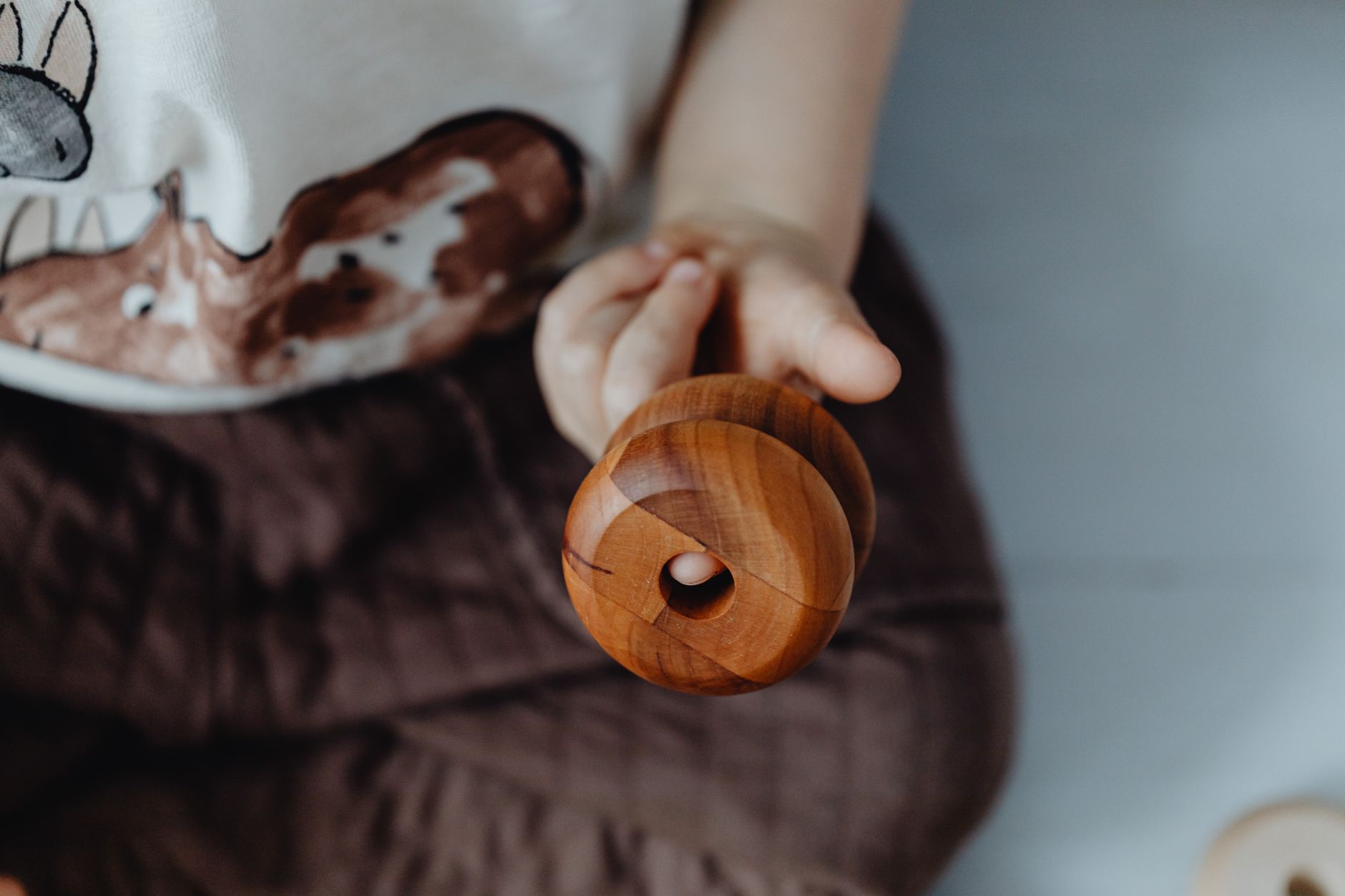
Small, tactile toys support exploration for babies with high activity levels.
Understanding infant behavior and developmental milestones
By tying temperament and emerging personality to concrete milestones, you can better gauge whether your baby’s behavior is typical or a signal to seek extra support.
0–3 months: Look for basic temperament cues—how quickly they calm after a startle, their baseline mood, and sleep‑wake patterns. Milestones include lifting the head, tracking faces, and beginning social smiles.
4–6 months: Temperament becomes clearer. You may notice consistent patterns: a baby who eagerly reaches for toys (high activity) or one who prefers to stay in a caregiver’s lap (high attachment). Milestones expand to rolling, babbling, and recognizing familiar voices.
7–12 months: Personality starts to surface as infants develop preferences, problem‑solving strategies, and social preferences. For example, a baby who persistently tries to fit a shape into a block hole shows early conscientiousness. Milestones include crawling, first words, and stranger anxiety.
When you notice a mismatch—such as a baby who is unusually inconsolable despite a calm environment, or a toddler who shows limited curiosity after several months of exposure—consider discussing it with your pediatrician. Early guidance can prevent later challenges.
Importantly, developmental trajectories are not linear. A baby who hits a milestone later than peers may still be progressing normally if their temperament includes a slower rhythm. Conversely, a rapid pace does not guarantee future ease; high activity can sometimes translate into overstimulation if not balanced with calming routines.
From our medical team: Temperament is a normal, biologically‑based part of every infant’s makeup. It’s not a flaw to be “fixed,” but a cue for how best to support your child’s growing personality. If you ever feel unsure about your baby’s reactions, a brief conversation with your provider can clarify whether the pattern fits typical development or warrants closer monitoring.
Assessing your baby’s temperament at home
Professional assessments are valuable, but you can start gathering useful information right in your living room. The key is to observe without judgment and note patterns over several days. A simple three‑step method works well:
Identify a trigger: Choose a common situation—feeding, diaper change, or a new toy.
Record the reaction: Note how quickly the baby calms, the intensity of any crying, and any facial cues (e.g., furrowed brows, wide eyes).
Repeat across contexts: Observe the same trigger in different settings (quiet room vs. noisy kitchen) to see if the response changes.
When you compile these observations, you’ll often see a consistent “profile” emerge—high activity, low adaptability, or a calm, regular rhythm. This self‑generated profile can guide you in selecting appropriate soothing strategies and also serve as a useful reference point for your pediatrician’s visits.
Many parents find the “baby temperament diary” worksheet from the NHS helpful. It prompts you to rate reactions on a 1‑5 scale for each dimension, turning subjective impressions into concrete data. Sharing this chart with your provider can streamline discussions about feeding, sleep, and emotional regulation.
The role of sleep and nutrition in shaping temperament
Sleep and nutrition are the twin pillars that undergird a baby’s emotional regulation. Poor sleep quality amplifies negative affect, while well‑balanced nutrition supports brain development and stabilizes mood.
Research from the American Academy of Pediatrics (2023) shows that infants who receive at least 12‑15 hours of sleep (including naps) per 24‑hour period display lower irritability scores and more adaptable temperaments. Conversely, fragmented sleep—common in babies with colic or reflux—can heighten intensity of reactions, making soothing more challenging.
On the nutrition side, adequate intake of omega‑3 fatty acids (found in breast milk and fortified formulas) has been linked to better attentional regulation in the first year. Iron‑rich foods introduced at six months, such as pureed lentils or fortified cereals, also correlate with improved activity levels and reduced fatigue.
Practical tip: keep a “sleep‑nutrition log” for a week. Note bedtime, wake times, feeding type (breast, formula, solids), and any notable mood changes. Patterns often emerge—e.g., a baby who skips a mid‑day nap may become unusually fussy in the evening. Adjusting the routine based on these insights can smooth temperamental spikes.
Cultural and socioeconomic influences on temperament expression
Temperament does not develop in a cultural vacuum. Across societies, caregivers interpret and respond to infant cues differently, which can shape the outward expression of innate traits.
In collectivist cultures, for example, close physical proximity and frequent holding are normative, often leading to lower observed negative affect because infants receive constant soothing. In contrast, Western individualist contexts may encourage early independence, which can accentuate a baby’s natural “slow‑to‑warm‑up” style if parents unintentionally give the child more alone time.
Socioeconomic factors also matter. Families with limited resources may experience higher stress levels, influencing both caregiver responsiveness and infant stress physiology. Studies from the UK’s Health Survey for England (2022) found that infants in higher‑income households displayed slightly higher adaptability scores, mediated by reduced parental stress and more consistent routines.
Being aware of these broader influences helps you interpret your baby’s behavior without self‑blame. If you’re navigating a high‑stress environment, consider seeking community resources—parenting groups, lactation consultants, or early‑intervention services—that can provide additional support and buffer potential negative impacts on temperament development.
🔢 Ready to crunch your numbers? Use our Baby Personality Quiz for a personalized result in seconds.
Myth vs. fact
Myth: “If my baby is fussy, they’ll stay fussy forever.”
Fact: Many infants with high negative affect become well‑adjusted as they grow, especially when caregivers respond consistently and soothingly.
Myth: “Personality is set by the time a child turns two.”
Fact: Personality continues to evolve through early childhood; experiences, schooling, and peer relationships all reshape traits.
Myth: “Temperament is only about mood.”
Fact: Temperament includes activity level, adaptability, attention span, and more, each influencing how a child engages with the world.
Key takeaways
Temperament is an innate, biologically‑based reaction style observable within weeks; personality builds on temperament and reflects experiences.
Both genetics (≈40‑60 % heritability) and environment shape these traits; responsive caregiving can moderate extreme temperamental reactions.
Key temperament dimensions include activity level, adaptability, intensity, and approach/withdrawal.
Use predictable routines, gentle exposure to novelty, and play that matches your baby’s natural style to foster healthy personality development.
Watch developmental milestones—social smiles, babbling, crawling—to see how temperament translates into emerging personality.
If your baby’s behavior feels unusually intense or unchanging, talk to your pediatrician; early support makes a big difference.
Track sleep, nutrition, and daily reactions to uncover patterns that can guide soothing strategies.
Remember that cultural and socioeconomic contexts shape how temperament is expressed and perceived.
Frequently asked questions
What is the difference between temperament and personality in infants?
The direct answer: temperament is the innate, biologically driven way a baby reacts to stimuli, while personality is the broader, evolving pattern of thoughts, feelings, and behaviors that develops as the infant interacts with caregivers and the environment.
Temperament appears within the first weeks and stays relatively stable; personality emerges later, integrating temperament with experiences, cultural influences, and learning.
How does an infant's temperament affect their development?
Temperament sets the emotional and regulatory foundation that influences how a baby learns to cope with stress, form attachments, and explore their world.
For example, a highly adaptable infant may readily engage with new toys, accelerating cognitive growth, whereas a baby with strong negative affect may need extra soothing to build secure attachment, which in turn supports social development.
Can an infant's personality be predicted?
While you can’t forecast a child’s exact adult personality, early temperament combined with observed behaviors can give clues about emerging traits such as extraversion or conscientiousness.
Long‑term studies show that patterns like early behavioral inhibition often correlate with later anxiety, but parenting and life experiences can modify those trajectories.
What role do genetics play in shaping an infant's temperament?
Genetics accounts for roughly 40‑60 % of temperament variance, according to twin studies from the NIH.
Specific genes related to neurotransmitter systems (e.g., serotonin transporter) influence reactivity, but gene expression is also affected by prenatal stress, nutrition, and postnatal caregiving.
How can parents influence their infant's personality development?
Parents can’t change the core temperament, but they can shape personality by providing responsive care, consistent routines, and opportunities for safe exploration.
Practices such as reading facial expressions, narrating emotions, and offering age‑appropriate challenges help the infant develop coping skills, social confidence, and a richer personality.
What are the key characteristics of an infant's temperament?
Key characteristics include activity level, regularity of biological rhythms, adaptability to new situations, intensity of emotional reactions, rhythmicity, approach versus withdrawal, and persistence.
These dimensions are usually measured with standardized questionnaires like the Rothbart Infant Behavior Questionnaire and can guide parents in tailoring care to their baby’s natural style.
Can temperament predict future mental health?
Direct answer: Certain temperamental traits, especially high negative affect and behavioral inhibition, are associated with an increased risk of anxiety or mood disorders later in life.
However, the relationship is not deterministic; supportive parenting, therapeutic interventions, and positive life experiences can significantly reduce that risk, as highlighted by AAP guidelines on early mental‑health promotion.
How does having siblings affect a baby's temperament and personality?
Having older siblings often provides natural opportunities for social learning, which can moderate a baby’s temperament—especially for children who are shy or have high intensity.
Research from the Journal of Family Psychology (2021) indicates that infants with siblings tend to develop stronger self‑regulation skills earlier, because they practice turn‑taking and coping with shared attention in a real‑world setting.
When to call your doctor
If your infant shows any of the following, seek medical advice promptly: persistent inconsolable crying lasting more than three hours despite soothing, failure to gain weight or feed adequately, extreme sleep disturbances, or signs of developmental regression. This article is for informational purposes only and does not replace personalized medical guidance.
References
American Academy of Pediatrics. “Temperament and Parenting: Clinical Guidance.” Pediatrics, 2022.
National Institutes of Health. “Twin Study of Infant Temperament.” NIH Publication No. 2021‑07.
World Health Organization. “Maternal Stress and Fetal Development.” WHO Report, 2021.
Rothbart, M. K. “Temperament in Development.” Guilford Press, 1995.
Thomas, A., & Chess, S. “The Temperament of the Infant.” 1963.
American College of Obstetricians and Gynecologists. “Guidelines for Prenatal Care.” ACOG Committee Opinion, 2023.
National Health Service (UK). “Understanding Your Baby’s Temperament.” NHS, 2022.
Centre for Disease Control and Prevention. “Early Childhood Development.” CDC, 2022.
American Academy of Pediatrics. “Promoting Early Mental Health.” AAP Policy Statement, 2021.
Journal of Family Psychology. “Sibling Influence on Infant Self‑Regulation.” Vol. 35, No. 4, 2021.
British Psychological Society. “Cultural Variations in Infant Temperament.” BPS Review, 2020.
National Institute of Child Health and Human Development. “Milestones of Personality Development.” NICHD, 2023.
American Psychological Association. “Developmental Systems Theory.” APA Handbook, 2022.
Not sure about the label on Temperament Vs Personality Infant Development Insights Simplified products?
Snap the ingredients list and SafeFilter checks every ingredient for your stage — only 3 free scans this month, then you're locked until reset. Unlimited from $7/mo or $50/yr.
When Shubhra Mishra was expecting her first child in 2016, she was overwhelmed by conflicting food advice — one site said yes, another said never. By the time her second baby arrived in 2019, she realized millions of mothers face the same confusion.
That sparked a five-year journey through clinical nutrition papers, cultural diets, and expert conversations — all leading to BumpBites: a calm, compassionate space where science meets everyday motherhood.
Her long-term vision is to build a global community ensuring safe, supported, and free deliveriesfor every mother — because no woman should face pregnancy alone or uninformed. 🌿
🌍 Stand with mothers, shape safer guidance
Join a small circle of experts who review BumpBites articles so expecting parents everywhere can decide with confidence.