Swollen Feet During Pregnancy Reduction Techniques include elevating legs, staying hydrated, wearing compression socks, and gentle foot massages. These safe, effective methods quickly ease swelling and improve comfort for expectant mothers.
By Shubhra Mishra — a mom of two who turned her own confusion during pregnancy into BumpBites, a global mission to make food choices clear, safe, and stress-free for every expecting mother. 💛
Check whether any food is safe during pregnancy with the BumpBites Food Safety Checker.
Quick take: Swollen feet are common in pregnancy, especially after the first trimester. Most swelling can be eased with simple lifestyle tweaks—elevating the legs, staying hydrated, wearing supportive shoes, and gentle movement. If swelling comes with severe pain, sudden weight gain, or high blood pressure, call your provider right away.
It's 2 a.m., you’ve just slipped off your sandals and felt the familiar puffiness in your ankles. You stare at the ceiling, wondering whether this is “just pregnancy” or something you should be worried about. You’re not alone—many expectant mothers notice their feet getting larger, tighter, and sometimes achy. The good news is that for most people, a few practical changes can bring noticeable relief.
In this guide we’ll explain why fluid builds up in your lower legs, what symptoms signal a deeper issue, and which everyday habits—from the shoes you pick to the way you move—can keep swelling under control. We’ll also cover safe home remedies, when medical treatment is needed, and how to care for your feet after delivery. By the end you’ll have a clear, step‑by‑step plan you can start using tonight.
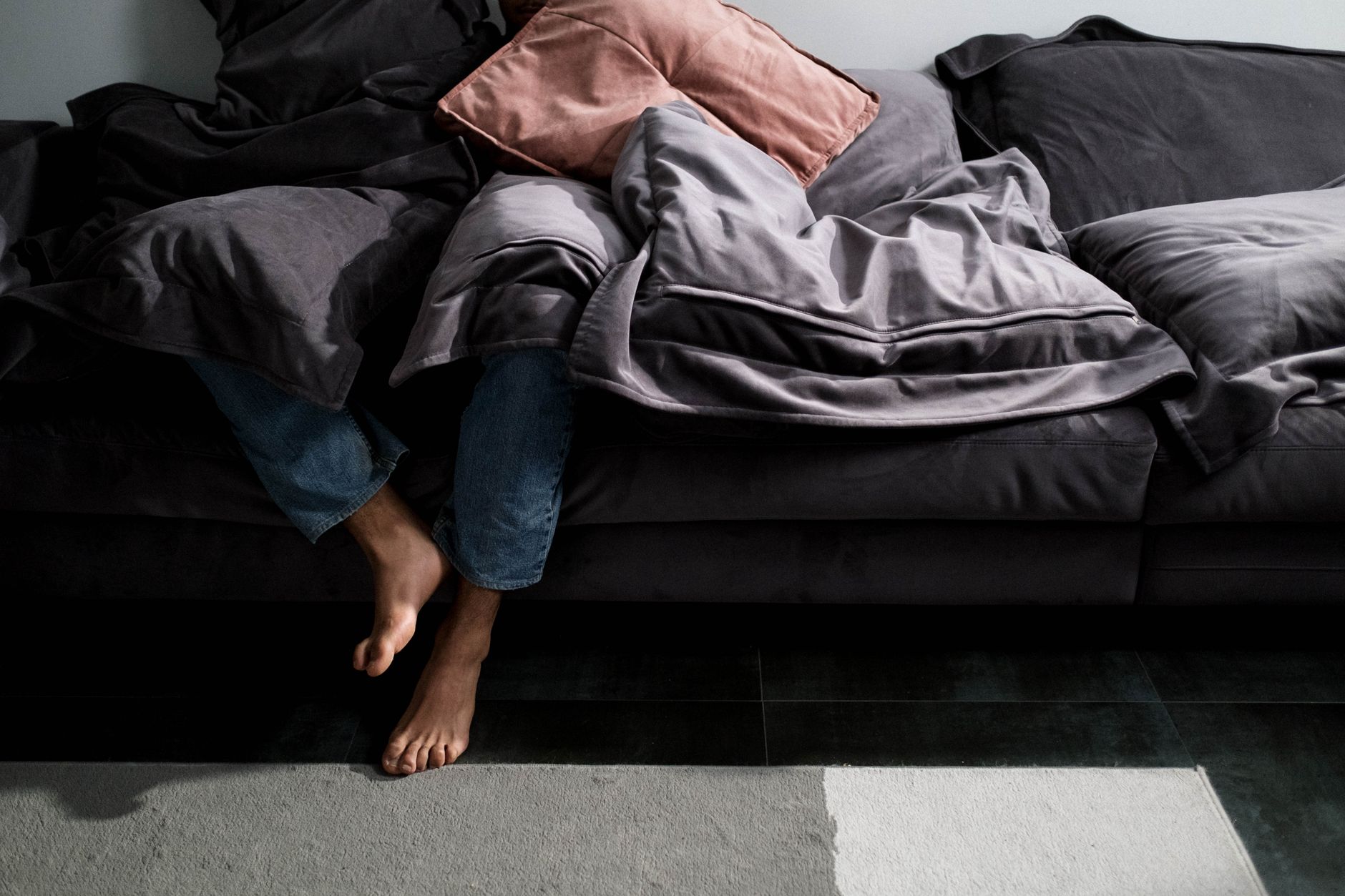
Elevating your feet for a few minutes each hour can dramatically reduce swelling.
How can I reduce swollen feet during pregnancy?
Most swelling, medically called peripheral edema, happens because your body holds extra fluid to support the growing uterus and placenta. Hormones relax the walls of your blood vessels, making it easier for fluid to seep into surrounding tissue. Gravity also plays a role—when you stand or sit for long periods, fluid pools in the lowest parts of your body, typically the feet and ankles.
These physiological changes mean your body is working hard to nurture your baby. However, you don't have to simply endure the discomfort. The core strategies below are designed to counteract the three main drivers of swelling: fluid retention, gravity, and relaxed blood vessels, offering practical relief you can implement daily.
Elevate regularly. Raise your feet above heart level for 10–15 minutes every 2–3 hours. A simple footstool, a stack of pillows, or a reclining chair works. Elevating your legs helps gravity work in your favor, encouraging pooled fluid to flow back towards your torso and kidneys for processing. This is especially effective after prolonged standing or sitting.
Stay hydrated. Drinking 8–10 cups of water daily helps your kidneys flush excess sodium, preventing fluid buildup. Aim for water, herbal teas, and low‑sugar drinks; avoid sugary sodas. When you're dehydrated, your body tends to hold onto fluid more tightly, exacerbating swelling. Consistent hydration helps maintain a healthy fluid balance.
Move often. Gentle walking, ankle circles, or calf stretches stimulate circulation. Even short bouts of activity are better than staying still. Movement activates your "calf muscle pump," which helps push blood and fluid from your lower legs back toward your heart. Try to take a short walk or do simple exercises every hour if you have a sedentary job.
Compress wisely. Light‑to‑moderate compression stockings (15‑20 mmHg) can keep fluid from pooling. Choose stockings that fit comfortably and are not too tight at the toes. These specialized stockings apply gentle, graduated pressure, which supports your veins and prevents fluid from leaking into surrounding tissues.
Watch your salt intake. Excess sodium pulls water into your bloodstream. Aim for less than 2,300 mg of sodium per day, as recommended by the American College of Obstetricians and Gynecologists (ACOG). Reducing processed foods, cured meats, and salty snacks can significantly impact your fluid retention.
Combine these habits with a balanced diet rich in potassium (bananas, sweet potatoes, spinach) and magnesium (nuts, seeds, whole grains) to help your cells retain the right amount of fluid and support proper electrolyte balance. Many women find that by starting each day with a glass of water, wearing supportive shoes, and taking brief walks after meals, they notice a measurable reduction in puffiness within a week. Consistency is key, so try to integrate these practices into your daily routine.
What causes swollen feet in early pregnancy?
S
welling often begins in the first trimester, though it becomes more noticeable later. Early‑pregnancy swelling, while usually mild, can be triggered by several physiological shifts as your body adapts to conception:
Hormonal changes. The surge in hormones like progesterone and relaxin during early pregnancy causes the walls of your blood vessels to relax and expand. This increased permeability makes it easier for fluid to leak out of your capillaries and accumulate in surrounding tissues, leading to mild puffiness.
Increased blood volume. Your circulatory system undergoes a significant expansion, increasing its volume by up to 50 % to meet the baby’s growing needs. This extra fluid volume, while vital for nourishing your baby, adds pressure to your veins, especially in the lower limbs, making fluid pooling more likely.
Early fluid retention. Your body starts storing more water and sodium early on to prepare for the later stages of pregnancy and to support the growing uterine environment. This necessary increase in total body water can manifest as mild puffiness in the hands, feet, and ankles.
Reduced activity. Nausea, fatigue, or general discomfort often experienced in the first trimester may keep you from moving as much as usual. Reduced physical activity slows venous return from the legs, meaning fluid isn't pumped back to the heart as efficiently, contributing to early edema.
These mechanisms are normal, and most clinicians (including the NHS) reassure patients that mild swelling in the first few months is an expected part of the pregnancy journey. However, it's always important to pay attention to your body. If swelling is sudden, asymmetric (much worse in one leg than the other), or accompanied by pain, it could signal a deeper vascular issue or a developing condition such as preeclampsia—so keep an eye on how quickly the swelling appears and how it feels.
Swollen feet in the third trimester: relief strategies
The third trimester brings the biggest increase in blood volume and uterine pressure, as the growing uterus puts more direct pressure on the pelvic veins, further impeding blood flow from the lower extremities. As a result, many women experience the most pronounced swelling during these final months. Here are targeted relief tactics for the final months:
Night‑time elevation. Prop your legs on a wedge pillow or several regular pillows while you sleep, ensuring your feet are elevated above your heart level. This continuous elevation overnight can significantly prevent fluid from pooling in your lower limbs while you rest, leading to less swelling in the morning.
Cold compresses. Apply a cool, damp cloth or a cold pack wrapped in a thin towel to swollen ankles and feet for 10–15 minutes, twice daily. The cool temperature helps constrict blood vessels, which can reduce fluid leakage and provide immediate soothing relief from discomfort and throbbing.
Gentle calf massage. Using upward strokes from the ankle towards the knee helps to manually push trapped fluid back toward the heart. You can use a mild lotion or oil. Ask a partner for help, or use a massage roller designed for pregnant bodies. This can also help relax tired muscles and improve lymphatic drainage.
Hydrotherapy. Soaking feet in a shallow basin of cool water (not ice‑cold, as extreme cold can be too much for sensitive skin) for 15–20 minutes can soothe soreness and improve circulation. The hydrostatic pressure of the water can also help gently compress swollen tissues.
Even in the third trimester, staying active matters. Short, frequent walks—especially on level surfaces—are safer and more effective than long, strenuous hikes. If you’re unable to stand for long periods, try seated leg lifts: extend one leg straight, hold for a few seconds, then lower. Repeat 10–15 times per side. Water-based exercises, such as swimming or water aerobics, are particularly beneficial in the third trimester as the buoyancy of the water reduces pressure on your joints and limbs while still allowing for effective movement and circulation boost.
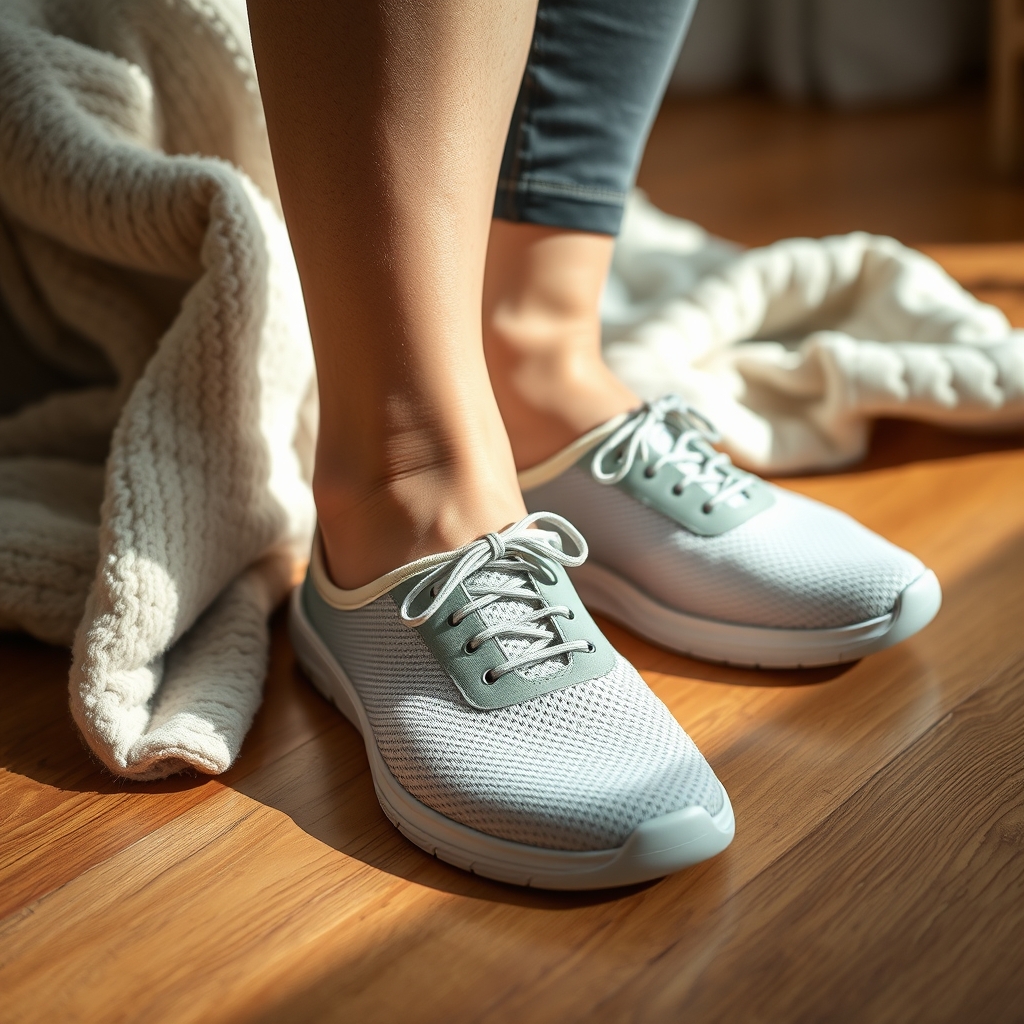
Choosing shoes with good arch support and a roomy toe box eases pressure on swollen feet.
Natural remedies for swollen feet during pregnancy
Many expectant mothers turn to home remedies for relief from swelling before reaching for medication. Below are evidence‑based options that ACOG and the Mayo Clinic cite as generally safe, alongside some traditional remedies with anecdotal support. Always discuss any herbal remedies or significant dietary changes with your healthcare provider first.
Epsom salt soak. Dissolve ½ to 1 cup of Epsom salts (magnesium sulfate) in a basin of warm, not hot, water and soak your feet for 15–20 minutes. Magnesium can be absorbed through the skin, potentially helping muscles relax and reducing fluid retention. The warm water also promotes circulation and can be very soothing.
Apple cider vinegar. Mix 1–2 teaspoons of raw, unfiltered apple cider vinegar into a glass of water and drink daily. While some anecdotal reports suggest it helps balance electrolytes and reduce swelling, scientific data specifically supporting this for pregnancy-related edema are limited. Use sparingly and discontinue if it causes digestive upset.
Herbal teas. Dandelion root tea is often used as a mild natural diuretic, which might help your body excrete excess fluid. Sip 1 cup in the afternoon, but avoid if you have low blood pressure or a dandelion allergy. Other gentle options include ginger tea (which can also help with nausea) or peppermint tea. Always check with your provider before adding herbal products, as not all are safe in pregnancy.
Compression wraps. Simple elastic bandages, applied from the foot upward and extending to just below the knee, can provide temporary relief by applying gentle, even pressure. Ensure they’re snug but not cutting off circulation—you should be able to comfortably slip a finger underneath. These are a good temporary alternative if you don't have compression stockings.
Foot massage with essential oils. A gentle foot massage with a carrier oil (like almond or coconut oil) mixed with a few drops of a pregnancy-safe essential oil (such as lavender or chamomile) can be incredibly relaxing and help stimulate circulation. Always dilute essential oils properly and avoid strong oils like peppermint or rosemary during pregnancy.
These remedies are generally low‑risk, but they should complement—not replace—core strategies like elevation, movement, and hydration. If swelling persists or worsens despite consistent home care, it’s time to discuss medical options and rule out underlying conditions with your provider.
Can swollen feet be a sign of preeclampsia?
Preeclampsia—a serious condition characterized by a sudden rise in blood pressure and often protein in the urine, typically developing after 20 weeks of pregnancy—can indeed present with rapid, severe swelling. While mild, gradual swelling in the feet and ankles is a normal part of pregnancy, sudden and widespread edema, especially in the face, hands, and feet, should always raise concern.
Preeclampsia affects your blood vessels and organs, including the kidneys, which can lead to increased fluid retention and leakage. According to the American College of Obstetricians and Gynecologists (ACOG) and the UK's National Institute for Health and Care Excellence (NICE), key warning signs that differentiate concerning swelling from normal edema include:
Sudden weight gain of more than 2 kg (4 lb) in a week, not attributable to overeating.
Swelling that does not improve with rest or elevation, particularly if it's new or rapidly worsening.
Persistent pain or a “tight” feeling in the calves, which could indicate deep vein thrombosis (DVT) in rare cases, or severe edema.
Other symptoms such as a persistent, severe headache not relieved by over-the-counter pain relievers, visual changes (like blurred vision or seeing spots), severe pain in the upper right abdomen or epigastric region, nausea, or vomiting.
If you notice any of these symptoms, contact your prenatal care team immediately. Early detection and management of preeclampsia are crucial for protecting both your health and your baby’s well-being. Regular prenatal check-ups are essential for monitoring blood pressure and urine protein, which are key indicators of this condition.
Understanding and Using Compression Stockings
Compression stockings are a highly effective, non-pharmacological tool for managing pregnancy-related swelling, especially in the legs and feet. They work by applying gentle, graduated pressure to your legs, with the strongest compression at the ankle and gradually decreasing pressure further up the leg. This helps to counteract gravity and support the veins, preventing fluid from pooling in the lower extremities.
There are different types and strengths of compression stockings:
Graduated Compression: These are the most common type and are designed to promote blood flow back towards the heart.
Compression Levels (mmHg): Stockings are rated by millimeters of mercury (mmHg). For most pregnancy swelling, light-to-moderate compression (15-20 mmHg) is recommended. Higher compression levels (20-30 mmHg or more) are usually prescribed by a doctor for specific medical conditions like severe varicose veins or DVT.
Styles: You can find knee-high, thigh-high, or full-pantyhose styles. Knee-high are often sufficient for foot and ankle swelling and can be more comfortable in warmer weather.
To get the most benefit, put your compression stockings on first thing in the morning before you get out of bed, when swelling is typically at its minimum. Ensure they are smooth, without wrinkles or bunching, as these can create pressure points. Proper fitting is crucial; ask your provider or a pharmacist for guidance on measuring your legs to ensure you get the correct size. Most compression stockings can be hand-washed and air-dried to maintain their elasticity. While generally safe, always consult your doctor before using compression stockings, especially if you have existing vascular conditions.
Which exercises help reduce swelling in pregnant feet?
Movement is a cornerstone of edema control, acting as a natural pump for your circulatory system. The following low‑impact exercises are safe for most pregnancies, as endorsed by the NHS and ACOG, and can be easily integrated into your daily routine:
Ankle pumps. Sit with legs extended, then slowly flex your feet up (toes towards your shin) and down (toes away from your body) 15–20 times. This simple movement encourages venous return and helps activate the calf muscles, which are vital for pushing fluid back towards the heart.
Calf raises. Stand behind a sturdy chair or counter for support, rise onto your tiptoes, hold for 3 seconds, then slowly lower. Perform 2 sets of 10–15 repetitions. This strengthens your calf muscles and improves circulation by compressing the veins in your lower legs.
Leg swings. While holding onto a sturdy surface for balance, gently swing one leg forward and back, then side to side, in a controlled motion. Do 10 swings in each direction per leg. This promotes lymphatic drainage and keeps your joints mobile without high impact.
Swimming or water walking. The buoyancy of water reduces pressure on your joints and legs while letting you stay active. The hydrostatic pressure of the water also provides a natural, gentle compression that can help reduce swelling. Aim for 20–30 minutes, a few times a week, in a comfortably warm pool.
Prenatal yoga poses. Poses like “Legs Up the Wall” (Viparita Karani) gently invert the body, allowing fluid to drain back toward the heart. Other gentle poses that focus on stretching and improving flexibility can also aid circulation and reduce stiffness in swollen limbs.
Start slowly and listen to your body. If any movement causes sharp pain, stop immediately and consult your provider. Consistency—doing a few minutes of these exercises three times a day—can keep swelling at bay without overexertion. Even small breaks to stretch or walk around can make a significant difference if you have a job that requires prolonged sitting or standing.
What are the best shoes for swollen feet during pregnancy?
Footwear plays a surprisingly big role in how much pressure your ankles and calves experience. As your feet can increase by up to a full shoe size during pregnancy, investing in appropriate shoes is a wise choice. The ideal shoe should:
Provide arch support. A supportive insole helps distribute weight evenly across your foot, reducing strain on the lower leg and preventing foot fatigue that can worsen swelling.
Feature a roomy toe box. Swelling often makes toes feel cramped and can lead to painful bunions or ingrown toenails; a wider front prevents friction and blisters and allows your toes to splay naturally.
Include cushioning. Shock‑absorbing midsoles lessen impact when you walk on hard surfaces, protecting your joints and reducing overall foot stress.
Offer adjustable closures. Velcro straps, elastic laces, or buckle closures accommodate daily size changes and allow you to loosen or tighten your shoes as needed throughout the day.
Be made of breathable materials. Materials like mesh or soft leather allow air circulation, preventing overheating and discomfort.
Have a low, stable heel. Avoid high heels, which can alter your center of gravity and strain your back and ankles. A low, wide heel (1-2 inches) offers stability and comfort.
Here’s a quick comparison of common shoe types:
Shoe type
Support level
Toe box width
Adjustability
Best for
Supportive sneakers
High
Medium‑wide
Velcro or laces
Everyday walking, light exercise, long periods on feet
Slip‑on loafers
Moderate
Wide
Elastic panels, soft materials
Quick errands, indoor use, easy on/off
Flat sandals
Low‑moderate
Wide
Adjustable straps
Warm weather, short distances, casual outings
Maternity specific shoes
High
Extra wide
Multiple adjustable points
Maximum comfort and support for severe swelling
Brands that specialize in maternity footwear often incorporate these features. When buying shoes, consider shopping later in the day when your feet are typically most swollen to ensure a comfortable fit. If you’re unsure, ask a store associate to measure your foot while you’re slightly swollen to ensure a comfortable fit. Don't forget to choose soft, non-constricting socks, preferably seamless, to avoid adding pressure to your ankles.
Dietary changes that can lessen foot swelling in pregnancy
Food choices significantly influence fluid balance in your body. ACOG and the CDC agree on several dietary pillars for reducing edema, focusing on managing electrolytes and overall hydration. It’s not just about what you cut out, but what you add in.
Limit sodium. Processed foods, canned soups, frozen meals, deli meats, and salty snacks are major culprits for high sodium intake. Aim for less than 2,300 mg per day, and make a habit of reading nutrition labels for hidden salt. Cooking at home allows you to control sodium levels effectively.
Boost potassium. Potassium helps the kidneys excrete excess sodium and maintain proper fluid balance. Incorporate potassium-rich foods like bananas, oranges, spinach, sweet potatoes, avocados, and white beans into your daily meals.
Increase magnesium. Magnesium supports muscle relaxation and fluid regulation. Good sources include nuts (almonds, cashews), seeds (pumpkin, chia), whole grains, legumes, dark leafy greens (kale, collards), and even a small amount of dark chocolate.
Prioritize hydration. While it might seem counterintuitive to drink more when you're swollen, adequate water intake is crucial. Water, infused with a slice of lemon or cucumber, makes it more appealing and helps your kidneys function optimally to flush out waste and excess sodium. Aim for at least 8-10 glasses (2-2.5 liters) per day.
Include lean protein. Protein plays a role in maintaining osmotic pressure in your blood vessels, which helps prevent fluid from leaking into tissues. Incorporate lean sources like chicken, fish (safe options like salmon), beans, lentils, and eggs.
Reduce refined carbohydrates and sugars. Foods high in refined carbs and sugar can contribute to inflammation and fluid retention. Opt for whole grains, fruits, and vegetables instead.
Sample daily menu focusing on anti-swelling foods:
Breakfast: Oatmeal topped with sliced banana, a handful of almonds, and a sprinkle of chia seeds.
Snack: Greek yogurt with berries or carrot sticks with hummus (rich in magnesium).
Lunch: Quinoa salad with spinach, orange segments, avocado, and grilled chicken or chickpeas, dressed with a light olive‑oil vinaigrette.
Snack: Apple slices with a tablespoon of peanut butter.
Dinner: Baked salmon, roasted sweet potatoes, and steamed broccoli, seasoned with herbs instead of salt.
Evening: Herbal tea (e.g., rooibos) and a large glass of water.
These choices keep sodium modest while flooding your system with essential electrolytes and nutrients that support healthy fluid distribution and overall well-being during pregnancy.
Cool compresses can quickly ease swelling and discomfort.
Swelling Beyond the Feet: Hands and Face
While swollen feet and ankles are the most common complaint, pregnancy-related edema can affect other areas of your body, most notably your hands and face. The underlying causes are the same—increased blood volume, hormonal changes, and fluid retention—but the appearance and management can differ slightly. Many women notice rings becoming tight on their fingers or a puffiness around their eyes and cheeks.
For swollen hands, try these tips:
Remove tight jewelry: Take off rings, bracelets, and watches early to prevent them from cutting off circulation or becoming stuck.
Hand exercises: Gently clench and unclench your fists, rotate your wrists, and stretch your fingers throughout the day to encourage fluid movement.
Elevate your hands: Rest your hands above heart level on pillows when sitting or sleeping.
Stay hydrated: As with feet, drinking plenty of water helps your body manage fluid balance.
Facial swelling, particularly around the eyes, can be especially noticeable in the morning. To help with this:
Cool compresses: Apply a cool, damp cloth to your face for a few minutes.
Elevate your head: Sleep with an extra pillow to keep your head slightly elevated, which can reduce fluid accumulation in your face overnight.
Avoid sleeping on your back: This position can sometimes worsen fluid retention in the face and hands.
As with foot swelling, if facial or hand swelling is sudden, severe, or accompanied by other symptoms like headaches or visual changes, it's crucial to contact your doctor immediately, as this could be a sign of preeclampsia or another serious condition.
When to Consider Professional Massage or Physical Therapy
While many women find relief from at-home remedies and lifestyle adjustments, sometimes persistent or severe swelling warrants professional intervention. A qualified prenatal massage therapist or a physical therapist specializing in women's health can offer targeted strategies and techniques.
Professional prenatal massage can be incredibly beneficial for reducing edema. A therapist trained in pregnancy massage will understand how to safely position you and use gentle, upward strokes to encourage lymphatic drainage and improve circulation. This can not only reduce swelling but also alleviate general aches and pains associated with pregnancy, promoting relaxation. When seeking a massage therapist, ensure they are certified in prenatal massage and communicate your concerns about swelling.
For more persistent or painful swelling, or if you're experiencing mobility issues, a physical therapist might be recommended by your doctor. They can assess your specific situation and provide:
Manual lymphatic drainage (MLD): A specialized, gentle massage technique designed to move fluid from swollen areas into the lymphatic system, where it can be processed and excreted.
Customized exercise programs: Tailored exercises that are safe and effective for your stage of pregnancy and level of swelling.
Guidance on compression: Help with fitting and proper use of compression garments.
Education on body mechanics: Advice on posture and movement to optimize circulation and reduce pressure on your lower body.
Don't hesitate to ask your prenatal care provider if a referral to a massage therapist or physical therapist would be beneficial for your swelling and overall comfort. These professionals can offer valuable support beyond what you can achieve with home care alone.
Postpartum Swelling: What to Expect
The journey with swelling doesn't always end with childbirth. Many new mothers are surprised to find that swelling in their feet, ankles, and even hands can persist or even worsen in the days immediately following delivery. This is a common and usually temporary phenomenon, but it can be uncomfortable and concerning if you're not expecting it.
There are several reasons for postpartum swelling:
Excess fluid from pregnancy: Your body accumulates a significant amount of extra fluid during pregnancy, and it takes time for this fluid to be processed and eliminated by your kidneys after birth.
IV fluids during labor: Many women receive intravenous (IV) fluids during labor and delivery, especially for pain management like epidurals, which can temporarily increase fluid retention.
Hormonal shifts: The rapid drop in pregnancy hormones after birth can also contribute to fluid shifts in the body.
Reduced activity: The immediate postpartum period often involves reduced mobility as you recover from childbirth, which can slow circulation and allow fluid to pool.
Typically, postpartum swelling begins to resolve within the first week or two after delivery as your body works to excrete the excess fluid. You might notice increased urination and sweating as your body sheds this fluid. The same strategies that helped during pregnancy—elevation, hydration, gentle movement, and supportive footwear—are also beneficial in the postpartum period.
However, it's important to monitor postpartum swelling carefully. If swelling is severe, painful, unilateral (only in one leg), or accompanied by redness, warmth, or a fever, contact your doctor immediately. These could be signs of a deep vein thrombosis (DVT), a serious blood clot that requires urgent medical attention.
Doctor's note
From our medical team: Swelling of the feet and ankles is usually benign, but it can signal a problem if it appears suddenly, is painful, or is paired with hypertension. We recommend tracking any changes—note the time of day, how long you’ve been standing, and any new symptoms. Bring this information to your next prenatal visit, and ask about compression stockings or a referral to a physical therapist if swelling is persistent. Always prioritize your comfort and safety; a few simple adjustments can make a big difference.
Myth vs. fact
Myth: “If my feet are swollen, I should stop moving to avoid injury.”
Fact: Gentle movement actually improves circulation and reduces fluid buildup. Staying active, even with short walks, is safer than remaining still for long periods. Your body needs movement to help pump fluid back to your heart.
Myth: “All swelling is a sign of preeclampsia.”
Fact: Mild edema is common and usually harmless, affecting up to 70% of pregnant people. Preeclampsia involves additional signs such as high blood pressure, protein in the urine, and rapid weight gain, alongside sudden, severe swelling.
Myth: “Wearing tight shoes will prevent my feet from swelling.”
Fact: Tight footwear can restrict blood flow and worsen swelling, leading to discomfort and even skin irritation. Choose shoes with a roomy toe box and good support instead, allowing your feet space to expand.
Myth: "Drinking less water will reduce swelling."
Fact: This is a common misconception. Dehydration can actually cause your body to retain fluid more stubbornly. Staying well-hydrated helps your kidneys flush out excess sodium and maintain a healthy fluid balance, which can reduce swelling.
Key takeaways
Elevate your feet for 10–15 minutes every few hours and keep a pillow handy at night to aid fluid drainage.
Stay consistently hydrated, limit sodium, and eat potassium‑ and magnesium‑rich foods to help balance fluids.
Wear supportive, adjustable shoes with a wide toe box and consider light-to-moderate compression stockings (15-20 mmHg) daily.
Incorporate simple exercises—ankle pumps, calf raises, and short walks—to boost circulation and activate your calf muscle pump.
Use cool compresses or Epsom‑salt soaks for quick relief, and try gentle massages or consider professional prenatal massage.
Monitor swelling in your hands and face, and remove tight jewelry to prevent complications.
Contact your provider immediately if swelling is sudden, painful, unilateral, or accompanied by high blood pressure, headaches, or visual changes.
Frequently asked questions
What causes swollen feet during pregnancy?
Swelling occurs because pregnancy hormones relax vein walls, increased blood volume adds pressure, and gravity encourages fluid to collect in the lower legs. Early on, it’s often mild; later, the growing uterus compresses pelvic veins, intensifying the effect, particularly in the third trimester.
How can I reduce swelling in my feet during pregnancy?
The quickest relief comes from elevating your feet above heart level, staying well‑hydrated, and moving regularly. Adding compression stockings, limiting salt, and wearing supportive, adjustable shoes also make a big difference, as does gentle massage and cool compresses.
Is it normal to have swollen feet during pregnancy?
Yes—up to 70 % of pregnant people experience some degree of foot or ankle swelling, especially after the first trimester. It’s usually harmless, but monitor for rapid changes, pain, or swelling in other areas like the face and hands.
Can swollen feet during pregnancy be a sign of something serious?
Severe, sudden swelling paired with headaches, visual changes, or high blood pressure can indicate preeclampsia. If you notice these red‑flag symptoms, or if swelling is unilateral and painful, call your provider right away to rule out serious conditions like DVT.
How can I relieve foot pain during pregnancy?
Warm foot baths, cool compresses, gentle stretches, and supportive footwear can all ease discomfort. Over‑the‑counter acetaminophen is generally safe, but always check with your clinician before taking medication. Regular elevation and massage also help reduce pressure.
Will my feet return to normal after pregnancy?
For most people, foot size and swelling gradually decrease within weeks after delivery as fluid levels normalize. However, some women notice a modest permanent size increase due to ligament laxity from relaxin; supportive shoes remain helpful even postpartum for continued comfort.
Can staying warm make swelling worse?
Yes, heat can sometimes exacerbate swelling. Warm temperatures cause blood vessels to dilate, which can increase fluid leakage into tissues. While warm foot soaks can be soothing, prolonged exposure to heat, like hot baths or very warm weather, might worsen edema for some individuals. Opt for cooler environments and cool compresses instead.
Is it safe to get a foot massage during pregnancy?
Gentle foot massages are generally safe and can be very beneficial for reducing swelling and promoting relaxation during pregnancy. However, it's advisable to inform your massage therapist that you are pregnant, as they may avoid certain pressure points, particularly in early pregnancy. Always ensure the massage is gentle and comfortable.
When to call your doctor
If you experience any of the following, seek medical care promptly: sudden swelling that doesn’t improve with rest, severe pain in the calves (especially if only in one leg), a rapid weight gain of more than 2 kg in a week, blood pressure reading above 140/90 mmHg, or swelling accompanied by persistent headaches, visual changes (like blurred vision or seeing spots), or severe pain in your upper abdomen. This information is for educational purposes only and does not replace personalized medical advice.
References
American College of Obstetricians and Gynecologists (ACOG). “Edema in Pregnancy.” Committee Opinion, 2023.
National Health Service (NHS). “Swelling (edema) during pregnancy.” Updated 2022.
Mayo Clinic. “Pregnancy swelling (edema).” Reviewed 2023.
Centers for Disease Control and Prevention (CDC). “Pregnancy and nutrition.” 2022.
World Health Organization (WHO). “Guidelines on maternal health.” 2021.
Royal College of Obstetricians and Gynaecologists (RCOG). “Preeclampsia.” 2022.
U.S. Food and Drug Administration (FDA). “Pregnancy and medication safety.” 2023.
National Institute for Health and Care Excellence (NICE). “Antenatal care guidelines.” 2022.
American Academy of Pediatrics (AAP). “Physical Activity During Pregnancy.” 2023.
Not sure about the label on Swollen Feet During Pregnancy Reduction Techniques products?
Snap the ingredients list and SafeFilter checks every ingredient for your stage — only 3 free scans this month, then you're locked until reset. Unlimited from $7/mo or $50/yr.
When Shubhra Mishra was expecting her first child in 2016, she was overwhelmed by conflicting food advice — one site said yes, another said never. By the time her second baby arrived in 2019, she realized millions of mothers face the same confusion.
That sparked a five-year journey through clinical nutrition papers, cultural diets, and expert conversations — all leading to BumpBites: a calm, compassionate space where science meets everyday motherhood.
Her long-term vision is to build a global community ensuring safe, supported, and free deliveriesfor every mother — because no woman should face pregnancy alone or uninformed. 🌿
🌍 Stand with mothers, shape safer guidance
Join a small circle of experts who review BumpBites articles so expecting parents everywhere can decide with confidence.