Safe: Most sunburn treatments are safe during pregnancy, but avoid NSAIDs. Use aloe vera, cool compresses, and hydrate—especially in the first trimester. Consult your doctor first.
By Shubhra Mishra — a mom of two who turned her own confusion during pregnancy into BumpBites, a global mission to make food choices clear, safe, and stress-free for every expecting mother. 💛
Check whether any food is safe during pregnancy with the BumpBites Food Safety Checker.
Quick verdict: ✅ Generally safe – aloe vera gel can be used as a sunburn treatment while pregnant safe, as long as you apply it topically in moderate amounts and watch for rare allergic reactions.
It’s 2 a.m., you’ve just noticed a red patch on your forearm after a day at the beach, and the thought that you’re pregnant makes every skin‑care product feel like a potential hazard. You reach for the aloe vera gel you keep on the nightstand, but the question that pops into your mind is, “Is this sunburn treatment while pregnant safe?” The short answer is yes – most obstetric guidelines consider topical aloe vera safe for soothing sunburn during pregnancy. In this article we’ll walk through exactly how much you can use, what to look out for in each trimester, which brands are reputable, and what gentler alternatives exist if you’d rather avoid aloe altogether.
We’ll also cover the science behind aloe’s soothing properties, compare it with other common sunburn remedies, and give you a clear plan for when to call your provider. By the end, you’ll have a calm, evidence‑based roadmap for treating sunburn during pregnancy, so you can focus on enjoying the sunshine rather than worrying about it.
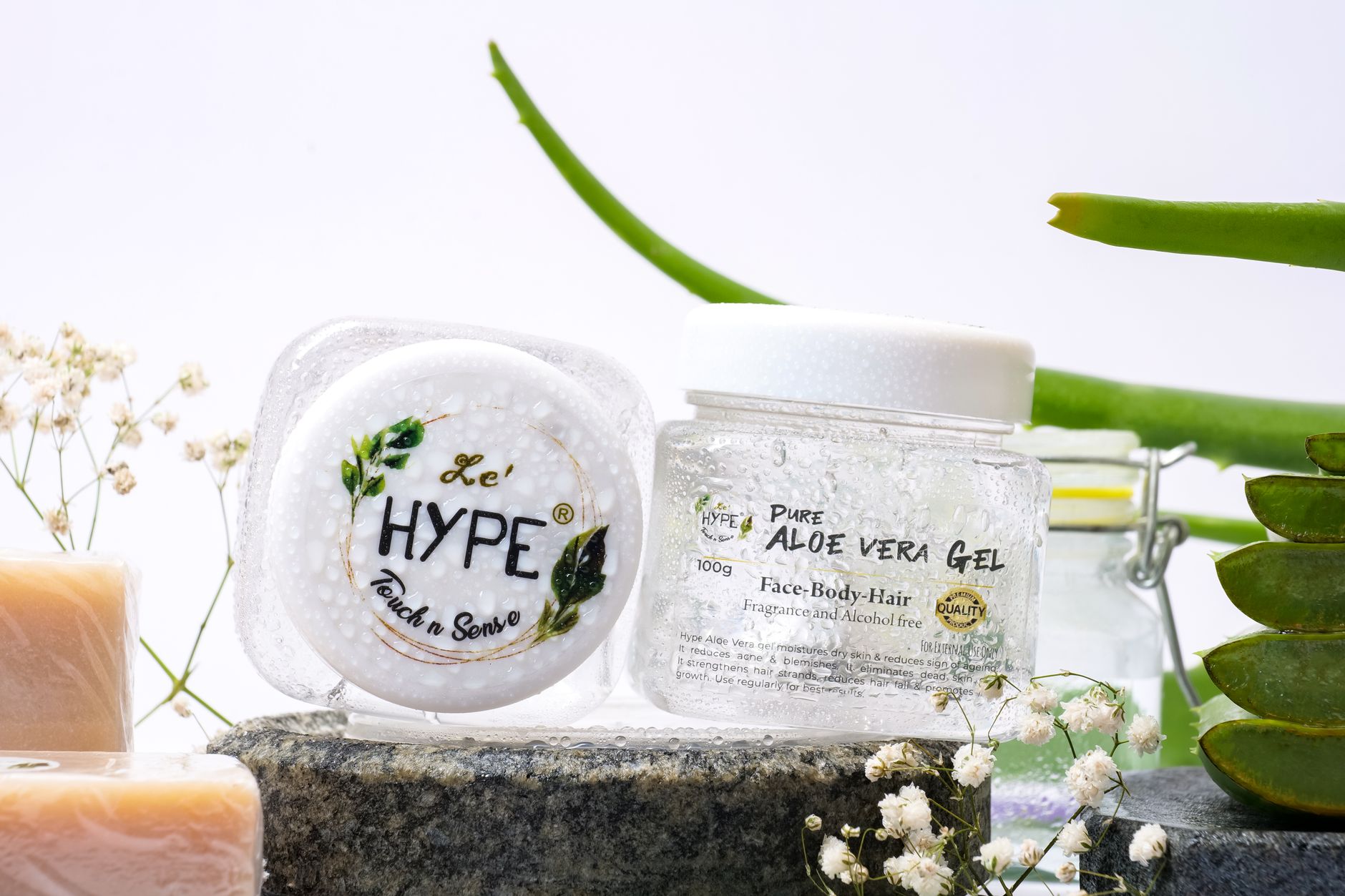
Keep a pure aloe vera gel jar handy for quick relief after a sunny day.
Stage
Verdict
Notes
First trimester
✅ Generally safe
Use thin layer; avoid ingestion; monitor for allergy.
Second trimester
✅ Generally safe
Same guidance; can apply more frequently if needed.
Third trimester
✅ Generally safe
Safe for skin; still avoid oral consumption.
Breastfeeding
✅ Generally safe
Topical use poses minimal risk to infant.
What is aloe vera gel?
Aloe vera is a succulent plant that stores a clear, mucilaginous gel inside its leaves. The gel is rich in polysaccharides, vitamins (A, C, E), and minerals that give it anti‑inflammatory, moisturizing, and cooling properties. When applied to the skin, the gel creates a protective barrier that helps lock in moisture, reduces redness, and can accelerate the healing of minor burns, including sunburn. Because it is largely water‑based and contains few irritants, many dermatologists recommend it for soothing irritated or damaged skin. In pregnancy, the concern is whether any of the plant’s compounds could be absorbed systemically and affect the developing baby. Most research, including guidance from the American College of Obstetricians and Gynecologists (ACOG) and the UK’s NHS, finds that topical use does not pose a measurable risk.
Is aloe vera gel safe during pregnancy?
Current guidance from ACOG and the NHS states that topical aloe vera gel is considered safe for use during pregnancy. The FDA classifies pure aloe gel as a “generally recognized as safe” (GRAS) ingredient for external application, though it advises against oral ingestion because of potential laxative effects. Studies on pregnant women who used aloe topically for sunburn or minor skin irritations have not shown an increased risk of birth defects or adverse pregnancy outcomes. The primary caution is a rare allergic reaction, which can occur in anyone but is not more common in pregnant individuals. If you have a history of skin sensitivities, a patch test is prudent before applying it to a larger area.
Because the first trimester is the period of organ development, many clinicians suggest using the smallest effective amount of any topical product. However, the evidence does not indicate a heightened risk from aloe specifically during this window. In the second and third trimesters, the same safety profile holds, and many pregnant patients find aloe soothing for the increased skin sensitivity that often accompanies later pregnancy.
First trimester
During the first 13 weeks, the body is forming the baby’s major organs. While most topical agents are low‑risk, ACOG recommends limiting exposure to any substance that could be absorbed in large amounts. A thin layer of aloe vera gel applied to a sunburned area—no more than a quarter‑inch thick—provides comfort without significant systemic absorption.
Second trimester
From weeks 14 to 27, the placenta becomes more efficient at filtering substances. Aloe’s large polysaccharide molecules are unlikely to cross the placenta, making it safe for continued use. You may apply the gel up to three times a day if the burn is painful, always allowing the skin to breathe between applications.
Third trimester
In weeks 28 to delivery, skin can become especially stretchy and prone to irritation. Aloe’s moisturizing effect can help prevent cracking, and its cooling sensation eases sunburn discomfort. The same thin‑layer approach applies; there is no evidence of risk to the baby at this stage.
Breastfeeding
When you’re nursing, the skin’s surface area in contact with the infant is minimal. Topical aloe does not enter breast milk in measurable amounts, so it remains a safe option for soothing sun‑exposed skin during lactation.
Is aloe vera gel safe for treating sunburn during the first trimester?
Yes, using aloe vera gel on a sunburn in the first trimester is generally considered safe. The key is to apply a thin layer and avoid ingesting the gel. ACOG’s guidance emphasizes that topical aloe does not pose a teratogenic risk (a risk of causing birth defects). If you have a known allergy to plants in the Liliaceae family, consider a patch test first.
How much aloe vera gel can a pregnant woman apply to a sunburn?
For a typical mild to moderate sunburn, applying a thin coat—about the size of a quarter—once to twice daily is sufficient. This amounts to roughly 1–2 grams per application, depending on the burn size. The gel should be allowed to absorb fully before covering the area with clothing. Over‑application does not increase benefit and may increase the chance of a local irritation.
Can I use organic aloe vera gel on sunburn while pregnant?
Organic aloe vera gel is safe as long as it is 100 % pure aloe without added fragrances, alcohol, or other chemicals. Look for products that list “Aloe barbadensis Miller” as the first ingredient and have minimal extra additives. The FDA does not require organic certification for topical gels, but third‑party organic seals can give extra confidence that the product is free from synthetic pesticides.
Aloe vera gel vs. other sunburn treatments for pregnant women
When comparing aloe to alternatives, consider the following:
Cool compresses – purely water‑based cooling; no active ingredients, safe for all trimesters.
Calamine lotion – contains zinc oxide and ferric oxide; generally safe but can be drying.
Coconut oil – moisturizing and safe, but less cooling than aloe.
Vitamin E oil – antioxidant benefit, but some formulations can be irritating.
Aloe stands out for its combined cooling, anti‑inflammatory, and hydrating properties, making it a top choice for pregnant women who want a single‑step solution.
What are the risks of using aloe vera gel on sunburn during pregnancy?
The primary risk is an allergic reaction, which can present as redness, itching, or a rash at the application site. This is not a pregnancy‑specific risk but a general skin‑sensitivity issue. Systemic absorption is minimal, so there is no evidence linking topical aloe to fetal harm. However, oral ingestion of aloe latex (the yellow part of the leaf) can cause uterine contractions, so it should be avoided.
Can aloe vera gel cause allergic reactions in pregnant women with sunburn?
Yes, although rare, some people develop contact dermatitis to aloe. If you notice increased redness, swelling, or a hive‑like rash after applying the gel, discontinue use and rinse the area with cool water. A patch test—applying a small amount to the inner forearm for 24 hours—can help determine sensitivity before using it on a larger sunburn.
Is aloe vera gel safe for sunburn on sensitive skin during pregnancy?
For sensitive skin, aloe vera gel is typically soothing because of its low pH and lack of fragrance. Choose a fragrance‑free, pure aloe product and apply a thin layer. If your skin is especially reactive (e.g., eczema‑prone), test a small spot first and consider using a cool compress or a hypoallergenic calamine lotion as an alternative.
Can I use aloe vera gel on a severe sunburn while pregnant?
For severe (second‑degree) sunburns covering a large area, aloe can still be helpful for comfort, but you should also seek medical evaluation. Severe burns may require prescription‑strength topical steroids or oral pain medication, which your provider can prescribe safely for pregnancy. Aloe can be used adjunctively, but it should not replace professional care.
Aloe vera gel brand recommendations for pregnant women
When selecting a brand, look for these hallmarks:
Pure aloe listed as the first ingredient.
Free of added fragrances, alcohol, or colorants.
Third‑party testing for contaminants (e.g., USDA Organic, EcoCert).
Transparent labeling of the aloe source (e.g., “organic, cultivated in the USA”).
Some widely regarded options include:
Fruit of the Earth Aloe Vera Gel – 100 % pure, fragrance‑free, USDA‑organic certified.
Nature’s Way Aloe Vera Gel – contains only aloe and water, no added preservatives.
Amara Beauty Aloe Vera Gel – cold‑pressed, with a clear, thick consistency ideal for sunburn.
Avoid gels that list “aloe extract” or “aloe blend” without specifying concentration, as they may contain other botanical extracts that could be irritating.
Choose a pure, fragrance‑free aloe gel to keep your skin calm.
Side effects and risks
While aloe vera gel is low‑risk, be aware of the following:
Contact dermatitis – itching, redness, or a rash at the site; discontinue use and rinse.
Stinging sensation – may occur on very raw skin; if it persists, stop using the gel.
Systemic effects – virtually none from topical use; oral ingestion of aloe latex can cause uterine cramping and should be avoided.
If you notice fever, blistering, or spreading redness beyond the original burn, seek medical attention promptly, as these could signal infection or a more serious burn.
Safer alternatives
Coconut oil – natural moisturizer that hydrates without added chemicals.
Cool compress – plain water‑soaked cloth reduces heat and inflammation.
Calamine lotion (pregnancy‑safe) – zinc‑based soothing lotion that dries out weepy skin.
Oatmeal bath – colloidal oatmeal soothes itching and redness.
Vitamin E oil – antioxidant that aids skin repair, provided you have no sensitivity.
Shea butter – thick, emollient butter that locks in moisture for cracked skin.
Related items — safety at a glance
Item
Verdict
One‑line note
Hydrocortisone cream
⚠️ Use with doctor’s guidance
Low‑strength (1 %) safe for short‑term use; higher strengths need prescription.
Vitamin C serum
⚠️ Talk to your doctor
Acidic; may irritate sensitive skin; generally safe if non‑irritating.
Sunburn spray
⚠️ Check ingredients
Often contains alcohol; avoid if possible.
Burn relief spray
⚠️ Use cautiously
May contain menthol or camphor, which can be irritating.
Tea tree oil
❌ Best avoided
Essential oil can be toxic if absorbed in large amounts.
Zinc oxide cream
✅ Generally safe
Commonly used for diaper rash; soothing for mild burns.
Myth vs. fact
Myth: Aloe vera gel can cause birth defects if applied to the skin. Fact: Topical aloe does not cross the placenta in measurable amounts, and ACOG lists it as safe for external use during pregnancy.
Myth: All aloe products are safe because they’re “natural.” Fact: Some gels contain added fragrances, alcohol, or other botanicals that can irritate skin; always read the ingredient list.
Myth: You should avoid any cooling agents on sunburned skin during pregnancy. Fact: Cooling agents like aloe or cool compresses are actually recommended to reduce inflammation and pain.
Key takeaways
Aloe vera gel is generally safe for sunburn treatment while pregnant safe when used topically.
Apply a thin layer (about a quarter‑inch) once or twice a day; avoid oral ingestion.
Choose pure, fragrance‑free, organic‑certified brands to minimize irritation.
Watch for rare allergic reactions; discontinue if you develop a rash.
For severe burns or if symptoms worsen, seek medical care promptly.
Safer alternatives include coconut oil, cool compresses, and calamine lotion.
Frequently asked questions
Can I use aloe vera gel on sunburn while pregnant?
Yes – topical aloe vera gel is generally safe for soothing sunburn during pregnancy, as long as you use a pure, fragrance‑free product and apply it in thin layers.
Is it safe to apply sunscreen after using aloe vera gel during pregnancy?
Absolutely – you can apply sunscreen over aloe once the gel has fully absorbed; there’s no known interaction that would harm you or the baby.
How long should I wait before using aloe vera gel on a sunburned area while pregnant?
Apply aloe as soon as the skin feels hot or painful; there’s no required waiting period, but ensure the skin is clean and dry before each application.
What are the side effects of aloe vera gel for pregnant women?
Side effects are rare but can include mild skin irritation or allergic contact dermatitis; systemic effects are not seen with topical use.
Can aloe vera gel cause birth defects?
No – there is no evidence that topical aloe vera gel causes birth defects; the FDA and ACOG consider it safe for external use during pregnancy.
Is there a difference between pure aloe vera gel and aloe vera products for pregnant women?
Yes – pure aloe (100 % aloe barbadensis) without added fragrances, alcohol, or colorants is safest; many “aloe products” contain other ingredients that could irritate sensitive skin.
Can I use aloe vera gel on a baby’s sunburn if I’m pregnant?
Yes – the same pure, fragrance‑free aloe gel is safe for infants; just apply a thin layer and monitor for any reaction.
Should I avoid aloe vera gel if I have a latex allergy while pregnant?
Generally, you can still use pure aloe gel, but perform a patch test first because cross‑reactivity is possible with some plant‑based products.
When to call your doctor
If you notice any of the following after applying aloe vera gel, contact your obstetric provider promptly:
Rapid spreading of redness or swelling beyond the original sunburn.
Fever, chills, or signs of infection (pus, increasing pain).
Severe itching, hives, or a rash indicative of an allergic reaction.
Blistering that covers a large area or appears to be worsening.
Any concern that the burn is more than a superficial sunburn (e.g., deep pain, loss of sensation).
These symptoms could signal a complication that needs medical evaluation. Remember, this article provides general information and is not a substitute for personalized medical advice.
References
American College of Obstetricians and Gynecologists (ACOG). “Use of Topical Medications in Pregnancy.” 2023 clinical guidance.
National Health Service (NHS). “Aloe vera – safe use during pregnancy.” Updated 2022.
U.S. Food and Drug Administration (FDA). “Generally Recognized as Safe (GRAS) Substances.” Accessed 2024.
Centers for Disease Control and Prevention (CDC). “Pregnancy and Skin Care.” 2023.
World Health Organization (WHO). “Guidelines for Safe Use of Herbal Products in Pregnancy.” 2021.
Not sure about the label on Sunburn Treatment While Pregnant Safe products?
Snap the ingredients list and SafeFilter checks every ingredient for your stage — only 3 free scans this month, then you're locked until reset. Unlimited from $7/mo or $50/yr.
When Shubhra Mishra was expecting her first child in 2016, she was overwhelmed by conflicting food advice — one site said yes, another said never. By the time her second baby arrived in 2019, she realized millions of mothers face the same confusion.
That sparked a five-year journey through clinical nutrition papers, cultural diets, and expert conversations — all leading to BumpBites: a calm, compassionate space where science meets everyday motherhood.
Her long-term vision is to build a global community ensuring safe, supported, and free deliveriesfor every mother — because no woman should face pregnancy alone or uninformed. 🌿
🌍 Stand with mothers, shape safer guidance
Join a small circle of experts who review BumpBites articles so expecting parents everywhere can decide with confidence.