Limit sun exposure while pregnant tanning risks: avoid prolonged UV in the first trimester and use SPF 30+ sunscreen when outdoors to protect baby development.
By Shubhra Mishra — a mom of two who turned her own confusion during pregnancy into BumpBites, a global mission to make food choices clear, safe, and stress-free for every expecting mother. 💛
Check whether any food is safe during pregnancy with the BumpBites Food Safety Checker.
Quick verdict: ⚠️ Safe with limits – occasional sun exposure is okay, but prolonged UV tanning and high‑intensity indoor booths should be avoided during pregnancy. Keep sessions short, use broad‑spectrum sunscreen, and prioritize safer glow options.
It’s 2 a.m., the nightstand lamp flickers, and you’re scrolling through “sun exposure while pregnant tanning risks” after a late‑night beach photo sparked a panic. You’re not alone—many expecting parents wonder if a quick sun‑kiss or a self‑tanner could harm their baby. The good news is that moderate, natural sun exposure can be part of a healthy pregnancy, but the risks rise sharply with intense UV sources and prolonged sessions.
In this guide we’ll break down exactly how much sun exposure while pregnant tanning risks matter, what the science says for each trimester, which sunscreen brands are pregnancy‑friendly, and which alternatives let you enjoy a glow without the UV gamble. By the end, you’ll have clear limits, safer choices, and a roadmap for when a quick check‑in with your provider is the best move.
We’ll also explore how skin tone, climate, and travel plans influence safe sun habits, discuss vitamin D considerations, and answer the most common follow‑up questions that pop up when you’re pregnant and sun‑curious. Whether you’re planning a backyard brunch, a tropical getaway, or just a quick stroll to the mailbox, this article gives you the evidence‑backed guidance you need.
Keep a pregnancy‑friendly sunscreen and a water bottle handy for quick, safe sun breaks.
Trimester
Verdict
Notes
1st trimester
⚠️ Safe with limits
Limit to ≤ 15 minutes of direct sun daily; avoid indoor tanning and peak UV (10 a.m.–4 p.m.).
2nd trimester
⚠️ Safe with limits
Same limits; skin becomes more sensitive; use SPF 30+ sunscreen.
3rd trimester
⚠️ Safe with limits
Maintain ≤ 15 minutes; watch for dehydration and heat stress.
Breastfeeding
✅ Generally safe
Sun exposure supports vitamin D; continue using sunscreen and stay hydrated.
What is tanning while pregnant?
Tanning refers to any process that darkens the skin’s surface, either through natural ultraviolet (UV) radiation from the sun or artificial sources like indoor tanning beds, spray‑tan booths, and self‑tanning lotions. UV radiation triggers melanin production, giving the skin its characteristic brown hue. Pregnant people often seek a tan for aesthetic reasons, to boost mood, or because they associate a sun‑kissed glow with health. However, UV exposure also carries risks—DNA damage, skin‑cell mutations, and dehydration—that can affect both the mother and developing baby. Self‑tanning products, on the other hand, use dihydroxy‑acetone (DHA) to temporarily stain the skin’s outer layer, producing a tan without UV light.
Is tanning while pregnant safe?
Current guidance from the American College of Obstetricians and Gynecologists (ACOG) and the UK’s National Health Service (NHS) advises pregnant individuals to limit UV exposure. ACOG notes that excessive UV radiation can increase the risk of skin cancer and may exacerbate heat‑related complications such as preeclampsia. The NHS echoes this, recommending that pregnant people avoid indoor tanning booths entirely because they deliver concentrated UV doses that far exceed safe outdoor limits. The U.S. Food and Drug Administration (FDA) classifies indoor tanning devices as “moderate‑risk” for skin cancer, and the Centers for Disease Control and Prevention (CDC) stresses that UV exposure can raise core body temperature, potentially stressing fetal development.
Evidence specifically linking moderate sun exposure to fetal harm is limited; small studies suggest that brief, low‑intensity exposure (≤ 15 minutes daily) supports vitamin D synthesis without increasing adverse outcomes. Conversely, high‑intensity UV exposure—such as that from tanning beds—has been associated with higher rates of skin lesions and, in rare cases, maternal heat‑related complications. Therefore, the safest approach is to enjoy the sun in short, protected bursts and to skip indoor tanning altogether.
For those who love the bronzed look, self‑tanning lotions that contain DHA are generally considered safe when used as directed. The FDA lists DHA as a “GRAS” (Generally Recognized As Safe) ingredient for external use, and both ACOG and NHS state that topical DHA does not penetrate beyond the outermost skin layer, posing no known risk to the fetus. Still, it’s wise to choose products free from added fragrance or harsh chemicals that could irritate sensitive skin.
Is tanning safe during the first trimester of pregnancy?
The first trimester is the most vulnerable period for organ development, a stage known as organogenesis. During this window, the fetus is especially sensitive to environmental stressors, including excessive heat and UV radiation. ACOG advises limiting sun exposure to short intervals—no more than 15 minutes of direct sunlight per day—during the first trimester. Indoor tanning should be avoided entirely because the concentrated UV output can raise maternal core temperature, potentially increasing the risk of neural tube defects or early pregnancy loss.
If you’re craving a glow, opt for a low‑intensity, outdoor sun session in the early morning or late afternoon, and always pair it with broad‑spectrum sunscreen of at least SPF 30. Self‑tanning lotions are a safe alternative, provided you select a product without added irritants.
How many minutes of sun exposure is safe for pregnant women each day?
M
ost experts, including ACOG and the NHS, converge on a practical guideline: aim for no more than 15 minutes of direct sun exposure per day, split into two 7‑minute sessions if needed. This amount is enough to stimulate vitamin D production while keeping UV dose low enough to avoid skin damage. If you have darker skin, you may need a slightly longer exposure, but never exceed 30 minutes total, and always use sunscreen.
For pregnant people who live in higher latitudes or have limited outdoor time, a vitamin D supplement (400–600 IU daily, as recommended by your provider) can help fill the gap without the UV risk.
Can I use self‑tanning products while pregnant without risk?
Yes—self‑tanning lotions that contain DHA are considered safe during pregnancy because DHA does not enter the bloodstream. The FDA’s GRAS status for DHA supports its use on the skin’s surface, and both ACOG and NHS acknowledge that these products are a low‑risk way to achieve a bronzed look. Choose fragrance‑free formulas, such as St. Tropez Self Tan Classic Bronzer or Loving Tan Deluxe Organic Self‑Tanning Lotion, and apply them in a well‑ventilated area.
Always perform a patch test on a small skin area first to ensure you don’t develop irritation, which can be more common during pregnancy due to hormonal skin changes.
What are the risks of UV tanning for pregnant mothers in each trimester?
Trimester
UV tanning risk
Potential pregnancy complication
1st
Increased core temperature, DNA damage
Higher risk of neural tube defects, early miscarriage
2nd
Skin sensitivity, dehydration
Elevated risk of preeclampsia if overheating occurs
3rd
Heat stress, sunburn
Potential for preterm labor if severe dehydration or overheating
Breastfeeding
Minimal if limited
Supports vitamin D; no direct fetal risk
During the second and third trimesters, the skin’s melanocyte activity can cause a “pregnancy mask,” making the skin more prone to hyperpigmentation after UV exposure. This is why gentle, short sessions and diligent sunscreen use are crucial throughout the pregnancy.
Are there pregnancy‑safe sunscreen brands for tanning outdoors?
Both ACOG and the FDA recommend broad‑spectrum sunscreens that protect against UVA and UVB rays. Look for mineral‑based formulas that contain zinc oxide or titanium dioxide, as they sit on top of the skin and are less likely to be absorbed. Coola Mineral Sunscreen SPF 30 is a pregnancy‑friendly option praised by dermatologists for its reef‑safe, fragrance‑free formulation.
When selecting a sunscreen, aim for SPF 30 or higher, water resistance for at least 80 minutes, and apply 15 minutes before stepping outdoors. Reapply after swimming, sweating, or after 2 hours of exposure.
Alternative ways to get a glow during pregnancy without tanning
St. Tropez Self Tan Classic Bronzer – delivers a natural‑looking tan without UV.
Loving Tan Deluxe Organic Self‑Tanning Lotion – organic ingredients and fragrance‑free.
Coola Mineral Sunscreen SPF 30 – provides protection while giving a subtle sheen.
UV‑protective clothing – such as a Columbia SunShades hat and UPF 50+ shirt, offers a stylish, safe glow.
Jergens Natural Glow Daily Moisturizer – a bronzing lotion that adds a warm hue.
Vitamin D supplement – doctor‑approved dosage to support bone health without sun.
Light‑exposure therapy lamp – medical‑grade, low‑UV device for mood‑boosting light.
Should I avoid indoor tanning booths while pregnant?
Yes—indoor tanning booths emit concentrated UV‑A and UV‑B radiation that far exceeds safe outdoor exposure limits. The FDA classifies these devices as “moderate‑risk” for skin cancer, and ACOG explicitly advises pregnant individuals to avoid them. Even a single session can raise core body temperature and increase oxidative stress, both of which are undesirable during pregnancy.
If you’re already a regular indoor tanner, transition to self‑tanning products or the alternatives listed above. Your skin will still achieve a bronzed look, and you’ll eliminate the UV‑related risks.
Does sun exposure affect pregnancy complications like preeclampsia?
Research, including a CDC cohort study, suggests a link between excessive heat exposure and an increased risk of preeclampsia, especially when maternal core temperature rises above 38 °C (100.4 °F). Controlled, limited sun exposure (≤ 15 minutes) does not typically raise core temperature enough to trigger this condition. However, prolonged sunbathing in hot climates without adequate hydration can contribute to heat stress, a known risk factor for preeclampsia.
To stay safe, drink plenty of water, seek shade during peak UV hours, and wear breathable, light‑colored clothing. If you notice swelling, headaches, or visual changes after sun exposure, contact your provider promptly.
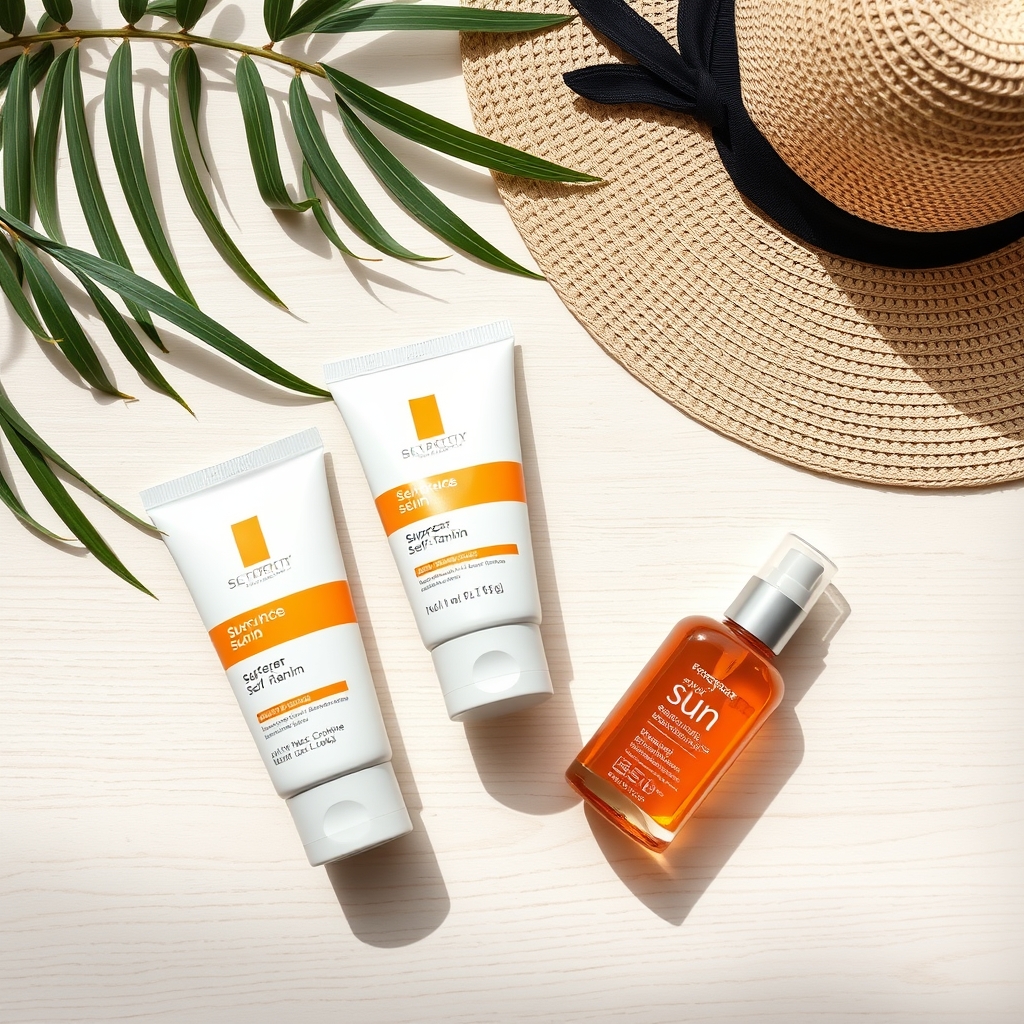
Choosing sunscreen and self‑tanning alternatives helps you glow without UV risk.
Safe dosage / amount / brands
For natural sun exposure, aim for 10–15 minutes of direct sunlight per day, preferably before 10 a.m. or after 4 p.m. This window provides enough UV‑B for vitamin D synthesis while keeping the UV dose low. If you’re in a high‑altitude location or have very fair skin, reduce the time to 5–10 minutes.
When using sunscreen, apply 1 teaspoon (≈ 5 mL) to the face and neck, and 2 tablespoons (≈ 30 mL) to the entire body. Reapply every two hours, or sooner after swimming or sweating. The following brands are recognized for pregnancy safety:
Coola Mineral Sunscreen SPF 30 – mineral‑based, fragrance‑free, reef‑safe.
Neutrogena Sheer Zinc Face Sunscreen SPF 50 – high SPF, zinc oxide, suitable for sensitive skin.
EltaMD UV Clear Broad‑Spectrum SPF 46 – recommended for acne‑prone or rosacea‑type skin during pregnancy.
For self‑tanning, limit application to once every 4–5 days to avoid over‑pigmentation. Follow product instructions precisely, and avoid using lotions that contain added retinoids or other active ingredients not recommended for pregnancy.
Side effects and risks
Common, non‑dangerous effects: mild redness, temporary skin dryness, or a faint orange‑tinged hue from DHA‑based self‑tanners. These usually resolve within a day or two and do not affect the baby.
Potentially serious concerns: sunburn (painful, blistering, increased risk of skin cancer later), heat exhaustion (dizziness, rapid heartbeat, nausea), or signs of preeclampsia (persistent headache, swelling, visual disturbances). If any of these occur after sun exposure, seek medical attention promptly.
Safer alternatives
St. Tropez Self Tan Classic Bronzer – provides a natural‑looking tan without UV.
Loving Tan Deluxe Organic Self‑Tanning Lotion – fragrance‑free, organic ingredients.
Coola Mineral Sunscreen SPF 30 – protects while adding a subtle glow.
UV‑protective clothing (e.g., Columbia SunShades hat and shirt) – blocks UV while keeping you stylish.
Jergens Natural Glow Daily Moisturizer – a gentle bronzing lotion.
Doctor‑approved Vitamin D supplement – supports bone health without sun.
Myth: “A tan is a sign of good health during pregnancy.”
Fact: A tan merely indicates UV exposure; it does not reflect nutritional status or fetal health, and excessive UV can pose risks.
Myth: “Indoor tanning is safer than the sun because it’s controlled.”
Fact: Indoor tanning delivers concentrated UV radiation, often exceeding safe outdoor limits, and is strongly discouraged by ACOG and the FDA.
Myth: “Self‑tanning lotions can’t be used because they contain chemicals.”
Fact: DHA‑based self‑tanners are topical and do not enter the bloodstream; they are considered safe when used as directed.
Key takeaways
Limit natural sun exposure to ≤ 15 minutes daily, preferably outside peak UV hours.
Avoid indoor tanning booths entirely; they pose a higher UV risk.
Use broad‑spectrum, mineral‑based sunscreen (SPF 30+) for any outdoor activity.
Self‑tanning lotions with DHA are a safe alternative for a bronzed look.
Stay hydrated, wear protective clothing, and watch for heat‑related symptoms.
Consider vitamin D supplementation if sun exposure is limited or you live in a low‑UV region.
Frequently asked questions
Can pregnant women get a tan safely?
Yes—brief, protected sun exposure (≤ 15 minutes) is considered safe, but indoor tanning and prolonged sessions should be avoided.
What are the dangers of tanning during pregnancy?
Excessive UV exposure can cause sunburn, increase core temperature, and raise the risk of skin cancer and heat‑related complications such as preeclampsia.
How much sun is safe for a pregnant woman?
Experts recommend no more than 10–15 minutes of direct sunlight per day, paired with SPF 30+ sunscreen and adequate hydration.
Is it okay to use spray tan while pregnant?
Yes—spray tanning uses DHA, which stays on the skin’s surface and does not pose a known risk to the fetus.
Does UV exposure affect the baby’s skin?
Limited UV exposure does not directly affect the baby’s skin; however, high‑intensity UV can raise maternal temperature, indirectly influencing fetal development.
Should I avoid tanning beds while pregnant?
Absolutely—indoor tanning beds deliver concentrated UV radiation and are strongly discouraged for pregnant individuals.
What sunscreen should I use during pregnancy?
Choose a broad‑spectrum, mineral sunscreen with at least SPF 30, such as Coola Mineral Sunscreen SPF 30, and apply it generously before any sun exposure.
Can I use tanning oils while pregnant?
Tanning oils often contain little to no SPF, meaning they do not protect against UV rays. If you choose to use them, pair them with a separate SPF 30+ sunscreen to avoid unfiltered UV exposure.
What should I do if I get a sunburn while pregnant?
Treat a mild sunburn with cool compresses, aloe‑based moisturizers, and plenty of fluids. If the burn is severe, blisters develop, or you develop fever or chills, contact your provider promptly because extensive burns can increase the risk of dehydration and heat‑related complications.
When to call your doctor
If you experience any of the following after sun exposure, contact your healthcare provider promptly: persistent sunburn, blisters, fever, dizziness, rapid heartbeat, swelling of hands or feet, severe headache, visual disturbances, or signs of preeclampsia. Remember, this article provides general information and is not a substitute for personalized medical advice.
References
American College of Obstetricians and Gynecologists (ACOG). “Physical Activity and Exercise During Pregnancy and the Postpartum Period.” Practice Bulletin No. 204, 2020.
National Health Service (NHS). “Sun safety for pregnant women.” Updated 2022.
U.S. Food and Drug Administration (FDA). “Tanning Beds: Safety Information.” 2021.
Centers for Disease Control and Prevention (CDC). “Heat Illness and Pregnancy.” 2023.
Mayo Clinic. “Vitamin D and Pregnancy.” 2022.
World Health Organization (WHO). “UV Radiation and Health.” 2020.
American Academy of Dermatology (AAD). “Choosing a sunscreen for pregnancy.” 2021.
National Institute for Health and Care Excellence (NICE). “Pregnancy: advice on vitamin D supplementation.” 2022.
Not sure about the label on Sun Exposure While Pregnant Tanning Risks products?
Snap the ingredients list and SafeFilter checks every ingredient for your stage — only 3 free scans this month, then you're locked until reset. Unlimited from $7/mo or $50/yr.
When Shubhra Mishra was expecting her first child in 2016, she was overwhelmed by conflicting food advice — one site said yes, another said never. By the time her second baby arrived in 2019, she realized millions of mothers face the same confusion.
That sparked a five-year journey through clinical nutrition papers, cultural diets, and expert conversations — all leading to BumpBites: a calm, compassionate space where science meets everyday motherhood.
Her long-term vision is to build a global community ensuring safe, supported, and free deliveriesfor every mother — because no woman should face pregnancy alone or uninformed. 🌿
🌍 Stand with mothers, shape safer guidance
Join a small circle of experts who review BumpBites articles so expecting parents everywhere can decide with confidence.