Struggling with sleep regression at 8 months? Learn why it happens, how long it lasts, and expert tips to help your baby (and you) sleep better tonight.
By Shubhra Mishra — a mom of two who turned her own confusion during pregnancy into BumpBites, a global mission to make food choices clear, safe, and stress-free for every expecting mother. 💛
Check whether any food is safe during pregnancy with the BumpBites Food Safety Checker.
Quick take: Sleep regression at eight months is common and usually temporary. It’s driven by rapid brain development, new motor milestones, and growing awareness of the world. Most babies settle back to their regular sleep patterns within 2–6 weeks with consistent routines, soothing, and supportive feeding practices.
It’s 2 a.m., you hear the familiar whimper of your little one who’s been sleeping soundly for months, but now the night feels endless. You’re not alone—many parents hit a sleep roadblock around the eight‑month mark.
In this article we’ll explain what an eight‑month sleep regression is, why it happens, how long it typically lasts, and what you can do to navigate it without losing your sanity. We’ll also compare it to the six‑month regression, tease out the difference between regression and teething, and give you concrete bedtime‑routine ideas, soothing techniques, and feeding tips. By the end you’ll have a clear plan and know exactly when to call your pediatrician.
Read on for a step‑by‑step guide that blends the latest guidance from ACOG, the NHS, and the CDC with real‑world parenting experience.
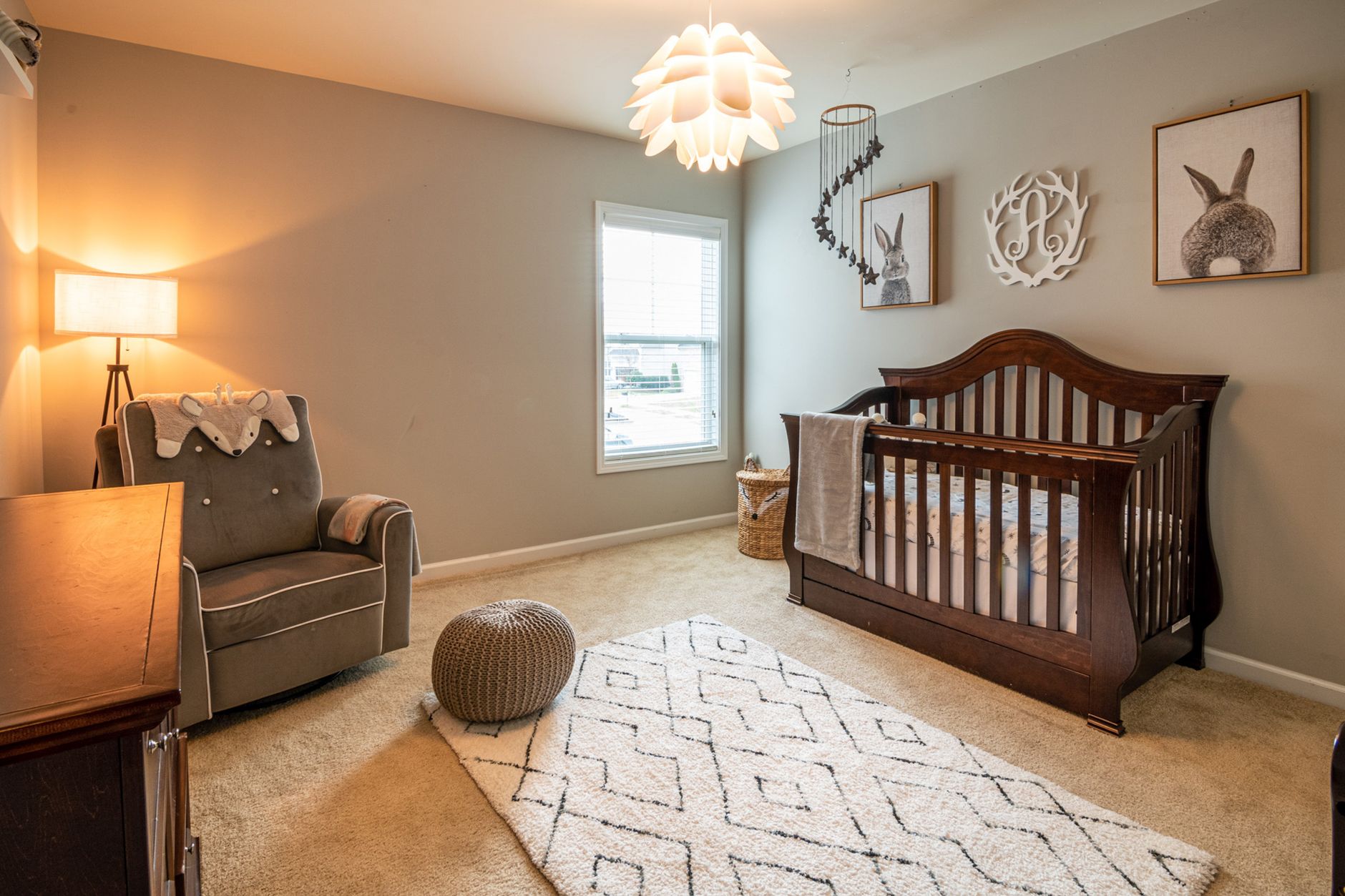
Creating a calm sleep environment can help smooth the eight‑month regression.
What causes sleep regression at 8 months?
Sleep regression at eight months isn’t a mystery—it’s a predictable response to several developmental milestones that happen all at once.
Brain growth. Around eight months the cerebral cortex is expanding rapidly, and the brain is learning to process sensory input, language, and memory. This “over‑activation” can make it harder for babies to wind down at night.
Motor milestones. Many infants start pulling to stand, cruising, or even taking their first steps. New muscles mean new energy, and the excitement of newfound mobility often interrupts sleep cycles.
Separation anxiety. By eight months babies recognize that they are separate individuals from their caregivers. This awareness can trigger brief bouts of distress when they’re alone in the crib.
Changes in sleep architecture. The proportion of REM (active) sleep decreases while deeper NREM sleep increases. The transition can be jarring for a baby whose sleep pattern has been relatively stable.
All of these factors combine to create a temporary “regression” where a previously settled sleeper suddenly wakes more often, takes shorter naps, or resists bedtime.
How long does an 8 month sleep regression last?
Most experts agree that an eight‑month regression lasts between two and six weeks. The exact duration depends on how quickly the baby adapts to the new developmental stage and how consistently the caregiver maintains soothing routines.
Key signs that the regression is winding down include:
Fewer nighttime awakenings (down to 1–2 per night).
Longer stretches of uninterrupted sleep, especially after a consistent bedtime routine.
Nap lengths returning to 1–1.5 hours.
If the pattern persists beyond six weeks, or if you notice additional concerning symptoms (fever, persistent vomiting, weight loss), it’s time to discuss the situation with your pediatrician.
Signs my baby is experiencing 8 month sleep regression
Recognizing a regression early can prevent sleepless nights from spiraling. Look for these hallmark signs:
Increased night waking. Your baby who once slept 6–8 hours straight now awakens every 2–3 hours.
Shorter naps. Daytime naps shrink from 1.5 hours to 30–45 minutes.
More fussiness at bedtime. The baby resists being placed in the crib, cries, or asks to be held.
New motor attempts. You hear the baby practicing pulling up or cruising in the crib.
Heightened clinginess. The infant seeks extra parental contact during the night.
These behaviors differ from normal “growth spurts” because they are directly tied to developmental milestones and typically appear all at once.
Tips to get through 8 month sleep regression
When the sleep regression hits, a calm, consistent approach can shorten the storm. Here are evidence‑based strategies:
Stick to a predictable schedule. Offer feedings, naps, and bedtime at the same times each day. Consistency signals safety to a developing brain.
Adjust bedtime slightly. If your baby is fighting sleep, try moving bedtime earlier by 15–30 minutes.
Create a soothing pre‑sleep ritual. A warm bath, gentle massage, and a short story help cue the body for rest.
Offer a “comfort object.” A soft blanket or plush toy (once the baby is 12 months old) can provide reassurance.
Use white noise. A consistent sound mask can drown out sudden noises that might otherwise wake the baby.
Keep nighttime feeds low‑key. Dim lights, soft voices, and minimal interaction prevent overstimulation.
Watch for signs of overtiredness. An overtired baby will have more difficulty settling, so aim for 2–3 daytime naps.
These tips align with guidance from the UK’s NHS on infant sleep hygiene, emphasizing a calm environment and routine.
Is 8 month sleep regression normal or a sign of a problem?
In the vast majority of cases, an eight‑month regression is a normal part of development. However, there are red‑flag scenarios where the sleep disturbance could signal an underlying issue:
Persistent fever, rash, or vomiting. These may indicate infection.
Significant weight loss or failure to thrive. Could suggest feeding problems.
Severe, prolonged crying that doesn’t calm with usual soothing. May be a sign of colic or medical pain.
Regression lasting more than 8 weeks. While uncommon, extended sleep trouble warrants a pediatric review.
If any of these appear, contact your provider promptly. Otherwise, the regression is typically a temporary phase.
Difference between 8 month sleep regression and teething
Teething often coincides with the eight‑month period, making it tricky to tease apart the two. Here’s a quick comparison:
Feature
Sleep Regression (8 mo)
Teething (8 mo)
Primary cause
Brain and motor development
Dental eruption pain
Typical signs
Frequent night waking, shorter naps, motor attempts
Gum swelling, drooling, desire to chew
Onset pattern
Sudden change in sleep routine
Gradual increase in discomfort, may affect feeding
Duration
2–6 weeks
1–3 weeks per tooth
If your baby is also drooling, gnawing on toys, and seems uncomfortable during the day, teething may be compounding the regression. In that case, a chilled teething ring or a gentle gum massage can provide relief alongside the sleep strategies above.
Best bedtime routine during 8 month sleep regression
Having a solid routine is the single most effective tool for smoothing the regression. Here’s a step‑by‑step bedtime plan that works for most eight‑month olds:
Wind‑down (30 min before bed). Dim the lights, turn off stimulating toys, and start a soft music playlist.
Bath (10‑15 min). Warm water helps lower body temperature afterward, signaling the body it’s time to sleep.
Massage (5 min). Use a baby‑safe lotion; gentle strokes can calm the nervous system.
Storytime (5 min). Choose a short, soothing board book. Keep your voice low and rhythmic.
Feeding. Offer a breast or formula feed in a dimly lit room; keep interaction calm.
Final lullaby and goodnight cue. A consistent phrase like “Sleep tight, sweet dreams” paired with a soft lullaby signals the end of the routine.
Place baby awake but drowsy. This encourages self‑soothing, a key component of healthy sleep habits.
Consistency is key—repeat the same steps nightly, even on weekends. The CDC highlights routine as a cornerstone of healthy infant sleep patterns.
A calm, dimly lit nursery supports the eight‑month sleep routine.
How to soothe an 8 month old during sleep regression
When your little one wakes in tears, try these soothing techniques before reaching for the phone:
Pat and shush. A gentle hand on the back combined with a soft “shhh” can recreate the womb’s rhythm.
Offer a brief feed. If the baby is hungry, a quick breast or formula feed can settle them, but keep the lights low.
Use a pacifier. For babies who accept one, a pacifier can provide immediate comfort.
Rock gently. A slow, rhythmic rocking motion (about 30 seconds per rock) mimics the motion of being carried.
White‑noise or “heartbeat” app. A steady sound can mask sudden noises that trigger awakenings.
Touch‑and‑go method. Briefly comfort, then step away, allowing the baby to try self‑soothing. This balances reassurance with independence.
Pick the method that feels most natural to you—consistency and calm are more important than the exact technique.
Additional questions you might have
8 month sleep regression vs 6 month regression
Both regressions arise from developmental leaps, but the 6‑month regression often coincides with the introduction of solid foods and the start of the “day‑night” pattern, while the 8‑month regression is driven more by motor milestones and separation anxiety. The 6‑month phase usually resolves in 1–3 weeks, whereas the 8‑month regression can linger a bit longer, as outlined above.
How many naps should an 8 month old have during regression?
Even during regression, an eight‑month‑old typically needs 2–3 naps** per day**, totaling about 3–4 hours of daytime sleep. Avoid over‑napping (more than 4 hours) as it can further disrupt nighttime sleep.
Does breastfeeding affect 8 month sleep regression?
Breast milk contains tryptophan, which can promote sleep, but frequent night feeds are common at this age. The NHS suggests limiting nighttime breastfeeding to “comfort only” after the first 6 months, gradually spacing feeds to encourage longer sleep stretches.
Can sleep training help with 8 month regression?
Gentle sleep‑training methods—such as the “Pick‑Up‑Put‑Down” or “Ferber” approach—can be introduced once the baby is consistently drowsy at bedtime. The American Academy of Pediatrics (AAP) notes that sleep training is safe after 4 months, but it should be adapted to the baby’s temperament and parental comfort.
What foods can help improve sleep for an 8 month old?
Introducing iron‑rich purees (e.g., lentils, fortified cereals) and foods with natural melatonin sources, like bananas and sweet potatoes, can support sleep. Avoid sugary snacks or caffeine‑containing drinks (including tea) after midday, as they may interfere with nighttime rest.
When to expect sleep regression to end at 8 months?
Most babies return to their pre‑regression sleep pattern by **8 weeks**. If night waking continues beyond 10 weeks, or if other concerning symptoms appear, schedule a pediatric check‑up.
Parenting tips for 8 month sleep regression
Beyond the strategies already mentioned, keep these practical tips in mind:
Maintain a sleep diary to track patterns and identify triggers.
Enlist a partner or family member to share nighttime duties, preserving your own rest.
Stay hydrated and practice self‑care; a rested caregiver is better equipped to soothe a fussy infant.
From our medical team: “Sleep regressions are a sign of healthy brain growth. By keeping routines consistent, offering gentle comfort, and staying alert to red‑flag symptoms, you can help your baby navigate this phase while protecting both of your sleep needs.”
Myth vs. fact
Myth: An eight‑month sleep regression means the baby will never sleep through the night again.
Fact: Most babies regain a full night of sleep within a few weeks once the developmental surge settles.
Myth: You must let the baby “cry it out” to break the regression.
Fact: Gentle soothing—patting, shushing, or brief feeding—can calm the infant without prolonging the regression.
Myth: Teething is the only reason a baby wakes at night after eight months.
Fact: While teething can add discomfort, the primary driver at eight months is brain and motor development, which often occurs without any dental eruption.
Key takeaways
Sleep regression at eight months is common and usually resolves in 2–6 weeks.
Maintain a consistent bedtime routine and a calm sleep environment.
Offer brief, low‑key feeds at night and keep lighting dim.
Aim for 2–3 daytime naps totaling 3–4 hours.
Use soothing techniques like shushing, gentle rocking, and white noise.
Watch for red‑flag symptoms—fever, weight loss, or prolonged distress—and contact your pediatrician if they appear.
Frequently asked questions
What age does sleep regression usually start?
Sleep regressions most commonly appear at 4, 6, 8, and 12 months, aligning with major developmental milestones.
How can I tell if my baby’s sleep regression is due to teething?
Look for gum swelling, drooling, and a desire to chew on objects; these signs point to teething, whereas regression without oral discomfort is more likely driven by brain development.
Is it safe to let my baby cry it out during an 8 month sleep regression?
Gentle “cry‑it‑out” methods can be safe after 4 months, but many experts recommend a more responsive approach for eight‑month‑olds to avoid added stress.
Can I adjust my baby’s nap schedule to reduce sleep regression?
Yes—ensure your baby gets 2–3 naps totaling 3–4 hours and avoid overtiredness by keeping bedtime consistent.
What are the common signs of an 8 month sleep regression?
Frequent night waking, shorter naps, increased clinginess, and attempts at new motor skills like pulling to stand are typical signs.
How long should an 8 month sleep regression last before it’s considered abnormal?
If the pattern persists beyond 8 weeks, or if the baby shows concerning symptoms like fever or poor weight gain, it’s time to seek medical advice.
When to call your doctor
If your baby experiences any of the following, contact your pediatrician promptly: fever above 38 °C (100.4 °F), persistent vomiting or diarrhea, significant weight loss, ongoing crying that cannot be soothed, or a sleep regression lasting longer than 8 weeks.
Remember, this article provides general information and is not a substitute for personalized medical advice. Always discuss your baby’s specific situation with a qualified health professional.
References
American College of Obstetricians and Gynecologists (ACOG). “Sleep and Development in Infancy.” Clinical Guidance, 2023.
National Health Service (NHS). “Baby sleep problems.” UK Health Guidance, 2022.
Centers for Disease Control and Prevention (CDC). “Safe Sleep for Babies.” Public Health Resources, 2023.
American Academy of Pediatrics (AAP). “Sleep Training: What Parents Need to Know.” Pediatrics, 2021.
Mayo Clinic. “Infant sleep patterns.” Medical Reference, 2022.
World Health Organization (WHO). “Infant and Young Child Feeding.” Nutrition Guidelines, 2021.
Not sure about the label on Sleep Regression 8 Months products?
Snap the ingredients list and SafeFilter checks every ingredient for your stage — only 3 free scans this month, then you're locked until reset. Unlimited from $7/mo or $50/yr.
When Shubhra Mishra was expecting her first child in 2016, she was overwhelmed by conflicting food advice — one site said yes, another said never. By the time her second baby arrived in 2019, she realized millions of mothers face the same confusion.
That sparked a five-year journey through clinical nutrition papers, cultural diets, and expert conversations — all leading to BumpBites: a calm, compassionate space where science meets everyday motherhood.
Her long-term vision is to build a global community ensuring safe, supported, and free deliveriesfor every mother — because no woman should face pregnancy alone or uninformed. 🌿
🌍 Stand with mothers, shape safer guidance
Join a small circle of experts who review BumpBites articles so expecting parents everywhere can decide with confidence.