Discover essential second trimester pregnancy dos and don’ts to stay healthy and comfortable. Learn safe exercises, foods to eat, and habits to avoid for you and baby.
By Shubhra Mishra — a mom of two who turned her own confusion during pregnancy into BumpBites, a global mission to make food choices clear, safe, and stress-free for every expecting mother. 💛
Check whether any food is safe during pregnancy with the BumpBites Food Safety Checker.
Quick take: The second trimester is a time of steady growth and new comfort—most foods are safe, moderate exercise is encouraged, and a weight gain of about 1‑2 lb (0.5‑1 kg) per week is typical. Follow the guidelines below for nutrition, activity, symptom relief, travel, intimacy, and prenatal care to keep you and your baby thriving.
It’s 10 p.m., you’re curled up on the couch, and a wave of fatigue hits just as a craving for mango‑lime smoothies pops up. You wonder, “Is this okay for my baby? Should I keep exercising? How much weight am I supposed to gain?” You’re not alone—millions of expectant parents grapple with the same questions during the second trimester.
In this guide we break down the most common “what can and can’t I do?” concerns into clear, actionable steps. From safe foods and smart workouts to travel tips and intimacy advice, we’ve gathered the latest recommendations from ACOG, the NHS, CDC, and WHO so you can make confident choices without endless Googling.
Read on for a complete roadmap of second‑trimester dos and don’ts, plus practical anecdotes, a doctor’s note, myth‑busting, and a handy FAQ. All the information is organized to answer the exact question you’re asking right now.
What foods are safe to eat during the second trimester pregnancy?
Most nutrient‑dense foods are welcome in the second trimester, but a few items still need a cautious approach. Your diet should focus on protein, iron, calcium, folate, and omega‑3s to support rapid fetal growth while keeping you energized.
Safe staples include:
Lean meats, poultry, and fish low in mercury (e.g., salmon, sardines, tilapia).
Eggs and dairy such as yogurt, cheese, and milk for calcium and vitamin D.
Whole grains—brown rice, quinoa, oats—for fiber and B‑vitamins.
Legumes, nuts, and seeds for plant‑based protein and healthy fats.
Colorful fruits and vegetables, especially leafy greens, carrots, and sweet potatoes, for vitamins A, C, and folate.
Avoid or limit these because they can pose risks:
Raw or undercooked seafood, eggs, and meat (risk of Listeria and Salmonella).
High‑mercury fish such as shark, king mackerel, and tilefish.
Unpasteurized dairy and soft cheeses like Brie or feta unless labeled safe.
Processed deli meats unless heated to steaming.
Excessive caffeine—keep it under 200 mg per day (about one 12‑oz coffee).
For a second‑trimester pregnancy diet plan for healthy weight gain, aim for 2,200‑2,400 kcal per day (the exact number varies by pre‑pregnancy BMI). Include a protein source at each meal, a serving of fruit or veg, and a healthy fat like avocado or olive oil. A sample day might look like:
Breakfast: Greek yogurt with berries, chia seeds, and a drizzle of honey.
Mid‑morning snack: Apple slices with almond butter.
Lunch: Quinoa salad with grilled chicken, spinach, cherry tomatoes, and feta.
Afternoon snack: Whole‑grain crackers with hummus.
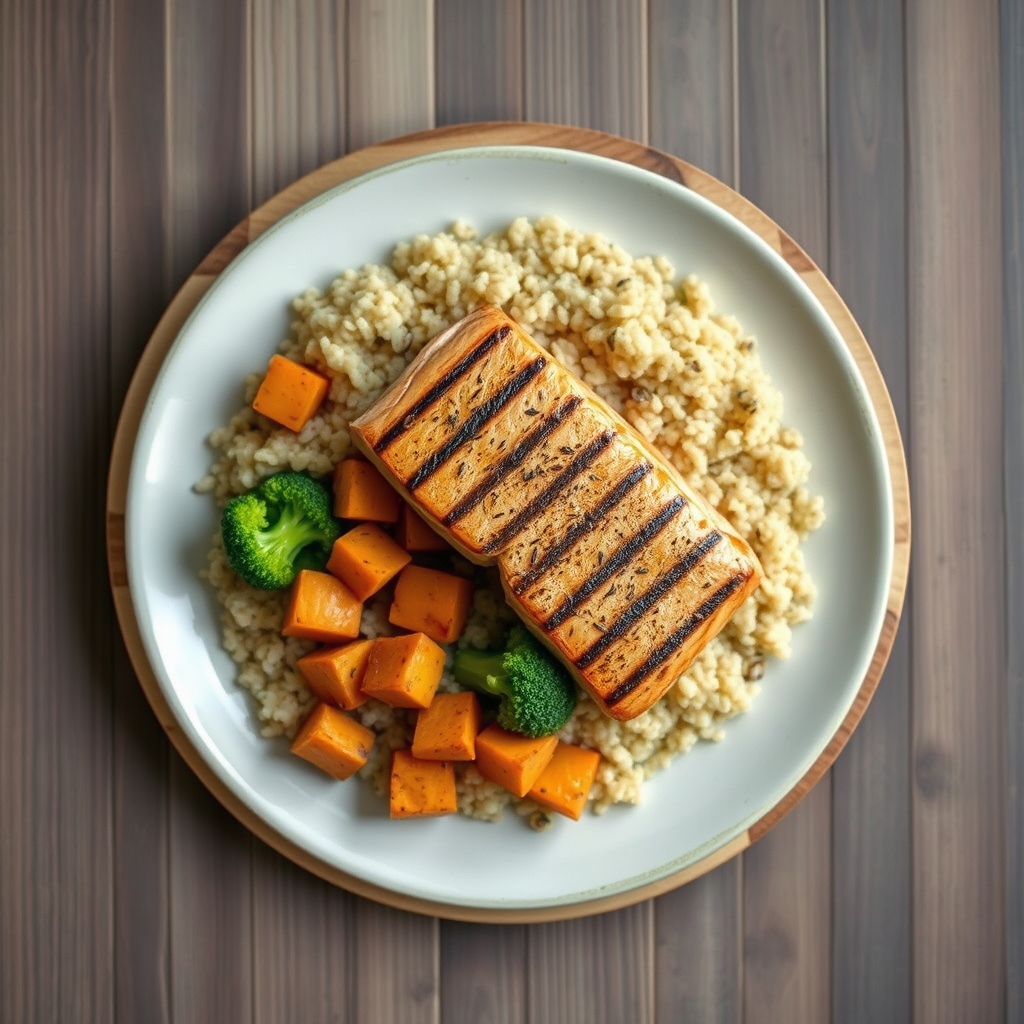
Dinner: Baked salmon, roasted sweet potatoes, and steamed broccoli.
Evening snack: Warm milk with a pinch of cinnamon.
Cravings are common; the key is to satisfy them with nutrient‑rich choices. If you’re suddenly hankering for pickles, add a small side of low‑sodium pickles rather than a candy bar. For sweet cravings, pair fruit with a tablespoon of nut butter. This strategy keeps blood sugar stable and provides the vitamins your baby needs.
Stay hydrated—aim for at least 8‑10 cups of water daily. Hydration helps with amniotic fluid levels and reduces constipation, a frequent second‑trimester complaint.
Balanced meals like this provide protein, healthy fats, and fiber for both you and your baby.
Remember, every pregnancy is unique. If you have a history of gestational diabetes, your provider may recommend a lower carbohydrate intake. Always discuss any major dietary changes with your obstetrician or a registered dietitian.
Second trimester exercise guidelines for pregnant women
Exercise during the second trimester is not only safe for most women—it can improve mood, sleep, and circulation while preparing your body for labor. The American College of Obstetricians and Gynecologists (ACOG) recommends at least 150 minutes of moderate‑intensity aerobic activity each week, plus strength‑training twice weekly.
Good options include:
Brisk walking or light jogging (if you were already active pre‑pregnancy).
Swimming and water aerobics—water supports your weight and reduces joint stress.
Stationary cycling with low resistance.
Prenatal yoga, which enhances flexibility and breath control.
When it comes to best prenatal yoga poses for second trimester, focus on gentle stretches that open the hips and relieve back tension. Safe poses include:
Cat‑Cow (Marjaryasana‑Bitilasana) for spine mobility.
Modified Warrior II (Virabhadrasana II) with a wide stance.
Supported Child’s Pose (Balasana) using a bolster.
Seated Forward Fold with a strap, keeping knees slightly bent.
Avoid deep twists, inversions, or any pose that compresses the abdomen. If you feel dizziness, shortness of breath, or pain, stop immediately and rest.
Here’s a sample weekly routine (≈150 minutes):
Monday: 30 minutes of brisk walking.
Tuesday: 45‑minute prenatal yoga class focusing on hip openers.
Wednesday: Rest or gentle stretching.
Thursday: 30 minutes of swimming.
Friday: 30 minutes of stationary cycling.
Saturday: Light strength‑training (body‑weight squats, wall push‑ups) for 20 minutes.
Sunday: Rest or a short family walk.
Safety tips:
Keep the “talk test” in mind—if you can hold a conversation while exercising, you’re at a moderate intensity.
Stay cool; wear breathable fabrics and hydrate before, during, and after workouts.
Wear a supportive sports bra and shoes with good arch support.
Listen to your body—if something feels off, modify or skip that activity.
Most women can continue their pre‑pregnancy routines with adjustments. If you’re new to exercise, start slowly and gradually increase duration.
How much weight should I gain in the second trimester?
Weight‑gain guidelines depend on your pre‑pregnancy body mass index (BMI). The Institute of Medicine (IOM) and ACOG provide the following recommended total gains, which translate into a typical second‑trimester pattern of 0.5‑1 kg (1‑2 lb) per week after the first 12 weeks.
Pre‑pregnancy BMI
Total recommended gain
Second‑trimester weekly gain
Underweight (BMI < 18.5)
12‑18 lb (5.5‑8 kg)
~1.5 lb (0.7 kg)
Normal weight (BMI 18.5‑24.9)
25‑35 lb (11‑16 kg)
~1‑2 lb (0.5‑1 kg)
Overweight (BMI 25‑29.9)
15‑25 lb (7‑11 kg)
~1‑1.5 lb (0.5‑0.7 kg)
Obese (BMI ≥ 30)
11‑20 lb (5‑9 kg)
~0.5‑1 lb (0.2‑0.5 kg)
Weight gain is usually slower in the first trimester (about 1‑5 lb total). By the start of week 13, many women have already added 2‑4 lb. From weeks 13‑28, aim for the weekly ranges above. Monitoring can be as simple as a weekly weigh‑in at home, but keep a log to spot trends.
Factors that influence weight gain include:
Baseline activity level—more active women may gain slightly less fat.
Dietary composition—protein‑rich meals help preserve lean mass.
Edema—some swelling is normal; differentiate it from excessive weight gain.
If you’re gaining faster than recommended, discuss adjustments with your provider. They may suggest swapping high‑calorie snack foods for nutrient‑dense options or moderating portion sizes. Conversely, if gain is too low, a registered dietitian can help add healthy calories.
Remember, the goal is a steady, healthy increase—not a rapid spike. Consistent, modest gain supports fetal growth and reduces the risk of gestational diabetes and pre‑eclampsia.
Second trimester prenatal vitamins dosage recommendations
Most obstetricians prescribe a prenatal vitamin that includes at least 400 µg of folic acid, 27 mg of iron, 1,000 IU of vitamin D, and DHA (omega‑3). The CDC and WHO agree that these nutrients are critical for neural tube development, red‑blood‑cell production, and fetal brain growth.
Key dosage points for the second trimester:
Folate: Continue 400‑800 µg daily. Some providers increase to 1 mg if you have a prior pregnancy complication.
Iron: 27 mg is standard; if you’re anemic, your doctor may prescribe a higher therapeutic dose for a short period.
Vitamin D: 1,000 IU daily supports calcium absorption and immune health.
DHA: 200‑300 mg per day promotes retinal and brain development.
Calcium: If your diet is low in dairy, a supplemental 1,000‑1,200 mg divided across meals helps maintain bone density.
Take your vitamin with a meal that includes some fat, as vitamins A, D, E, and K are fat‑soluble. If you experience nausea, a small snack before swallowing can reduce stomach upset.
Some women wonder whether a “double dose” is better. The evidence from ACOG and the NICE guidelines indicates that exceeding the recommended amounts does not provide added benefit and may cause side effects (e.g., constipation from excess iron). Stick to the label unless your provider advises otherwise.
For those with dietary restrictions—vegan, gluten‑free, or allergy‑related—look for prenatal vitamins labeled “plant‑based,” “hypoallergenic,” or “certified organic.” Always verify that the product meets the same nutrient thresholds.
Common second trimester symptoms and how to manage them
The second trimester is often called the “golden period” because many early‑pregnancy symptoms fade, yet new challenges appear. Below are the most frequent complaints and practical ways to ease them.
Back pain
Growing uterus shifts your center of gravity, straining lower back muscles. To relieve pain:
Practice the cat‑cow stretch (see yoga section) daily.
Use a lumbar support pillow when sitting.
Maintain good posture—keep shoulders back and hips aligned.
Consider a maternity belt for additional support during longer walks.
Fatigue
Even though early‑pregnancy fatigue often improves, many women feel a dip in energy as the body works harder to supply the placenta. Tips:
Prioritize a consistent sleep schedule—aim for 7‑9 hours.
Take short “power naps” (15‑20 minutes) if you feel drained.
Stay hydrated and include a protein snack mid‑day to stabilize blood sugar.
Cravings and appetite changes
Cravings are a hallmark of the second trimester. Manage them by:
Keeping healthy, satisfying options on hand (fruit, nuts, yogurt).
Allowing a small “treat” portion (e.g., ½ cup of ice cream) to curb bingeing.
Balancing meals with protein, fiber, and healthy fats to reduce sudden hunger spikes.
Heartburn and indigestion
Hormonal relaxation of the lower esophageal sphincter can cause reflux. Strategies include:
Eating smaller meals more frequently.
Avoiding spicy or acidic foods close to bedtime.
Elevating the head of your bed by 6‑8 inches.
Chewing ginger or sipping peppermint tea (if tolerated).
Leg cramps
Calcium and magnesium fluctuations often trigger nighttime cramps. Prevent them by:
Stretching calves before bed.
Staying well‑hydrated throughout the day.
Considering a magnesium supplement (300‑400 mg) after discussing with your provider.
These symptom‑management tips are grounded in recommendations from the NHS and ACOG, and they can be tailored to your individual needs.
Side‑sleeping with a pillow between the knees helps reduce back strain and improves circulation.
Travel tips for pregnant women in the second trimester
Traveling during weeks 13‑28 is generally considered safe, but a few precautions can keep your journey comfortable and low‑risk.
Air travel
Airlines typically allow travel up to 36 weeks, but the second trimester is ideal because:
Less nausea than the first trimester.
More energy than the third trimester.
Lower risk of preterm labor.
To stay comfortable:
Book an aisle seat for easy bathroom access.
Wear compression stockings to reduce swelling and deep‑vein thrombosis (DVT) risk.
Walk the aisle every 30‑60 minutes to promote circulation.
Stay hydrated—drink water at least every hour.
Car travel
Always wear a seat belt with the lap strap below the belly and the shoulder strap across the chest. Take frequent stops (every 2 hours) to stretch and use the restroom.
International travel
Check vaccination requirements (e.g., hepatitis A, typhoid) with your provider. The CDC advises avoiding travel to areas with Zika virus, malaria, or high‑risk food‑borne illnesses.
Packing essentials
Prenatal records and a copy of your prenatal vitamin bottle.
Comfort items: a neck pillow, water bottle, and healthy snacks.
Any prescribed medications and a list of emergency contacts.
If you experience any of the red‑flag symptoms listed later (e.g., vaginal bleeding, severe abdominal pain), seek medical care immediately.
Second trimester sexual activity safety tips
For most couples, sexual activity remains safe and enjoyable throughout the second trimester. The uterus is well protected by the pelvic bones, and a growing belly does not typically affect blood flow.
Key points to consider:
Comfort first: Experiment with side‑lying or using pillows for support. Many find the “spoon” position reduces pressure on the abdomen.
Lubrication: Hormonal changes can cause vaginal dryness. A water‑based lubricant can enhance comfort.
Bleeding or discharge: Light spotting can be normal, but heavy bleeding, pain, or foul odor warrants a call to your provider.
Medical restrictions: If you have placenta previa, pre‑eclampsia, or a history of preterm labor, your doctor may advise abstaining. Follow their guidance.
Emotional intimacy is just as important as physical intimacy. Open communication with your partner about fears and desires helps maintain a strong connection. If you’re unsure about a specific activity, ask your obstetrician for personalized advice.
Additional considerations: sleep, dental care, work, and anatomy scans
Second trimester pregnancy sleep positions and tips
The NHS recommends sleeping on your left side after week 20. This position improves blood flow to the placenta and reduces pressure on the liver. Use a firm pillow between your knees to align the hips and a supportive pillow behind your back to prevent rolling onto your stomach.
When to schedule anatomy scan in the second trimester
The detailed anatomy ultrasound is typically performed between weeks 18‑22. This scan checks organ development, measures fetal growth, and can reveal certain congenital anomalies. If you have a higher‑risk pregnancy, your provider may schedule an earlier or additional scan.
Second trimester work accommodations for pregnant employees
Many workplaces offer flexible options to support pregnant staff. Common accommodations include:
Ergonomic chairs and footrests to reduce back strain.
More frequent breaks for hydration and movement.
Option to work from home on days when fatigue is high.
Adjustable schedules for prenatal appointments.
Under the U.S. Pregnancy Discrimination Act and the UK Equality Act, employers must provide reasonable adjustments. If you need accommodations, discuss them with HR early and document the request.
Second trimester pregnancy dental care recommendations
Hormonal changes increase gum sensitivity and risk of gingivitis. The American Dental Association (ADA) advises a dental check‑up during the second trimester, ideally before the 20‑week mark. Continue brushing twice daily with fluoride toothpaste, floss gently, and consider an antimicrobial mouthwash if recommended by your dentist.
Dental procedures such as cleanings and fillings are safe; however, elective cosmetic work can be postponed until after delivery.
From our medical team: “The second trimester is a wonderful window for building healthy habits that carry you through birth and beyond. Focus on balanced nutrition, regular moderate activity, and listening to your body’s signals. If anything feels off—persistent pain, unusual bleeding, or sudden swelling—reach out to your provider promptly. You’re doing great, and these guidelines are here to support you every step of the way.”
Myth vs. fact
Myth: You must avoid all “comfort foods” in the second trimester.
Fact: Moderation is key. A small portion of your favorite treat is fine as long as overall nutrition meets pregnancy needs.
Myth: Exercise will cause your baby to be born early.
Fact: Regular, moderate exercise is associated with lower risk of preterm birth, according to ACOG.
Myth: You can’t travel by plane after the first trimester.
Fact: Air travel is safe up to 36 weeks for most pregnancies; the second trimester is often the most comfortable time to fly.
Key takeaways
Eat a variety of nutrient‑dense foods, stay hydrated, and limit high‑mercury fish and unpasteurized dairy.
Aim for 150 minutes of moderate exercise weekly—walking, swimming, and prenatal yoga are excellent choices.
Target a weight gain of about 1‑2 lb (0.5‑1 kg) per week, adjusted for your pre‑pregnancy BMI.
Take your prenatal vitamin daily, ensuring at least 400 µg folic acid, 27 mg iron, 1,000 IU vitamin D, and DHA.
Manage back pain, fatigue, and cravings with stretches, supportive pillows, and balanced snacks.
Travel is safe; use compression stockings on flights, stay hydrated, and keep medical records handy.
Sexual activity remains safe unless your provider advises otherwise—focus on comfort and open communication.
Frequently asked questions
Is it safe to exercise during the second trimester?
Yes—moderate activity such as walking, swimming, and prenatal yoga is safe for most pregnant people and can improve mood, sleep, and circulation.
What foods should I avoid in the second trimester?
You should limit raw or undercooked seafood, eggs, and meats, avoid high‑mercury fish (shark, swordfish), and steer clear of unpasteurized dairy and soft cheeses unless labeled safe.
How much weight should I gain in the second trimester?
Typical weight gain is about 1‑2 lb (0.5‑1 kg) per week, varying with pre‑pregnancy BMI; total gain should align with IOM guidelines (e.g., 25‑35 lb for normal‑weight individuals).
Can I travel by plane in my second trimester?
Yes—air travel is generally safe up to 36 weeks; use seat‑belt low on the belly, stay hydrated, and move your legs regularly to reduce clot risk.
When should I start prenatal classes in the second trimester?
Many programs begin around weeks 16‑20, offering flexibility for you to learn breathing techniques, labor positions, and newborn care before the third trimester.
Is it normal to experience back pain in the second trimester?
Back pain is common as the uterus expands; gentle stretches, supportive pillows, and proper posture can ease discomfort, but severe or sudden pain warrants a medical check‑up.
When to call your doctor
If you notice any of the following, contact your obstetrician or midwife right away: vaginal bleeding, severe abdominal pain, sudden swelling of hands or face, high fever, decreased fetal movement, or signs of pre‑term labor such as regular contractions before week 37.
This article provides general information and is not a substitute for personalized medical advice. Always discuss any concerns or changes with your health care provider.
References
American College of Obstetricians and Gynecologists (ACOG). “Nutrition During Pregnancy.” 2023 clinical guidance.
National Health Service (NHS). “Pregnancy diet and nutrition.” Updated 2024.
Centers for Disease Control and Prevention (CDC). “Pregnancy and Travel.” 2022.
World Health Organization (WHO). “Guidelines on Antenatal Care.” 2021.
Institute of Medicine (IOM). “Weight Gain During Pregnancy.” 2009.
American Dental Association (ADA). “Oral Health Care During Pregnancy.” 2023.
National Institute for Health and Care Excellence (NICE). “Antenatal care for uncomplicated pregnancies.” 2022.
U.S. Pregnancy Discrimination Act, 1978; Equality Act (UK), 2010.
Not sure about the label on Second Trimester Pregnancy Dos And Don Ts products?
Snap the ingredients list and SafeFilter checks every ingredient for your stage — only 3 free scans this month, then you're locked until reset. Unlimited from $7/mo or $50/yr.
When Shubhra Mishra was expecting her first child in 2016, she was overwhelmed by conflicting food advice — one site said yes, another said never. By the time her second baby arrived in 2019, she realized millions of mothers face the same confusion.
That sparked a five-year journey through clinical nutrition papers, cultural diets, and expert conversations — all leading to BumpBites: a calm, compassionate space where science meets everyday motherhood.
Her long-term vision is to build a global community ensuring safe, supported, and free deliveriesfor every mother — because no woman should face pregnancy alone or uninformed. 🌿
🌍 Stand with mothers, shape safer guidance
Join a small circle of experts who review BumpBites articles so expecting parents everywhere can decide with confidence.