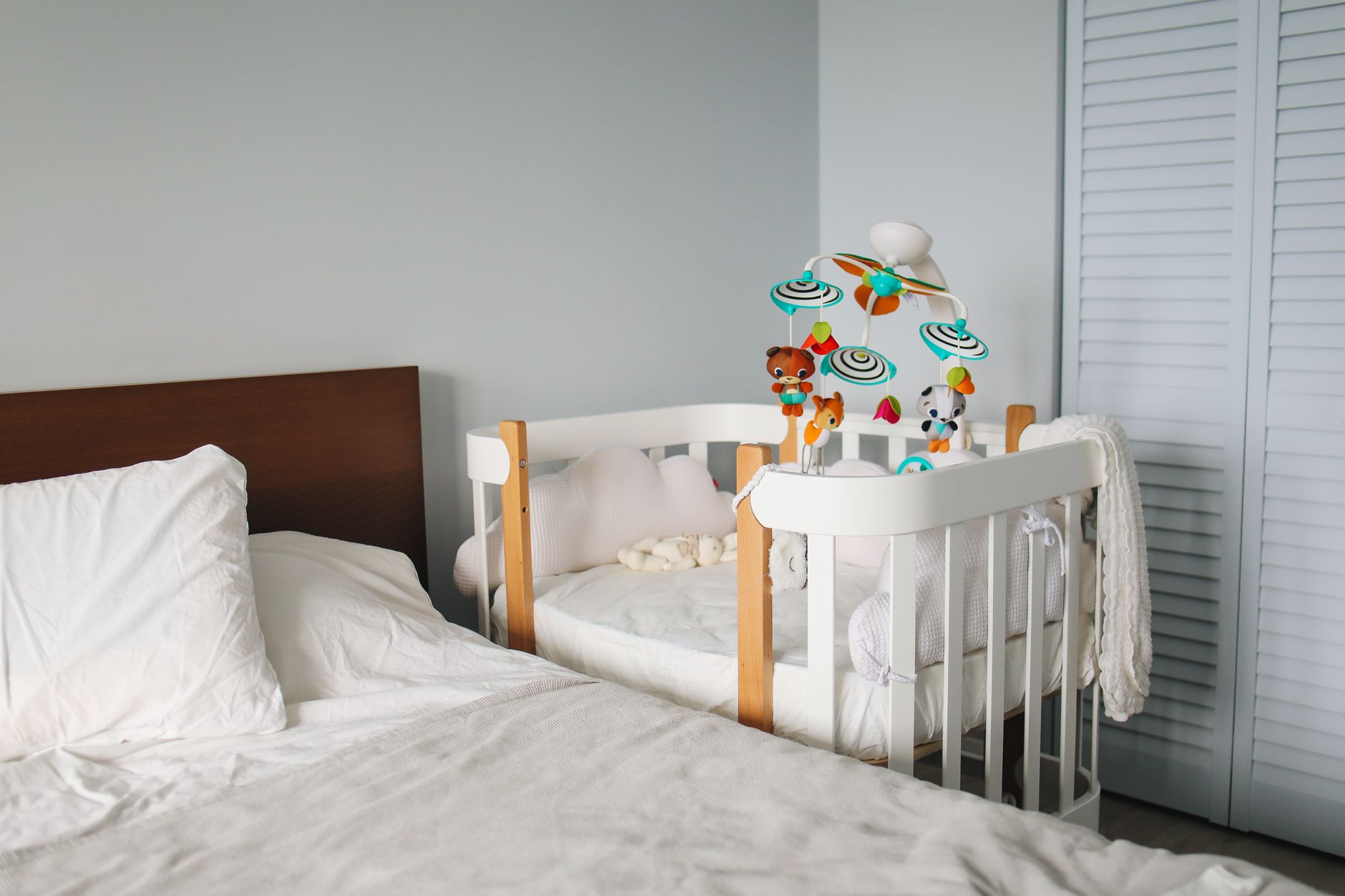
Safe: Place your 3-6 month baby on their back for sleep, the recommended position from birth to reduce SIDS risk and support healthy development per AAP.
By Shubhra Mishra — a mom of two who turned her own confusion during pregnancy into BumpBites, a global mission to make food choices clear, safe, and stress-free for every expecting mother. 💛
Check whether any food is safe during pregnancy with the BumpBites Food Safety Checker.
Quick verdict: ✅ The back‑sleeping (supine) position on a firm mattress is the safest sleep position for 3‑6 month babies. It dramatically lowers the risk of Sudden Infant Death Syndrome (SIDS) and is recommended by pediatric authorities worldwide.
It’s 2 a.m., you’re scrolling through parenting forums, and a headline about “baby sleeping on their stomach” jumps out at you. Your heart races—did you just put your 4‑month‑old in a risky spot? First, breathe. The safe sleep position for 3‑6 month baby is well‑studied, and the guidance is clear: keep your infant on their back, on a firm, flat surface. In this article we’ll walk through exactly why back sleeping is the gold standard, what the research says, how the recommendations differ (or don’t) across the first three trimesters of pregnancy, and which alternatives are truly safer if you have special circumstances like reflux.
We’ll also cover the whole sleep environment—from crib mattresses to swaddles—so you can feel confident that every element of your baby’s bedtime routine supports the safest possible sleep. Whether you’re a mom‑to‑be worrying about the future, or a parent of a 3‑ to 6‑month‑old navigating the bedtime maze, you’ll leave this page with a clear verdict, practical tips, and a list of safer alternatives that fit your family’s needs.
Pregnancy trimester
Verdict for safe sleep position for 3‑6 month baby
Notes
First trimester
Not applicable (infant not yet born)
Focus on maternal sleep safety; infant recommendations begin after birth.
Second trimester
Not applicable (infant not yet born)
Prepare a safe sleep space for when the baby arrives.
Third trimester
Not applicable (infant not yet born)
Discuss newborn sleep plans with your provider.
Breastfeeding period
✅ Back‑sleeping on a firm mattress
Consistent with AAP and NHS guidelines for infants 0‑12 months.
The “safe sleep position for 3‑6 month baby” isn’t just a recommendation; it’s a cornerstone of infant health policy. In plain terms, the safest position is the baby lying on their back (supine) on a firm, flat surface, without pillows, blankets, or soft toys that could cover their face. This position keeps the airway open and reduces the chance of re‑breathing carbon dioxide that can build up if a baby rolls onto their stomach. The American Academy of Pediatrics (AAP) has championed this practice since the early 1990s, and the UK’s National Health Service (NHS) echoes the same advice.
Why does this matter for you now, even if you’re still pregnant? Pediatric guidelines are often discussed during prenatal visits so families can be prepared. Knowing the safest sleep position for 3‑6 month babies ahead of time lets you set up the nursery correctly, choose the right crib mattress, and avoid common pitfalls that could compromise your baby’s safety once they arrive.
Start with a firm mattress and a fitted sheet—no extra padding needed.
What is the safest sleep position for a 3‑6 month old baby?
The safest sleep position for a 3‑6 month baby is the supine (on the back) position on a firm, flat sleep surface. This recommendation stems from decades of research linking back‑sleeping to a dramatically lower risk of Sudden Infant Death Syndrome (SIDS). The infant’s head stays level, the airway remains open, and the baby cannot accidentally roll onto their stomach while they lack the motor skills to reposition themselves safely. The AAP’s “Safe Sleep” guidelines, reinforced by the NHS and the CDC, all converge on this single, simple practice.
Key components of a safe sleep environment include:
A firm, flat crib mattress that meets safety standards.
A tightly fitted, breathable sheet—no blankets, pillows, or plush toys.
Room‑temperature regulation to avoid overheating.
A sleep sack or swaddle that keeps the baby’s arms inside but does not cover the face.
Even though babies between three and six months are beginning to roll, the back‑sleeping position remains the safest baseline. If a baby does roll onto their stomach, the safest response is to gently reposition them onto their back, rather than leaving them in the prone position.
Should I place my 4-month-old baby on their back or side to sleep?
For a 4‑month‑old baby, the back‑sleeping position is still the recommended choice. Side‑lying was once considered a compromise for babies with reflux, but research has shown that side‑sleeping does not reduce reflux and carries a higher risk of the baby rolling onto their stomach. The AAP explicitly advises against side‑sleeping for infants under one year because the baby can easily shift into a prone position, which is linked to higher SIDS rates.
If reflux is a concern, the safest approach is still back‑sleeping, combined with a slight incline (no more than 10 degrees) and a properly fitted swaddle that keeps the baby’s arms at their sides. Some parents use a rolled towel for gentle support, but this should be done under pediatric guidance to ensure the baby’s airway stays clear.
Are there alternative sleep positions for babies with reflux between 3 and 6 months?
For infants with gastroesophageal reflux (GER), the primary recommendation remains back‑sleeping, as studies indicate that sleeping on the back does not worsen reflux symptoms. A gentle, clinician‑approved incline can be used, but the incline must never exceed 10 degrees, and the baby should be placed on a firm, flat surface. Specialized infant sleep positioner pillows are marketed for reflux, yet the FDA has issued warnings that many of these products have not been proven safe and may increase the risk of suffocation.
Safer alternatives for reflux include:
Upright feeding and burping after each feeding.
Keeping the baby upright for 20‑30 minutes post‑feed.
Using a breathable, swaddle‑style sleep sack that keeps the arms inside but does not restrict breathing.
Always discuss reflux management with your pediatrician before adjusting sleep position.
What are the risks of placing a 3‑month‑old baby on their stomach to sleep?
Placing a 3‑month‑old baby on their stomach (prone) to sleep significantly raises the risk of SIDS. A meta‑analysis published in The Lancet found that prone sleeping triples the odds of sudden infant death compared with supine sleeping. In addition to the risk of suffocation, stomach sleeping can cause overheating and re‑breathing of carbon dioxide, especially if the baby’s face is pressed against bedding.
While some parents worry that stomach sleeping may help a baby sleep longer, the safety trade‑off is not worth it. If a baby consistently rolls onto their stomach during sleep, the safest strategy is to use a firm mattress, avoid soft bedding, and gently reposition the baby onto their back each time.
Can a baby sleep in a car seat safely for a 3‑6 month old?
Car seats, high chairs, and swings are designed for short, supervised periods, not for routine sleep. The FDA and AAP warn that prolonged sleep in a car seat can lead to positional asphyxia because the infant’s head can tilt forward, restricting airflow. For a 3‑6 month baby, the safest sleep environment is a flat, firm crib or bassinet. If you must use a car seat for travel, limit sleep to no more than 30‑45 minutes, and always place the baby on a flat surface as soon as you reach your destination.
Does the type of crib mattress affect safe sleep position for a 4‑month‑old?
Absolutely. The mattress is a cornerstone of safe sleep. A firm, flat mattress that meets safety standards (e.g., ASTM F1169) provides the appropriate support to keep the baby’s airway open. Soft or sagging mattresses can allow the baby’s face to sink in, increasing the risk of suffocation. The NHS recommends checking the mattress regularly for indentations; if you can see the outline of a hand through the mattress, it is likely too soft.
Memory foam, while comfortable for adults, is generally not recommended for infants under one year because it can conform too much around the baby’s head and body. Opt for a standard firm crib mattress with a breathable, fitted sheet.
How does a baby’s sleep position change after 6 months?
After six months, many babies gain enough motor control to roll both ways and sit up unassisted. The AAP still recommends that the infant’s primary sleep position be on their back, but once a baby can consistently roll both ways, they can be allowed to find their own comfortable position, provided the sleep environment remains safe (firm surface, no loose bedding). Some pediatricians suggest continuing to place the baby on their back initially, then allowing them to self‑position once they demonstrate stable rolling.
Even after six months, the same safe sleep principles apply: firm mattress, no pillows, and breathable bedding. The risk of SIDS decreases as the infant grows, but safe sleep practices should still be maintained until at least 12 months of age.
What do doctors recommend for safe sleep positions for infants between 3 and 6 months?
Doctors across the United States, United Kingdom, and Canada uniformly endorse back‑sleeping on a firm, flat surface for infants 3‑6 months old. The AAP’s “Safe Sleep” policy (2022 update) and the NHS’s “Safe Sleeping for Babies” guidance both stress the same core points: supine position, firm mattress, fitted sheet, and avoidance of soft objects. Pediatricians also emphasize the importance of a smoke‑free environment, as parental smoking dramatically increases SIDS risk.
In summary, the professional consensus is clear: the safe sleep position for 3‑6 month baby is on the back, with a supportive, flat surface, and a minimal, breathable sleep environment.
Back‑sleeping with a breathable swaddle sack keeps the baby safe and comfortable.
Safety by trimester
First trimester
During the first trimester, the infant has not yet been born, so the concept of a safe sleep position for a 3‑6 month baby is not yet applicable. However, expecting parents can use this time to plan the nursery, purchase a certified safe crib, and discuss sleep safety with their obstetrician. Early preparation helps ensure that once the baby arrives, the safe sleep position can be implemented immediately.
Second trimester
In the second trimester, the focus remains on maternal health, but it’s a good period to finalize the safe sleep setup. The American College of Obstetricians and Gynecologists (ACOG) encourages prenatal education about infant safe sleep practices, as mothers who receive early counseling are more likely to follow safe sleep guidelines. Consider selecting a firm mattress, a breathable swaddle, and removing any unnecessary bedding before the baby’s arrival.
Third trimester
By the third trimester, many parents are assembling the nursery. The safe sleep position for 3‑6 month baby becomes a priority as the due date approaches. A quick checklist: firm crib mattress, fitted sheet, no pillows or blankets, and a sleep sack or swaddle that keeps the arms inside but the face uncovered. Discuss any concerns—such as reflux or potential need for a sleep positioner—with your pediatrician before birth.
Breastfeeding period (post‑birth)
Once the baby is born and begins to breastfeed, the safe sleep position for 3‑6 month baby is fully relevant. The AAP and NHS both recommend the supine position for all infants up to one year, unless a qualified health professional advises otherwise for a specific medical condition. Continue to monitor the baby’s ability to roll and adjust the sleep environment as needed.
Safe dosage / amount / brands
While “dosage” isn’t relevant for a sleep position, the amount of time a baby spends in a particular position each night does matter. For a 3‑6 month baby, aim for uninterrupted back‑sleeping throughout the entire night—typically 10‑12 hours with several naps. If a baby rolls onto their stomach, gently reposition them onto their back each time.
When choosing products, look for brands that meet safety certifications:
Product type
Recommended brand
Why it’s safe
Firm crib mattress
Graco Secure Sleep
Meets ASTM standards, firm, non‑sagging.
Swaddle sack
HALO SleepSack
Arms‑in design, breathable cotton.
Portable bassinet
Snuggle Me Organic
Flat, firm surface with no inclination.
Sleep positioner pillow
Not recommended
FDA warns of suffocation risk.
Avoid any mattress that compresses under weight, and steer clear of “wiggle” pillows or “anti‑roll” devices that are not endorsed by pediatric authorities.
Side effects and risks
Improper sleep positioning can lead to several issues:
Sudden Infant Death Syndrome (SIDS): Prone or side‑sleeping increases the odds of SIDS, especially in the first six months.
Positional asphyxia: Soft bedding or an inclined surface can cause the baby’s airway to become obstructed.
Overheating: Excess blankets or heavy sleep sacks can raise core temperature, a known SIDS risk factor.
Reflux aggravation: While some parents think stomach sleeping helps reflux, it does not; however, an incline that is too steep can worsen reflux.
If you notice any of the following, call your pediatrician immediately: persistent difficulty breathing while sleeping, bluish skin, unusually limp or floppy limbs, or a baby who consistently wakes up crying and appears distressed after being placed on their back.
Safer alternatives
Back sleeping (supine) on a firm mattress – the gold‑standard for reducing SIDS.
Side‑lying with a rolled towel for support – only if a pediatrician advises for reflux, and only under close supervision.
Sleep in a certified safe‑sleep crib – ensures the environment meets safety standards.
Use of a swaddle sack that keeps arms out – maintains back‑sleeping while preventing startle reflexes.
Sleep positioner pillow designed for infants – only if it has FDA clearance and is used per guidelines.
Portable bassinet with a flat, firm surface – ideal for travel while maintaining safe sleep conditions.
Related items — safety at a glance
Item
Verdict
One‑line note
Infant sleep sacks
✅ Safe
Keep baby warm without loose blankets.
Crib bumpers (non‑hazardous)
⚠️ Not recommended
Can cause suffocation or entrapment.
Baby monitors with breathing sensors
✅ Safe
Provides added peace of mind, but not a substitute for safe sleep practices.
Pacifiers for safe sleep
✅ Safe
Reduces SIDS risk when used correctly.
Swaddle blankets
⚠️ Caution
Must be snug around torso but loose around hips and face.
Portable travel cribs
✅ Safe
Flat, firm surface required; avoid added padding.
Firm crib mattresses
✅ Safe
Core element of safe sleep environment.
White noise machines
✅ Safe
Can help soothe baby without affecting sleep position.
Myth vs. fact
Myth: “Side‑sleeping helps babies with reflux breathe easier.”
Fact: Research shows side‑sleeping does not reduce reflux and can increase the chance of rolling onto the stomach, raising SIDS risk.
Myth: “If a baby rolls onto their stomach, it’s okay to leave them there.”
Fact: The AAP advises repositioning the baby onto their back each time you notice a prone position, as the risk of SIDS remains elevated.
Myth: “Sleep positioner pillows are a safe way to keep babies from rolling.”
Fact: The FDA has issued warnings that many infant sleep positioners can cause suffocation and are not recommended for routine use.
Key takeaways
Back‑sleeping on a firm, flat surface is the safest sleep position for 3‑6 month babies.
Avoid pillows, blankets, and soft toys that could cover the baby’s face.
Use a breathable swaddle sack or sleep sack that keeps the arms inside but the face uncovered.
For reflux, maintain the back‑sleeping position with a slight, clinician‑approved incline—no more than 10 degrees.
Never let a baby sleep for extended periods in a car seat, swing, or other upright device.
Monitor the infant for signs of discomfort, overheating, or difficulty breathing, and call a pediatrician if any arise.
Frequently asked questions
What is the recommended sleep position for a 4‑month‑old baby?
The recommended sleep position for a 4‑month‑old baby is on their back (supine) on a firm, flat surface, following AAP and NHS guidelines.
Is it safe for a 5‑month‑old to sleep on their stomach?
No, stomach sleeping is not considered safe for a 5‑month‑old; it increases the risk of SIDS and should be avoided.
How many hours should a 3‑month‑old baby sleep each day?
A 3‑month‑old typically needs about 14‑17 hours of sleep per 24 hours, including nighttime sleep and multiple naps.
Can a baby roll over onto their stomach while sleeping?
Yes, many babies begin to roll onto their stomach around 4‑6 months; however, they should still be placed on their back to start, and the sleep environment must remain safe.
Do I need to use a sleep positioner for my 3‑6 month old?
No, sleep positioners are not recommended by pediatric authorities because they can increase the risk of suffocation.
What are the signs of unsafe sleep for infants?
Signs include a baby’s face pressed against bedding, overheating, difficulty breathing, or persistent rolling onto the stomach without repositioning.
Should I use a firm mattress for my baby's crib?
Yes, a firm mattress is essential for safe sleep; it prevents the baby’s face from sinking in and maintains an open airway.
When can I change my baby's sleep position from back to side?
Most experts advise continuing back‑sleeping until the baby can reliably roll both ways, usually after 6 months, and only then allowing side‑sleeping under close supervision.
When to call your doctor
If you notice any of the following, contact your pediatrician promptly:
Persistent difficulty breathing or noisy breathing while the baby is sleeping.
Blue or gray discoloration around the lips or face.
Baby appears unusually limp, floppy, or unresponsive during sleep.
Repeated rolling onto the stomach despite repositioning.
Signs of overheating: hot to the touch, excessive sweating, or flushed skin.
These symptoms may indicate a serious problem that requires immediate medical evaluation. The information provided here is for general educational purposes and does not replace personalized medical advice. Always discuss any concerns with your health care provider.
References
American Academy of Pediatrics. “Safe Sleep: Recommendations for Parents and Caregivers.” 2022.
National Health Service (NHS). “Safe sleeping for babies.” Updated 2023.
Centers for Disease Control and Prevention (CDC). “Sudden Unexpected Infant Death and Sudden Infant Death Syndrome.” 2022.
Food and Drug Administration (FDA). “Infant Sleep Positioner Safety.” 2021.
American College of Obstetricians and Gynecologists (ACOG). “Prenatal Counseling: Infant Safe Sleep.” 2020.
The Lancet. “Prone Sleeping and the Risk of SIDS: A Meta‑analysis.” 2020.
World Health Organization (WHO). “Guidelines on Infant Feeding and Sleep Safety.” 2021.
Not sure about the label on Safe Sleep Position For 3 6 Month Baby products?
Snap the ingredients list and SafeFilter checks every ingredient for your stage — only 3 free scans this month, then you're locked until reset. Unlimited from $7/mo or $50/yr.
When Shubhra Mishra was expecting her first child in 2016, she was overwhelmed by conflicting food advice — one site said yes, another said never. By the time her second baby arrived in 2019, she realized millions of mothers face the same confusion.
That sparked a five-year journey through clinical nutrition papers, cultural diets, and expert conversations — all leading to BumpBites: a calm, compassionate space where science meets everyday motherhood.
Her long-term vision is to build a global community ensuring safe, supported, and free deliveriesfor every mother — because no woman should face pregnancy alone or uninformed. 🌿
🌍 Stand with mothers, shape safer guidance
Join a small circle of experts who review BumpBites articles so expecting parents everywhere can decide with confidence.