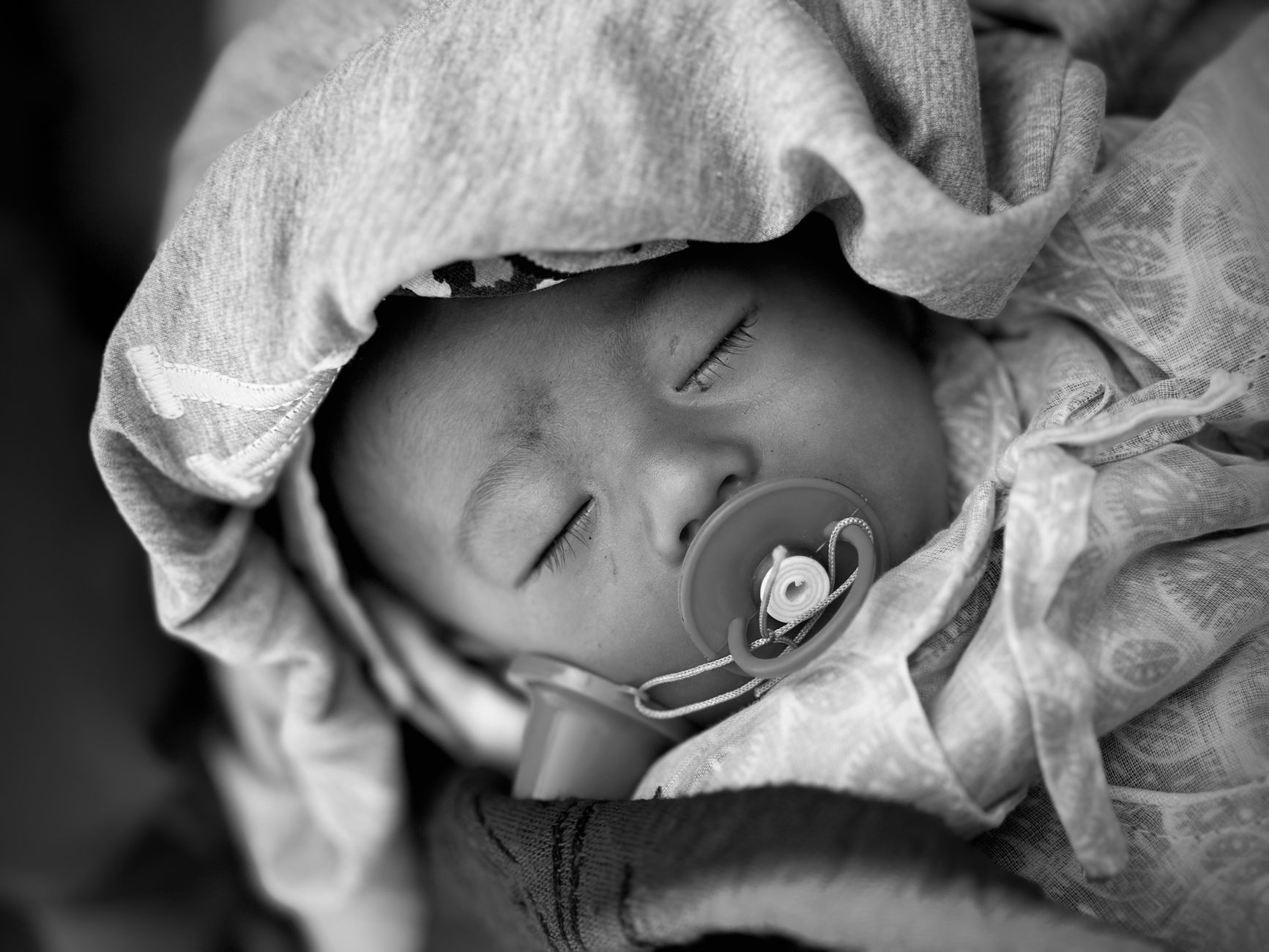
Discover the American Academy of Pediatrics safe sleep guidelines to ensure your baby's safety while sleeping, following expert advice
By Shubhra Mishra — a mom of two who turned her own confusion during pregnancy into BumpBites, a global mission to make food choices clear, safe, and stress-free for every expecting mother. 💛
Check whether any food is safe during pregnancy with the BumpBites Food Safety Checker.
Quick take: The American Academy of Pediatrics (AAP) recommends that every baby sleep on their back, on a firm, flat surface, without any soft objects or loose bedding. Follow these simple steps—use a safety‑approved crib or bassinet, dress the infant in a snug sleep sack, and keep the sleep space clear—to dramatically lower the risk of sudden infant death syndrome (SIDS) and other sleep‑related accidents.
It’s 2 a.m., you’re half‑asleep, and a soft coo from your newborn’s crib pulls you back to the nursery. Your mind races: “Did I set up the sleep space correctly? Is the blanket safe? What if they turn onto their stomach?” You’re not alone. Hundreds of new parents ask the same questions every night, and the answers are rooted in clear, evidence‑based guidance from the AAP.
In this guide we walk you through every detail of the AAP’s safe‑sleep recommendations—from the basics of back‑sleeping and firm surfaces to special situations like colic, twins, travel, and transitioning from a bassinet to a crib. We’ll also compare the AAP’s advice with the World Health Organization (WHO) recommendations, bust common myths, and give you a printable checklist you can keep by the bedside.
By the end of this article you’ll have a step‑by‑step plan you can trust, plus quick answers to the most common “what if” scenarios that keep new parents up at night.
Creating a calm, clutter‑free sleep space helps you stick to the AAP’s safe‑sleep rules.
What are the safe sleep guidelines for newborns according to AAP?
The AAP’s core recommendations, first published in the 2016 “Safe Sleep for Babies” policy statement and reaffirmed in 2022, are simple but powerful:
Back sleep: Place every infant on their back for every sleep—naps and nighttime—until they can roll both ways on their own (usually around 4–6 months).
Firm, flat surface: Use a firm, safety‑approved crib, bassinet, or portable play yard with a tight‑fitting sheet. No waterbeds, sofas, or pillow‑top mattresses.
Room‑sharing, not bed‑sharing: Keep the baby’s sleep space in the same room as you for at least the first 6 months, ideally up to one year.
Keep soft objects and loose bedding away: Blankets, pillows, bumper pads, and stuffed animals belong in the nursery, not in the crib.
Dress appropriately: Use a wearable sleep sack or a one‑piece sleeper; avoid loose blankets that could cover the face.
These practices have been shown to reduce the risk of SIDS by up to 50 % when followed consistently (AAP, 2022). The guidelines apply to all infants—full‑term, premature, and those with medical conditions—unless a pediatrician advises otherwise.
Recent data from the CDC reinforce that each element of the AAP’s checklist independently lowers infant mortality, underscoring why the organization stresses them as a bundle rather than optional tips.
How to create a safe sleep environment for a baby at home?
T
urning a nursery into a safe haven is easier than you might think. Start with the basics and add a few thoughtful touches:
Choose the right sleep surface: A crib that meets the Consumer Product Safety Commission (CPSC) standards, a bassinet with a firm mattress, or a portable play yard are all acceptable. Make sure the mattress fits snugly—no more than a finger’s width of space around the edges.
Use a fitted sheet only: Loose‑fitting sheets can create gaps where a baby could become trapped. A tightly fitted, breathable cotton sheet is the safest option.
Dress the baby in a sleep sack: A one‑piece sleep sack eliminates the need for blankets while keeping the baby warm. Choose a size that fits snugly around the chest but allows free movement of the hips.
Keep the crib clear: Remove all toys, pillows, bumpers, and blankets. The only items that belong in the sleep space are the mattress, fitted sheet, and a monitoring device if you use one.
Maintain a comfortable room temperature: Aim for 68–72 °F (20–22 °C). Over‑bundling can increase the risk of overheating, another known SIDS factor.
Use a firm, well‑ventilated mattress: Avoid memory foam or soft toppers. The mattress should be firm enough that you can’t press your hand into it.
When you step back and look at the crib, ask yourself: “If I could fit a hand between the mattress and the crib side, would I feel safe?” If the answer is yes, you’ve nailed the AAP’s core principle.
For families who prefer a more natural aesthetic, a simple wooden crib paired with an organic‑cotton fitted sheet still meets safety standards while fitting a sustainable lifestyle.
When caring for twins, the same safe‑sleep rules apply to each crib.
AAP safe sleep recommendations for infants with colic
Colic—characterized by prolonged, inconsolable crying—can make nighttime soothing feel urgent, but the AAP’s safe‑sleep rules do not change. In fact, sticking to the guidelines is even more critical because an exhausted caregiver may be tempted to “hold the baby close” on a couch or armchair, which increases SIDS risk.
Here’s how to stay safe while soothing a colicky infant:
Back‑sleep always: Even if the baby seems uncomfortable, keep them on their back. If they roll onto their stomach, gently turn them back without using force.
Use a swaddle with safety in mind: A snug swaddle can calm a colicky baby, but it must be loose around the hips and not cover the face. A sleep sack with a built‑in swaddle feature is ideal.
Room‑share for quick response: Having the baby’s crib in your room lets you attend to crying without leaving the safe sleep environment.
Avoid “sleep‑on‑the‑couch” shortcuts: If you need a break, place the baby safely in the crib and use a baby monitor to keep an eye on them.
Studies from the American Academy of Pediatrics and the CDC confirm that adherence to safe‑sleep practices reduces SIDS risk regardless of how much the baby cries (CDC, 2021). If colic feels overwhelming, reach out to your pediatrician for feeding or reflux strategies that may help.
Many parents find that a gentle rocking motion in a safe‑sleep bassinet, combined with a pacifier, can soothe colic without compromising the sleep environment.
Can a baby sleep on a couch safely according to AAP guidelines?
No. The AAP explicitly advises against couch or sofa sleeping for any infant, even for a short nap. Sofas have soft cushions, gaps between cushions, and a higher risk of the baby rolling into a dangerous position or becoming trapped between the sofa and a wall.
Research published by the CDC shows that more than 50 % of sleep‑related infant deaths occur in a sleep surface that is not a dedicated crib or bassinet—most commonly a couch. If you need a temporary spot, the safest option is a portable, firm play yard that meets safety standards, placed on the floor.
For caregivers who feel the urge to “hold the baby close” on a couch while soothing, the recommendation is to keep the baby in their own safe sleep space and use a baby monitor to stay connected. The short‑term comfort of a couch is far outweighed by the long‑term safety risk.
Even in a pinch, a folded blanket on the floor is safer than a couch because it eliminates the gap hazard that leads to suffocation.
What position should a baby be placed in for safe sleep per AAP?
The AAP’s position rule is crystal clear: always place the baby on their back (supine) for every sleep episode. This applies from birth until the infant can reliably roll from back to stomach and stomach to back on their own, usually around 4–6 months.
If a baby is born premature or has a medical condition that requires a different position, the pediatrician may prescribe a custom plan, but that is the exception, not the rule.
Side‑lying is not recommended because infants can easily roll onto their stomach, especially as they gain strength. Even if a baby seems to prefer a side position, gently return them to the back and monitor for rolling.
The AAP’s emphasis on supine sleep is backed by a meta‑analysis of over 30 studies showing a consistent 50 % reduction in SIDS when back‑sleep is practiced.
How often should I change my baby's sleep position to follow AAP safe sleep rules?
During the first few months, you do not need to reposition the baby every few hours. The AAP advises no routine “re‑positioning” once the baby is placed on their back at sleep onset. However, you should check the baby’s face and breathing shortly after they fall asleep to ensure the airway is clear.
If you notice the baby has rolled onto their stomach, gently turn them back onto their back. For infants who cannot yet roll over, this will rarely happen if the sleep surface is firm and free of soft bedding.
For babies older than 4 months who can roll both ways, you can let them find a comfortable position, but continue to keep the crib free of hazards. The key is vigilance, not constant repositioning.
Some parents use a “sleep‑position monitor” that alerts them if the infant rolls onto their stomach; however, these devices are not a substitute for following the AAP’s core guidelines.
What bedding and clothing are allowed under AAP safe sleep guidelines?
Only a few items are considered safe:
Fitted crib sheet: Must be snug, breathable cotton or a similar material.
Wearable sleep sack or one‑piece sleeper: Provides warmth without loose blankets.
Optional thin, breathable swaddle blanket: Only if the infant is not yet able to roll over and the swaddle is snug around the torso but loose at the hips.
Everything else—blankets, pillows, bumper pads, crib toys, loose sheets, and even “pillow‑top” mattresses—must stay out of the crib. If you need extra warmth, consider a room‑temperature adjustment or a sleep sack with a higher TOG rating instead of adding layers.
In colder climates, a calibrated room thermostat is safer than layering blankets, which can shift and cover the baby’s face.
AAP safe sleep checklist for new parents
Keep this printable checklist by the bedside. Tick each item every night before you drift off:
Item
Yes/No
Baby placed on back?
Firm, flat sleep surface?
Only a fitted sheet in the crib?
Wearable sleep sack, no loose blankets?
Room‑sharing (crib, not bed) for at least 6 months?
Crib free of toys, pillows, bumper pads?
Room temperature 68‑72 °F (20‑22 °C)?
Baby monitor in use?
Printing and posting this list can turn an abstract set of guidelines into a concrete nightly routine.
Many parents find it helpful to laminate the checklist and keep a dry‑erase marker next to the crib for quick updates.
Differences between AAP safe sleep guidelines and WHO recommendations
Both the AAP (U.S.) and WHO (global) aim to reduce SIDS and accidental suffocation, but there are subtle variations:
Room‑sharing duration: The AAP recommends at least 6 months, while WHO suggests up to 12 months if possible.
Breastfeeding emphasis: WHO places stronger emphasis on exclusive breastfeeding for the first six months as an additional protective factor.
Swaddling guidance: WHO advises that swaddling be used only if the infant can roll over and that the hips must be able to move freely, aligning closely with AAP but with slightly different age thresholds.
Use of pacifiers: Both organizations support offering a pacifier at nap and bedtime, but WHO notes it should not replace breastfeeding.
In practice, the core safe‑sleep rules—back sleeping, firm surface, no soft objects—are identical. Parents can follow either set of guidelines; the choice may depend on local healthcare advice.
When traveling internationally, checking the local health authority’s guidance (e.g., NHS in the UK) can help you align with the most relevant standards.
Safe sleep tips for twins and multiples according to AAP
Managing two (or more) infants can feel like a juggling act, but the AAP’s principles remain the same for each child:
Separate sleep spaces: Each twin should have their own crib, bassinet, or portable play yard that meets safety standards. Sharing a crib increases the risk of suffocation.
Room‑share both infants: Place both cribs in the same room as the parents for easy monitoring.
Consistent positioning: Place each baby on their back, use firm mattresses, and keep the area free of blankets and toys.
Co‑sleep monitoring: A baby monitor with multiple audio/video feeds can help you keep an eye on both cribs simultaneously.
Many parents wonder whether a “twin‑specific” blanket can be used. The answer is no—any blanket, regardless of design, is a hazard. A sleep sack for each baby is the safest solution.
Some families find a side‑by‑side arrangement of two bassinets helpful during the early weeks; just ensure each bassinet meets the CPSC safety criteria.
How to transition a baby from a bassinet to a crib while staying safe?
Most babies outgrow a bassinet between 3 and 5 months, when they start to push up or roll. The transition can be smooth if you follow these steps:
Choose a crib that meets current safety standards: Look for a crib with a fixed side rail and a mattress that fits tightly.
Introduce the crib early: Place the crib in the nursery while the bassinet is still in use. Let the baby explore it during playtime.
Maintain the same sleep routine: Use the same bedtime songs, lighting, and sleep sack to create continuity.
Keep the AAP guidelines consistent: Back‑sleep, firm surface, no loose bedding—exactly as you did with the bassinet.
Monitor for rolling: If the baby begins to roll onto their stomach, gently turn them back onto their back.
By keeping the environment identical, the baby associates the new crib with safety and comfort, reducing the chance of sleep disruptions.
Some parents add a soft, breathable mattress pad that meets CPSC standards to ease the transition; ensure it does not create a gap.
What to do if a baby rolls onto their stomach during sleep?
For infants younger than 4 months who cannot yet roll both ways, a stomach position is a red flag. The AAP advises:
Gently roll the baby back onto their back.
Check the sleep surface—ensure it’s firm and free of soft bedding that could trap the face.
Observe for any signs of breathing difficulty; if the baby’s face appears flushed or they seem distressed, call your pediatrician.
For babies older than 4 months who can roll over, you can let them find a comfortable position, but still keep the crib free of hazards. If the baby frequently ends up on their stomach and you’re concerned, discuss a sleep‑position monitor or a sleep sack with a front opening that encourages back‑sleeping.
In rare cases where a medical condition limits rolling, your pediatrician may recommend a specialized positioning device, but this is not routine.
AAP guidelines for safe sleep during travel or overnight stays
Travel can tempt families to use hotel beds, sofas, or car seats for sleep. The AAP’s travel‑safe‑sleep checklist includes:
Portable crib or play yard: Bring a certified, travel‑friendly sleep space that uses a firm mattress.
Avoid car seats for overnight sleep: Car seats are designed for short trips, not prolonged sleep; they can restrict airflow.
Maintain the back‑sleep position: Even in a hotel room, place the baby on their back on a firm surface.
Keep familiar items: A favorite sleep sack or a small, safe blanket can provide comfort without adding risk.
Use a monitor: A portable baby monitor helps you stay alert in an unfamiliar environment.
When staying with relatives, ask if they have a safe crib or if they can set up a portable play yard. If that’s not possible, the safest alternative is a firm mattress on the floor with a fitted sheet and sleep sack.
Airline travel can be tricky; a FAA‑approved travel bassinet that fits the airplane seat can be a lifesaver for long flights.
Safe sleep and pacifier use according to AAP
Offering a pacifier at nap time and bedtime is a simple, evidence‑based way to lower SIDS risk. The AAP recommends introducing a pacifier after breastfeeding is well‑established (usually after the first few weeks).
The pacifier should be clean, free of cracks, and sized appropriately for the infant’s age. If the pacifier falls out during sleep, you do not need to re‑insert it—simply leave the baby in the safe‑sleep position.
Parents often worry that a pacifier might interfere with feeding. Research published by the AAP in 2021 shows no adverse impact on breastfeeding duration when the pacifier is introduced after the first month.
Safe sleep considerations for infants with reflux or gastroesophageal issues
Infants with gastroesophageal reflux (GER) may seem uncomfortable when lying flat. The AAP advises that the safe‑sleep position—on the back—remains the priority.
If reflux is severe, discuss a mild elevation strategy with your pediatrician; a slight incline (no more than 10 degrees) using a medically‑approved wedge can be considered, but the wedge must be placed under the mattress, not under the baby, to avoid creating a gap.
Most reflux resolves by 12 months, and maintaining back‑sleep with a firm surface continues to be the safest approach throughout the first year.
Safe sleep and breastfeeding: how feeding supports safe sleep
Exclusive breastfeeding for the first six months is linked to a lower risk of SIDS, according to WHO and AAP data. The act of feeding promotes more frequent arousals during sleep, which may protect against prolonged apnea.
When you breastfeed, keep the baby on a firm, flat surface after the feed, and avoid “co‑sleeping” on a soft sofa or adult bed. If you choose to breastfeed in the same room, a bedside bassinet that meets safety standards is the ideal compromise.
Many mothers find that a nighttime feeding routine that includes a sleep sack and a dim night‑light helps maintain the safe‑sleep environment while still providing the comfort of close contact.
Pair a sleep sack with a pacifier for a simple, evidence‑based safe‑sleep combo.
Common myths about safe sleep and AAP recommendations
Myth‑busting helps you cut through the noise of well‑meaning but inaccurate advice.
Myth: “Side‑sleeping is safer than back‑sleeping.” Fact: The AAP found no evidence that side‑sleep reduces SIDS risk, and side positions can easily roll onto the stomach.
Myth: “A soft pillow keeps the baby comfortable.” Fact: Pillows increase the risk of suffocation; a firm, flat surface is the safest.
Myth: “If the baby sleeps soundly, the sleep environment doesn’t matter.” Fact: Even a quiet baby can be at risk if soft bedding or an unsafe surface is present.
Another common misconception is that “room‑temperature blankets are harmless.” In reality, any loose fabric can shift and cover a baby’s face, so a sleep sack is the recommended alternative.
Key takeaways
Always place your baby on their back on a firm, flat surface with a snug fitted sheet.
Use a wearable sleep sack; avoid loose blankets, pillows, and bumper pads.
Room‑share but never bed‑share for the first 6 months (or up to 12 months per WHO).
For twins, give each child their own crib and keep both spaces clear of hazards.
When traveling, bring a portable, safety‑approved crib or play yard and stick to the back‑sleep rule.
If your baby rolls onto their stomach, gently turn them back onto their back and check the sleep environment.
Introduce a pacifier after breastfeeding is established to add another layer of protection.
Breastfeed when possible; it supports safer sleep patterns and reduces SIDS risk.
Frequently asked questions
What age does the AAP say a baby can start sleeping on their side?
The AAP does not recommend side‑sleeping at any age; back‑sleep is the safest position from birth until the infant can reliably roll both ways, usually around 4–6 months.
Are sleep sacks safer than blankets according to AAP guidelines?
Yes. A sleep sack provides warmth without the loose fabric that can cover a baby’s face, making it the preferred option over blankets for safe sleep.
Can a baby sleep in a car seat overnight and still be safe?
No. The AAP advises against using car seats for prolonged sleep because they can restrict airflow and do not provide a firm, flat surface.
Do AAP safe sleep guidelines apply to premature infants?
They do. Premature infants should follow the same back‑sleep, firm‑surface, and no‑soft‑objects rules, unless a neonatologist provides a specific alternative plan.
Is it okay to use a wearable blanket with a swaddle blanket?
Only if the swaddle is loose around the hips and does not cover the baby’s face. Many pediatricians recommend a sleep sack that includes a swaddle feature to avoid layering hazards.
What should I do if my baby wakes up crying in the middle of the night?
First, check that the baby’s airway is clear and they are still on their back. Offer a feeding or soothing technique, and then return them to the safe sleep environment without adding blankets or pillows.
Can I safely co‑sleep with my baby in the same bed?
The AAP advises against bed‑sharing because it raises the risk of accidental suffocation. If you prefer close proximity, place a bedside bassinet or co‑sleeping crib next to your bed instead.
How often should I replace my baby’s mattress?
Replace the mattress if it becomes soft, shows signs of wear, or no longer fits snugly in the crib. A firm mattress should retain its shape for at least two years, but check manufacturer guidelines.
When to call your doctor
If you notice any of the following, contact your pediatrician or midwife right away: the baby’s skin looks bluish or gray, they have trouble breathing, they consistently roll onto their stomach despite safe‑sleep measures, or you have concerns about fever, excessive crying, or unusual sleep patterns. This article provides general information and is not a substitute for personalized medical advice.
References
American Academy of Pediatrics. “Safe Sleep for Babies.” Policy Statement, 2022.
Centers for Disease Control and Prevention. “Sudden Unexpected Infant Death and Safe Sleep Practices.” 2021.
World Health Organization. “Safe Sleeping Practices for Infants.” WHO Guidelines, 2020.
National Institute for Health and Care Excellence (NICE). “Prevention of Sudden Infant Death Syndrome.” 2021.
U.S. Consumer Product Safety Commission. “Crib Safety Standards.” Updated 2022.
American Academy of Pediatrics. “Breastfeeding and SIDS Risk Reduction.” Clinical Report, 2021.
American Academy of Pediatrics. “Pacifier Use and SIDS Prevention.” Clinical Guidance, 2021.
U.S. Food and Drug Administration. “Safe Use of Infant Swaddling Products.” 2022.
National Health Service (NHS). “Safe Sleeping Guidelines for Babies.” Updated 2023.
Not sure about the label on Safe Sleep Guidelines Aap products?
Snap the ingredients list and SafeFilter checks every ingredient for your stage — only 3 free scans this month, then you're locked until reset. Unlimited from $7/mo or $50/yr.
When Shubhra Mishra was expecting her first child in 2016, she was overwhelmed by conflicting food advice — one site said yes, another said never. By the time her second baby arrived in 2019, she realized millions of mothers face the same confusion.
That sparked a five-year journey through clinical nutrition papers, cultural diets, and expert conversations — all leading to BumpBites: a calm, compassionate space where science meets everyday motherhood.
Her long-term vision is to build a global community ensuring safe, supported, and free deliveriesfor every mother — because no woman should face pregnancy alone or uninformed. 🌿
🌍 Stand with mothers, shape safer guidance
Join a small circle of experts who review BumpBites articles so expecting parents everywhere can decide with confidence.